

Quick Answer: travel insurance for america
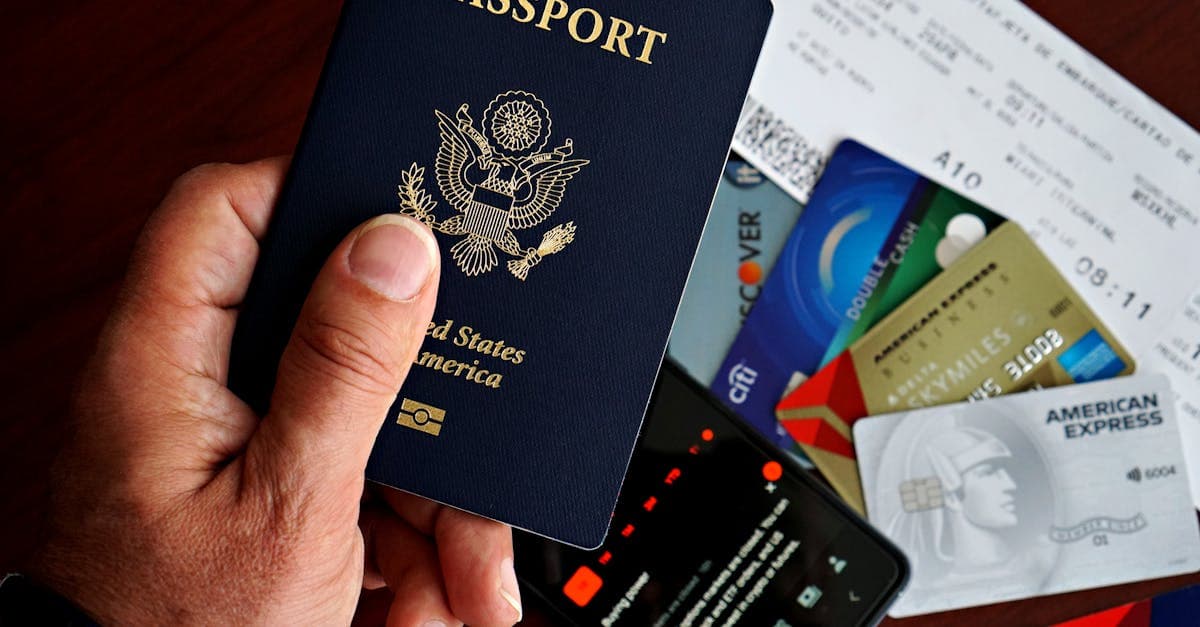
Travel insurance for America is essential, not optional. The US has no reciprocal healthcare agreement with the UK, which means NHS cover does not travel with you. American hospitals bill every patient in full, and those bills arrive whether the stay was planned or not.
Policies for healthy UK adults are relatively affordable given the risk. The cover level required for US travel is substantially higher than for European destinations, and budget options frequently fall short of the recommended minimum.
Book the insurance before you book the flights.
Then confirm your ESTA ($21 fee, two-year validity), check the FCDO travel advisory for the US, and you are ready to travel with some confidence.
One misconception undoes more UK travellers than anything else: the belief that the GHIC card provides at least partial cover in America. It provides none. Not a discount. Not emergency entitlement. Nothing at all.
Travel insurance for America at a glance

The US spends $13,493 per capita on healthcare annually, the highest of any country on record. That figure flows directly into the invoices received by foreign patients who arrive without cover and without any negotiating position.
Key fact: The average US hospital stay costs $10,700 per day (2024 CMS data). ICU beds run $30,000 to $100,000 per day. Medical repatriation to the UK costs $50,000 to $150,000 depending on condition and flight distance.
An appendectomy runs $33,000 to $50,000. A heart attack: $75,000 to $200,000. These are standard American billing figures, not worst-case outliers. None of those totals include an air ambulance.
Travel insurance for America comes in single-trip and annual multi-trip formats. For a healthy UK adult, policies span budget, mid-range, and comprehensive tiers. The minimum recommended medical cover for US travel is £5 million moneysupermarket.com. Budget policies regularly fall below that ceiling, and a ropey policy that misses the threshold can look like proper cover until you actually need it. Checking the policy schedule before purchasing is the one step most travellers skip.
Carrier roaming charges on EE, Vodafone UK, or Three add a separate layer of cost on top of insurance premiums for any US trip. Browse All eSIM Plans to keep data costs predictable alongside your insurance budget.
The US bills every patient who walks through the door. The GHIC card in your wallet changes none of that.
Does my GHIC card work in America?

The GHIC does not work in the United States. The EHIC does not either. Both cards are valid only in EU member states and a small number of European countries holding bilateral healthcare agreements with the UK. The US holds no such arrangement, and no UK-US reciprocal health treaty exists.
66% of personal bankruptcies in the United States are linked to medical bills, according to Harvard Medical School research. That figure includes patients who had insurance at the time of admission. Arriving without any cover raises the exposure considerably.
The confusion among UK travellers is understandable. The GHIC works reliably across EU destinations, so the assumption that it extends further holds a certain logic. It doesn't. The card's coverage stops precisely at the edges of those bilateral agreements, and America sits well outside them.
Here's what actually happens when an uninsured UK visitor enters a US emergency room: they receive treatment. EMTALA, the Emergency Medical Treatment and Labor Act, legally requires hospitals to stabilise any patient regardless of insurance status or ability to pay. Then the billing begins. Full, private-rate billing. No negotiated ceiling. No NHS-equivalent tariff. And aggressive pursuit of unpaid debt follows.
Key fact: An MRI scan costs $1,000 to $5,000 at a US hospital. The equivalent private scan in the UK costs around £200.
Post-Brexit, the GHIC replaced the EHIC for UK residents, with the transition fully completed by 2025. Use it confidently across EU countries. Never assume it reaches America.
Only private travel insurance provides genuine protection in the US gocompare.com.
How much does travel insurance for America cost?
Travel insurance for America typically costs two to three times more than equivalent European cover for the same traveller profile. The spread between budget and comprehensive tiers is also notably wider for US trips than for EU destinations.
Indicative pricing for a healthy UK adult with no pre-existing conditions. Individual quotes vary by insurer and age.
Pre-existing conditions shift the calculation considerably. Declaring a condition can add 30% to 200% to the base premium, depending on severity and how recently it was treated. Failing to declare one voids the policy entirely at point of claim comparethemarket.com. That's the more damaging outcome by far.
Annual multi-trip policies including the US become a sensible option at two or three US trips per year. A mid-range fortnight policy typically stays below £100 per visit; three of those in a year approach the annual equivalent premium quickly.
One phrasing trap that regularly catches travellers out: a "worldwide" policy does not always mean the US is included. "Worldwide including USA and Canada" and "worldwide excluding USA and Canada" describe fundamentally different products gocompare.com. Confusing the two can leave a traveller uninsured without realising it until a claim is rejected.
Annual or single trip: the maths may decide for you.
Single trip vs annual multi-trip: which works out cheaper?

An annual multi-trip policy becomes cost-effective at two or three USA trips per year. Cross the Atlantic twice in twelve months and the per-trip cost of annual cover typically undercuts two separate single premiums. Run a third trip through a single-trip policy and the arithmetic becomes fairly decisive.
The key variable is trip duration. Most annual multi-trip policies cap individual journeys at 30 or 45 days. That suits the frequent flyer well: a week in New York, a business trip to Los Angeles, a long weekend in Miami. If your US visit stretches past the cap, a single-trip policy is the sensible choice.
Business travellers gain most. Running three US trips through single-trip policies adds up to considerably more than the annual mid-range bracket noted in the pricing section above. The saving is tidy, particularly when comprehensive medical limits for the United States are included.
The single-trip policy has its place. A long-stay family holiday, a sabbatical, or a first US trip where repeat travel isn't planned: all point towards single-trip. Don't buy an annual policy for a three-month stay and then find the 45-day cap buried in the small print.
One check most buyers skip: confirm the wording explicitly says 'worldwide including USA.' Some policies default to 'worldwide excluding USA/Canada,' which sounds bog-standard until you realise it strips out the most expensive country you're visiting. Check before you pay.
Knowing the price is one thing. Knowing what it covers is another.
What does US travel insurance actually cover?
A comprehensive US travel insurance policy covers five main areas: emergency medical treatment, repatriation back to the UK, trip cancellation and curtailment, baggage and personal effects, and personal liability. The medical component is the most critical. For the United States, most specialists recommend a minimum of £5 million in medical cover per person postoffice.co.uk.
That figure might sound excessive. A single hospitalisation, a repatriation flight at the costs noted in earlier sections, or a domestic air ambulance can exhaust a lower limit faster than you'd expect.
Cancellation and curtailment cover on a solid mid-range policy typically runs to between £5,000 and £10,000 per person, protecting pre-booked flights, hotels, and tours lost to illness, bereavement, or an FCDO advisory moneysupermarket.com. Baggage cover usually falls between £1,500 and £3,000 per person money.asda.com. Single-item limits are where it gets patchy: most policies cap expensive items individually, so a camera body or high-end laptop can sit outside the headline sum entirely.
COVID-19 cover is now standard across the majority of mainstream UK travel insurers as of 2026, including both medical treatment abroad and cancellation if you test positive before departure.
Adventure activities are the gap most travellers discover too late. Skiing, snowboarding, hiking above certain altitudes, and white-water rafting typically sit outside standard cover. Sorting the relevant add-ons can be fiddly, but most comparison sites now list them clearly alongside the base policy price.
Pre-existing conditions change the picture significantly.
Will travel insurance cover kidney stones?

Kidney stone treatment is covered by US travel insurance, provided the condition is declared at purchase and accepted by the insurer. The stakes are real: a kidney stone attack in the United States, involving CT imaging, ureteroscopy, and a short hospital stay, can push medical bills to $25,000 or above. Pricey, in short.
The declaration step is where most claims fail. Kidney stones are classed as a pre-existing condition when there's a documented history or previous episode, described clinically as urolithiasis. Fail to declare and any related claim will almost certainly be rejected, however long ago the last episode occurred.
Standard insurers sometimes exclude urological conditions on their mainstream policies. The specialist market is workable, though: specialist underwriters cover complex or chronic cases that standard policies decline, and the additional premium is straightforward to justify against a potential US hospital bill of that scale justtravelcover.com.
Declare everything upfront. If you've had a previous episode, disclose it. A urological investigation that returned clear may still count under some policy definitions. Read the insurer's exact wording: terms vary significantly, and the gap a claims adjuster finds later will be one you could have closed at application.
More serious conditions require a specialist approach.
Can I get travel insurance with an aortic aneurysm?

Aortic aneurysm cover exists. Standard policies won't touch it, but specialist insurers in the UK market will staysure.co.uk. Free Spirit, AllClear, and Saga are reliable names in this space, underwriting high-risk cardiovascular conditions that mainstream providers decline.
The pros: genuine cover for travel to America with no material gap on the condition itself, including medical evacuation and repatriation. The cons: a premium uplift of roughly two to four times the standard rate, plus a proper medical screening process that takes longer than buying a standard policy on a comparison site.
Screening typically means a detailed health questionnaire; some providers also request a letter from your cardiologist. It's a proportionate ask. The comparison point, after all, is grim: an uninsured cardiac emergency in the United States at the cost scales already established in this guide.
What to carry
Travel prepared:
- A condition summary letter from your specialist: diagnosis, current stability, and medications.
- Your UK cardiologist's contact details.
- Policy documents and the insurer's 24-hour emergency line.
Tell your insurer if the condition has progressed between policy purchase and departure. A policy agreed on the basis of a stable scan may respond differently if there's been a subsequent assessment showing change.
Beyond health, the USA itself presents specific travel risks worth understanding.
State-specific risks, entry requirements, and adventure cover

Florida accounts for more UK medical claims than any other US state. That single fact should reframe how you build your policy before you start comparison shopping.
Entry first. ESTA (the Electronic System for Travel Authorisation) is mandatory for UK passport holders visiting under the Visa Waiver Programme. The authorisation runs for two years and costs the same fee noted at the start of this guide. Apply at least 72 hours before departure; some insurers will reject claims made by travellers who entered without valid authorisation documentation.
State selection changes risk meaningfully. Florida sits inside Atlantic hurricane season from June through November. Many standard policies exclude cancellation costs if FCDO advice was already active at the time of booking, so read the wording before you pay, not after. Arizona and Nevada in summer present a different hazard: extreme heat events, which certain budget policies classify as "climatic conditions" and exclude from heat-related illness claims unless the cover is explicitly stated.
New York presents a different risk profile entirely. Travel disruption and theft claims outpace medical ones there; missed connections at JFK, stolen luggage on the subway, phone grabs near Times Square.
Road trips need targeted checks. Hire car excess and breakdown cover are rarely automatic inclusions. Verify both before you collect the keys.
Adventure activities are the most common undeclared gap. Skiing in Colorado, hiking the Zion Narrows, white-water rafting in Utah: none are automatically covered. Declare each activity at purchase, or the claim will be declined on a technicality.
As of April 2026, FCDO advice for the USA remains normal precautions with no blanket advisory that would void a standard policy. Insurance sorted. Time to think about data.
Staying connected in America: eSIM and mobile data

UK carrier roaming in the US costs between £5 and £15 per day depending on your network and bolt-on. A fortnight on the East Coast, scrolling Google Maps from New York to Key West, can quietly generate a three-figure data bill before you've noticed.
The fix is simple. An eSIM replaces carrier roaming with a local US data profile. Buy before you fly, install via QR code, and your handset connects to American networks as you clear customs. No kiosk queue. No plastic SIM card. No roaming alert.
HelloRoam offers USA plans from ~$2.49 for 2 GB on a day pass, through to multi-week bundles for longer trips. Browse All eSIM Plans
Coverage on US networks is reliable across cities, interstates, and most suburban areas: Los Angeles, Chicago, and the Eastern Seaboard present no issues. The exception is remote national parks. Grand Canyon and Yellowstone have patchy signal regardless of which eSIM you're carrying, so download offline maps before you head out.
UK travellers should keep their physical UK SIM active alongside the eSIM. Banks send two-factor authentication codes to registered UK numbers; without that line live, a card payment abroad can get rejected at exactly the wrong moment.
Pre-departure, the questions that follow tend to be the same ones every UK traveller asks. The next section covers the most common.
Reviewed by HelloRoam's editorial team. Last updated: 29 April 2026.
Get Connected Before You Go


Frequently Asked Questions
The best travel insurance for USA travel provides a minimum of £5 million in emergency medical cover, along with repatriation, trip cancellation, and baggage protection. Policies vary significantly between budget, mid-range, and comprehensive tiers, and budget options frequently fall below the recommended medical cover threshold. Always confirm the policy wording explicitly states worldwide including USA before purchasing, as some worldwide policies exclude the US entirely. Declare all pre-existing conditions upfront to avoid claims being rejected at the point of need.
For travel within the US, UK travellers need a policy with at least £5 million in medical cover, as American healthcare is the most expensive in the world and there is no reciprocal health agreement between the UK and the US. A comprehensive policy should also include repatriation cover, trip cancellation, and baggage protection. Annual multi-trip policies become cost-effective for two or more US trips per year, while single-trip policies suit longer stays or one-off visits. Always verify the exact policy wording confirms the United States is included.
Travel insurance can cover kidney stone treatment in the USA, but the condition must be declared at purchase and accepted by the insurer. Kidney stones are classified as a pre-existing condition when there is a documented history of previous episodes, and failing to declare this will almost certainly result in a rejected claim. Treatment costs in the US, including CT imaging, ureteroscopy, and a short hospital stay, can exceed $25,000. Specialist underwriters cover complex urological cases that standard policies decline, so declaring upfront and seeking specialist cover if needed is essential.
Yes, travel insurance with an aortic aneurysm is available through specialist insurers in the UK market, though standard policies will not cover this condition. Specialist underwriters can provide genuine cover for US travel including medical evacuation and repatriation, typically at a premium two to four times the standard rate. The screening process usually involves a detailed health questionnaire and may require a letter from your cardiologist. Carry a condition summary letter from your specialist, your cardiologist's contact details, and your insurer's 24-hour emergency line when travelling.
No, the GHIC card does not work in the United States. The GHIC and EHIC are valid only in EU member states and a small number of European countries with bilateral healthcare agreements with the UK, and the US has no such arrangement. This is one of the most common misconceptions among UK travellers heading to America. Only private travel insurance provides genuine medical protection in the US.
No, the EHIC does not cover you in the USA. Both the EHIC and its successor the GHIC are valid only within EU member states and select European countries that hold bilateral healthcare agreements with the UK. The United States has no reciprocal health treaty with the UK, so neither card provides any benefit, discount, or emergency entitlement in America. Only private travel insurance covers medical treatment in the US.
Travel insurance for America typically costs two to three times more than equivalent European cover for a UK adult. A single-trip policy for seven days ranges from approximately £18 to £120 depending on the tier, while a 14-day trip costs roughly £28 to £180. Annual multi-trip policies covering the USA range from around £60 to £350 per year. Pre-existing conditions can add 30% to 200% to the base premium depending on severity and how recently the condition was treated.
The minimum recommended medical cover for US travel insurance is £5 million per person. American hospital costs are the highest in the world, with an average stay costing $10,700 per day and ICU care ranging from $30,000 to $100,000 per day. Medical repatriation to the UK costs between £50,000 and £150,000, entirely separate from treatment bills. Budget policies frequently fall below the £5 million threshold, so always check the policy schedule before purchasing.
The average US hospital stay costs $10,700 per day according to 2024 CMS data, with ICU beds running between $30,000 and $100,000 per day. An appendectomy costs $33,000 to $50,000 and heart attack treatment can reach $75,000 to $200,000. None of these figures include an air ambulance, which adds further cost. These are standard billing figures, not worst-case outliers, which is why high medical cover limits are essential for UK travellers visiting America.
Not always. Worldwide including USA and Canada and worldwide excluding USA and Canada are fundamentally different products, and confusing the two can leave a traveller uninsured without realising it until a claim is rejected. Always check the exact policy wording before purchasing to confirm the United States is explicitly included. This is one of the most common and costly pitfalls for UK travellers buying travel insurance for America.
An annual multi-trip policy becomes cost-effective at two or three USA trips per year, as the per-trip cost typically undercuts buying separate single-trip policies. Most annual policies cap individual journeys at 30 or 45 days, so a longer stay requires a single-trip policy instead. For a one-off or extended US visit, a single-trip policy is the sensible choice. Always confirm that an annual policy explicitly covers the USA, as some worldwide policies default to excluding America.
Yes, all pre-existing conditions must be declared at the point of purchase. Failing to declare a condition voids the policy entirely at the point of claim, which is a far more damaging outcome than any additional premium that declaration may incur. Declaring a condition can add between 30% and 200% to the base premium depending on severity and how recently it was treated. Specialist underwriters exist for conditions that standard policies decline, so cover is available even for complex health profiles.
A comprehensive US travel insurance policy covers five main areas: emergency medical treatment, repatriation to the UK, trip cancellation and curtailment, baggage and personal effects, and personal liability. Cancellation cover on a solid mid-range policy typically runs to £5,000 to £10,000 per person, and baggage cover usually falls between £1,500 and £3,000 per person. COVID-19 cover is now standard across the majority of mainstream UK travel insurers as of 2026. Adventure activities such as skiing, snowboarding, and white-water rafting typically sit outside standard cover and require paid add-ons.
Under the Emergency Medical Treatment and Labor Act, US hospitals are legally required to stabilise any patient regardless of insurance status or ability to pay. However, once stabilised, full private-rate billing begins immediately, with no negotiated ceiling or NHS-equivalent tariff, and the resulting debt is pursued aggressively. Research from Harvard Medical School links 66% of personal bankruptcies in the United States to medical bills. Only private travel insurance provides financial protection against these costs before you travel.
Medical repatriation from the USA to the UK costs between £50,000 and £150,000 depending on the patient's condition and flight distance. This cost is entirely separate from any treatment bills incurred during the US hospital stay. Without travel insurance, this expense falls entirely on the patient or their family. High medical cover limits of at least £5 million are recommended specifically to accommodate both treatment costs and repatriation in the same claim.
Sources
- Travel Insurance to the USA — justtravelcover.com
- Compare Travel Insurance for the USA — comparethemarket.com
- Travel Insurance to the USA — moneysupermarket.com
- Travel Insurance for USA — money.asda.com
- Travel Insurance USA | Plan Your Trip — postoffice.co.uk
- USA travel insurance — gocompare.com
- Travel Insurance for the USA — staysure.co.uk