

Sydney to Singapore Flight: Quick Facts at a Glance
The Sydney to Singapore flight covers around 6,300 km and lands in roughly 7 hours 40 minutes westbound. That puts it firmly in the overnight red-eye category: far shorter than the 20-plus hours to London, and compact enough to fly without losing too much sleep.
Three carriers cover the route, from full-service Singapore Airlines through to Scoot's budget fares. Qantas adds a codeshare but operates no metal of its own on SYD-SIN.
Sorting data before you board removes one headache on arrival. An eSIM for Singapore activates before takeoff, so you're connected the moment you clear immigration, no kiosk queue required.
Changi Airport connects to the Singapore CBD by MRT in around 30 minutes, and multiple daily departures from Sydney keep the schedule flexible. The 10 pm to 11 pm overnight slot suits most Australians: depart late, land morning, first day intact.
Numbers sorted. Here's who actually flies it.
Which Airlines Fly Sydney to Singapore?
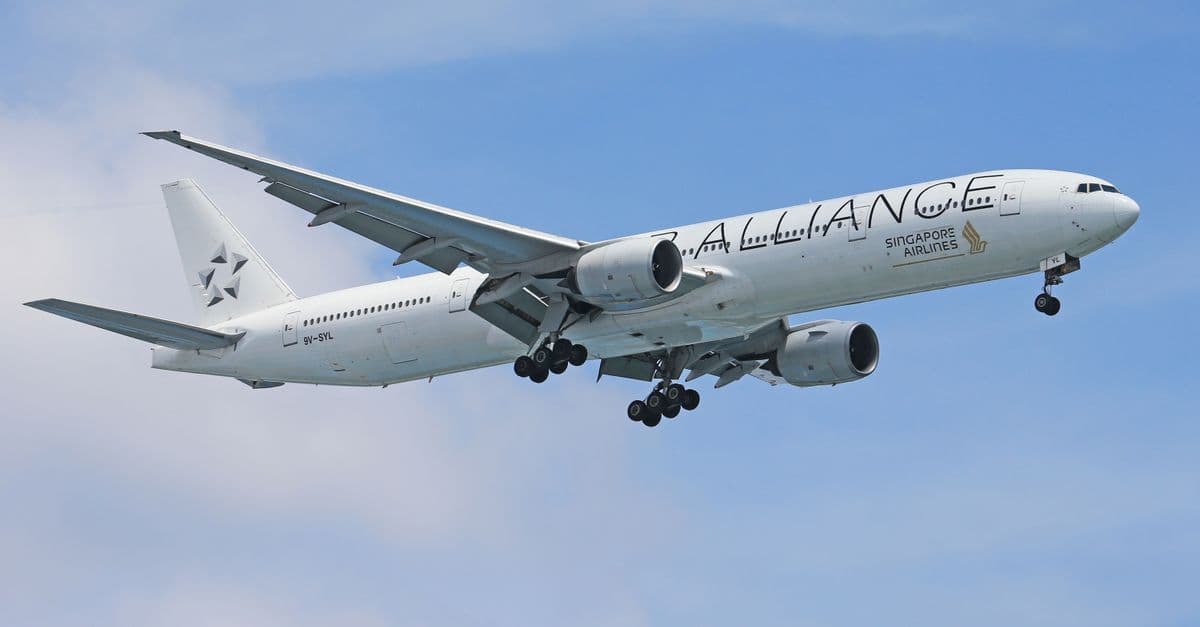
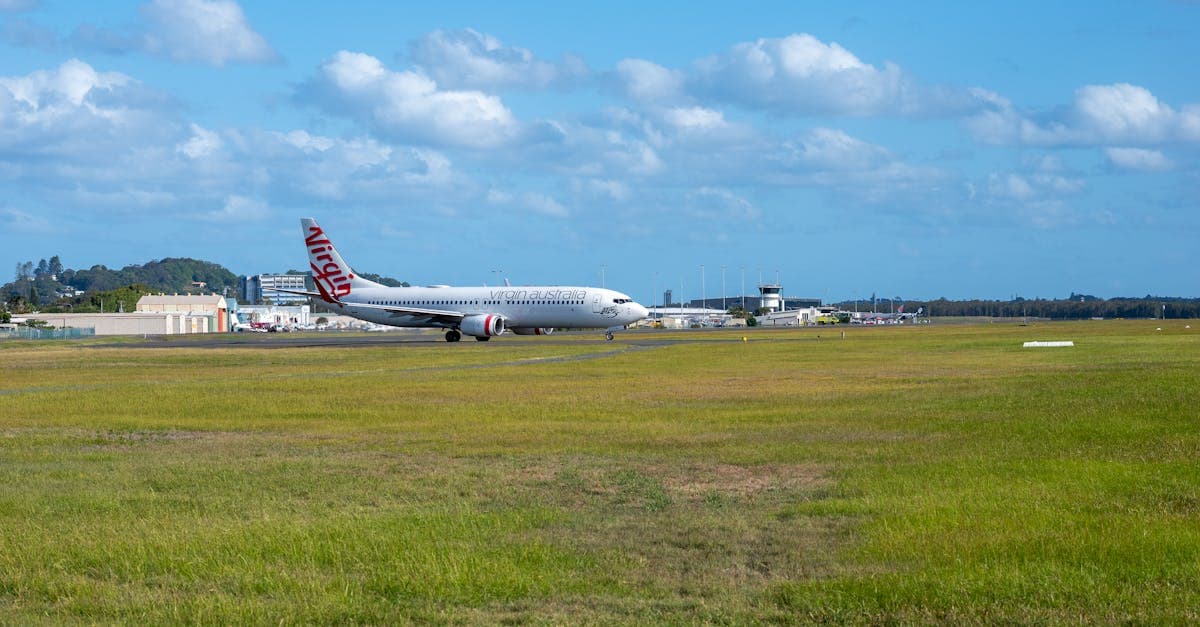
Singapore Airlines and Scoot are the only two carriers running nonstop service between Sydney and Singapore. Qantas makes three if you count the codeshare, though the aircraft is still Singapore Airlines metal.
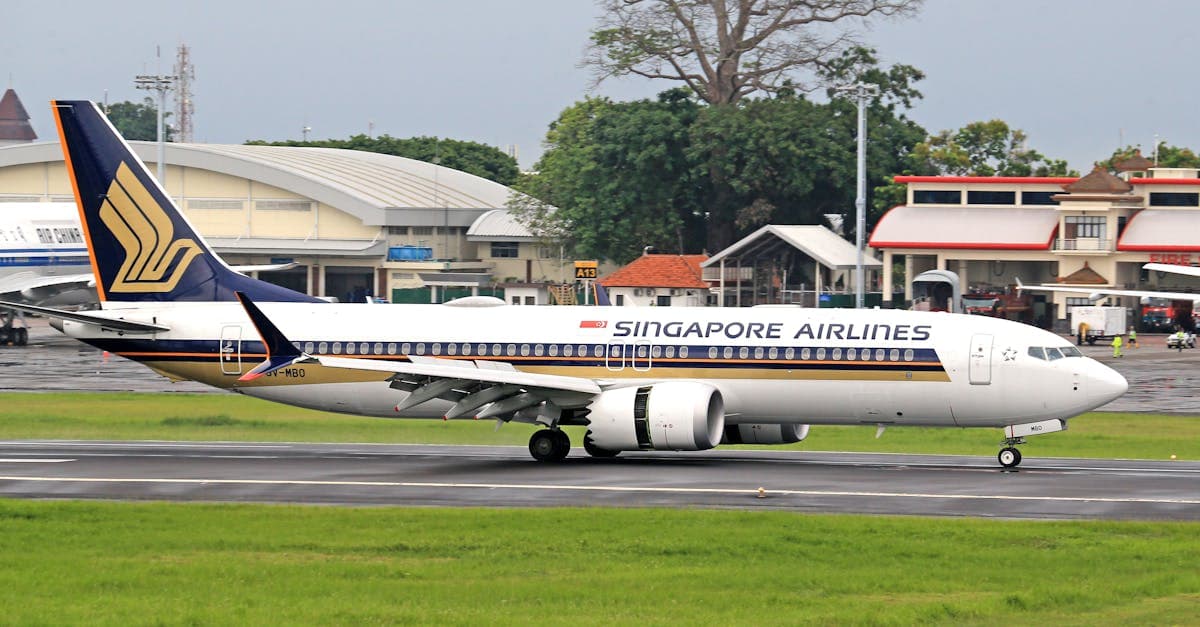
Singapore Airlines operates SQ211 outbound daily from Sydney, arriving Singapore early morning. Full service across all cabins: multi-course meals, seat-back entertainment, and a Business Class product with lie-flat beds that sits among the sharper in the region. Economy is lean but competitive for legroom compared with most carriers on similar routes.
Qantas sells seats on these same flights as QF codeshares. You board a Singapore Airlines aircraft, fly with Singapore Airlines crew, and the product is identical. The reason to book through Qantas? Accumulating Qantas Frequent Flyer points and status credits on a route that earns well.
That QF arrangement trips up first-timers. Book through qantas.com, see a QF flight number, and you might not realise it's a Singapore Airlines operation until check-in. The product is no different, but lounge access and check-in counters follow Singapore Airlines rules, not Qantas ones.
Scoot runs TR12 and TR13. Budget base fares are the pitch, but meals cost extra, checked baggage is an add-on, and seat pitch runs tighter than the full-service product. On an overnight flight that nudges 8 hours, those extras stack. Scoot works best for travellers flying carry-on only with no interest in a hot meal.
Worth flagging: nonstop and direct aren't the same thing in aviation. Nonstop means zero stops between SYD and SIN. A "direct" service can technically touch down en route without a plane change. Singapore Airlines and Scoot are nonstop. No other carrier runs nonstop SYD-SIN in the current schedule.
Airline chosen. How long are you actually in the air?
How Long Is the Sydney to Singapore Flight?
Westbound (SYD to SIN), block time runs typically 7 hours 40 minutes to 8 hours. Eastbound (SIN to SYD) is longer: roughly 8 hours 30 minutes, because prevailing headwinds over the Indian Ocean push back against the aircraft on the return leg. Same route, noticeably different experience coming home.
Block time varies 20 to 30 minutes by season as jet stream positions shift. That matters if you're continuing beyond Changi to Europe or South Asia and need a reliable layover buffer. Don't cut connections too fine on the eastbound, particularly in shoulder seasons.
The overnight departure window from Sydney (10 pm to 11 pm) is the slot most Australian travellers book, and for good reason. Depart Sunday night, arrive Singapore Monday morning, clear immigration, and your first full day is intact. Compare that to a midday departure: you land Singapore evening, check in, and a calendar day has gone to travel rather than the destination.
Connecting via Kuala Lumpur or Bangkok adds 4 to 8 hours total trip time, depending on the layover. For a route that's nonstop under 8 hours, that's a significant trade-off. The only real argument for a one-stop booking is a substantial fare difference or a specific points strategy.
Westbound tailwinds during the Australian winter months (June to August) occasionally push the sector under 7 hours 30 minutes. Eastbound that same season tends to stretch. Airlines schedule block time conservatively, padding for the worst-case routing, so actual gate-to-gate times often come in shorter than the timetable shows.
Duration locked in. When you book matters almost as much.
When to Book Your Sydney to Singapore Flight
Book 6 to 10 weeks ahead for competitive economy fares on the Sydney to Singapore route. The cheapest windows fall in February to March and September to October. December through January and Australian school holiday periods push fares noticeably higher across both Singapore Airlines and Scoot.
Day of week matters more than most travellers realise. Tuesdays and Wednesdays typically show lower fares than weekend searches, and mid-morning searches on those days often surface inventory that Friday evening browsing misses entirely.
Here's the part budget fare hunters often miss: the base price and the final price are two different things.
Scoot regularly lists fares that look attractive until you start adding meals, seat selection, and checked luggage, none of which come with the cheapest tier. Total those up and the gap between a Scoot base fare and a Singapore Airlines economy ticket narrows faster than expected. That's not a reason to avoid Scoot. It's a reason to compare at the cart stage, not the search results page.
Singapore Airlines front-loads value. Meals, checked baggage, and carry-on are included in the base economy fare, so the advertised price is closer to what you'll actually pay at checkout.
Peak pricing hits hardest in December and January, when Australian school holidays, Christmas, and New Year's all arrive together. If that window is unavoidable, book earlier than 10 weeks out and budget for the premium.
Shoulder season rewards flexibility. February in Singapore goes quiet after Chinese New Year. October sits between the city-state's major events calendar and Australia's school terms. Lower fares, less crowded flights, and better upgrade availability tend to cluster in both periods.
Midweek departures from Sydney Airport typically cost less than Friday or Sunday equivalents on the same route. Even a single day's flexibility can make a difference.
Fare locked in. Now picture the actual flight.
What to Expect on a Sydney to Singapore Flight
The in-flight experience divides clearly by carrier. Singapore Airlines runs a full-service product with meals, checked baggage, and a wide entertainment library included in the base fare. Scoot offers denser seating with meals sold separately, though carry-on luggage is included. For a sub-8-hour westbound leg, the comfort gap between the two is noticeable but not punishing.
Once you're in the air, both carriers fly direct to Changi Airport, one of Asia's most efficient arrival experiences. Here's what landing typically looks like:
- Immigration: Automated eGates for eligible passport holders move quickly. Most Australian travellers clear in under 20 minutes, often faster at off-peak arrival times.
- Luggage: Baggage carousels at Changi typically deliver bags within 15 minutes of disembarkation. Significant delays are uncommon.
- MRT to the city: Changi connects directly to the CBD via the MRT (Singapore's metro rail system). The fare runs to roughly A$2 equivalent, with trains running until midnight.
- Taxis and ride-shares: Grab operates across Singapore with upfront pricing and dedicated pickup zones outside each terminal.
Singapore Airlines evening departures from Sydney land in Singapore mid-morning. City hotels typically check in from midday, making the MRT ride into town a practical way to fill that gap rather than paying for an early check-in hour.
Changi is one of the more straightforward airports to arrive into in the region. Signage is clear in English across all four terminals, distances from arrival gates to immigration are short, and the path from immigration to ground transport is well-signed on a first visit.
Landed and sorted. Will your phone work from the taxi rank?
Staying Connected in Singapore: eSIM, SIM Cards, and Wi-Fi
Singapore has near-universal 4G coverage, with strong 5G across the CBD and major tourist precincts. Your phone connects the moment it finds a local network. The question is what that connection ends up costing when the bill arrives.
Telstra, Optus, and Vodafone AU all charge between A$10 and A$15 per day to roam in Singapore. A weekend trip: manageable. Stretch to a week and you're looking at A$70 to A$105, and speeds typically throttle after the daily data cap, often to the point where navigation apps start labouring. The fine print varies by carrier, but hitting that cap mid-trip is a predictable outcome once the itinerary runs past a few days.
There's a cleaner way to handle it.
An eSIM (a built-in digital SIM that activates without swapping a physical card) connects to Singapore's mobile networks without the daily roaming rate. HelloRoam offers Singapore eSIM plans that activate before you board in Sydney, so your phone is pulling data before the bags hit the carousel at Changi. Check current options at eSIM for Singapore.
Tourist SIM counters at Changi
SIM card counters operate in Terminals 2 and 3. Helpful staff, working SIMs, convenient placement. Prices are marked up relative to plans purchased online before travel. For a last-minute buy after a long flight, they get you sorted. For a trip planned in advance, an eSIM activated at home is a sharper deal.
Free Wi-Fi at Changi
Free Wi-Fi inside Changi's terminals is reliable and fast by airport standards. Useful for clearing messages while bags arrive. Coverage drops in car parks and external drop-off areas, so count on it inside the terminal, not beyond the exit doors.
Once you're in Singapore proper, coverage holds strong across Orchard Road, the Marina Bay precinct, and throughout the MRT network.
Data sorted. One quick entry question before wheels up.
Do Australians Need a Visa to Enter Singapore?
No visa required. Australians receive 30-day visa-free entry into Singapore on arrival, covering tourism and short business visits, with no advance application and no embassy appointment needed. After your Sydney to Singapore flight, immigration at Changi is typically one of the smoother arrivals in the region.
That's the reassuring part. The requirements that do apply are minor, but worth confirming before you print your boarding pass.
Passport validity: the one rule that catches people out
Singapore requires your passport to be valid for at least six months beyond your arrival date. Not six months from today. Six months from the day you land. A passport with four months remaining doesn't make the cut, even for a five-day trip.
Check the expiry date now, not at the check-in counter at Sydney Airport.
Return or onward ticket
Singapore immigration officers expect evidence you're leaving. A confirmed return flight to Australia, or an onward booking to your next destination, satisfies that requirement. Travellers who've booked one-way fares and plan to sort the return later occasionally face questions at the counter. Book the return before you fly.
Yellow fever certificate
You only need one if you're arriving from a country on Singapore's yellow fever endemic zone register. Flying directly from Sydney? No certificate required. If your itinerary routes through an endemic country at any point before landing, carry the cert regardless of how brief the stopover was.
No online pre-authorisation
Unlike the US ESTA or Europe's ETIAS (Europe's pre-entry authorisation system for non-EU visitors), Singapore doesn't require Australians to complete any online registration before arriving. No fee, no form, no waiting period.
Three things clear entry: a valid passport with six months' remaining validity, a return or onward ticket, and a yellow fever certificate if your route requires one. Arrive with those sorted and the counter takes roughly a minute.
Reviewed by HelloRoam's editorial team. Last updated: 26 June 2026.
Get Connected Before You Go


Frequently Asked Questions
The Sydney to Singapore flight takes approximately 7 hours 40 minutes to 8 hours westbound. The return journey runs longer at around 8 hours 30 minutes due to prevailing headwinds over the Indian Ocean.
Singapore Airlines and Scoot are the only carriers offering nonstop service between Sydney and Singapore. Qantas sells seats via a codeshare on Singapore Airlines aircraft but operates no flights of its own on this route.
No, Australians receive 30-day visa-free entry into Singapore on arrival. No advance application, online registration, or embassy appointment is required for tourism or short business visits.
Singapore requires your passport to be valid for at least six months beyond your arrival date, not six months from today. A passport with four months remaining will not be accepted, even for a brief trip.
Book 6 to 10 weeks in advance for competitive economy fares. The cheapest windows fall in February to March and September to October, while December through January and Australian school holidays bring significantly higher prices.
Tuesdays and Wednesdays typically show lower fares than weekend departures on this route. Mid-morning searches on those days often surface better inventory that Friday or Sunday evening browsing misses.
Singapore Airlines offers full-service economy with meals, checked baggage, and entertainment included in the base fare. Scoot is a budget carrier where meals and checked bags are paid add-ons, with tighter seating across the same nonstop flight.
Qantas does not operate its own aircraft on this route. It sells seats as a codeshare on Singapore Airlines flights, meaning passengers board a Singapore Airlines aircraft with Singapore Airlines crew and product.
Changi Airport connects directly to Singapore's CBD via MRT metro in around 30 minutes. The fare is roughly A$2 equivalent, with trains running until midnight. Grab ride-share also operates with upfront pricing from dedicated terminal zones.
The 10 pm to 11 pm overnight slot from Sydney is most popular with Australian travellers. You depart late, land Singapore morning, clear immigration, and keep your first full day intact for sightseeing or meetings.
An eSIM activated before departure connects to Singapore's local networks without daily roaming charges. Australian carrier roaming plans typically cost A$10 to A$15 per day in Singapore, which adds up quickly on longer trips.
An eSIM is a built-in digital SIM that activates without swapping a physical card. For Singapore travel, it connects to local mobile networks at lower rates than Australian roaming plans and can be set up before you board in Sydney.
Yes, tourist SIM card counters operate in Terminals 2 and 3 at Changi. They are convenient but priced higher than plans purchased online before travel. An eSIM activated at home is generally the better-value option for planned trips.
Yes, Changi Airport provides free, reliable Wi-Fi throughout all terminals, suitable for clearing messages while bags arrive. Coverage drops in car parks and external drop-off areas, so rely on it inside the terminal only.
Singapore has near-universal 4G coverage with strong 5G across the CBD and major tourist precincts. Coverage holds reliably across Orchard Road, Marina Bay, and throughout the MRT network.
Most Australian travellers clear Changi immigration in under 20 minutes using automated eGates. Baggage carousels typically deliver bags within 15 minutes of disembarkation, making arrival one of the more efficient in the region.
Yes, Singapore immigration requires proof you are leaving, such as a confirmed return flight to Australia or an onward booking. Travellers arriving on one-way tickets may face questions at the immigration counter.
No certificate is required when flying directly from Sydney. One is only needed if your itinerary routes through a yellow fever endemic country before landing in Singapore, regardless of how brief the stopover was.
Sources
- Cheap Flights from Sydney (SYD) to Singapore (SIN) — skyscanner.com.au
- Flights from Sydney to Singapore $871^ — flightcentre.com.au
- flightaware.com — flightaware.com
- Flights from Sydney to Singapore — singaporeair.com
- Flights from Sydney (SYD) to Singapore (SIN) — qantas.com
- Flight Status — singaporeair.com
- Flights from Sydney (SYD) to Singapore (SG) | Where we fly — emirates.com