



Frequently Asked Questions
Bangkok is the best starting point for first-time visitors, offering world-class street food, efficient public transport, and easy day trips to historical sites. The beach region depends on season: the Andaman coast (Krabi, Koh Lanta, Phuket) is best from November to April, while the Gulf coast (Koh Samui, Koh Tao) is reliable from January through September. For culture, Chiang Mai from November to February is consistently favoured for its cooler temperatures and walkable Old City.
Phang Nga Bay is widely considered the most dramatic natural landscape in Thailand, with limestone karsts rising from jade-green water and accessible sea caves reachable by longtail boat or kayak from Phuket or Krabi. Koh Lipe in the far south draws consistent comparisons to the Maldives for water clarity. In the North, Doi Inthanon National Park offers misty highland scenery at 2,565 metres, a sharp contrast to the coastal postcards. Bangkok's Wat Arun, lit at sunset from the Chao Phraya River, rivals any religious site in the region.
Thailand is significantly more affordable than Australia, with street food available from around A$2 and Michelin-recognised restaurants costing roughly a third of equivalent Sydney dining. Budget destinations like Isan and Chiang Mai run 30 to 40 per cent cheaper than Bangkok or the southern islands. A$30,000 is a substantial travel budget for Thailand and would comfortably cover an extended multi-region trip including flights, accommodation, activities, and dining across all travel styles.
Thailand's low cost of living relative to Australia means A$100,000 stretches considerably further than at home. With food from A$2 on the street, budget domestic flights from A$30 to A$60, and accommodation and food in Isan and Chiang Mai running 30 to 40 per cent cheaper than Bangkok, daily expenses for comfortable independent travel are a fraction of Australian costs. For long-stay travellers or digital nomads, A$100,000 could sustain comfortable living in Thailand for several years depending on lifestyle and location.
Thailand divides into four distinct regions: Central Thailand anchored by Bangkok, the North centred on Chiang Mai and highland towns like Pai and Chiang Rai, the South covering both the Andaman coast and the Gulf of Thailand coastline, and the Northeast known as Isan. Each region runs at a different pace and suits a different kind of traveller, so matching your itinerary to the right region is most of the planning work done.
The best time depends on which region you visit. The Andaman coast, including Krabi and Phuket, is best from November to April during dry season. The Gulf coast islands like Koh Samui and Koh Tao are reliable from January through September. The North, including Chiang Mai and Pai, is best from November to February before agricultural smoke haze begins in March and April. There is always a workable destination in Thailand regardless of when you fly, provided you choose the right coastline or region.
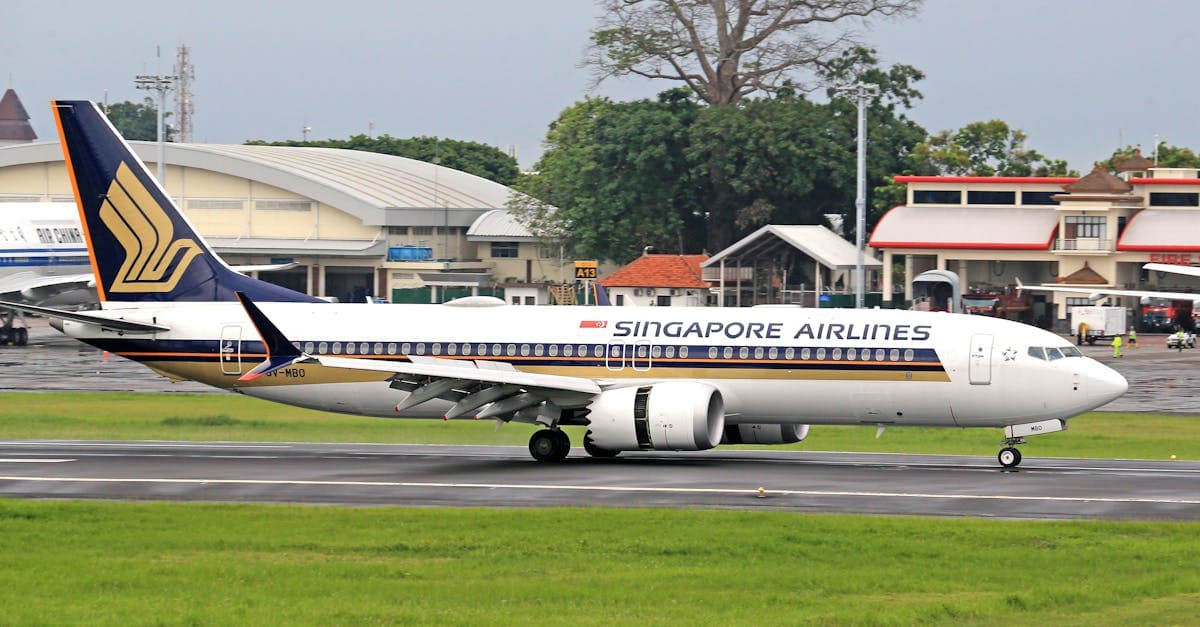
Direct flights from Sydney to Bangkok's Suvarnabhumi Airport take roughly 9.5 hours, while flights from Melbourne run around nine hours. Bangkok has two airports: Suvarnabhumi handles most international arrivals, while Don Mueang handles the majority of budget domestic connections. It is worth confirming which airport your onward domestic flight uses before arriving.
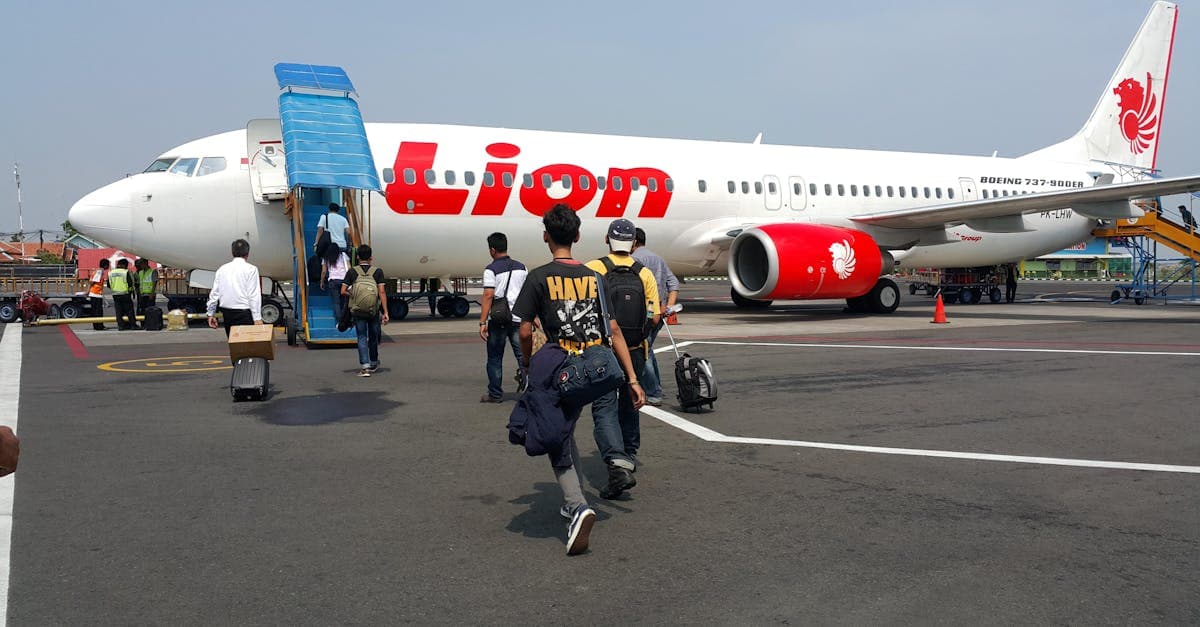
Budget domestic carriers including Thai AirAsia and Thai Lion Air connect Bangkok's Don Mueang Airport to Chiang Mai in under an hour. Booked in advance, one-way fares typically run from around A$30 to A$60, making it a straightforward and affordable internal leg for anyone building a north-then-south itinerary.
Koh Tao is Thailand's leading destination for scuba diving, offering PADI open-water certifications at a fraction of what Australian dive schools charge, typically around A$250 to A$350. Dive sites such as Chumphon Pinnacle and Sail Rock suit both beginners and experienced divers. The island is accessible by high-speed catamaran from Koh Samui, with Koh Phangan a natural stop along the way.
Isan is Thailand's northeast region and the least-visited area among international travellers. It contains Khao Yai National Park, which holds UNESCO World Heritage status, and Phimai, which features Khmer ruins that predate Angkor Wat. Street food and accommodation run roughly 30 to 40 per cent cheaper than equivalent quality in Bangkok or Chiang Mai. Most first-timer itineraries skip it, but it offers a far less crowded version of Thai temple culture.
Phuket is best understood as a transport hub with reliable resort infrastructure and easy access to day trips to Phi Phi Islands and Phang Nga Bay. For water clarity and scenery, nearby islands like Koh Yao Noi and Koh Lanta sit measurably above Phuket. Even within Phuket, quieter beaches like Kata Noi and Freedom Beach offer cleaner water and fewer crowds than the main Patong Beach, located just 20 minutes south by road.
Phang Nga Bay is renowned for its dramatic limestone karsts rising from jade-green water, sea caves, and a rock formation system that gained international recognition through film. It is accessible by longtail boat or kayak from both Phuket and Krabi. Photographs significantly underrepresent the scale and drama of the landscape in person.
Pai is a small highland town located three hours northwest of Chiang Mai by minivan through 762 curves of mountain road. It offers hot springs, waterfalls, and temperatures dipping to around 15 degrees Celsius in January. The pace is markedly slower than most Thai destinations, and the surrounding scenery is a highlight of any northern itinerary.
Nan province near the Laos border offers Lao-influenced temple murals and rice terraces with almost no international tourist traffic. Koh Kood in Trat province provides undeveloped beaches and lower prices compared to more developed Gulf islands. Phimai in Nakhon Ratchasima features Khmer architecture predating Angkor Wat without the tour group crowds. Lampang offers Burmese-influenced temples and an intact old town character as an alternative to Chiang Mai.
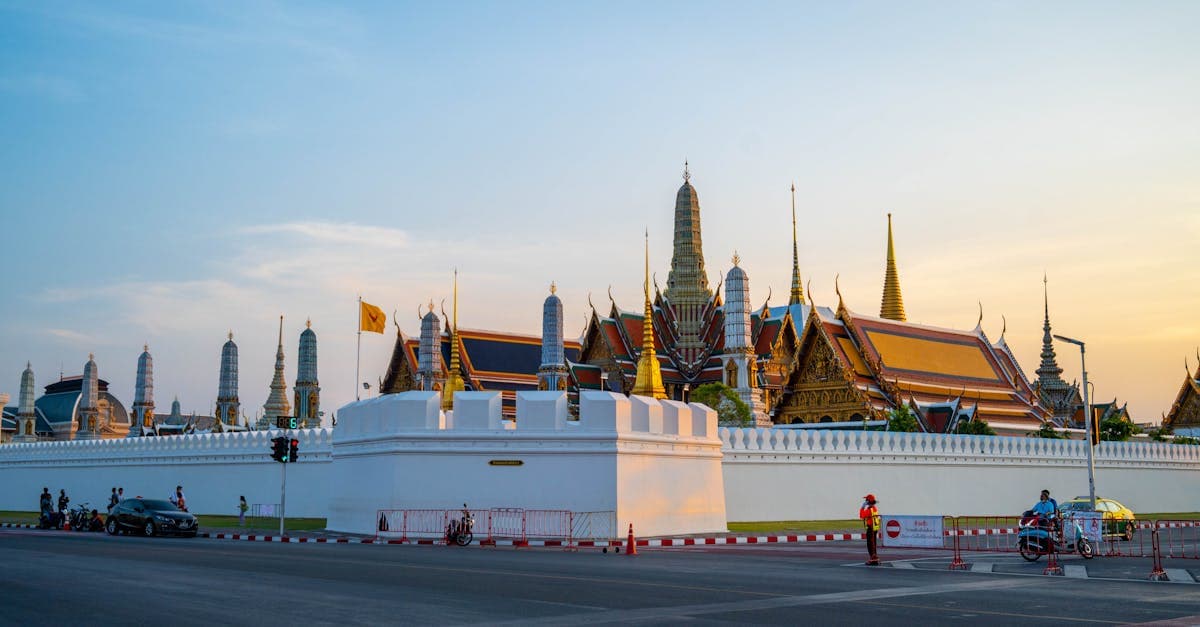
The Grand Palace and Wat Pho are consistently rated worth the tourist queues. Chinatown's Yaowarat Road rewards a late-night visit for street food. The BTS Skytrain removes traffic as a daily concern, and day trips to Ayutthaya and Kanchanaburi run from central rail stations without requiring you to change accommodation base. The food scene ranges from A$2 street-side dishes to Michelin-recognised restaurants priced at roughly a third of equivalent Sydney dining.
Prepaid eSIM plans are a practical option for staying connected across all of Thailand's regions, offering coverage on major Thai networks without lock-in contracts. Activating an eSIM before departure means you arrive connected, which is useful for navigation, transfers, and accommodation check-ins from the moment you land at Suvarnabhumi.
Sources
- 10 Best Places to Travel in Thailand—Plus Where to Skip — travellikeanna.com
- Thailand: 10 Must-Visit Destinations — bucketlistbums.com
- 10 EPIC Places to go in Thailand (2026 Ultimate Guide) — jordanandemily.com.au
- Thailand Travel Guide: Places to Visit and See — allianz.com.au
- My Pick of the Best Places to Visit in Thailand (2026) — global-gallivanting.com
- The Best Places to Visit in Thailand - Green Eyed Traveller — greeneyedtraveller.com