

HelloRoam is a global eSIM provider offering instant mobile data in 185+ countries. Buy prepaid travel eSIM plans with no extra fees, no contracts, and instant activation on any eSIM-compatible device.

The Complete Guide to Food Tours in Rome: Best Tours, Neighborhoods and Prices (2026)

David Chen
Written by: David Chen
Published date
Updated:
Reading time

14 min read

The Complete Guide to Food Tours in Rome: Best Tours, Neighborhoods and Prices (2026)

![Italian baker crafting fresh bread inside a traditional Roman bakery on a food tour rome

Why Rome Is a Food Lover's Dream Destination

Get your eSIM for Italy before you travel.

![Italian baker crafting fresh bread inside a traditional Roman bakery on a food tour rome

Rome consistently places in the top three food cities in Europe in Conde Nast Traveler reader polls, and that ranking becomes obvious about thirty seconds into your first cacio e pepe. The dish uses four ingredients. Romans have been perfecting it for centuries.

The culinary philosophy here is cucina povera, which translates roughly as "peasant cooking." That phrase undersells it considerably. Romans took cheap, overlooked ingredients and built some of the most technically demanding food in the world. Carbonara is egg yolk, guanciale (cured pork cheek), pecorino and black pepper. Trippa alla romana is tripe cooked slow with tomato. Carciofi alla giudia, the deep-fried artichokes of the Jewish Ghetto, require a frying technique that takes real practice to replicate at home. None of these dishes came from fine-dining kitchens.

Rome's food identity came from several distinct directions: ancient trade routes that moved grain and spices through the city, the Jewish community of the Ghetto who built their own culinary tradition across more than two millennia, and 20th-century working-class neighborhoods like Testaccio, where slaughterhouse workers turned offal into something worth traveling for.

Culinary experiences in Rome are now outselling museum skip-the-line tickets on major booking platforms, driven largely by US visitors. Five dishes define what a serious food tour rome should deliver: cacio e pepe, carbonara, suppli (deep-fried rice balls with molten mozzarella at the center), carciofi alla giudia and trippa alla romana.

Best Neighborhoods for a Rome Food Tour

![Santa Maria di Loreto church and Trajan's Column rising above Rome's bustling streets near food tour stops

The best neighborhoods for a Rome food tour are Testaccio, the Jewish Ghetto, and Trionfale Market, each offering authentic local pricing and vendor relationships unavailable in the more tourist-facing parts of the city. Pick the wrong neighborhood and you pay tourist prices for food that exists primarily to look good on a menu printed in four languages.

For first-time visitors, neighborhood choice consistently matters more than operator selection [community.ricksteves.com. The quality gap between a well-designed Testaccio itinerary and a rushed Campo de' Fiori circuit is larger than the difference between any two competent operators running the same route.

The tourist-oriented options have their logic. Prati, near the Vatican, offers genuine convenience for visitors combining the museums with lunch. The Historical Center and Campo de' Fiori are easy to navigate and packed with well-reviewed restaurants. But convenience comes at a cost: higher prices per bite, shorter vendor relationships, and menus calibrated for visitors rather than locals.

Two neighborhoods stand apart for serious eaters. Trionfale Market is Rome's largest food market and operates well off the main tourist circuit. foodtourrome.com anchors its private itinerary here because the vendor relationships are long-standing and the market runs on local pricing. That separation from the tourist economy matters considerably.

The Jewish Ghetto gets less mainstream coverage than it deserves. Carciofi alla giudia was invented here. The neighborhood's cured meat tradition stretches back 2,000 years, and the streets carry a culinary density you won't find in the more photographed parts of Rome. It sits physically close to the Historical Center and operates on a completely different frequency.

Testaccio: the authentic choice for serious food lovers

![Artisan pasta maker hand-rolling fresh spaghetti in a traditional Testaccio kitchen during a food tour rome

Testaccio spent most of the 20th century organized around a slaughterhouse. That origin defined the cooking: offal, fifth-quarter cuts, and a philosophy built on wasting nothing.

The slaughterhouse is long gone. What remains is Testaccio Market, an indoor covered hall where vendors sell fresh produce, aged cheese, charcuterie and street food at prices Romans actually pay. Suppli are here, along with artichokes, maritozzi (cream-filled buns), and offal preparations that will either make or break your morning depending on how adventurous you're feeling at 10 a.m.

Eating Europe anchors its flagship tour here, pricing at $95 to $115 per person with groups capped at 12 [eatingeurope.com. The price reflects genuine vendor access, the kind unavailable to a group of 30 moving through a market that serves locals first. The operator has accumulated more than 2,500 reviews on Viator and TripAdvisor and holds a 4.9/5 rating tripadvisor.com, which in the food tour world is difficult to sustain without real consistency.

Testaccio rewards adventurous eaters and penalizes anyone hoping for performance Italian food staged for visitors. The market is utilitarian. The food is excellent. Those two facts define the appeal.

One practical detail: Testaccio Market's floor is genuinely uneven cobblestone throughout. Wear shoes rated for three to four hours of walking before you arrive. Sandals become regrets by stop three.

Trastevere: atmosphere, trattorie and the evening advantage

![Rustic Trastevere trattoria entrance draped with vines, a charming stop on any Rome food tour

Vine-covered facades, medieval alleyways, trattorias lit at dusk: Trastevere is the most photogenic food neighborhood in Rome. Tourist traffic peaks June through September, but the neighborhood still earns its reputation.

The eating centers on suppli al telefono (the mozzarella inside pulls like a phone cord when you bite through, hence the name), tonnarelli cacio e pepe, porchetta carved thick from a whole roast, and artisan gelato from family-run shops unchanged in decades.

Two operators run strong circuits here with distinct personalities. Devour Tours ($79 to $99) leans toward value and wine pairings. Walks of Italy ($99 to $125) blends culinary history with neighborhood storytelling. Both cap groups at 12. Both confirm meeting points and last-minute changes via WhatsApp the morning of your tour, which makes working data from the moment you land a practical necessity rather than a bonus. An Italy eSIM typically runs $11 to $27 for the week, compared to $70 or more for standard [eSIM for Italy; HelloRoam's Browse All eSIM Plans page lists current options and coverage details.

Trastevere also anchors the best standalone culinary class options in Rome. The Fresh Pasta Making Class and the Rome Pizza Making Class, which uses one of the city's oldest wood-fired ovens, both book independently of any food tour.

Evening tours starting around 6 p.m. have a clear advantage here. Thinner crowds, candlelit alleys, and itineraries built around wine rather than espresso: that format suits Trastevere's character in a way a morning circuit simply can't replicate.

Best Food Tours in Rome: Reviewed and Compared (2026)

! Castel Sant'Angelo and the Tiber River at dusk, scenic backdrop for the best food tours in Rome

Five operators dominate the Rome food tour market, and the differences between them matter more than the price gaps suggest [tripadvisor.com. Eating Europe holds the benchmark position: 4.9 out of 5 on Viator based on more than 2,500 reviews [eatingeurope.com, a score that travel media keeps citing because the guide quality actually earns it. Their Testaccio circuit, at the price range covered in the Testaccio section, is the one every other operator measures itself against on authenticity.

Devour Tours wins on value and variety. Their Trastevere and Jewish Ghetto routes hit distinctive wine-pairing stops that competitors skip entirely, and the lower end of their pricing (noted in the Trastevere section) leaves room for a post-tour aperitivo without straining a daily budget. Walks of Italy positions itself as the culture-plus-food hybrid: more Roman history per bite, which works for travelers who want to understand why a dish exists before eating it.

Private-format operators solve a different problem. Rome Food Tour builds fully customized itineraries out of Trionfale Market, Rome's largest covered market, at roughly $150-$250 per person [foodtourrome.com. The VIP Historical Center option runs a four-venue circuit at around $200+ per person, best suited to travelers staying near the Pantheon who'd rather skip the metro entirely.

OperatorEating Europe
NeighborhoodTestaccio
Max Group12
PlatformViator
Best ForFoodies, authenticity
OperatorDevour Tours
NeighborhoodTrastevere / Ghetto
Max Group12
PlatformGetYourGuide
Best ForValue, wine focus
OperatorWalks of Italy
NeighborhoodTrastevere
Max Group12
PlatformViator
Best ForHistory plus food
OperatorRome Food Tour
NeighborhoodTrionfale Market
Max GroupPrivate
PlatformDirect (foodtourrome.com)
Best ForCustom itineraries
OperatorVIP Historical Center
NeighborhoodHistorical Center
Max GroupPrivate
PlatformDirect
Best ForCentral landmark proximity

Booking directly with any of these operators saves $10-$15 per person compared to Viator or GetYourGuide, which add a service fee in the 10-15% range. For April through October travel, lock in a spot 2-4 weeks out. December and February are the exceptions: last-minute slots open up, group sizes shrink, and some operators quietly discount.

What to Expect on a Rome Food Tour

![Group of tourists cycling past the Colosseum in summer, exploring Rome on a guided food tour

A standard food tour covers 8 to 12 tasting stops over 3 to 4 hours, with a cap of 12 guests. That ceiling matters. It's what keeps your guide from herding strangers past a market vendor and what allows a Testaccio cheese stall owner to greet the group by name rather than politely tolerating them.

Morning tours (starting around 9 AM) hit markets at peak freshness, when produce hasn't been picked through and vendors are still at full stock. Evening tours trade market access for atmosphere: candlelit trattorias, wine-forward stops, fewer crowds. The evening format has particular appeal for photographers and anyone who considers a second glass of Frascati a non-negotiable part of dinner.

Pack light: small backpack, shoes that handle cobblestones without complaint, and some cash. Vendors at Testaccio Market and Trastevere's street stalls frequently don't accept cards, and guides can't float you the difference. The most important preparation is skipping breakfast entirely. A full stomach wastes the experience.

Dietary restrictions are handled well with advance notice. Most operators accommodate vegetarians and gluten-free diners with 48 hours of heads-up. Vegan options are thin across the board, with the most flexibility in Testaccio, where an open market format lets guides swap stops more easily than a fixed trattoria itinerary allows.

Treat your guide as a consultant. Ask which vendors are worth returning to solo. Request help with Italian-only menus when you explore independently. Note the producer names on the charcuterie boards at Testaccio Market: those same products show up at Rome's better restaurants at two or three times the price.

What you'll actually eat: a tasting-by-tasting breakdown

![Elegantly plated charcuterie and seafood antipasti, typical tasting bites on a food tour rome

Suppli comes first on most Testaccio tours. A fried rice ball stuffed with ragù and melted mozzarella, it pulls into strings when torn apart, which explains the full name: suppli al telefono. You can eat one standing at a market stall in under two minutes. Most people want a second one immediately and spend the rest of the tour comparing it against every subsequent stop.

Cacio e pepe and carbonara arrive at a sit-down trattoria, not at a place with a photo menu across from a major monument. Both dishes look deceptively simple. Cacio e pepe is pasta, pecorino, and black pepper. Carbonara is pasta, guanciale, egg yolk, and pecorino. The version you get on a properly run food tour tastes better because the trattoria is accountable to the neighborhood, not to foot traffic.

The dividing line for most groups comes with pajata (intestinal tracts of milk-fed veal) or trippa alla romana (tripe simmered in tomato sauce). Guides give cultural context before asking anyone to commit, and that context usually works: these are the dishes that built cucina povera, and they're genuinely harder to find well-executed than carbonara.

Carciofi alla giudia, the Jewish Ghetto's signature deep-fried artichoke, is seasonal. It runs February through May; spring tours catch it at its peak quality, flat and crispy-edged with a tender center. Outside that window it appears on menus year-round at noticeably lower quality.

Wine pours at two or three stops: Frascati (a dry white from the Castelli Romani hills south of the city) and Cesanese (a Lazio red) are the regional standbys. Both pair naturally with Roman food in ways that imported bottles don't. Tours close at a gelato counter or a bakery doing maritozzi, Rome's cream-filled brioche, at a spot locals actually frequent rather than one engineered for tourists near the Spanish Steps.

How Much Does a Rome Food Tour Cost?

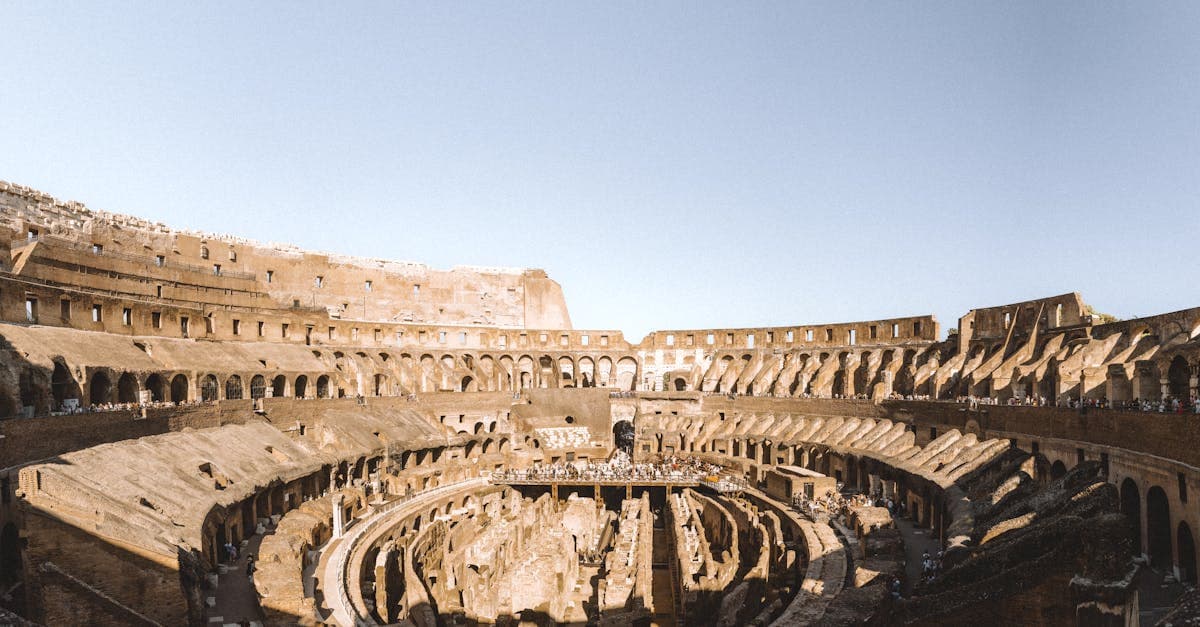
![Tourists exploring the Colosseum on a sunny day, weighing the cost of a food tour rome

Rome food tours cost $79 to $125 per person for small-group experiences and $150 to $250 for private formats. Budget for the tip before you book: $15-$25 per person is standard for American travelers on guided food experiences in Rome, and guides on small-group tours operate on narrow margins and expect gratuity. For a couple on a mid-range circuit, that adds $30-$50 to the real cost before transport.

Getting to Testaccio or Trastevere from central Rome runs roughly $3-$8 each way by metro or bus. For a couple on a mid-range tour, factoring in fees (see the neighborhood sections), tips, and round-trip transport, the realistic out-of-pocket total lands between $220 and $300.

Seasonal pricing follows a predictable pattern. Summer travel (June through August) carries a noticeable premium across most operators. Shoulder season in November, February, and March brings smaller groups, better availability, and lower prices. The direct booking savings noted in the tour comparison above also apply year-round: booking through an operator's own site rather than a third-party platform recovers that service fee entirely.

Cost ItemTour fee
Low EndSee tour comparison
High End~$250 (private format)
NotesVaries by operator and format
Cost ItemTip per person
Low End$15
High End$25
NotesStandard for US travelers; expected by guides
Cost ItemTransport (each way)
Low End$3
High End$8
NotesMetro or bus; single ticket or daily pass
Cost ItemTotal per couple
Low End~$220
High End~$300
NotesMid-range tour with gratuity and transport

The comparison that actually justifies the spend isn't tour price versus a cheap lunch. A curated small-group food tour routes you through a genuine neighborhood with a local guide, delivers 8-12 tastings from producers locals actually use, and costs less per bite than dining independently at the same ingredient level would.

How to Stay Connected in Rome During Your Food Tour

![Iconic Colosseum lit under bright skies, stay connected with a travel eSIM during your Rome food tour

Staying connected in Rome during a food tour requires live navigation data: Testaccio's market district looks logical on a map and disorients immediately on foot, and Trastevere's cobblestone lanes loop back on themselves with no reliable landmarks. Options include US carrier roaming, a local Italian SIM, pocket WiFi rental, or an eSIM plan, each with different cost and setup trade-offs.

Rome's public WiFi requires an Italian mobile number to register, which blocks most American visitors from ever connecting. Hotel WiFi in the historic center degrades through stone walls that are often a foot thick. Cafe connections average 5-10 Mbps and cut out reliably during lunch rush.

US carrier options carry real trade-offs. AT&T and Verizon roaming works seamlessly but gets expensive over a week in Italy. T-Mobile's included international tier is throttled to a speed that handles texts but not map tile loading in an unfamiliar neighborhood.

OptionAT&T/Verizon roaming
7-Day Cost~$105
SpeedFull 4G LTE
SetupZero
OptionT-Mobile (included)
7-Day Cost$0
Speed256 kbps
SetupZero
OptionLocal Italian SIM
7-Day Cost~$20
SpeedExcellent 4G
SetupPassport plus in-store visit
OptionPocket WiFi rental
7-Day Costfrom ~$56
SpeedGood
SetupAirport or hotel pickup
OptionHelloRoam / Airalo eSIM
7-Day CostLowest weekly cost
SpeedExcellent 4G (TIM, Vodafone, WindTre)
SetupApp-based, before departure

Activate before you leave home. Many travelers schedule a food tour for Day 1 or Day 2 of the trip, which means a connectivity gap on arrival costs you where it matters most. Budget 3-5 GB for the week: navigation, translation apps at Italian-only market stalls, and photos at each tasting stop add up faster than expected.

Are Rome Food Tours Worth the Money?

![Crowds gathering outside St. Peter's Basilica, debating whether Rome food tours are worth the splurge

Yes, for most first-time and second-time visitors. The exception is anyone who has already spent meaningful time eating their way through Testaccio and Trastevere without a guide.

What a tour delivers beyond the food itself is difficult to replicate on your own. Operators negotiate tasting access with vendors who don't serve walk-in tourists off the street. Your guide provides the cultural weight behind each dish, the difference between knowing carbonara is a Roman classic and understanding the postwar Testaccio neighborhood that made it one.

The practical ROI case is straightforward. A roughly $100 tour replaces several hours of pre-trip research and removes the risk of a wasted dinner near the Colosseum because a location-boosted listing had four stars. Rome's most-trafficked tourist zones have perfected expensive mediocre food into a reliable business model. A guided experience sidesteps that category of mistake entirely.

The format doesn't suit every traveler. Repeat visitors who already know the vendors, budget travelers who prefer self-directed exploration, and anyone with genuine Italian food background will extract less from a structured group experience.

After your tour, return to Testaccio Market alone the next morning. Same vendors, local prices, dishes you can now identify by name: suppli, carciofi alla giudia, the aged cheeses you tried with context for the first time the day before. Most operators accommodate vegetarians with 48 hours' advance notice, so flag dietary needs when booking.

April and May tours catch artichoke and fava bean season at its peak. Ingredient quality during those months is noticeably higher than anything Rome's summer heat produces.

Get Connected Before You Go

David Chen, Travel Writer at HelloRoam
David Chen is a travel writer at HelloRoam who covers mobile connectivity and travel tech for international visitors. He compares data plan pricing for short trips and extended stays, and tests eSIM activation at major international airports. David also covers hotspot options for business travelers so readers can skip the SIM card counter and get online fast.

Frequently Asked Questions

The best neighborhoods for a Rome food tour are Testaccio, the Jewish Ghetto, and Trionfale Market, all offering authentic local pricing and genuine vendor relationships. Testaccio is the top choice for adventurous eaters, while the Jewish Ghetto is ideal for historic dishes like carciofi alla giudia. Trastevere suits evening tours with its atmospheric trattorias and wine-focused stops.

Rome food tours typically range from $79 to $250 per person depending on the operator and format. Group tours run $79 to $125, with Devour Tours at $79 to $99 and Walks of Italy at $99 to $125. Private custom itineraries through operators like Rome Food Tour cost roughly $150 to $250 per person. Booking directly with operators saves $10 to $15 per person compared to Viator or GetYourGuide.

Eating Europe holds the benchmark position with a 4.9 out of 5 rating on Viator based on more than 2,500 reviews. Their Testaccio circuit is the tour every other operator measures itself against for authenticity. Devour Tours is the top value pick, while Walks of Italy suits travelers who want Roman history woven into the culinary experience.

A Rome food tour typically includes suppli (deep-fried rice balls with molten mozzarella), cacio e pepe, carbonara, carciofi alla giudia (deep-fried artichokes from the Jewish Ghetto), and trippa alla romana (tripe in tomato sauce). Wine stops feature local Frascati and Cesanese, and tours usually close at a gelato counter or a bakery serving maritozzi, Rome's cream-filled brioche.

A standard Rome food tour covers 8 to 12 tasting stops over 3 to 4 hours. Most tours cap groups at 12 guests to maintain quality vendor access and a personalized experience. Morning tours start around 9 AM to catch markets at peak freshness, while evening tours begin around 6 PM.

Suppli are deep-fried rice balls stuffed with ragù and melted mozzarella that pull into strings when torn apart, giving them their full name suppli al telefono. They are a Roman street food staple found at Testaccio Market and Trastevere stalls. They are one of the five signature dishes any serious Rome food tour should include.

Carciofi alla giudia is a deep-fried artichoke dish originating from Rome's Jewish Ghetto, requiring a frying technique that takes real skill to replicate. It is seasonal, running from February through May, when spring tours catch it at peak quality with a crispy exterior and tender center. Outside that window it appears on menus year-round but at noticeably lower quality.

Cucina povera, meaning peasant cooking, is the philosophy behind Roman cuisine: taking cheap, overlooked ingredients and preparing them with technical precision. Dishes like carbonara, cacio e pepe, and trippa alla romana were not born in fine-dining kitchens but from working-class Roman neighborhoods. The result is some of the most technically demanding and celebrated food in the world.

No, you should skip breakfast entirely before a Rome food tour. A full stomach wastes the experience, as tours include 8 to 12 tasting stops over several hours. Arriving hungry is the single most important preparation you can make.

Wear comfortable shoes that can handle cobblestones for three to four hours of walking, especially for Testaccio Market where the floor is uneven cobblestone throughout. Bring a small backpack and some cash, as vendors at Testaccio Market and Trastevere street stalls frequently do not accept cards. Sandals are not recommended.

Most Rome food tour operators accommodate vegetarians and gluten-free diners with at least 48 hours of advance notice. Vegan options are limited across the board, with the most flexibility in Testaccio, where an open market format lets guides swap stops more easily than a fixed trattoria itinerary. It is best to contact your operator directly before booking.

For travel from April through October, book 2 to 4 weeks in advance to secure a spot, as tours sell out quickly during peak season. December and February are exceptions, when last-minute slots open up, group sizes shrink, and some operators quietly offer discounts.

Testaccio is the better choice for serious food lovers who want authentic market experiences at local prices, with offal dishes and suppli that reflect the neighborhood's slaughterhouse heritage. Trastevere is more photogenic and better suited to evening tours, with candlelit trattorias, wine pairings, and a more atmospheric setting. Your preference depends on whether you prioritize food authenticity or ambiance.

The Jewish Ghetto is the birthplace of carciofi alla giudia and has a cured meat tradition stretching back 2,000 years. It offers a culinary density unavailable in the more photographed parts of Rome, yet sits physically close to the Historical Center. Devour Tours includes distinctive stops here that most competitors skip entirely.

Morning tours starting around 9 AM hit markets at peak freshness when produce and vendors are at full stock. Evening tours starting around 6 PM trade market access for atmosphere, with candlelit trattorias, wine-forward itineraries, and thinner crowds. Evening tours have a particular advantage in Trastevere and are the better format for photographers and wine enthusiasts.

Rome food tours typically include two or three wine stops pouring Frascati, a dry white from the Castelli Romani hills south of Rome, and Cesanese, a red wine from the Lazio region. Both pair naturally with Roman cuisine. Wine stops are more prevalent on evening tours and those focused on Trastevere or the Jewish Ghetto.

Eating Europe is the benchmark operator for authenticity, running the gold-standard Testaccio circuit with a 4.9 out of 5 rating from more than 2,500 reviews. Devour Tours wins on value and offers distinctive wine-pairing stops in Trastevere and the Jewish Ghetto. Walks of Italy is the culture-plus-food hybrid, blending Roman history with each tasting stop for travelers who want context alongside their meal.

Booking directly with operators saves $10 to $15 per person compared to booking through Viator or GetYourGuide, which add a service fee in the 10 to 15 percent range. All major operators including Eating Europe, Devour Tours, and Rome Food Tour accept direct bookings through their own websites.

Sources

  1. Rome Food Tours & Cooking Classes foodtourrome.com
  2. Rome Food Tours eatingeurope.com
  3. community.ricksteves.com community.ricksteves.com
  4. THE 15 BEST Rome Food Tours (with Prices) tripadvisor.com

Related Articles

Stay Connected with Travel Data
View all destinations
United States travel destination
United States flag
United States
United Kingdom travel destination
United Kingdom flag
United Kingdom
United Arab Emirates travel destination
United Arab Emirates flag
United Arab Emirates