
HelloRoam is a global eSIM provider offering instant mobile data in 175+ countries. Buy prepaid travel eSIM plans with no extra fees, no contracts, and instant activation on any eSIM-compatible device.
13 min read


The Global Peace Index 2024 ranks more than 90 countries lower in risk than most Western media coverage implies. Traveling alone is statistically safer, across the majority of popular destinations, than cautionary headlines suggest.
Three categories account for most solo traveler problems: missed transportation, disorientation after dark, and language barriers at critical moments. Violent incidents against tourists exist, but they're not the baseline experience at popular destinations. What most guides skip: being alone does not make you a target. Confident travelers with a charged phone, a basic plan, and straightforward situational awareness blend into the background effectively in most cities.
What actually draws unwanted attention is predictable and avoidable. Conspicuous valuables, appearing visibly disoriented, and flagging down unlicensed transportation each account for a clear share of preventable incidents. Each has a dead-simple fix.(https://www.helloroam.com/en-US/blog/solo-female-travel-2025-top-destinations-safety-tips-and-how-to-stay-connected) face real considerations that vary meaningfully by destination and deserve destination-specific research. Preparation and behavior patterns matter more than gender as a risk factor, though that's not a reason to skip the homework.
No one else to defer to has a clarifying effect on attention.
Most experienced solo travelers report feeling more alert and capable on solo trips than on group trips. That heightened awareness is part of why people return to traveling alone.
The risk factors are solid and well-documented: unfamiliar neighborhoods after dark without local knowledge, unlicensed transportation, and visible expensive gear. Map your route home before the light changes. Use ride-share apps. Keep your phone tucked away on crowded streets.
Safety is less about luck than about specific systems built before you board. The next section covers exactly which habits to put in place.

Before you leave for the airport, compile your full itinerary and share it with at least one person at home. Hotel names, flight numbers, and a check-in schedule take roughly 10 minutes to pull together.
Nothing else on this list delivers a better return on that effort.
Save local emergency numbers before you land. In most countries, 112 functions as a universal emergency line, but local police and ambulance numbers vary by destination. Find your nearest embassy or consulate contact while you're at it and save everything offline, including your travel insurance policy number.
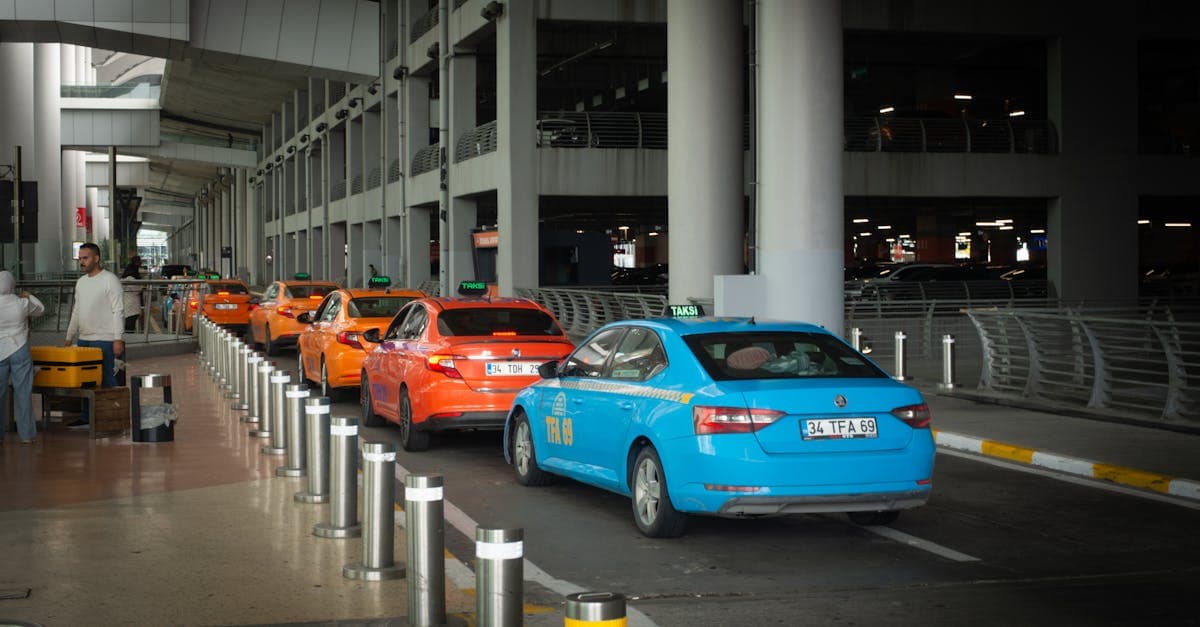
Use ride-share apps rather than street hails. The driver ID, route tracking, and trip record that apps provide create a safety baseline that flagging a cab cannot match. In cities where Grab, Uber, or a local equivalent operates, this is a no-brainer. The audit trail matters more than it sounds until you actually need it.
For Americans, the State Department's Smart Traveler Enrollment Program (STEP) is free, takes under five minutes to register, and routes emergency alerts to your email while notifying the nearest US embassy that you're in-country. Register before every international trip, not just the ones that feel adventurous on paper.
Keep digital and physical backup copies of your passport, insurance policy, and a secondary credit card stored separately from the originals. Cloud storage plus a lean printed set tucked into a second bag is the rock-solid setup. A slash-resistant crossbody bag and an RFID-blocking wallet (prevents wireless card scanning), both under $50, address the most common petty theft scenarios in tourist areas without adding meaningful weight.
Download offline maps for every city before you leave reliable Wi-Fi. A dead battery plus no data plus unfamiliar streets is entirely preventable.
Trust your instincts over politeness. Solo travelers who push past discomfort to avoid seeming rude account for a disproportionate share of avoidable incidents. Walking away is always the correct call.
Tell hostel staff or hotel reception where you're headed before venturing somewhere unfamiliar. A quick mention at the front desk costs nothing and gives someone with local knowledge a record of your plans.

Portugal, Japan, and Thailand consistently top first-timer recommendations for good reason. Each has the infrastructure that makes traveling alone forgiving: hostels with active common areas, legible public transit, and usable English signage where it counts. The logistics are clean enough to leave mental bandwidth for actually being somewhere new.
A first trip of 7 to 10 days is the right call. Long enough to find your rhythm, short enough that a rough afternoon doesn't define the experience. Two weeks tends to become the natural target once one solo trip is behind you.
Book flexible rates on at least half your accommodation. Refundable reservations cost marginally more upfront. The fine print changes that calculation the moment plans shift mid-trip, and solo itineraries reshape themselves more fluidly than group ones do.
Build one unscheduled day per week into your itinerary. Overpacked first-timer schedules drive burnout reliably by day four. The experiences most people carry home from solo trips are the ones nobody planned.
Research visa requirements, entry restrictions, and current travel advisories 60 to 90 days before departure. Requirements shift faster than most travel sites update. The US Department of State's travel advisory pages are free and regularly maintained.(https://www.helloroam.com/en-US/blog/the-ultimate-packing-list-for-travel-what-to-pack-for-any-trip-in-2025) feels comfortable. Solo travelers carry their own bags up stairs, onto trains, and through airport security with no one to hand things off to. A 40-liter carry-on paired with a day pack is the practical ceiling for most trips under two weeks.
For Americans heading abroad, a no-foreign-transaction-fee credit card is non-negotiable. Standard cards add roughly 3 percent to every international purchase, which accumulates across a full trip faster than most travelers anticipate.
Connectivity is the piece most first-time solo travelers underplan. Landing at 2 AM with a dead phone in an unfamiliar city captures exactly why: the difference between having live data and hunting for a SIM kiosk is hours of stress, and a rough way to begin traveling alone. Arriving with a working data connection means ride-share apps are ready at the arrivals hall, maps sync before you hit the street, and your first check-in message goes out the moment you clear customs. Hello Roam handles eSIM activation through an app with no physical SIM swap required, making it a set-and-forget approach to international data.(https://www.helloroam.com/all-esim) to match a prepaid option to your destination and trip length. No airport kiosk line, no roaming bill at month-end. That one setup decision shapes more of your first day abroad than almost anything else on this list.

A working data connection is the infrastructure every other safety measure on this list runs on. Ride-share apps, emergency contact access, real-time navigation, translation tools, and offline map downloads all depend on a live signal at the moments they actually matter.
Hotel and cafe Wi-Fi handles the sedentary parts of a trip reasonably well. It breaks down precisely when coverage matters most: in transit between cities, walking through an unfamiliar neighborhood after dark, or dealing with a medical situation somewhere that has nothing to do with a desk or lobby. Free Wi-Fi is almost never available at the specific moment you need it.
Three options cover international connectivity. Roaming through your home carrier is the default and the most expensive route: most US carriers charge $10 per day for international access, which adds up to $70 on a 7-day trip and $140 over two weeks. A local SIM purchased at the destination delivers solid per-gigabyte value, but it requires locating a carrier store or kiosk after landing. That means no data for the first critical hour: customs, baggage claim, ground transport, check-in.(https://www.helloroam.com/what-is-an-esim) before you board.
The phone connects to a local network the moment the plane lands, no kiosk visit required, no queue, no physical card to lose in a carry-on. For solo travelers arriving somewhere unfamiliar after midnight, the gap between hunting for a SIM vendor and already being online is not a minor distinction. That is the gap between standing in a dark arrivals hall with no ride booked and walking straight out to a car with navigation already running.
Pricing across these three options spans a wider range than most travelers expect before they run the numbers.

Carrier roaming requires no setup. It is also the most expensive option by a wide margin. Dedicated travel eSIM plans for a 7-day trip typically run $9 to $20 depending on data volume and coverage region. Single-country plans price at $4 to $8 per gigabyte; a 30-day regional pass spanning multiple countries usually lands around $20 to $30 flat.
Local SIMs offer the best per-gigabyte rate in most destinations, typically $8 to $12 for a standard tourist plan. The catch: you are purchasing after arrival, which means no data during customs, ground transport, and hotel check-in.
Running data through an eSIM while keeping your physical SIM active for your home number is the setup most experienced solo travelers settle on. Banking two-factor authentication, calls from family, and text alerts stay connected without a card swap.
Hello Roam offers transparent per-GB pricing with 24/7 customer support. On a solo trip, that support detail is not trivial: when connectivity breaks mid-itinerary, there is no one else to help troubleshoot.
Under three days with reliable hotel Wi-Fi at every stop, carrier roaming is a workable call. Extend the trip past a long weekend and the economics shift decisively toward a dedicated plan.
Coverage quality varies by which local carrier each eSIM routes through. For remote destinations or off-grid itineraries, confirm the network backbone before purchasing.
With connectivity sorted, the logistical foundation of traveling alone is in place. The next question is what to do with it, and specifically, who you'll meet along the way.

Hostel common areas, free walking tours, and cooking classes generate the highest social return for solo travelers. A dorm booking isn't required to use a hostel lounge; many welcome day visitors for a small fee. Free walking tours deposit you into a city center alongside 10 to 20 other travelers and a local guide.
Loneliness on a solo trip is real but episodic. It peaks in the first 48 hours and around sit-down meals, then tends to recede as the trip finds its rhythm. They run daily in most major tourist cities at no upfront cost, and the conversation tends to start itself.
The surprising part? Solo travelers typically report more genuine conversations with strangers in a single week than they would have in three weeks traveling with a group. Groups are self-contained. Solo travelers are approachable.
Eating at a bar counter rather than a two-top table is a habit borrowed from experienced travelers. It signals openness without any effort and costs nothing extra.
Checking Meetup for interest-based local events before you arrive surfaces group activities worth joining: a surf lesson, a food tour, or a day hike provides natural social contact without forcing proximity.
One structured group activity every two or three days keeps the social balance without filling every hour on the itinerary. The rest of the time, you do exactly as you please.
The social dynamics of traveling alone tend to sort out faster than first-timers expect. What takes more active management is the financial side, especially when single-occupancy rates apply to nearly everything.

The solo travel tax is real and worth building into your budget from the start. Single-occupancy hotel rates typically run 60 to 80 percent of the double-room rate, meaning you pay near the full room cost regardless of whether the other bed stays empty. That gap compounds across a two-week itinerary in ways that catch first-timers off guard, and it is one of the traveling alone tips most itinerary calculators quietly omit.
Budget ranges vary sharply by destination. In Southeast Asia or Eastern Europe, a backpacker budget of $40 to $60 per day covers a hostel dorm, street food, local transit, and one or two paid activities. Mid-range travel in Western Europe or Japan runs $120 to $180 per day for a private room, restaurant meals, transit passes, and museum entry. Tokyo and Zurich sit at opposite ends of that range, and the spread between them is not subtle. US domestic solo trips average $150 to $200 per day depending on the city, with New York and San Francisco pushing the upper end.
Connectivity is a modest but recurring line item. The eSIM and local SIM rates covered in the earlier sections represent a small fraction of any daily budget, which makes this the wrong category to cut. Saving a few dollars on data and then spending four times that on replacement transport because your maps went dark is not a tradeoff worth making.
The surprising part? The two largest budget levers have nothing to do with what you spend on the ground. Flight alert tools and mid-week bookings typically save $50 to $150 per round trip compared to weekend purchases on the same route. Accommodation flexibility runs a close second: refundable reservations let you extend, shorten, or reroute without absorbing wasted nights that blow fixed budgets.
Travel insurance runs approximately $3 to $8 per day for a solo international traveler and covers medical evacuation, trip cancellation, and lost gear. On a trip where there is no backup person to step in during a crisis, skipping it is a poor tradeoff at any price point.
You can plan for almost everything. No trip is entirely immune to things going sideways, and on a solo trip, you are the one who has to handle it.

A lost passport and a missed flight require completely different first moves. Knowing the correct response for each scenario before you need it is the only preparation that holds up under real pressure.
Lost or stolen passport. Contact the nearest US embassy or consulate immediately. The State Department's emergency line (+1-202-501-4444) operates around the clock. In most countries, an emergency passport can be issued within 24 to 48 hours, provided you have document copies and a passport-style photo on hand. Storing a digital copy of your passport in cloud storage before departure converts a potential multi-day ordeal into a same-day bureaucratic errand.
Medical emergency. Call local emergency services first. As noted in the safety tips above, 112 functions as a universal emergency number in most countries outside North America. Then contact your travel insurance provider's emergency line. Keep both numbers saved offline, not buried in a browser tab.
Stolen phone. File a police report within 24 hours for insurance documentation. From any internet-connected device, use your Google or Apple account to remotely lock the handset. Your pre-trip document backups become critical at exactly this moment.
Missed flight. Call the airline directly rather than waiting at the gate counter. Weather-related cancellations typically qualify for free rebooking. Departures missed due to personal timing may be covered under your travel insurance policy, depending on the terms.
The solo traveler emergency kit, stripped to essentials: offline copies of your passport and insurance policy, one backup credit card stored separately from your wallet, local emergency numbers written on paper, and a 10,000 mAh power bank.
A working data connection is the thread running through every one of these responses. An eSIM or local SIM that functions independently of hotel Wi-Fi is the difference between resolving a situation in under an hour and spending half a day hunting for signal.

Traveling alone is statistically safer at most popular destinations than cautionary headlines suggest, according to the Global Peace Index 2024. Most problems solo travelers encounter fall into three categories: missed transportation, disorientation after dark, and language barriers. Confident preparation and situational awareness reduce risk significantly.
Share your full itinerary with someone at home before departure, including hotel names, flight numbers, and a check-in schedule. Use ride-share apps instead of street hails, save local emergency numbers offline, and keep digital and physical backup copies of your passport and insurance. Trust your instincts over politeness if a situation feels uncomfortable.
Portugal, Japan, and Thailand consistently top recommendations for first-time solo travelers. Each offers reliable hostel infrastructure with active common areas, legible public transit, and usable English signage. The manageable logistics leave mental bandwidth for enjoying the experience.
A first solo trip of 7 to 10 days is ideal — long enough to find your rhythm, but short enough that a rough afternoon doesn't define the experience. Two weeks tends to become the natural target once one solo trip is behind you.
There are three main options: carrier roaming, a local SIM purchased at the destination, or a travel eSIM activated before departure. A travel eSIM is the most convenient for solo travelers because it activates before you board, meaning your phone connects to a local network the moment the plane lands with no kiosk visit required.
Carrier roaming typically costs around $10 per day through most US carriers, totaling $70 for a 7-day trip. Travel eSIM plans for a 7-day trip typically run $9 to $20 depending on data volume and region, with single-country plans priced at $4 to $8 per gigabyte. Local SIMs offer the best per-gigabyte rate at roughly $8 to $12 for a standard tourist plan, but require purchasing after arrival.
A local SIM is purchased after arrival at a carrier store or kiosk, meaning you have no data during customs, ground transport, and hotel check-in. A travel eSIM is activated digitally before you depart, so your phone connects to a local network immediately upon landing with no physical card swap. Travel eSIMs also support dual SIM functionality, keeping your home number active alongside the travel data plan.
For trips under three days with reliable hotel Wi-Fi at every stop, carrier roaming is a workable option. For trips longer than a long weekend, the economics shift decisively toward a dedicated travel eSIM or local SIM plan. A 7-day trip on carrier roaming at $10 per day costs $70, compared to $9 to $20 for a travel eSIM plan.
Hostel common areas, free walking tours, and cooking classes generate the highest social return for solo travelers. Free walking tours drop you into a city center with 10 to 20 other travelers and a local guide, and conversation tends to start itself. One structured group activity every two or three days keeps a healthy social balance without overfilling the itinerary.
Loneliness on a solo trip is real but episodic — it typically peaks in the first 48 hours and around sit-down meals, then recedes as the trip finds its rhythm. Solo travelers often report more genuine conversations with strangers in a single week than they would have in three weeks traveling with a group. Eating at a bar counter rather than a table for two is a simple habit that naturally encourages conversation.
Back up your passport, travel insurance policy, and a secondary credit card both digitally and in print. Cloud storage combined with a printed set kept in a separate bag from the originals is the recommended setup. Save your travel insurance policy number and the contact details for your nearest embassy or consulate offline as well.
The Smart Traveler Enrollment Program (STEP) is a free service from the US State Department that routes emergency alerts to your email and notifies the nearest US embassy that you are in-country. Registration takes under five minutes and is recommended before every international trip. It is particularly valuable for solo travelers who have no travel companion to assist in an emergency.
Book flexible, refundable rates on at least half your accommodation to allow for itinerary changes. Solo itineraries tend to reshape themselves more fluidly than group trips, and refundable reservations minimize the cost of mid-trip plan shifts. Building one unscheduled day per week into your itinerary also helps prevent burnout.
A 40-liter carry-on paired with a day pack is the practical ceiling for most trips under two weeks. Solo travelers carry their own bags up stairs, onto trains, and through airport security with no one to hand things off to, so keeping luggage manageable is essential. Packing lighter than you think you need is a widely shared recommendation among experienced solo travelers.
A slash-resistant crossbody bag and an RFID-blocking wallet together address the most common petty theft scenarios in tourist areas. Both items typically cost under $50 combined and add minimal weight to your luggage. These tools are most useful in crowded markets, transit hubs, and popular tourist areas.

HelloRoam: your trusted travel eSIM that keeps you online across borders.
Explore Plans