HelloRoam is a global eSIM provider offering instant mobile data in 170+ countries. Buy prepaid travel eSIM plans with no roaming fees, no contracts, and instant activation on any eSIM-compatible device.
14 min read


72% of American women have traveled solo at least once, according to MMGY Global's Travel Intentions Survey. That's not a fringe lifestyle. It's a mainstream behavior with serious economic weight behind it.
Women account for around 65-70% of all solo travelers globally, per the Adventure Travel Trade Association. Google tracked a 45% year-over-year increase in solo female travel searches from 2023 to 2024. And according to the Booking.com Solo Travel Report 2024, 84% of solo female travelers plan to take more trips in the next 12 months. The numbers point in one direction.
According to solotravelerworld.com, the motivators are consistent across surveys: itinerary control, no group compromises on pace or destination, and the clarity that comes from navigating an unfamiliar country entirely on your own terms. There's no negotiating over restaurants or wake-up times. You stay longer in the places that matter and cut short the ones that don't.
Solo women travelers spend more per trip than their male counterparts, directing budget toward safety, comfort, and reliable connectivity rather than the lowest available rack rate. That's a deliberate priorities hierarchy, not an oversight.
The confidence arc is harder to quantify but shows up consistently in traveler accounts, according to travelbugtonic.com: faster decision-making, greater comfort with uncertainty, and a self-reliance that carries into daily life long after the bags are unpacked. The destination changes every trip. What solo travel builds tends to stay.

According to adventurouskate.com, the countries that consistently top satisfaction surveys for solo female travelers are Iceland, New Zealand, Japan, Portugal, Canada, and Ireland. That list skews English-speaking and Northern European for reasons worth understanding, not just accepting as given.
This guide evaluates destinations on four criteria: safety record specific to solo female travelers, English accessibility, connectivity quality, and realistic budget tier. All four factors interact. A destination that looks affordable on paper gets expensive fast when you're absorbing single-supplement fees and paying carrier roaming rates for data you need to stay safe.
Safety rankings are more complicated than they look. A city that scores well on overall crime indexes can still be problematic for women traveling alone if the underlying data isn't broken down by incident type. Aggregate statistics bury the specifics that actually matter.
Experience level should drive destination choice. The recommendations below split into two groups: crowd favorites with proven infrastructure and underrated picks that reward more research. A first solo trip and a tenth call for different risk tolerances and different kinds of support networks on the ground.
Single supplements are a real financial pressure for solo travelers. Most hotels charge solo guests close to the full double-room rate, which makes destination affordability more important when you're not splitting costs. Build that math into your budget before you book.

Iceland gets recommended so often it almost sounds reflexive, but the case holds up adventurouskate.com. Street harassment rates reported by solo female travelers are extremely low, the geography is compact enough that orientation comes quickly, and eSIM coverage is reliable across the country, including remote highland areas.
According to wheresjessieb.com, Japan consistently ranks near the top of solo female travel surveys. Public transit is exceptional, and the cultural environment minimizes harassment as a daily concern. The language barrier is real but manageable: an eSIM that activates at Narita or Haneda before you clear customs means you exit arrivals with Google Maps already running. The airport SIM vending machines work, but they're a known bottleneck after a long transpacific flight.
New Zealand is English-speaking, road-trip-friendly, and uncomplicated on connectivity adventurouskate.com. Both local SIMs and eSIMs activate without friction. The South Island self-drive is one of the more compelling solo itineraries for first-time independent travelers.
Thailand's backpacker infrastructure is genuinely mature. In Chiang Mai, Pai, and along the southern islands, English proficiency is high in tourist corridors and the price floor is among the lowest of any popular international destination.
Portugal delivers Western European safety standards at a price that helps offset single-supplement costs. Lisbon and Porto both have strong mobile coverage, and the rural Alentejo is increasingly accessible. Ireland overlaps on several of these advantages: no language barrier, strong US cultural familiarity, and consistent connectivity year-round adventurouskate.com.
Paris works well as a short-break destination with world-class transit, as noted by wheresjessieb.com, though the areas around the Eiffel Tower and Montmartre call for active awareness of pickpocket activity.

Six underrated destinations with strong safety records for solo female travelers are Riga (Latvia), Corfu (Greece), Medellin and Bogota (Colombia), Maun (Botswana), Morocco, and Abu Dhabi. They attract a fraction of the traffic that Iceland or Japan receives, partly because the most popular destinations create a feedback loop where more coverage makes familiar picks feel safer because more information about them is easier to find.
Riga, Latvia makes the strongest case for underrated status in Europe. The old town is walkable, the safety record is solid, and the cost is considerably lower than Western Europe. Far fewer American solo travelers make it here than the city deserves.
Corfu, Greece combines beach access with Byzantine history in a format that's calmer than mainland party destinations. Ferry connections from Brindisi and Bari in Italy make it a natural multi-country stop.
According to talesofabackpacker.com, Medellin and Bogota, Colombia have a documented safety transformation backed by a decade of data, and both cities now have active solo traveler communities. An eSIM is the right call over an airport SIM kiosk here: phone-theft risk at crowded arrivals halls is real. Hello Roam's eSIM for US travelers activates before you land, so your phone is already pocketed when you step into the arrivals crowd.
Maun, Botswana is the main gateway to the Okavango Delta, offering wildlife access without East Africa's mass-tourism density.
Morocco's medinas in Marrakech and Fes reward solo female travelers who dress modestly. Street harassment drops noticeably. An eSIM is preferable to handling a visible phone in the crowded souks.
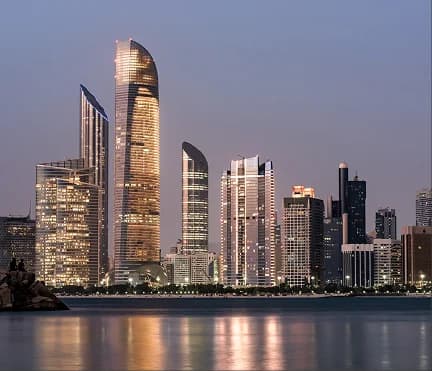
Abu Dhabi ranks among the safest cities globally by crime index. Cultural expectations around dress and public behavior differ significantly from US norms and are worth researching before arrival.

Your itinerary complexity should match your experience level. A long weekend in Lisbon or Copenhagen teaches you the mechanics of solo travel without high stakes. Three weeks overland through Central Asia demands fluency in logistics that most first-timers simply haven't built yet.
Book in this order: flight first, then first-night accommodation, then travel insurance. Nothing else until those three are confirmed. Your insurance policy needs a travel date to be valid, and your hotel address is required for STEP enrollment.
Register with the State Department's Smart Traveler Enrollment Program at travel.state.gov. It's free, takes five minutes, and delivers automatic security alerts for your destination country. It also puts your name with the nearest US embassy if something serious happens.
Single supplements add a real cost premium at most hotels, a charge that disappears at hostels, guesthouses, and apartment rentals. If you're watching your budget, that real-dollar difference is worth building into your accommodation search from the start, not retrofitting once your options are locked in.
Medical evacuation coverage matters more than trip cancellation for women traveling solo. Without a travel companion to manage logistics if you're incapacitated, an evacuation policy covers air ambulance costs that standard US health insurance won't touch.
Share your complete itinerary with at least two trusted contacts before departure. Set specific check-in windows and agree on what they'll do if you miss one. Save the nearest US embassy address and local emergency numbers as an offline screenshot in your camera roll before your flight departs.

A pre-departure safety system combines neighborhood-level research, offline navigation setup, a formal check-in schedule with trusted contacts, and physical document backups. City-level data tells you almost nothing useful on its own: Medellín's aggregate crime rate looks alarming until you zoom in. El Poblado and Laureles, where most solo travelers actually stay, consistently rank among the safest neighborhoods in any major Latin American city. Research using local expat forums and current threads from r/femaletravels, not three-year-old generic travel guides.
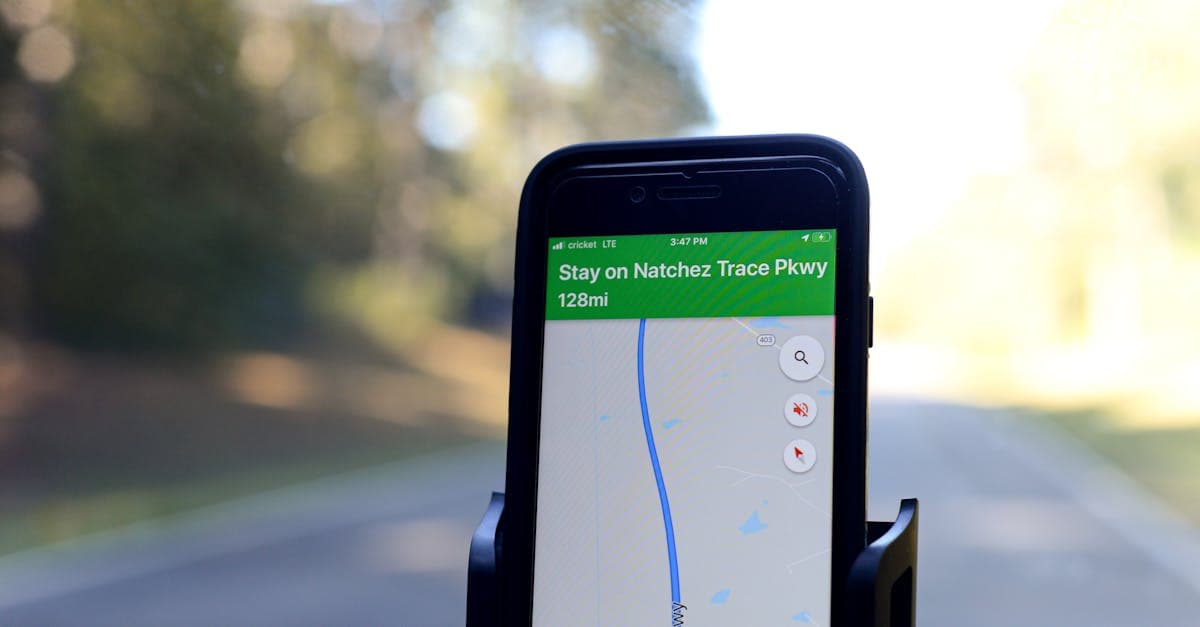
Download Google Maps offline tiles for your destination before takeoff. Navigation holds without active data once tiles are saved locally to your device, which matters most in those disoriented first minutes after landing when you need to find your exit without a live connection.
For women traveling solo, a formal check-in schedule with a family member or close friend is worth treating like a flight booking: non-negotiable. A missed check-in triggers a specific agreed action, not just worry. That action could be a text to your hotel to confirm arrival, a call to your credit card company to flag recent charges, or direct contact with the US embassy. Agree on the protocol before you leave.
Add your first-night hotel's full street address to the offline screenshot already holding your embassy contacts and emergency numbers. If your device is stolen, you still know where you're going.
Activate your eSIM before departure, as covered earlier in this guide, so location-sharing apps and WhatsApp are live before you clear customs.
Keep physical copies of your passport data page, insurance card, and hotel address in a separate bag from your phone. Losing your device shouldn't also mean losing proof of identity.

Staying connected abroad is a direct safety requirement for solo female travelers, not a convenience feature. 89% of solo female travelers rate staying connected as a top priority, a higher rate than among solo male travelers, and the difference has nothing to do with tech preferences.
63% have experienced a connectivity failure abroad that caused a genuine safety concern. The failure modes are predictable: no SIM available at the arrivals terminal, carrier roaming throttled below the speed needed for Google Maps, or hotel Wi-Fi unavailable after the front desk closes. Those scenarios leave you navigating an unfamiliar city at night without routing or the ability to check in with contacts.
Real-time routing, live location sharing, rideshare booking, and family check-ins all require active cellular data. A Wi-Fi hotspot only works within range of a café or lobby. Once you're moving through a city after dark, you need a connection that travels with you.
The apps that matter most for solo safety each require live data. Google Maps reverts to static offline tiles without cellular. bSafe and Life360 broadcast GPS location continuously only on an active connection. Uber and Bolt need live data to confirm pickup.
Activating data before your plane lands eliminates the riskiest gap in any solo arrival. You exit the terminal with Maps already running and your location broadcasting to contacts, rather than hunting for a SIM kiosk while carrying luggage through an unfamiliar airport.

Verizon's TravelPass runs ~$10 a day, which adds up to ~$140 for a two-week trip. AT&T's International Day Pass costs ~$12 a day with speeds capped after 512 MB, a limit that burns through quickly on a day of Maps navigation, WhatsApp check-ins, and Uber bookings.
T-Mobile Magenta includes free international data at 256 kbps. That speed doesn't support real-time Google Maps routing or a video check-in with family. It's adequate for texts but not a functional safety connection when you need live routing after dark.
Local SIMs offer real value on longer trips. Thailand's AIS and DTAC networks sell tourist SIMs for around ~$8 for 30 days, undercutting any US carrier day-pass option for stays beyond two weeks. Iceland's local carriers price comparably to eSIM plans but require a stop at a carrier store or airport kiosk on arrival.
Hello Roam's regional eSIM plans run ~$15 to $60 for two weeks of coverage, active before your flight lands so there's no connectivity gap at arrival. For Colombia and Morocco, the eSIM advantage is specifically about security: no need to handle your phone at a crowded arrivals-hall SIM kiosk, the exact moment when disoriented travelers are most at risk from theft.
Japan is the clearest destination case for pre-activated eSIM: airport SIM kiosks involve language barriers and significant setup time during an already long arrival process. Thailand benefits from a local SIM for stays longer than two weeks. For most other destinations on a typical solo female travel itinerary, the safety case and the cost math both favor arriving with data already running.

According to solofemaletravelers.club, solo female travel is statistically safe. That's not a reassurance; it's a data point backed by the documented outcomes of millions of women who travel independently every year. Proper planning is what creates that track record.
74% of women cite personal safety as their top concern before a solo trip. The vast majority of those trips conclude without a serious incident. According to adventurouskate.com, Iceland, New Zealand, Japan, Portugal, and Canada consistently top solo female safety indexes for the same core reasons: low street crime, reliable public infrastructure, and minimal harassment of foreign visitors.
Night safety shifts the risk calculus in most cities. Two protocols reduce exposure more consistently than anything else: use app-based transport (Uber or Bolt) instead of hailing cabs off the street, and choose accommodation with 24-hour staffed reception near main transit corridors. Optimizing on price over location in an unfamiliar neighborhood is where most night-safety incidents start.
If a situation feels wrong, leave. No explanation needed. That's not paranoia; it's pattern recognition.
Pre-trip risk assessment has three reliable tools: the US State Department's travel advisories, Numbeo's crime index for city-level data, and Reddit's r/femaletravels for recent first-hand accounts. Before departure, save three offline contacts: local emergency services, the nearest US embassy, and your travel insurance emergency line. Those are your first calls if something goes wrong.

Start with the tech stack. An unlocked smartphone with an eSIM installed before departure (as covered above), a 10,000 mAh minimum battery pack, a door-stop alarm, and a personal safety alarm cover the most critical vulnerabilities in the first 24 hours abroad.
Documents need a separate system. Carry physical copies of your passport data page, visa, insurance card, and hotel address in a bag that never travels with your originals. Theft of one bag shouldn't leave you unable to function.
Data is a real budget line. The gap between a regional eSIM and US carrier roaming for a two-week trip, as the previous section detailed, runs to several hundred dollars. Sort your connectivity before booking anything else.
For culturally conservative destinations, Morocco, Abu Dhabi, and parts of Southeast Asia specifically, pack a few modest layers. They pull double duty as warmth on overnight flights and in aggressively air-conditioned trains.
First aid basics: prescription medications in original packaging, blister care, and rehydration salts for warmer climates. Add an RFID-blocking wallet and a low-profile money belt for crowded markets and transit hubs.
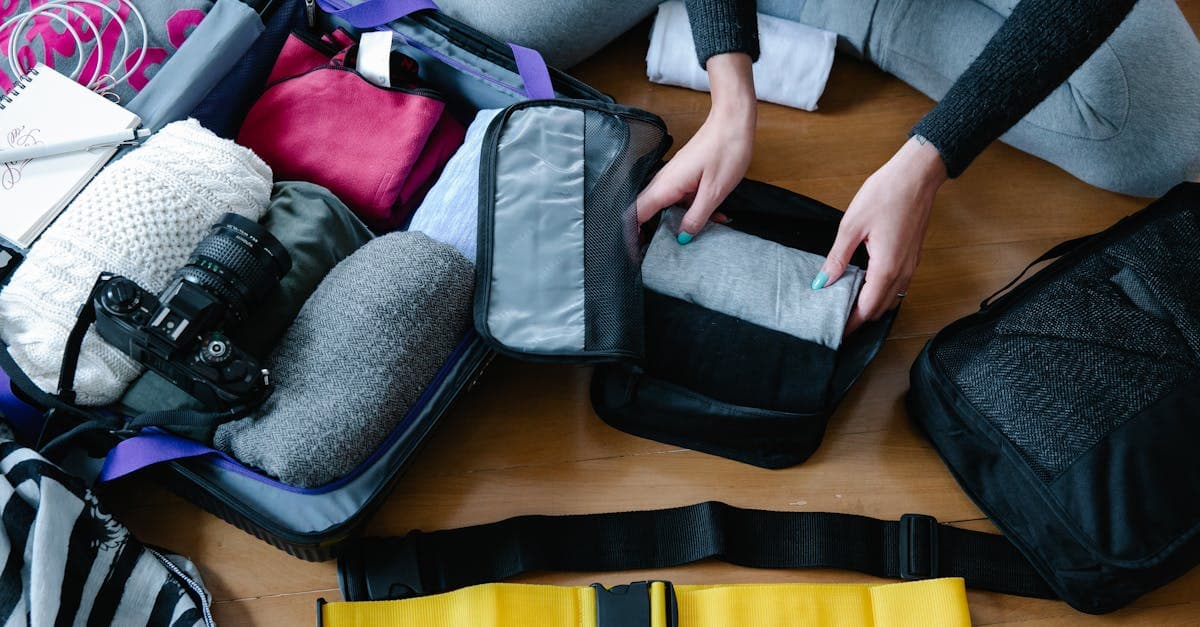
Packing light is a safety choice. One manageable carry-on means faster exits from arrivals, no checked luggage delays, and less physical burden when you're navigating unfamiliar streets alone.
Hostel common rooms still work. That might sound like 2009 advice, but the social infrastructure genuinely holds: shared kitchens and lounges generate spontaneous connections that apps haven't consistently replicated. This applies across age groups and budget tiers, not just for gap-year backpackers.
Structured day tours convert strangers into temporary companions without requiring any awkward introduction. Walk into a city food tour or a guided coastal hike as a solo traveler and you'll spend the next four hours with the same small group, which is usually enough to make actual plans with someone.
Tourlina and the Solo Female Travelers app both maintain active communities of women traveling independently. Destination-specific Facebook groups typically see daily activity and lean toward real itinerary questions answered by people who were recently there.
Women-only group trips through operators like Intrepid Women or Wild Terrains bridge the gap between solo and group travel, as documented by solofemaletravelers.club: itinerary logistics handled collectively, genuine independence built into the schedule.
Loneliness and solitude are different experiences, and solo travel involves both. Some evenings alone at a good restaurant are the best part of the trip. Others feel isolating. Neither state is permanent, and most experienced travelers report learning to tell them apart.
Reddit's r/femaletravels functions as both pre-trip research and a real community: threads from women who've been exactly where you're going, often within the past few months.

72% of American women have traveled solo at least once, according to MMGY Global's Travel Intentions Survey. Women also account for around 65-70% of all solo travelers globally, per the Adventure Travel Trade Association.
Top destinations for solo female travelers in 2025 include Iceland, New Zealand, Japan, Portugal, Canada, and Ireland. These countries consistently rank highest in satisfaction surveys based on safety, English accessibility, connectivity quality, and realistic budget tiers.
Iceland has extremely low street harassment rates reported by solo female travelers, a compact geography that makes orientation easy, and reliable eSIM coverage across the country including remote highland areas. Its consistent safety record keeps it at the top of solo female travel recommendations.
A single supplement is an extra charge most hotels apply to solo guests, typically bringing the cost close to the full double-room rate. This cost disappears at hostels, guesthouses, and apartment rentals, making those accommodation types more budget-friendly for solo travelers.
STEP is the State Department's Smart Traveler Enrollment Program, available free at travel.state.gov. It delivers automatic security alerts for your destination country and registers your name with the nearest US embassy in case of emergency. Registration takes five minutes and is strongly recommended for solo travelers.
Book your flight first, then first-night accommodation, then travel insurance. Your insurance policy requires a travel date to be valid, and your hotel address is needed for STEP enrollment. Nothing else needs to be confirmed until those three are locked in.
eSIMs activate before you land, meaning your phone is connected and Google Maps is already running when you exit the terminal. This avoids handling a visible phone at crowded arrivals kiosks, which is especially important in destinations where phone theft at arrival halls is a known risk.
63% of solo female travelers have experienced a connectivity failure abroad that caused a genuine safety concern. Common failure modes include no SIM available at the arrivals terminal, carrier roaming throttled below usable speeds, and hotel Wi-Fi unavailable after the front desk closes.
Key solo travel safety apps include Google Maps for routing, bSafe and Life360 for continuous GPS location sharing, and Uber and Bolt for rideshare booking. All of these require active cellular data to function fully — Wi-Fi alone is insufficient when moving through a city.
Medical evacuation coverage is more important than trip cancellation insurance for solo female travelers. Without a travel companion to manage logistics if you are incapacitated, an evacuation policy covers air ambulance costs that standard US health insurance typically does not.
Japan consistently ranks near the top of solo female travel surveys due to its exceptional public transit and a cultural environment that minimizes harassment as a daily concern. Pre-activating an eSIM before landing means you exit arrivals with Google Maps running, avoiding the known bottleneck of airport SIM vending machines.
Underrated destinations with strong safety records include Riga in Latvia, Corfu in Greece, Medellin and Bogota in Colombia, Maun in Botswana, Morocco, and Abu Dhabi. These attract far fewer tourists than popular picks while offering solid safety records and unique travel experiences.
Portugal offers Western European safety standards at prices that help offset single-supplement hotel costs. Lisbon and Porto both have strong mobile coverage, and the rural Alentejo region is increasingly accessible to independent travelers.
A formal check-in schedule with a trusted contact ensures a missed check-in triggers a specific agreed action rather than just worry. That protocol could include contacting your hotel, flagging recent credit card charges, or reaching the US embassy — and it must be agreed upon before you leave.
Downloading Google Maps offline tiles before takeoff means navigation works without an active data connection once tiles are saved to your device. This is most valuable in the disoriented first minutes after landing when you need to find your exit before a live connection is established.
Solo women travelers spend more per trip than their male counterparts, directing budget toward safety, comfort, and reliable connectivity rather than the lowest available rate. This is a deliberate priorities hierarchy, not an oversight.
According to the Booking.com Solo Travel Report 2024, 84% of solo female travelers plan to take more trips in the next 12 months. This reflects growing confidence and appetite for independent travel among women globally.
Keep physical copies of your passport data page, insurance card, and first-night hotel address in a separate bag from your phone. Also save the nearest US embassy address and local emergency numbers as an offline screenshot in your camera roll before departure.
Morocco's medinas in Marrakech and Fes can be rewarding for solo female travelers who dress modestly, which noticeably reduces street harassment. Using an eSIM is preferable to handling a visible phone in the crowded souks.
First-time solo travelers should choose destinations that match their experience level, prioritizing locations with proven infrastructure, English accessibility, and strong safety records specific to solo women. A short trip to a city like Lisbon or Copenhagen teaches the logistics of solo travel without high stakes before tackling more complex itineraries.
HelloRoam: your trusted travel eSIM that keeps you online across borders.
Explore Plans