



Frequently Asked Questions
Brazil holds a Level 2 (Exercise Increased Caution) travel advisory from the US State Department, with crime and kidnapping listed as the primary risk categories. American citizens have consular support through the US Embassy in Brasilia and consulates in Sao Paulo and Rio de Janeiro. The most common tourist-affecting crime is express kidnapping (sequestro relampago), which concentrates in Rio de Janeiro's urban zones and larger northeastern cities. For crime incidents, contact DEAT, Brazil's dedicated tourist police unit, at emergency number 190.
This article focuses on human safety risks for travelers in Brazil rather than wildlife threats. The primary dangers documented for tourists are petty theft and express kidnapping, both concentrated in specific urban zones. Travelers visiting natural areas such as the Pantanal or Amazon border regions should consult destination-specific wildlife guidance in addition to the crime safety information covered here.
Rio de Janeiro is safe in well-policed tourist neighborhoods like Ipanema and Leblon, but markedly risky in other areas sometimes within a short walk. Phone snatching is the top reported tourist crime, while beach arrastoes (coordinated gang theft sweeps) occur at Copacabana during busy periods and holiday weekends. Visitors should use ride-sharing apps after dark rather than hailing street taxis, and should only visit favelas with a certified guide from a recognized tour operator.
The article does not directly compare overall US and Brazil crime statistics. Brazil carries a Level 2 (Exercise Increased Caution) advisory from the US State Department, the same advisory tier assigned to France and Germany. Rio de Janeiro's Numbeo Crime Index runs around 75 and Sao Paulo's sits around 70, figures that average across large metro areas including peripheral zones most tourists never visit. Travelers who stay in established tourist districts generally face lower practical risk than those citywide averages suggest.
Brazil is rated Level 2: Exercise Increased Caution by the US State Department, citing crime and kidnapping as the two primary risk categories. This is the same advisory tier as France and Germany and does not mean travelers should avoid Brazil entirely. Seven specific states within Brazil carry a stricter Level 3 advisory, so travelers should check state-level ratings when planning their itinerary.
As of 2025, seven areas carry a Level 3 advisory: Bahia (Salvador), Ceara (Fortaleza), Pernambuco (Recife), Rio Grande do Norte (Natal), Maranhao (Sao Luis), Roraima (Boa Vista), and the Amazon border regions near Colombia and Venezuela. These states account for several of the northeast's most-marketed tourist destinations. First-time visitors to Brazil are advised to start with lower-risk regions such as Florianopolis, Gramado, or Bonito before visiting Level 3 areas.
Express kidnapping, known in Brazil as sequestro relampago, involves victims being forced to make ATM withdrawals over a period of hours before being released. This pattern concentrates in Rio de Janeiro's urban zones and larger northeastern cities, and is largely absent in resort towns, Iguacu Falls, and ecotourism lodges. Using ATMs only inside bank branches during daylight hours and limiting cash withdrawals are the most effective countermeasures.
Florianopolis is consistently rated Brazil's safest major city for tourists. Curitiba, Gramado, Bonito, and Paraty also carry low risk profiles and are well-suited for first-time visitors. As a general rule, cities farther south and smaller in scale tend to have a lower baseline risk than the major northeastern urban centers.
Fortaleza, Salvador, and Recife are the three Level 3 cities that most commonly appear on American travel itineraries and carry the highest risk profiles for first-time visitors. All three are inside Level 3 advisory states with violent crime rates above Rio de Janeiro's. Experienced travelers advise saving these destinations for a return trip after gaining familiarity with how Brazil operates on the ground.
Sao Paulo's tourist districts, including Jardins, Pinheiros, and Vila Madalena, are walkable, well-lit neighborhoods with high commercial density that keeps streets populated throughout the day and night. The city's Numbeo Crime Index sits around 70, but this figure averages across a metro of millions, including peripheral zones tourists rarely visit. Staying within these central neighborhoods reduces practical risk considerably below that citywide average.
File a boletim de ocorrencia (formal police report) at the nearest delegacia as soon as it is safe to do so, as this document is required by travel insurers to process claims. Call your bank immediately to freeze any compromised cards. A thief with your physical SIM card can intercept SMS-based two-factor authentication codes within hours, potentially gaining access to banking and email accounts, so reporting to your carrier quickly limits that fraud window.
Save 190 for Policia Militar (Brazil's main police emergency line), 192 for SAMU (the national medical emergency service), and the US Embassy in Brasilia at +55 (61) 3312-7000. US consulates also operate in Sao Paulo and Rio de Janeiro for citizen services. DEAT, Brazil's tourist police unit, is reachable nationwide at 190 and handles crime cases involving international visitors.
A dummy wallet is a decoy containing a small amount of local currency (around 20-30 reais) and an expired card, carried separately from your real valuables. If confronted on a quiet street or at a poorly lit corner, handing over the dummy wallet ends most encounters without escalation. Real cards, your passport, and bulk cash should stay locked in the hotel safe.
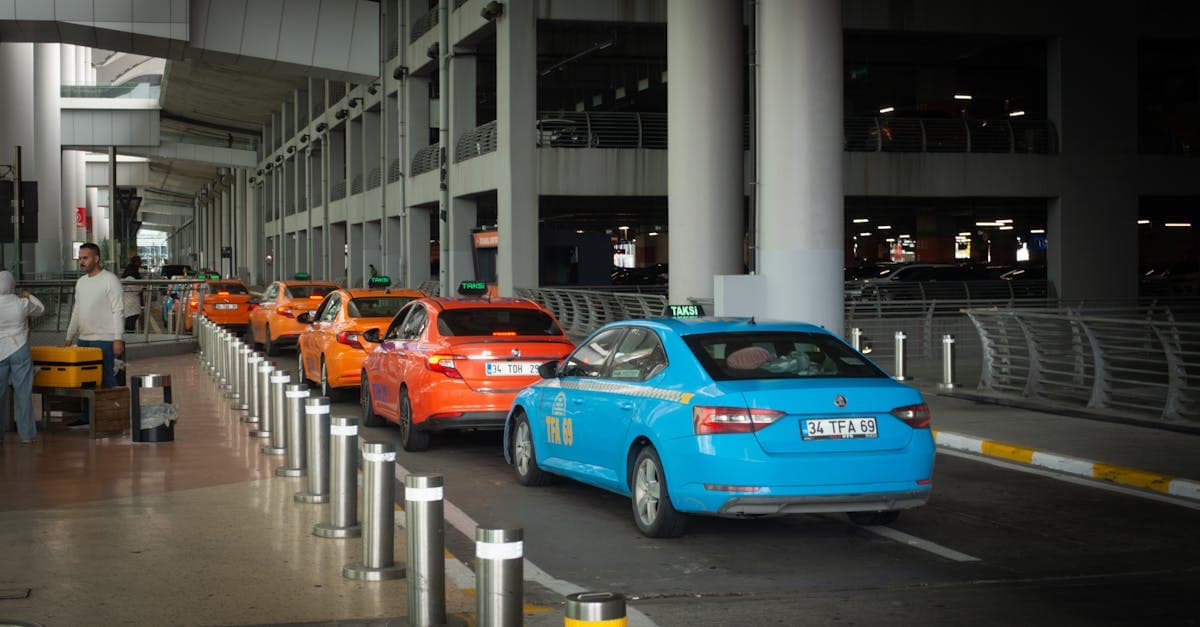
Pre-booking your airport transfer before landing removes the need to negotiate with strangers at the curb. Sao Paulo's GRU, Rio's Galeao (GIG), and Brasilia's BSB all have legitimate transfer desks and app-based pickup zones. Arranging transport in advance eliminates the risk of unmarked cars and price arguments while you are jet-lagged and carrying luggage.
Several Rio de Janeiro favelas offer legitimate cultural tour programs worth experiencing, but the firm rule is to go only with a certified guide from a recognized tour operator and never solo. A guide is not there for atmosphere but to navigate community relationships that no first-time visitor can read from the outside. Entering favela territory without local guidance is consistently cited as one of the highest-risk decisions a tourist can make in Rio.
Brazil draws approximately 6.5 million international visitors per year. Tourist-targeted violent crime, while real, remains statistically low against that visitor volume. The US State Department's framing is precise: risk concentrates in specific zones, not across the circuits most travelers actually follow.
Use ATMs only inside bank branch lobbies during daylight hours, where cameras, staff, and other customers are present. Street-facing machines and shopping mall kiosks outside business hours are the primary settings for ATM-related crime. Withdraw only what you need for the day and keep the amount small to minimize exposure.
Sources
- Travel Advisories — travel.state.gov
- Braziltravel advice — travel.gc.ca
- IS IT SAFE TO TRAVEL TO BRAZIL IN 2026? — bhtp.com
- Brazil Travel Advice & Safety — smartraveller.gov.au