


Frequently Asked Questions
Yes, Thailand is safe for most American tourists. The US State Department assigns it a Level 2 advisory (Exercise Increased Caution), the same rating carried by France, Germany, and Japan. Around 40 million international tourists visit Thailand each year, and the overwhelming majority complete their trips without a serious incident. The real risks are scams, road accidents, and drug law violations, not targeted violent crime.
Thailand is generally an affordable destination, and $100 USD carries significant purchasing power compared to Western countries. It can cover daily meals, local transport, and budget accommodation. The country's low cost of living is one reason it attracts millions of visitors and long-term digital nomads and expatriates each year.
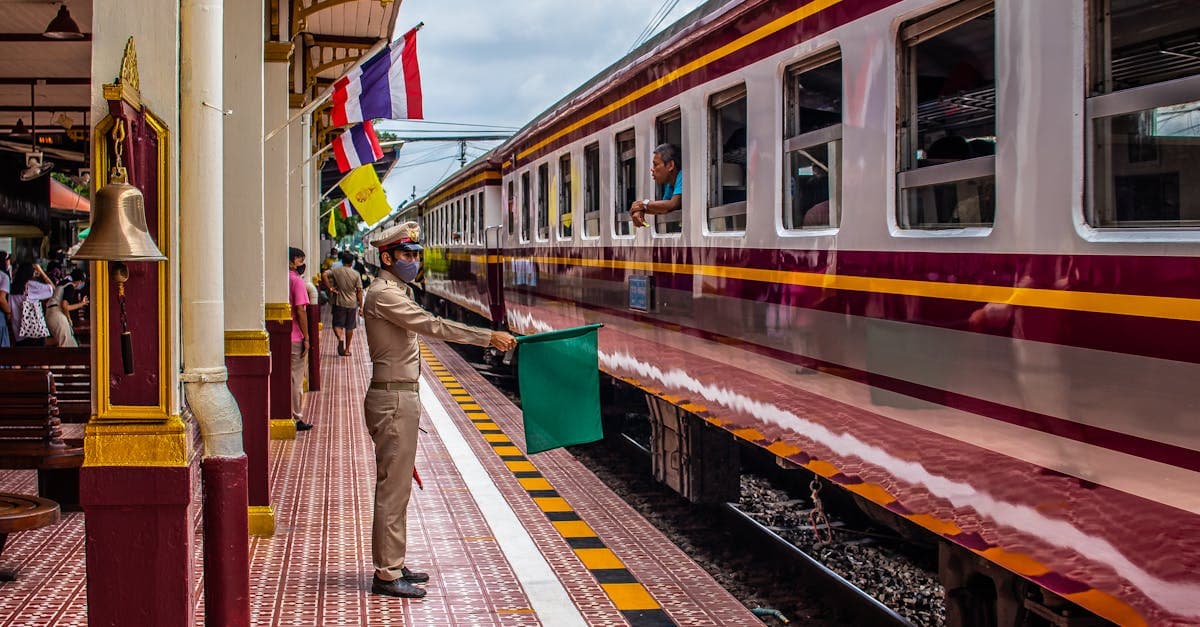
At 6pm each day, the Thai national anthem is played in public spaces such as train stations, parks, and shopping areas. Thai custom calls for people to stop and stand still as a sign of respect while the anthem plays. Visitors unfamiliar with this tradition may be gently reminded by locals. The same custom applies at 8am daily.
For many digital nomads and expatriates, $2000 a month is a comfortable budget in Thailand, particularly outside Bangkok. Cities like Chiang Mai, which offers strong digital nomad infrastructure and lower traffic density than the capital, are popular for longer stays. Costs in Bangkok and resort areas like Phuket tend to run higher.
Thailand carries a Level 2 advisory (Exercise Increased Caution), the same designation as France, Germany, the United Kingdom, and Japan. The advisory does not flag Bangkok, Chiang Mai, Phuket, Koh Samui, or Krabi as areas of concern for standard tourists. The four southernmost provinces (Pattani, Yala, Narathiwat, and parts of Songkhla) are flagged separately due to a long-running insurgency.
The southernmost provinces of Pattani, Yala, Narathiwat, and parts of Songkhla carry elevated risk from a separatist insurgency active since 2004, including periodic bombings and shootings affecting civilians. These provinces do not appear on mainstream tourist itineraries. Popular southern destinations like Krabi, Koh Lanta, Ko Phi Phi, and Koh Samui are geographically outside the affected zone.
The most frequent scams include the Grand Palace closed con, where a stranger claims a major attraction is shut and redirects tourists to a gem shop, tuk-tuk routes subsidized by commission-based shops, and gem export schemes falsely promising tax-free deals. ATM skimming is documented near Khaosan Road and the lower Sukhumvit corridor. The practical rule is to treat any unsolicited help in a tourist zone with immediate skepticism.
Motorbike rental carries significant risk. Around 20,000 people die on Thai roads each year, and tourists on rented bikes are disproportionately represented in that figure. Rental shops typically require no license check. Standard travel insurance frequently excludes motorbike accidents unless a specific adventure sports rider is added to the policy before travel.
Thailand's drug laws are strict and the consequences are severe. Possession of even small amounts of hard drugs can result in life imprisonment. The US Embassy in Bangkok can provide a list of attorneys and visit you in detention, but has no authority to intervene in Thai judicial proceedings or secure your release. Cannabis was partially decriminalized in 2022, but the regulatory framework continues to shift, so verifying current law before any purchase is essential.
Chiang Mai is widely regarded as the safest major Thai city for solo travelers. The Old City is compact, walkable, and supported by strong digital nomad infrastructure, with far lower traffic density than Bangkok. The main hazard is road accidents on mountain roads north of the city, particularly heading toward Pai after rain or after dark.
Phuket is generally safe in the main resort zones of Kata, Karon, and Kamala. Patong carries elevated drink-spiking and petty theft risk in its nightlife corridor after midnight. Jet ski rental scams near Patong Beach are a chronic issue, with operators claiming pre-existing damage on return to demand cash on the spot. Avoiding jet ski rentals in Patong removes that specific risk.
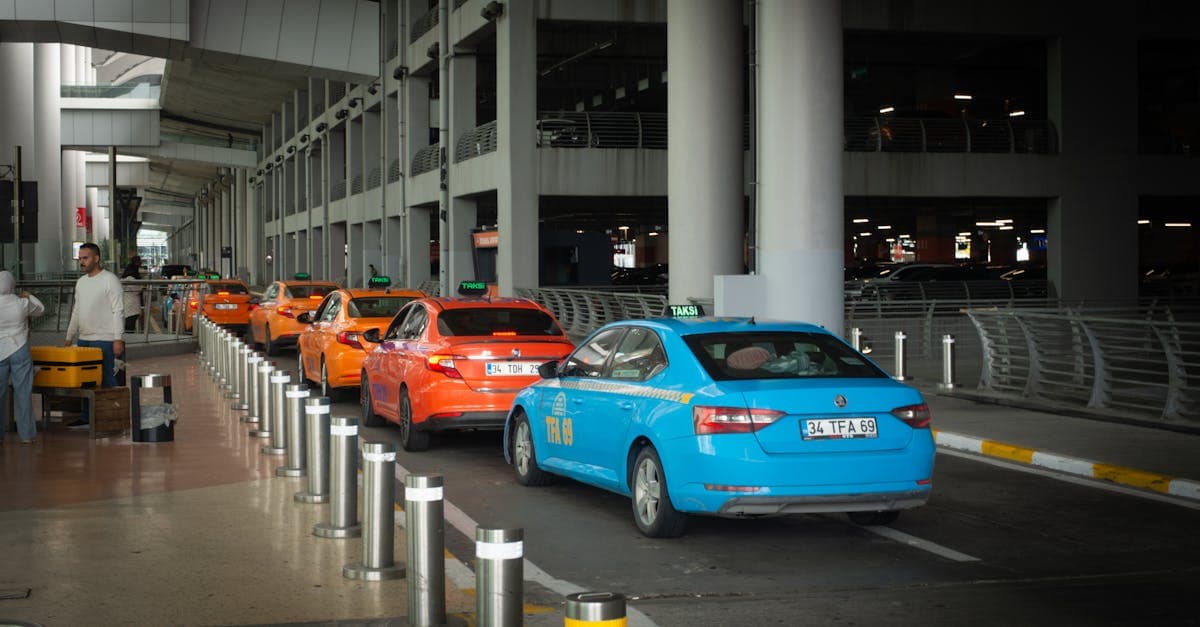
Grab is the recommended alternative to negotiated tuk-tuks or unlicensed taxis. Fares are metered, routes are tracked in the app, and your location can be shared with contacts. The app requires live mobile data, making it worth setting up connectivity before leaving the airport. Driving yourself through Bangkok during peak hours is impractical due to traffic density.
Drink spiking has been reported in specific nightlife zones, including Khaosan Road in Bangkok, Walking Street in Pattaya, and certain beach bars in Phuket. Travelers should not leave drinks unattended or accept drinks from strangers in those settings. Petty theft also rises in Patong, Phuket after midnight.
Ferry crossings during rough weather present genuine risk. The wet season runs roughly May through October, when sea conditions can deteriorate quickly. Before booking any island transfer during this period, verify current conditions and check the safety record of the boat operator rather than booking based on price alone.
STEP (Smart Traveler Enrollment Program) is a free service from the US State Department available at travel.state.gov. Enrolling takes a few minutes and allows the US Embassy to contact you if conditions shift while you are in-country. The US Embassy in Bangkok is located at 95 Wireless Road, with a 24-hour emergency line at +66 2 205 4000.
Sources
- Travel Advisories — travel.state.gov
- IS IT SAFE TO TRAVEL TO THAILAND IN 2026? — bhtp.com
- Thailandtravel advice — travel.gc.ca