

Table of content
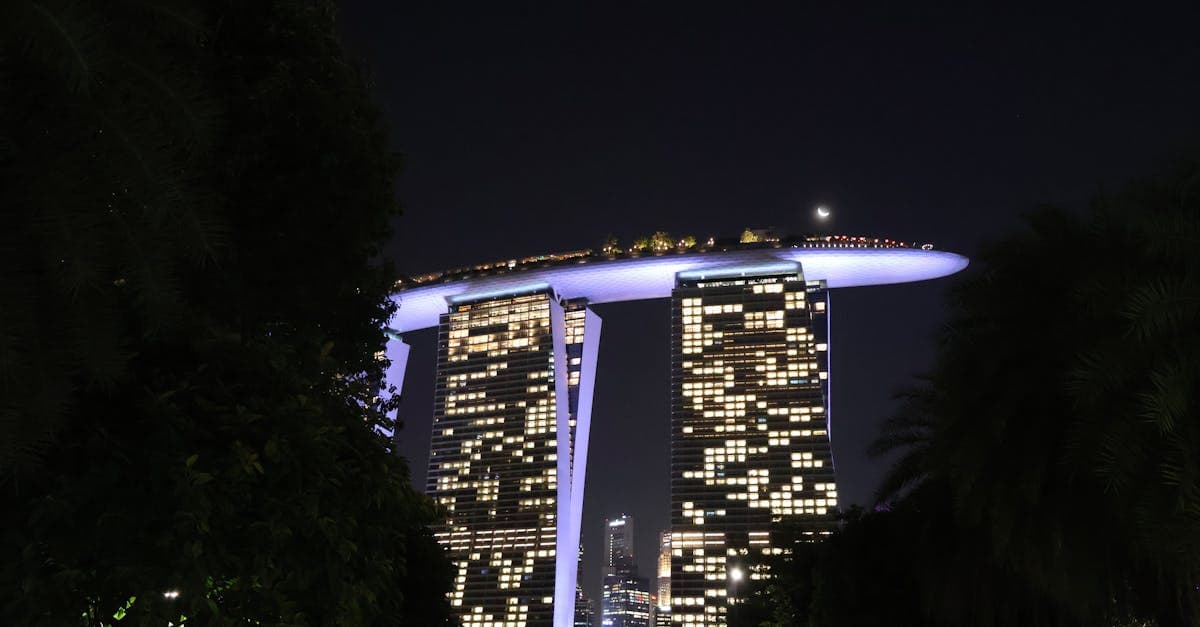
! [Transtar travel departure point near Marina Bay Sands illuminated at night in Singapore
Quick Answer: What Is Transtar Travel and What Does It Cost?
! [Singapore city skyline at dusk near Marina Bay, gateway to transtar travel routes
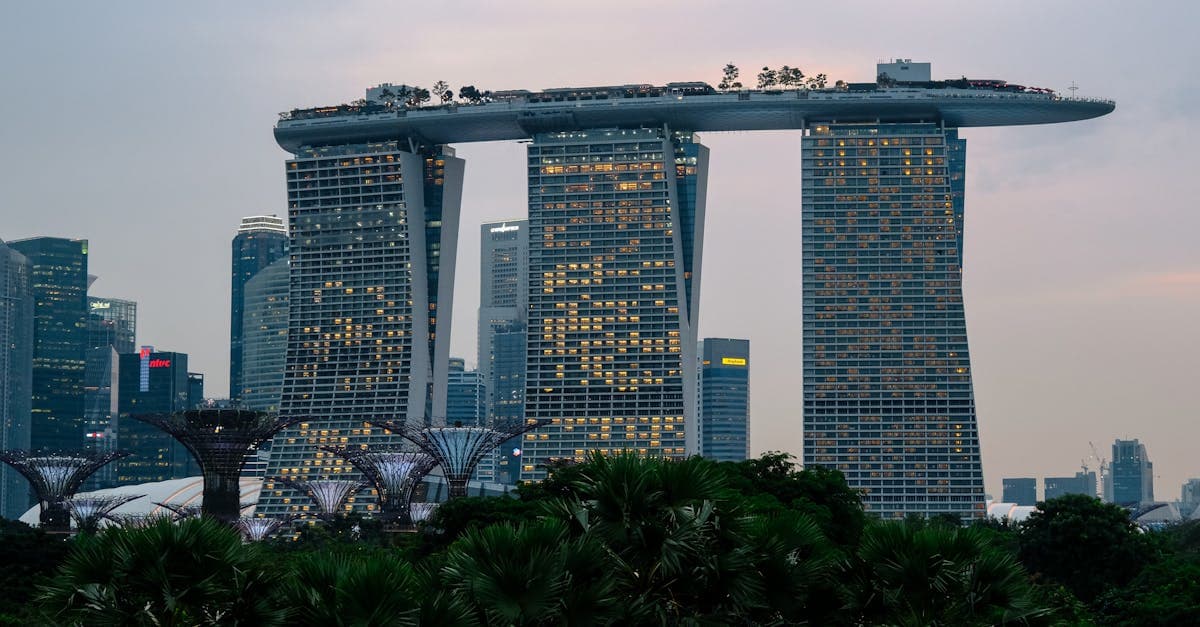
Transtar Travel is a Singapore-registered cross-border coach operator on the Singapore-Malaysia corridor. Its flagship route terminates at Kuala Lumpur's Terminal Bersepadu Selatan (TBS), with a journey time of 4.5 to 5.5 hours under normal border conditions.
Economy seats on the KL route cost S$25 to S$35. Premium and business class runs S$40 to S$55. VIP seats, with near-flat recline in a 2-1 layout, top out at S$85. Promotional economy fares can fall to S$18 for off-peak travel booked well in advance, a real saving on the standard rate. Weekends and public holidays carry a 10 to 20 percent surcharge across all classes, which is a brisk jump if you haven't budgeted for it.
One practical note before you board: sort your Malaysian mobile data before departure. Carrier roaming charges from Singtel, StarHub, or M1 accumulate quickly across a multi-day trip. A Malaysia-specific eSIM activated before you leave Singapore avoids that bill entirely. If the concept is unfamiliar,(https://www.helloroam.com/what-is-an-esim) explains the setup in plain language.
Here is everything you need before booking your seat.
Transtar Travel Routes from Singapore: Where Can You Go?
! [Iconic Marina Bay Singapore waterfront reflecting transtar travel's cross-border journey starting point
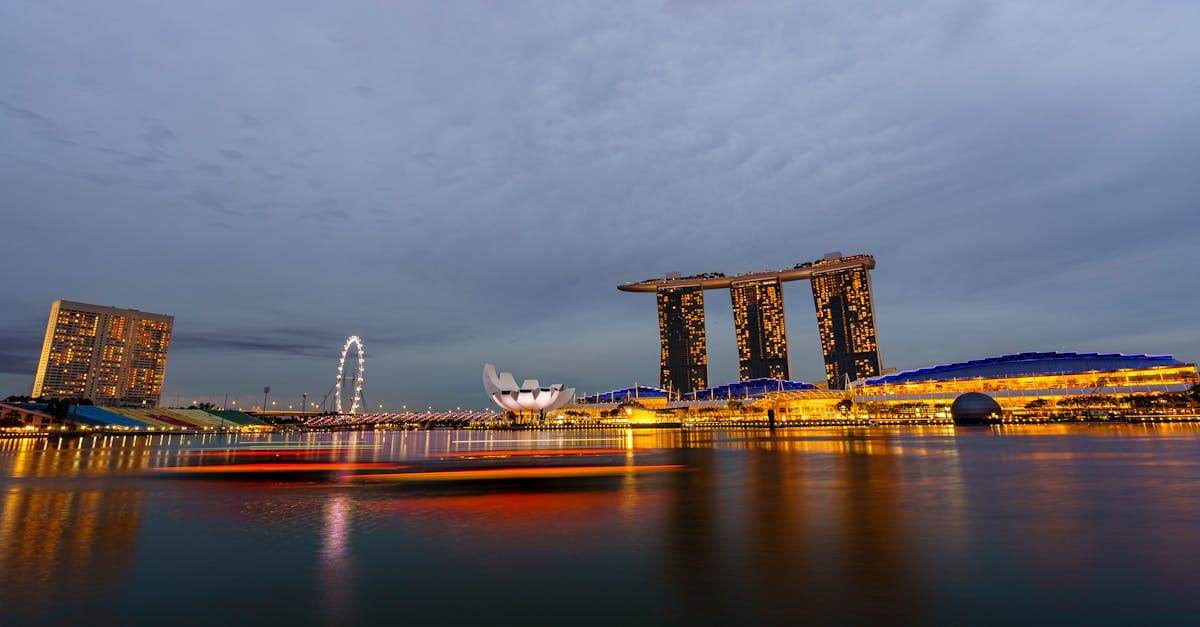
Transtar Travel serves six main destinations from Singapore: Kuala Lumpur, Johor Bahru, Genting Highlands, Penang, Melaka, and Ipoh. KL anchors the schedule with multiple daily departures and the widest choice of times. The rest of the network operates on considerably leaner timetables.
The Singapore departure hub is Golden Mile Complex at 5001 Beach Road, in the Lavender and Kallang area. A practical caution for 2026: Golden Mile underwent conservation redevelopment between 2023 and 2025. Confirm the exact boarding point with Transtar directly before travel, since operator arrangements can shift during and after major building works.
Johor Bahru is the network's quick option. It's the shortest crossing, the fares are the lowest in the range, and JB Sentral is well-connected on the Malaysian side. For a lively same-day trip without overnight planning, the JB service is the most practical choice on the whole network.
Genting Highlands and Penang are different propositions. Both routes run less frequently than the KL flagship, and they fill up ahead of school holidays and long weekends faster than most passengers expect. Fewer departure slots means less flexibility if you're searching close to your travel date. Penang especially: a Friday departure before a public holiday can sell out well in advance.
Melaka and Ipoh complete the picture. Melaka is a comfortable day-trip distance with accessible fares, and the route suits a short cultural itinerary without demanding an overnight stay. Ipoh sees limited departures, so check the timetable before committing if your schedule is fixed.
Once you know your destination, the next question is how much to spend on your seat.
Transtar Travel Ticket Prices: Which Class Is Worth It?
! [Transtar travel ticket counter and digital timetable display showing class options and prices
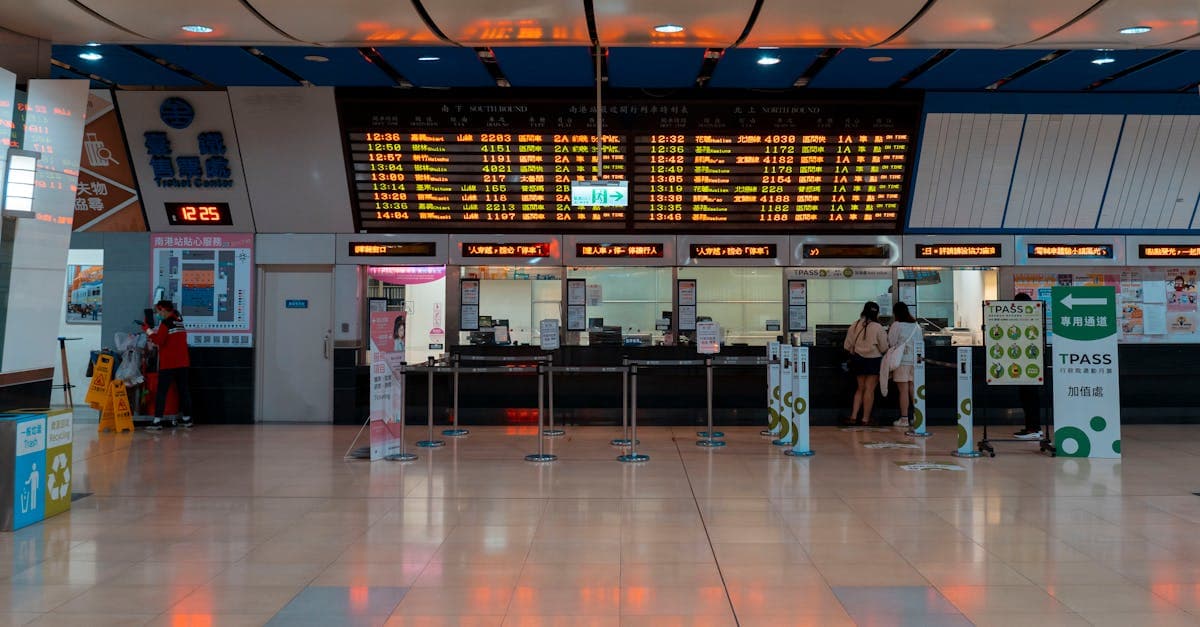
For the Singapore-to-KL run, VIP is worth the premium on overnight services or any journey likely to push past six hours due to border delays. For a daytime trip with a fixed arrival window, economy or premium is workable. The class gap is real on both price and comfort.
Economy gets you there. For a daytime run on a coach that isn't fully packed, the base tier does the job. The friction point is the 3-2 seating layout on some economy vehicles. A middle seat in a three-column row, full coach, long border queue: that combination is where upgrade regret tends to arrive, around the third hour.
The peak surcharge noted in the quick answer adds a real cost across all classes on weekends and public holidays. Midweek departures consistently carry better fares. Tuesday through Thursday is where the value sits if your schedule bends that way.
Shorter routes run on their own separate pricing logic. JB is the most accessible, with fares from S$5 to S$12. Penang, a considerably longer journey, ranges from S$45 to S$90 depending on class and timing. Melaka falls in the S$20 to S$35 band.
The case for VIP is strongest when the journey runs long. Near-flat recline is the spirited differentiator on an overnight service: arriving rested at KL Sentral after a comfortable few hours is a categorically different experience from arriving stiff after five hours of upright economy.
Promotional pricing surfaces for midweek, off-peak departures booked several weeks out. If the Singapore-to-KL route is a regular fixture in your calendar, monitoring Transtar's forward schedule for early-release economy slots is a habit that pays off in actual dollars.
Knowing the price is one thing; knowing what you actually get on board is another.
What to Expect on Board a Transtar Travel Coach
! [Comfortable transtar travel coach interior with premium leather seats and blue privacy curtains
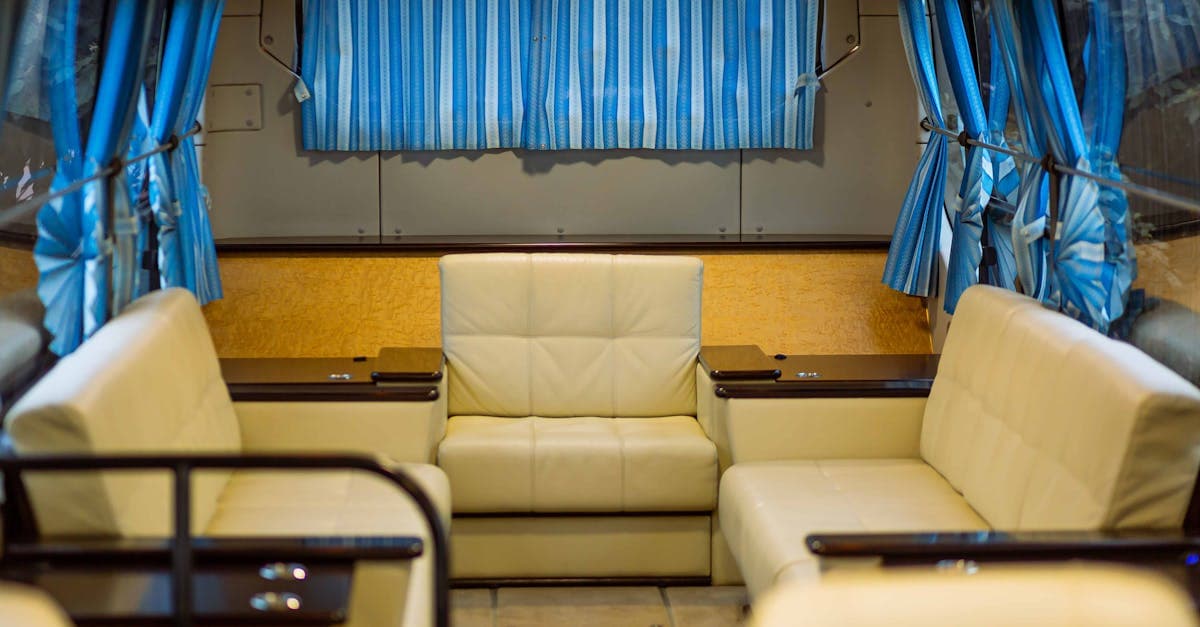
Transtar Travel coaches on premium and VIP services include WiFi, USB charging, and power outlets as standard. Economy coaches vary by vehicle. The one rule that applies across every class: only VIP coaches have an on-board toilet. Economy and premium passengers depend entirely on one mandatory rest stop mid-journey.
WiFi and charging
WiFi is advertised on premium and VIP services. In practice, connectivity holds near Singapore and Kuala Lumpur, then drops on rural highway sections in between. Treat it as a pleasant bonus on urban stretches rather than a reliable working tool for the full five hours. USB ports and power outlets are standard on VIP seats and most premium configurations; economy provision varies by coach, so bring a power bank if staying charged matters to you.
Toilet and rest stops
Economy and premium passengers stop once mid-journey at a highway rest-and-recreation (R&R) area. The break runs roughly 15 to 20 minutes: enough for a bathroom stop, a hot drink, and a stretch before the second half. The timing typically places the stop somewhere in Johor or Negeri Sembilan, depending on traffic and route conditions that day.
Luggage
The standard allowance is one check-in bag up to 20 kg, plus one carry-on. Extra pieces are charged at S$5 to S$10 per bag. If you're travelling with sports gear or oversized items, confirm the policy at booking rather than at the coach bay. Bags go into the undercarriage hold; overhead space on most coaches is limited.
Food and drink
No meals are served. Passengers may bring their own food, and most do. The R&R stop is the main mid-journey food window. Highway rest stops lean toward local stalls and fast food. If you have specific dietary preferences, buy something at Woodlands or before boarding at Golden Mile.
One final practical point: download maps, podcasts, and anything offline-dependent before you leave Singapore. Rural mobile signal through some highway sections can be thin, and on-board WiFi won't reliably fill that gap.
Comfort sorted, but border crossings are where journeys can go sideways.
How to Cross the Causeway Without Losing Hours
! [Aerial view of Johor-Singapore Causeway with cross-border traffic during transtar travel journey

To cross the Singapore-Malaysia Causeway without losing hours, book departures before 7am or after 10pm on weekdays. Off-peak mornings, coaches clear Woodlands and Malaysian immigration combined in well under 30 minutes. Peak periods (Friday evenings, Sunday nights, and days flanking public holidays) carry the worst crossing times, where the Causeway alone can push total journey time toward 6 to 8 hours.
Most travellers blame the operator when the Singapore-KL journey runs long. The border checkpoint is almost always the actual culprit, and once you understand that, a lot of practical decisions become clearer.
The checkpoint that matters for KL routes. Most KL-bound Transtar Travel coaches route through the Woodlands Checkpoint, not Tuas. Tuas Second Link handles primarily freight and west-side traffic; coaches on the KL corridor use Woodlands as a rule. Faster throughput, more predictable for scheduling.
The myth: there's nothing you can do about it. There is. Departures before 7am on weekdays clear both checkpoints within the normal journey window. Late-night departures after 10pm run cleaner too. The worst case is a Sunday evening coach on a long weekend, where that arithmetic, not bad luck, is what stretches the clock.
All passengers disembark at both the Singapore and Malaysian checkpoints for individual immigration clearance. First-timers consistently underestimate this step. Have your passport open, immigration card completed, and declaration form ready before you step off. Fumbling at the counter holds up the whole coach, not just you.
Off-peak weekday departures cut average journey times substantially. For flexible travellers, a Tuesday morning departure beats a Friday evening on the same route without it ever being close.
Beating the queue is easier when you're also prepared to stay connected throughout Malaysia.
Staying Connected on the Singapore to Malaysia Journey
! [Sim Lim Tower Singapore, useful stop for SIM cards to stay connected on transtar travel trips
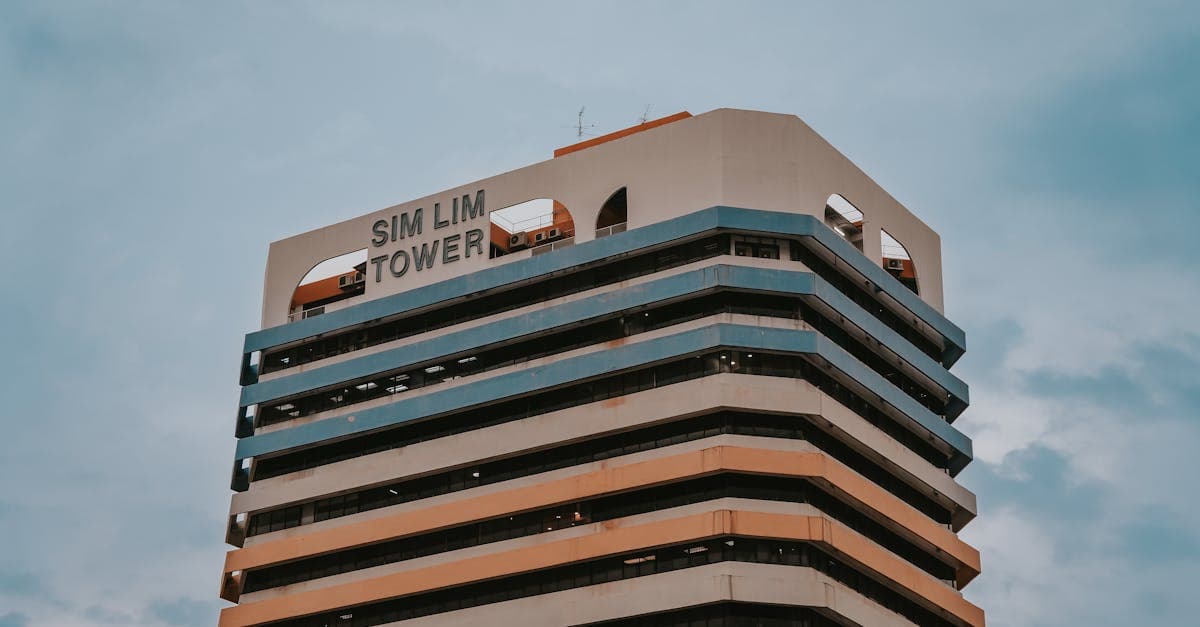
The reliable option for data on this run is a Malaysian eSIM, not the bus WiFi. Transtar Travel advertises WiFi on premium services, but signal drops repeatedly on rural highway sections between the two cities. Consistent near the Singapore end, consistent approaching KL, and patchy for the long middle stretch where you actually want it.
Malaysian mobile coverage on the North-South Expressway itself is a different matter. The corridor is well-served by Malaysian carriers. A local eSIM, running on Malaysian networks, holds signal where the bus WiFi loses it.
Here's what the smartest travellers do.
Activate a Malaysian eSIM at home in Singapore before boarding. The eSIM loads onto your phone's embedded SIM; once you cross the Causeway, your device latches onto Malaysian networks automatically. No manual switching, no configuring at the checkpoint. Dual-SIM phones (most Android flagships and iPhones from XS onwards support this) let you run a Malaysian data line alongside your Singapore number. Calls and messages on your main number still land normally throughout the journey.
Physical SIM swaps at JB CIQ or at TBS on arrival in KL are an option. They add friction though: finding the right counter, topping up credit, configuring APN settings (Access Point Name, the setting that routes your device through mobile data). After navigating immigration twice, that's avoidable friction.
HelloRoam offers Malaysia eSIM plans with QR code activation, which takes minutes to complete before departure. Check HelloRoam's website for current Malaysia plans and pricing.
One practical note: activate on home wifi in Singapore, not at the Causeway. You want data live before the network handover, not scrambling for it after.
With connectivity handled, here are the answers to the questions travellers ask most.
Can I Book Transtar Travel Tickets Online?
! [Passenger using self-service ticket machines to book transtar travel tickets online at a transit hub
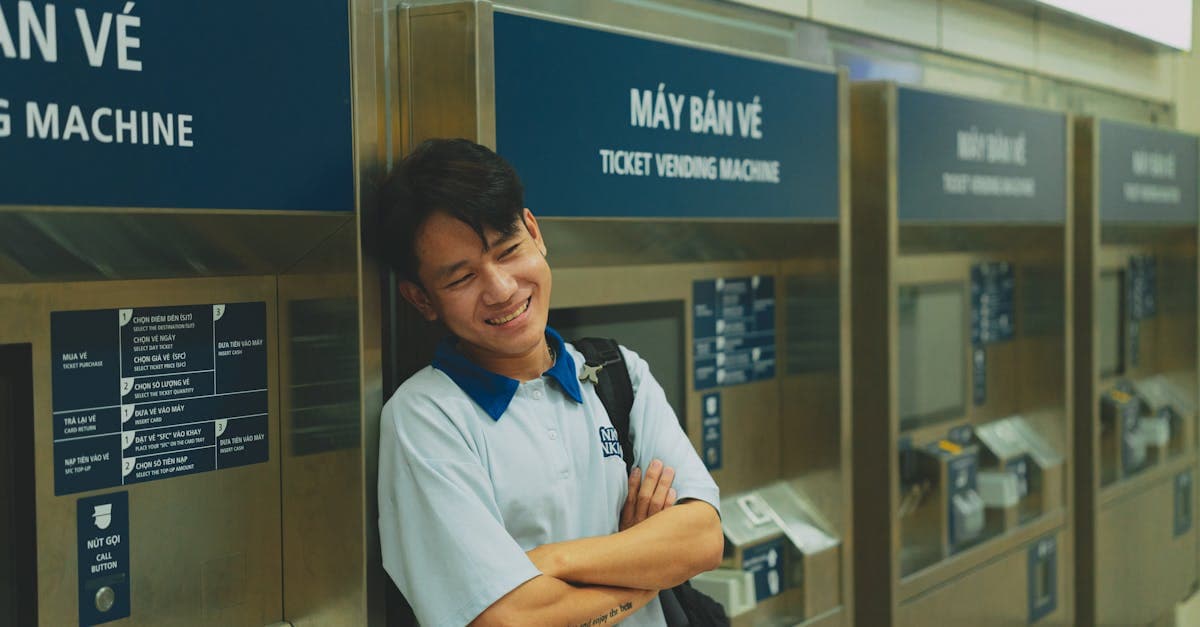
Yes, and it's the recommended approach. The(https://www.transtar.travel) handles direct bookings with seat selection available at checkout. Third-party platforms including Easybook and BusOnlineTicket also list Transtar routes, sometimes with their own promotional pricing tied to platform campaigns.
The booking detail most guides skip. Advance booking does two things simultaneously: it locks in the lower end of the fare range and gives you seat control. On a five-hour journey, that choice isn't trivial. Rows toward the front feel less of the coach's movement; on VIP coaches, rear rows trade a quieter environment for proximity to the onboard facilities.
E-tickets are accepted at boarding. No printing required. Walk-in counter bookings at the Golden Mile Complex departure hub remain available, though popular departure times during school holidays sell out well before the day.
Cancellation and amendment conditions vary by fare class. Promotional economy fares are frequently non-refundable or carry an amendment fee; premium and VIP tickets carry more flexibility. Read the specific conditions before confirming, particularly on advance purchases where the gap between booking and travel is long.
Still have questions before you book? The most common concerns are answered below.
Is Transtar Travel Safe and Reliable for Singapore Travellers?
! [Singapore skyline with Helix Bridge and Marina Bay Flyer, transtar travel's reliable home city
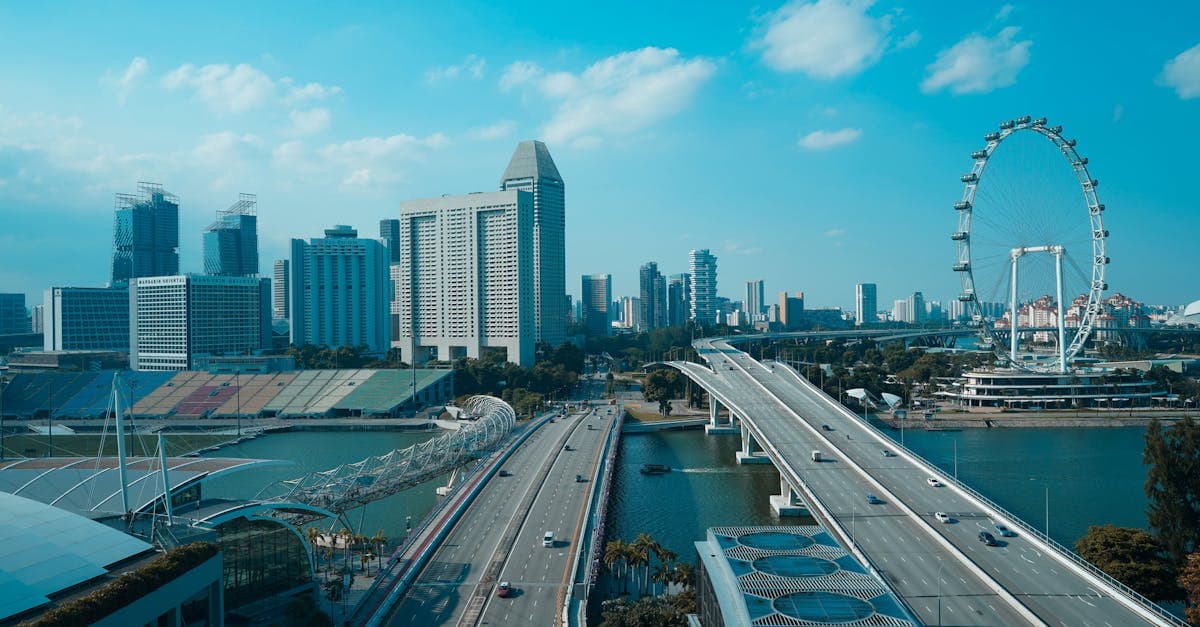
Reliability and safety are different questions on this route, and both deserve a direct answer.
On safety: Transtar Travel operates air-conditioned coaches maintained to commercial transportation standards across the Singapore-Malaysia corridor. The company runs an established cross-border operation; significant safety incidents don't characterise this route's history.
On reliability: most delays on the Singapore-KL run originate at the border checkpoints, not with the operator. The coach typically runs to schedule; it's the immigration queue that stretches the clock. VIP and premium services hold a stronger on-time record than economy departures, a pattern tied to both different departure windows and fewer passengers cycling through the checkpoint stop.
Driver professionalism. It comes up consistently in traveller feedback as a positive.
Travel insurance covering trip delays and medical costs in Malaysia is a sensible precaution for any cross-border journey, not uniquely for this route. Malaysian healthcare isn't free for foreigners, and border-related delays can occasionally cascade into missed connections or accommodation changes.
For Singaporean travellers who make this run regularly, Transtar Travel delivers what it promises: a comfortable, affordable coach on one of Asia's busiest cross-border corridors.
One question that comes up after the booking decision covers what happens with luggage allowances and options for longer-haul destinations beyond KL.
What Happens If My Bus Is Delayed at the Checkpoint?
! [Bus passengers holding rails during a transtar travel coach ride across the Singapore-Malaysia border
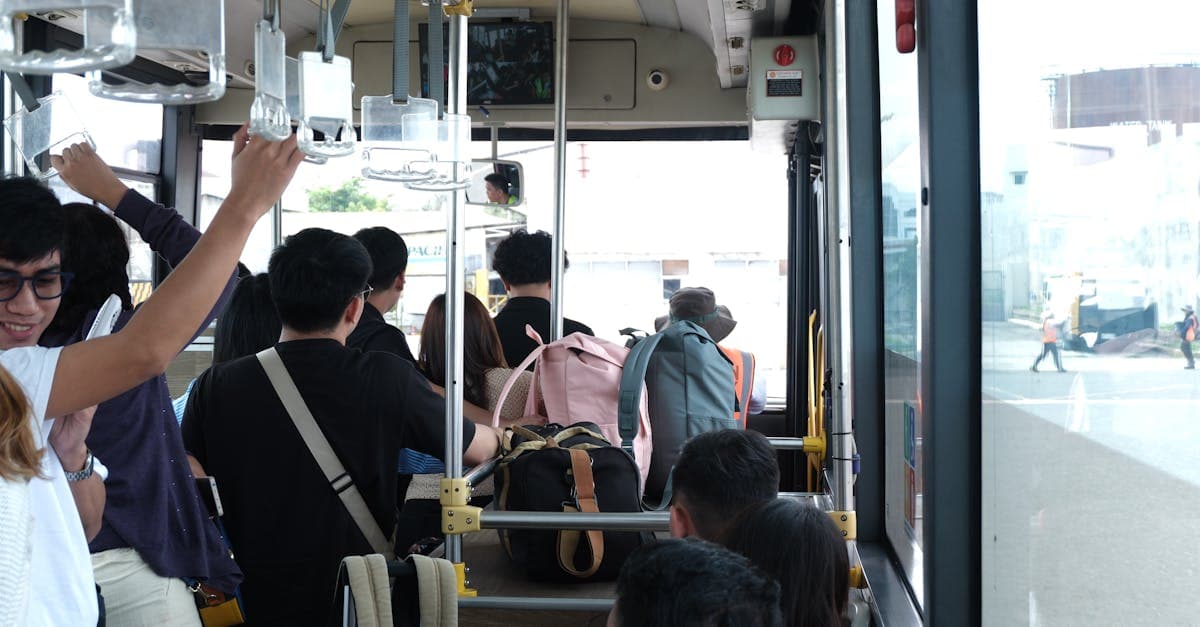
Border delays happen. At Woodlands or Tuas on a peak Friday evening, passengers clear Singapore immigration at different speeds: some breeze through the e-gate in minutes, others queue at manual counters for considerably longer. Transtar holds the coach until every single passenger is back on board. Your departure is only as fast as the slowest traveller in the group.
No compensation is offered for border-related delays. That's standard across all cross-border operators on this corridor, not a Transtar-specific policy. The delay isn't the operator's fault, and the booking terms reflect that reality plainly.
The practical fix: build at least a two-hour buffer into any onward connection in KL, whether that's a train, a domestic flight, or a dinner reservation. On peak days, that buffer can evaporate entirely.
Before leaving home, check(https://onemotoring.lta.gov.sg) for causeway conditions. A thirty-second check can reshape your entire departure timing.
Now you have the full picture from ticket to arrival.
Reviewed by HelloRoam's editorial team. Last updated: 13 April 2026.
Get Connected Before You Go


Frequently Asked Questions
Transtar Travel is a Singapore-registered cross-border coach operator running scheduled services between Singapore and several Malaysian destinations. Its main routes from Singapore include Kuala Lumpur, Johor Bahru, Genting Highlands, Penang, Melaka, and Ipoh, with Kuala Lumpur offering the most frequent daily departures.
Economy seats on the Singapore to Kuala Lumpur route cost S$25 to S$35, while premium and business class runs S$40 to S$55. VIP seats with near-flat recline go up to S$85, and promotional economy fares can fall as low as S$18 for off-peak travel booked well in advance. Weekends and public holidays carry a 10 to 20 percent surcharge across all classes.
The Singapore departure hub for Transtar Travel is Golden Mile Complex at 5001 Beach Road, in the Lavender and Kallang area. As Golden Mile underwent conservation redevelopment between 2023 and 2025, travellers should confirm the exact boarding point with Transtar directly before their trip, as operator arrangements can shift during and after major building works.
The typical journey time from Singapore to Kuala Lumpur is 4.5 to 5.5 hours under normal border conditions. During peak periods such as Friday evenings, Sunday nights, or days flanking public holidays, border delays at the Woodlands Checkpoint can push the total journey time to 6 to 8 hours.
Transtar Travel offers Economy or Standard class with 3-2 or 2-2 seating, Premium or Business class with extra legroom in a 2-2 layout, and VIP or Executive class with near-flat recline in a 2-1 layout. Only VIP coaches include an on-board toilet; economy and premium passengers rely on one mandatory rest stop during the journey.
VIP class is most worth the premium on overnight services or journeys likely to run over six hours due to border delays. The near-flat recline, on-board toilet, and 2-1 seating layout make a substantial difference in comfort compared to economy. For daytime trips with a firm arrival window, economy or premium is a workable and more budget-friendly option.
WiFi is advertised on premium and VIP services, but connectivity is inconsistent throughout the full journey. Signal holds near Singapore and Kuala Lumpur but tends to drop on rural highway sections in between. It is best treated as a bonus on urban stretches rather than a reliable tool for the entire five-hour trip.
Only VIP class coaches have an on-board toilet. Economy and premium passengers rely entirely on one mandatory rest stop at a highway rest-and-recreation area mid-journey, which typically lasts around 15 to 20 minutes.
The standard allowance is one check-in bag up to 20 kg plus one carry-on item. Extra pieces are charged at S$5 to S$10 per bag. Travellers with sports gear or oversized items should confirm the policy at the time of booking rather than at the coach bay.
Book departures before 7am or after 10pm on weekdays to avoid peak border congestion. Friday evenings, Sunday nights, and days flanking public holidays see the worst crossing times. Having your passport ready, immigration card completed, and declaration form filled out before stepping off the coach also helps speed up individual clearance at Woodlands and the Malaysian checkpoint.
Most Transtar Travel coaches on the Kuala Lumpur corridor route through the Woodlands Checkpoint rather than Tuas Second Link. Woodlands is the standard crossing for scheduled coach services on this route, offering more predictable throughput for scheduling purposes.
Yes, online booking is the recommended approach and allows seat selection at checkout. Transtar Travel's own website handles direct bookings, and third-party bus ticketing platforms also list their routes, sometimes with promotional pricing. Advance booking locks in lower fares and gives you control over your seat, which matters on a five-hour journey.
Cancellation and amendment conditions vary by fare class. Promotional economy fares are frequently non-refundable or carry an amendment fee, while premium and VIP tickets generally offer more flexibility. Travellers should read the specific fare conditions before confirming, especially when booking well in advance.
Johor Bahru is the cheapest and shortest route, with fares starting from around S$5 to S$12. It is also the most practical option for a same-day trip, as JB Sentral on the Malaysian side is well-connected for onward travel within Johor.
The most reliable option is a Malaysia-specific eSIM activated on your home Wi-Fi in Singapore before departure. Once you cross the Causeway, your device automatically connects to Malaysian networks, providing consistent coverage along the North-South Expressway corridor where on-board bus Wi-Fi tends to drop. Dual-SIM phones allow you to run a Malaysian data line alongside your Singapore number, so calls and messages on your main number still come through normally.
Yes, activating a Malaysian eSIM before you board is strongly recommended over relying on bus Wi-Fi or carrier roaming charges from your Singapore provider. Activating on home Wi-Fi in Singapore ensures your data connection is live before the network handover at the Causeway. This avoids the friction of swapping physical SIMs at the border or configuring data settings after a long immigration crossing.
Singapore to Penang fares on Transtar Travel range from S$45 to S$90 depending on class and timing. Penang services run less frequently than the Kuala Lumpur route and tend to sell out well ahead of public holidays and long weekends, so advance booking is especially important for this destination.
No meals are served on board Transtar Travel coaches. Passengers may bring their own food, and a mid-journey rest stop at a highway rest-and-recreation area provides around 15 to 20 minutes for a bathroom break, hot drinks, and food from local stalls or fast food outlets. Travellers with specific dietary preferences are advised to buy food before boarding.
For peak travel periods such as school holidays, long weekends, and public holidays, booking several weeks in advance is advisable as popular departure times can sell out well before the travel date. Booking early also unlocks lower promotional economy fares, especially for midweek and off-peak departures on the Singapore to Kuala Lumpur route.
Tuesday through Thursday typically offer the lowest fares and the fastest border crossing times on the Singapore-Malaysia corridor. Midweek departures avoid both the weekend surcharge of 10 to 20 percent and the peak congestion that builds up on Friday evenings and Sunday nights at Woodlands Checkpoint.