

Table of content
Quick Answer: What Is the Malaysia Arrival Card?
The Malaysia Digital Arrival Card (MDAC) is a mandatory pre-arrival declaration required from all foreign nationals entering Malaysia. It replaced the paper disembarkation and embarkation card on 1 January 2024. Submission is free, fully digital, and processed through a single official government portal.
Key fact: The official MDAC portal is imigresen-online.imi.gov.my/mdac/main. Submission costs nothing. Any third-party site charging a processing fee is not the official system.
The submission window opens exactly 72 hours before your arrival date. Attempt to submit earlier and the system rejects the entry. One submission covers one crossing only: a weekend that involves two separate entries into Malaysia requires two submissions.
There's one detail that still surprises many Singaporeans. No exemption exists for Singapore citizens. Every Singaporean passport holder needs to submit one before each crossing, regardless of how routine the trip feels.
A successful submission generates a QR code and a reference number. Screenshot both before leaving home. Connectivity at land border checkpoints is unpredictable, and an offline copy is considerably more practical than hoping for signal mid-queue.
The basics are clear. Who actually needs to register is more layered than the phrase 'all foreign nationals' suggests.
Who Needs to Fill In the Malaysia Digital Arrival Card?

Every foreign national entering Malaysia must submit a Malaysia Digital Arrival Card, regardless of entry mode. Land, air, and sea crossings all carry the same requirement. Woodlands Causeway, Tuas Second Link, Changi Airport, and all sea terminals fall under the rule without exception.
Two groups consistently misread their obligations.
Singapore citizens are not exempt. No bilateral arrangement between Singapore and Malaysia removes this requirement for Singaporean passport holders. Every crossing, every time. Familiarity with the route changes nothing about the obligation.
Singapore PRs are not exempt either. This is the more nuanced point. Permanent residency in Singapore does not affect how Malaysian immigration classifies a traveller. The classification rests on the passport presented at the checkpoint. Hold a Singapore PR with a Filipino, Indian, Chinese, or any other foreign-issued passport, and you submit an MDAC. The Malaysian counter looks at the travel document, not the immigration stamp inside it.
Malaysian citizens and Malaysian permanent residents are the only categories exempt from submission.
Key fact: Foreign national children also require a Malaysia Digital Arrival Card for each entry. A parent or guardian completes the submission on behalf of minors through the same official portal.
The requirement covers every active entry point. The JB-Singapore RTS Link, expected to begin service in 2026, will carry the same obligation as any other land crossing. No new route creates a new exemption.
A considered reading of who is and isn't required to submit takes less than a minute. Assuming a Singapore address removes the requirement is an assumption that adds unnecessary time at the checkpoint.
The actual submission, once you know it applies to you, is considerably more straightforward than this list of caveats implies.
How to-saint-vincent-and-the-grenadines)-for-singapore-in-2026-plans-setup-and-5g-coverage-explained) Submit the Malaysia Arrival Card Step by Step
Submitting the Malaysia Digital Arrival Card takes under three minutes if your passport is nearby and you have a Malaysian address to hand. The process runs entirely through imigresen-online.imi.gov.my/mdac/main. No app installation required.
Work through these steps in sequence:
- Open the official MDAC portal at imigresen-online.imi.gov.my/mdac/main. The submission window opens exactly 72 hours before your intended arrival date. Attempting to submit earlier returns an error. The practical default for most travellers is the evening before departure. Submitting 24 to 48 hours ahead is the more measured approach: the portal is occasionally slow around Singapore public holidays when cross-border volumes peak.
- Enter your passport details. Passport number, nationality, date of birth, and document expiry date are all required. Every character must match your travel document exactly. A single transposed digit creates a mismatch at the immigration counter. That's an avoidable delay.
- Select your entry point. All land, air, and sea crossings appear as separate options. Woodlands Causeway and Tuas Second Link are listed distinctly. Select the correct one for your trip.
- Declare your accommodation address in Malaysia. This field is mandatory for all travellers, including day-trippers with no overnight stay. Any valid Malaysian address is accepted: a hotel, a shopping centre, a restaurant you plan to visit. Leaving the field blank causes a submission failure. This step accounts for most errors among JB day-trippers.
- Submit and save your QR code immediately. The portal generates a QR code and a reference number on successful submission. Screenshot both and download the PDF if the option appears. Keeping an offline copy is the thoughtful habit that saves real time later: connectivity at land checkpoints varies, and reloading the portal mid-queue is not a situation worth creating.
- Present the QR code to the immigration officer on arrival. Officers scan it directly. The process moves quickly when the code is already open and readable.
- Re-submit before every separate entry. The MDAC is a single-entry declaration. Return the same day and the previous submission no longer applies. There is no multi-trip or recurring option.
The submission itself is uncomplicated once the routine is established. The accommodation field is the only step that requires a moment's genuine thought on a day trip.
Common mistakes, though, run further than leaving that one field blank.
Malaysia Arrival Card Mistakes Singaporeans Make at the Causeway
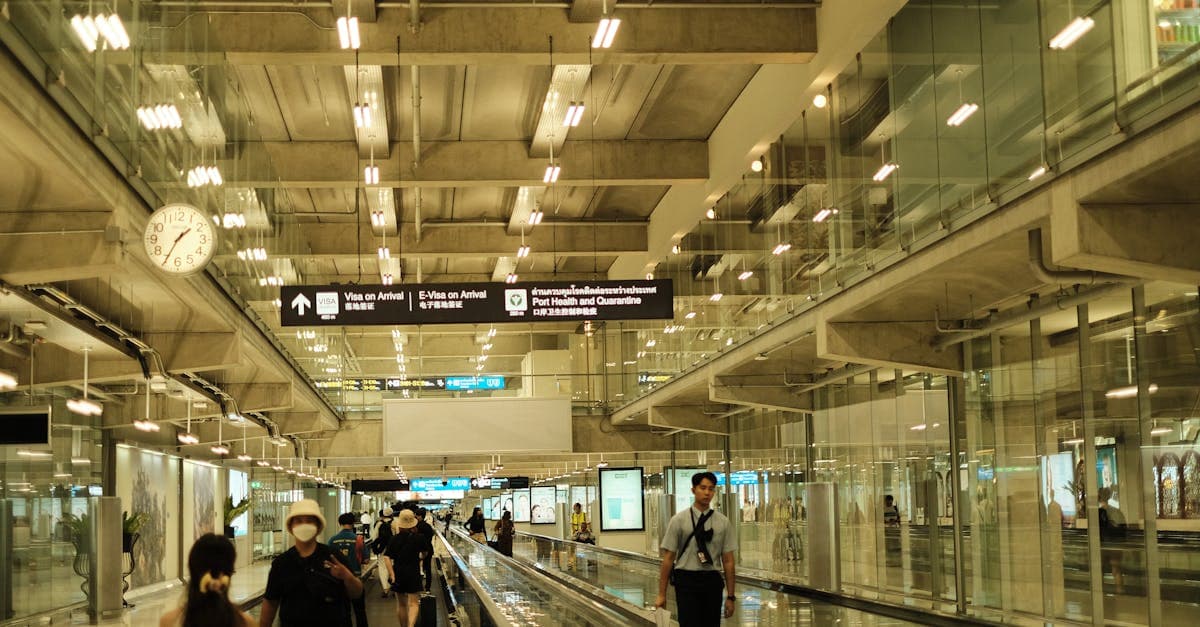
Six specific errors account for most MDAC problems at Woodlands Checkpoint and Tuas Second Link. They split into timing mistakes and data entry errors, and both are preventable with careful attention before departure.
Submitting before the window opens. File your MDAC outside the pre-arrival submission window described above and the portal rejects it, often without a clear reason. The solution is simple: submit the evening before your crossing, not earlier in the week.
Paying a third-party site. The MDAC is free. Search results regularly surface lookalike commercial sites charging processing fees. The only legitimate URL is imigresen-online.imi.gov.my/mdac/main. The official site never asks for payment.
Treating one MDAC as a multi-crossing pass. Each entry requires its own submission. A Singaporean who crosses into JB on Saturday and re-enters Malaysia the following Monday needs a separate MDAC for that second crossing. There is no multi-entry option and no annual pass.
Not saving the QR code offline is the mistake that bites at the worst moment. Signal handover between Singapore and Malaysian networks stalls unpredictably during peak hours at the Causeway, particularly when coach traffic is heavy. Your confirmation page needs active data to reload. Screenshot the QR code before leaving, and check it opens without a connection.
Entering the wrong passport details. A single transposed digit in your passport number, or an expiry date entered in the wrong format, creates a mismatch that immigration officers must resolve manually at the counter. Match your travel document exactly, including the machine-readable zone at the bottom of the photo page.
Skipping MDAC for land crossings. The requirement applies at Woodlands Checkpoint, Tuas Second Link, and every other land and sea entry point into Malaysia, not just at airports. Regular JB day-trippers are the group most likely to overlook this.
Most of these errors are fixable on the spot, but fixing them at a congested checkpoint on a Friday evening is its own kind of ordeal. Beyond the card, smart travellers ask: what about staying connected once you're across?
Staying Connected in Malaysia: SIM, WiFi, and eSIM Options

Three data options cover most Singaporean travellers crossing into Malaysia: a local SIM card, public WiFi at malls and cafes, or an eSIM activated before departure. Setup time and on-the-ground reliability differ considerably, and the gap shows most when you're moving between locations rather than sitting in one spot.
Local SIM cards from Malaysian carriers including Maxis, Celcom, Digi, and U Mobile are available at JB convenience stores and telco outlets around Johor Bahru Sentral. Prices suit multi-day stays, but getting set up takes time: queue, register, top up credit, and wait for APN settings (the network configuration your phone needs to connect) to apply. Under quiet conditions this moves quickly; at busy weekends, the telco queue alone can eat into your morning.
Public WiFi at Johor Bahru malls and food courts is free and functional for stationary use. It becomes a problem when you rely on it for navigation or payment. Coverage cuts out between floors, speeds drop during the lunch rush, and the connection disappears the moment you step outside. GrabPay, Google Maps, and WhatsApp calls all work more reliably on a stable cellular connection.
eSIM removes the queue entirely. Activate it before crossing, and data runs automatically once your phone picks up a Malaysian network.
Key fact: HelloRoam's Malaysia eSIM starts at ~$1.76 for 1GB over 7 days on the Maxis 5G network.
Dual-SIM phones add a practical layer to this. The eSIM occupies a separate virtual slot from your physical Singapore SIM card, so your local number stays active and reachable throughout the trip. No missed calls from home, no card-swapping when you cross, no awkward voicemail retrieval on return.
Still have questions? The most common ones are answered below.
Do I Need a New Malaysia Arrival Card for Every Trip?
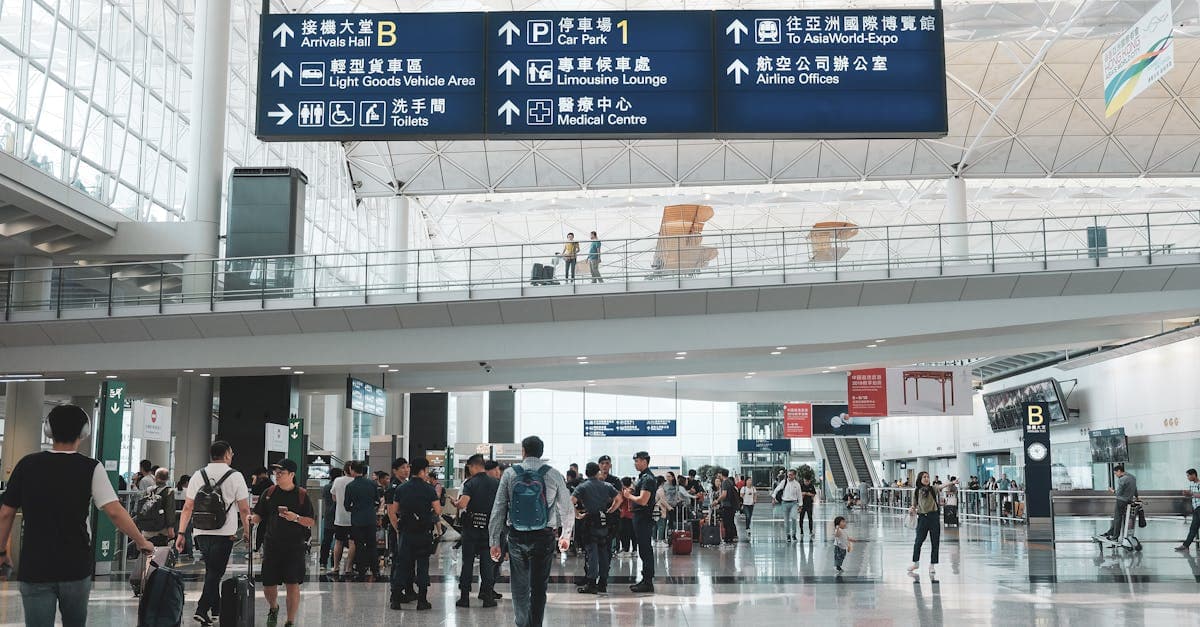
Yes. Each entry into Malaysia requires a separate MDAC submission, with no exceptions. There is no multi-entry option, no annual registration, and no system that carries over a previous application. The requirement resets at the border every time.
For travellers who cross the Causeway weekly, this is a recurring friction point. The process itself is quick once familiar, as covered in the submission steps above, but the per-entry rule consistently catches people who assumed it worked like a registered traveller scheme.
The practical response is to build MDAC into a fixed pre-departure routine. Bookmark imigresen-online.imi.gov.my/mdac/main directly on your phone's browser. Keep your passport number, nationality, and usual entry point, whether Woodlands Checkpoint or Tuas Second Link, saved in a notes app. Each submission uses the same details; only the travel date changes.
One constraint to remember: the portal rejects submissions outside that pre-arrival window. File the night before each crossing, not days out.
There's no shortcut around the per-entry requirement. For frequent crossers between Singapore and Johor Bahru, the thoughtful approach is to accept it, systematise it, and add it to the checklist alongside Grab and currency. The repetition becomes invisible once it's a habit.
Another top question is whether the card is needed for land crossings specifically.
Is the Malaysia Digital Arrival Card Required for Land Border Crossings?
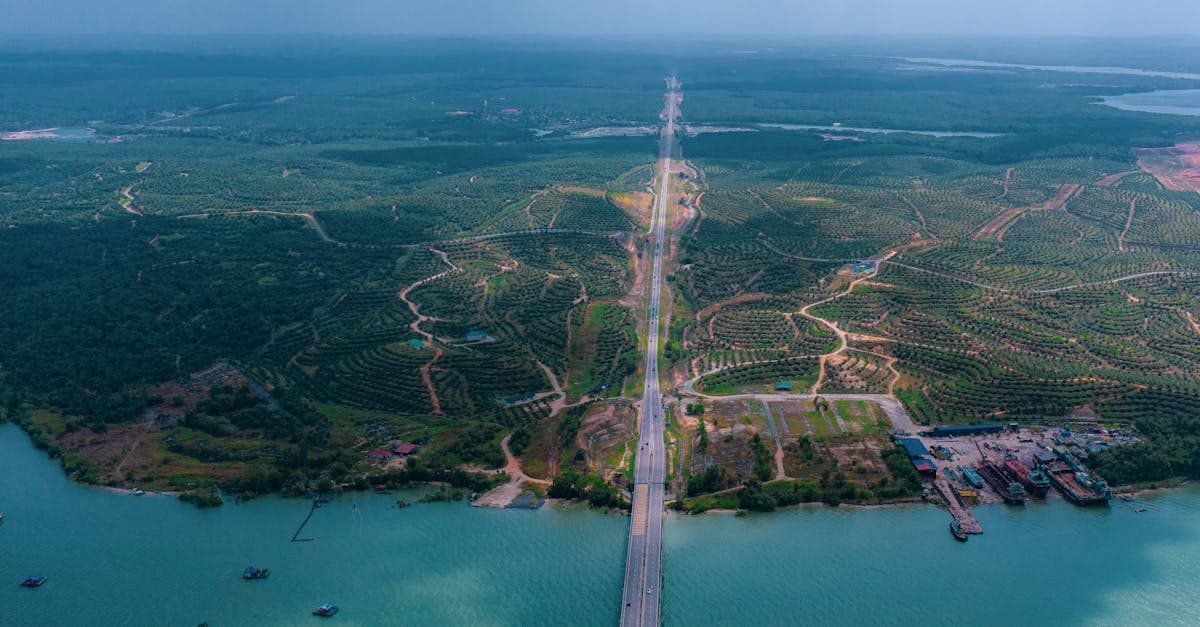
Land crossings count. Both Woodlands Causeway and Tuas Second Link require a completed Malaysia Digital Arrival Card submission, with no exemption for Singaporeans at either checkpoint. The requirement covers every entry mode into Malaysia: air, land, and sea.
This catches travellers who assume the MDAC is flight-only. It replaced paper disembarkation cards handed out on planes, which makes that assumption understandable. It's wrong. Immigration counters at both Causeway checkpoints ask for the same QR code as Changi arrival halls.
Enforcement is consistent.
No QR code at Woodlands means the longer counter queue. On a weekend morning, that's a measured wait nobody volunteers for. Generating the QR code takes a few minutes at home; recovering time lost in the queue does not.
The JB-Singapore RTS Link, anticipated to open in 2026, adds another crossing mode under the same rules. Passengers using the train will need a valid MDAC, with no special carve-out for rail travel.
Ready to cross? A fast pre-departure checklist keeps everything in order.
JB Day Trip Pre-Departure Checklist for Singaporeans in 2026
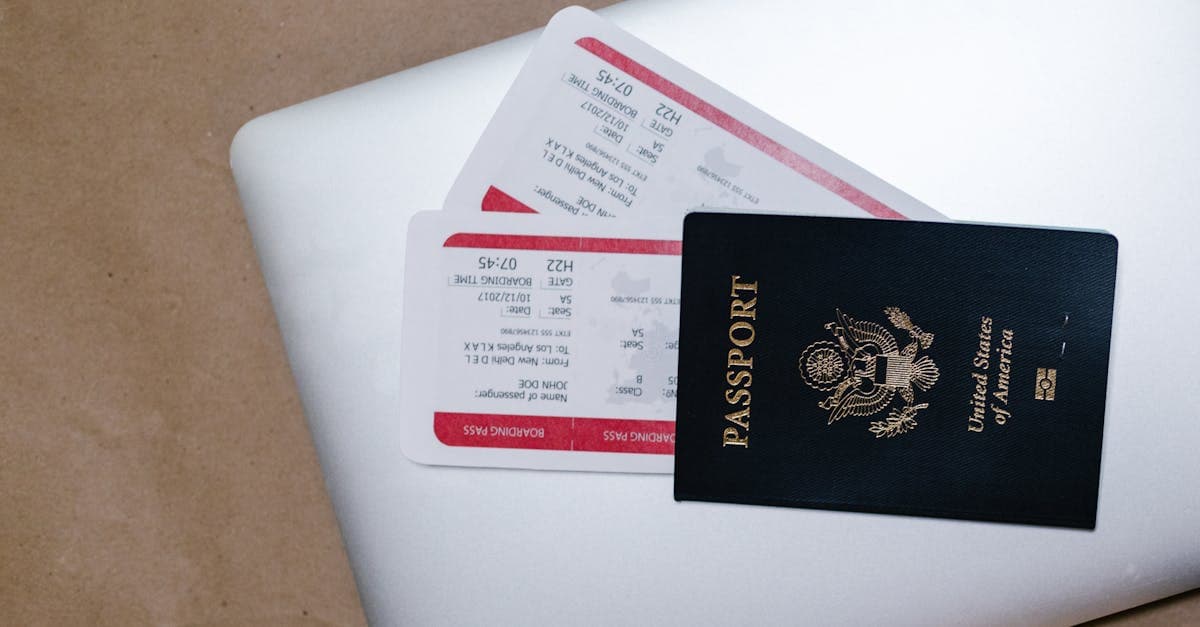
Pre-departure admin for a JB trip is brief. Do it from Singapore, before you're standing at Woodlands with a queue building behind you.
- Submit your MDAC within the 72-hour window covered earlier. The night before crossing is more reliable than the morning of.
- Save the QR code offline. Screenshot it to your camera roll. Mobile signal can drop at checkpoints, and a cached image loads faster than a live page.
- Activate your Malaysia eSIM before departure. HelloRoam's eSIM for Malaysia starts at ~$1.76 on Maxis' 5G network and activates entirely from Singapore, so data runs before the bus reaches JB.
- Check passport validity. Malaysia recommends six months remaining from your entry date. A passport expiring sooner can complicate things at the counter.
- Download Grab Malaysia and add a payment method before you cross. It's a separate app from the Singapore version and needs its own account setup.
- Exchange or withdraw Ringgit in Singapore. Money changers near major MRT stations typically offer more competitive rates than cross-border ATMs.
Reviewed by HelloRoam's editorial team. Last updated: 09 April 2026.
Get Connected Before You Go



Frequently Asked Questions
The Malaysia Digital Arrival Card (MDAC) is a mandatory pre-arrival declaration required from all foreign nationals entering Malaysia. It replaced the paper disembarkation and embarkation card on 1 January 2024. Submission is free, fully digital, and processed through the official government portal at imigresen-online.imi.gov.my/mdac/main.
Yes, Singapore citizens are not exempt from the MDAC requirement. Every Singaporean passport holder must submit a Malaysia Digital Arrival Card before each entry into Malaysia, regardless of how routine the trip is. No bilateral arrangement between Singapore and Malaysia removes this obligation.
Yes, Singapore Permanent Residents must submit an MDAC if they hold a foreign-issued passport. Malaysian immigration classifies travellers based on the passport presented at the checkpoint, not on their Singapore PR status. Only Malaysian citizens and Malaysian permanent residents are exempt.
Submitting the MDAC is completely free. Any third-party website charging a processing fee is not the official system. The only legitimate portal is imigresen-online.imi.gov.my/mdac/main, which never asks for payment.
The submission window opens exactly 72 hours before your intended arrival date. Attempting to submit earlier will result in the portal rejecting your entry. The recommended approach is to submit the evening before your crossing, or 24 to 48 hours in advance.
Yes, each entry into Malaysia requires a separate MDAC submission. There is no multi-entry option, no annual registration, and no system that carries over a previous application. If you cross the border twice on a weekend, you need two separate submissions.
Yes, the MDAC is required at all entry points including land crossings. Both Woodlands Causeway and Tuas Second Link require a completed MDAC submission. The requirement covers every entry mode into Malaysia — air, land, and sea — without exception.
You will need your passport number, nationality, date of birth, document expiry date, intended entry point, and a valid Malaysian address for your stay. Every character must match your travel document exactly to avoid a mismatch at the immigration counter.
Day-trippers without an overnight stay can enter any valid Malaysian address, such as a shopping centre or restaurant they plan to visit. The address field is mandatory for all travellers and cannot be left blank, as doing so will cause the submission to fail.
A successful submission generates a QR code and a reference number. You should screenshot both and save them offline before departure. Immigration officers scan the QR code directly upon arrival, so having it readily accessible speeds up the process.
Connectivity at land border checkpoints, particularly during peak hours at the Causeway, can be unpredictable. If you rely on reloading the confirmation page mid-queue, you risk delays. Saving a screenshot of the QR code ensures it is accessible without a data connection.
Yes, foreign national children also require an MDAC for each entry into Malaysia. A parent or guardian completes the submission on their behalf through the same official portal.
Common mistakes include submitting outside the 72-hour window, using third-party sites that charge fees, entering incorrect passport details, not saving the QR code offline, and assuming one submission covers multiple entries. Day-trippers also frequently leave the accommodation address field blank, causing submission failures.
Yes, the JB-Singapore RTS Link, expected to begin service in 2026, will carry the same MDAC obligation as any other land crossing. No new entry route creates a new exemption from the requirement.
Three main options are available: purchasing a local SIM card from Malaysian carriers at JB outlets, using public WiFi at malls and cafes, or activating a travel eSIM before departure. eSIMs offer the most convenience as they can be set up in advance, require no queuing, and activate automatically once your phone connects to a Malaysian network.
A travel eSIM can be activated before you cross the border, so data works immediately upon arrival with no queuing at a telco outlet. On a dual-SIM phone, the eSIM occupies a separate virtual slot from your physical Singapore SIM, keeping your local number active throughout the trip without needing to swap cards.
Public WiFi at JB malls and food courts is free but unreliable for on-the-move use. Coverage drops between floors, speeds decrease during busy periods, and connections disappear outdoors. Apps like GrabPay, Google Maps, and WhatsApp calls work more reliably on a stable cellular connection.