Things to Do in Bali: the Complete Australian Guide for 2025

Sophie Callahan
Written by: Sophie Callahan
Published date
Updated:
Reading time

16 min read

Things to Do in Bali: The Complete Australian Guide for 2025

Why Australians Keep Coming Back to Bali

Get your eSIM for Indonesia before you travel.

Australians return to Bali for short flight times, competitive airfares, and exceptional value for money that extends across accommodation, food, and activities.

Perth to Bali takes around 3.5 hours, shorter than the Perth-Sydney flight. Darwin is closer still, at around 2.5 hours. For most Australians, Bali is the nearest thing to an international destination that doesn't feel like one on the way there.

The numbers reflect that relationship. Around 1.05 million Australians visited in 2023, making Australia Bali's single largest international market, accounting for 15 to 20 per cent of all foreign arrivals.

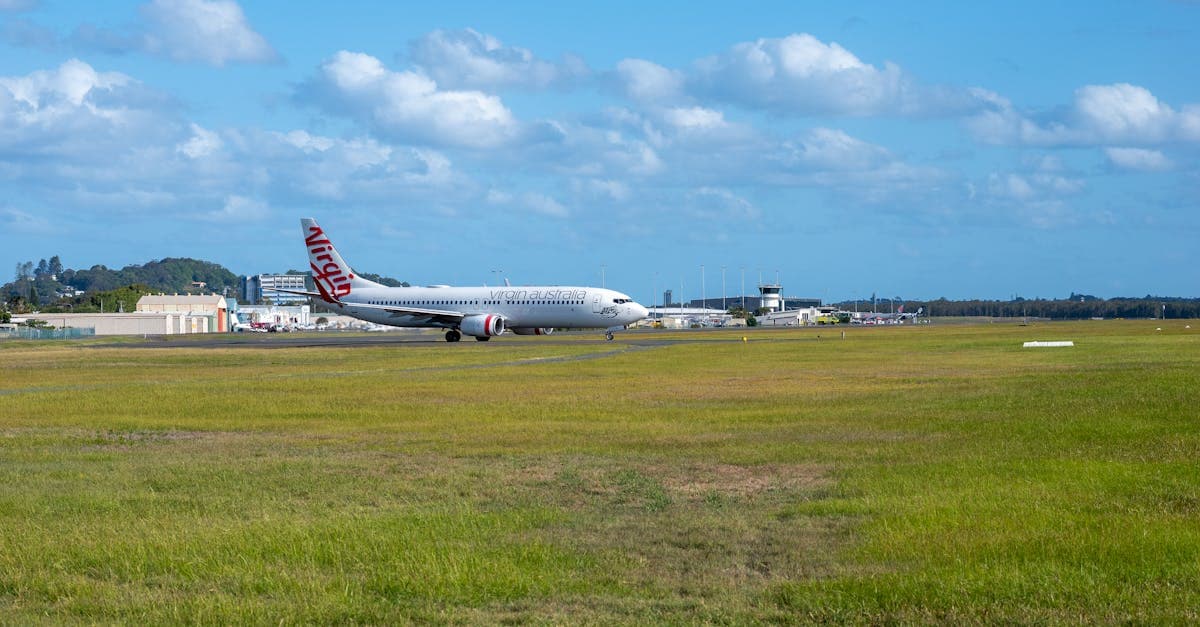
Airlines competing for the route keep fares reasonable. Jetstar, Qantas, Virgin, Scoot, AirAsia and Batik Air all serve Ngurah Rai Airport at Denpasar. Return fares start around A$200 from Perth and stretch to A$900 from Sydney or Melbourne depending on timing. Adelaide typically lands between A$350 and A$600.

Then there's the value. A private villa with pool costs A$80 to A$200 per night. A one-hour Balinese massage runs A$8 to A$15. Nasi goreng at a local warung is A$2 to A$4. For the price of a Sydney pub lunch, you've covered dinner for two and then some.

One admin task before departure: Bali introduced a mandatory tourist levy in February 2024, a one-off A$15 fee per international arrival. Pay online before you fly at lovebali.baliprov.go.id, or handle it at an airport kiosk on arrival.

Budget flexibility runs deep. Backpackers manage on A$40 to A$60 per day. Mid-range couples typically spend A$100 to A$180 per day. At the villa end of the market, A$300 to A$600 per day still represents extraordinary value by Australian city standards.

Many Australians have visited three to five times and are well past the Kuta crawl. This guide covers first-timer essentials alongside the alternatives that experienced visitors are actually after.

Best Areas to Base Yourself in Bali

![Aerial view of terraced rice paddies nestled among Bali's mountains, ideal backdrop for exploring the island

Bali's best bases each suit a different travel style: Kuta or Seminyak for beach parties and first-timers, Canggu for digital nomads, Ubud for culture and wellness, Uluwatu for surfing, Sanur or Nusa Dua for families, and Amed for diving.

Kuta and Seminyak have been the default Australian base for decades. Beach access, a dense strip of restaurants and bars along Jalan Legian, and enough beach clubs to fill a week without repetition make it the easiest entry point. First-timers and groups settle here, and it works.

Canggu has pulled a younger crowd away from the Kuta orbit in recent years. It's become Southeast Asia's leading digital nomad hub, built around coworking spaces like Outpost and Dojo with fast fibre connections. Surf breaks at Echo Beach and Batu Bolong are a short ride away.

Ubud runs at a different pace. Rice terraces sit a short drive from the town centre, yoga retreats fill the surrounding hills, and temple ceremonies feel woven into daily life rather than arranged for visitors. Families and return visitors who want more than nightlife tend to end up here.

The Bukit Peninsula, centred on Uluwatu, suits surfers and couples after somewhere quieter. Clifftop breaks, Uluwatu Temple at sunset, and upscale villa accommodation make it the most relaxed of the main base options.

Sanur and Nusa Dua offer calmer water and reliable family resort infrastructure. Regular ferry services to Nusa Penida and Nusa Lembongan depart from Sanur, making it the practical choice for island day trips.

Amed, in the remote east, is for divers and travellers on a second or third visit who want somewhere genuinely different. World-class shore diving, almost no tour groups, and a pace that hasn't shifted much.

According to [clubmed.com.au, Bali's top things to do in 2025 include temple visits, rice terrace walks, volcano treks, diving and snorkelling trips, wellness retreats, beach clubs, and day trips to Nusa Penida, all within 30 to 90 minutes of each other by road.

Bali is compact. Most activity zones sit 30 to 90 minutes apart by road, which means you can cover serious ground without being locked into one base. That flexibility matters when your itinerary spans temples, surf and rice terraces.

Two practical points before booking activities.

Timing is everything at the popular sites. Tegallalang Rice Terraces are manageable before 8 am; after that, tour groups arrive in force and the paths fill quickly [worldadventuredivers.com. Jatiluwih is the better option anyway: UNESCO-listed, far fewer visitors, and a more honest sense of the Balinese landscape.

The seasonal pattern shapes your budget directly. Dry season runs May to September, which lines up with Australian school holidays in June and July and pushes accommodation prices up by 30 to 50 per cent island-wide. April and October offer similar conditions at notably better rates.

Getting between zones requires Grab, Gojek, or a hired driver, all of which need mobile data to run smoothly. Sorting an Indonesian eSIM before you leave means navigation is live from the moment you clear customs. HelloRoam, an Australian provider, offers a [eSIM for Indonesia for Indonesia for under A$30, activated at home before departure.

Each subsection below flags at least one quieter alternative to the busiest version of each experience. That's as useful on a first trip as a fifth.

Culture, temples and the unexpected

As [midnightblueelephant.com notes, Bali's cultural experiences include clifftop temples, nightly fire dance performances, sacred purification rituals, monkey forest complexes, and artisan craft workshops in villages near Ubud.

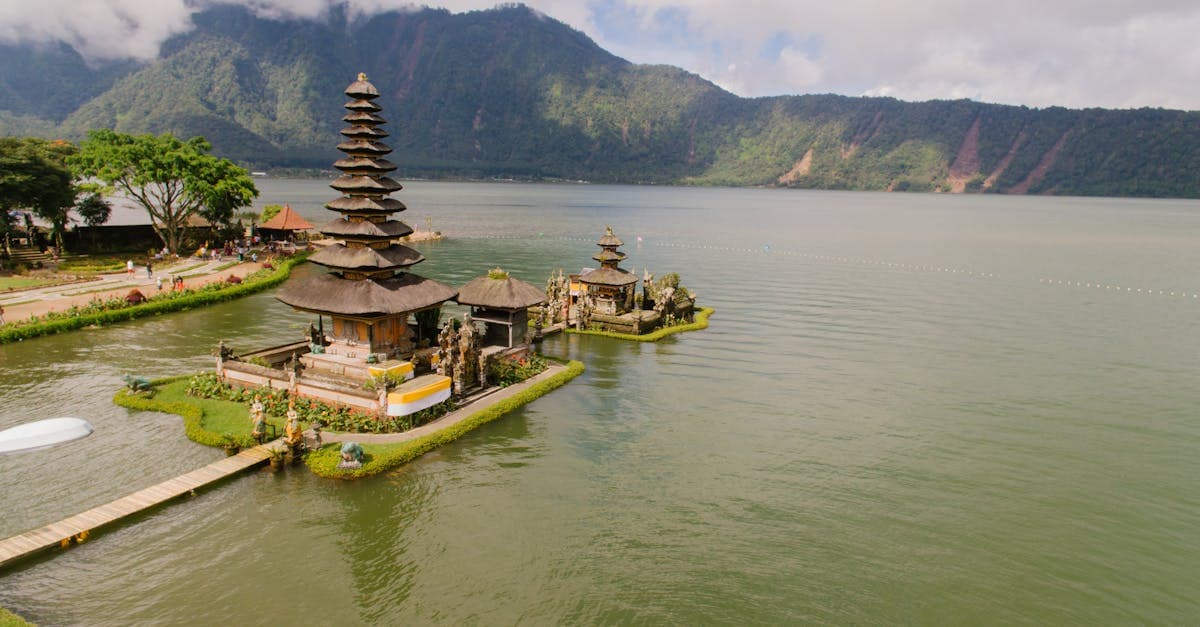
Uluwatu Temple perches 70 metres above the Indian Ocean on the southern Bukit Peninsula [midnightblueelephant.com. The nightly Kecak fire dance starts at 6 pm; arrive early for a decent position in the tiered seating. Before entering, secure sunglasses, phones, and anything not firmly attached. The long-tailed macaques near the entrance have no hesitation.

Tanah Lot sits on a coastal rock formation and photographs best at low tide from the public viewing area. Early morning is the version worth seeing; by midday the tour coaches and souvenir stalls have altered the character of the place considerably.

Tirta Empul, the holy spring water temple near Ubud, lets visitors participate in a purification ritual in the sacred pools. It's among the more genuinely engaging cultural encounters available on the island [discoveryourindonesia.com. Sarongs are available at the entrance.

The Ubud Monkey Forest holds around 700 long-tailed macaques in an active Hindu temple complex. Keep bags sealed, food out of sight, and children close.

Evenings in Ubud offer Legong, Barong and Kecak performances at Pura Dalem Ubud and the Ubud Palace most nights, with tickets from around A$12. The Ubud Palace setting is the better of the two venues.

Two options less likely to appear on standard itineraries: the Green School outside Ubud, a bamboo-constructed sustainable campus with guided day tours that draws a consistent following among Australian families; and Celuk village, 20 minutes from Ubud, where half-day silversmithing workshops let you design and take home a custom piece.

Nature, beaches and water adventures

![Crystal clear waters and lush greenery at Padang Beach, one of Bali's most beautiful coastal escapes

Two rice terrace systems, one volcanic summit, and an island full of manta rays. Bali's natural experiences cover far more than the postcard version.

Jatiluwih has UNESCO World Heritage status and draws a fraction of Tegallalang's crowds. Its terrace system is broader, less manicured, and stays manageable well past mid-morning. Ceking Rice Terrace has a walking trail through working paddies without the commercial swing-photo setup that now dominates Tegallalang's entrance.

The Mount Batur pre-dawn trek departs around 2 am, reaching the crater rim at sunrise over Lake Batur below [discoveryourindonesia.com. A licensed guide is mandatory and bookable through any Ubud-based operator. Pack a head torch and a warm layer regardless of the season.

Tegenungan Waterfall, the closest significant waterfall to Ubud, sits at the bottom of a steep staircase. Combine it with a Tegallalang visit for a tidy half-day loop.

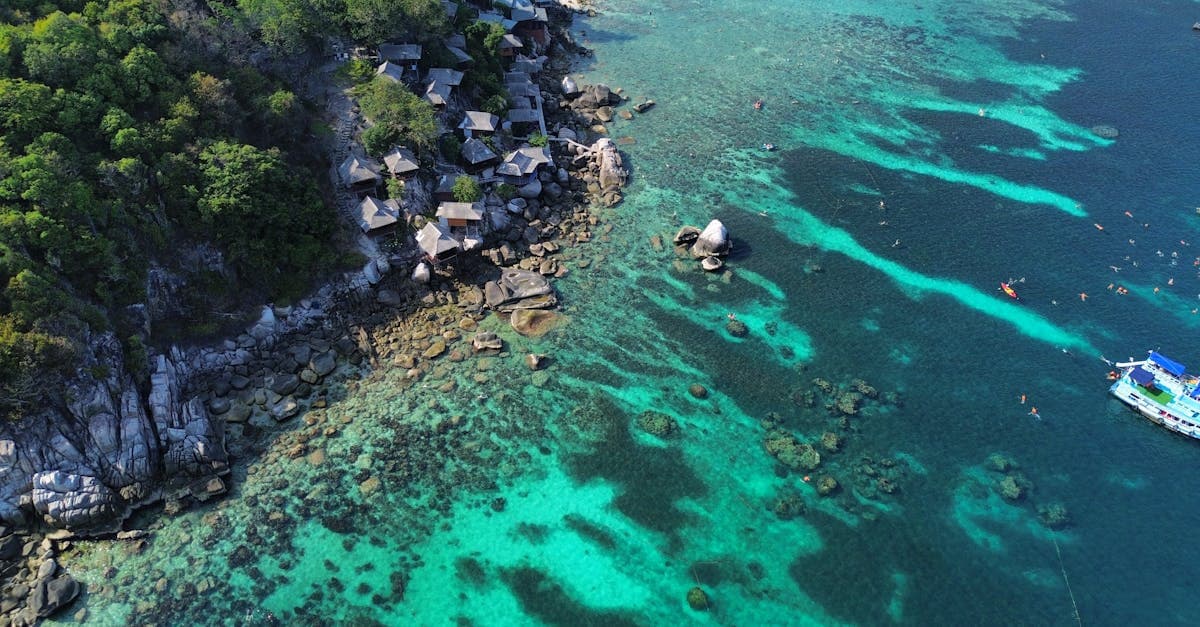
Nusa Penida is the standout day trip [midnightblueelephant.com. Fast boats from Sanur or Padang Bai run around AUD 35 to 50 return, putting Kelingking Beach, Angel's Billabong, and Broken Beach within a single day's reach. Manta Point has reliable manta ray sightings year-round for snorkellers and open-water divers alike [clubmed.com.au. Crystal Bay sees mola-mola (ocean sunfish) from July to October, one of Bali's rarer marine wildlife encounters [clubmed.com.au.

The USAT Liberty wreck at Tulamben is a Second World War shipwreck with shore entry, sitting in five to thirty metres of water and suited to beginners [clubmed.com.au. Amed's traditional jukung outrigger boats cover quieter reefs nearby. Fast boats from Sanur also reach Nusa Lembongan, Nusa Ceningan, and Gili Trawangan as day or overnight options.

Adventure activities, wellness, food and markets

The Ayung River white water rafting covers Grade 2 to 3 rapids in roughly two hours on the water, with half-day packages including lunch from around AUD 25 to 40 [clubmed.com.au. ATV quad biking near Ubud runs a two-hour circuit through paddies and jungle. Both are beginner-friendly and bookable through most Ubud tour operators.

Aling-Aling Waterfall in north Bali offers guided canyoning with abseiling and cliff jumping [midnightblueelephant.com. Further to reach than the Ubud-area options, but noticeably less crowded.

Balinese massage is genuinely affordable by Australian standards. Local spas in Seminyak and Canggu charge well below what you'd expect at home for an hour of solid work. Hotel spas run two to three times higher for the same service.

The Yoga Barn and Ubud Yoga House have drop-in classes and multi-day retreat packages. Ubud's wellness infrastructure has developed to the point where a proper retreat stay is easy to organise.

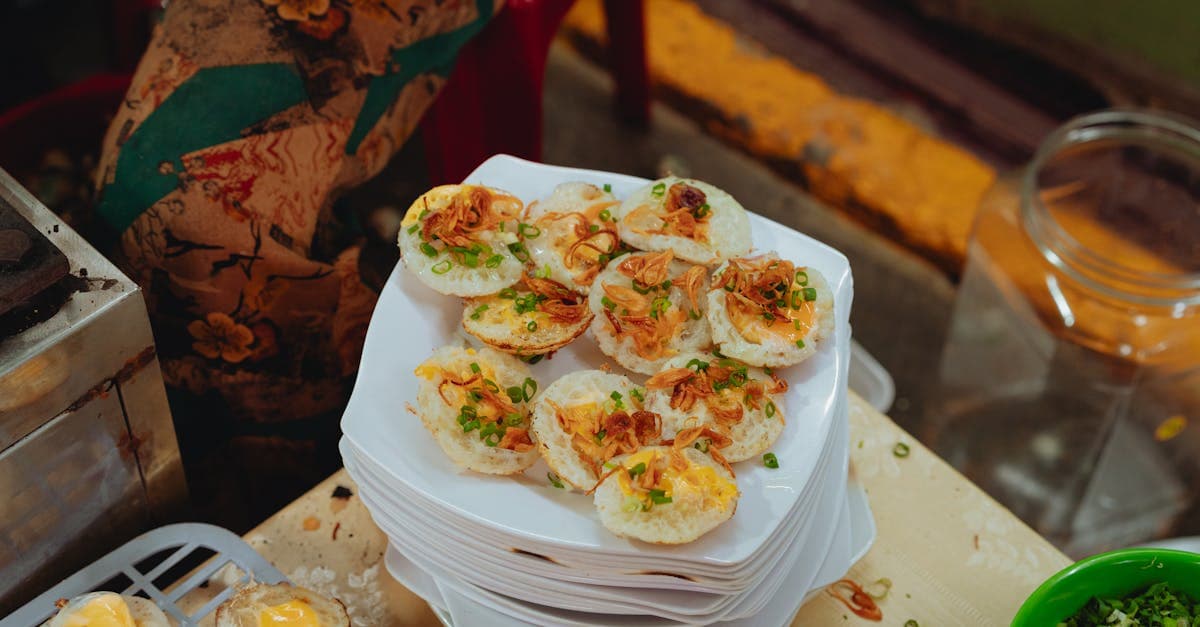
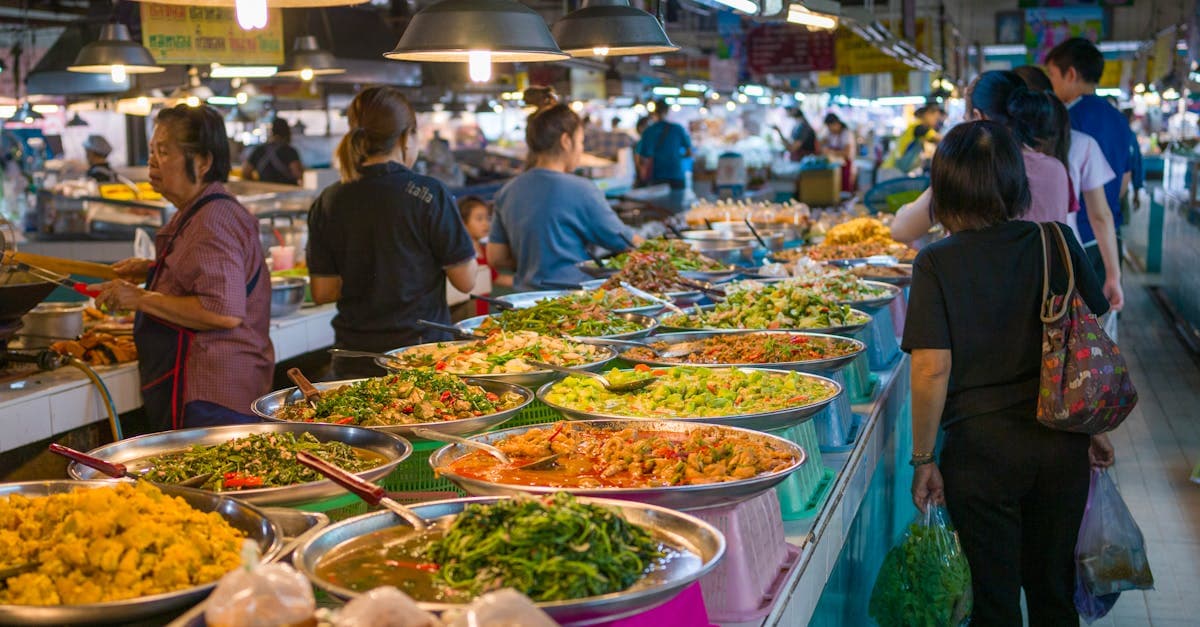
A warung meal is the most effective way to cut daily costs. Nasi goreng, mie goreng, and satay at a local family warung run AUD 2 to 4 per dish. Ubud Morning Market is most active before 8 am for produce and temple flower offerings; the stalls shift to tourist goods once the local vendors pack up.

Potato Head and Ku De Ta in Seminyak define the benchmark beach club experience. Old Man's in Canggu and Single Fin in Uluwatu draw a more relaxed crowd. For context, Bintang beer at a local warung costs AUD 3 to 6.

Getting Around and Staying Connected in Bali

Bali has no public transport. No buses, no trains, no metro. Every journey on the island requires a Grab, a Gojek, a Blue Bird taxi, a private driver, or a scooter.

That matters more than it sounds, because Grab and Gojek both require an active internet connection to function. No data means no pickup from the villa, no return ride after the beach club, and no navigation when you're unsure which junction leads back to Seminyak. Mobile data isn't a convenience in Bali. It's operational.

Three options cover most Australians. Roam on your home carrier for shorter stays: Telstra's Day Pass runs around AUD 10 per day, with Optus and Vodafone offering comparable rates at lower cost. For stays beyond four to five days, a local SIM or eSIM works out significantly cheaper. Telkomsel provides the widest island-wide coverage, including remote areas like Amed and Nusa Penida where other networks thin out. HelloRoam, an Australian provider, offers Indonesia eSIM access with customer support available in Australian time zones, a useful detail for anyone troubleshooting connectivity mid-trip.

One admin item: the tourist levy, paid at the [Bali tourist levy payment portal before you arrive or at the airport on the day, is a separate charge from the visa on arrival. The visa remains free for Australians for stays up to thirty days. The levy amount is flagged earlier in this article.

Transport options and real costs

![Sydney Metro train arriving at Chatswood Station, contrasting with Bali's scooter-dominated transport options

Grab and Gojek run fixed app-based pricing: no negotiation, no guessing, no fare adjustments when you hit a traffic jam on the Bypass. The price shown is the price you pay. Both cover the full island.

A private driver with an air-conditioned car for eight to ten hours typically costs from around AUD 50, varying by route and stops. That makes it the sensible call for multi-stop days combining Ubud temples, a rice terrace, and a waterfall in a single circuit without app-based fares accumulating between each site.

Blue Bird Taxi is the only widely trusted metered taxi company in Bali. Bright blue livery, metered, no drama. At the airport, unmetered taxis without Blue Bird branding will approach first in the arrivals hall. Walk past them.

Scooter rental runs AUD 5 to 10 per day, but an International Driving Permit with a motorcycle endorsement is legally required. Police checkpoints near tourist areas in Seminyak and Kuta issue on-the-spot fines to riders without the right licence. Factor that in before deciding it looks manageable.

Ubud to Seminyak is thirty to forty kilometres. Allow sixty to ninety minutes in traffic. That gap regularly derails itineraries that look fine on a map.

For the airport, negotiate a fixed price before leaving the arrivals hall. Grab operates from a dedicated pickup zone just outside the departures building.

SIM cards, eSIMs and Australian roaming

![Close-up of SIM cards and ejector tool, essential travel eSIM options for staying connected in Bali

Your Australian SIM will work in Bali. Whether you want to pay for the convenience is a different question.

Telstra's Day Pass runs around AUD 10 per day. Optus and Vodafone fall in the AUD 5 to 10 daily range. For four nights or fewer, roaming is straightforward. Past that threshold, local options cost less.

Telkomsel has the widest reach of any Indonesian carrier, covering remote areas that others miss: Amed, Nusa Penida and Munduk all hold signal on Telkomsel when competing networks don't. Buy a SIM at any Alfamart or Indomaret convenience store, where 10 GB valid for 30 days costs around AUD 5 to 8. Airport kiosks carry the same plans at roughly a 20 per cent premium. Indonesian law requires passport registration at point of sale, so bring yours. Your phone needs to be unlocked to accept a foreign SIM.

eSIMs skip the queue entirely. Activate over WiFi before you leave and the eSIM runs alongside your regular number as a dual SIM, keeping your Australian line active for incoming calls. Compatible devices: iPhone XS or later, Samsung Galaxy S20 or later, Pixel 3 or later. Airalo is the budget pick at around AUD 6 for 1 GB, or AUD 17 to 20 for 5 GB over 30 days.

WiFi holds up well across most of the island. Canggu leads with fibre-grade connectivity at coworking spaces. Central Ubud is reliable. Nusa Penida has limited infrastructure, so treat mobile data as your primary connection when you cross by fast boat. A growing number of remote villas now list Starlink as an amenity, worth filtering for on Airbnb or Booking.com if connectivity is non-negotiable.

Is $1000 AUD Enough for a Week in Bali?

Yes, AUD 1000 covers a week in Bali at budget-to-mid-range. That works out to around AUD 143 per day for a solo traveller.

At the conservative end: a private guesthouse room runs AUD 20 to 40 per night, warung meals come in at AUD 2 to 7 per dish, scooter hire sits at AUD 5 to 10 per day, and temple entry fees top out at around AUD 5 each. Add the Nusa Penida fast boat costs noted earlier in this guide and two activity days, and you're still tracking inside budget.

The money drains that catch people out: beach clubs, alcohol, spa sessions and airport transfers don't announce themselves as expensive individually, but they compound. Budget deliberately for one indulgence category per day rather than drifting across all of them.

Two travellers sharing changes the calculation significantly. Splitting a private room with pool in Canggu, which runs around AUD 60 to 75 per night, immediately improves what both wallets can manage on the same daily spend.

For cash, use ATMs with visible bank branding in Seminyak or Kuta. Airport exchange counters offer consistently poor rates. Hotel desks are worse. Withdraw enough for two to three days at a time rather than making daily trips.

Can I Wear Red in Bali?

Red clothing is perfectly acceptable across all of Bali. No cultural rule prohibits tourists from wearing it, and you'll see the colour freely worn throughout every part of the island.

The dress code that does matter applies at every temple, regardless of colour. Shoulders and knees must be covered. A sarong around the waist satisfies the requirement and is either provided free or available for a small fee at every major temple entrance, so you don't need to rethink your packing.

Cremation ceremonies are a separate context. Ngaben is a significant spiritual event, and if you're invited to attend, dress in white or light neutral tones. Black is associated with mourning in Balinese Hindu culture and sits awkwardly at a ceremony that Balinese people consider joyous rather than solemn.

Dress code enforcement at major sites including Ubud Palace has tightened since 2022. Keep a sarong in your bag on day-trips through Ubud so you're not turned away mid-itinerary at the palace gate.

Footwear comes off before entering temples and private homes. Step over rather than on the canang sari offerings, the small floral trays placed on paths, steps and thresholds throughout the island. Don't touch anyone's head, which is considered sacred in Balinese Hindu belief.

One footnote on yellow: the colour carries associations with Balinese royalty and ritual. Wearing it casually isn't offensive, but at a ceremony it may prompt polite conversation from locals.

Is $3000 AUD Enough for 2 Weeks in Bali?

Three thousand Australian dollars across 14 nights works out to around AUD 214 per day, which is comfortable mid-range territory.

At that spend, a private villa with pool runs from around AUD 90 to 130 per night, which is where the trip starts to feel genuinely indulgent without being extravagant. Mix in warung meals alongside the occasional proper restaurant dinner, a Nusa Penida crossing, a Mount Batur pre-dawn trek, a session on the Ayung River rapids, and daily spa visits. You're covering all of it without obsessing over the running total.

Two travellers splitting accommodation unlock a different tier altogether. AUD 3000 each puts boutique resort rooms in range and removes the mental overhead of budgeting every meal and drink.

Budget drains that still apply at this spend: a return fast boat to the Gili Islands runs around AUD 100 to 150 per person. Surf lessons, upmarket beach clubs and cooking classes each typically cost between AUD 50 and 100. Build these into the plan rather than treating them as incidentals.

Accommodation during the Australian school holiday window in June and July commands the seasonal premium described earlier in this guide. April or October offer comparable conditions at noticeably better rates.

Entry costs barely register at this scale. The tourist levy and visa on arrival, both described above, add little to the overall two-week outlay.

  • Esim Cape Town
  • Esim Atlanta
  • Esim Hawaii

Get Connected Before You Go

Sophie Callahan, Travel Writer at HelloRoam
Sophie Callahan is a travel writer at HelloRoam covering travel tech and data plans for international visitors. She explains how to set up an eSIM before landing so readers arrive already connected. Sophie focuses on budget-friendly advice for backpackers and working holiday makers who need reliable data without overpaying.

Frequently Asked Questions

Yes, A$1000 is sufficient for a week in Bali for a single mid-range traveller. Backpackers typically spend A$40 to A$60 per day, while mid-range travellers budget A$100 to A$180 per day. At those rates, A$1000 covers accommodation, food, transport, and a solid range of activities for a solo traveller at the mid-range level.

Top experiences include the Kecak fire dance at Uluwatu Temple at sunset, the UNESCO-listed Jatiluwih rice terraces, the pre-dawn Mount Batur trek for sunrise views, and a day trip to Nusa Penida to see Kelingking Beach, Angel's Billabong, and Manta Point. A purification ritual at Tirta Empul near Ubud and an evening performance at Ubud Palace are also consistently recommended highlights.

There are no general restrictions on wearing red clothing in Bali. When visiting temples such as Tirta Empul or Uluwatu, visitors are required to wear a sarong, which are available at the entrance. Respectful dress is expected at sacred sites regardless of colour choice.

A$3000 is enough for two weeks in Bali at a mid-range level for a solo traveller, and achievable for a couple travelling carefully. Mid-range couples typically spend A$100 to A$180 per day covering accommodation, food, transport, and activities. At villa-level spending of A$300 to A$600 per day, two weeks as a couple would exceed that budget.

Bali introduced a mandatory tourist levy in February 2024, a one-off fee of approximately A$15 per international visitor. You can pay online before departure at lovebali.baliprov.go.id or at an airport kiosk on arrival. This levy is separate from the visa on arrival fee.

Australians receive a free visa on arrival for stays of up to 30 days in Indonesia, including Bali. The tourist levy introduced in February 2024 is a separate one-off charge of around A$15 and is not the same as the visa. No pre-arranged visa is required for standard holiday visits.

Perth to Bali takes approximately 3.5 hours by air, which is shorter than the Perth to Sydney domestic flight. Darwin is even closer at around 2.5 hours. Flights from Sydney or Melbourne are longer, but Bali remains one of Australia's nearest international destinations.

Return fares start around A$200 from Perth and can reach A$900 from Sydney or Melbourne depending on timing and airline. Adelaide typically falls between A$350 and A$600 return. Airlines serving the route include Jetstar, Qantas, Virgin, Scoot, AirAsia, and Batik Air, which keeps competition and pricing competitive.

Bali's dry season runs from May to September and offers the most reliable weather. However, this period coincides with Australian school holidays in June and July, pushing accommodation prices up by 30 to 50 per cent island-wide. April and October offer similar dry conditions at notably better rates and fewer crowds.

Sanur and Nusa Dua are the most family-friendly bases in Bali, offering calmer water, reliable resort infrastructure, and easier beach conditions. Sanur also has regular fast boat services to Nusa Penida and Nusa Lembongan, making island day trips straightforward. Ubud suits families interested in culture and nature, including the Ubud Monkey Forest and the Green School tours.

Bali has no public transport system, so every journey requires a Grab, Gojek, Blue Bird taxi, private driver, or scooter. Grab and Gojek both require an active mobile data connection to book rides and navigate, making internet access essential rather than optional. Pre-loading an Indonesian eSIM before departure ensures connectivity from the moment you clear customs.

Nusa Penida is the standout day trip, accessible by fast boat from Sanur or Padang Bai for around AUD 35 to 50 return. A single day covers Kelingking Beach, Angel's Billabong, Broken Beach, and Manta Point, where manta ray sightings are reliable year-round. Crystal Bay on Nusa Penida also offers encounters with ocean sunfish from July to October.

Canggu has become Southeast Asia's leading digital nomad hub, built around coworking spaces like Outpost and Dojo with fast fibre internet connections. Surf breaks at Echo Beach and Batu Bolong are a short ride away, and the area has a well-developed cafe and restaurant scene. Reliable mobile data is essential for nomads using Grab and Gojek for daily transport.

Local warung meals such as nasi goreng, mie goreng, and satay cost AUD 2 to 4 per dish. Bintang beer at a local warung runs AUD 3 to 6. Beach club and hotel dining is significantly more expensive, with a one-hour Balinese massage at a local spa costing AUD 8 to 15 compared to two to three times that at hotel spas.

Jatiluwih is the better option for most visitors, holding UNESCO World Heritage status and drawing a fraction of the crowds that Tegallalang attracts. Its terrace system is broader and less commercialised, and it stays manageable well past mid-morning. Ceking Rice Terrace offers a walking trail through working paddies without the commercial swing-photo setup now dominant at Tegallalang's entrance.

The Mount Batur pre-dawn trek departs around 2 am and reaches the crater rim at sunrise, with views over Lake Batur below. A licensed guide is mandatory and bookable through any Ubud-based operator. Visitors should pack a head torch and a warm layer regardless of the season.

Australians can roam on their home carrier, with Telstra's Day Pass running around AUD 10 per day and Optus and Vodafone offering comparable rates at lower cost. For stays beyond four to five days, a local SIM or eSIM is significantly cheaper. Telkomsel provides the widest island-wide coverage, including remote areas like Amed and Nusa Penida, and Australian provider Hello Roam offers an Indonesia eSIM with customer support available in Australian time zones.

The USAT Liberty wreck at Tulamben is a Second World War shipwreck accessible from shore, sitting in five to thirty metres of water and suited to beginner divers. Manta Point at Nusa Penida has reliable manta ray sightings year-round for snorkellers and open-water divers. Crystal Bay sees mola-mola ocean sunfish from July to October, making it one of Bali's rarer marine wildlife experiences.

Related Articles

Stay Connected with Travel Data
View all destinations
United States travel destination
United States flag
United States
United Kingdom travel destination
United Kingdom flag
United Kingdom
United Arab Emirates travel destination
United Arab Emirates flag
United Arab Emirates