

Carnival Adventure deck plans at a glance
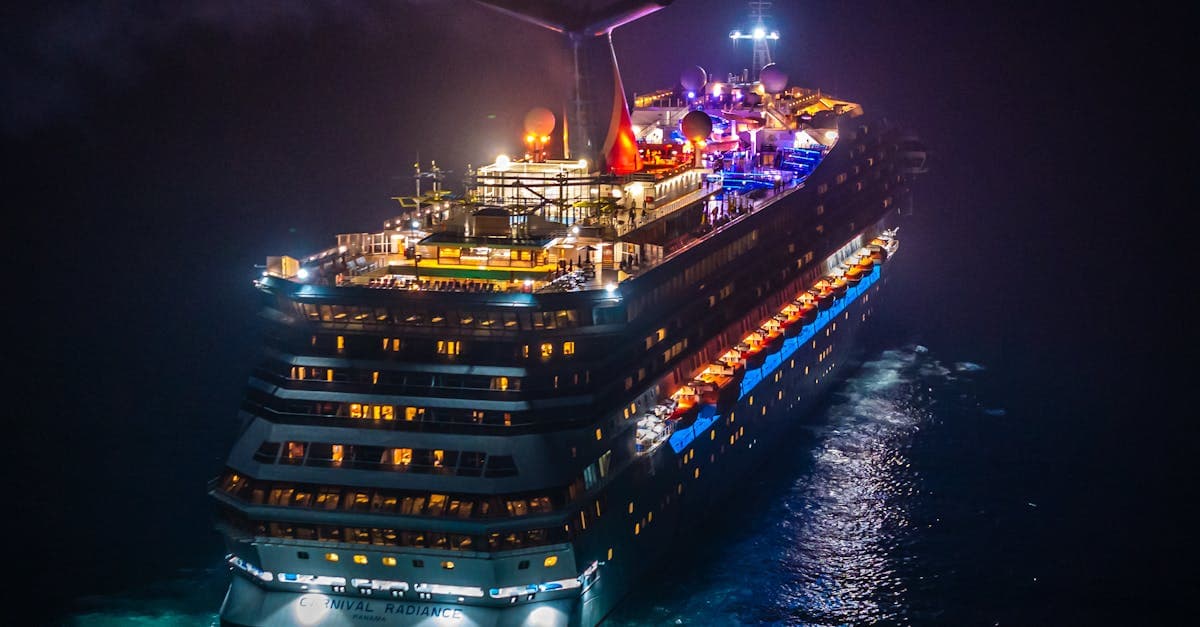
Carnival Adventure runs 12 passenger decks, housing 1,316 staterooms and a double-occupancy capacity of 2,636 guests cruisepassenger.com.au. Cabin decks span Decks 5 through 12, giving the ship eight levels of staterooms across its mid-section. Leisure and entertainment facilities occupy Decks 14 through 17, and Deck 4 handles tendering operations and hospital access. Deck 13 is absent, consistent with cruise industry convention.
The complete carnival adventure deck plans span 41 distinct cabin categories, from windowless interiors to full suites with private balconies and expanded living areas cruisedeckplans.com. That's a solid range for a ship running Pacific itineraries out of Sydney and Brisbane, covering everything from budget-conscious first timers to passengers willing to upgrade. Understanding which categories sit where on the ship is sensible groundwork before you book.
Each deck level covered in detail below.
What each deck on Carnival Adventure contains
Carnival Adventure's decks run from 4 to 17, skipping Deck 13. Each level has a distinct role: lower decks mix staterooms with dining and entertainment; the middle stretch of Decks 8 through 11 is cabin-only; and upper decks hold the pools, leisure facilities, and the nightclub cruiseline.com.
Deck 4 manages tendering (ferrying guests ashore by small boat when the ship anchors offshore rather than docking directly) and the ship's hospital. Most passengers only pass through here on port days. It does the job without drawing attention to itself.
Deck 5 opens the cabin zone alongside the first main dining room and the entry level of the ship's retail shops. The lowest cabin deck keeps motion minimal. The trade-off is a longer walk to anything above Deck 10.
Deck 6 adds the ship's lobby, a second main dining room, and the teens club. Families travelling with teenagers often find Deck 6 a workable base. Expect heavier foot traffic on embarkation and turnaround days.
Deck 7 shifts tone entirely. The promenade runs here alongside a lounge, casino, and a third retail level. On sea days, this is where the ship comes alive. Sociable passengers love it; guests wanting quiet evenings near their cabin may find the energy a bit much.
Decks 8 through 11 are dedicated cabin floors. No bars, no restaurants, no entertainment venues.
The clean separation is deliberate: these decks exist to sleep on.
Deck 12 pairs cabins with the Oasis Pool area, bringing a pool option to mid-ship height without placing it on the busiest leisure decks above. It's a considered arrangement.
Then the numbering jumps past 13:
Deck 14 carries the Lido pools, an adults-only sundeck, and multiple bars. On a sea day heading toward Noumea or Port Vila, this is where most of the ship ends up.
Deck 15 is the most layered single deck on the ship: staterooms alongside the spa, a kids zone, and a second sundeck.
Deck 16 houses the Byron Beach Club and the Adventure Park, giving it the most active outdoor character of any level.
Deck 17, the topmost passenger deck, holds the sports facilities and nightclub. It's the last to quieten down at night.
Which deck actually has the best cabin location?
What is the best deck for a room on Carnival Adventure?
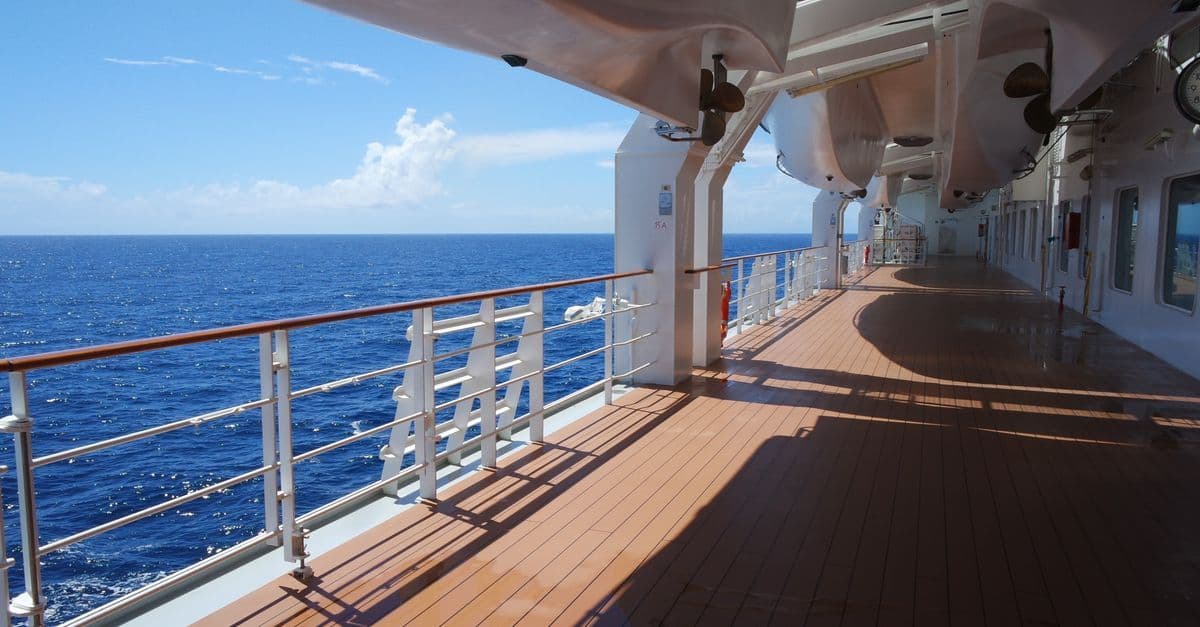
Midship cabins on Decks 7 through 9 are the most reliable choice for most passengers thetraveltemple.com.au. The ship's natural pivot point sits roughly amidships, meaning those cabins absorb the least pitch and roll during open-water crossings. On Pacific itineraries departing Sydney or Brisbane, the Tasman Sea can push significant swells, and the difference between a midship and an aft cabin becomes genuinely noticeable on a rougher passage.
Higher decks offer better views. They also amplify lateral sway.
Cabins directly below Deck 14 warrant careful thought. The Lido pool area generates foot traffic and chair noise from early morning through to late evening, and guests in upper Deck 12 staterooms feel it most. A cabin category might look spot-on on paper; the sleep quality on a busy sea day may not match it.
Decks 5 and 6 suit passengers who want short walks to the dining rooms or have mobility considerations. Proximity to the waterline is a plus for some and a drawback for others.
Forward cabins on any deck tend toward quiet, but the walk to lifts and central facilities is longer. Accessible staterooms are distributed across multiple deck levels, which means passengers with mobility requirements aren't confined to one section of the ship.
One detail the carnival adventure deck plans themselves won't answer: many Pacific itineraries include anchor ports like Noumea and Port Vila, where tender boats replace dockside access. If you're planning to use local data at those stops, it's worth checking whether your handset is on the list of eSIM Compatible Devices before you depart.
Two Carnival ships call Australia home. Which one suits your trip?
Carnival Adventure vs Carnival Splendor: which is better?
Splendor is Carnival's larger Australian ship, holding 3,012 guests across 13 decks with 1,503 staterooms. Adventure, as established in earlier sections, runs a leaner operation. The gap feels modest on a spec sheet but registers clearly when both ships are at capacity on a sunny sea day.
Here's what surprises most travellers researching both ships: the itineraries are nearly identical. Both vessels depart from Sydney, Brisbane, and Fremantle on Pacific routes, stopping at ports including Noumea, Port Vila, Mystery Island, and Suva. Choosing Adventure over Splendor doesn't mean trading destinations. It means fewer people competing for the same deck space.
On comparable Pacific itineraries, pricing between the two ships tends to sit close enough that stateroom category matters more than the vessel itself. Splendor's wider stateroom range gives first-time Carnival cruisers more entry points across categories and price levels. Adventure's smaller passenger count suits those who've already sailed the larger ship and now want the same Pacific route with a less crowded atmosphere onboard. For families on a first Pacific cruise, Splendor's greater cabin variety typically makes finding the right fit at the right price a more straightforward process.
Neither ship is a compromise. The one you pick shapes your onboard experience; the ports stay the same either way.
Balcony upgrade options may be closer than you think.
How to get a free balcony upgrade on Carnival?
Carnival balcony upgrades happen through the bid system, My Cruise Manager, and VIFP loyalty priority. Free upgrades don't arrive at the gangway the way older cruising lore suggests: there's no counter where a crew member waves you into a better cabin. The actual paths are structured and trackable, and understanding them before you sail gives you real options.
The bid system is where most upgrades happen. Carnival emails upgrade offers to booked guests in the weeks following your reservation. You nominate a price above your original fare to compete for a higher category.
Not free, but often the most cost-effective path to a balcony without paying the full rate at booking.
My Cruise Manager is worth checking within 60 days of your sail date. Cabin inventory shifts as the ship fills. Upgrade availability that wasn't there at booking can surface during this window, so check it regularly rather than once.
VIFP loyalty status gets you priority consideration, not guaranteed access. Carnival's loyalty program factors into upgrade decisions as a tiebreaker. It helps; it doesn't promise.
A few other angles worth working:
- Shoulder season sailings carry more available balcony inventory, which gives both the bid system and direct inventory more room to move.
- Calling Carnival's reservations team before your final payment date can surface deals the online system doesn't show.
- Early Saver rate bookings limit some upgrade path flexibility due to the fare's price-match structure. If upgrade flexibility matters to you, check the fare conditions before locking in.
Knowing these channels doesn't guarantee a better cabin. It does mean you're not leaving the outcome entirely to chance.
The 3:1:1 rule is another area where packing assumptions trip most Aussie cruisers up.
What is the 3:1:1 rule on a Carnival cruise?
The 3:1:1 rule applies at embarkation security, not onboard the ship itself. Liquid containers in your carry-on must hold 100ml or under, and all of them need to fit inside a single clear, quart-sized bag. One bag per passenger, checked at the security point before boarding carnival.com.au.
The confusion for most cruisers comes from mixing this rule with Carnival's separate alcohol policy.
What the 3:1:1 rule covers: - Liquids, gels, and aerosols in carry-on luggage at embarkation security - Any container over 100ml, even one that's mostly empty, won't clear the checkpoint
What it doesn't cover: - Checked luggage: the 3:1:1 restriction doesn't apply to bags you hand over at the terminal before boarding - Your wine allowance: Carnival permits one bottle of wine or champagne per guest in carry-on, counted independently from the 3:1:1 liquid bag - Carnival Fun Shops orders: bottles purchased through the ship's pre-cruise shopping service are delivered directly to your stateroom, bypassing embarkation security entirely
For Aussie cruisers boarding at Sydney, Brisbane, or Fremantle, the practical approach is straightforward. Pack full-size toiletries in your checked bag. Keep a small clear bag in your carry-on for the security queue. And treat your allowed wine bottle as a completely separate allowance, because under Carnival's own policies, it is.
Last thing to sort before sailing: port connectivity.
Staying connected on Carnival Adventure: WiFi, ports and eSIMs
Carnival Adventure sells onboard WiFi in two tiers: a messaging-only plan for staying in touch via WhatsApp and iMessage, and a premium plan that supports streaming, video calls, and general browsing. Both are available as daily passes or voyage-length packages, with the voyage bundle typically working out cheaper per day carnival.com.au.
For light users who just want to send a few photos home, the messaging tier does the job. Streaming a Netflix episode or joining a video call from your cabin requires the premium tier. Satellite internet at sea has improved, but speeds still vary depending on weather and how many passengers are online at once.
The real connectivity opportunity sits at the ports.
Carnival Adventure's Pacific itineraries call at Noumea in New Caledonia and Port Vila in Vanuatu, among other stops. Both destinations have 4G mobile networks, and both support eSIM (the digital SIM format built into most modern iPhones and Android flagships since 2022) activation before or after arrival.
Telstra, Optus, and Vodafone AU all offer international roaming that extends to New Caledonia and Vanuatu, but the daily charges accumulate fast across a multi-port itinerary. For a week-long Pacific cruise with three or four port days, those roaming costs can become a notable line item on your post-cruise credit card statement.
A port-day eSIM sidesteps that entirely.
Here's the practical approach:
- Check device compatibility before you book. Most iPhones from the XS onwards and current-generation Android handsets support eSIM. If you're unsure, run through the eSIM Compatible Devices list before your sailing date.
- Download offline maps for Noumea and Port Vila before boarding in Sydney or Brisbane. Ship WiFi gets congested on sea days when everyone is researching port excursions at once.
- Install your eSIM profile while you still have home broadband. The QR-code scan takes under two minutes and needs no carrier assistance.
- Toggle the eSIM on when you dock. No hunting for SIM cards at the Noumea waterfront or Port Vila market stalls.
HelloRoam covers both New Caledonia and Vanuatu for port-day connectivity. See current plans at helloroam.com/en-AU/esim-australia before you board.
The window between booking and sailing is the right time to sort this. Activate your eSIM before boarding day, not after the gangway goes up.
Reviewed by HelloRoam's editorial team. Last updated: 27 June 2026.
Get Connected Before You Go





Frequently Asked Questions
The 3:1:1 rule applies at embarkation security. Carry-on liquids must be 100ml or under, all fitting in one clear quart-sized bag, one bag per passenger. Checked luggage and your permitted wine bottle are counted separately.
True free balcony upgrades are rare on Carnival. The main paths are the bid system, checking My Cruise Manager within 60 days of sailing, and VIFP loyalty status. Shoulder season sailings carry more available balcony inventory.
Carnival Splendor suits travellers wanting more cabin variety with 3,012 guests and 1,503 staterooms. Adventure offers fewer crowds on identical Pacific routes. Both depart from Sydney, Brisbane, and Fremantle.
Midship cabins on Decks 7 through 9 offer the most stable ride, sitting nearest the ship's natural pivot point. Avoid cabins directly below Deck 14's Lido area where pool noise carries through to upper Deck 12.
Carnival Adventure runs 12 passenger decks numbered 4 to 17, skipping Deck 13. Cabin decks span Decks 5 through 12, with leisure and entertainment facilities occupying Decks 14 through 17.
Carnival Adventure accommodates 2,636 guests at double occupancy across 1,316 staterooms and 41 cabin categories, ranging from windowless interiors to full suites with private balconies.
Carnival Adventure sails Pacific itineraries from Sydney and Brisbane, calling at Noumea in New Caledonia, Port Vila and Mystery Island in Vanuatu, and Suva in Fiji.
Carnival Adventure offers a messaging-only plan for apps like WhatsApp and iMessage, and a premium plan supporting streaming and video calls. Voyage-length packages typically cost less per day than daily passes.
Yes. Ports including Noumea and Port Vila have 4G networks that support eSIM. Install your eSIM profile at home before boarding and activate it when the ship docks to avoid daily roaming charges.
Decks 8 through 11 are dedicated cabin floors with no bars, restaurants, or entertainment venues. Upper Deck 12 staterooms sit directly below the busy Lido pool area and can experience noise on sea days.
Yes. Carnival Adventure has an adults-only sundeck on Deck 14 alongside the main Lido pools and multiple bars, providing a quieter space separate from family pool areas.
Australian carrier roaming covers New Caledonia and Vanuatu but daily charges accumulate quickly across multiple port days. A port-day eSIM plan purchased before boarding is typically more cost-effective.
At anchor ports like Noumea and Port Vila, the ship cannot dock directly, so small tender boats ferry guests ashore from Deck 4. Most passengers only visit Deck 4 on port days when tendering is in operation.
Carnival Splendor's broader cabin selection across more price points makes it easier for first-time cruisers to find the right fit. Carnival Adventure suits those who prefer a less crowded atmosphere on the same Pacific routes.
Deck 16 houses the Byron Beach Club and Adventure Park, while Deck 17 offers sports facilities and a nightclub. Deck 14 carries the main Lido pools and an adults-only sundeck with multiple bars.
Sources
- carnival.com.au — carnival.com.au
- Carnival Adventure deck plans — cruisemapper.com
- Carnival Adventure Cabins — cruise1st.com.au
- thetraveltemple.com.au — thetraveltemple.com.au
- Carnival Adventure Deck Plans & Cabin Details — cruisepassenger.com.au
- Carnival Adventure decks, cabins, diagrams and pics. — cruisedeckplans.com
- Carnival Adventure Deck Plans (Layout & Map) — cruiseline.com