





Frequently Asked Questions
The 5-4-3-2-1 rule is a carry-on packing formula that caps clothing by category: five sets of socks and underwear, four tops, three bottoms, two pairs of shoes, and one hat or accessory. It works as a reliable baseline for five to seven day trips and trims further for warm-weather destinations with easy laundry access. The formula should be paired with a written checklist covering non-clothing essentials like passport validity, power adapters, and a data connectivity plan, since the numbered rule only addresses garments.
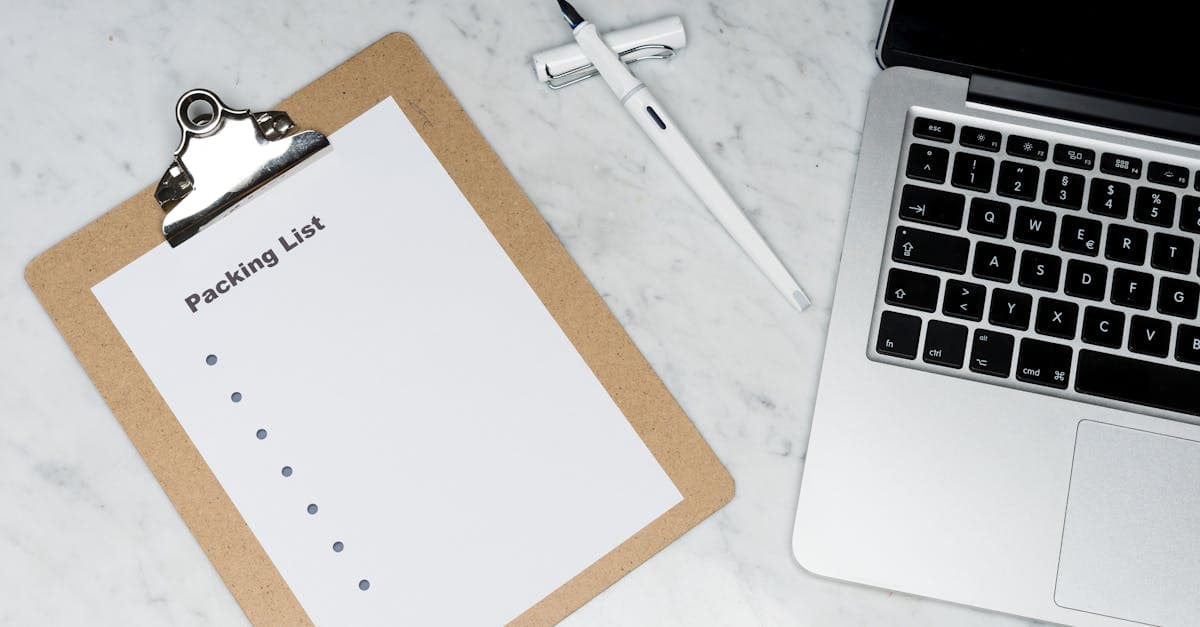
A complete packing list covers five categories: documents and travel admin, clothing and footwear, toiletries, electronics and connectivity, and health and safety items. Start with passport validity and visa requirements, then work through clothing filtered by climate and activities, toiletries following TSA liquid rules, electronics including an international data plan, and health essentials with prescription documentation. Building the list backward from the trip's destination, planned activities, and length keeps it lean and reliable for any itinerary.
The 3-5-7 rule is a packing framework designed to map clothing counts to longer trip lengths, making it more practical than the 5-4-3-2-1 rule for itineraries stretching past a week. It shares the same core principle of applying a per-category cap to prevent the 'just in case' additions that turn a carry-on into an overweight checked bag. Like other numbered packing formulas, it works best when paired with a separate checklist covering documents, electronics, and connectivity essentials.
In the context of carry-on packing, the most commonly referenced three-part rule for flights is TSA's 3-1-1 liquids rule: containers must be 3.4 oz (100 mL) or less, packed in one quart-sized clear bag, with one bag permitted per passenger. Oversized liquid containers are the most commonly confiscated item at US security checkpoints. Switching to solid toiletries such as shampoo bars, toothpaste tablets, and solid deodorant bypasses the restriction entirely and frees up your liquids allowance.
For a 7-day trip, 4 to 5 outfits is the practical ceiling for most warm-weather destinations with laundry access. Studies show most travelers use roughly half of what they packed, with the unused portion arriving home clean and untouched. If mid-trip laundry is available, a single wash on a two-week itinerary effectively halves the clothing needed, allowing you to pack for a week regardless of overall trip length.
TSA's 3-1-1 rule requires all carry-on liquids to be in containers of 3.4 oz (100 mL) or less, placed in one quart-sized clear zip bag, with a limit of one bag per passenger. Oversized containers are the most commonly confiscated item at US checkpoints. Solid alternatives like shampoo bars and toothpaste tablets are classified as solids and do not count against your liquids allowance.
Every travel document, prescription medication, and valuable item should stay in your carry-on, since airlines mishandle roughly six bags per 1,000 passengers and that rate climbs during peak periods. Keep your passport, visa approvals, travel insurance policy, booking confirmations, and copies of your credit cards accessible on your person. Store digital copies of all documents in a cloud folder with offline access enabled before departure so they are reachable even without a data connection.
Three main options cover most international data situations: carrier day passes, local physical SIMs, and travel eSIMs. Carrier day passes from major US carriers typically cost $10 to $15 per day, adding $100 to $150 or more on a 10-day trip. Destination-specific travel eSIM plans for the same itinerary generally run $5 to $20 total, making them the most cost-effective choice for trips lasting three days or longer.
Four items complete any serious electronics packing checklist: a universal power adapter, a portable battery bank of at least 10,000 mAh capable of charging a smartphone twice, a USB-C cable, and an international data plan. Most travelers pack the first three items reliably but treat the data plan as an afterthought to sort out at the airport. Your smartphone handles boarding passes, navigation, translation, ride-sharing, and banking alerts, making reliable connectivity as essential as the device itself.
A travel eSIM is a digital SIM card activated via a QR code scan, eliminating the need to swap a physical SIM or visit an airport kiosk. As of early 2026, over 60% of US flagship smartphones from 2022 onward are eSIM-capable, and iPhone 14, 15, and 16 US models carry no physical SIM tray at all. The eSIM should be activated before boarding rather than after landing, since international terminal Wi-Fi is frequently congested and a stable connection is needed to complete the QR-based setup.
Yes, your phone must be carrier-unlocked to use any non-carrier data plan, including both local physical SIMs and travel eSIMs. A locked device cannot run an alternative plan regardless of its hardware capability. Confirm your phone is unlocked at home before departure, not at the airport gate where options are limited.
Solid toiletries like shampoo bars, toothpaste tablets, and solid deodorant are classified as solids rather than liquids, so they do not count against TSA's 3-1-1 quart-bag allowance in carry-on luggage. They also weigh less than their liquid equivalents and typically last a full trip without running out mid-journey. For carry-on-only travelers, switching to solids is one of the simplest ways to reclaim space and avoid security complications.
Cold-weather trips call for a three-part layering system rather than a single heavy coat: a base layer, a mid-layer, and an outer shell. This system packs smaller than a bulky parka, handles temperature swings between outdoor sightseeing and heated interiors, and performs across a wider range of conditions. The cold-weather clothing count also trends closer to one outfit per day rather than one per two days, since layering adds real bulk to each packed item.
Check the destination's climate, planned activities, and any local dress codes before finalizing your clothing list. Religious sites across Europe and Asia commonly require covered shoulders and knees, and this is far simpler to address before departure than at the entrance. Neutral colors like navy, black, gray, and white multiply outfit combinations from fewer pieces more effectively than any other packing strategy.
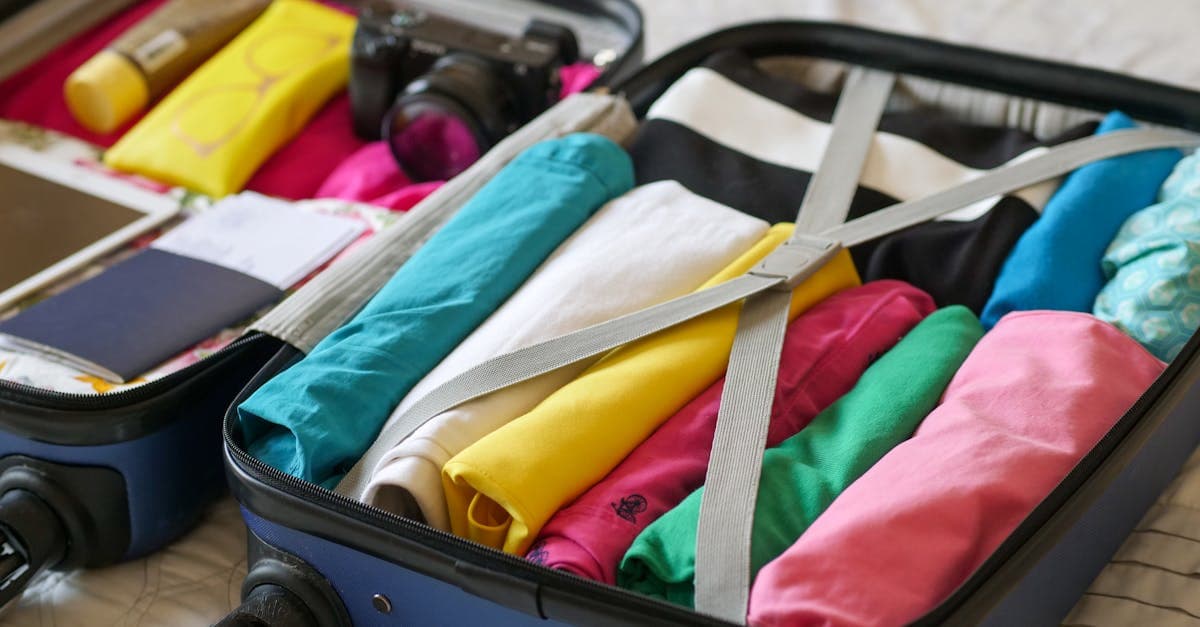
Packing cubes compress soft items, keep bag contents organized by category, and significantly cut repacking time when moving between hotels every few days. The practical difference between a structured bag and a tangled pile typically becomes apparent around day four of a trip. They are especially useful for trips involving multiple accommodations or frequent bag access.
Most countries require at least six months of remaining passport validity beyond your planned entry date, and this rule applies to every stop on a multi-country itinerary, not just the final destination. Visa requirements vary by nationality and destination and carry processing times that can range from days to weeks. Both should be confirmed for every traveler in the group before booking flights, not in the days before departure.
Carry two cards on different payment networks: a no-foreign-transaction-fee card for daily spending and a backup on a separate network in case the primary is flagged for fraud or lost. Notify both card issuers before departure, since banks frequently freeze international transactions without warning and fraud holds are difficult to resolve across time zones. Checking ATM and cash availability for your destination before departure rounds out the financial preparation.
Sources
- The Ultimate Packing List — smartertravel.com
- What to Pack for a School Trip - School Trip Packing List 101 — eftours.com
- Free Printable Packing List for Organized Travel and Vacation — justagirlandherblog.com
- The Ultimate Travel Packing List For Any Vacation — eaglecreek.com
- Packing Checklist (for Foreign, International, Overseas Travel) — omventure.com
- Packing List — trade.gov