

Quick Answer: Monterrey, Mexico at a Glance
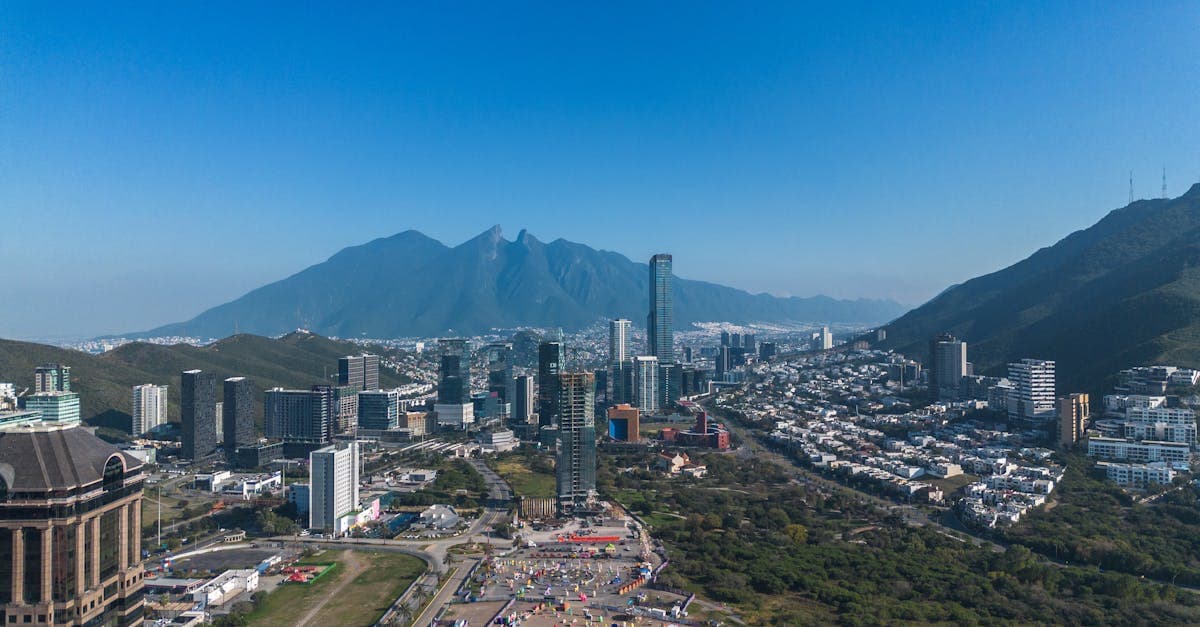
Monterrey is Mexico's third-largest city, home to 5.3 million people across its metro area en.wikipedia.org. It sits in a mountain valley framed by the Sierra Madre Oriental, roughly 140 miles south of Laredo, Texas, and about a 2.5-hour drive from the US border crossing britannica.com. No beaches here. Just mountains, serious industry, and northern Mexican cuisine that rarely gets the attention it deserves.
HelloRoam's eSIM for Mexico runs on AT&T's 5G network across the country, with reliable coverage through Monterrey's urban core. Plans start at ~$3.37 per day, making it a practical option to sort before you clear customs at MTY rather than scrambling for airport Wi-Fi on arrival.
Key fact: HelloRoam's Mexico eSIM starts at ~$3.37 for a 1-day plan on AT&T's 5G network.
Summers in this valley run brutal, regularly clearing 100°F. The October-to-April window is when the Sierra Madre backdrop shifts from punishing to scenic, and hiking the foothills becomes reasonable rather than reckless.
Here's what each of those facts actually means for your trip.
What Is Monterrey, Mexico Known For?
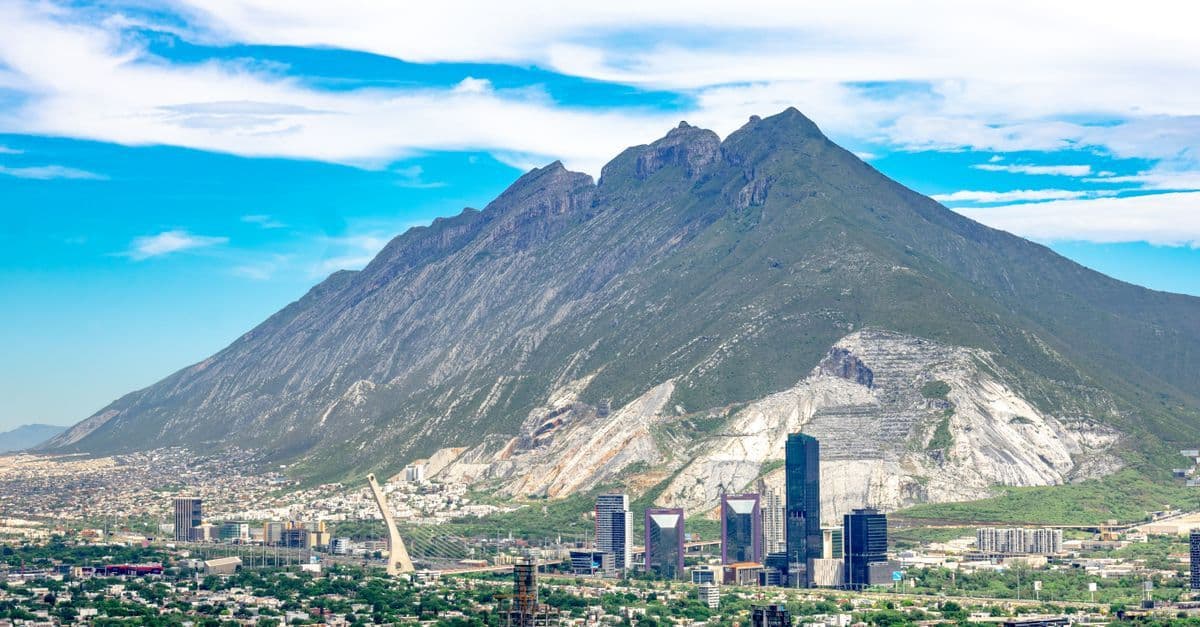
Monterrey is Mexico's industrial capital, nicknamed La Sultana del Norte (Sultan of the North, a nod to its long dominance in northern Mexican commerce). Founded in 1596, it's one of the oldest established settlements in Mexico's north, and its corporate profile would raise eyebrows even in Houston: CEMEX, one of the world's largest cement producers, is headquartered here, and so is FEMSA, the beverage conglomerate behind the OXXO convenience chain and a major Coca-Cola bottler across Latin America en.wikipedia.org.
Tec de Monterrey, formally the Instituto Tecnológico y de Estudios Superiores de Monterrey, consistently ranks among Latin America's most prestigious universities en.wikipedia.org. Its campus shapes the intellectual and commercial energy of the San Pedro and Cumbres neighborhoods, drawing international faculty, research investment, and a steady stream of graduates who tend to stay after finishing their degrees.
The food scene runs deeper than most US travelers expect.
Norteño cuisine centers on cabrito (slow-roasted kid goat), machaca (dried, shredded beef), and flour tortillas thick enough to hold a proper taco, bearing little resemblance to grocery-store versions back home. A craft beer movement has taken real hold in Barrio Antiguo, the historic quarter where colonial-era buildings now house breweries, galleries, and restaurants serious enough to warrant a reservation.
Then there's the skyline. Cerro de la Silla, a saddle-shaped peak visible from nearly every point in the city, gives Monterrey a visual signature found nowhere else in Mexico tripadvisor.com. Beach destinations have the sea; Monterrey has the Sierra Madre pressing directly into the urban grid. MARCO, the Museum of Contemporary Art anchoring Macroplaza, competes with Mexico City institutions for exhibition quality, and Macroplaza itself ranks among the largest public squares in the world en.wikipedia.org. It's a city that earns a second look from anyone who assumed Mexico meant sand.
Now for the question every US traveler asks first.
Is It Safe to Visit Monterrey, Mexico Right Now?
Monterrey's most-visited and wealthiest districts carry substantially lower risk than the national headlines about Mexico typically suggest. The US State Department rates Nuevo León state at Level 2, "Exercise Increased Caution," the same designation applied to France, Germany, and dozens of other countries Americans visit without a second thought. That framing matters when you're doing your initial research and the news cycle is doing its best to scare you off.
San Pedro Garza García, the affluent municipality immediately southwest of the city center, consistently ranks among Mexico's safest urban areas. It's where Monterrey's professional class lives, where the top restaurants concentrate, and where constant business travel creates a stabilizing presence year-round.
The myth: Monterrey is uniformly dangerous. The reality is far more layered.
The neighborhoods where tourists spend most of their time are Barrio Antiguo (the historic quarter with galleries and nightlife), San Pedro (upscale dining and shopping), Centro (around Macroplaza and the civic museums), and the Cintermex convention district, which runs on international business traffic. These aren't peripheral zones. They're the commercial and cultural core of a city that receives significant cross-border executive travel from Texas every week.
Two decisions cut risk noticeably. First, use Uber or DiDi for all transportation rather than hailing taxis off the street. App-based rides are driver-verified, traceable, and the default choice among Monterrey's own professionals and visiting US executives. Second, download offline maps before you leave. Google Maps and Maps.me both support full city downloads, and live navigation with working mobile data reduces the moments you stop on a sidewalk, look uncertain, and become a visible tourist unfamiliar with the surroundings.
A working data connection in Monterrey isn't a comfort feature. It's a navigational margin.
The State Department advisory deserves respect rather than dismissal. It applies most acutely to peripheral industrial zones north and east of the city center, particularly after dark. Stay within the districts listed above, rely on app-based rides, and the risk profile drops to what Monterrey's own thriving business travel ecosystem treats as a routine Wednesday.
Safety picture clear, logistics come next.
Getting to Monterrey, Mexico from the US
General Mariano Escobedo Airport (MTY) handles roughly 10 million passengers a year, with nonstop service from Houston, Dallas, Chicago, Miami, and New York. Flight time from any Texas hub sits under two hours. From the East Coast, plan for under four.
Houston carries the heaviest frequency. Both Bush Intercontinental (IAH) and Hobby (HOU) run multiple daily MTY departures, making the connection reliable for travelers routing through Texas. Dallas-Fort Worth (DFW) matches that cadence. Chicago, New York, and Miami routes exist but operate on thinner schedules, so travelers from those markets should book early and verify seasonal service before assuming daily availability.
Budget carriers and Mexican airlines fill out the options. Spirit and Volaris compete on several Texas-MTY routes, and fare gaps between carriers can be substantial on that corridor. A few minutes of comparison shopping before you commit usually surfaces a real price difference.
Driving makes practical sense for Texas residents. The Laredo, TX crossing puts you about 2.5 hours from the city center. McAllen is the other logical port of entry, adding drive time depending on your starting point. SENTRI (the Secure Electronic Network for Travelers Rapid Inspection program) holders clear significantly faster at both crossings, making the road trip genuinely competitive on low-traffic days.
At MTY arrivals, Uber and DiDi both run from the curb with fare estimates locked before you confirm. No negotiating with a dispatcher. Shared shuttle vans serve fixed routes to the city center and major hotel zones, a solid option for solo travelers moving light.
Compare eSIM plans for Mexico — See 2026 pricing →
For re-entry into the US, Global Entry members handle MTY customs faster than most larger border airports. The kiosk queues run shorter here. TSA PreCheck doesn't apply inside Mexico, but it picks back up the moment you connect through a domestic US airport.
City transfer from MTY to central Monterrey or San Pedro Garza Garcia runs 25 to 35 minutes, depending on traffic.
Arrived in Monterrey. Now figure out how to fill the days.
Top Things to Do in Monterrey, Mexico
Monterrey's activity list spans a free urban park inside a converted steel mill, a mountain hike with panoramic summit views, world-class contemporary art, and a colonial quarter that runs on two completely different speeds depending on when you arrive. The beach-and-resort framing doesn't apply here.
Parque Fundidora is the natural starting point. Entry is free, the grounds are extensive, and the Horno3 steel heritage museum, a science museum, a concert amphitheater, and open green space all share the same converted industrial site traveler.marriott.com. The tradeoff: weekend crowds build fast by late morning. Go early.
Paseo Santa Lucia links Fundidora to Macroplaza via a 2.5-kilometer pedestrian canal walk through the city center. It works as practical transit and as a destination worth the time. Macroplaza anchors the downtown end, one of Latin America's largest public squares, surrounded by government buildings and cultural institutions. Monumental in scale, more interesting than it first appears.
Cerro de la Silla defines the Monterrey skyline, the saddle-shaped peak visible from anywhere in the metro. The main hiking route covers roughly 5.5 miles round trip with significant elevation gain. Summit views are panoramic tripadvisor.com. The trail is exposed, and summer heat makes the upper sections genuinely punishing. October through April is the practical window.
MARCO (Museo de Arte Contemporáneo de Monterrey) holds a strong permanent Latin American contemporary collection alongside rotating international exhibitions. Entry fees are modest. The building's architecture justifies the trip independently of what's showing.
Barrio Antiguo runs on two modes. Weeknights bring quiet cantinas, street tacos, and cold Carta Blanca without fighting a crowd. Weekends turn the neighborhood loud, which has its own appeal depending on your energy level.
Cola de Caballo, a waterfall about 45 minutes south on Highway 85 in Villa de Santiago, works as a half-day trip from the city. The falls run strongest after rain. The site has basic food vendors but it's not a heavily developed tourist area, which is part of the draw.
One consistent caveat applies across all outdoor activities on this list: Monterrey summers regularly exceed 100°F. The October-through-April window is when the city earns its outdoor reputation.
Activities mapped. Keep your phone working for all of them.
How Do You Stay Connected in Monterrey?
Travelers in Monterrey can stay connected using a US carrier day pass, a local SIM card from Oxxo, or a travel eSIM installed before departure. Each option differs in cost, activation requirements, and whether a passport is needed on arrival.
US carrier roaming charges in Mexico typically run $5 to $10 per day on standard day-pass plans, billed directly to your existing account. That's manageable for a weekend. Extend the trip to seven days and you've added $35 to $70 before you've left the airport.
Telcel and AT&T Mexico deliver the strongest 4G/5G coverage across the Monterrey metro, including the Sierra Madre foothills near Chipinque and Cola de Caballo. Signal in central Monterrey and San Pedro Garza Garcia is reliable on both networks.
Three options worth sorting before you board:
Step 1: Don't count on MTY airport WiFi. It handles basic browsing but isn't reliable for downloading an eSIM profile or configuring a new SIM on arrival. Handle your connectivity setup before the flight, while you're on a stable home network.
Step 2: Local SIM cards at Oxxo are a workable in-person alternative. Mexico's ubiquitous convenience chain carries prepaid cards from Telcel and AT&T Mexico at most locations citywide. You'll need your passport for the mandatory ID registration. The process is straightforward, but it adds an errand to your first hours in the city.
Step 3: An eSIM (a digital SIM profile activated by QR code) sidesteps the arrival logistics entirely. Install the profile at home over WiFi before you board. Your phone keeps your US number active while the eSIM handles data separately on the local network. No physical card to track down, no store queue to join.
HelloRoam's Mexico plans run on AT&T Mexico's 5G network. The 7-day 1GB plan is priced at ~$3.49, and the 5GB 30-day plan runs ~$13.48. The introductory day-rate noted earlier covers single-day use. Both plans include hotspot tethering, which matters when you're navigating on a tablet or sharing a connection.
Key fact: HelloRoam Mexico eSIM plans run on AT&T Mexico's 5G network, with options from ~$3.49 for 1GB over 7 days.
For trips of three days or more, eSIM for Mexico is the cleanest call from the departure gate.
Connection sorted. One bigger question about this city remains.
Is Monterrey Good for Tourists?
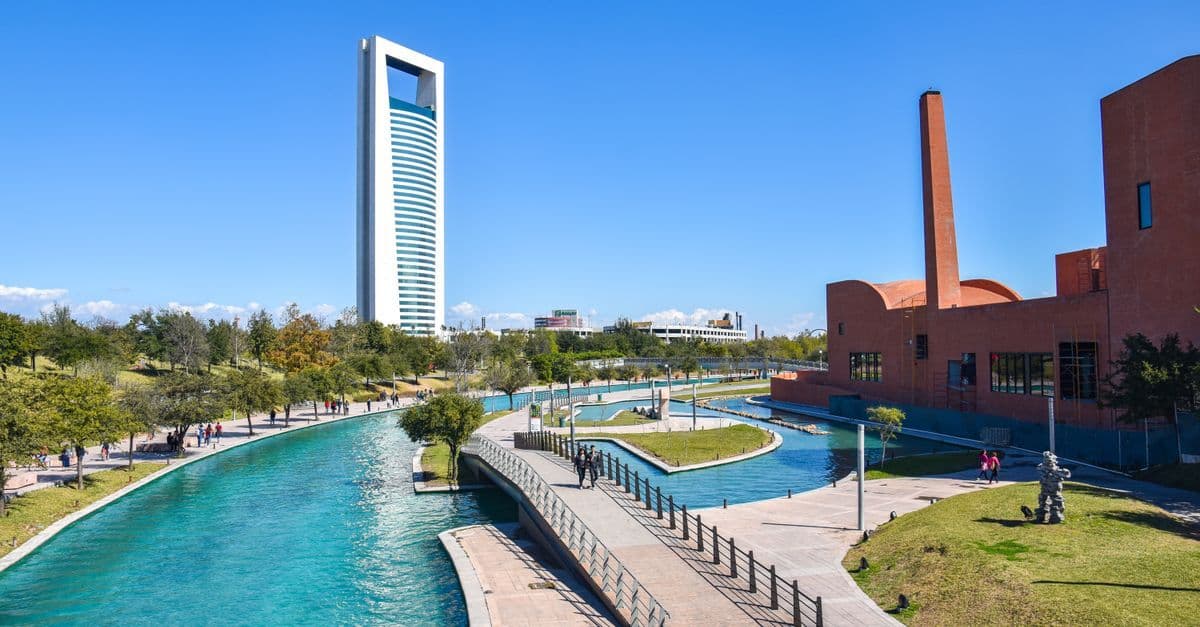
Monterrey rewards travelers who want something other than resort beaches, and the genuine surprise is how well-resourced it is for visitors once you arrive. San Pedro Garza Garcia, the municipality anchoring the metro's southwestern edge, ranks as Mexico's wealthiest by income per capita en.wikipedia.org. Nuevo León contributes roughly 7 to 8 percent of Mexico's total GDP en.wikipedia.org. That economic weight shows up in ways tourists notice immediately: polished hotels, reliable infrastructure, and a private healthcare network that rivals anything in Mexico City.
The juxtaposition catches most first-timers off guard.
Street tacos run $1 to $2 from carts near Macroplaza and through the Barrio Antiguo. A short walk away, you can sit down for a tasting menu at a chef-driven restaurant where the bill looks more like San Francisco than northern Mexico. This range isn't a quirk. It reflects a city that has served both working-class norteño culture and multinational executives for decades, and both ends of that spectrum are done well.
The nearshoring acceleration that gained momentum from 2023 onward changed the visitor experience in a concrete way: English-speaking staff at hotels, restaurants, and transportation services are now standard across San Pedro and the Barrio Antiguo corridor. US tech and manufacturing companies planted regional offices here, and hospitality infrastructure followed that footprint.
What Monterrey doesn't offer is a finished tourist circuit. There's no Cancún-style resort zone. No Condesa-equivalent stretch where every storefront is calibrated for foreign foot traffic. The city's tourism infrastructure is still developing, which means lower crowd density at MARCO, Parque Fundidora, and Cola de Caballo than you'd encounter at comparable attractions in Mexico City or Guadalajara.
That's a feature, not a gap.
Medical infrastructure deserves a direct mention: a strong private hospital network throughout the metro area means care is accessible if something goes wrong. Travelers with international health coverage will find multiple accredited facilities, particularly in San Pedro.
For US visitors, especially from Texas, the calculus is straightforward. Shorter flights than Cancún. Thinner crowds. A city whose economic profile means the amenities exist. Monterrey just hasn't been packaged for tourists yet, and right now that's its best quality.
Reviewed by HelloRoam's editorial team. Last updated: 05 June 2026.
Get Connected Before You Go

Frequently Asked Questions
The US State Department rates Nuevo León at Level 2, Exercise Increased Caution, the same as France and Germany. Tourist areas like San Pedro and Barrio Antiguo carry substantially lower risk; use app-based rides throughout.
Monterrey is well-suited for travelers seeking mountains, culture, and northern Mexican cuisine over beach resorts. The city offers world-class museums, free parks, mountain hiking, and a thriving food and craft beer scene.
Monterrey is Mexico's industrial and commercial capital, home to global corporations like CEMEX and FEMSA. Its San Pedro Garza García district is one of Mexico's most affluent urban areas, sustained by heavy cross-border business traffic from Texas.
Monterrey is known as Mexico's industrial capital, nicknamed La Sultana del Norte. It is home to CEMEX and FEMSA, the prestigious Tec de Monterrey university, norteño cuisine, and the iconic saddle-shaped Cerro de la Silla mountain.
Monterrey sits roughly 140 miles south of Laredo, Texas, about a 2.5-hour drive from the US border. Texas residents can enter via the Laredo or McAllen ports of entry, with SENTRI holders clearing customs significantly faster.
October through April is the best window to visit Monterrey, when temperatures are moderate and hiking the Sierra Madre foothills is practical. Summers regularly exceed 100°F, making outdoor activities difficult.
General Mariano Escobedo Airport (MTY) serves Monterrey with nonstop flights from Houston, Dallas, Chicago, Miami, and New York. Flight time from Texas hubs is under two hours, with Houston offering the most frequent daily departures.
Top attractions include the free Parque Fundidora industrial park, the Paseo Santa Lucia canal walk, hiking Cerro de la Silla, the MARCO contemporary art museum, and exploring Barrio Antiguo's cantinas, breweries, and restaurants.
Uber and DiDi are the recommended transport options in Monterrey, as app-based rides are driver-verified and traceable. They are the default choice of local professionals and visiting US executives, making them safer than street taxis.
Travel eSIM plans for Mexico start at roughly $3.37 per day, with longer options such as a 1GB 7-day plan around $3.49 or a 5GB 30-day plan around $13.48. Most plans include hotspot tethering for sharing your connection.
Purchasing a local SIM card at an Oxxo store in Monterrey requires your passport for mandatory ID registration. A travel eSIM installed before departure via QR code requires no ID, no store visit, and no wait on arrival.
US carrier day-pass roaming plans typically cost $5 to $10 per day in Mexico and activate automatically. For trips of three days or more, a travel eSIM is more cost-effective and runs on local 4G/5G networks.
Telcel and AT&T Mexico deliver the strongest 4G/5G coverage across the Monterrey metro, including tourist areas and the Sierra Madre foothills. Signal in central Monterrey and San Pedro Garza García is reliable on both networks.
Barrio Antiguo, San Pedro Garza García, Centro near Macroplaza, and the Cintermex district are Monterrey's main visitor areas. San Pedro is the most affluent and consistently ranks among Mexico's safest urban zones.
Monterrey is famous for norteño cuisine featuring cabrito (slow-roasted kid goat), machaca (dried shredded beef), and thick flour tortillas. A thriving craft beer scene has developed in the historic Barrio Antiguo district.
For trips of three days or more, a travel eSIM is the most practical choice, offering local 4G/5G data without a physical card or passport. Install the profile at home via QR code before your flight to avoid relying on airport Wi-Fi.
Sources
- en.wikipedia.org — en.wikipedia.org
- Monterrey — britannica.com
- Monterrey — traveler.marriott.com
- Monterrey, Mexico: All You Must Know Before You Go (2026) — tripadvisor.com