

Travel to New Zealand: Planning Guide for US Travelers
New Zealand for US Travelers
New Zealand is a long-haul destination offering two distinct islands, genuinely varied terrain, and a straightforward entry process for US passport holders. No traditional visa is required for stays under 90 days. A quick digital pre-authorization, completed online before departure, handles the formalities.
The flight from Los Angeles to Auckland runs roughly 13 hours, and that distance makes pre-trip planning matter more than most guides acknowledge. AT&T, T-Mobile, and Verizon all offer international roaming options for New Zealand, but daily carrier fees on a 10- to 14-day itinerary can quietly become one of the larger line items in a travel budget. HelloRoam offers an eSIM for New Zealand running on the Vodafone network, with flat-rate data plans at rates well below standard US carrier day passes.
Connectivity deserves more attention than it usually gets. Remote national parks, long drives between towns, and limited free Wi-Fi outside Auckland make a reliable cellular plan worth arranging before you board.
Quick Answer: Travel to New Zealand in 2026
According to immigration.govt.nz, US citizens enter New Zealand without a traditional visa for stays up to 90 days, processed through the NZeTA (New Zealand Electronic Travel Authority), a digital pre-authorization completed online before departure. No consulate visit, no paper application.
Budget $150 to $250 per day for comfortable mid-range travel. That covers a motel or mid-tier guesthouse, a rental car or intercity bus pass, restaurant meals, and most national park entry fees. Push toward $300 and above and you're adding guided hikes, scenic flights over the Southern Alps, or lodge accommodation in the Marlborough Sounds.
November through April is the prime travel window. That period aligns with the southern hemisphere summer, bringing warmth to the Bay of Islands, long evenings in Queenstown, and reliable conditions for walking the Tongariro Alpine Crossing. October and May are quieter and workable, though alpine weather can shift fast.
Key fact: New Zealand eSIM plans start at ~$3.49 for 1 GB valid for 7 days, running on the Vodafone network.
Data costs are worth factoring into that budget. That entry plan covers 1 GB over 7 days. A two-week road trip across both islands warrants more headroom; the 10 GB 30-day option at ~$22.49 is the considered pick for travelers covering significant distance between the North and South Islands.
Most US routes land in Auckland. Queenstown offers international connections via Australia, useful if your itinerary starts in the South.
Now, the paperwork before you pack.
What Does a US Citizen Need to Enter New Zealand?
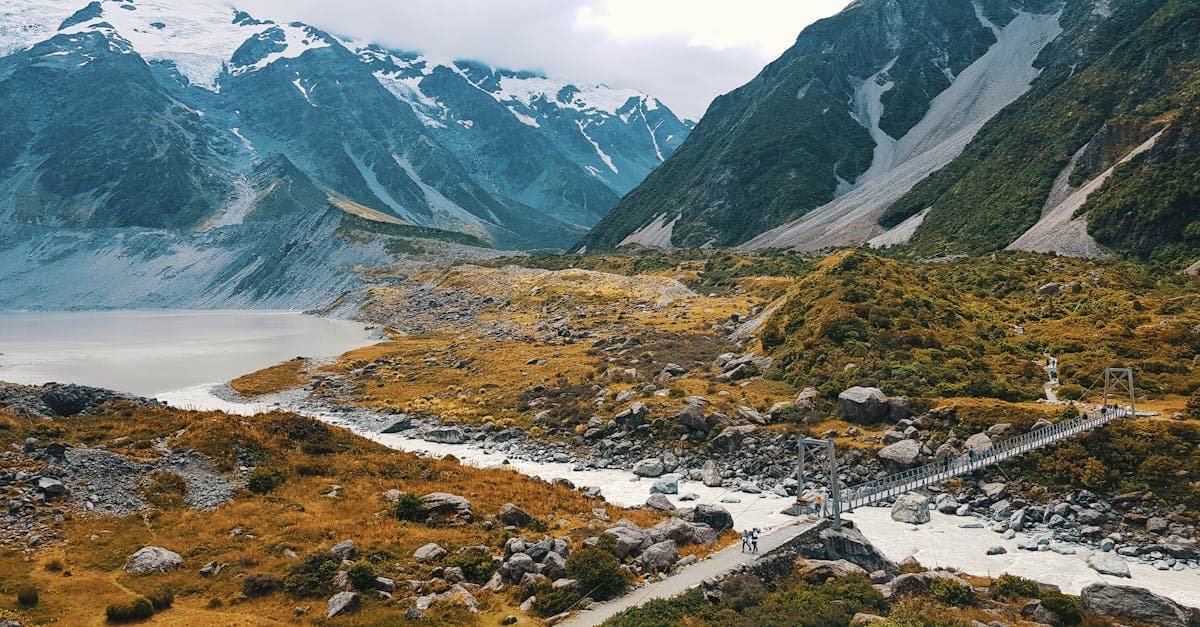
US citizens do not need a traditional visa for stays of 90 days or less. Two pre-trip fees are all that separate a US passport from New Zealand's arrival hall: the NZeTA handles entry authorization and the IVL funds conservation and tourism infrastructure. Miss either one and you will not board.
Here is what to prepare before you fly:
- NZeTA (New Zealand Electronic Travel Authority): Apply through the official Immigration New Zealand app or website. The fee is NZD $23. Processing usually happens within hours, but Immigration New Zealand recommends submitting at least 72 hours before your flight immigration.govt.nz. Do not leave it for the night before departure.
- International Visitor Conservation and Tourism Levy (IVL): NZD $35, paid at the same time as the NZeTA immigration.govt.nz. The two charges are processed together through the official system; there is no way to pay one without the other.
- Valid US passport: Must remain valid for at least three months beyond your planned departure date from New Zealand travel.state.gov. Check the expiry date carefully before booking anything.
- Return or onward ticket: New Zealand immigration may ask for proof you intend to leave. A confirmed return flight or onward connection satisfies this requirement immigration.govt.nz.
No separate visa category applies for US citizens staying under 90 days. The NZeTA is the mechanism that grants that visa-free access, not a supplement to a separate approval. The NZeTA costs NZD $23 and the IVL costs NZD $35, paid together through the official Immigration New Zealand app, NZD $58 combined before you leave home.
Once the NZeTA confirmation lands in your inbox, you're cleared to fly. The paperwork is behind you before the bags are packed; the more pressing question at Auckland Airport is which direction your first drive takes you.
If you hold Global Entry, clearing US customs on the return is the easy part. The outbound paperwork, the NZeTA and IVL, still has to be completed before you leave home.
Entry sorted. Now pick the right month.
What Month Is the Best Time to Visit New Zealand?

December through February delivers the warmest temperatures across both islands, with long summer days and the broadest range of activities running at full capacity. That's peak season. January is the specific month to avoid if crowds and prices matter: New Zealand school holidays run through the first three weeks, pushing accommodation rates up noticeably in Queenstown, Rotorua, and the Bay of Islands.
March flips the dynamic without sacrificing much.
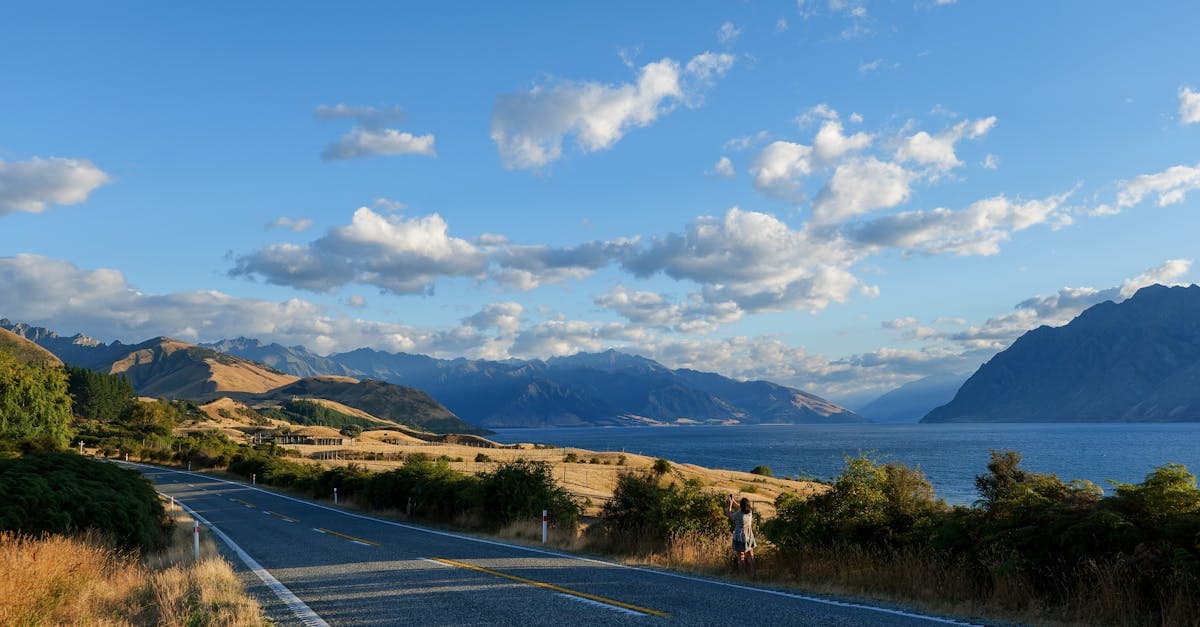
Temperatures stay mild well into autumn, the summer crowds thin after the February school exodus, and the South Island around Wanaka and Arrowtown starts showing its most nuanced side. The amber hillsides in that corridor during early April are a detail most travel guides skip entirely. They're worth timing a trip around if the schedule allows it.
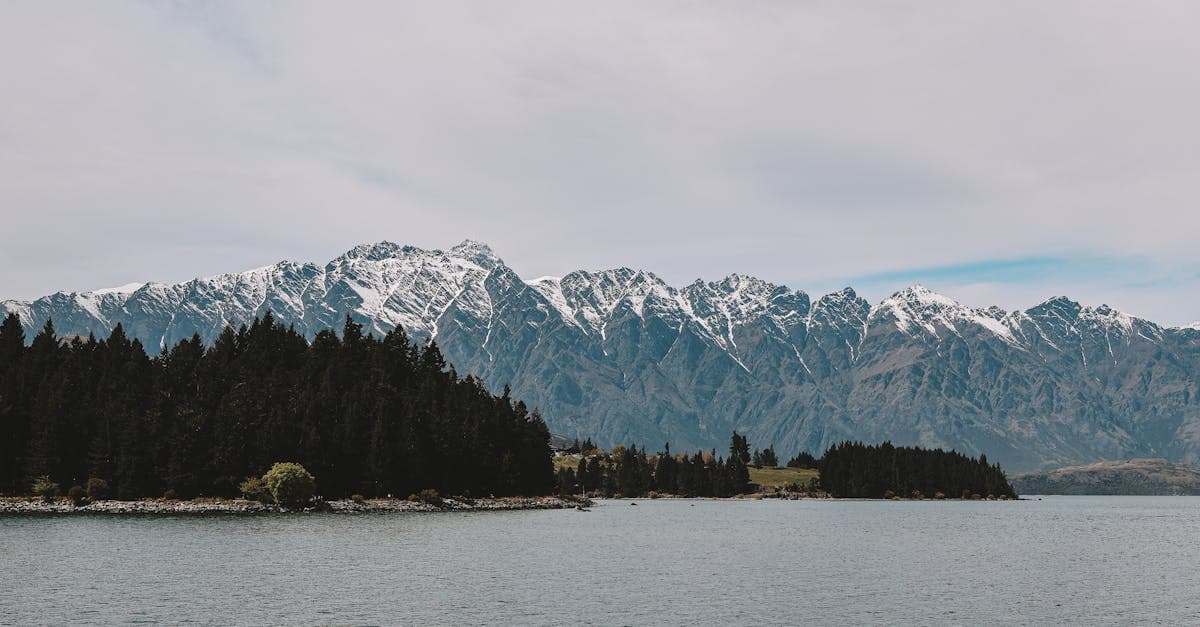
June through August is ski season on the South Island. Queenstown and Wanaka operate their mountain resorts from around mid-June, drawing a different crowd chasing different conditions. The North Island stays quieter during this window, and Tongariro National Park feels layered in ways it never does in summer: fewer people, dramatic volcanic skies, and hiking trails that aren't backed up at every switchback.
September and October bring spring conditions with fewer tourists and lower accommodation rates. Lake Tekapo's lupin fields begin blooming toward late October, a considered reason to build a trip around if the flexibility exists.
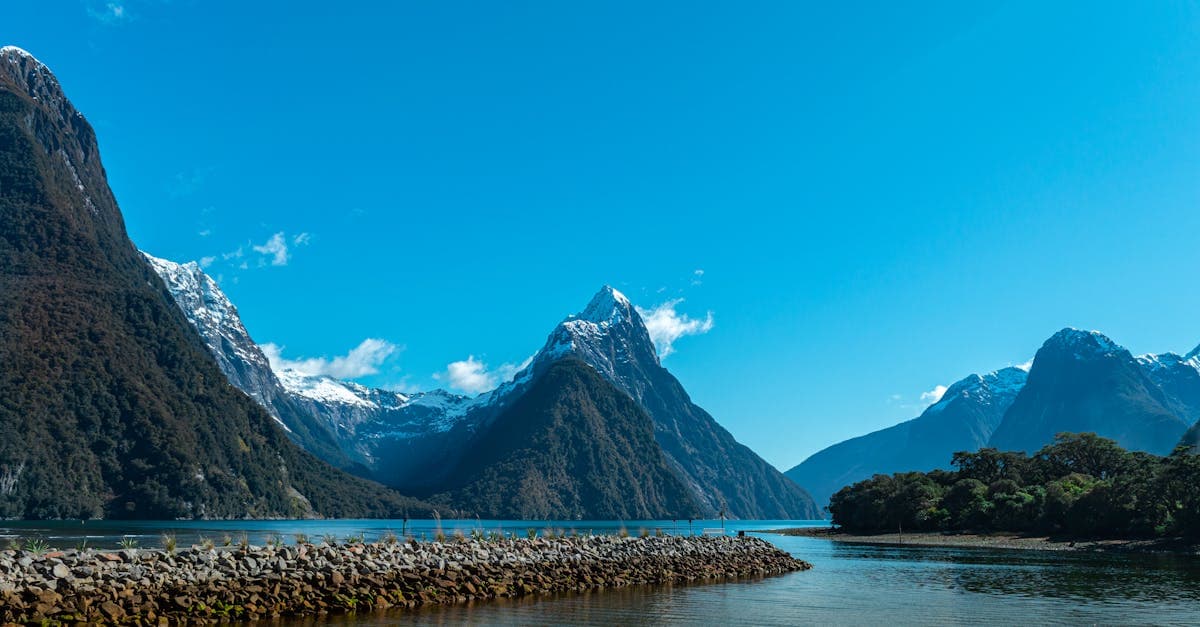
One factor that applies regardless of timing: Fiordland gets rain year-round. Milford Sound sits in one of the wettest regions on earth, and there's no dry-season window to chase. Overcast conditions there can be spectacular in their own right. Pack waterproof layers no matter when you go.
For a first two-week trip from the US, March is the practical pick. Timing locked. Now figure out what it costs.
How Much Will a New Zealand Trip Cost?
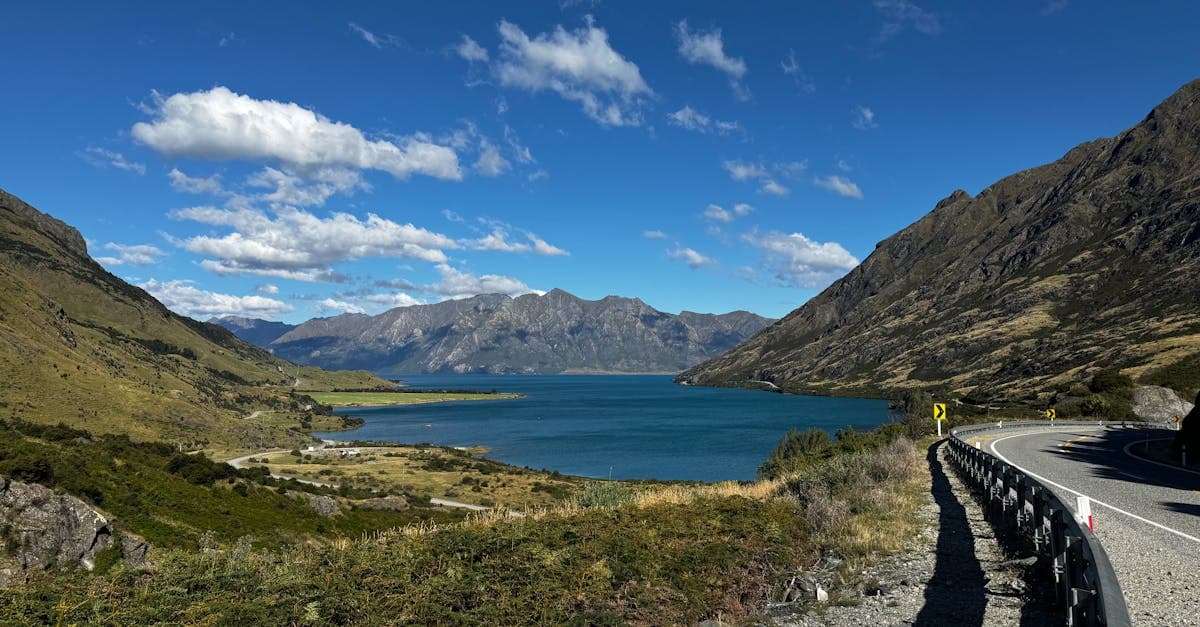
New Zealand travel costs $80 to $120 per day on a budget, $150 to $250 per day for mid-range comfort, and $400 or more for luxury lodges and guided experiences. The exchange rate works in the US dollar's favor, but distances between key sights are large, fuel is pricey, and signature experiences carry real price tags. Underestimate transport and the budget unravels fast in week two. For most Americans planning to travel to New Zealand for the first time, that transport line item is the one that catches them off guard.
Three budgets for three travel styles:
- Budget ($80 to $120/day): Hostel dorms, self-catered meals, and free or low-cost activities. The Tongariro Alpine Crossing costs nothing beyond the shuttle fare from Whakapapa Village; freedom camping is legal in designated areas across both islands.
- Mid-range ($150 to $250/day): A solid hotel, one or two guided activities, and sit-down meals at mid-tier restaurants. That daily range covers a Milford Sound cruise or a winery lunch on the Waiheke run without pushing toward luxury territory.
- Luxury ($400+/day): Boutique lodges in Queenstown or the Marlborough wine region, scenic helicopter flights over Fiordland, and guided multi-day walks on the Milford or Routeburn tracks.
Flights: Return economy tickets from the US West Coast typically run $900 to $1,400. East Coast departures usually require a connection through Los Angeles or San Francisco, adding cost and transit time.
Getting around: A rental car is close to essential on the South Island. Rates start around $40 per day for a compact, reaching $80 for an SUV with enough clearance for rougher roads near Milford Sound. Fuel costs add up fast.
Signature costs: A Milford Sound cruise runs $80 to $130 per person depending on operator and season. The view from the deck doesn't improve significantly at the higher price points; standard tours cover the same fjord.
Build in $10 to $20 per day for mobile data. It's the line item most travelers skip until a roaming charge lands on the credit card statement.
Budget mapped. Connectivity is next, and most guides skip it.
Staying Connected in New Zealand: eSIM, SIM Cards, and WiFi

4G LTE coverage is reliable across Auckland, Wellington, Christchurch, and the main tourist corridors connecting them. Vodafone, Spark, and 2degrees all cover the primary highways and most regional centers across both islands. The picture changes significantly in Fiordland: the road into Milford Sound loses signal well before the valley floor, and the fjord itself has no cellular coverage from any carrier. Download offline maps before you leave Queenstown.
That gap is real, but it's also contained. Everywhere else on a standard New Zealand itinerary, coverage holds up.
Three ways to get data in New Zealand
Setting it up takes a single QR code scan. Scan at the gate, and the phone connects to Vodafone's network as the plane touches down at Auckland International. Travelers using Global Entry clear customs in minutes; the data connection is already live before the checked bags arrive on the carousel.
US carrier day passes are a workable option for trips under three days or for travelers with an existing plan that already covers international roaming at a competitive rate. For anything longer, the per-day charges pile up to well above most eSIM alternatives over the same period.
Hotel WiFi in remote South Island lodges is spotty at best, with thin bandwidth shared across a property and regular dropouts during peak evening hours. For navigation on backcountry drives and real-time weather checks on hiking days, cellular is what you actually want.
Key fact: eSIM plans for New Zealand run on Vodafone's 4G LTE network. A 5GB option valid for 30 days is available at ~$12.99, covering most standard two-week itineraries without needing a top-up.
Top Experiences for Travelers to New Zealand
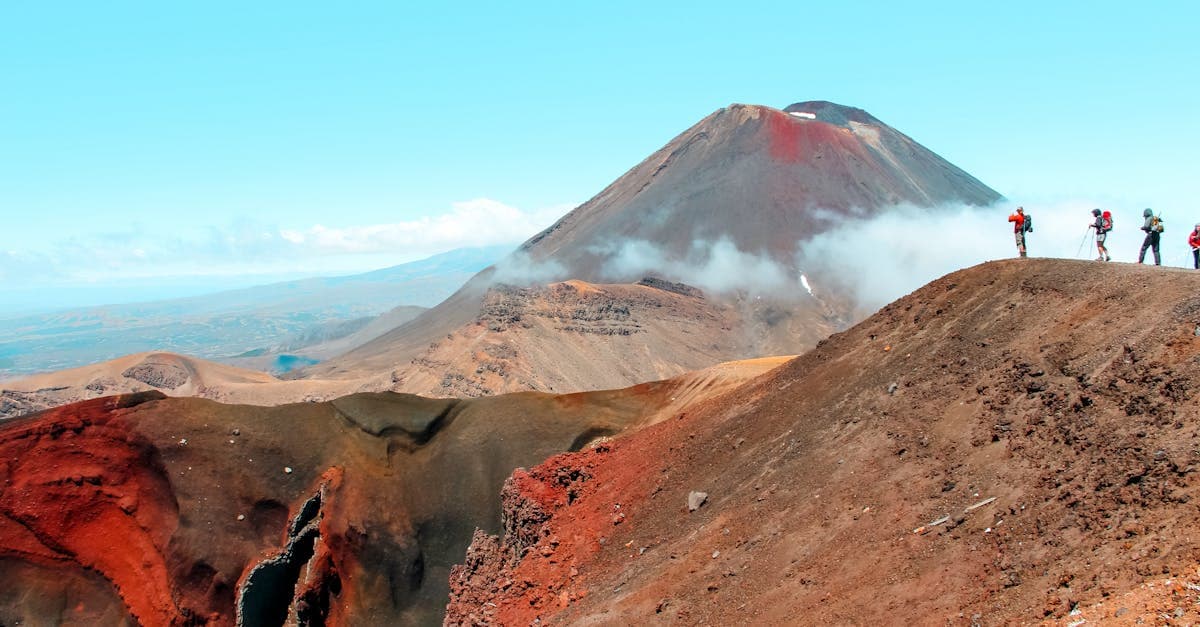
New Zealand's most rewarding experiences fall into a short, reliable list: Milford Sound by boat, Hobbiton by guided tour, Tongariro on foot, and Waiheke Island by ferry. Both islands carry their weight, and most visitors who travel to New Zealand find the logistics manageable across a two-week trip.
Start on the South Island with Milford Sound. The drive from Queenstown takes roughly two hours through the Homer Tunnel, and the fjord itself rewards the effort. Book a morning departure; cloud and mist sit low on the cliff faces early in the day and burn off by midafternoon, taking the drama with them.
Queenstown also handles the Kawarau Bridge bungee. The original commercial bungee site, opened in 1988, still drops visitors above the gorge on the Kawarau River. Skip it if heights aren't your thing. Go if they are.
The Franz Josef Glacier on the West Coast requires a helicopter for anything beyond the lower viewpoint. Ground access has narrowed as the glacier has retreated over the past decade, so the aerial approach is now the practical option rather than just the scenic one. Half a day covers it.
On the North Island, Hobbiton near Matamata is denser and more considered than a film-set tour has any right to be. The working sheep farm setting is genuine. Guided tours run daily year-round.
Waiheke Island is 35 minutes by ferry from Auckland's downtown terminal, and the contrast arrives fast. The island has a compact wine region with a walkable cluster of vineyards, good food, and enough outdoor space to fill a full day without a car.
The Tongariro Alpine Crossing runs 12 miles across an active volcanic plateau. New Zealand's Department of Conservation recommends guided options during poor weather, and conditions shift quickly at elevation. Pack layers regardless of what the forecast says at sea level.
Kaikoura, about two and a half hours from Christchurch, offers year-round whale watching. Sperm whales feed consistently close to shore because a submarine canyon drops steeply just offshore, making sightings more reliable than most open-ocean tours.
One last thing Americans always ask about: the language.
What Does "Yeah Nah" Mean in NZ?
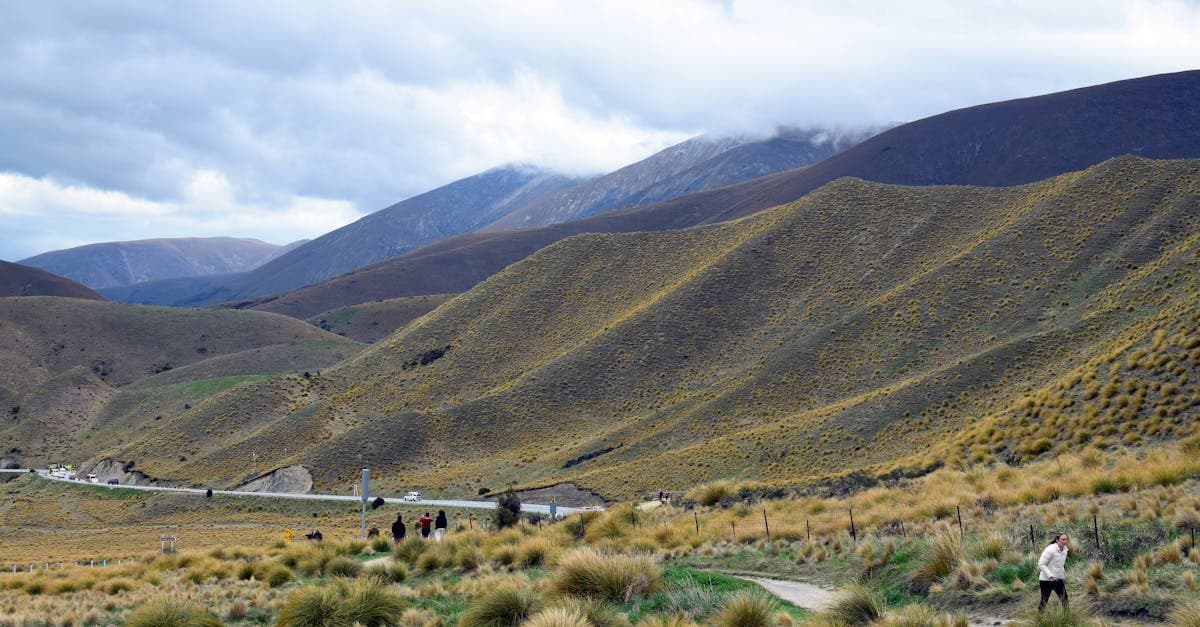
"Yeah nah" means no. Politely but definitively. If a Kiwi says "yeah nah, I'd probably skip that track," that's a firm recommendation against it.
The flip side: "Nah yeah" means yes, often with genuine enthusiasm. "Nah yeah, the food's great there" is an endorsement, not hesitation.
A few other terms that trip up American visitors:
- Tramping means hiking. The Tongariro Alpine Crossing is a tramp. New Zealand's Great Walks network is built for trampers.
- Jandals are flip-flops. Chilly bin is a cooler. Both show up on campsite signs and campervan rental paperwork.
- Sweet as is a freestanding expression of approval, meaning great or no problem. Not a comparison missing its second term.
Kia ora deserves its own note. It's a Maori greeting in everyday use across New Zealand, in shops, on the radio, in government offices. Use it freely. Nobody expects perfect pronunciation, and "key-or-ah" is close enough to land well. According to newzealand.com, New Zealand has two official languages, English and te reo Maori, and that dual presence shows up in place names, signage, and casual conversation throughout both islands.
The language gap between American English and New Zealand English is narrow enough that it rarely causes real friction. But "yeah nah" as a polite refusal rather than an indecisive non-answer is the single phrase worth committing to memory before you land.
Reviewed by HelloRoam's editorial team. Last updated: 24 April 2026.
Get Connected Before You Go


Frequently Asked Questions
March is the practical pick for a first two-week trip from the US. Temperatures stay mild, summer crowds thin after February, and accommodation rates are lower than peak season. December through February is the warmest window but January is the most crowded and expensive month due to New Zealand school holidays.
US citizens need a valid passport (valid at least three months beyond your planned departure), an NZeTA (New Zealand Electronic Travel Authority) costing NZD $23, and the International Visitor Conservation and Tourism Levy (IVL) costing NZD $35. Both fees are paid together online through the official Immigration New Zealand app before departure, totaling NZD $58. A confirmed return or onward ticket may also be required.
Budget travelers can manage on $80 to $120 per day using hostels and self-catered meals. Mid-range comfort runs $150 to $250 per day covering hotels, guided activities, and restaurant meals. Luxury travel with boutique lodges and scenic flights costs $400 or more per day. Return economy flights from the US West Coast typically run $900 to $1,400.
No traditional visa is required for US citizens staying 90 days or less. Entry is processed through the NZeTA (New Zealand Electronic Travel Authority), a digital pre-authorization completed online before departure. No consulate visit or paper application is needed.
The NZeTA (New Zealand Electronic Travel Authority) is the digital pre-authorization that grants US citizens visa-free access to New Zealand for stays up to 90 days. Apply through the official Immigration New Zealand app or website for NZD $23. Processing usually happens within hours, but Immigration New Zealand recommends submitting at least 72 hours before your flight.
The IVL is a NZD $35 fee that funds conservation and tourism infrastructure in New Zealand. It is paid at the same time as the NZeTA through the official Immigration New Zealand system and cannot be paid separately. Both charges together total NZD $58 and must be completed before departure.
The flight from Los Angeles to Auckland runs roughly 13 hours. East Coast US departures typically require a connection through Los Angeles or San Francisco, adding cost and transit time. Most US routes land in Auckland, though Queenstown also offers international connections via Australia.
A travel eSIM purchased before departure is the most cost-effective option for trips longer than a few days. Local prepaid SIM cards are available at Auckland Airport kiosks but require queuing on arrival. US carrier international day passes are workable for very short trips but per-day charges accumulate significantly on itineraries of a week or more.
Travel eSIM plans for New Zealand start at approximately $3.49 for 1 GB valid for 7 days. A 5 GB plan valid for 30 days is available at around $12.99, and a 10 GB 30-day option runs approximately $22.49. The 10 GB plan is a practical choice for travelers covering both the North and South Islands over two weeks.
4G LTE coverage is reliable across Auckland, Wellington, Christchurch, and the main tourist corridors between them. The main exception is Fiordland: the road into Milford Sound loses signal well before the valley floor, and the fjord itself has no cellular coverage from any carrier. Downloading offline maps before leaving Queenstown is recommended.
The exchange rate works in the US dollar's favor, but distances between sights are large, fuel is pricey, and signature experiences carry real price tags. Transport costs are the line item most travelers underestimate. Budget an additional $10 to $20 per day for mobile data, which many travelers overlook until a roaming charge appears on their credit card statement.
A rental car is close to essential on the South Island given the distances between key sights. Rates start around $40 per day for a compact and reach $80 for an SUV with enough clearance for rougher roads near Milford Sound. Fuel costs add up quickly over a multi-week road trip across both islands.
A Milford Sound cruise runs $80 to $130 per person depending on operator and season. Standard tours cover the same fjord as premium-priced options, and the view does not improve significantly at higher price points. The drive from Queenstown to Milford Sound takes roughly two hours through the Homer Tunnel.
The most reliable experiences include Milford Sound by boat, Hobbiton by guided tour, the Tongariro Alpine Crossing on foot, and Waiheke Island by ferry from Auckland. The Kawarau Bridge in Queenstown is the original commercial bungee site. Franz Josef Glacier on the West Coast now requires a helicopter for anything beyond the lower viewpoint due to glacial retreat.
Ski season on the South Island runs from around mid-June through August. Queenstown and Wanaka operate their mountain resorts during this window. The North Island stays quieter during winter months, and Tongariro National Park has fewer visitors and dramatic volcanic skies during this period.
Fiordland receives rain year-round as Milford Sound sits in one of the wettest regions on earth. There is no dry season to target, and overcast conditions can be spectacular in their own right. Waterproof layers are essential regardless of when you visit.
September and October bring spring conditions with fewer tourists and lower accommodation rates than the December-February peak. Lake Tekapo's lupin fields begin blooming toward late October, which is a specific reason some travelers time their trips around this period. Alpine weather can shift quickly in October, so packing layers is recommended.
Sources
- International Travel — travel.state.gov
- VisitToro — immigration.govt.nz
- Guide to travelling to New Zealand | 100% Pure New Zealand — newzealand.com
- Welcome to New Zealand | Official site for Tourism New Zealand — newzealand.com