

Quick Answer: What Is Tokyo Grill?
Tokyo Grill is a name shared by dozens of independent, unaffiliated Japanese-American fusion restaurants across the United States. None connect to a single franchise or parent company. The typical menu combines teppanyaki-style grilling, teriyaki entrees, and sushi under one lively roof, and you'll find locations from Houston to Atlanta to Northern Virginia.
Japanese cuisine ranks third among ethnic food categories in the US, trailing only Mexican and Chinese. That brisk consumer appetite has pushed Tokyo Grill-style concepts into virtually every major metro area, making the format one of the more resilient mid-casual dining categories in the country.
Lunch typically runs $10 to $18 per person. Dinner climbs to $18 to $38. For a sit-down meal with tableside cooking and a spirited chef performance, that range positions the format squarely between fast casual and a proper night out.
The format has a second life as a Japan travel gateway. Diners hooked on the food often end up booking a flight to Tokyo, which drew roughly 40 million foreign visitors in 2025. For that trip, HelloRoam offers an eSIM for Japan starting at ~$3.49 for 1 GB over 7 days on KDDI/au's 5G network. Activation takes a few minutes, easy to handle at JFK or LAX while waiting to board.
Key fact: HelloRoam's Japan 5 GB plan runs ~$9.49 for 30 days on KDDI/au's 5G network, a cost-effective option for the 10 to 14-day trips most US visitors take.
But what exactly lands on the table at one of these restaurants?
Is That Really Hibachi? What Tokyo Grill Restaurants Are Actually Cooking
Skip the jargon: the flat iron griddle in any Tokyo Grill dining room is teppanyaki, not hibachi. True hibachi is a small charcoal brazier used in Japan for heating rooms, not a cooking surface. American diners absorbed the word from mid-century restaurant marketing, and it stuck hard enough to define an entire category built on a technically wrong name.
The cooking itself has legitimate Japanese origins. Teppanyaki means iron-griddle cooking, and searing proteins and vegetables at high heat in front of guests dates back to postwar Japan.
The spectacle does not.
The onion volcano, the flying shrimp catch, the animated egg juggling, the fire towers: those theatrical elements were developed by Japanese-American restaurateurs to create a dynamic dining experience for American audiences. Walk into a teppanyaki restaurant in Tokyo, and you'll find technically precise cooking with far less showmanship. The craft is the draw. Performance is secondary.
Japan's actual version of communal, interactive grilling is yakiniku. Guests cook thin-sliced beef, pork belly, and short ribs over a gas or charcoal grill recessed into the table. No chef runs the service. You manage the heat yourself and pull the meat when the fat crisps at the edges.
It's an energetic, hands-on format that most US restaurants haven't adopted.
Teriyaki carries a similar dual origin. The underlying technique, glazing protein with a soy, mirin, and sake reduction, is classically Japanese. The thick, candy-sweet version Americans expect on chicken and salmon evolved in Japanese-American communities, particularly in Hawaii and the Pacific Northwest, shaped by local ingredients and regional taste preferences.
None of this makes the US format less worth sitting down for. It's a distinct Japanese-American genre with its own rules, not a failed imitation.
Knowing the real format helps you order with purpose.
What to Order at a Tokyo Grill Restaurant
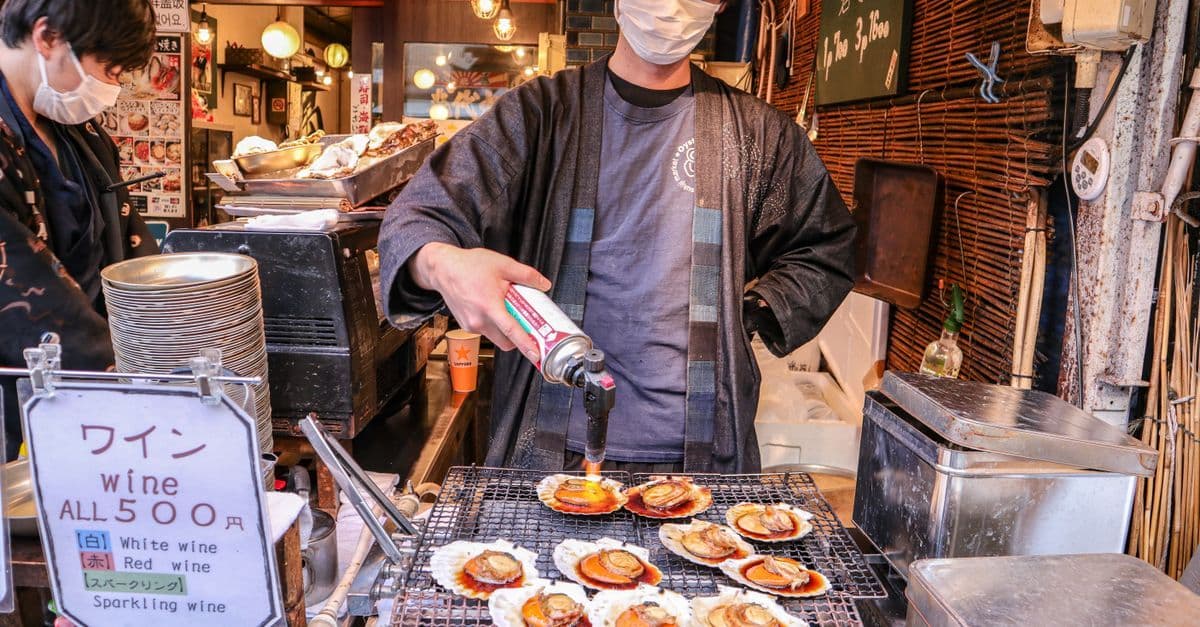
Miso soup and edamame open virtually every table at a Tokyo Grill restaurant. Skip them only if the lunch combo doesn't bundle them in. The hibachi steak and shrimp combination is the centerpiece at most locations: two proteins, tableside fried rice, and sautéed vegetables, all cooked in front of you on one plate. First visit? That's where to start.
The miso is typically a clean dashi-and-tofu broth with scallion, light enough that it doesn't compete with what follows. Edamame arrives salted and warm, the kind of opener that barely registers on the tab but gives you something to work on while the chef heats the griddle.
Teriyaki chicken is the low-risk alternative and a reliable kitchen quality check. Good teriyaki chicken at this price point clings with glaze and shows real char marks. If it arrives pale or sauced with thin, watery liquid, that's a useful read on what the kitchen is working with.
Most locations let you build combination plates by mixing proteins. Steak and shrimp is the most popular starting point. Shrimp is the more forgiving option: it cooks quickly on the griddle and doesn't demand the timing precision that scallops require in a high-volume setting.
The tableside fried rice gets underestimated.
The cook hits it with butter and soy at high heat, scrambles eggs directly into the grain, and the rice absorbs cooking residue from every protein that came before it on the griddle. Done right, the bottom layer develops a light crisp. That's the actual skill moment of the meal.
Lunch specials hit the format's sweet spot. The full teppanyaki experience with soup included, at midday pricing, is a solid entry point without committing to a dinner tab. Order the combination plate, let the chef handle the heat, and you get a clear picture of what the format does well.
US Tokyo Grills do the format well. Tokyo itself does it differently.
How Tokyo Grill in the US Compares to Japanese Grilling in Japan
US Tokyo Grill restaurants run on chef performance. A Tokyo yakiniku (Japanese table-top BBQ) bar hands the grill to you. Japan's dining culture around grilled meat is quieter, more focused on ingredient quality, and built around specialization rather than tableside theater.
That gap is wider than most first-time visitors expect.
Tokyo's yakiniku scene often zeros in on a single protein, sometimes a single cut from one prefecture. Some restaurants serve nothing but tongue, sliced thin and seasoned two ways. Others focus entirely on short rib.
The idea of a kitchen running sushi, teriyaki, and noodle dishes alongside a grill would strike most Tokyo diners as unusual. The US Tokyo Grill model bundles all of that together, which suits a birthday dinner for twelve who need to agree on a spot. It's a different product, not a lesser one.
On price, the two formats land in similar territory. A yakiniku dinner in Tokyo runs 3,000 to 6,000 yen per person, roughly $20 to $40 at current exchange rates. That falls in the same range as the US dinner pricing covered earlier. What shifts is what you're buying: in Japan, smaller portions, significantly better beef, less entertainment, and a room quiet enough for actual conversation.
Tokyo's food culture is built around radical specialization. One address, one discipline, done as well as it can be done. A tonkatsu shop serves breaded pork cutlets. A tempura counter does tempura.
The US model trades that depth for variety and group-dining practicality, which is a reasonable exchange depending on the evening.
US Tokyo Grill vs. Tokyo Yakiniku: At a Glance
Neither format is wrong. They're built for different evenings, different group dynamics, and different expectations of what dinner is supposed to feel like.
Planning to see Tokyo firsthand? There's one practical thing to sort before you land.
Staying Connected in Tokyo: eSIM, SIM Card, and WiFi Options
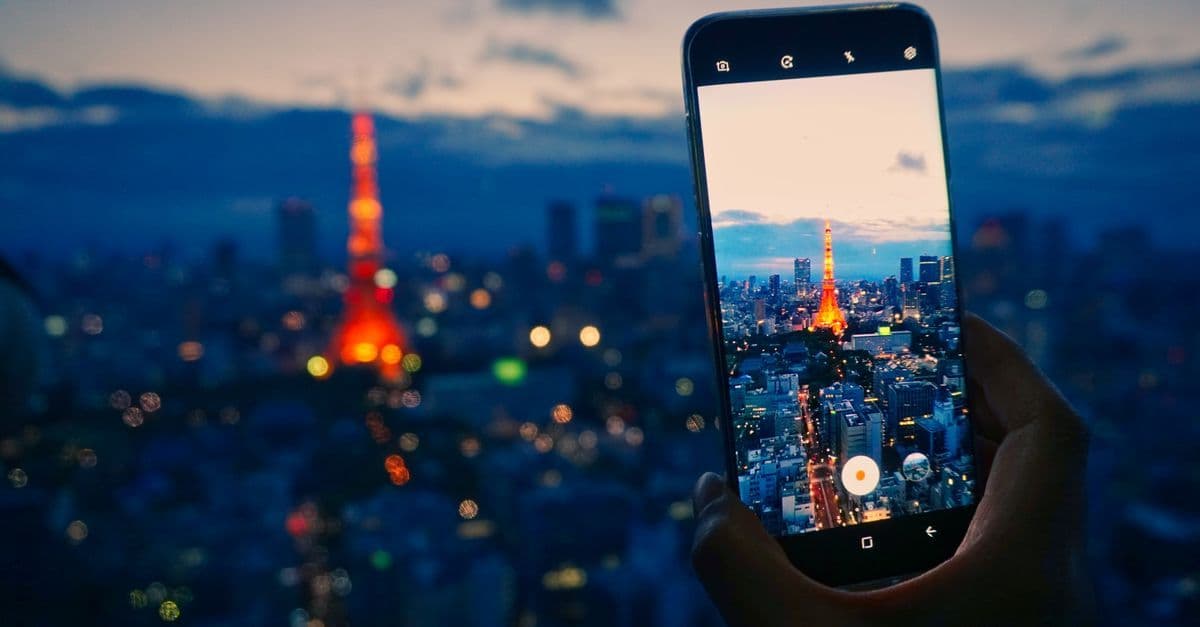
Japan's mobile networks cover 99% of the population on 4G LTE, with 5G live across Tokyo, Osaka, Fukuoka, and Nagoya. Signal is rarely the problem. What you pay for access is.
AT&T and Verizon both offer international day passes for Japan. For a long weekend, that math can work out. Stretch the trip to 10 or 14 days and the daily charges compound into a bill that rivals the flight home.
T-Mobile's Magenta plan includes free international data for Japan, but throttled to speeds that handle light email and little else. That covers a boarding pass check; it won't handle live navigation through Tokyo's transit system or running a camera translation app at a standing ramen counter in Shinjuku.
An eSIM removes the airport friction entirely. Purchase via Apple Pay or Google Pay in under a minute, the QR code lands in your inbox, and your phone connects to a Japanese carrier's network the moment you land at Narita or Haneda. No kiosk queue. Physical tourist SIMs are available at both airports but require a dedicated service counter, paperwork, and a wait of around 20 minutes, which follows an already lengthy immigration line.
Hotel Wi-Fi deserves a realistic assessment. Tokyo's business hotels often deliver solid lobby speeds. Guesthouses and smaller properties are less consistent. For live maps and real-time translation in a city where most street signage is in Japanese, depending on hotel connectivity alone means managing gaps throughout the day.
Japan introduced eSIM-friendly tourist SIM regulations in 2023, making it one of the most accessible Asian markets for tourist eSIM activation. HelloRoam's Japan eSIM runs on KDDI/au's 5G network. The 3GB, 30-day plan is ~$6.99; for a longer trip or heavier data use, the 10GB option runs ~$15.99.
Key fact: HelloRoam's Japan eSIM operates on KDDI/au's 5G network, covering central Tokyo, Osaka, Fukuoka, and Nagoya.
For most 10-day itineraries, 3-5GB handles navigation, translation apps, and daily messaging comfortably. Two common questions come up before any Japan trip.
Is Tokyo Grill Food Actually Japanese?
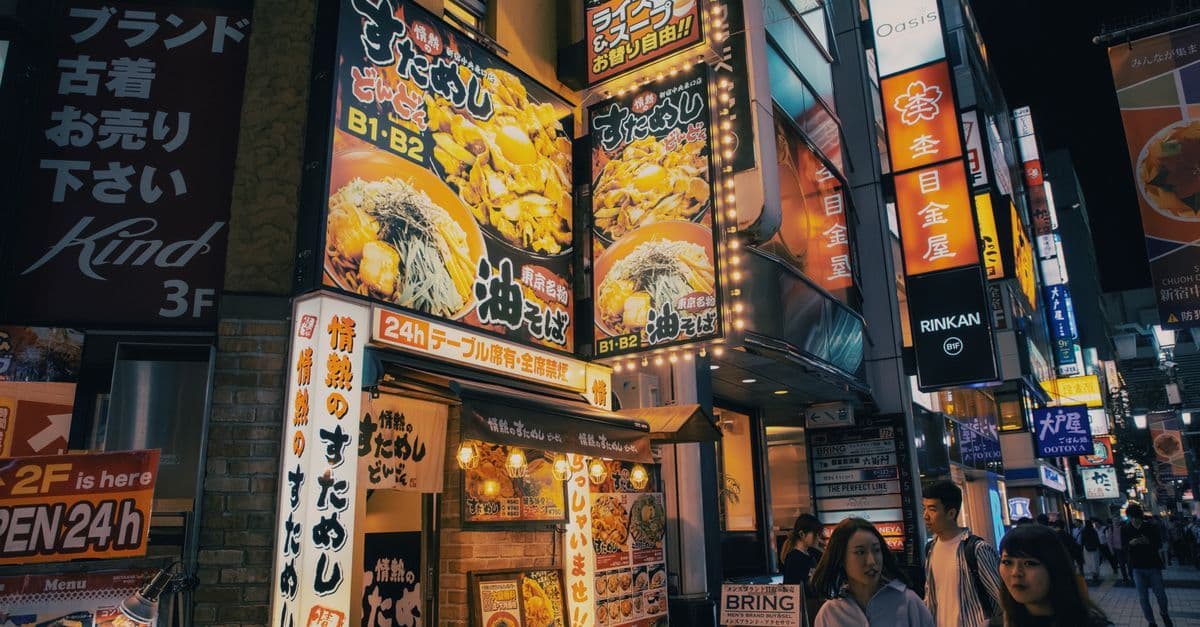
Tokyo Grill restaurants in the US serve Japanese-American fusion, not Japanese cuisine as it exists in Japan. The core cooking techniques are genuinely Japanese; the tableside entertainment format is a product of American dining culture from the 1960s.
Teppanyaki originates in Japan. So does the teriyaki method, a glaze of soy sauce and mirin (sweet rice wine) reduced over heat that has appeared in Japanese kitchens for centuries. These techniques crossed the Pacific intact and remain the foundation of what US Tokyo Grill restaurants serve.
The chef performance didn't come from Japan.
That format developed in the United States, most prominently at a New York restaurant that opened in 1964 and built its entire concept around the chef-as-entertainer model. It proved popular with American diners and spread through the broader Japanese-American restaurant category over the following decades. Tokyo Grill restaurants inherited the format through American culinary history, not Japanese tradition.
Sauces mark another clear departure. The creamy pink-orange condiment common at most US Japanese grills doesn't appear in Japan in that form. Teriyaki sauce in the US runs sweeter and heavier than its Japanese source, which is typically drier and more focused on underlying soy and umami notes.
Japan's restaurant culture moves in a quieter, more concentrated direction. Smaller rooms, shorter menus, more attention on a single technique or ingredient done as well as possible. The concentration that makes a Tokyo teriyaki counter remarkable is exactly what the US multi-category format trades away for group-dining convenience.
Both approaches work. They're just solving different problems.
One more distinction worth pinning down before your first visit.
What Makes Tokyo Grill Different from a Regular Japanese Restaurant?
The core difference is format. A Tokyo Grill restaurant bundles teppanyaki, teriyaki, and often a sushi counter under one roof, built around communal tables where a chef cooks in front of the group. Specialist Japanese restaurants don't work that way.
Ramen shops focus on broth. Sushi bars focus on fish. Izakayas pour drinks and pass small plates. Each format goes deep on one corner of Japanese cooking.
The teppanyaki-forward restaurant takes the opposite approach: broad coverage, one visit, one check.
The chef at the center of the table is the biggest structural distinction. Teppanyaki cooking is interactive by design. The chef controls the pace, the temperature, the fire, and the spectacle. That performance doesn't exist in most specialist Japanese restaurants, where kitchen work stays behind a counter or in a back room.
Group tables change the dynamic entirely.
These restaurants seat guests at long communal grills, which means you're typically sharing the meal with a large party or even strangers. A ramen counter seats you solo or in pairs, face-forward, without much conversation. The communal format makes this the right call for birthday dinners, work outings, and family gatherings where shared experience matters as much as the food itself.
On price, Tokyo Grill dinner sits in that mid-upscale band noted earlier, making it more of a destination dinner than a casual weeknight stop. That's by design. The entertainment value, the portion sizes, and the multi-course structure push it well above a solo sushi lunch or a quick ramen bowl.
Pick the specialist restaurant when you want depth in one dish. Pick the communal grill experience when you want variety and spectacle at the same table.
Reviewed by HelloRoam's editorial team. Last updated: 22 June 2026.
Get Connected Before You Go


Frequently Asked Questions
Tokyo Grill refers to dozens of independent, unaffiliated Japanese-American fusion restaurants across the US. The name is shared but not franchised. Menus typically combine teppanyaki grilling, teriyaki entrees, and sushi.
Tokyo Grill is not a single chain or franchise. The name is shared by dozens of independent, unaffiliated restaurants across the US, from Houston to Atlanta to Northern Virginia, with no parent company connecting them.
Teppanyaki means iron-griddle cooking. True hibachi is a small Japanese charcoal brazier used for heating rooms, not a cooking surface. US restaurants adopted the word hibachi through mid-century marketing despite it being technically incorrect.
Tokyo Grill serves Japanese-American fusion, not traditional Japanese cuisine. Core techniques like teppanyaki and teriyaki are genuinely Japanese, but the tableside chef performance and sweet sauces are American adaptations.
The hibachi steak and shrimp combination is the recommended starting point. It includes two proteins, tableside fried rice, and sauteed vegetables all cooked in front of you, and represents the format at its best.
Lunch typically costs $10 to $18 per person. Dinner ranges from $18 to $38. Lunch specials offer the best value, delivering the full teppanyaki experience with soup included at midday pricing.
US Tokyo Grill features a teppanyaki chef cooking tableside on a flat iron griddle. Japanese yakiniku has diners grilling thin-sliced beef themselves over a table-recessed charcoal or gas grill, with no chef performance.
Tokyo Grill bundles teppanyaki, teriyaki, and sushi under one roof at communal tables with chef entertainment. Specialist Japanese restaurants focus on one dish such as ramen or sushi, without tableside performance or group grill tables.
Yakiniku is Japanese table-top BBQ where diners grill thin-sliced beef, pork belly, and short ribs themselves over a recessed grill. Teppanyaki uses a flat iron griddle operated by a chef performing tableside.
Japanese teriyaki uses a soy and mirin glaze that is drier and more focused on umami. The US version is sweeter and thicker, shaped by Japanese-American communities in Hawaii and the Pacific Northwest.
A tourist eSIM is the most convenient option. It activates before you board, connects automatically on arrival at Narita or Haneda, and skips the airport SIM kiosk queue. Japan's networks cover 99% of the population on 4G LTE with 5G in major cities.
US carrier international day passes can work for short trips but compound into high costs on 10 to 14-day itineraries. A tourist eSIM typically offers better value for longer trips and activates without standing in airport queues.
Most 10-day itineraries need 3 to 5GB to cover navigation, translation apps, and daily messaging. That range comfortably handles live transit maps and camera translation in a city where most street signage is in Japanese.
Tokyo business hotels often deliver solid lobby speeds, but smaller guesthouses are inconsistent. Relying solely on hotel Wi-Fi means gaps throughout the day for live maps and real-time translation while out exploring.
Yes. Japan introduced eSIM-friendly tourist SIM regulations in 2023, making it one of the most accessible Asian markets for tourist eSIM activation. Plans on major 5G networks are available starting under $4 for short trips.
A yakiniku dinner in Tokyo runs roughly 3,000 to 6,000 yen per person, about $20 to $40 at current exchange rates. That overlaps with US Tokyo Grill dinner pricing, but delivers smaller portions, better beef, and a quieter atmosphere.