

Table of content
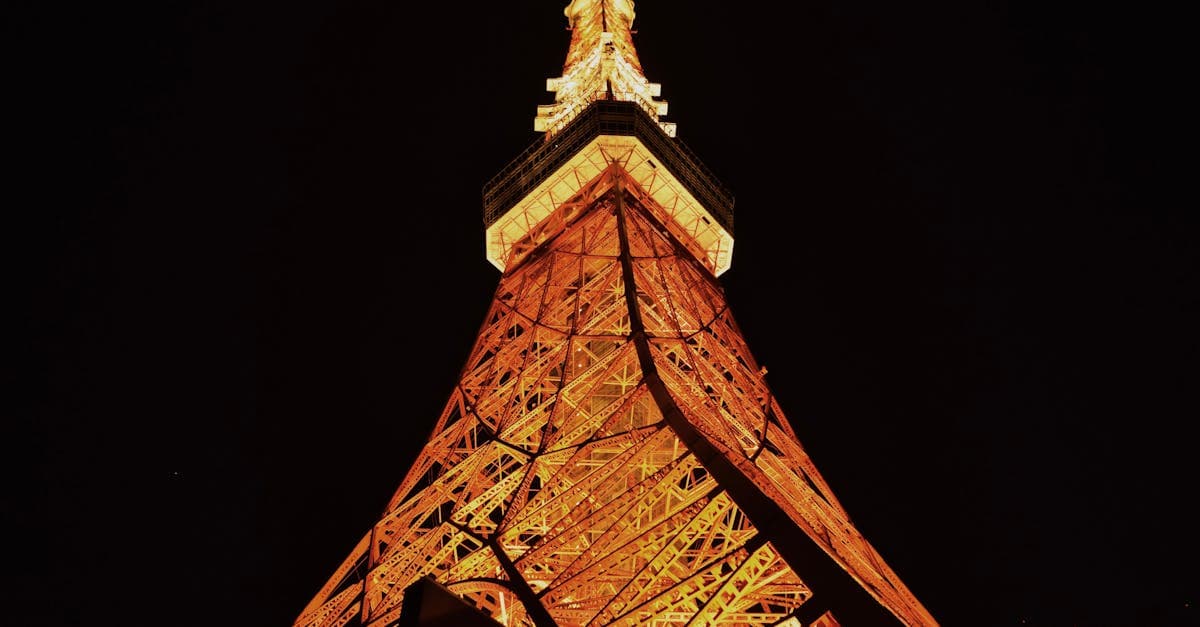
! [Illuminated Tokyo Tower glowing at night, a top landmark for things to do in Tokyo
Quick Answer: things to do in tokyo
! [Tokyo Tower and Akabanebashi Bridge on a bright day, iconic things to do in Tokyo
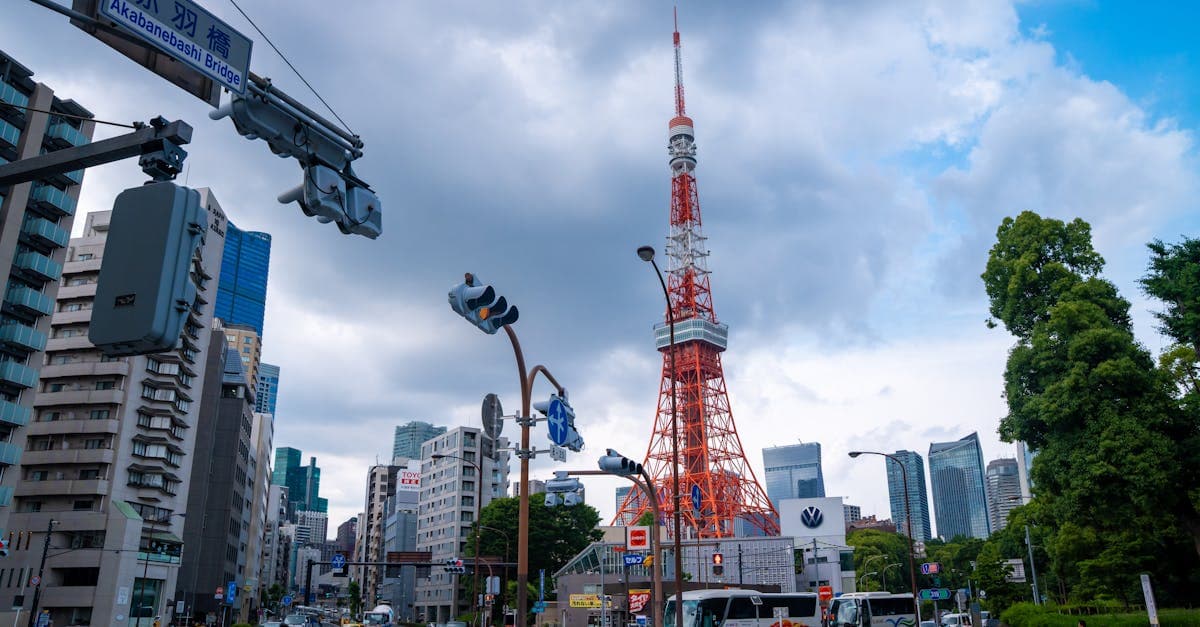
Tokyo offers more activities per square kilometre than almost any other city on earth. The essentials: ancient temples in Asakusa, the Shibuya Scramble crossing, immersive digital art at TeamLab Borderless, Tokyo DisneySea, and the animated backstreets of Shinjuku. Free entry covers a remarkable portion of the standout experiences littlegreybox.net.
Australian passport holders need no visa for stays up to 90 days, and the time zone gap is minimal: Japan Standard Time sits just one hour ahead of Sydney in summer. In Tokyo, mobile data runs the practical side of daily navigation. Google Maps and Google Translate handle subway routing and menu translation, and both apps need live data to function. For a Japan eSIM-vs-roaming)-saint-vincent-and-the-grenadines) running on KDDI/au's 5G network, HelloRoam's eSIM for Japan starts at ~$2.10 for 1GB over 7 days.
Between zero-cost shrines and ticketed attractions reaching around A$115 for a day at DisneySea, the city suits most Aussie travel budgets. Tokyo is heavily cash-dependent, so arrive with JPY.
Top Things to Do in Tokyo at a Glance
! [Commuters waiting on a busy Tokyo train station platform during rush hour
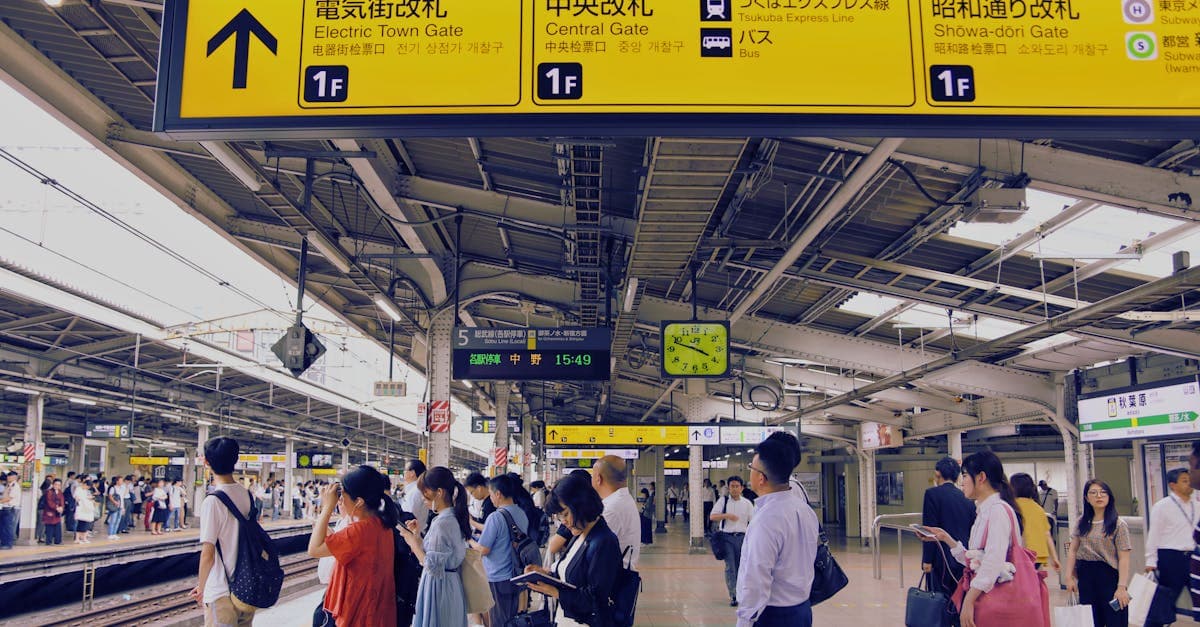
Tokyo's top experiences divide into four categories: ancient temples, technology-driven art, world-class theme parks, and neighbourhood food culture. The picks below cover every major draw, along with the honest trade-off for each. Knowing where advance booking is mandatory saves real time once you're on the ground.
- Senso-ji, Asakusa - Free entry; Tokyo's oldest Buddhist temple. Arrive before 8am or face dense crowds along Nakamise-dori for the rest of the day.
- Meiji Shrine, Harajuku - Free entry; forested grounds offer rare quiet in central Tokyo. Inner garden adds ~A$5.
- TeamLab Borderless, Azabudai Hills - Immersive digital art at ~A$34 to A$40. Sells out weeks ahead; book before you finalise flights klook.com.
- Tokyo DisneySea - Dynamic pricing starts at ~A$83 per adult. Fantasy Springs, opened June 2024, added Frozen, Tangled, and Peter Pan to an already spirited park klook.com.
- Shibuya Sky - Open-air rooftop views at ~A$21. Less queued than Tokyo Skytree on weekday mornings.
- Shinjuku at night - No entry fee. Kabukicho, Omoide Yokocho, and the Golden Gai bar alleys reward an unhurried wander.
The most common mistake when planning things to do in Tokyo is front-loading paid attractions. Tokyo's free material competes directly with its ticketed highlights. Now, which districts deserve your first day?
The Best Things to See in Tokyo by Neighbourhood
! [Rainbow Bridge and Tokyo skyline viewed from Minato City waterfront on a clear day
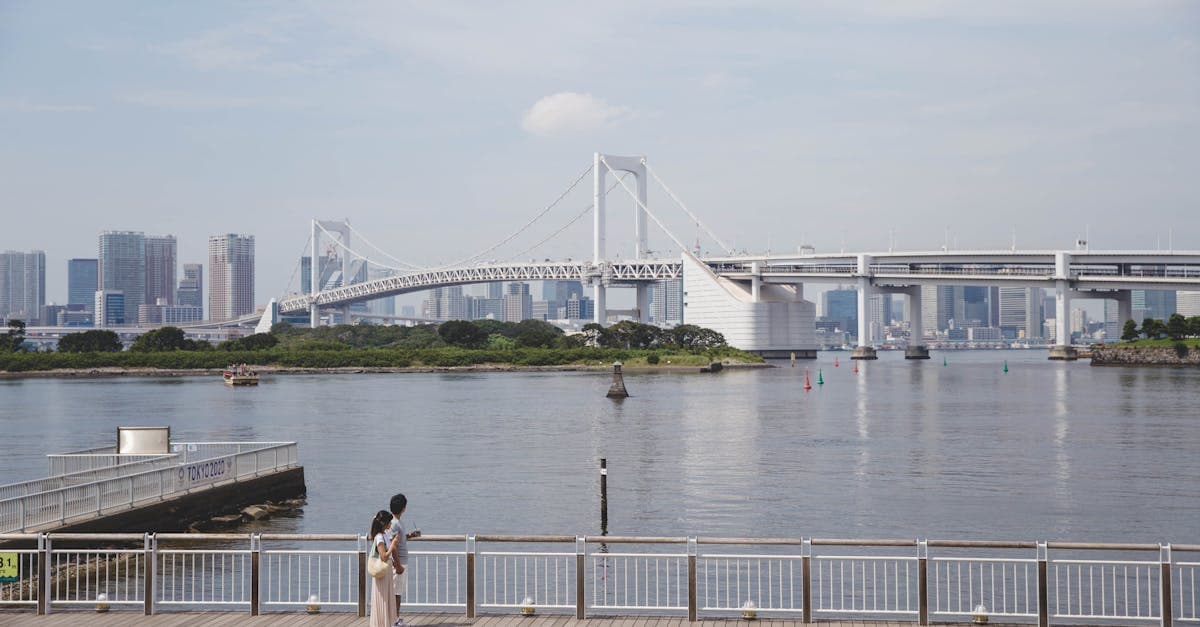
The best neighbourhoods for sightseeing in Tokyo are Asakusa, Shibuya, Harajuku and Omotesando, and Shinjuku. Each ward carries a distinct personality: Asakusa runs on tradition and street food; Shibuya on energy and fashion retail; Yanaka on quiet wooden shopfronts and neighbourhood cats. Grouping nearby attractions together cuts Metro trips significantly in a city where each district sits a brisk ride from the last.
The Tokyo Metro 72-hour pass covers unlimited rides for around A$15.80, a sensible outlay if you're crossing two or more zones daily littlegreybox.net. The range of things to do in Tokyo is vast enough that planning by neighbourhood cluster rather than by attraction category saves both Metro trips and decision fatigue. Senso-ji and Tsukiji outer market sit close together in east Tokyo, easily covered in a single morning. Shibuya Sky and Meiji Shrine are near enough in the west to fill one afternoon without backtracking.
Tokyo's subway map looks daunting. It isn't. The Yamanote Line runs as the outer loop: grasp that, and the rest follows. Live map data does real work here: real-time platform numbers, last-train alerts, and crowding indicators all depend on a current connection. Offline maps handle surface navigation well, but subway transfers need live data to stay accurate.
For return visitors, Yanaka and Shimokitazawa reward a slow afternoon. Shimokitazawa is a compact tangle of vintage clothing shops and jazz cafes that most Tokyo listicles skip entirely.
Start with Asakusa before the crowds arrive.
Asakusa, Senso-ji, and Tsukiji Market
! [Crowds walking through Nakamise Street toward Senso-ji Temple, one of the best things to do in Tokyo
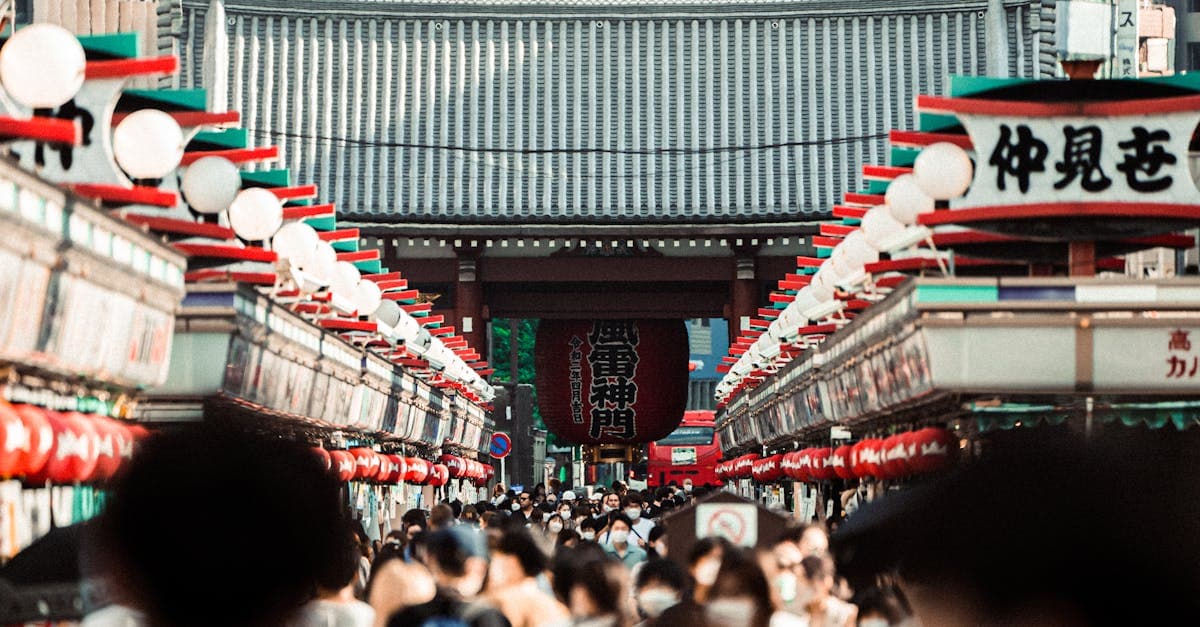
Asakusa is Tokyo's most cohesive historical district. Senso-ji, the city's oldest Buddhist temple, anchors the neighbourhood and costs nothing to enter japan-guide.com. Tsukiji outer market, a short ride south, thrives with street food stalls and remains one of the more rewarding early-morning stops in the city.
What makes it work: The walk through Kaminarimon Gate, along lively Nakamise-dori, and into the temple grounds passes souvenir stalls and traditional craft shops in quick succession. Rickshaw rides start near the gate for a narrated circuit of the surrounding streets. At Tsukiji outer market, the smell of charcoal smoke and brine drifts into the lane before the stalls come into view — fresh seafood and hot snacks at street-side counters from early morning make it one of the more satisfying breakfasts in Tokyo, full stop.
The honest trade-off: Tour groups fill Senso-ji from around 9am. An early start solves it entirely. The temple before the stalls open carries a different atmosphere: quieter, less performative, closer to what the place actually is.
The neighbourhood pairs well with a Sumida River walk east of the shrine, where tourist density drops sharply. Half a day here is enough; combine it with Ueno or Akihabara if the afternoon is free.
From old Tokyo, head west to modern chaos.
Shibuya, Harajuku, and Meiji Shrine
! [Visitors strolling a vibrant street near a traditional torii gate in Shibuya, Tokyo
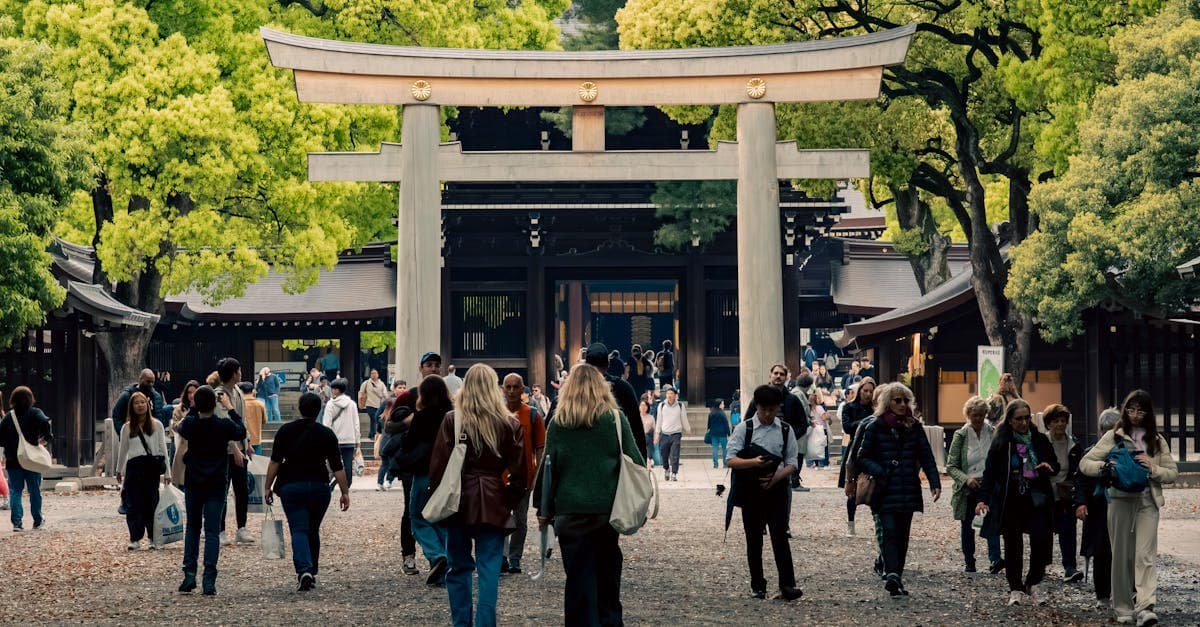
Three neighbourhoods, one logical route. Walk them in sequence from south to north and you cover the full spectrum from brisk urban spectacle to forested shrine without backtracking.
Step 1: Shibuya Scramble Crossing. The world's busiest pedestrian crossing is best understood on two levels. Ground level gives you the physical experience: six streams of pedestrians crossing simultaneously at a full light change. For scale, take the lift to the Mag's Park terrace directly opposite the station. It's free, it faces the crossing, and it makes the choreography legible in a way standing in the crowd does not klook.com.
Step 2: Shibuya Sky. The observation deck atop Shibuya Scramble Square charges the admission noted in the earlier overview. Book your timeslot online; walk-up tickets on weekends frequently sell out before 2pm.
Step 3: Takeshita Street. A ten-minute walk north deposits you in Harajuku's pedestrian fashion lane. Costume shops, independent streetwear labels, and crepe stalls compete loudly for the same narrow strip. The energy here is animated and very specifically its own thing. Weekend afternoons are spirited; weekday mornings, you can actually browse.
Step 4: Meiji Shrine. Cross Omotesando and the city disappears. The forested approach path runs several hundred metres before the main hall. Entry is free. The contrast with Takeshita Street is immediate and deliberate.
Omotesando itself rewards a slower return south: Prada's Herzog and de Meuron glass facade sits two doors from a specialty coffee roaster most visitors walk straight past.
So what absolutely cannot be skipped in Tokyo?
What Should I Not Miss in Tokyo?
! [Tokyo Tower lit up over the glowing cityscape at night, a must-see among things to do in Tokyo
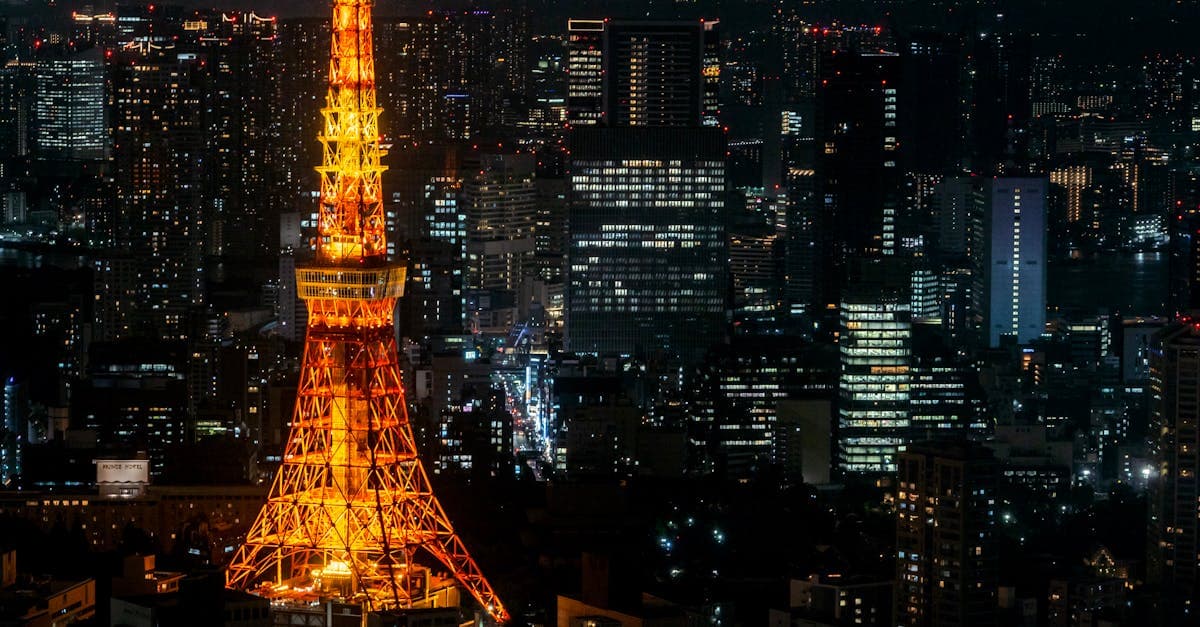
Seven things to do in Tokyo cover the essential range for first-time visitors, from world-class immersive art to the city's finest public garden. Each comes with a practical caveat worth knowing before you queue.
TeamLab Borderless, Azabudai Hills The draw: The 2024 relocation produced a larger, more technically ambitious installation than its predecessor at Odaiba. If you've not seen it before, this is the version to see. The catch: Tickets at the prices noted in the overview sell out weeks ahead. Book the moment you confirm travel dates.
Tokyo Skytree Tembo Deck The draw: The world's tallest broadcasting tower at 634 metres japan-guide.com. Tembo Deck entry runs around AUD 22 to 33 depending on the tier; the lower level gives city panoramas and, on cold clear mornings, a direct Fuji sightline. The catch: Haze eliminates views entirely. Check the webcam before making the trip; cloud cover below the deck renders the upper level pointless.
DisneySea Fantasy Springs The draw: The Frozen, Tangled, and Peter Pan expansion opened in June 2024. Genuinely popular and unlike anything else in the park. The catch: Buy tickets at the dynamic pricing noted in the overview before arrival. Gate sales on busy dates sell out.
Ikebukuro arcades The draw: Multi-floor gaming buildings stacked from casual crane machines to dedicated rhythm game floors. Entry is free. The catch: None significant.
Shinjuku Gyoen The draw: Tokyo's most carefully maintained public garden, with distinct French formal, Japanese landscape, and English lawn sections. The catch: The entry fee listed earlier applies per person, and alcohol is prohibited inside the grounds.
Park Hyatt Tokyo, New York Bar The draw: Fifty-two floors above Shinjuku, the bar carries weight that a photograph cannot fully convey. The catch: Drinks are priced to match the elevation. One drink and the view is the sensible approach.
Nezu Museum The draw: A Zen garden and focused Japanese art collection behind Omotesando's boutique strip. Almost nobody seems to know it's there. The catch: The gallery and garden charge separately, and afternoon hours are limited on some days. Confirm before visiting.
Tokyo also rewards those who stray off the main path.
What to Do in Tokyo Beyond the Tourist Trail
! [Tokyo Tower glowing against the night sky, representing unique things to do in Tokyo beyond tourism
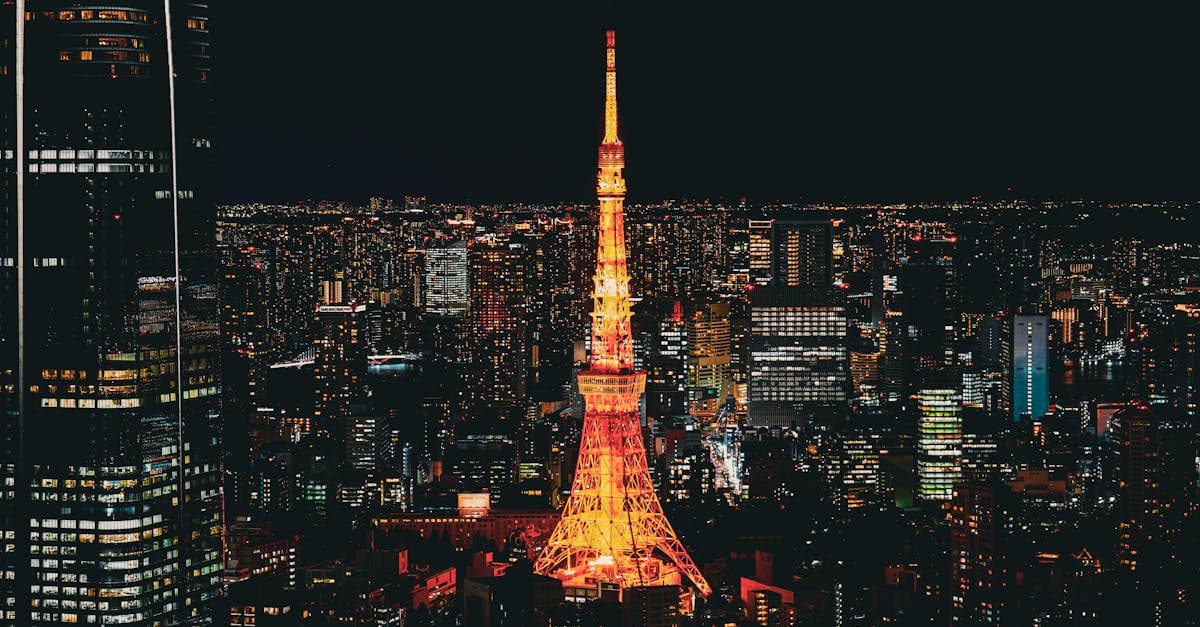
The off-trail neighbourhoods worth visiting in Tokyo include Yanaka, Shimokitazawa, Kagurazaka, and the Nezu Shrine area. These districts sit far enough from major transit hubs that most visitors never recalculate their route, yet each offers something harder to replicate than the standard circuit.
Yanaka
Yanaka survived the 1923 Kanto Earthquake and the subsequent wartime bombing largely intact. That piece of luck produced a neighbourhood of wooden shopfronts, a cemetery that doubles as an atmospheric park, and a covered market street called Yanaka Ginza where residents still buy fish and seasonal produce. No tour coaches stop here. The pace is slow. It's the most honest glimpse of Edo-era Tokyo that still functions as a living neighbourhood rather than a preserved exhibit.
Shimokitazawa
One stop west of Shinjuku on the Odakyu line, the city recalibrates entirely. Shimokitazawa runs on vintage clothing shops, vinyl record stalls, and a lively independent music scene that local residents protect with considerable possessiveness. The cafes have handwritten menus and tables spilling onto lanes barely wide enough for two people. On weekends, people drift rather than rush. That's the correct pace for this neighbourhood.
Kagurazaka
Once the geisha district favoured by Tokyo's French expatriate community, Kagurazaka now holds French bistros alongside traditional kappo restaurants in the same stone alleyways. The hidden passages behind the main street, called yokocho, are easy to walk past and worth the slow exploration.
Nezu Shrine
The tunnel of vermilion torii gates here offers the same visual motif as Kyoto's Fushimi Inari at a fraction of the crowd density. You can actually stop inside the passage and look around without being jostled out of the frame heatheronhertravels.com.
Local covered markets, called shotengai, appear throughout residential areas well away from tourist routes. They run on everyday commerce rather than curation, and show an energetic side of Tokyo life that the set-piece attractions simply cannot replicate.
Tokyo also makes an ideal base for regional day trips.
Day Trips from Tokyo Worth the Journey
! [Colourful store signs and lanterns lining a lively Shinjuku street in Tokyo, Japan
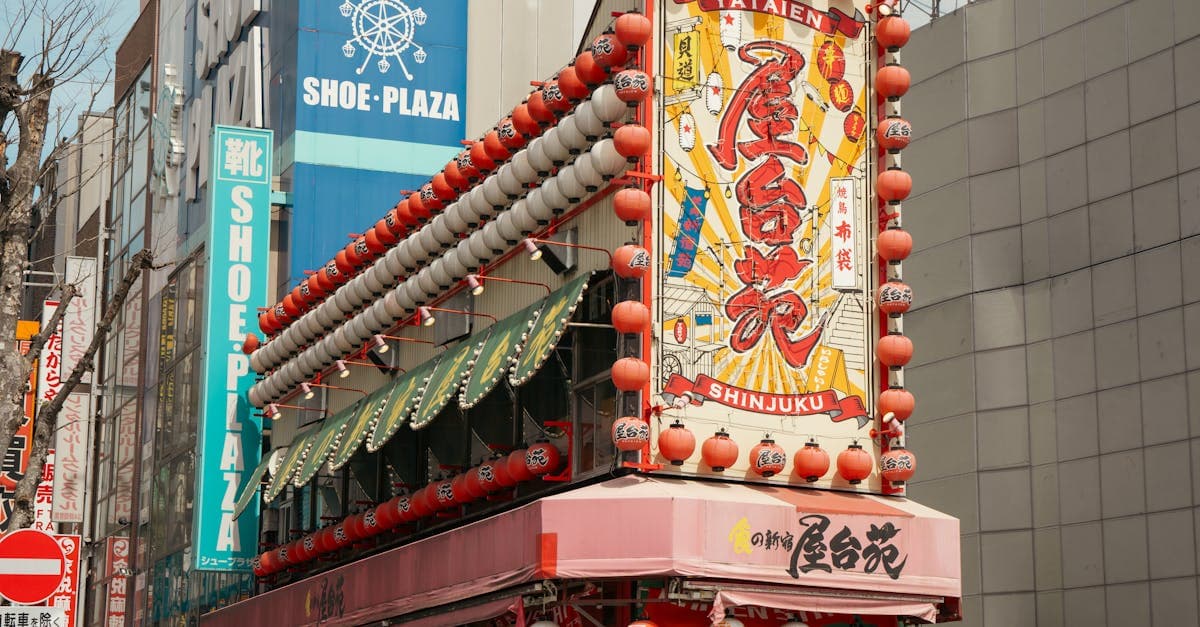
Three destinations within two hours of central Tokyo consistently justify the early start and the return ticket.
Kamakura (1 hour via Yokosuka or Shonan-Shinjuku line) Worth it: The Great Buddha at Kotoku-in and the surrounding coastal temples make for a satisfying half-day. The inter-temple hiking trail through forested hills is quiet on weekdays heatheronhertravels.com. Plan for: Five to six hours on the ground. Arrive by 9am before the coach groups.
Nikko (2 hours north via Tobu Nikko line from Asakusa) Worth it: The Tosho-gu shrine complex is the most ornate in Japan. Kegon Falls adds waterfalls and a completely different landscape within easy reach. Plan for: A full day minimum. Accommodation exists for those extending overnight.
Hakone (90 minutes from Shinjuku via the Romancecar limited express) Worth it: Fuji views from Owakudani on clear days, open-air hot spring bathing, and ryokan stays with kaiseki meals. Plan for: An overnight stay is the obvious choice. A day trip to Hakone feels rushed given the travel time involved.
Japan Rail Pass
The seven-day pass costs around AUD 526. The arithmetic is straightforward: it pays off only with two or more long-distance Shinkansen round trips. For Tokyo-based day trips to Kamakura, Nikko, and Hakone alone, individual point-to-point tickets work out cheaper.
Rural sections of all three routes carry patchy or absent free Wi-Fi. Download Google Maps offline before you depart; live transit updates and real-time restaurant searches still need an active data connection. An eSIM activated before you fly keeps navigation running reliably across all three routes without gaps.
All these trips demand one thing: reliable mobile data.
Staying Connected in Tokyo: eSIM and Wi-Fi Options
! [Capturing Tokyo Tower and city skyline through a smartphone screen at night
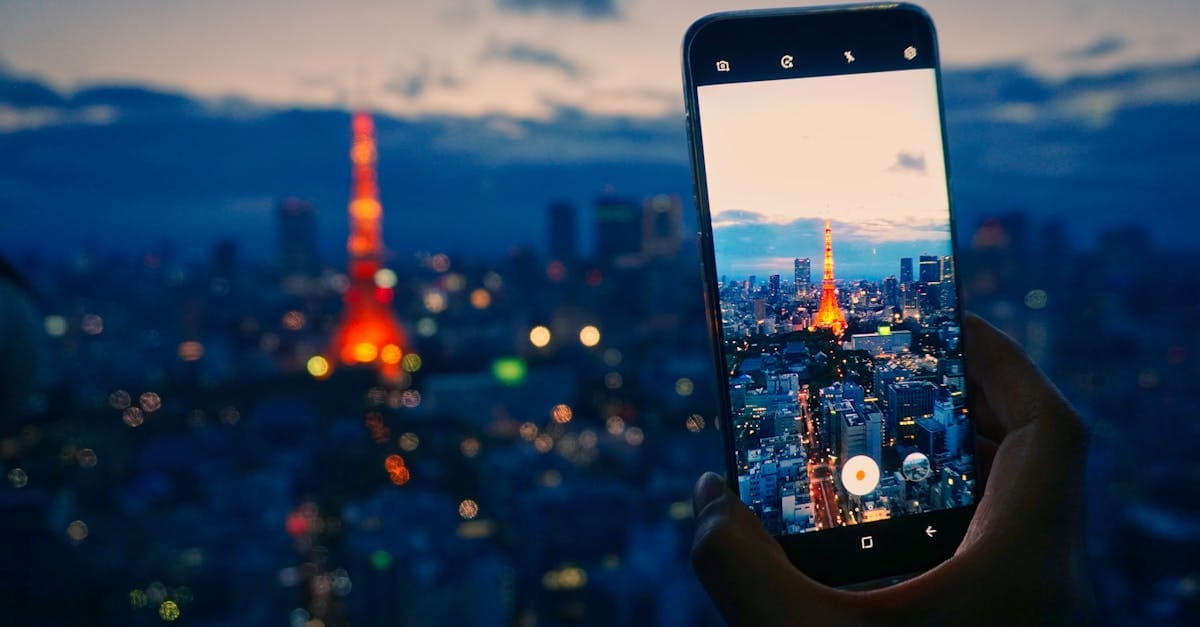
The main connectivity options for visitors to Tokyo are eSIM plans, pocket Wi-Fi rental, and convenience store Wi-Fi. An eSIM activates before departure and removes the battery and device-carrying constraints of pocket Wi-Fi rental. Google Maps needs a live connection for real-time Metro routing, Google Translate's camera mode fails offline, and the Suica app syncs balance top-ups over mobile data. Here are the practical options in order of reliability.
Step 1: Understand the real data demand
Google Maps offline mode downloads street maps but misses live train delays and platform changes. Google Translate's camera feature, pointed at a kanji menu or a shrine notice board, calls the server with every scan. QR menus at most Tokyo restaurants link to live web pages rather than static images. A full day of navigation, translation, and the odd map search adds up faster than most travellers expect.
Step 2: Compare what's actually on offer
Pocket Wi-Fi rental runs AUD 8 to 15 per day, collected at a dedicated counter in Narita or Haneda arrival halls. Battery life rarely survives a full sightseeing day, signal drops in Metro tunnels, and you're carrying an extra device. Convenience store Wi-Fi (7-Eleven, Lawson, FamilyMart) is free but demands fresh registration each visit and cuts out underground, precisely where you need navigation most.
An eSIM removes both trade-offs.
Step 3: Choose a plan before you board
HelloRoam's Japan eSIM runs on KDDI/au (5G) and NTT Docomo networks, covering Tokyo's central wards and the surrounding region. Activating it at home means you land with data already running, no queue at the airport kiosk. The starting plan (noted in the overview above) suits a short city break; a week of active navigation and day trips realistically demands 3 to 5GB.
Pocket Wi-Fi makes sense when costs split across a group. Solo travellers adding Kamakura or Nikko to the itinerary will find an eSIM cheaper and considerably less hassle.
Now: how much time do you actually need in Tokyo?
Are 3 Days Enough in Tokyo?
! [Tokyo Tower shining brilliantly at night, highlighting the best things to do in Tokyo in 3 days
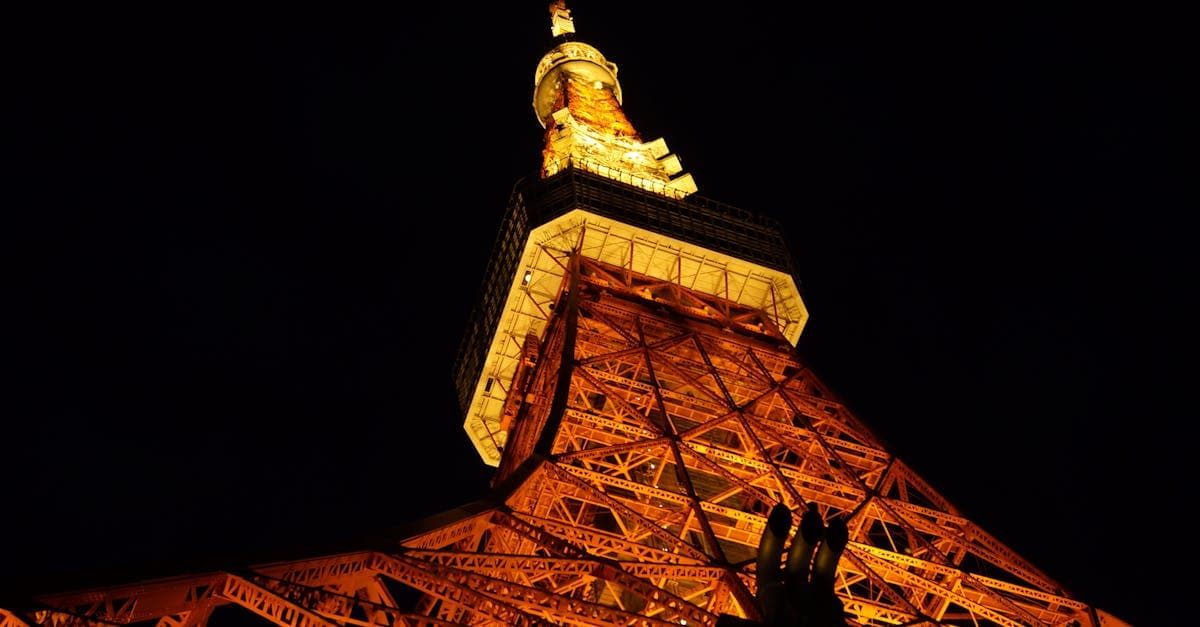
The headline attractions fit into three days. Asakusa, Shibuya, and Shinjuku are all reachable on a focused itinerary, and the Metro 72-hour pass earns its value across three days of cross-city movement. For first-time visitors who want anything beyond that core, three days is a starting point rather than a complete picture of the things to do in Tokyo. A neighbourhood off the main circuit, a day trip to Kamakura, a full afternoon in Shimokitazawa: each of those needs a minimum of four nights to slot in comfortably.
The case for three days
TeamLab Borderless at Azabudai Hills slots neatly into an evening, provided you've booked weeks ahead. Senso-ji, Meiji Shrine, Shibuya Scramble, and Harajuku Takeshita Street are achievable across two full days. The third day handles Shinjuku properly. That's a tight but satisfying circuit, and three days won't leave you feeling short-changed if you keep the agenda disciplined.
The case for staying longer
Jet lag from a 10-hour flight hits harder than most Australians expect. The first morning frequently disappears. With only three nights, you lose roughly a quarter of usable time before you've left the hotel. Five to seven days opens up at least one day trip (Kamakura is the obvious first choice), two genuine neighbourhood afternoons, and enough breathing room to eat well without rushing. Seven days is when Tokyo shifts from a checklist to something closer to actually living there.
Four nights is the floor for a first visit.
Add Kamakura or Hakone only once you're past the five-day mark. Before that, the transit time cuts too deeply into what's left.
Budget matters as much as time. Here is the breakdown.
Is $1000 Enough for 1 Week in Japan?
AUD 1,000 covers one week of things to do in Tokyo on a tight but achievable budget: roughly AUD 80 to 120 per person per day across accommodation, meals, transport, and a couple of paid attractions. Mid-range travellers spending AUD 150 to 250 daily get private accommodation, restaurant dinners, and museum entries without spreadsheet stress. Here's where the money actually goes.
The daily breakdown
Budget accommodation in central Tokyo (capsule hotels, hostels, compact business hotels) runs AUD 40 to 60 per night. Three meals at standing ramen bars and convenience stores costs AUD 5 to 15 each. Metro fares add a modest daily figure. Guided walking tours and paid attractions add AUD 30 to 80 per outing, depending on whether it's a neighbourhood stroll or a tasting experience in Tsukiji.
The cash problem Australians underestimate
Tokyo remains heavily cash-dependent in 2026. Credit cards work at major department stores and chain restaurants. Smaller izakayas, temple ticket booths, and most street food stalls don't. 7-Eleven ATMs accept foreign cards reliably and dispense JPY around the clock. Carry at least JPY 5,000 in notes at all times.
Connectivity in the budget
Carrier roaming adds AUD 100 or more for a seven-day trip. An eSIM plan for Japan typically costs AUD 25 to 40 for the same duration. That difference buys two or three extra restaurant dinners, which is a far better use of the budget.
AUD 1,000 is workable. It requires eating cheap for at least half your meals, skipping DisneySea, and limiting day trips to one. AUD 1,500 is where a first visit starts to feel genuinely comfortable rather than calculated.
Reviewed by HelloRoam's editorial team. Last updated: 11 April 2026.
Get Connected Before You Go




Frequently Asked Questions
First-time visitors should not miss TeamLab Borderless at Azabudai Hills, Tokyo DisneySea (especially the Fantasy Springs expansion opened June 2024), the Shibuya Scramble Crossing, Senso-ji Temple in Asakusa, and Tokyo Skytree. Shinjuku Gyoen garden and the New York Bar at Park Hyatt Tokyo round out the essential list. Book TeamLab Borderless and DisneySea tickets well in advance as both frequently sell out.
A $1000 AUD budget for one week in Tokyo is tight but manageable if you prioritise free attractions, which are plentiful. Many of Tokyo's best experiences — Senso-ji, Meiji Shrine, Shibuya Scramble Crossing, and neighbourhood wandering in Shinjuku and Yanaka — cost nothing. Paid highlights like TeamLab Borderless (~A$34–40) and DisneySea (~A$83+) will consume a significant portion of a limited budget, so select ticketed attractions carefully and stock up on JPY cash before arrival.
Three days in Tokyo is enough to cover the major highlights if you plan by neighbourhood cluster. Day one can cover Asakusa and Tsukiji market; day two Shibuya, Harajuku, and Meiji Shrine; day three Shinjuku and a ticketed attraction like TeamLab Borderless or Tokyo Skytree. You won't have time for off-the-beaten-track neighbourhoods like Yanaka or Shimokitazawa, which are better suited to a longer stay.
A $5000 AUD budget for two weeks in Japan is comfortable for most travellers. It covers transport including the Shinkansen for regional travel, mid-range accommodation, daily meals, and a good selection of ticketed attractions such as DisneySea, TeamLab Borderless, and Tokyo Skytree. Tokyo is heavily cash-dependent, so arrive with JPY. Travellers on this budget can also afford day trips to Kamakura and other destinations within two hours of central Tokyo.
Australian passport holders do not need a visa to visit Japan for stays of up to 90 days. Japan Standard Time is just one hour ahead of Sydney during Australian summer, making the time zone adjustment relatively easy for travellers from Australia.
The Tokyo Metro is the most efficient way to navigate the city. The 72-hour unlimited pass costs around A$15.80 and is worthwhile if you are crossing two or more zones daily. The Yamanote Line serves as the outer loop and is the easiest line to learn first. Live data is essential for real-time platform numbers, last-train alerts, and crowding indicators, so a reliable mobile data connection matters.
A Japan eSIM is one of the most convenient options for Australian travellers, offering instant connectivity without needing to swap a physical SIM. eSIM plans for Japan running on 5G networks start at approximately $2.10 for 1GB over 7 days. Mobile data is important for Google Maps subway routing and Google Translate menu scanning, both of which need a live connection to function accurately.
TeamLab Borderless at Azabudai Hills costs approximately A$34 to A$40 per person. The 2024 relocation produced a larger and more technically ambitious installation than its previous Odaiba venue. Tickets sell out weeks in advance, so booking as soon as travel dates are confirmed is strongly recommended.
Tokyo DisneySea uses dynamic pricing starting at approximately A$83 per adult, with costs rising on peak dates. The Fantasy Springs expansion, which opened in June 2024, added Frozen, Tangled, and Peter Pan themed areas to the park. Tickets should be purchased before arrival as gate sales on busy dates sell out.
Tokyo offers an exceptional range of free experiences. Senso-ji Temple in Asakusa, Meiji Shrine in Harajuku, the Shibuya Scramble Crossing, Nezu Shrine, and wandering the nightlife alleys of Shinjuku such as Omoide Yokocho and Golden Gai all cost nothing to visit. The Mag's Park terrace above Shibuya Station also offers a free view of the famous scramble crossing.
Shibuya Sky is an open-air rooftop observation deck atop Shibuya Scramble Square, costing approximately A$21 per person. It is generally less crowded than Tokyo Skytree, particularly on weekday mornings. Online booking for a timeslot is recommended as walk-up tickets frequently sell out before 2pm on weekends.
Yanaka, Shimokitazawa, Kagurazaka, and the Nezu Shrine area are the most rewarding off-trail neighbourhoods in Tokyo. Yanaka retains Edo-era wooden shopfronts and a market street that serves local residents. Shimokitazawa is known for vintage clothing, vinyl records, and independent live music. Kagurazaka features hidden stone alleyways with French bistros and traditional restaurants side by side.
Kamakura is one of the most rewarding day trips from Tokyo, reachable in about one hour via the Yokosuka or Shonan-Shinjuku line. The Great Buddha at Kotoku-in and the surrounding coastal temples make for a satisfying half-day itinerary. An inter-temple hiking trail through forested hills is particularly quiet on weekdays.
Yes, Tokyo remains heavily cash-dependent compared to many major cities. Travellers are advised to arrive with Japanese yen (JPY) rather than relying on card payments, particularly for smaller restaurants, street food stalls, temples, and local shops. ATMs at 7-Eleven convenience stores are a reliable option for withdrawing JPY with foreign cards.
Arriving at Senso-ji before 8am is strongly recommended to avoid the dense crowds that fill the Nakamise-dori shopping street and temple grounds from around 9am onward. The temple before the stalls open carries a noticeably quieter atmosphere and is closer to the site's original character. Combining an early Senso-ji visit with Tsukiji outer market makes for a very efficient morning in east Tokyo.
Sources
- japan-guide.com — japan-guide.com
- Best Things to Do in Tokyo — klook.com
- 49 Insanely cheap and free things to do in Tokyo — littlegreybox.net
- 10 unique things to do in Tokyo — heatheronhertravels.com