

Table of content
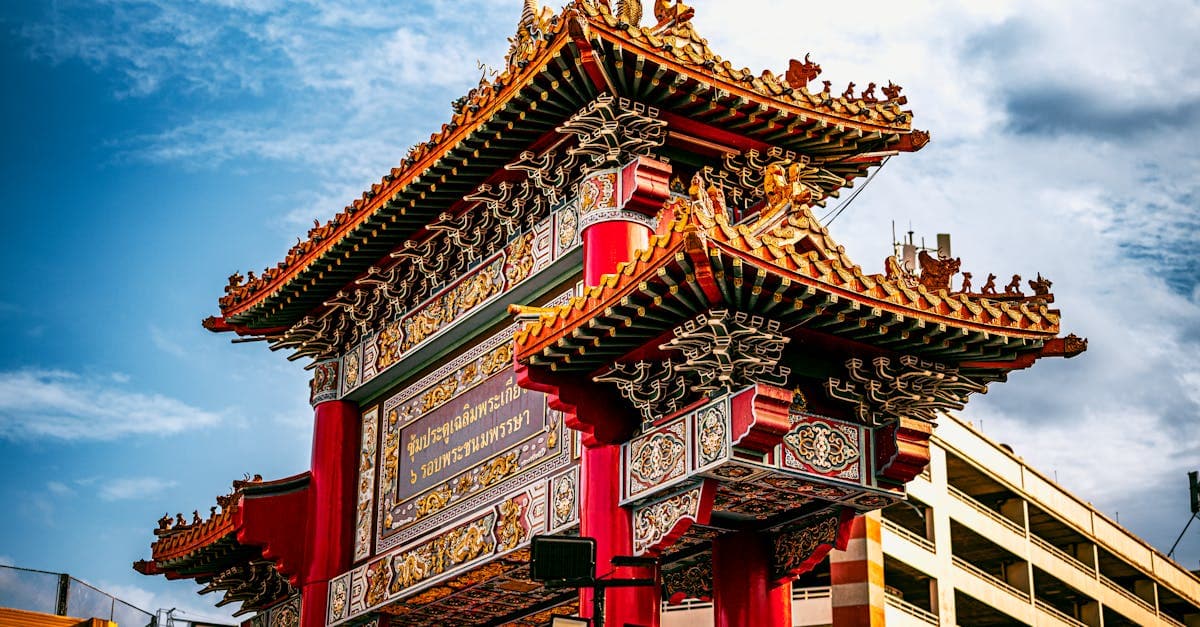
! [Vibrant Chinatown gate in Bangkok, one of the top things to do in Bangkok for architecture lovers.
Top Things to Do in Bangkok at a Glance
! [Grand Palace Bangkok gleaming in golden splendour, a must-see among things to do in Bangkok.
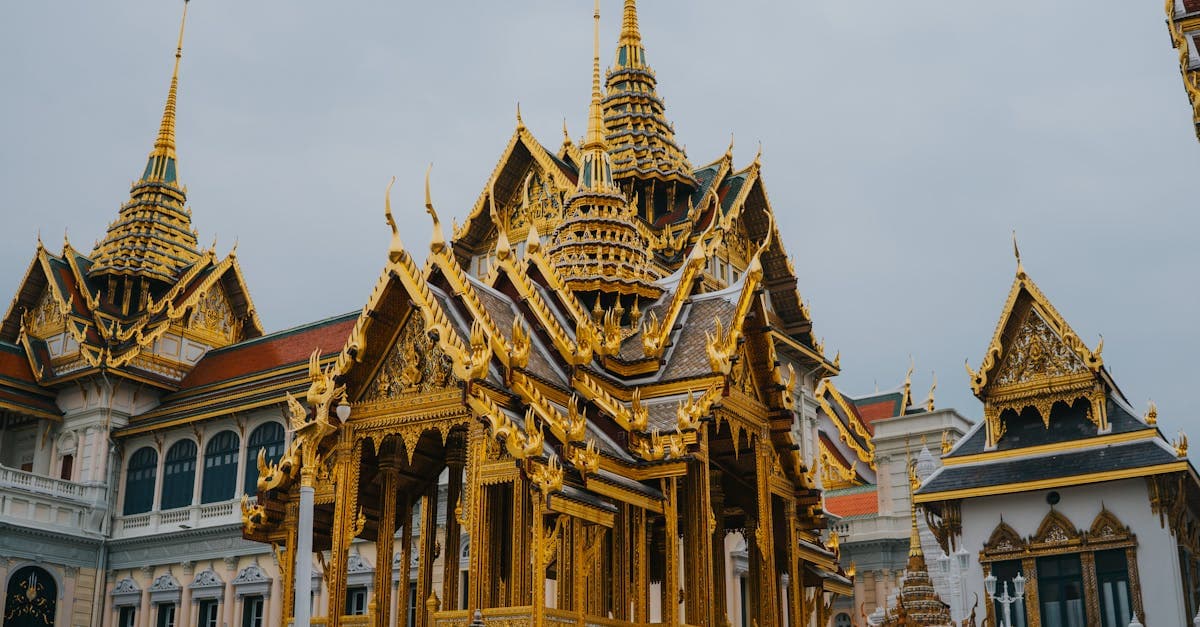
Bangkok is 2.5 hours from Changi by air, visa-free for Singaporeans for 60 days under the Thailand Digital Arrival Card scheme, and running at roughly 25 to 27 THB to the Singapore dollar. For a 3 to 5 day break, it delivers more variety per dollar than anywhere else in the region.
The city rewards repeat visitors too. Grand Palace, Wat Pho, and Wat Arun anchor the cultural circuit. Or Tor Kor Market and Jodd Fairs cover the food side. Yaowarat Road handles Chinatown in a single evening.
Connectivity is worth sorting before boarding. HelloRoam offers eSIM for Thailand-saint-vincent-and-the-grenadines)-thailand) plans from ~$3.49 for 2GB, valid for one day, meaning you top up only what you use rather than committing to a week-long plan you won't need.
Bangkok's price point suits Singaporean budgets. Street meals sit between 40 and 80 THB. BTS fares stay low. Mid-range hotels in Sukhumvit or Silom come in around SGD 50 to 100 per night.
Three to five days covers the essential circuit comfortably. The things to do in Bangkok split across three broad categories (temples and culture, food, and nightlife), and each takes more time than most first-time visitors allow. Now let's map out exactly where to go first.
Cultural Things to Do in Bangkok: Temples, Palaces, and Living Heritage
! [Ornate golden spires of Bangkok's Grand Palace, a highlight of cultural things to do in Bangkok.
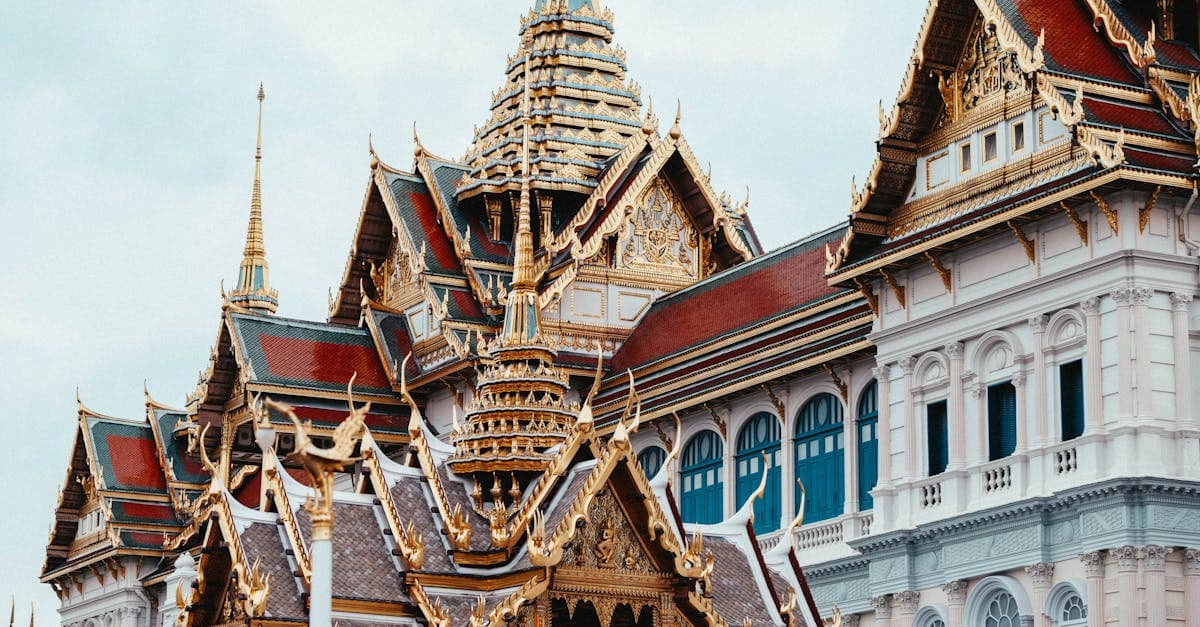
Wat Pho, Wat Arun, and the Grand Palace form Bangkok's essential cultural circuit. All three sit within a compact riverside loop near the Chao Phraya, reachable by longtail boat from Saphan Taksin pier, which cuts through road traffic entirely. Entry runs 500 THB for the Grand Palace complex, 300 THB for Wat Pho, and 100 THB for Wat Arun. Budget half a day for all three, and start with the palace.
Arrive before 9am. Not a polite suggestion. Bangkok's heat turns genuinely oppressive by 10am, and the Grand Palace queue builds fast after that. The Reclining Buddha at Wat Pho fills the gallery from wall to wall, best experienced before tour groups occupy every angle. Wat Arun translates as the Temple of Dawn, but its ornate spire reads best at dusk, when the light hits the ceramic detailing from the western bank.
Dress code is enforced without exception. Bare shoulders, sleeveless tops, and shorts above the knee get turned away at the gate. Pack a light linen shirt and long trousers regardless of the forecast. The sarong hire counter near the Grand Palace entrance charges for the inconvenience, and the queue there adds time you won't want to lose.
Beyond the main circuit, two neighbourhoods repay slower exploration. Talat Noi sits just upstream from Yaowarat and occupies a different register entirely. The lane murals, community altars, and spirit shrines feel alive rather than staged, incense burning at hours that don't match any tourist schedule. Photographers find it consistently productive: the walls shift with each rainy season as local artists layer over and alongside one another.
Yaowarat itself blends Buddhist temple life with Taoist shophouse culture. Walk through before dusk and you'll pass monks on alms rounds beside Chinese medicine halls that have operated for generations. Bangkok's Chinatown reveals its character through texture, not single landmarks. The density is part of the point.
MOCA Bangkok, the Museum of Contemporary Art, sits further north near Chatuchak. The permanent collection spans classical Buddhist sculpture through to post-war Thai abstraction, worth two to three unhurried hours. Pair it with a morning at Chatuchak weekend market — it's large enough to disorient on a first visit, so pick one section rather than attempting full coverage. Take the BTS back south when the heat builds.
Bangkok's food circuit runs just as deep, and deserves the same dedicated time.
Bangkok Food: Things to Do in Bangkok at Markets, Street Stalls, and Night Eats
! [Colourful Bangkok street market stalls showcasing Thai street food, a favourite thing to do in Bangkok.
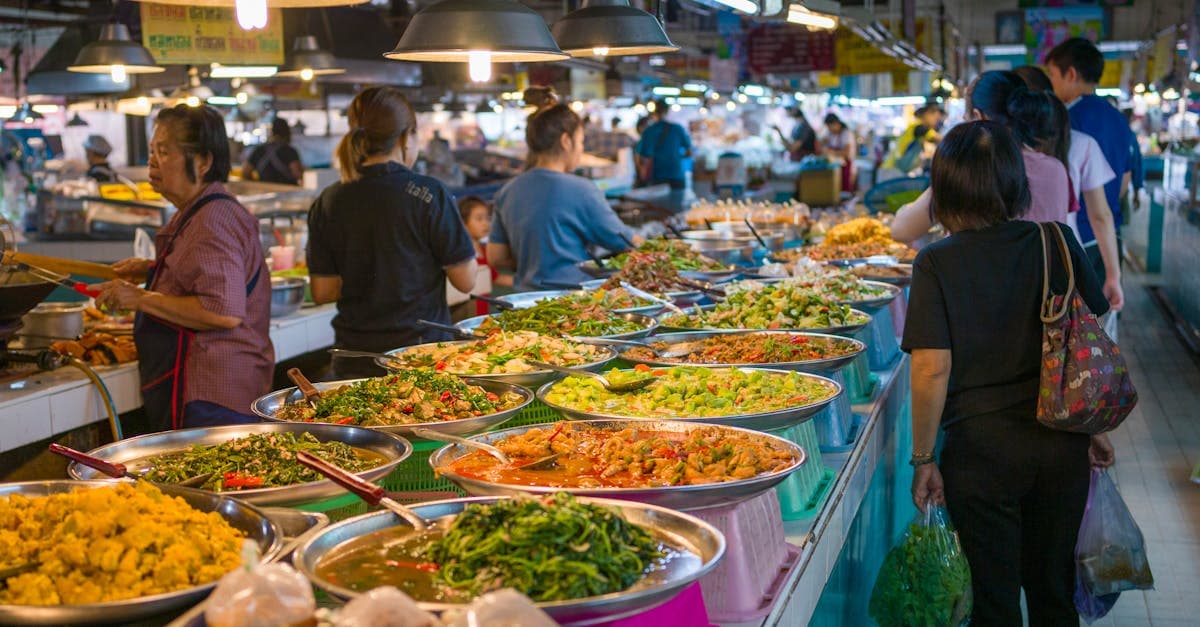
Bangkok's street food scene produces meals that consistently rival any air-conditioned restaurant in the city. Or Tor Kor Market, next to Chatuchak MRT station, is the most precise expression of this: a covered wet market with prepared food stalls where produce freshness is the baseline, not a selling point on a chalkboard.
The persistent myth is that quality Bangkok dining requires a reservation. It doesn't. The Michelin Guide has recognised Bangkok street stalls priced under 100 THB. Eating extraordinarily well here demands only an appetite and a willingness to follow the queue.
Start with the core dishes. Pad Thai from a proper wok station over charcoal, boat noodles in a shophouse near the Chao Phraya, mango sticky rice from a market vendor at 3pm. These aren't tourist concessions. They're what Bangkok residents eat daily. The versions near backpacker zones cut corners on ingredients and charge a premium for the foot traffic. The neighbourhood alternatives, priced around 60 to 80 THB, are consistently sharper.
Jodd Fairs night market handles the grilled seafood and Thai BBQ circuit. Whole prawns, half-shell scallops, and pork skewers cook over open charcoal at stalls where the length of the queue signals quality better than any review. The smoke reaches you before the stall does; follow it and let the queue confirm your decision. It runs louder and cheaper per plate than most hawker centres in Singapore, which is saying something.
Yaowarat Road runs the Chinese-Thai crossover. Roast duck, dim sum, fish maw soup, and century egg congee share the same street, sometimes the same kitchen. The road fills properly after 8pm. Go hungry and on foot rather than by Grab, so nothing gets missed between stops.
A floating market day trip extends the food circuit further. Damnoen Saduak and Amphawa both run morning sessions with grilled corn, coconut pancakes, and fresh-cut fruit sold directly from canal-side boats. Arriving before 8am reduces the tourist density considerably and lets the market operate as it actually does, not as a performance of itself. Arrive late and both markets lean into their tourist-facing version; the produce is still there, but the atmosphere shifts noticeably.
Bangkok's size means getting between all of this requires understanding how the city moves.
Getting Around Bangkok: Transport Tips for Singapore Travellers
! [Colourful city bus gliding through Bangkok's night streets, capturing the urban energy of the city.
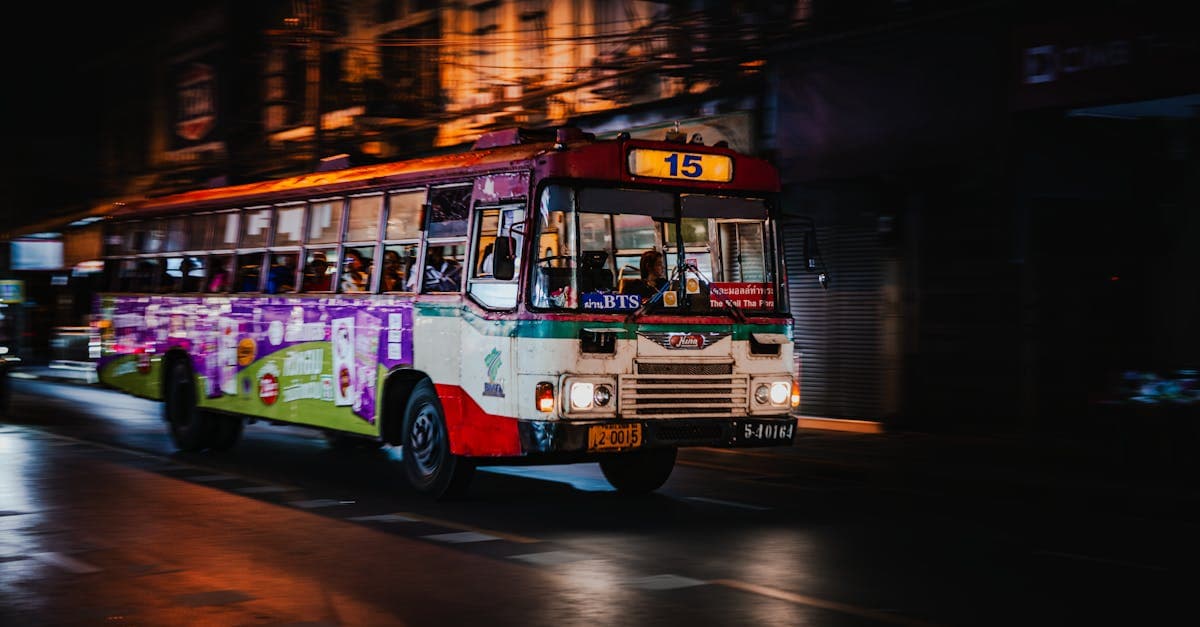
Two overlapping rail networks handle most of Bangkok navigation. The BTS Skytrain covers Sukhumvit and Silom; the MRT extends through Chatuchak, Chinatown, and the expanding Blue Line. Both run with English signage and air-conditioning throughout, with fares between 17 and 62 THB per journey. For anywhere the trains miss, Grab handles the rest.
Arriving from Suvarnabhumi
The Airport Rail Link connects the terminal directly to Phaya Thai BTS station in around 30 minutes. From there, the full Sukhumvit and Silom lines open up. It's the fastest entry point into the city and the only route insulated from Bangkok's traffic.
Arriving from Don Mueang
No rail link exists here. Take a metered taxi from the official queue outside arrivals, or the A1 bus to Mo Chit BTS station. Allow 45 to 60 minutes to central Bangkok depending on the time of day.
Daily movement
Grab is the practical default when rail doesn't reach. The fare appears before you confirm, the route is tracked in real time, and there's no street negotiation involved. For late-night returns from Thonglor or Ekkamai, it covers every gap the rail doesn't.
The Chao Phraya Express Boat is underused by visitors and worth correcting. Ferries run from Central Pier (Sathorn) upriver past the Grand Palace landing, Wat Pho, and the flower market, continuing north to Nonthaburi. Fares cost a fraction of any road option, and on a busy afternoon the river route moves faster than the traffic running alongside it.
One firm rule on taxis: insist on the meter before the door closes. Metered fares in Bangkok are low. Any driver who declines the meter is pricing in a margin you don't owe.
Bangkok after dark runs on different terms entirely.
Things to Do in Bangkok at Night: Rooftop Bars and Nightlife
! [Neon-lit walking street packed with crowds, one of the most exciting things to do in Bangkok at night.
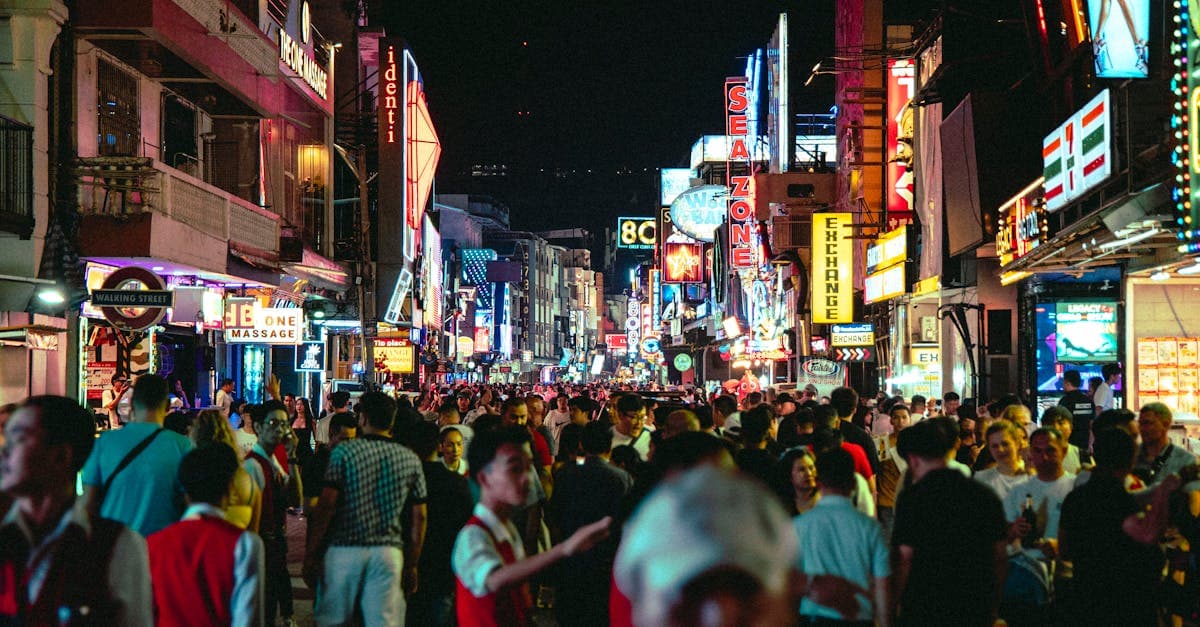
The rooftop scene on Silom and Sukhumvit runs with a firm dress code: smart casual at minimum, collared shirts and closed shoes in practice. Sky bars here offer genuine Bangkok skyline views, and new venues have continued opening across the Icon Siam complex through 2025 and into 2026, adding riverside options to the traditional Silom circuit.
Flip-flops end the evening at the door.
Rooftop cocktail pricing runs higher than street-level Bangkok — the views carry a premium, and that's the honest trade. For the busiest rooftop venues, Thursday to Saturday fills fast without a reservation. Arriving before 7pm secures a seat without queuing. After that, the equation shifts.
Khao San Road operates on entirely different terms. The street is loud, dense, and cheap in a way few Bangkok neighbourhoods replicate: large bottles of Chang at street prices, late hours, and a crowd that runs from first-time backpackers to long-haul Southeast Asia regulars. For a casual first evening out, or for anyone after cold beer at street prices, it functions well.
Thonglor and Ekkamai are one BTS stop apart and worth the extra effort. These are the neighbourhoods Bangkok residents actually use after dark. Cocktail menus are stronger, pricing is less tourist-facing, and the atmosphere shifts noticeably from the Sukhumvit main strip. Ekkamai in particular runs on independent bars and smaller venues without the tourist premium.
Icon Siam on the Chao Phraya riverbank now has substantial rooftop and riverside bar space. The free ferry from Saphan Taksin BTS station reaches the complex in minutes, and the views across to the Thonburi bank are sharp. The venue mix supports a full evening itinerary: dinner on the upper floors, drinks above the river.
Citywide closing time is 2am. It is enforced.
The practical thread connecting all of this (Grab rides, navigation, real-time translation) is a working phone with active data.
Staying Connected in Bangkok: SIM, eSIM, and Wi-Fi Options
! [Traveller holding a smartphone displaying a map app while navigating Bangkok's streets.
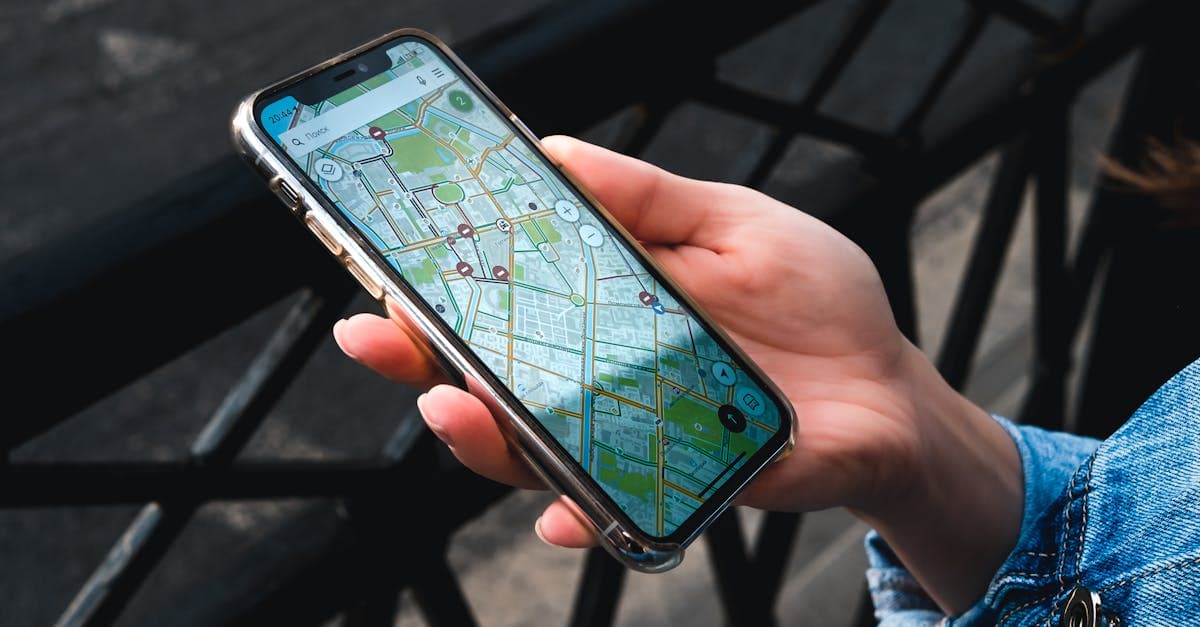
Strong 4G coverage runs across Bangkok's central districts, with 5G expanding along Sukhumvit and Silom as of early 2026. Three options get data onto your phone: an airport SIM on arrival, an eSIM activated before departure, or hotel Wi-Fi. Each suits a different situation, but one of them stops working the moment you step outside.
Airport SIM counters at Suvarnabhumi and Don Mueang both stock Thai SIM cards from local carriers. Coverage is good and activation is typically immediate. The friction is the process itself: queuing after landing, presenting your passport, comparing plan names you haven't seen before, and keeping a physical card safe for the duration of the trip.
eSIM removes those steps entirely. Install and activate before boarding at Changi, and your phone connects to Bangkok's network automatically on landing. No queue. No card to lose. Setup follows the QR code activation process standardised under GSMA SGP.22 and takes under 10 minutes through most provider apps.
Hotel Wi-Fi is not a workable substitute for mobile data. Signal varies room to room, speeds drop under load during peak evening hours, and outside the building, you have nothing. Grab requires active data. Google Maps requires active data. Any live translation app requires active data.
For a 3 to 5-day Bangkok trip, an eSIM is the obvious pick. HelloRoam offers eSIM for Thailand starting from the daily rate noted in the introduction, with coverage across Bangkok and the major destinations beyond the capital.
Carrier roaming charges can turn a short trip into a sizeable phone bill. An eSIM sidesteps that entirely, with no SIM swap required at the airport.
Is Bangkok Safe for Solo Travellers from Singapore?
! [Panoramic Bangkok skyline with skyscrapers and river, reassuring scenery for solo travellers from Singapore.
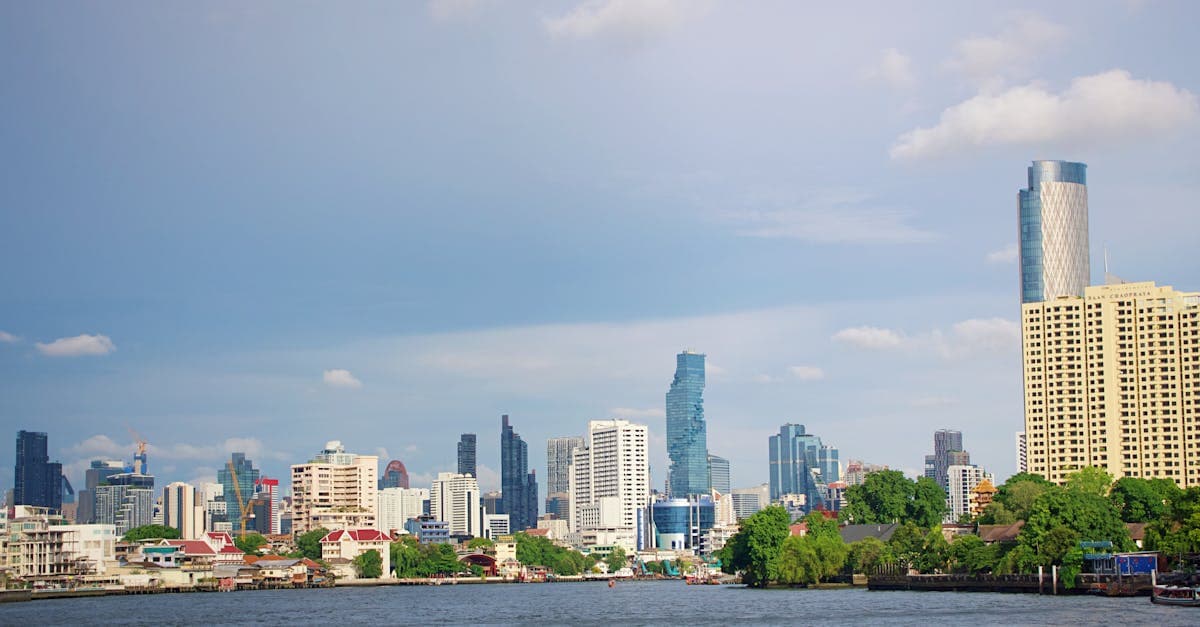
Bangkok ranks among Southeast Asia's safer city destinations for solo travel. Police presence is visible around tourist zones, public transport is reliable, and the city draws large numbers of solo travellers year-round, including many women travelling alone who report broadly positive experiences.
The genuine risks are specific. Tuk-tuk drivers near the Grand Palace sometimes offer cheap tours that funnel travellers into overpriced gem shops or tailor stores. The fix is practical: book through Grab or agree a fixed fare before boarding. Gem scams near Wat Phra Kaew have operated for decades. If a friendly stranger tells you the palace is 'closed today' and offers to show you somewhere better, it isn't closed.
Petty theft is the more tangible everyday concern. Keep your handphone off open café tables along Khao San Road and Sukhumvit. Store digital copies of your passport and TDAC submission in cloud storage before departure. Thai immigration and hospitals both accept digital copies.
Thailand's police emergency line is 191. The Tourist Police line, 1155, handles English-language queries and responds faster to scam-related reports.
Bangkok rewards the prepared solo traveller. Know the scripts the scammers use, use Grab for transport, and the city is navigable on your own terms without much friction.
Timing the trip shapes the experience almost as much as where you go.
What Is the Best Time to Visit Bangkok from Singapore?
! [Grand Palace bathed in golden sunset light, perfect backdrop for things to do in Bangkok during cool season.
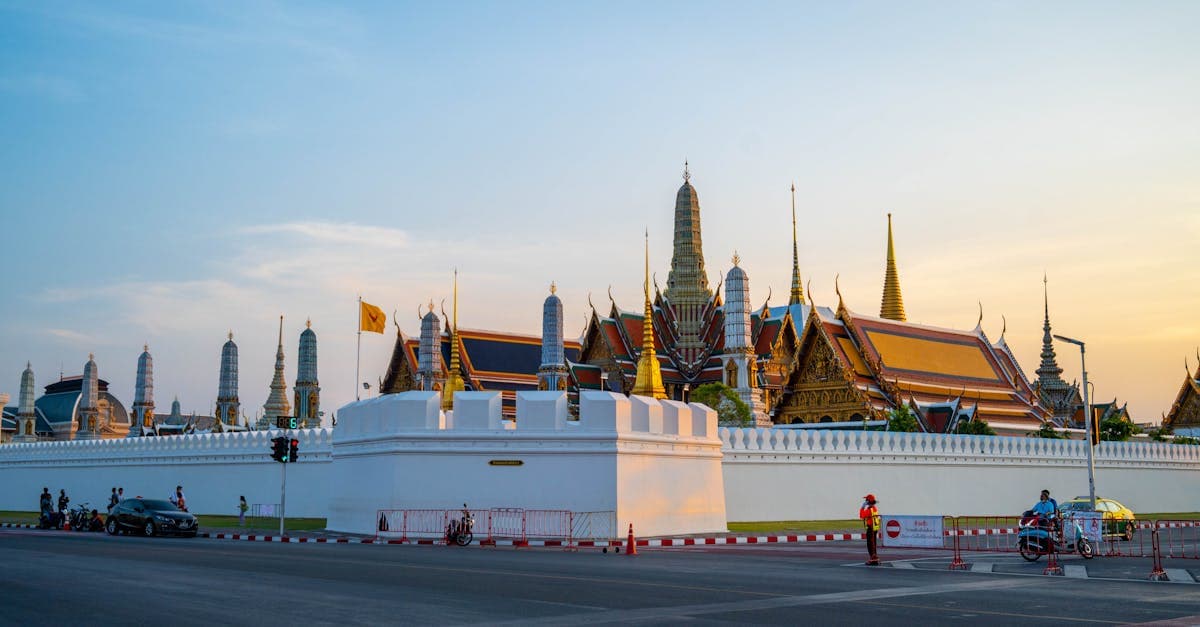
November through February is the pick for most visitors. Cooler temperatures, drier air, and reliable skies make outdoor sightseeing genuinely comfortable. March through May is a harder proposition: daytime highs hit 38 degrees Celsius at peak, and the humidity before noon is punishing. June through October brings regular afternoon rain, but prices drop and crowds thin out considerably.
The April caveat: Songkran. The Thai New Year water festival runs from 13 to 15 April, turning Bangkok's main streets into a city-wide water fight. It draws enormous crowds. Accommodation books out weeks in advance, and navigating the city on those days is genuinely difficult. Plan specifically around it or avoid the dates entirely.
For Singaporeans, the November to February peak window clashes with fewer public holidays than you'd hope. The practical sweet spot is June to August, when long weekend getaways align with wet-season pricing. Flights on this route drop noticeably outside school holiday periods, so mid-June and mid-August departures tend to yield the best SGD fares.
Book four to six weeks ahead. Last-minute bookings on Singapore-Bangkok flights rarely deliver competitive rates.
March and late October are reasonable shoulder-season compromises: cheaper than the dry-season peak, less saturated than mid-wet season, and manageable if you schedule outdoor sightseeing for early morning.
The things to do in Bangkok are dense enough that a well-planned trip still leaves something for the next one. That's the city's real value.
Reviewed by HelloRoam's editorial team. Last updated: 14 April 2026.
Get Connected Before You Go


Frequently Asked Questions
The flight from Singapore's Changi Airport to Bangkok takes approximately 2.5 hours. Singaporeans can enter Thailand visa-free for up to 60 days under the Thailand Digital Arrival Card (TDAC) scheme, making it one of the easiest short-haul destinations in the region.
No, Singaporeans can visit Thailand visa-free for up to 60 days. Travellers must complete the Thailand Digital Arrival Card (TDAC) submission before departure, and it is advisable to store digital copies in cloud storage for easy access during the trip.
The Grand Palace, Wat Pho, and Wat Arun form Bangkok's essential cultural circuit, all located near the Chao Phraya river and reachable by longtail boat from Saphan Taksin pier. Entry fees are 500 THB for the Grand Palace complex, 300 THB for Wat Pho, and 100 THB for Wat Arun, so budget half a day to cover all three.
Arriving before 9am is strongly recommended to beat the heat and avoid large tour group crowds. Bangkok's heat becomes oppressive by 10am, and queues at the Grand Palace build quickly after that, making an early start essential for a comfortable visit.
Dress code is strictly enforced at Bangkok's major temples, with bare shoulders, sleeveless tops, and shorts above the knee not permitted at entry. Pack a light linen shirt and long trousers regardless of the weather forecast, as sarong hire at the entrance adds both cost and time.
Street meals in Bangkok typically cost between 40 and 80 THB per dish, and the Michelin Guide has recognised Bangkok street stalls priced under 100 THB. Neighbourhood stalls away from tourist zones consistently offer better quality at lower prices compared to options near backpacker areas.
Or Tor Kor Market near Chatuchak MRT station is widely regarded as Bangkok's premier fresh market, with high-quality prepared food stalls where produce freshness is the standard. Jodd Fairs night market is the top destination for grilled seafood, Thai BBQ, and pork skewers cooked over open charcoal.
The Airport Rail Link connects Suvarnabhumi Airport directly to Phaya Thai BTS station in around 30 minutes, bypassing Bangkok's road traffic entirely. From Phaya Thai, the full BTS Sukhumvit and Silom lines provide convenient access to most central Bangkok destinations.
There is no rail link from Don Mueang Airport, so the best options are a metered taxi from the official arrivals queue or the A1 bus to Mo Chit BTS station. Allow 45 to 60 minutes travel time to central Bangkok depending on the time of day.
Bangkok's two overlapping rail networks, the BTS Skytrain and the MRT, cover most major destinations with English signage and air-conditioning, at fares between 17 and 62 THB per journey. Grab ride-hailing covers any gaps in rail coverage, with fares shown upfront and routes tracked in real time.
Bangkok's rooftop bars on Silom and Sukhumvit enforce a smart casual dress code at minimum, with collared shirts and closed shoes typically required in practice. Flip-flops will result in entry being refused, and for the busiest venues on Thursday to Saturday, arriving before 7pm avoids queuing.
Thonglor and Ekkamai, one BTS stop apart, are the neighbourhoods Bangkok residents actually frequent after dark, offering stronger cocktail menus and less tourist-facing pricing than the main Sukhumvit strip. Khao San Road offers a budget-friendly, high-energy alternative popular with backpackers, with cold beers at street prices and late hours.
Citywide closing time in Bangkok is 2am and is enforced across all venues. Planning nightlife itineraries with this in mind, especially for late-evening rooftop bar visits or Thonglor and Ekkamai runs, helps avoid cutting evenings short unexpectedly.
Bangkok ranks among Southeast Asia's safer city destinations for solo travel, with visible police presence in tourist zones and reliable public transport used year-round by large numbers of solo travellers. The main risks are specific scams near temple sites and petty theft along busy tourist streets, both easily managed with basic precautions such as using Grab instead of street taxis and keeping phones off open café tables.
The three main options for getting mobile data in Bangkok are an airport SIM on arrival, an eSIM activated before departure, or hotel Wi-Fi. Hotel Wi-Fi is not a workable substitute for mobile data since Grab, Google Maps, and translation apps all require an active data connection outside the building.
Airport SIM counters at Suvarnabhumi and Don Mueang offer immediate activation, but require queuing after landing, presenting your passport, and managing a physical card throughout the trip. An eSIM can be installed and activated before boarding at Changi via a QR code scan taking under 10 minutes, with your phone connecting to Bangkok's network automatically on arrival.
Budget eSIM plans for Thailand are available from around $3.49 for 2GB on a daily validity basis, meaning you top up only what you use rather than committing to a week-long plan. This per-day pricing model suits short 3 to 5-day Bangkok trips particularly well and avoids the roaming charges that can make a short trip costly.
Bangkok is one of the most affordable short-haul destinations for Singaporeans, with an exchange rate of roughly 25 to 27 THB to the Singapore dollar. Street meals cost between 40 and 80 THB, BTS fares are low, and mid-range hotels in Sukhumvit or Silom run approximately SGD 50 to 100 per night.