

Table of content
Toronto to Tokyo Flight: Key Facts at a Glance
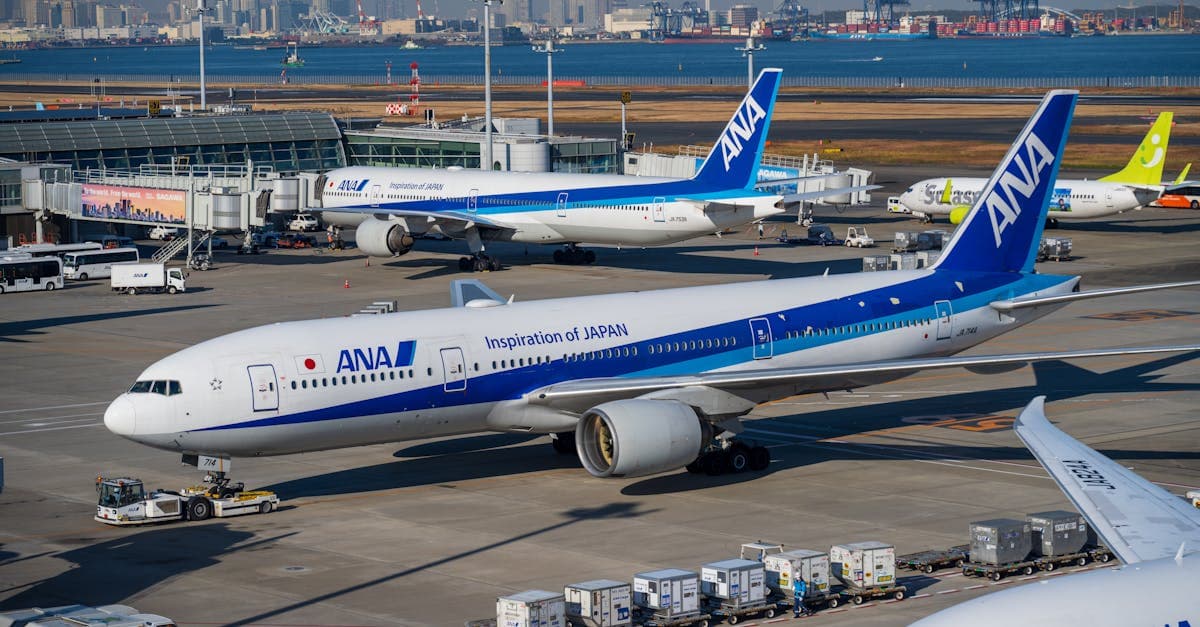
Air Canada flies nonstop from Toronto Pearson (YYZ) to Tokyo Narita (NRT) with a block time of 14 hours and 10 minutes flightsfrom.com. Economy round-trips sit around $1,300 CAD at standard pricing, though the booking window shifts that figure considerably expedia.ca. January, February, October, and November are consistently the strongest months to secure lower fares.
Key figures for the Toronto to Tokyo flight at a glance:
- Nonstop airports: Year-round service to Narita (NRT), 60 to 90 minutes from central Tokyo; seasonal service to Haneda (HND), roughly 30 to 40 minutes from the city centre
- Fare range: Sales dip to $700 to $900 CAD skyscanner.ca; peak periods around cherry blossom season, late July through August, and December 20 through January 5 push economy fares past $1,600 CAD
- Carrier roaming: Rogers, Bell, and Telus all charge around $15 CAD per day for Japan coverage, totalling roughly $210 CAD on a 14-day trip
- Connectivity: A Japan eSIM cuts that daily roaming cost sharply; HelloRoam's eSIM for Japan plans cover the full trip at a fraction of carrier rates
The nonstop exists and runs reliably year-round. Whether it lands at Narita or Haneda, and which suits your itinerary, is the question to answer before you book.
Does Toronto Fly Direct to Tokyo?
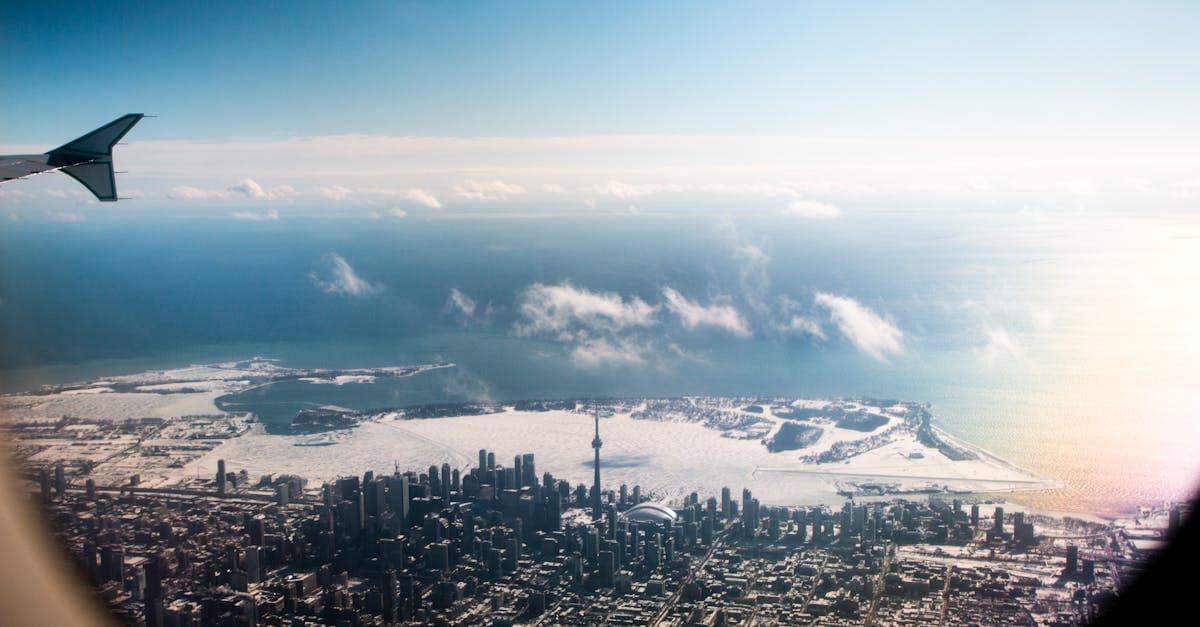
Yes, Toronto has a nonstop route to Tokyo. According to Air Canada, year-round service operates from YYZ to Tokyo Narita (NRT), and no other carrier currently offers a nonstop connection between Toronto and Tokyo aircanada.com. Air Canada also runs seasonal nonstop flights to Tokyo Haneda (HND), though schedules shift year to year; confirm the current timetable before committing to either airport.
That surprises travellers who assume this route always connects through Vancouver.
It doesn't.
One-Stop Alternatives
When the nonstop is sold out or priced significantly above connecting itineraries, three hub options routinely appear:
- Vancouver (YVR): Air Canada, ANA, and Japan Airlines all fly nonstop from YVR to Tokyo. Adding a YYZ to YVR positioning flight extends total journey time by roughly three to four hours before layover duration; YVR-originating fares sometimes undercut the Toronto nonstop even after factoring in the domestic leg, so running both searches side by side is a sensible two minutes spent.
- Seoul (Incheon, ICN): Korean Air and Asiana serve the Seoul to Tokyo connection, with transit times varying considerably by itinerary.
- Beijing (PEK): Air China routes through Beijing, though transit visa requirements for Canadian passport holders can complicate this option depending on the itinerary.
The Toronto nonstop is the cleaner choice when fares are comparable. A straight 14-hour flight is a more dependable journey than a multi-leg route that stretches past 20 hours once a proper layover enters the equation.
The nonstop is confirmed. How long you'll actually be in the air is the obvious next question.
How Long Is the Flight from Toronto to Tokyo?
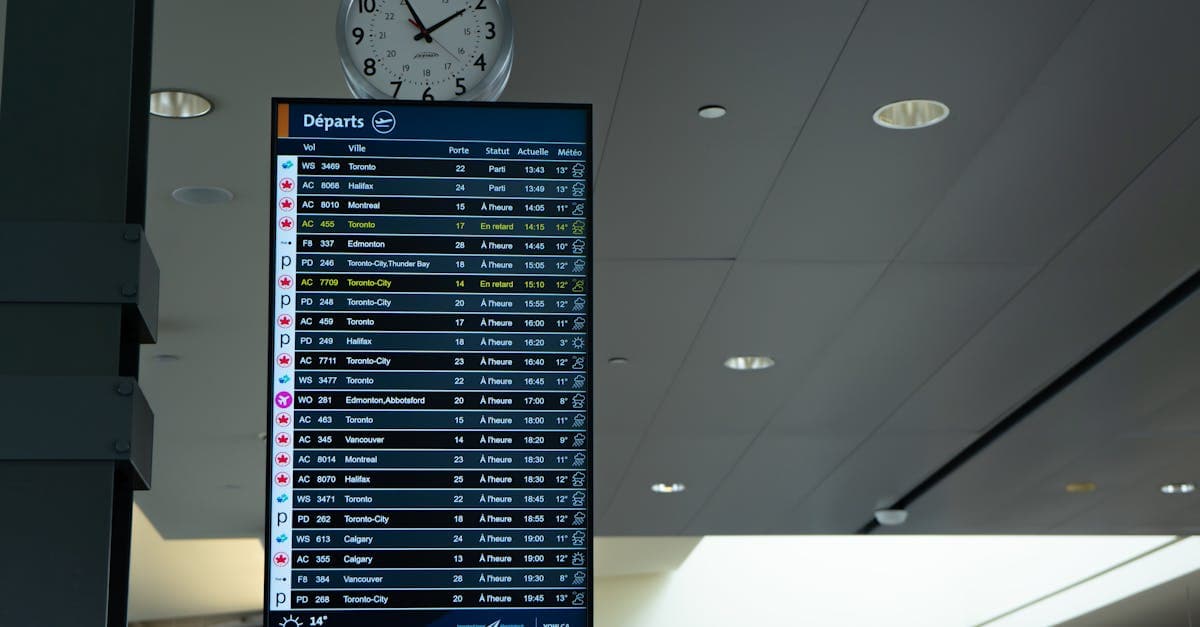
The westbound flight from Toronto to Tokyo takes approximately 14 to 14.5 hours flightsfrom.com. The return trip, running with jet stream assistance at altitude, covers the same route in roughly 12 to 13 hours. That one-to-two hour difference between directions is consistent across seasons and affects how you plan rest on each leg.
That asymmetry catches most first-time passengers off guard.
The 787-9 on a Long Overnight
Air Canada operates the Boeing 787-9 Dreamliner on the YYZ to NRT route. The 787 uses a composite fuselage that allows cabin pressure to be maintained at the equivalent of roughly 6,000 feet, compared to around 8,000 feet on older aluminium-bodied widebodies. Passengers commonly report less fatigue and fewer headaches on 787-operated routes compared with older equipment, though individual responses vary. Cabin humidity also runs higher than on older aircraft, which reduces dryness through a long overnight sector.
Hydrate, move around the cabin, and set your watch to Tokyo time at takeoff. It's a crisp way to start the adjustment before you land.
The Time Zone Gap
Tokyo runs on Japan Standard Time (UTC+9). Toronto is UTC-4 in summer (Eastern Daylight Time) and UTC-5 in winter (Eastern Standard Time), putting the spread at 13 hours in summer and 14 hours in winter.
Leave Toronto on a Tuesday evening. Arrive Tokyo Thursday afternoon local time. Your first day in Japan is partly accounted for before you clear customs.
The flight hours start making sense once you understand how much ground this route actually covers.
How Far Is the Flight from Toronto to Tokyo?
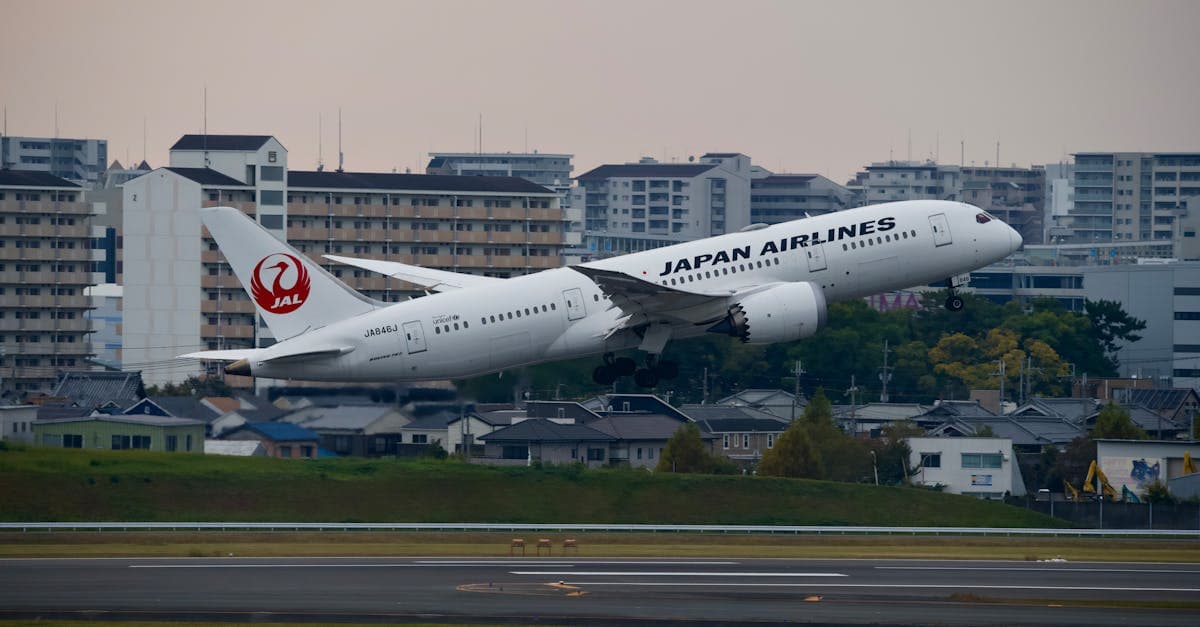
At approximately 10,350 km (6,430 miles), the Toronto to Tokyo flight is among the longest nonstop services departing Canadian airspace. The aircraft doesn't track due west across the Pacific. It follows a polar arc over Alaska and the North Pacific, because Earth's curvature makes that northern path shorter than the intuitive flat-map straight line between the two cities.
That's not a detour. It's geometry.
Why the Route Curves North
On a globe, the shortest path between two mid-latitude cities curves toward the nearest pole. Toronto sits at roughly 43 degrees north; Tokyo at roughly 35 degrees north. The polar arc trims a substantial portion of total distance compared to flying along a Pacific latitude line. The block time reflects that scale without overpromising.
For travellers, the distance resolves into two lean practical realities. Pack as though this is a genuine overnight long-haul, because it is. Plan your Tokyo arrival logistics before you fly: Narita sits well outside central Tokyo, and a late evening arrival adds meaningful transfer time to your first night in the city.
Understanding the scale of this flight reframes the decisions that follow. Timing your departure for the right season and locking in fares before the cherry blossom and Golden Week windows open are the moves that actually protect your budget from here.
When to Book Cheap Toronto to Tokyo Flights
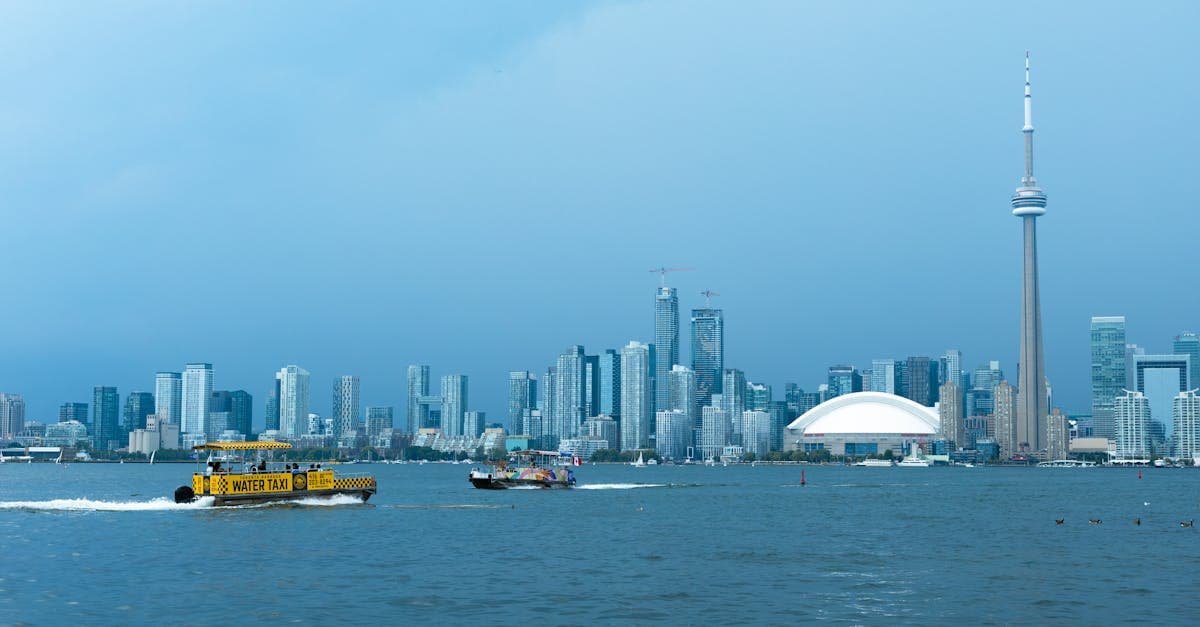
January and February are the cheapest months to book a Toronto to Tokyo flight. Post-holiday demand drops sharply after New Year, airlines cut economy fares to fill westbound 787s, and seat competition eases noticeably. Fares in that window regularly reach the lower sale range noted earlier in this guide. Tokyo in winter is cold but clear, and major attractions run without the spring crowds.
The windows to avoid
Late March through early May is the route's peak pricing period. Cherry blossom season pulls enormous demand, and Golden Week (the cluster of Japanese public holidays from late April into early May) compresses travel into a narrow stretch that airlines price accordingly.
This is not the time to be flexible on dates.
July and August drive fares up again. Canadian summer holidays collide with Japan's domestic travel peak, and capacity fills fast. December 20 through January 5 stacks year-end departures from Toronto on top of Japan's New Year surge. Both windows push economy return fares toward the upper tier.
October and November: the underrated option
Autumn gets less attention than it deserves on this route. Tokyo weather is mild and dry, autumn foliage across the city parks is sharp and genuinely striking, and economy return fares typically run $1,000 to $1,500 CAD skyscanner.ca. You're not scoring January-level prices, but you're also not competing with a national holiday calendar.
A decision framework by month
- January to February: Lowest fares. Cold but manageable weather in Tokyo. Thin crowds.
- October to November: Strong value. Comfortable conditions. Reliable seat availability.
- Late March to May, July to August, late December: Peak demand, compressed schedules, and fares that reflect it.
Book six to eight weeks ahead for winter travel. For cherry blossom season, six months out is not early.
The airline you choose and whether you connect shapes the fare just as much as the calendar does.
Which Airlines Fly the Toronto to Tokyo Flight?
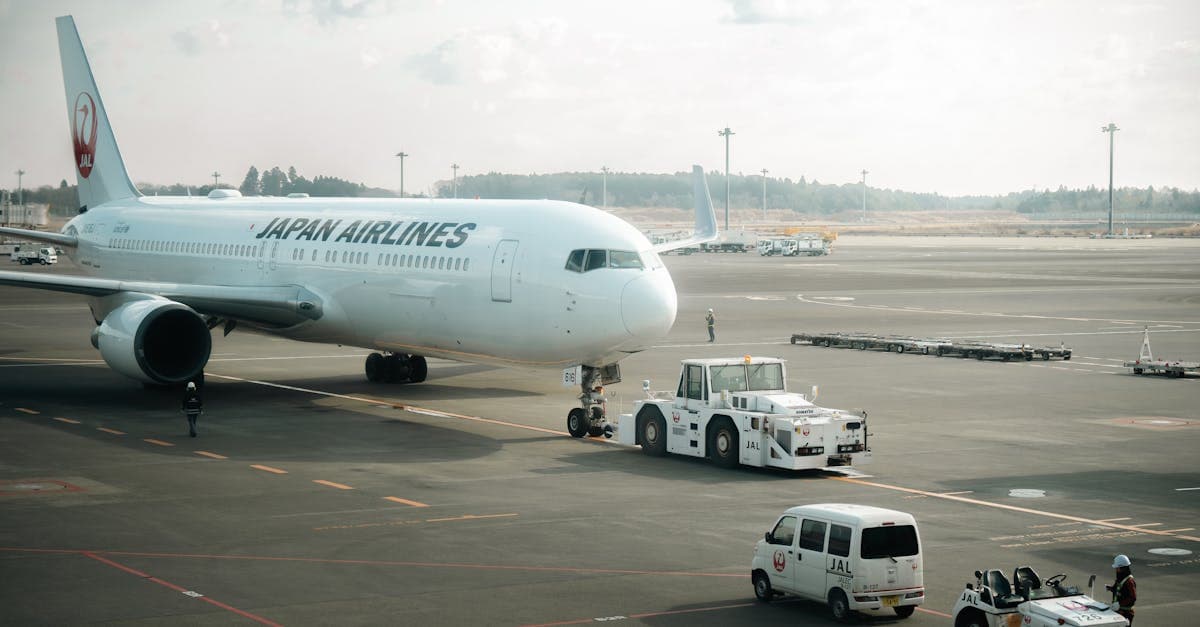
Only Air Canada flies nonstop from Toronto Pearson (YYZ) to Tokyo. JAL and ANA both operate nonstops to Japan's capital, but from Vancouver (YVR), not Toronto jal.co.jp. That covers the complete picture for true nonstop options departing YYZ.
The Aeroplan calculation
For Air Canada Aeroplan members, the Tokyo route is one of the program's better redemption targets. A one-way business class award typically requires 55,000 to 75,000 Aeroplan points. That's a realistic target for anyone accumulating through a co-branded credit card, and business class on a crossing of this duration is a different experience from economy. The Aeroplan angle is largely absent from competitor guides on this topic, which makes it an overlooked option for frequent Air Canada flyers.
One-stop via Seoul
Incheon International (ICN) is the most practical connecting hub for Toronto travellers heading to Tokyo. Connections to both Narita and Haneda are frequent, the airport is well-sorted for transits, and carriers on this routing compete on price. Beijing and Shanghai offer comparable options at the lower end of the fare spectrum.
The routing you choose also determines which Tokyo airport you land at.
Nonstop vs. One-Stop from Toronto: Which Makes Sense?

A nonstop from YYZ saves 3 to 5 hours of total travel time compared to any one-stop itinerary. That's concrete time at the end of a long Pacific crossing. Whether it's worth paying for depends on the fare gap and your tolerance for layovers.
If you want the simplest option
Air Canada nonstop is the cleanest path from Toronto. No transfer risk, no checked luggage juggled through a connecting hub, no tight connection to catch after customs in an unfamiliar airport. Nonstop fares tend to run higher than one-stop alternatives, particularly outside the cheapest booking windows.
If you can position to Vancouver
A YYZ to YVR positioning flight unlocks JAL and ANA nonstop departures to Tokyo, two carriers with strong reputations on Pacific long-haul routes. Total journey time runs longer than the Air Canada nonstop, but Aeroplan travellers or those holding Japan Airlines Mileage Bank points may find the calculation works in their favour.
One-stop itineraries sometimes run $200 to $400 CAD below the equivalent nonstop fare expedia.ca.
If schedule flexibility matters more than speed
Connecting through Seoul's Incheon International (ICN) adds routing options and, on certain dates, a noticeably lower fare. Korean Air and Asiana both serve the YYZ-ICN-Tokyo corridor. Incheon is a straightforward transit airport, and a planned layover there is far easier to manage than a rushed one.
The airport you land at in Tokyo shapes the first few hours of your stay. That choice deserves a closer look.
Narita vs Haneda: Which Tokyo Airport for Canadian Travellers?
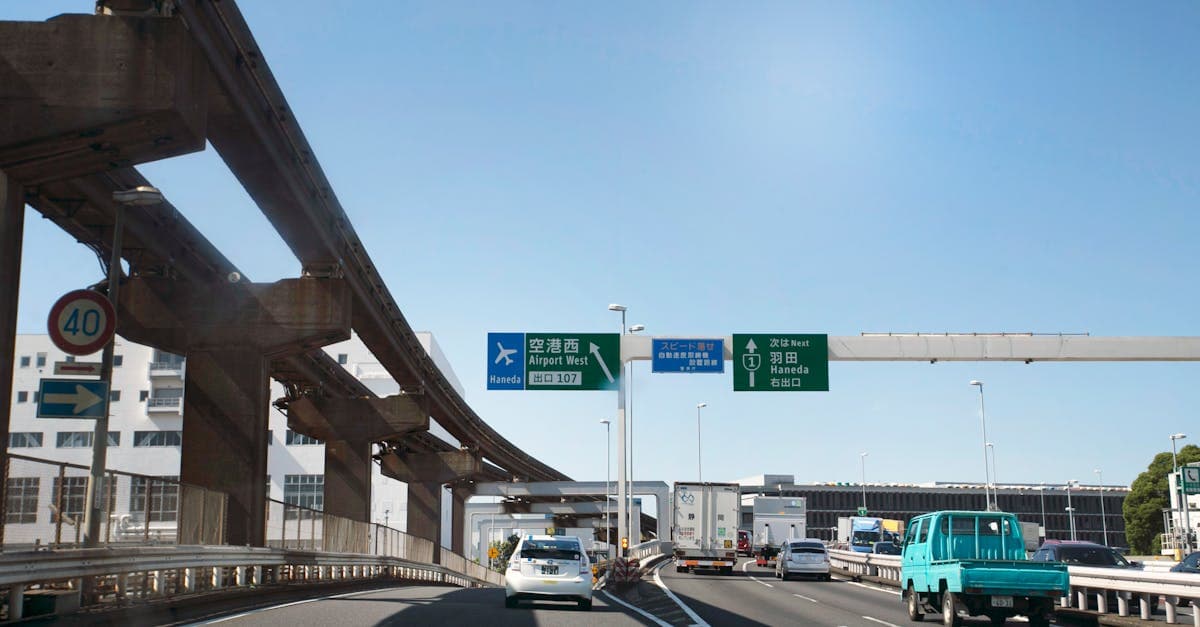
Haneda (HND) sits 30 to 40 minutes from central Tokyo by train. Narita (NRT) runs 60 to 90 minutes from the city centre, putting most Shinjuku or Asakusa hotels well over an hour from the arrivals hall. After a westbound Pacific crossing, that difference isn't abstract. It's the gap between reaching your hotel before midnight or arriving well after it.
Narita (NRT): the default for Air Canada passengers
Air Canada's year-round YYZ nonstop lands at Narita. The international terminal is large, well-staffed, and handles high volumes of North American travellers without friction. Narita suits travellers with checked luggage to collect, a relaxed morning ahead, or hotels in eastern Tokyo, Chiba, or the airport corridor. The Narita Express (N'EX) runs direct to Shinjuku in roughly 80 minutes.
Haneda (HND): closer, but not always available
Haneda's proximity to the city is a genuine draw. The Keikyu Line reaches Shinagawa in under 25 minutes; from there, most central Tokyo hotels are one short metro hop away. For trips under seven nights, that time saving is worth planning around. Air Canada operates seasonal YYZ-HND service, so confirm the current schedule before assuming it runs on your travel dates.
Both airports have IC card machines (Suica and Pasmo) in the arrivals area, SIM kiosks, and well-marked rail access. Neither requires a taxi to reach central Tokyo.
The practical call
Haneda for short stays and city-centre itineraries. Narita for most Air Canada passengers travelling on the year-round nonstop, and it works fine for the majority of trips.
Reaching Tokyo efficiently is one part of the equation. Staying connected once you arrive is the other.
Staying Connected in Japan: Mobile Data for Toronto Travellers

Rogers, Bell, and Telus each charge approximately $15 CAD per day for Japan roaming coverage. A 14-day trip totals around $210 CAD in carrier fees. A Japan eSIM covers the same two weeks for $20 to $35 CAD, with no surprises tucked into the fine print.
The calculation doesn't need a spreadsheet.
Japan adds one wrinkle most guides skip: the country requires passport data for SIM registration. Physical SIMs purchased at Narita or Haneda involve a form, a queue, and a passport scan at the kiosk. eSIM providers handle that compliance digitally at purchase, so your registration is done before you leave the departure lounge at Pearson.
The scenario runs like this: wheels down at Narita, 11 p.m. local time. The 787 parks, you power the phone on, and the carrier roaming prompt appears, $15 to accept, or navigate the arrivals hall without data until you find a Wi-Fi network. After 14 hours in the air, that is not the decision you want standing under fluorescent lighting with checked bags still to collect. Setup before departure eliminates it entirely.
Here's how to set this up before your flight:
Step 1: Verify your phone is unlocked. Most Canadian phones sold after 2019 are unlocked by CRTC regulation. Open Settings, then About Phone. If it reads "Network: Unlocked," you're clear to install a foreign eSIM. Locked phones require a call to your carrier before departure, not something to discover at the gate.
Step 2: Confirm eSIM compatibility. Most iPhones from the XS onward and Android flagships from 2020 support eSIM. Check your model's spec page if uncertain. Thirty seconds now; no kiosk queue later.
Step 3: Purchase and download before boarding. Buy the Japan eSIM before you reach the gate. The QR code arrives by email. Scan it in the lounge, the eSIM installs, and you leave it dormant until you need it. No queue. No form. Done.
Step 4: Enable after wheels-up or just before landing. Activating mid-flight costs nothing. By the time the 787 touches down at Narita or Haneda, the eSIM connects to the local network automatically, maps working before you clear arrivals.
Step 5: Keep your Canadian physical SIM active for calls. Dual-SIM capability lets your Rogers, Bell, or Telus card handle incoming calls while the Japan eSIM carries your data. Wi-Fi Calling covers the rest. No missed Interac notifications, no awkward forwarding setup.
For a two-day Tokyo layover, hotel Wi-Fi handles the basics. Stretch that to a week and a dedicated data plan earns its keep. HelloRoam's eSIM for Japan starts at ~$5 CAD for 1 GB over seven days, with plans scaling to full two-week coverage.
Japan's networks are reliable and fast in urban areas, though rural coverage varies by provider. Confirm your plan includes the regions beyond Tokyo before you commit.
A few common questions tie the whole plan together.
Reviewed by HelloRoam's editorial team. Last updated: 09 April 2026.
Get Connected Before You Go





Frequently Asked Questions
The westbound flight from Toronto to Tokyo takes approximately 14 to 14.5 hours on a nonstop service. The return trip runs roughly 12 to 13 hours due to jet stream assistance. Air Canada operates this route year-round using the Boeing 787-9 Dreamliner.
Yes, Air Canada operates year-round nonstop flights from Toronto Pearson (YYZ) to Tokyo Narita (NRT). Air Canada also runs seasonal nonstop service to Tokyo Haneda (HND), though schedules vary by year. No other carrier currently offers a nonstop connection between Toronto and Tokyo.
The Toronto to Tokyo flight covers approximately 10,350 km (6,430 miles), making it one of the longest nonstop services departing Canadian airspace. The aircraft follows a polar arc over Alaska and the North Pacific rather than a straight westward path, as Earth's curvature makes the northern route shorter.
A nonstop flight from Toronto to Tokyo takes approximately 14 to 14.5 hours westbound. Connecting itineraries through hubs like Vancouver, Seoul, or Beijing can stretch total journey time to over 20 hours depending on the layover. The return flight from Tokyo to Toronto runs roughly 12 to 13 hours.
January and February are consistently the cheapest months, with economy fares sometimes reaching as low as $700 to $900 CAD. October and November also offer strong value, with return fares typically between $1,000 and $1,500 CAD. Avoid late March through early May, July through August, and late December, as these are peak demand periods.
Economy round-trip fares from Toronto to Tokyo average around $1,300 CAD at standard pricing. Sale fares can dip to $700 to $900 CAD in off-peak months like January and February, while peak periods such as cherry blossom season or the holiday window can push fares past $1,600 CAD.
Only Air Canada offers a nonstop flight from Toronto Pearson (YYZ) to Tokyo. JAL and ANA operate nonstops to Tokyo but depart from Vancouver (YVR), not Toronto. One-stop options from Toronto are available via Seoul (Incheon), Beijing, or Shanghai on various carriers.
Haneda (HND) is closer to central Tokyo at 30 to 40 minutes by train, while Narita (NRT) is 60 to 90 minutes from the city centre. After a 14-hour westbound Pacific crossing, Haneda offers a significantly faster transfer to most Tokyo hotels. Air Canada's year-round nonstop lands at Narita, while seasonal service goes to Haneda.
No, Air Canada's nonstop from Toronto Pearson flies directly to Tokyo without stopping in Vancouver. Many travellers assume a connection through Vancouver is required, but the direct YYZ to NRT route operates year-round. Vancouver is only involved if you choose a one-stop itinerary on JAL or ANA.
Air Canada operates the Boeing 787-9 Dreamliner on the YYZ to NRT route. The 787 maintains cabin pressure equivalent to roughly 6,000 feet altitude, lower than older aircraft, which many passengers find reduces fatigue and headaches on long overnight sectors. Cabin humidity also runs higher than on older widebody aircraft.
Tokyo operates on Japan Standard Time (UTC+9). Toronto is UTC-4 in summer (Eastern Daylight Time) and UTC-5 in winter (Eastern Standard Time), creating a 13-hour gap in summer and a 14-hour gap in winter. A Tuesday evening departure from Toronto typically arrives in Tokyo on Thursday afternoon local time.
For winter travel in January or February, booking six to eight weeks ahead is generally sufficient to secure good fares. For cherry blossom season in late March through early May, booking six months in advance is recommended due to intense demand. October and November travel offers more flexibility with seat availability.
Major Canadian carriers including Rogers, Bell, and Telus charge approximately $15 CAD per day for Japan coverage. On a 14-day trip, that totals roughly $210 CAD in carrier roaming fees. A Japan eSIM is a cost-effective alternative that can cover the full trip at a fraction of those daily carrier rates.
Carrier roaming from Canadian providers costs around $15 CAD per day in Japan, adding up to $210 CAD or more on a two-week trip. A Japan eSIM plan covers the same duration at significantly lower cost and can be activated before departure. eSIM plans for Japan are widely available and compatible with most modern smartphones.
Seoul's Incheon International (ICN) is the most practical connecting hub, with frequent onward flights to both Narita and Haneda served by Korean Air and Asiana. Vancouver (YVR) is another option, unlocking JAL and ANA nonstops to Tokyo. Beijing and Shanghai hubs often offer the lowest-priced itineraries but may involve transit visa considerations for Canadian passport holders.
Yes, the Toronto to Tokyo route is considered one of Air Canada Aeroplan's better redemption opportunities. A one-way business class award typically requires 55,000 to 75,000 Aeroplan points. Frequent Air Canada flyers or those with a co-branded credit card can accumulate enough points to make this a viable option for a long Pacific crossing.
Sources
- Travel with Air Canada from Toronto to Tokyo (YTO - TYO) fromCAD 1,432* — aircanada.com
- C$592 Cheap Flights from Toronto (YTOA) to Tokyo (TYOA) — skyscanner.ca
- Cheap Flights from Toronto (YYZ) to Tokyo (TYO) — expedia.ca
- Flights from Toronto to Tokyo (YTO-TYO) on Japan Airlines ... — jal.co.jp
- Direct (non-stop) flights from Toronto to Tokyo - schedules — flightsfrom.com
- Book Flights from Toronto to Tokyo (YYZ - HND) — flights.evaair.com