

Table of content
! Turquoise ocean waves crashing against rocky shores with lush tropical vegetation, representing the best time to visit Bali
Quick Answer: best time to visit bali
! [Aerial view of Kelingking Beach's turquoise waters and dramatic cliffs, highlighting the best time to visit Bali
According to [lonelyplanet.com, the dry season, May through October, is the best time to visit Bali for reliable weather. July and August deliver the most consistent sunshine but also peak crowds and accommodation costs. For Canadians with scheduling flexibility, the shoulder months (May, June, September, and October) offer the more sensible balance cntraveler.com.
The wet season is more forgiving than its reputation. Bali sits eight degrees south of the equator, and from November through April, rain typically falls in short afternoon bursts. Mornings generally stay clear enough for outdoor plans.
Planning your connectivity before a roughly 20-hour flight from YYZ, YVR, or YUL is worth doing before departure. HelloRoam offers Local Esim plans covering 190-plus destinations, with activation before boarding so data is running from the moment you land.
January and February are the months to avoid if beach weather is the priority: rainfall climbs sharply, particularly inland, and sustained cloud cover limits beach time considerably.
When Is the Best Time to Visit Bali?
! [Scenic cliffs and turquoise waters of Nusa Penida island illustrate why it's the best time to visit Bali
Bali's calendar splits into two seasons: dry from May through October, wet from November through April. That structure makes timing a trip relatively straightforward. The dry season draws the majority of international visitors for good reason: reliable afternoons, open beaches, and fewer weather-forced changes of plan.
Canadian school calendars concentrate demand sharply into July and August. Families booking from Toronto, Vancouver, or Montreal face a compressed window between late June and mid-August, and that clustering shows up directly in return fares from YYZ, YVR, and YUL, and in villa availability across Seminyak, Canggu, and Ubud.
The part most guides skip: December and January flights from Canada sometimes cost more than August departures, even though Bali is squarely in its wet season by then. Canadian holiday demand drives fares south in December regardless of where the rain falls on the other end.
You can pay peak-season prices for off-season weather.
The roughly 20-hour journey from most major Canadian airports shapes the calculus too. A trip this long warrants more than a short stay, and that minimum viable length pushes weather reliability higher on the priority list. It is a long way to go for a week of persistent rain.
For Canadians who can shift the calendar by four to six weeks in either direction, the shoulder months are, on balance, the best time to visit Bali on practical grounds. Airfares and accommodation soften noticeably, and the weather difference from peak season is far smaller than the price gap suggests.
Understanding the broad picture is useful. The month-by-month breakdown is what actually shapes the decision.
Bali's Weather by Month: Dry Season, Wet Season, and the Months in Between
! [Group of people with colourful umbrellas walking through lush gardens during Bali's wet season rainfall
Bali's dry season (May through October) averages under 100 mm of monthly rainfall across southern Bali, with temperatures holding between 27 and 29 degrees Celsius bali.com. The wet season (November through April) brings substantially higher totals, with January and February averaging over 200 mm monthly in inland areas like Ubud. Temperature variation across the calendar is minimal; rainfall is not.
July and August are the driest within the dry-season window but carry the steepest costs: villa rates in Seminyak average 30 to 40 percent above June levels, and booking availability tightens sharply.
Regional variation adds a practical layer. The north coast around Lovina and the east coast near Amed and Candidasa tend to run drier and less humid than Ubud or the southern resort strip year-round. Travellers whose itineraries extend beyond Seminyak and Canggu have more latitude on the calendar than the table alone implies.
March and April deserve a second look for those with flexibility. Rain tapers through both months, crowds stay modest, and accommodation often holds wet-season pricing despite improving conditions. They are the low-profile value window that crowd-sensitive itineraries tend to miss.
Monthly averages set the context. Matching those months to specific activities is where the planning becomes genuinely useful.
Shoulder season sweet spots: April to June and September to October
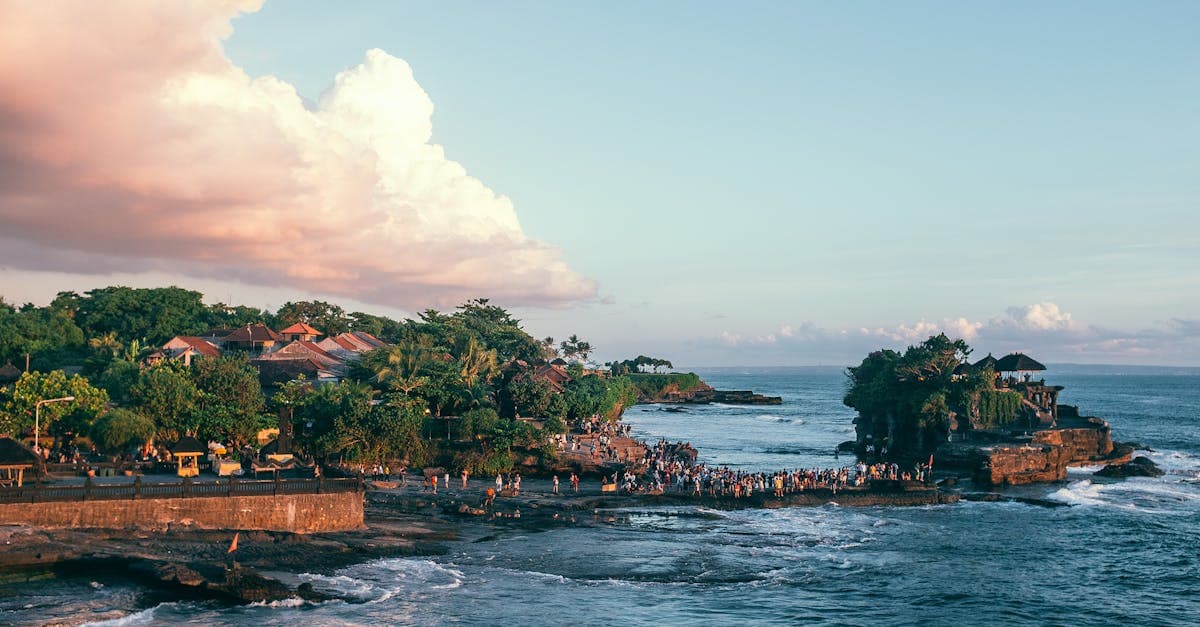
! [Stunning sunset over Tanah Lot Temple illustrates why shoulder season months are the best time to visit Bali
May and June sit inside Bali's dry season and well outside its peak demand window. Dry-season conditions hold through both months across southern Bali: clear mornings, manageable humidity, and beaches that are genuinely workable travelandleisure.com. The difference from July shows up in the booking process, not the weather itself.
A family departing Toronto in late May faces a materially different trip budget than one flying in mid-July. Canadian families' school calendars push demand into July and August, which inflates both return fares and accommodation across the southern resort areas. Moving the departure earlier, by a month or so, typically saves $300 to $600 CAD per person on airfare alone, with accommodation costs following a similar curve.
That is a couple of decent dinners per person, recovered before the trip even starts.
September and October extend the logic on the other side of the peak. Southern Bali stays dry or transitional through most of October, crowds ease back from the August high, and villa rates step down from peak-season levels. Travelling in either shoulder window means accepting that school is in session, which is precisely the constraint that generates the savings cntraveler.com.
Flip that for April. Rain is tapering but not entirely gone, particularly inland around Ubud, and conditions improve week by week through the month. Travellers willing to plan around the occasional morning shower can find shoulder-month pricing with only a modest weather trade-off on the early end of the window.
Weather and cost cover two dimensions of the decision. The third is activity: certain experiences in Bali have narrow seasonal windows worth planning around.
Best Time to Visit Bali by Activity: Surfing, Temples, and Rice Terraces
! [Traveller swinging above verdant rice terraces in Ubud, showcasing the best time to visit Bali for exploration
The best time to visit Bali depends on which activity takes priority. West coast surfing peaks June through August, rice terrace photography is most vivid in April and May, and diving visibility runs optimal from April through November. Each major draw on the island has a distinct seasonal window, and some windows conflict.
Surfing
West coast breaks at Kuta, Seminyak, and Canggu peak from June through August, when Southern Ocean swells deliver reliable waves averaging 1.5 to 3 metres. The east coast around Nusa Dua tells a different story: those breaks favour the wet season, roughly November through March, when the swell direction shifts. Two travellers planning the same Bali trip can have completely different ideal months depending on which coast they intend to surf.
Rice terrace photography
Tegallalang, near Ubud, rewards precise timing. April and May offer paddies recently flooded at the close of wet season, vivid green and fully terraced. By August, sections are dry and harvested. The window between a lush staircase and stubbled earth is roughly three months, and the difference is visible in every photograph.
Temple visits
Tanah Lot, Uluwatu, and Besakih are accessible year-round. Cliff-top and open-air locations read considerably better in dry-season light, and without the unpredictability of afternoon downpours. Wet-season temple visits are workable, not ideal.
Diving and snorkelling
According to intrepidtravel.com, Nusa Penida, Amed, and the USS Liberty wreck near Tulamben offer their best underwater visibility from April through November. Wet-season runoff reduces clarity inshore, particularly near river mouths.
Yoga and wellness retreats in Ubud
Retreat schedules run year-round. November through February is the quietest and most affordable stretch, which suits longer-stay visitors who can build outdoor activities around occasional afternoon rain.
No single month delivers a clean sweep across all these experiences. If surfing the west coast is the priority, June through August wins clearly. For vivid rice terrace photography, arriving in April or May puts you well ahead of dry-season crowds.
Once the activity window is identified, the Balinese religious calendar is worth a quick check: a few dates each year reshape the experience for visitors entirely.
Nyepi and Galungan: Timing your trip around Balinese festivals





Frequently Asked Questions
The best months to visit Bali are May, June, September, and October, which offer dry-season weather with lower crowds and costs than peak season. July and August are popular but carry peak prices and high demand. The worst months are January and February, when rainfall exceeds 200 mm in inland areas like Ubud and sustained cloud cover limits beach time considerably.
A week in Bali is achievable on a modest budget, as accommodation, food, and transport costs are generally lower than in most Western destinations. However, the total depends heavily on timing: villa rates in Seminyak average 30 to 40 percent above off-peak levels during July and August, which can push costs higher. Visiting during shoulder months like May, June, September, or October helps stretch a limited budget further.
The cheapest time to visit Bali is during the wet season months of January and February, when both accommodation and flights are at their lowest. However, March and April offer a practical middle ground: rain tapers through both months, yet accommodation often holds wet-season pricing despite improving conditions. Shoulder months like May, June, September, and October also offer meaningful savings compared to peak July and August.
Bali's rainy season runs from approximately November through April, with the heaviest rainfall in December, January, and February. Most wet-season days follow a predictable pattern of clear mornings, afternoon downpours lasting one to two hours, then clearing by early evening. Average daily sunshine in January still reaches around five to six hours in southern Bali, so mornings remain solid for outdoor activities on most days.
Bali's dry season runs from May through October, with average monthly rainfall under 100 mm across southern Bali. Temperatures hold between 27 and 29 degrees Celsius throughout the season. July and August are the driest months but also the most crowded and expensive, while May, June, September, and October offer similar conditions with fewer visitors and lower costs.
The best time to surf Bali's west coast breaks at Kuta, Seminyak, and Canggu is June through August, when Southern Ocean swells deliver reliable waves averaging 1.5 to 3 metres. The east coast around Nusa Dua favours the wet season from November through March, when the swell direction shifts. The ideal month depends entirely on which coast you plan to surf.
April and May offer the most vivid rice terrace photography, particularly at Tegallalang near Ubud, when paddies are recently flooded at the close of wet season and appear lush green and fully terraced. By August, sections are dry and harvested. The visual difference between a lush staircase and harvested earth is significant, making early dry season the optimal photography window.
The best underwater visibility for diving and snorkelling at sites like Nusa Penida, Amed, and the USS Liberty wreck near Tulamben runs from April through November. Wet-season runoff reduces clarity inshore, particularly near river mouths. The April to November window aligns broadly with Bali's dry season and its shoulder transitions.
Nyepi is Bali's Day of Silence, falling in March or early April based on the Saka lunar calendar. For 24 hours, the island shuts down entirely: no flights arrive or depart from Ngurah Rai International Airport, vehicles stay off public roads, and guests must remain within their accommodation. Travellers with connecting flights should check Nyepi dates carefully to avoid unplanned overnight delays.
Galungan is a 10-day Balinese celebration that occurs roughly every 210 days, following the Pawukon calendar. Roads fill with tall penjor bamboo poles draped in offerings and temple activity intensifies island-wide. Accommodation fills faster than usual during this period, traffic on the Ubud corridor thickens, and some smaller restaurants adjust hours without much advance notice, so booking ahead is advised.
The wet season is more forgiving than its reputation suggests. Rain typically falls in short afternoon bursts of one to two hours, with mornings generally staying clear enough for outdoor activities. Average daily sunshine in January reaches around five to six hours in southern Bali. The main genuine concern is occasional flooding in low-lying parts of Seminyak and Kuta during heavy-rain weeks.
May, June, September, and October are generally the best value months to visit Bali. Dry-season or improving weather conditions hold across most of these months, while airfares and villa rates are meaningfully lower than July and August peak levels. For travellers with scheduling flexibility, the weather difference from peak season is far smaller than the price gap suggests.
The north coast around Lovina and the east coast near Amed and Candidasa tend to run drier and less humid than Ubud or the southern resort strip year-round. Ubud, set higher on the slopes, handles wet-season rainfall more dependably than low-lying southern neighbourhoods like Seminyak and Kuta, which are periodically prone to flooding during heavy-rain weeks.
Canadian school calendars concentrate demand into July and August, pushing up return fares from major airports during that window. Shifting departure by four to six weeks in either direction to shoulder months like May, June, September, or October typically saves $300 to $600 CAD per person on airfare alone. Notably, December flights from Canada can cost as much as August departures due to holiday demand, despite Bali being in its wet season.
Bali's temperatures are remarkably consistent year-round, ranging from approximately 26 to 30 degrees Celsius across all months. The dry season months of July and August tend toward the cooler end of that range at 26 to 28 degrees Celsius, while the wet season sits slightly warmer and more humid, with humidity climbing to 80 to 85 percent in the wetter months.
Sources
- Best time to visit Bali — intrepidtravel.com
- When is the best time to visit Bali? — lonelyplanet.com
- The Best Time to Visit Bali—And Where to Go for Your First ... — cntraveler.com
- Bali Weather & Bali Climate | The Best Time to Travel to Bali — bali.com
- Best Time to Visit Bali for Activities and Weather — travelandleisure.com