

Top things to do in Rome at a glance
Rome packs more things to do into a first visit than almost any other European city. The five entries below are the backbone of most trips, covering headline archaeology, world-class art, and one neighbourhood that needs no ticket at all.
Each entry deserves more than a single line. The Colosseum's visitor figure is the sharpest signal of what you're dealing with: millions of people competing for the same timed slots means booking the moment you fix your travel dates, not the week before you fly.
The essential things to see in Rome
Rome's historic centre has held UNESCO World Heritage status since 1980, a designation covering the Colosseum, the Pantheon, and dozens of surrounding monuments in a single listing. That status drives the ambition of ongoing restoration work, including the Arena Floor inside the Colosseum, partially rebuilt in 2023 and extended through 2024.
The curiosity gap here is the floor itself. Most visitors have heard of the Colosseum; fewer know the wooden stage gladiators fought on was removed centuries ago, leaving the amphitheatre's internal structure exposed as an architectural skeleton. The partial reconstruction since 2023 addresses that, and explains why the add-on costs approximately €8 on top of the standard ticket.
That standard ticket covers the Colosseum, Roman Forum, and Palatine Hill for €18: a sensible rate for three archaeological sites that take the better part of a day to cover properly. Straightforward to book online; considerably less fun to find on the morning you arrive.
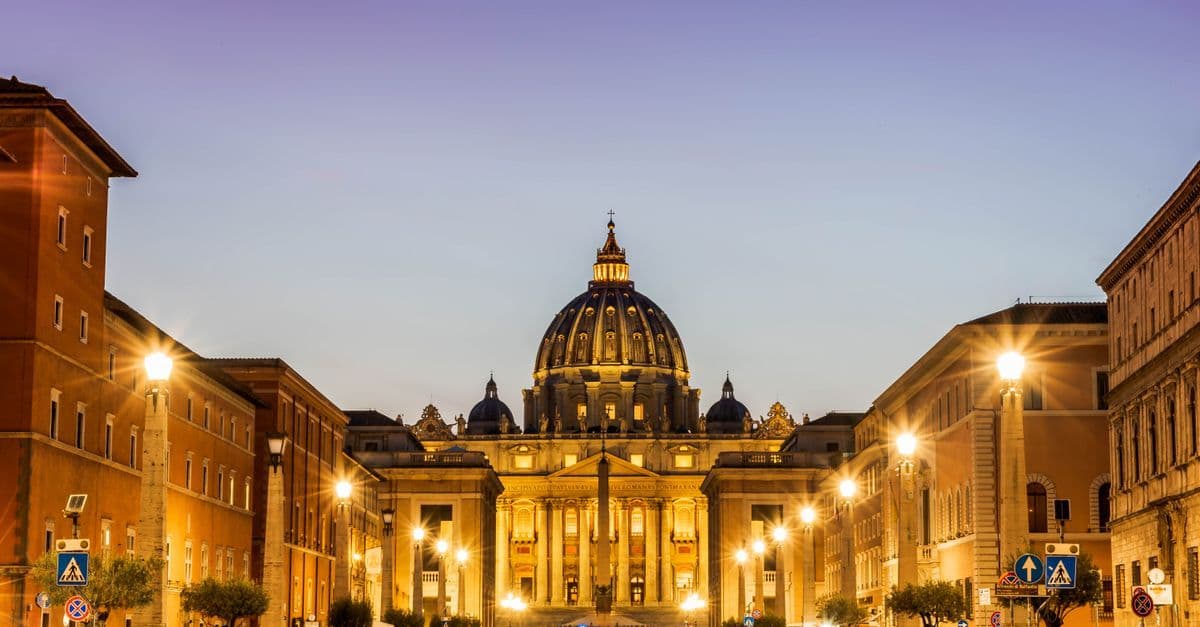
The Vatican Museums and Sistine Chapel cost €17 if you book online. Show up at the door and it's €20. That gap isn't really about money: queues at the entrance stretch around the block on most mornings, so the online booking earns its keep on time saved rather than pennies. St Peter's Basilica, directly adjacent and entirely free to enter, is one of the most architecturally remarkable interiors in Europe. That free entry still surprises most people.
Book everything before you fly.
One scheduling detail worth filing: Vatican Museums waive admission on the last Sunday of each month. Crowds on that day are substantial, and the free entry requires honest judgment about your appetite for queuing. If your dates align and you're an early riser, it can work. Otherwise, the €17 online slot is the tidy option.
The Roman Forum and Palatine Hill, both included in the combined ticket, reward patience. An audio guide isn't optional: without context, the ruins speak quietly and the morning evaporates. Trastevere belongs to the evening, not the afternoon. Proper neighbourhood trattorias, local prices, no fuss.
Rome rewards those who look past the guidebook.
Hidden Rome: things to do beyond the big sights
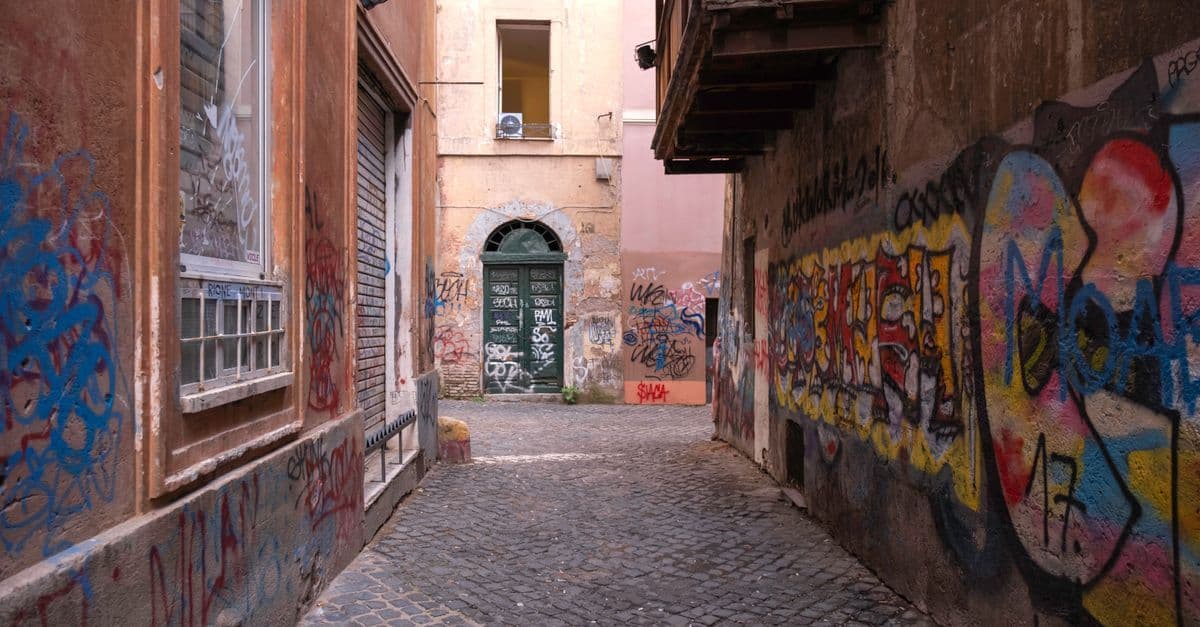
Beyond the Colosseum and the Vatican, Rome holds a second layer that most short-stay visitors never reach: Testaccio's food market, the Appian Way on a Sunday morning, and aperitivo bars in Pigneto where prices reflect local wages rather than tourist geography.
Testaccio is the first stop. Rome's working-class food quarter, anchored by Mercato Testaccio: no English menus, seasonal produce, serious offal sandwiches, and cheese stalls running entirely on Roman time. No tour groups.
Castel Sant'Angelo sits fifteen minutes from the Vatican on foot, with queues reliably shorter than anything near St Peter's Square. Entry costs approximately €15. Originally built as a mausoleum for Emperor Hadrian and repurposed through the centuries as papal fortress, prison, and museum, the building accumulates history in visible layers. The rooftop view over the Tiber is one of Rome's most underrated vantage points.
Sunday mornings belong to the Appian Way. The road closes to traffic; cycle hire shops near the Catacombs do steady business. Pedalling past ancient tombs and aqueduct fragments on a road in continuous use for over two thousand years is a cracking way to spend a morning, and it costs nothing to do.
Pigneto, east of the historic centre, runs on decent local economics. Aperitivo at 6pm costs what it should. The neighbourhood has a creative energy that the more visited parts of Rome have partly traded away for pavement cafe licensing.
Post-Brexit roaming rules have changed how UK networks handle Italy: EE, O2, Vodafone, and Three each charge £1-2 per day for using your phone there. Sorting an eSIM for Italy before you board sidesteps that daily charge entirely.
The Borghese Gallery gardens are free to enter at any point. The museum operates on strict timed entry with no walk-ins accepted. Book that ticket before you arrive in Rome, not the morning you plan to visit.
Now the practical question: how to fit it all in.
How should I plan 3 days of things to do in Rome?
Three days covers the essentials, provided you book the Colosseum and Vatican Museums six to eight weeks ahead in summer. Skip the gate queue on both by buying tickets online before you travel. The Leonardo Express from Fiumicino to Termini costs €14 per person and takes 32 minutes, running every 15 minutes from the airport. Start there.
Day 1: Ancient Rome and Campo de Fiori
The Colosseum and Roman Forum together need three to four hours if you give them proper attention. The Forum stretches further than most first-timers expect, and Palatine Hill above it provides the only elevated view over the entire archaeological site. Campo de Fiori from around 5pm fills with locals once the market stalls have packed up. The streets immediately south of the square are good aperitivo territory. No tour groups, no laminated menus. Walk until something looks right.
Day 2: Vatican Museums, St Peter's, Trastevere
Vatican Museums open at 9am. Arrive by 8:45 regardless of whether you have a pre-booked ticket, because the security queue forms early anyway. The Sistine Chapel sits roughly 45 minutes into the route at a steady pace. St Peter's Basilica costs nothing to enter and stands directly beyond the Museums exit. Trastevere, ten minutes across the Tiber on foot, is the right call for dinner: narrow cobbled streets, neighbourhood trattorias, and menus that haven't been adapted for coach parties.
Day 3: Borghese Gallery, Piazza Navona, Trevi Fountain
Borghese Gallery runs on strict timed entry and the slots fill fast. Book it before you fly. It is also the most underrated museum in Rome, which is a competitive category. Piazza Navona and the Trevi Fountain need no advance planning. The Trevi in the early evening is noticeably calmer than the midday crush.
Getting around
A single metro or bus ticket costs €1.50 and covers 100 minutes across both modes. The 72-hour transport pass works out cheaper than buying individual tickets across three days of regular use. Rome's metro is compact but well-positioned: Colosseo station for the Forum, Ottaviano for the Vatican, Termini for everything else.
Itinerary covered. The next thing most UK travellers don't fully plan for is what a standard phone plan does to their bill the moment they land in Italy.
Staying connected in Rome as a UK traveller
UK travellers heading to Italy face automatic daily carrier charges since Brexit ended free EU roaming as a standard benefit. An eSIM (a digital SIM profile embedded in your handset and activated by scanning a QR code) sidesteps those charges and activates before you board. That combination cuts both the cost and the airport kiosk queue.
EE, Vodafone, O2, and Three all charge a daily add-on to use your UK data allowance in Italy. Rates reach £2 a day on many standard tariffs. Ten days in Rome can quietly add £20 or more to your next bill without unusual usage. The charge triggers the moment your handset locks onto an Italian network.
The hotel Wi-Fi problem
Rome's hotel internet is unreliable in ways that matter for navigation. Mid-range accommodation in historic buildings often shares a single broadband connection across dozens of rooms, and thick stone walls kill signal between floors. Navigating Trastevere's backstreets on Google Maps with a connection that drops every few minutes is how you end up lost in the rain on your second evening.
The dual-SIM advantage
Most modern iPhones and Android flagships support dual SIM. Keep your UK number active on the physical SIM for bank verification texts and Monzo or Revolut fraud alerts. Route all mobile data through an Italian eSIM. Both lines run simultaneously; your UK number never goes dark.
HelloRoam's Italy eSIM activates before you board at home, so you step out of Fiumicino arrivals with a live connection. No Italian-language menus at a foreign SIM machine, no kiosk queue at arrivals.
A one-night stay with solid hotel Wi-Fi and minimal navigation needs is the one scenario where a standard roaming day-pass might genuinely suffice. For three days of real exploration across Rome's neighbourhoods, an eSIM removes both the unpredictable bill and the Wi-Fi dependency.
Data sorted. What does Rome actually offer at no cost?
What are the best free things to do in Rome?
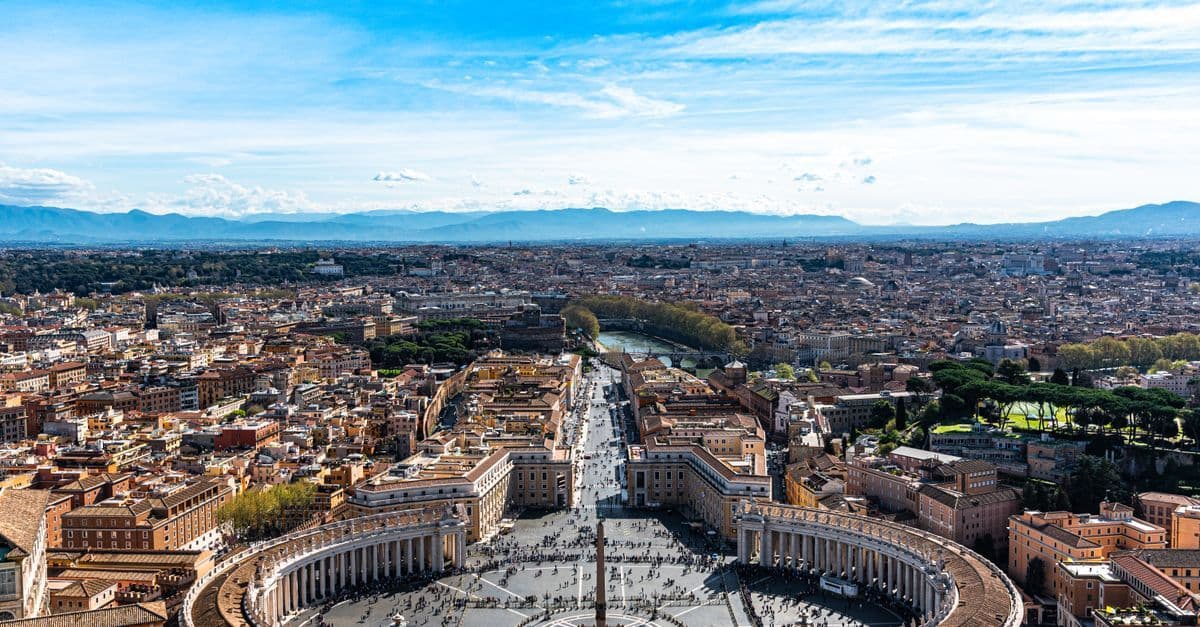
St Peter's Basilica is free to enter and needs no advance booking. You skip the ticket queue entirely for one of the most architecturally and historically significant buildings in the world, which makes it an automatic inclusion on any Rome itinerary regardless of budget. It is also the only major Vatican site with open, unrestricted access.
Several other sights cost nothing, and two operate monthly free-entry days worth building an itinerary around.
- St Peter's Basilica: Free year-round. Security is airport-style, and the dress code (covered shoulders and knees) is enforced at the door. Arrive before 9am on weekdays for the shortest queues.
- Colosseum: Free on the first Sunday of every month, per Italy's national culture ministry policy. Lines on free-entry Sundays are considerably longer than on paid days; arrive at opening time.
- Vatican Museums: Free on the last Sunday of each month. The queues on those Sundays are the longest you'll encounter anywhere in Rome. Booking a timed slot in advance remains worthwhile regardless of the no-cost entry.
- Spanish Steps, Piazza Navona, Campo de Fiori: All free to visit at any hour. Campo de Fiori is at its most useful before 1pm, when the daily produce market is still running.
- Trevi Fountain: Rome ran a timed-entry pilot charging a small fee per visit in 2024. Whether the scheme is in effect during your trip depends on the current city decision, which had not been permanently settled as of mid-2026. Confirm the position before making it your final stop.
Giardino degli Aranci, on the Aventine Hill, is the free sight most Rome guides overlook entirely. A public garden with an unobstructed view west over the Tiber and across the city's rooftops. Free to enter, rarely crowded after 4pm, and more rewarding than several paid viewpoints in Rome.
The free list is longer than most visitors realise. The question worth answering next is which ticketed attractions sell out weeks in advance, and what actually happens if you arrive at the gate without a booking.
Do I need to book things to do in Rome in advance?
Borghese Gallery: always. Colosseum in summer: at least six weeks ahead. Vatican Museums: two to four weeks minimum. The Pantheon: walk-in works, though a reservation at pantheonroma.com removes any doubt.
Four venues, four different approaches. Here's the decision framework:
Borghese Gallery operates on strictly capped two-hour sessions with a fixed visitor limit per slot. There's no walk-up option and availability disappears weeks before peak travel dates. Book the moment your flights are confirmed. This is the one venue in Rome where procrastination genuinely costs you a visit.
Colosseum (peak season, June through August) requires the longest lead time. Six to eight weeks gives a decent choice of slots; leave it any later and you're competing for whatever's left. Timed entry means a fixed arrival window, not a full-day pass. The complex deserves two to three hours, so don't try to squeeze it alongside another timed booking the same morning.
Vatican Museums reward booking online for two reasons: it skips the door queue and avoids the walk-up premium noted in the pricing section above. Two to four weeks covers most travel periods. Treat August like peak Colosseum season and start earlier.
Pantheon is the relaxed option. Walk-in entry is perfectly viable on most days, and the entry fee hasn't changed from the figure mentioned earlier. Reserve at pantheonroma.com if you prefer certainty, but it's not essential outside the very peak weeks.
Late September or October? Much of this pressure eases. The sights don't get easier to understand, but they do get considerably easier to get into.
Reviewed by HelloRoam's editorial team. Last updated: 26 June 2026.
Get Connected Before You Go


Frequently Asked Questions
The standard combined ticket for the Colosseum, Roman Forum, and Palatine Hill costs €18. Book online in advance, especially in summer when slots fill six to eight weeks ahead.
Vatican Museums offer free admission on the last Sunday of each month. Queues on those days are the longest in Rome, so arriving early is essential to make it worthwhile.
Yes. Borghese Gallery operates strictly capped two-hour timed sessions with no walk-up option. Book as soon as your flights are confirmed, as slots disappear weeks before peak dates.
The Pantheon charges €5 entry, introduced in 2023. No advance booking is required, though arriving before 9am avoids the longest queues.
Yes, St Peter's Basilica is free to enter year-round with no advance booking needed. Covered shoulders and knees are required, and security screening is airport-style.
Free sights include St Peter's Basilica, Spanish Steps, Piazza Navona, Campo de Fiori, and Giardino degli Aranci. The Colosseum is free the first Sunday and Vatican Museums the last Sunday of each month.
Since Brexit ended free EU roaming, UK networks charge £1-2 per day for data use in Italy. Activating an Italian eSIM before departure avoids these daily charges entirely.
The Leonardo Express train from Fiumicino to Termini station costs €14 per person, takes 32 minutes, and runs every 15 minutes.
A single metro or bus ticket costs €1.50 and covers 100 minutes across both modes. A 72-hour transport pass works out cheaper for three days of regular travel.
Book two to four weeks ahead for most travel periods, or six to eight weeks for August. Online booking skips the entrance queue and avoids the higher walk-up ticket price.
The Colosseum is free on the first Sunday of every month under Italy's national culture ministry policy. Queues on those days are considerably longer, so arrive at opening time.
The wooden Arena Floor where gladiators fought was removed centuries ago, exposing the amphitheatre's internal structure. A partial reconstruction from 2023 is available as an add-on for approximately €8.
Giardino degli Aranci on the Aventine Hill is a free public garden with an unobstructed view over the Tiber and Rome's rooftops. It is rarely crowded after 4pm and costs nothing to enter.
The Colosseum and Roman Forum together need three to four hours if given proper attention. Palatine Hill above the Forum provides the only elevated view over the entire archaeological site.
Castel Sant'Angelo, fifteen minutes from the Vatican on foot, costs approximately €15 and has reliably shorter queues than St Peter's Square. Its rooftop view over the Tiber is one of Rome's most underrated.
Rome ran a timed-entry pilot charging a small fee at the Trevi Fountain in 2024. Whether the scheme is active depends on current city policy, which had not been permanently settled as of mid-2026.
Trastevere is widely considered Rome's best neighbourhood for local evening dining, with neighbourhood trattorias and local prices. Head into the side streets rather than staying near the main piazza.
Dual SIM lets you keep your UK number active on the physical SIM for bank alerts while routing all data through an Italian eSIM. Both lines run simultaneously, so your UK number never goes dark.
Late September or October sees significantly reduced crowds at major attractions. June through August is the busiest period and requires the most advance booking, especially for the Colosseum.
The Appian Way closes to traffic on Sundays, and cycling past ancient tombs and aqueduct ruins costs nothing. Cycle hire shops near the Catacombs do steady business on Sunday mornings.
Sources
- 15 Very Best Things to Do in Rome, Italy (Ultimate City Travel Guide) — handluggageonly.co.uk
- MY FAVORITE THINGS TO DO IN ROME — youshouldgohere.com (2024)
- compassroam.com — compassroam.com
- culturalwednesday.co.uk — culturalwednesday.co.uk
- THE 10 BEST Things to Do in Rome (2026) — tripadvisor.co.uk