



Frequently Asked Questions
Yes, on balance. The UK's Foreign, Commonwealth and Development Office (FCDO) does not advise against travel to the majority of Vietnam as of early 2026, and the Global Peace Index places the country in the lower-risk tier for the Asia-Pacific region. Politically motivated violence and serious crime targeting tourists are genuinely uncommon. The practical risks — road traffic accidents, petty theft, and travel health issues — are real but manageable with standard preparation.
The three main risks are road traffic accidents, petty crime and scams, and travel-related health issues. Motorbike bag-snatching is common in Ho Chi Minh City, and scams such as inflated taxi fares or fake temple closures occur in tourist areas. Health risks include dengue fever, foodborne illness, heat exhaustion, and waterborne disease from tap water. Renting a motorbike without prior experience in high-density traffic significantly increases personal risk.
This article focuses on safety rather than budgeting, but it does note that essentials like sealed bottled water are cheap and widely available throughout Vietnam. However, it also highlights that private hospital costs for serious medical incidents can be substantial, making comprehensive travel insurance with medical evacuation cover a financial necessity. Travellers should factor insurance, safe transport options, and contingency funds into their budget.
Road traffic accidents are the leading cause of injury-related death in Vietnam. The WHO records approximately 11,000 road fatalities per year, one of the highest rates in Southeast Asia. This means the dominant hazard for tourists is not political instability or violent crime, but traffic — particularly the risk associated with renting a motorbike without prior experience in high-density traffic conditions.
The three dominant risks are road traffic accidents, petty crime and scams, and travel health issues. Road accidents are statistically the most significant hazard tourists face. Natural hazards such as typhoons along the central coast between June and November can also disrupt travel. Violent crime targeting foreign nationals is rare by regional standards.
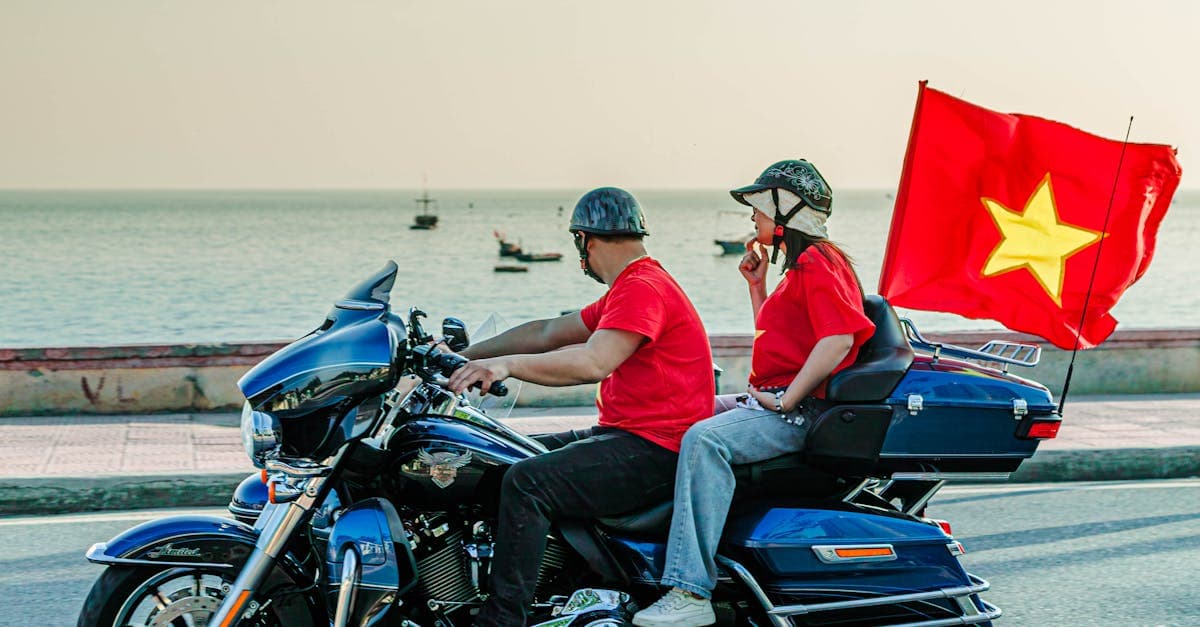
Renting a motorbike substantially increases personal risk, particularly for travellers without prior experience of right-hand traffic at high density. Vietnam records approximately 11,000 road fatalities per year. If you do rent a motorbike, a properly fitted helmet is essential, and you must verify that your travel insurance explicitly covers motorbike use, as many standard policies exclude it by default.
The established technique is to move slowly, steadily, and predictably. Local drivers have adapted to pedestrian movement this way for decades, and it works provided you do not stop suddenly or move erratically mid-crossing. Stopping abruptly or changing direction unexpectedly are the key behaviours that cause accidents.
Common tourist scams follow recognisable patterns: cyclo drivers quote one price and present a much higher bill on arrival, strangers redirect you from free attractions towards commission-paying shops, or press items into your hands and then demand payment. A firm refusal and willingness to walk away resolves most situations before any money changes hands. Using ride-hailing apps and metered taxis from established operators removes most fare-related risks.
No vaccinations are legally required for British tourists entering Vietnam from the UK. The NHS recommends hepatitis A, typhoid, and tetanus as standard. Travellers heading to rural areas or staying longer than a month should also discuss rabies and Japanese encephalitis with a travel clinic, as both require a course of injections with a minimum lead time of six to eight weeks before departure.
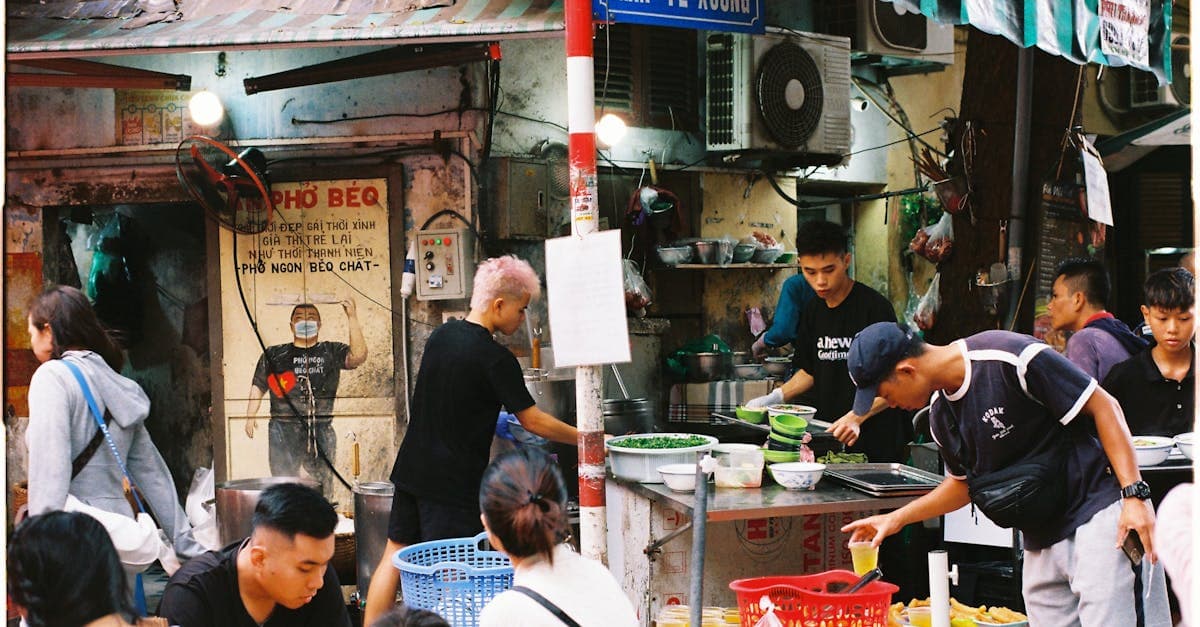
Street food is generally safe and carries less risk than cautious visitors tend to assume. Three practical indicators matter: the stall is visibly busy, food is cooked in front of you, and hygiene looks acceptable. Busy stalls turn over stock quickly, which is the most reliable measure of safety. An empty stall at lunchtime is a different proposition.
Tap water is not safe to drink anywhere in Vietnam. Sealed bottled water is cheap and widely available and is the only reliable option. Commercial ice in city restaurants is generally fine, but at more remote locations it is reasonable to ask before consuming it.
Key health risks include dengue fever, which is present year-round in southern Vietnam and spread by mosquitoes that bite during daylight hours, not just at dusk. Heat exhaustion and foodborne illness are the most common reasons tourists visit clinics. DEET-based repellent applied consistently, including during mid-morning and afternoon activity, is the primary defence against dengue.
Travel insurance with medical evacuation cover is a genuine necessity for Vietnam. Healthcare quality outside Hanoi and Ho Chi Minh City can be variable, and private hospital costs for serious incidents are substantial. You should verify that your policy explicitly covers motorbike use and medical evacuation before departure, as standard policies vary significantly on these points.
The FCDO flags specific border areas, particularly certain regions adjoining parts of Laos and Cambodia, where extra caution is advised. Travellers should check the live FCDO advisory before finalising bookings and again a few days before departure, as border situations can shift without much notice. The majority of Vietnam's established tourist trail is not subject to travel advisories.
For itineraries along the established tourist trail, yes. Vietnam's visitor infrastructure is mature, English is widely spoken in tourist areas, and millions of travellers complete the classic north-to-south route each year without incident. Standard precautions around traffic, petty theft, and health preparation cover the overwhelming majority of realistic risks.
Ride-hailing apps provide GPS-tracked journeys with driver accountability and metered fares, and are available in major cities. Metered taxis from established operators are a reliable alternative. Both options remove the need to negotiate fares upfront and avoid the significantly higher personal risk of renting a motorbike, particularly without prior experience in high-density traffic.
Typhoons along the central coast typically occur between June and November and can disrupt travel significantly. Hoi An and Da Nang are particularly exposed during this window. Booking non-refundable accommodation in typhoon season without weather disruption cover on your insurance is a considerable risk.
Register with the FCDO's Travel Aware scheme, which takes approximately five minutes and is free. Store digital copies of your passport, insurance certificate, and any repeat prescriptions somewhere accessible. Book a travel health appointment at least six to eight weeks before departure to allow time for any vaccination courses. Check the FCDO travel advisory both before booking and again a few days before departure.
Sources
- Safety and security - Vietnam travel advice — gov.uk
- Vietnam travel advice — gov.uk
- Health and Safety — vietnam.travel
- Is It Safe To Travel to Vietnam in 2026 — bhtp.com
- Travel advice and advisories for Vietnam — travel.gc.ca