


International Hall at a Glance

International Hall is the largest hall in the University of London's intercollegiate network, housing around 860 residents at Lansdowne Terrace and Brunswick Square in Bloomsbury, WC1N 1AW soas.ac.uk. That scale distinguishes it from virtually every other student hall in the capital.
Most London university accommodation runs to a few hundred beds. International Hall nearly triples that figure, which changes the social texture markedly. This isn't a tight corridor community; it operates closer to a small settlement with shared infrastructure. Some students find that energising. Others find it impersonal. Both responses are reasonable and worth weighing before accepting an offer.
Eligibility spans the University of London federation. Students from UCL, LSE, SOAS, King's College London, Birkbeck, and Queen Mary University of London can all apply lse.ac.uk, alongside others from member institutions. That intercollegiate design is considered rather than accidental: the hall exists to draw students across colleges rather than consolidate single-institution networks en.wikipedia.org.
Two room types: catered single rooms with daily dining hall meals included, or self-catered studios with a full kitchen ucl.ac.uk. Both fold utilities, internet access, and contents insurance into a single weekly charge, removing the administrative headache of managing separate bills.
Location shapes daily life here more than any floor plan.
Location and Getting to International Hall
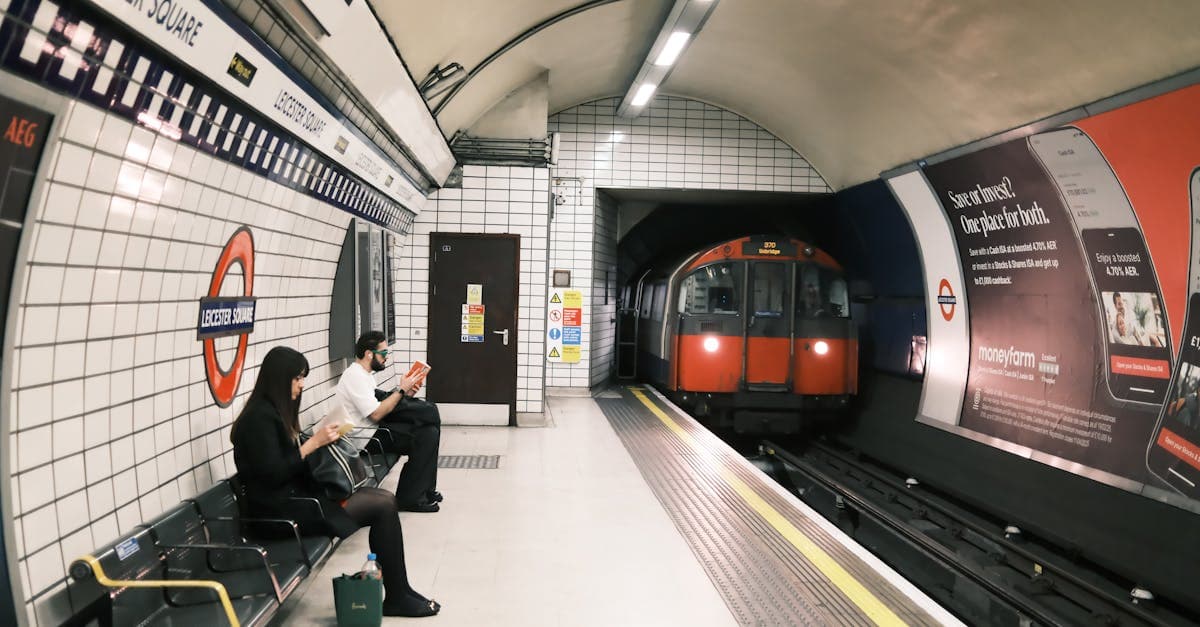
Russell Square station, on the Piccadilly line, sits roughly five minutes from the main entrance at Lansdowne Terrace. The full address is Lansdowne Terrace, Brunswick Square, Bloomsbury, London WC1N 1AW.
That connection to the Piccadilly line matters more than most prospective residents realise at first. Heathrow Terminals 2 and 3 are on the same line, making the journey from airport to Bloomsbury a single forty-minute ride without changing trains. Students arriving on international flights can navigate it independently, without taxi costs or prior city knowledge. King's Cross and St Pancras are within fifteen minutes on foot tripadvisor.co.uk, placing Eurostar arrivals and Thameslink passengers in an equally workable position.
The surrounding area is well-sorted for academic life. UCL's main campus, SOAS, Birkbeck, and the London School of Economics all sit within walking distance from the front entrance. Senate House Library is a short walk down Malet Street. Bloomsbury holds the highest density of University of London buildings in central London; the halls cluster here because the lecture rooms do. The British Museum is around the corner, for what it's worth.
One practical gap for students arriving from outside the UK: home-country SIM cards generate roaming charges from the moment the plane lands, well before keys are collected or any orientation has taken place. A sensible fix is activating a UK-compatible eSIM before departure. HelloRoam offers plans with pre-departure activation for UK connectivity; current options are listed at Browse All eSIM Plans. Sorting mobile data before you fly is far less stressful than queuing at an airport phone kiosk after a long-haul flight.
The postcode tells you where the hall is. The room type tells you how you'll actually live there.
Rooms and Facilities at International Hall
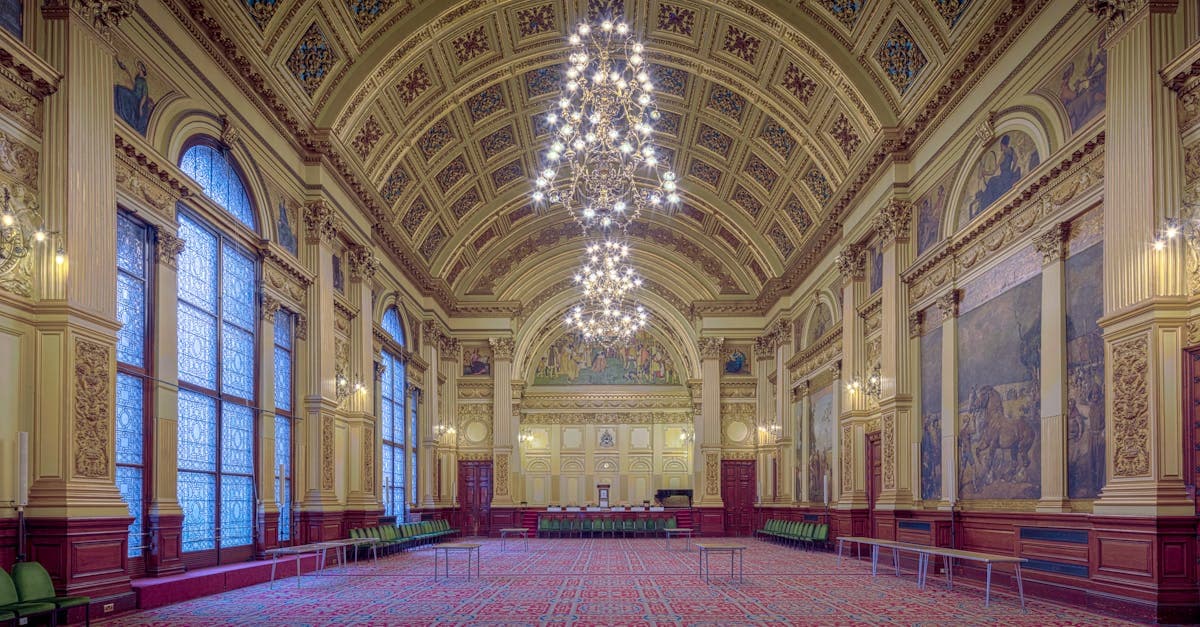
International Hall offers two room types: catered single rooms and self-catered studios. The choice is made early in the application process and is one of the more consequential decisions in applying.
Catered single rooms are private bedrooms with daily meals provided in the dining hall. Most catered arrangements cover breakfast and dinner on weekdays, handling a substantial portion of the food budget without any cooking requirement. Catered blocks include pantry kitchens for light use: a kettle, a microwave, and basic refrigeration. There are no full hobs or ovens in catered accommodation. If cooking forms a meaningful part of how you function daily, that limitation warrants careful thought before accepting.
Self-catered studios are a different proposition. Each unit includes a full kitchen, providing genuine independence within a managed hall environment. These rooms suit students who cook regularly, have dietary needs the dining hall doesn't cover adequately, or prefer to organise meal times around their own schedule. The weekly rate is higher than the catered equivalent, reflecting both the additional space and the kitchen provision.
Security runs on a 24-hour card-access system throughout the building. All entry points require a resident card at all hours, with staff present continuously. Students arriving late after flights, library sessions, or evening travel don't encounter an unmanned entrance.
Accessibility provisions are incorporated into the hall's design rather than treated as supplementary additions. Students with mobility requirements should contact University of London Accommodation Services directly before accepting an offer; specific room configurations vary, and raising this early with the office is the most reliable approach.
Common rooms, laundry facilities, and dedicated study spaces sit within the building britanniastudents.com. The study rooms prove their worth during the final weeks of term, when a quiet desk away from a bedroom becomes necessary rather than merely convenient. On-site laundry removes one of the more tedious logistics of first-year independence.
Internet access bundles into the all-inclusive weekly charge, covering the hall's internal network britanniastudents.com. Mobile data for use outside the building is a separate matter each resident handles independently.
Facilities tell half the story; fees tell the rest.
Fees for 2026/2027 at International Hall
Catered single rooms at International Hall run approximately £220 to £280 per week for 2026/27. Self-catered studios cost roughly £280 to £380 per week. That gap catches most applicants off guard.
You'd expect self-catering to be the cheaper option. It isn't, because studios include a full independent kitchen, considerably more living space, and a genuinely different daily arrangement. For students who cook most meals and prefer not to structure their evenings around dining hall times, the higher weekly rate often makes layered sense across a full academic year.
Both options bundle the following into the weekly charge:
- Utility bills (electricity, heating, water)
- Broadband internet connection
- Contents insurance
No separate energy account to open, no broadband waiting period, no insurance policy to sort on arrival. London private rentals typically add these costs on top of rent. The all-inclusive billing here is a more considered comparison point than the headline weekly figure alone suggests.
Contracts run 38 to 40 weeks, covering the full academic year. That's a real commitment. Students on US exchange programmes or shorter semester placements should read the terms carefully before accepting, confirming the dates align precisely with their actual stay rather than assuming they do.
Allocation is the other pressure. Demand comes from students across more than eight University of London member colleges, and catered rooms tend to fill earliest. Applying promptly through the University of London system isn't conservative advice; it's the practical difference between securing a first-choice room and sitting on a waiting list while others decide.
The fees are clear-cut once you see them whole. What arrival day actually asks of a student flying in from outside the UK is a separate, more immediate set of preparations.
Staying Connected: Mobile Data for International Students in London

International students arriving in the UK face an immediate data problem: their home SIM begins billing roaming charges the moment a UK tower registers the device. On some networks, that clock starts before the plane has cleared the runway at Heathrow or Gatwick.
The specific frustration is financial. Carriers from India, Nigeria, the UAE, and the United States often charge per-megabyte rates in the UK without a straightforward spending cap. A student who hasn't planned ahead might arrive in Bloomsbury, try to load a map, and find their carrier has already charged several pounds before they've collected their key.
Getting to a phone shop on Tottenham Court Road fixes the problem. It shouldn't have to be the first task on arrival day.
An eSIM activates before departure. Unlike a physical PAYG SIM, which requires an in-store purchase after landing, an eSIM installs remotely via a QR code scan and is ready the moment the handset connects to a UK network. Students who sort this in advance land already online.
The dual-SIM setup is nuanced but practical. Most current smartphones support two active profiles simultaneously, meaning a student can keep their home number live for bank verification texts while running a separate UK data plan through the eSIM. Those bank texts matter considerably more during the first week than most students anticipate; university portals, accommodation systems, and UK bank account applications all tend to demand two-factor authentication at once.
For orientation week and the initial settling-in period, a contract-free arrangement suits better than committing immediately to a 12-month UK carrier deal. HelloRoam offers UK data plans on a short-term, no-contract basis, which gives new arrivals functional coverage from day one without locking in before they've assessed how much data they actually use.
Physical PAYG SIMs from EE, Three, Vodafone UK, or O2 are available across London once you're on the ground. The trade-off is straightforward: sort it before you board, or sort it after you land.
Is International Hall Right for You?

Eligibility is the first question. International Hall accepts students from UCL, LSE, SOAS, King's College London, Birkbeck, Queen Mary University of London, and other University of London member institutions. Students enrolled at institutions outside that federal structure cannot apply, regardless of how close their campus is geographically.
For those who qualify, the fit depends on three things: how much you value structured daily meals, whether independent cooking suits you better, and how deliberately you want to build connections across colleges.
The catered option fits students who want daily structure, social mealtimes, and the kind of cross-college mix that's difficult to engineer deliberately anywhere else. Few environments in London put a UCL student and an LSE economist at the same breakfast table by default. That intercollegiate dynamic compounds across a full academic year into something the social calendar of a single-college hall simply can't replicate.
Studios suit a different profile. Independent cooking, flexible hours, and less communal obligation tend to be the deciding factors. It's not a lesser arrangement; it's a careful match to a different way of living.
High demand, as covered in the fees section, means timing shapes outcomes more than preference does in practice. Knowing which option actually fits your situation and applying promptly through the University of London system is a more thoughtful preparation than leaving the choice open.
Most students who genuinely fit International Hall will recognise that fairly quickly. One practical question still catches even well-prepared new arrivals off guard once the accommodation decision is made, and it's worth settling before the keys are collected.
How Do International Students at International Hall Get UK Data?

Three options exist for UK mobile data on arrival: roam on your home carrier's plan, buy a pay-as-you-go (PAYG) SIM in London, or activate an eSIM before you travel. Each works. They differ considerably in cost and how quickly you're actually connected.
The roaming myth. Many students assume their home carrier handles UK usage cheaply. It rarely does. Home-network roaming charges in the UK can run to several pounds per day, depending on your carrier and country of origin. Stretch that across a full semester and the bills become genuinely uncomfortable.
PAYG SIMs from EE, Three, Vodafone UK, or O2 are available at airport kiosks and high street stores across London. Expect to show ID, wait for activation, and carry the right cash or card. Functional enough during daylight hours. Considerably less appealing at 11pm with a suitcase on Lansdowne Terrace.
The alternative is an eSIM.
An eSIM is a digital SIM profile stored inside your device, activated via QR code with no plastic card involved. Most smartphones manufactured from 2020 onward support eSIM natively, including the iPhone 12 series, Samsung Galaxy S21, and Google Pixel 5 onwards. Check your handset settings before ruling it out.
The decisive advantage: you set it up before you board. By the time your flight lands at Heathrow or Gatwick, your UK data is already live. Flexible short-term plans, available without a long-term contract, suit students on semester placements as well as those still weighing their longer-term UK SIM options. No queue. No kiosk. Signal running before the luggage carousel even starts moving.
Reviewed by HelloRoam's editorial team. Last updated: 08 May 2026.
Get Connected Before You Go





Frequently Asked Questions
International Hall is at Lansdowne Terrace, Brunswick Square, Bloomsbury, London WC1N 1AW, about five minutes from Russell Square Tube station on the Piccadilly line.
Students from UCL, LSE, SOAS, King's College London, Birkbeck, and Queen Mary University of London, plus other University of London member institutions, are eligible to apply.
International Hall houses around 860 residents, making it the largest hall in the University of London's intercollegiate network and significantly larger than most other London student halls.
International Hall offers catered single rooms with daily dining hall meals included, and self-catered studios with a full kitchen. Both options include utilities, broadband, and contents insurance.
Catered single rooms cost approximately £220 to £280 per week. Self-catered studios cost roughly £280 to £380 per week, with all utilities, broadband, and contents insurance bundled in.
Self-catered studios include a full independent kitchen and considerably more living space. The higher weekly rate reflects these extras even though no meals are provided.
The weekly fee includes electricity, heating, water, broadband internet, and contents insurance for both room types, removing the need to manage separate bills as you would in a private London rental.
Contracts run 38 to 40 weeks, covering the full academic year. Students on shorter exchange programmes should verify their stay dates align precisely with the contract term before accepting an offer.
Take the Piccadilly line from Heathrow Terminals 2 and 3 directly to Russell Square station — a single 40-minute journey with no train changes. The hall is approximately five minutes from the station.
King's Cross and St Pancras stations are within 15 minutes' walk of International Hall, making it convenient for Eurostar arrivals and Thameslink passengers coming from outside London.
International Hall has common rooms, on-site laundry, and dedicated study spaces within the building. Catered blocks also include pantry kitchens with a kettle, microwave, and basic refrigeration.
Students in self-catered studios have a full independent kitchen. Catered rooms include only a pantry kitchen with a kettle and microwave — no hobs or ovens are available in catered accommodation.
International Hall operates a 24-hour card-access system at all entry points with staff present continuously, so residents can return safely at any hour without encountering an unmanned entrance.
Yes. Its intercollegiate design brings together students from UCL, LSE, SOAS, King's College London, and other University of London colleges, creating cross-college social connections by default.
Demand is high because students from over eight University of London colleges all apply to the same pool of rooms. Catered rooms tend to fill earliest, so applying promptly through the University of London system is essential.
The three main options are roaming on a home carrier plan, buying a pay-as-you-go SIM in London after landing, or activating a UK eSIM before departure. Only a pre-activated eSIM leaves you connected the moment you land.
An eSIM is a digital SIM that installs remotely via a QR code scan before you travel. It activates automatically when your phone connects to a UK network, so there is no need to visit an airport phone shop on arrival.
Yes. Most modern smartphones support dual SIM, letting you run a UK eSIM for local data while keeping your home SIM active for bank verification texts, which are frequently needed during your first week.
Many carriers charge per-megabyte roaming rates in the UK without a clear spending cap, which can accumulate to several pounds per day and become a significant unexpected cost across a full semester.
It is strongly advisable. Home SIMs begin billing roaming charges the moment a UK tower registers the device. Activating a UK-compatible eSIM before departure avoids those charges from the very first moment of arrival.
Sources
- InternationalHall — london.ac.uk
- International Hall — ucl.ac.uk
- International Hall — lse.ac.uk
- en.wikipedia.org — en.wikipedia.org
- International Hall — soas.ac.uk
- International Hall — britanniastudents.com
- INTERNATIONAL HALL UNIVERSITY OF LONDON — tripadvisor.co.uk