


Table of content
- Quick answer: is Turkey safe to visit right now?
- What the FCDO travel advisory for Turkey means in practice
- Travel insurance and advisory tiers
- What parts of Turkey are safe for tourists?
- Terrorism, petty crime, and the real risks in Turkey
- Laws, cultural rules, and practical safety tips in Turkey
- Staying connected in Turkey to track safety updates
- Before you fly: five steps
- Is it safe to travel to Turkey with the war in Iran?
Quick answer: is Turkey safe to visit right now?
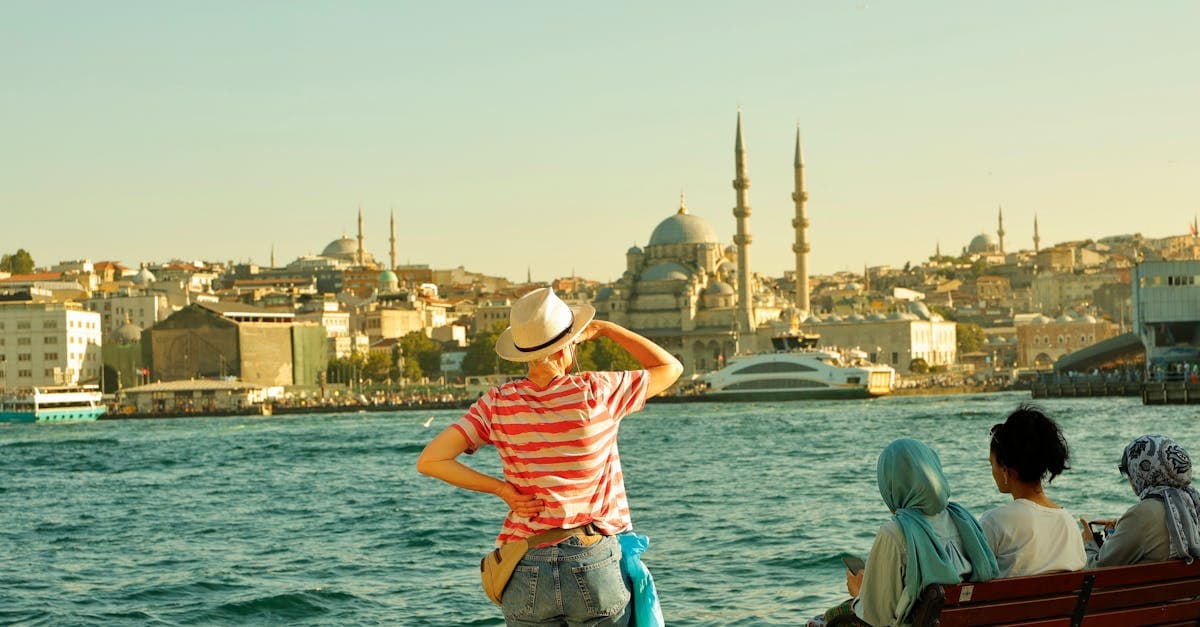
Turkey is broadly safe for British tourists right now. The FCDO restricts only a narrow strip along the Syrian border and two southeastern provinces gov.uk. Istanbul, Antalya, Bodrum, and Cappadocia carry no FCDO "avoid" advisory.
Turkey welcomed over 50 million international visitors across 2024 and 2025, breaking its own tourism records in both years. British tourists rank among the top three nationality groups by visitor volume. That's not a figure you associate with a country in genuine crisis.
The realistic day-to-day risk for most visitors is petty crime: bag snatching and tourist scams in busy areas. Terrorism threat levels remain elevated nationwide smartraveller.gov.au, but no mass-casualty attack has struck tourist areas since 2016. Sensible urban vigilance covers the main bases.
Mobile data matters throughout your trip. FCDO alerts update in real time via the GOV.UK travel advice service, and you need a live signal to access them as conditions change. HelloRoam's eSIM for Turkey starts from ~£2.76 for 1GB over 7 days on Türk Telekom's 5G network, sorted before you board.
Key fact: HelloRoam Turkey plans start from ~£2.76 for 1GB (7 days) and reach ~£8.45 for 10GB (30 days), all on Türk Telekom's 5G network.
Three and EE both offer roaming coverage in Turkey, but carrier day passes accumulate quickly across a fortnight. Factor in the full cost before you decide.
The FCDO wording needs careful reading, though.
What the FCDO travel advisory for Turkey means in practice
The FCDO issues four distinct advisory tiers, not one blanket warning for Turkey. Most readers scan the headline and assume the entire country is flagged. That misreading has cancelled more than a few perfectly good holidays.
Myth: 'The Foreign Office has warned against going to Turkey.'
The reality is more precise. The FCDO advises against all travel to a 10km strip along the Syrian border. A separate tier, 'all but essential travel,' applies to Hakkari and Şırnak provinces in the far southeast gov.uk. Istanbul, the entire Aegean coast, the Mediterranean coast (Antalya, Bodrum, Marmaris, Fethiye), and Cappadocia fall outside both restricted tiers entirely.
That's four designations. The Turkey that most British package tourists visit sits in the default tier: travel as normal, with standard vigilance.
Myth: 'A US State Department warning means avoid Turkey.'
The State Department's Level 2 advisory, updated in April 2026, means 'exercise increased caution.' France and Germany carry Level 2 status too. It's a flag, not a prohibition. The advisory cites terrorism, armed conflict near the southern borders, and a risk of arbitrary detention travel.state.gov. That last point is a live concern for journalists and academics working in the country. For most package tourists in Antalya or Bodrum, it rarely applies.
Travel insurance and advisory tiers
Standard UK travel insurance policies typically remain valid where the FCDO issues no advisory against travel. If you're booked for Istanbul or the Aegean coast, no 'advise against' tier applies to those regions, and your policy should hold.
The complication is your policy's exact wording. Some insurers tie exclusions to any active FCDO advisory language for a country, even cautionary text that falls well short of the 'advise against all travel' threshold. Read the definitions section before you book, not at the departure gate. If the wording is ambiguous, call your insurer directly and ask whether Turkey's current FCDO status affects your cover. Get the answer in writing.
But which specific areas carry no FCDO warning?
What parts of Turkey are safe for tourists?
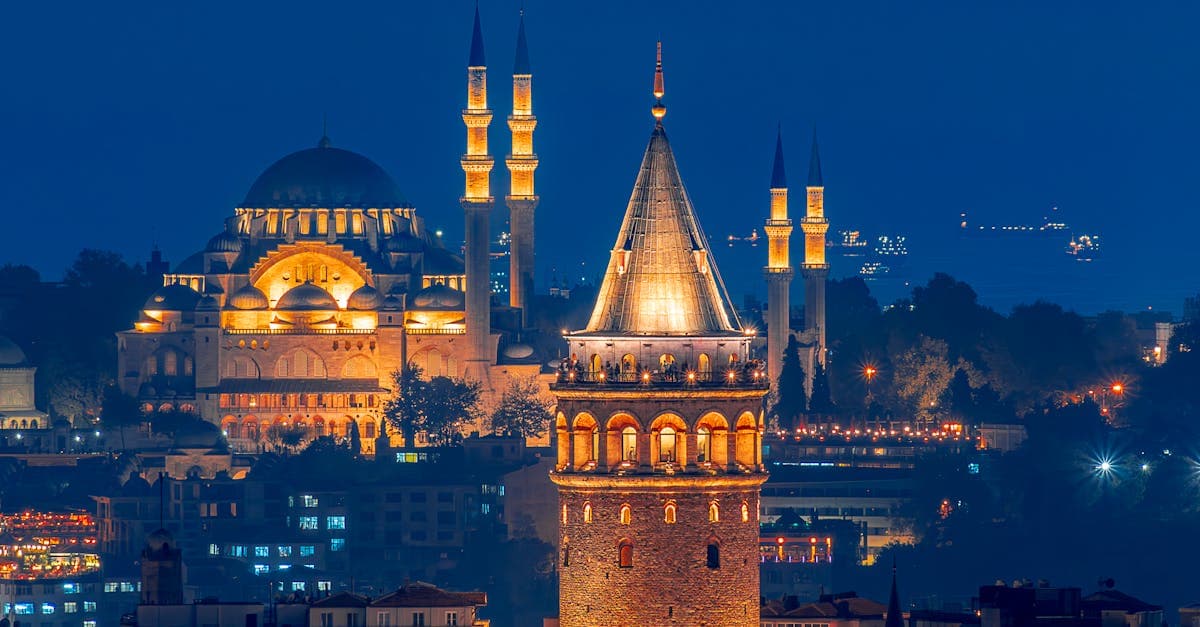
Western and coastal Turkey is broadly safe for British visitors in 2026. The areas covering virtually every mainstream UK package holiday carry no FCDO 'avoid' designation. Risk is concentrated in the far southeast, well away from Turkey's tourist heartlands.
Condé Nast Traveller's March 2026 assessment described Turkey's coastal resorts and Cappadocia as 'largely safe,' with no FCDO advisories applied to those regions cntraveller.com. That independently corroborates the tier breakdown above.
The geographic divide is fairly clean. Stay broadly west of Gaziantep and you're clear of every FCDO-flagged zone. Every major British resort destination sits comfortably inside that boundary.
Istanbul's tourist districts of Sultanahmet and Beyoğlu draw millions of visitors each year. The realistic risk there is a pickpocket near the Grand Bazaar or a scam around the Blue Mosque. Not a conflict zone.
Cappadocia is worth flagging separately. Travellers flying into Nevşehir or Kayseri airport enter a region with no FCDO restrictions and a well-established tourist infrastructure built around hot-air balloon flights and guided hiking. The risk profile sits closer to rural France than anywhere contentious.
Beyond location, the real nature of risks matters more.
Terrorism, petty crime, and the real risks in Turkey
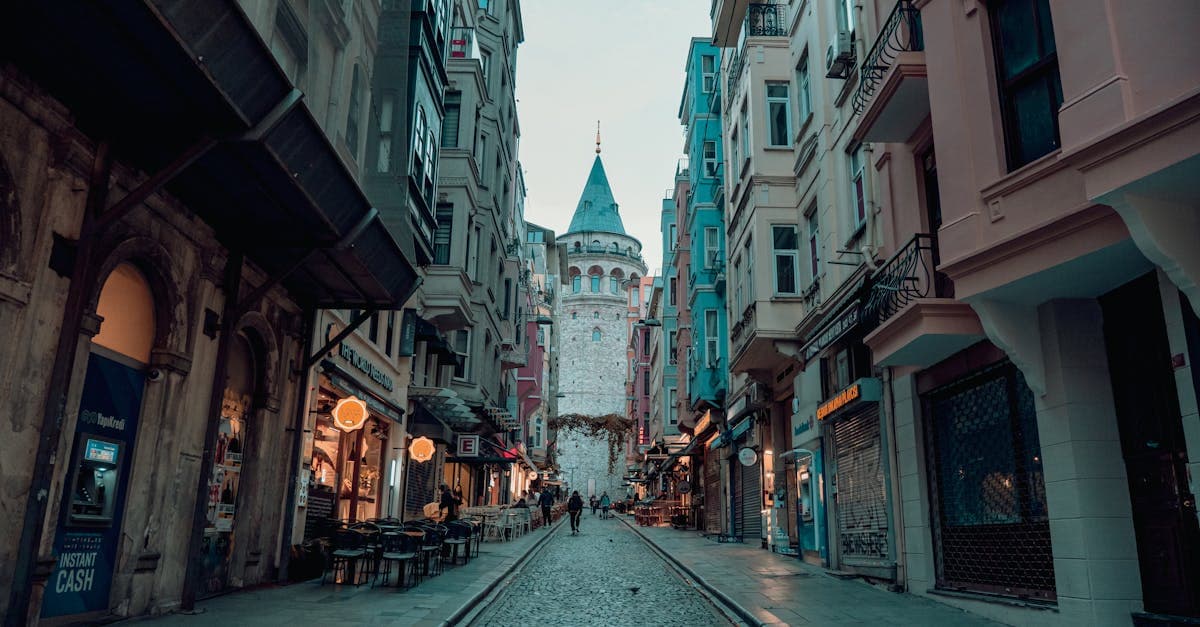
Petty crime is the realistic risk for most British tourists in Turkey, not terrorism. The threat level remains officially elevated, but no attack has struck a tourist area since the 2016 Atatürk Airport bombing thetimes.com. What actually disrupts trips is more mundane: bag theft in the Grand Bazaar, unlicensed taxi overcharging, and well-practiced scams on Istiklal Avenue. The statistical picture points firmly toward street-level risk.
Drink and food spiking is reported specifically in Istanbul's bar and club district gov.uk. Methanol poisoning from counterfeit spirits is rarer but has caused fatalities at unlicensed venues. Sealed, branded bottles only. If a bar cannot produce an unopened one in front of you, that is your cue to leave.
Counterfeit notes warrant particular vigilance. Check every note at a currency exchange bureau before you step away from the desk. Paying by card where possible reduces exposure, and Monzo or Revolut both send instant transaction alerts that flag unusual activity while you are abroad.
Solo female travellers face a higher harassment risk in rural areas and outside the major tourist zones. This is not alarmist; it is the frank assessment of the FCDO and experienced Turkey regulars alike. Reliable mobile data, to order a car or call for help quickly, matters more here than almost anywhere else in the country.
Political demonstrations have been a periodic feature of Istanbul since early 2025. They can escalate quickly. If a crowd forms near Taksim Square, move away from it rather than stopping to watch.
Local laws and customs add another layer to understand.
Laws, cultural rules, and practical safety tips in Turkey
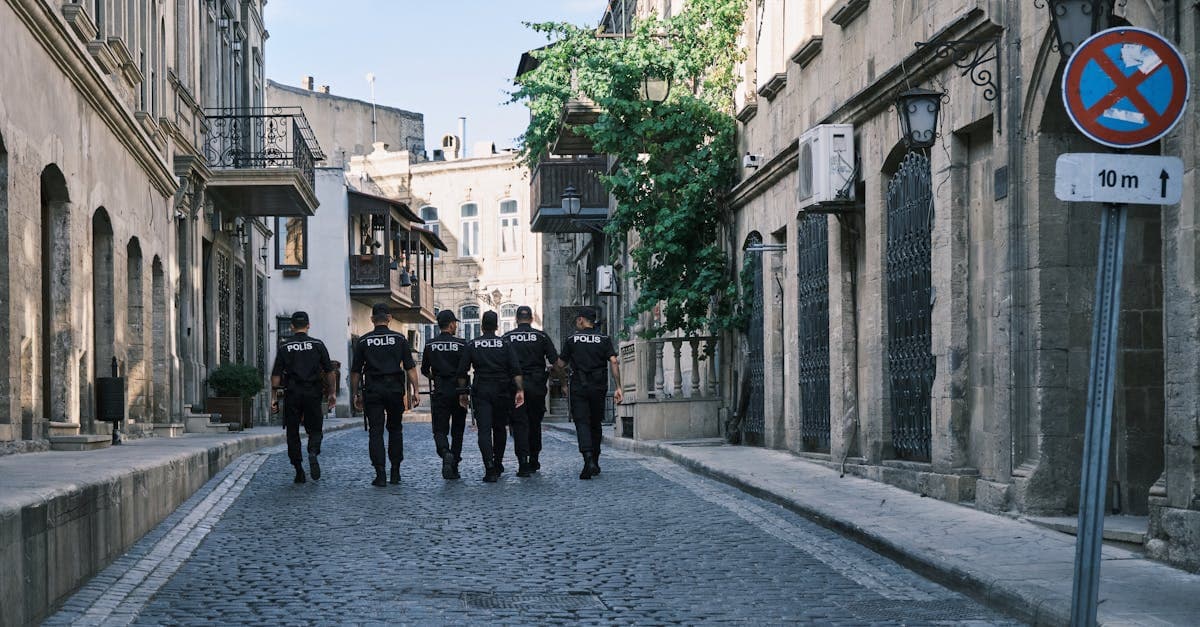
Carrying a certified copy of your passport is a legal requirement for foreign nationals in Turkey, not just cautious travel practice. Turkish police can request ID at any time, and a screenshot on your phone does not meet the standard. Keep the original locked in your hotel safe and carry a laminated certified copy instead.
Photographing military installations, government buildings, and border zones is a criminal offence. The restriction covers areas you might not immediately recognise as sensitive: a police checkpoint, a naval jetty, certain bridges. If the situation is unclear, pocket the camera.
Insulting Turkish state institutions carries criminal penalties under Article 301 of the Turkish Penal Code gov.uk. This extends to social media posted from Turkish soil. A comment that passes unnoticed at home becomes legally hazardous once you are within Turkey's jurisdiction.
A few rules that catch British visitors off guard each year:
- Ramadan: Alcohol restrictions tighten in non-tourist areas during the holy month. Coastal resorts are largely unaffected, but dress standards and behaviour are noticeably more conservative inland.
- Travelling with children: Some hotels request proof of both parents' consent on arrival. If you are travelling solo with a child, carry a notarised letter from the other parent.
- LGBTQ+ visitors: Same-sex relationships are not criminalised in Turkey. Public displays of affection carry a real harassment risk outside Istanbul's more tolerant districts, and Istanbul Pride has been prohibited since 2015 gov.uk.
- eSIMs: Legally permitted for foreign tourists visiting Turkey. Foreign-issued eSIMs do not require the in-store passport registration that purchasing a local Turkish SIM demands.
Good mobile data makes all this advice actionable on the ground.
Staying connected in Turkey to track safety updates
Mobile data is a safety tool in Turkey, not just a convenience. Live FCDO GOV.UK alerts, real-time navigation when streets are blocked, and the British Embassy reachable in seconds: none of that functions without a reliable connection in your pocket.
Three options cover the main approaches.
Local Turkish SIM: Available at Istanbul Airport and phone shops nationwide. Cheap and widely accessible. Turkish law requires passport registration at point of sale, which takes time and can create complications at internal checkpoints later in the trip.
UK carrier roaming: EE, Vodafone, and Three all charge per-day rates for Turkey, which sits outside post-Brexit free roaming arrangements. A fortnight on a daily bolt-on adds up to a sizeable bill. Check your specific tariff before departure.
eSIM: Activate before boarding, skip the kiosk queue, and arrive connected. HelloRoam's Turkey plans run on Türk Telekom's 5G network. The 3GB/30-day option is ~£4.34; the 5GB/30-day plan is ~£7.10, covering the full duration of a standard British two-week trip.
Key fact: HelloRoam's Turkey 5GB plan costs ~£7.10 for 30 days on Türk Telekom's 5G network.
The dual-SIM setup handles the practical problem neatly. Run an eSIM for data and keep your UK physical SIM active alongside it for bank verification texts and Monzo or Revolut spending alerts as they come in.
Before you fly: five steps
- Download the FCDO travel alert app and enable notifications for Turkey.
- Save the British Embassy in Ankara (+90 312 455 3344) and the British Consulate in Istanbul (+90 212 334 6400) as phone contacts before you land.
- Download offline map packs for Istanbul and your destination region via Google Maps.
- Install a translation app with offline Turkish language support.
- Activate your eSIM at home over Wi-Fi, before you board.
eSIM for Turkey runs on Türk Telekom's network and connects the moment Turkish coverage picks up on descent.
One regional conflict question still needs a direct answer.
Is it safe to travel to Turkey with the war in Iran?
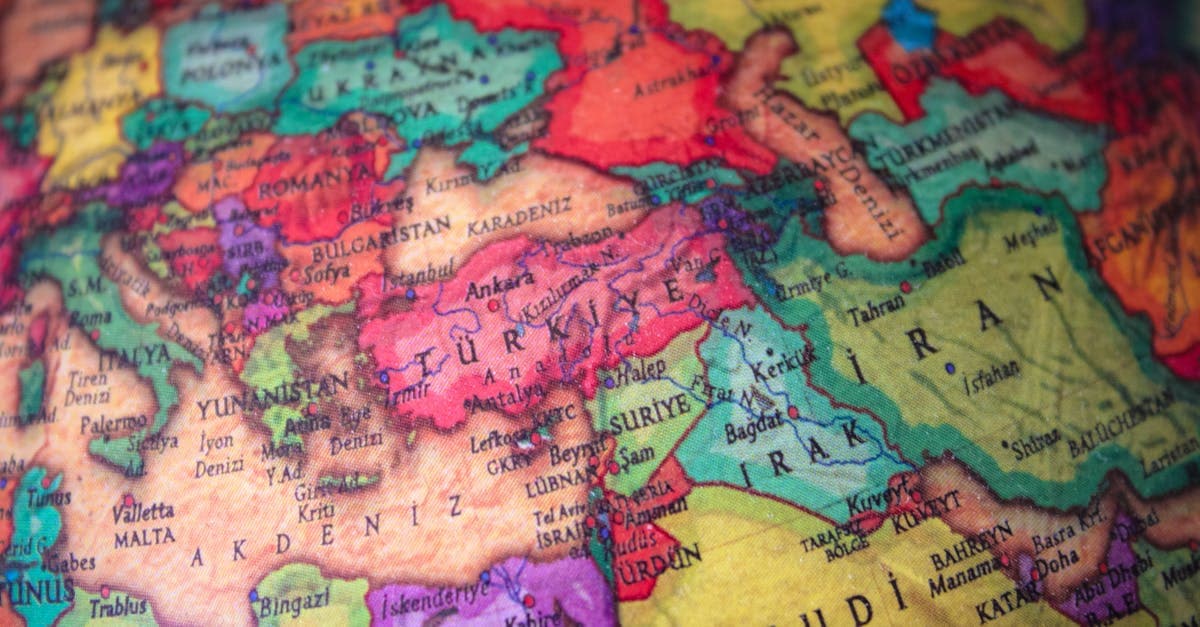
Turkey doesn't share Iran's active conflict zones, and as of May 2026, the FCDO has issued no Turkey-specific advisory linked to tensions in Iran gov.uk. For British tourists heading to Istanbul, Antalya, or Cappadocia, the Iran situation has no direct bearing on their safety picture.
The concern makes sense, given Turkey's geography. The two countries share a border in the far northeast, in the Eastern Anatolia region around Ağrı and Van. But neither city sits on the FCDO's 'avoid' list, and both are hundreds of kilometres from any British beach resort. For the overwhelming majority of package holidays, what's unfolding in Iran is geographically irrelevant.
That's not dismissiveness. That's the map.
If your itinerary includes Eastern Anatolia (Van, Doğubayazıt, or the Ishak Pasha Palace area), checking FCDO updates before travel is a sensible step. Not because Turkey's eastern border mirrors Iran's situation, but because regional instability can affect crossing conditions and rural infrastructure. The FCDO Turkey page covers this region separately from its Syrian-border advisories; read both before you book.
Western Turkey is another matter entirely. Istanbul, the Aegean coast, Antalya province: none of these regions share any operational connection to Iranian conflict dynamics. The advisory picture there hasn't shifted on account of events in Iran.
One practical note for route planning: the FCDO advises against all travel to Iran gov.uk. That restriction applies to the Iranian side of the frontier, not to Turkey's approach to it. Crossing from Turkey into Iran by road is not a route British travellers should be taking right now.
Turkey functions as a stable regional transit point precisely because of its position. Flights, trade, and diplomatic traffic pass through Istanbul and Ankara even when neighbouring countries face disruption. That stability is structural, not incidental.
Istanbul, the Turkish coast, and Cappadocia are unaffected by events in Iran. Eastern Anatolia warrants a pre-trip FCDO check, not outright avoidance. Those are two distinct conversations, and anxiety about one shouldn't cancel plans for the other.
Reviewed by HelloRoam's editorial team. Last updated: 09 May 2026.
Get Connected Before You Go


Frequently Asked Questions
Turkey is broadly safe for British tourists. The FCDO restricts only a narrow strip along the Syrian border and two southeastern provinces. Istanbul, Antalya, Bodrum, and Cappadocia carry no FCDO 'avoid' advisory. Turkey welcomed over 50 million visitors in both 2024 and 2025.
Turkey's main tourist areas — Istanbul, Antalya, Bodrum, and Cappadocia — are far from Turkey's eastern border with Iran. The FCDO's restricted zones cover only the Syrian border strip and two far southeastern provinces, leaving all mainstream tourist destinations unaffected.
Western and coastal Turkey is broadly safe. Istanbul, Antalya, Bodrum, Marmaris, Fethiye, and Cappadocia all carry no FCDO 'avoid' designation. Risk is concentrated in the far southeast near the Syrian border, well away from mainstream British tourist destinations.
Yes. Antalya carries no FCDO 'avoid' advisory and is the most popular British holiday destination in Turkey. Standard vigilance against petty crime applies, but there are no terrorism or conflict-related restrictions for the Antalya coast.
The FCDO issues four tiers, not one blanket warning. It advises against travel only to a 10km strip along the Syrian border and two far southeastern provinces. All major tourist areas — Istanbul, Antalya, Bodrum, and Cappadocia — fall outside every restricted tier.
Petty crime is the most realistic risk: bag theft, unlicensed taxi overcharging, and tourist scams. Terrorism threat is officially elevated but no attack has struck a tourist area since 2016. Drink spiking is specifically reported in Istanbul's nightlife districts.
Standard UK travel insurance typically remains valid where the FCDO issues no 'advise against' tier. Istanbul and the Aegean coast carry no such restriction. Check your policy's exact wording and confirm Turkey coverage with your insurer in writing before booking.
The US State Department rates Turkey at Level 2 — 'exercise increased caution' — as of April 2026. France and Germany carry the same rating. It cites terrorism, border conflict, and a risk of arbitrary detention, but does not prohibit travel.
Istanbul's tourist districts of Sultanahmet and Beyoğlu carry no FCDO 'avoid' advisory. The main risks are pickpocketing near the Grand Bazaar and scams around major landmarks. Avoid political demonstrations near Taksim Square, which have occurred periodically since 2025.
Cappadocia carries no FCDO 'avoid' advisory. Travellers flying into Nevşehir or Kayseri enter a region with a well-established tourist infrastructure for hot-air balloon flights and hiking. Its risk profile is low, with no restrictions of any kind applied.
Carry a certified passport copy — a phone screenshot does not meet the legal standard. Photographing military sites and government buildings is a criminal offence. Insulting Turkish state institutions, including on social media posted from Turkey, carries criminal penalties.
Solo female travellers face a higher harassment risk in rural areas and outside major tourist zones. The FCDO explicitly flags this risk. Reliable mobile data for quickly ordering app-based transport is particularly important for solo female visitors in Turkey.
eSIMs are legally permitted for foreign tourists in Turkey and avoid the in-store passport registration required for local SIMs. Budget eSIM plans for Turkey start from around £2.76 for 1GB over 7 days on Turkey's 5G network, activated before you board.
Download the FCDO travel alert app and enable notifications for Turkey before departure. Save British Embassy Ankara and British Consulate Istanbul numbers as contacts. Download offline maps for your destination in case connectivity is disrupted.
Use only licensed taxis or app-based rides. Order sealed drinks only in Istanbul nightlife venues. Keep your passport locked in a hotel safe and carry a certified copy. Move away from political demonstrations immediately and do not photograph police or checkpoints.
Sources
- Turkey — gov.uk
- Travel Advisories — travel.state.gov
- cntraveller.com — cntraveller.com
- Turkey — gov.uk
- Is it safe to travel to Turkey right now? Latest advice — thetimes.com
- Türkiye Travel Advice & Safety — smartraveller.gov.au