


Vodafone broadband at a glance

Vodafone broadband is a retail ISP service running on Openreach's wholesale network, with Full Fibre tiers from 74 Mbps at the entry level to 2.2 Gbps at the premium end moneysavingexpert.com. Prices start from approximately £23 per month and reach around £60+ for the top tier, on 18 or 24-month contracts. Existing Vodafone mobile customers can reduce those costs through the Together bundle.
The speed range is striking. A 74 Mbps connection handles simultaneous 4K streams and a video call without complaint. The 2.2 Gbps tier is a different category entirely, designed for home labs, frequent large uploads, and the minority who genuinely need near-gigabit throughput at home.
The Together discount is Vodafone's most straightforward differentiator. Bundle a Vodafone mobile SIM with a broadband contract and savings apply across both products, a proposition most competing ISPs don't offer.
But what sits under the bonnet tells a more surprising story.
Whose network does Vodafone use for broadband?

The answer is Openreach, BT's wholesale infrastructure company. Openreach manages the physical cables, ducts, street cabinets, and local exchanges connecting UK homes and businesses to the internet.
Here's what surprises most people.
Trace a Vodafone broadband order from start to finish: the request routes through to Openreach, Openreach's field engineers handle the physical installation, and the cable running from the exchange to your home has always been Openreach's property. EE, TalkTalk, Plusnet, and Sky go through exactly the same process. The retail ISP delivers the router, the contract terms, and the customer service team. The pipe buried in the pavement outside doesn't change.
Virgin Media is the significant exception. It operates a separate cable network, built independently of Openreach, serving a substantial portion of UK addresses on its own infrastructure. Moving from Vodafone to Virgin Media is a genuine physical change; moving between any two Openreach-based ISPs is not.
Ofcom's Connected Nations data confirmed that UK FTTP coverage exceeded 60% of premises by 2025, with Openreach responsible for the bulk of that rollout. Full fibre has shifted from premium feature to standard expectation for most postcodes.
The practical point is concrete: a poor broadband experience on BT won't automatically improve on Vodafone. The physical line is identical. What changes are the router, the pricing structure, and the customer service team you reach when something goes wrong.
Network settled, the plan tiers are next.
Vodafone broadband plans and speeds in 2026

Vodafone broadband covers five Full Fibre tiers from entry to near-gigabit. For most households, the choice effectively narrows to the two lower options: both handle streaming, video calls, and a handful of connected devices running simultaneously without difficulty uswitch.com.
The entry plan delivers more than its price suggests. A household of four streaming different content on separate devices, with a video call running alongside, sits comfortably within the entry tier's capacity. The next tier up adds headroom for competitive gaming and regular large uploads.
Past the mid-range, you're in specialist territory.
The upper Full Fibre plans suit content creators managing regular large file transfers, home server setups, and small businesses running on residential accounts. The top-end Full Fibre tier is Vodafone's showpiece product, priced to reflect that positioning and genuinely useful for the narrow audience that needs it.
Together bundle
Vodafone mobile customers who add broadband on a Together contract receive discounts across both products. The financial case is strongest for existing Vodafone mobile subscribers; switching mobile provider just to access the discount rarely makes economic sense.
Those customers should also account for travel. Post-Brexit EU roaming charges have returned across several UK carriers, Vodafone's mobile terms included. A dedicated travel eSIM is a tidy workaround for frequent trips abroad. Browse All eSIM Plans to compare what's currently available.
SOGEA: the outgoing option
Vodafone's Superfast SOGEA product (fibre to the cabinet, copper to the premises, delivering 36 to 76 Mbps) still appears in postcodes where Full Fibre coverage hasn't arrived yet. As Openreach's FTTP rollout continues through 2026, SOGEA availability is narrowing. In postcodes where full fibre is already live, there's no practical reason to choose the copper-last-mile alternative.
Plans chosen, switching is the logical next question.
How to switch to Vodafone broadband
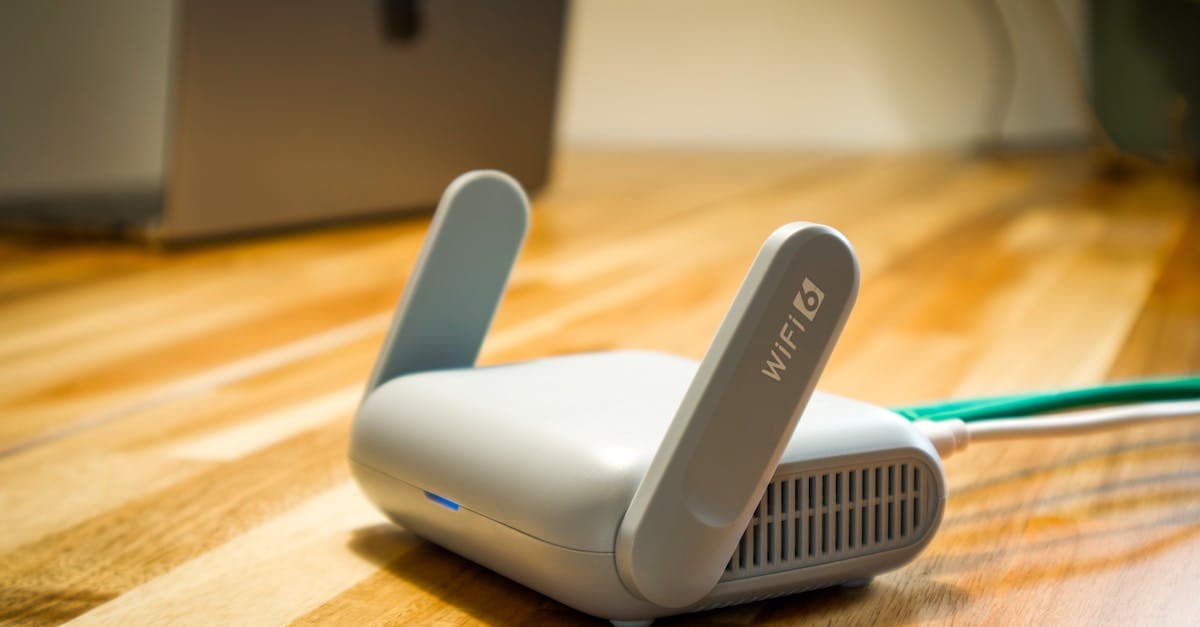
Switching to Vodafone broadband uses One Touch Switching (OTS), the Ofcom-mandated process that connects your new and old ISPs directly, so you don't have to coordinate the handover yourself. Order online and most of the admin happens in the background.
Before you order, check your current contract end date. Leaving fees from your existing ISP aren't covered by OTS.
The typical process runs like this:
- Check availability by postcode on Vodafone's website. Full Fibre coverage depends on whether Openreach has reached your property.
- Place your order. Vodafone confirms a guaranteed installation date at checkout.
- Receive your equipment. Most properties on existing full-fibre lines get a self-install kit with a Wi-Fi Hub through the post. New lines require an Openreach engineer visit, which adds time.
- Activation takes 10 to 14 working days from the order date for most customers.
- Download the Vodafone Broadband app once you're live to run speed checks, manage Wi-Fi Hub settings, and raise support tickets.
The OTS process is clean. The part that catches people out is a previous contract running longer than remembered.
Installation confirmed. Whether the service is worth the switch is a separate question.
Is Vodafone broadband any good?

Vodafone broadband performs as well as BT or EE on the physical connection. It runs on Openreach, meaning the fibre cable, the exchange equipment, and the line quality are all identical. The "is it rubbish?" question is really asking about customer service, not infrastructure.
The question mark hangs over support, not the network.
Ofcom's 2024 complaints data showed Vodafone receiving above-average complaint volumes relative to its subscriber share, placing it mid-table among major UK ISPs. That's a grounded finding, not marketing noise. Speed tests and forum reports generally confirm the connection itself performs fine; it's hold times and escalation routes where reviews turn critical.
The price guarantee is a more striking differentiator. Vodafone committed to no surprise mid-contract price rises, separating it from providers still linking annual increases to CPI or RPI inflation. Over a standard contract term, that's a concrete budget certainty worth factoring in.
Hardware is included across all plans: a Wi-Fi Hub on standard tiers, a Wi-Fi Hub Pro on higher-speed options vodafone.co.uk.
Vodafone markets itself as award-winning broadband vodafone.co.uk. That claim reflects network performance scores, not necessarily support ratings. Know the difference before signing.
Verdict in hand, the specifics of how it stacks up against its closest rival follow.
Which broadband is better, EE or Vodafone?

Both EE and Vodafone broadband run on Openreach, so the physical fibre cable is identical. A house on a given street gets the same connection quality from either provider. The infrastructure debate is a non-starter.
The decision turns on two questions: do you need a mobile plan as well, and where do you live?
EE holds a real advantage on rural mobile coverage. BT's ownership of EE means any combined bundle includes strong 4G and 5G reach outside cities, a factor that matters if your household blends home broadband with a rural mobile line.
Vodafone's counter is its Together bundle. Combining Vodafone mobile and Vodafone broadband under one account brings a monthly discount that can undercut equivalent EE packages. For urban households already on Vodafone mobile, the arithmetic is straightforward.
The framework:
- Rural household, EE mobile customer: EE's combined coverage and bundle coherence wins on balance.
- Urban household, Vodafone mobile customer: The Together discount tips the balance toward Vodafone broadband.
- No mobile bundle needed: Promotional offers and contract length at the time of ordering decide it.
Neither is a poor choice if Openreach serves your postcode well. Support quality is a separate comparison entirely.
How do I contact Vodafone broadband UK?

Dial 191 from any Vodafone mobile and you go straight through to the broadband support team, no menu maze required. For calls from a landline or a non-Vodafone number, the dedicated broadband line is 08080 034 515 vodafone.co.uk. Both numbers are free to call.
Four routes to Vodafone broadband support, ordered from quickest to most hands-off:
- 191 from a Vodafone mobile for direct broadband queries, any time of day
- 08080 034 515 from a landline or non-Vodafone mobile, no charge
- Live chat in the My Vodafone app, available 24 hours, solid for billing and intermittent-fault queries
- @VodafoneUK on X for brief queries; straightforward issues move to a direct message from there
Before you call, pull up your account number and billing postcode. The identity verification step eats most of the wait time; having both ready trims the process significantly. The My Vodafone app also shows known outages in your area, worth checking first since a street-level fault typically resolves without any action on your end.
One catch: telephone support runs on reduced hours over bank holidays. The app's 24-hour live chat covers that gap cleanly.
Home broadband sorted, travel connectivity is a different story.
Staying connected when you travel from the UK
Post-Brexit, guaranteed free EU roaming no longer applies across all UK carriers. Vodafone mobile now charges a daily roaming fee for EU destinations. The practical fix is a travel eSIM, a digital SIM profile installed on your handset alongside your existing physical SIM.
Vodafone home broadband stops at your front door. Step onto a flight from Heathrow or Gatwick, and that fibre connection is irrelevant; what matters is mobile data, and mobile data abroad operates on a different cost structure entirely, especially since the UK left the EU.
The total climbs whether you stream heavily or barely look at your phone. Travellers tracking spend through Revolut or Monzo see that charge appear line by line each morning; it adds up across a fortnight in ways that feel entirely manageable until you see the final tally.
Activate it over your home broadband before departure, and the profile is ready well before you reach the terminal. At the departure gate, scan the QR code. The handset connects to the destination network automatically: no fiddly SIM swap, no kiosk queue, no paperclip hunt at arrivals.
Dual SIM is the part most guides skip over. Your Vodafone UK number stays active in the physical SIM slot throughout the trip. Bank verification texts still arrive. That sounds unremarkable until you're at a restaurant card reader in Lisbon waiting for a security code that never comes.
For a two-night stay with reliable hotel Wi-Fi, roaming often suffices. For anything longer, a dedicated travel eSIM is the more grounded choice. Tier-1 network coverage with transparent pricing consistently undercuts daily roaming fees on trips of a week or more. Browse All eSIM Plans on HelloRoam and compare options before you pack.
Reviewed by HelloRoam's editorial team. Last updated: 12 May 2026.
Get Connected Before You Go


Frequently Asked Questions
Vodafone broadband performs well physically, running on Openreach's infrastructure like BT and EE. Ofcom's 2024 data showed above-average complaint volumes, though these relate to customer service rather than actual connection quality.
Call 191 from a Vodafone mobile or 08080 034 515 from a landline or non-Vodafone number, both free. The My Vodafone app offers 24-hour live chat, useful for billing queries and on bank holidays when phone lines run reduced hours.
Vodafone broadband runs on Openreach, BT's wholesale infrastructure company. EE, Sky, TalkTalk, and Plusnet also use Openreach. Only Virgin Media operates its own separate cable network, making it the sole genuinely different physical option.
Both use Openreach's identical fibre infrastructure, so line quality is the same. EE suits rural households with EE mobile; Vodafone's Together bundle gives urban Vodafone mobile customers a discount that can undercut equivalent EE packages.
Vodafone offers five Full Fibre plans: 74 Mbps, 150 Mbps, 500 Mbps, 900 Mbps, and 2.2 Gbps. The entry 74 Mbps tier handles simultaneous 4K streaming and video calls; the top tier suits home labs and frequent large uploads.
Vodafone broadband starts from around £23 per month for the entry Full Fibre 74 plan, rising to £60 or more for the 2.2 Gbps top tier. All plans run on 18 or 24-month contracts.
The Together bundle combines a Vodafone mobile SIM with a broadband contract, applying discounts across both products. It makes most financial sense for existing Vodafone mobile customers rather than those switching mobile provider solely to access the discount.
Activation typically takes 10 to 14 working days from the order date. Properties on existing full-fibre lines receive a self-install kit by post; new lines require an Openreach engineer visit, which adds additional time.
Vodafone has committed to no surprise mid-contract price rises, unlike providers that tie annual increases to CPI or RPI inflation. This price guarantee provides concrete budget certainty across a standard 18 or 24-month contract term.
Vodafone includes a Wi-Fi Hub on standard plans and a Wi-Fi Hub Pro on higher-speed options. Both routers are provided as part of the contract at no additional cost.
Switching uses One Touch Switching (OTS), an Ofcom-mandated process where your new and old ISPs coordinate the handover automatically. Check your current contract end date first, as early exit fees from your existing provider are not covered by OTS.
Availability depends on whether Openreach has reached your postcode. Enter your postcode on Vodafone's website before ordering. Where full fibre is already live, the older copper-last-mile SOGEA product is not a recommended alternative.
Yes. Post-Brexit guaranteed free EU roaming no longer applies, and Vodafone mobile now charges a daily roaming fee for EU destinations. Installing a travel eSIM before departure is a cost-effective alternative for trips of a week or more.
Yes, on dual-SIM handsets you can install a travel eSIM while keeping your UK physical SIM active. Your UK number stays reachable for calls, texts, and bank security codes throughout the trip, avoiding missed verification messages.
Sources
- Our best broadband deals — vodafone.co.uk
- Vodafone Home Broadband help — vodafone.co.uk
- vodafone.co.uk — vodafone.co.uk
- Best Vodafone broadband deals for May 2026 - MSE — moneysavingexpert.com
- Vodafone broadband review and UK customer ratings 2026 — uswitch.com
- Vodafone - Our Best Ever Network | Now With 5G — vodafone.co.uk