

Top travel strollers for UK families at a glance

Five travel strollers cover most UK families' needs in 2026, spanning from a sub-£150 workhorse to a cabin-approved 5.4 kg ultralight.
The Joolz Aer2's position at the top isn't arbitrary. It's the lightest in this bracket by a meaningful margin, and that weight advantage tells when you're juggling a toddler, a changing bag, and a boarding queue. The Graco Myavo punches well above its ~£140 price point, making it the sharp choice for families who gate-check rather than carry on cabin.
The Bugaboo Butterfly 2 is cracking kit, but its 6.6 kg sits at the heavier end of what airlines will accept overhead. Airline policies vary, and overhead lockers fill fast.
Numbers only tell part of the story. What these strollers actually feel like across a busy terminal tells the rest.
What is a travel stroller?

A travel stroller is a compact, lightweight pushchair built specifically for airports, public transport, and multi-destination trips independent.co.uk. In UK usage, pushchair and stroller are interchangeable; either term works at an airport information desk or a hotel concierge.
The defining criteria: weight and fold size. Most travel-optimised models sit under 7 kg; the best cabin-approved versions fold tight enough to slip into an overhead locker mumsnet.com. That distinction between cabin carry-on and gate-check is the first decision every travelling parent faces.
Gate-check is free on most airlines, including easyJet, Ryanair, and British Airways: you hand the pushchair at the aircraft steps and collect it on the jet bridge at destination. Cabin carry-on is different. The stroller travels in the overhead locker with you. Far fewer models qualify, and even those that do aren't guaranteed a space if the flight is full.
Critically, there's no universal rule. The International Air Transport Association sets no global cabin-stroller standard. Each airline decides independently, which is why the same pushchair boards with easyJet from Gatwick and gets gate-checked on a Ryanair flight from Stansted. Always confirm directly with your carrier before you travel.
Families heading abroad with a baby rely heavily on mobile data once they land: maps, translation apps, real-time transport. Many UK carriers now apply roaming charges to EU destinations since Britain left the EU's single market. Checking your phone supports eSIM before departure heads off a nasty surprise. The eSIM Compatible Devices page confirms compatibility in seconds.
Type settled; now the features that actually count.
How to choose a travel stroller: the features that actually matter

Four criteria separate a travel stroller that works from one that frustrates.
Weight under 6 kg is the practical ceiling for cabin carry-on babygearlab.com. Above that, you're at the gate agent's discretion. A 200-gram gap on a spec sheet becomes noticeable after three hours in an airport.
One-hand fold is non-negotiable for solo-travelling parents mumsnet.com. If operating the fold requires two hands, you'll need to put the baby down somewhere clean. Most airports don't offer that luxury.
Recline depth matters for infants under six months who can't support their head unaided babygearlab.com. A fully flat recline is rare in travel models; a 150-degree position is the functional minimum.
Wheel size shapes performance abroad. Larger wheels handle cobblestones in Lisbon or Marrakech; smaller wheels fold tighter but wobble on uneven ground. It's a real trade-off, not a marketing distinction.
Features shortlisted; airline rules set the ceiling.
Fold dimensions: the numbers airlines actually check

Fold dimensions are what gate agents actually measure, not weight alone. The Babyzen YOYO2 set the cabin benchmark: 52 x 44 x 18 cm folded babygearlab.com. Most airlines that accept cabin strollers treat 60 cm as the practical ceiling on the longest edge, though every carrier sets its own policy independently.
At the budget end, the Joie Tourist folds to 47 x 44 x 21 cm at around £110 independent.co.uk. It's smaller than the YOYO2 on two dimensions and considerably cheaper. The catch: its 21 cm depth occasionally conflicts with tighter overhead locker profiles, which vary by aircraft type.
Always verify dimensions against your carrier's published cabin baggage rules before purchasing.
Recline, canopy, and comfort for longer journeys
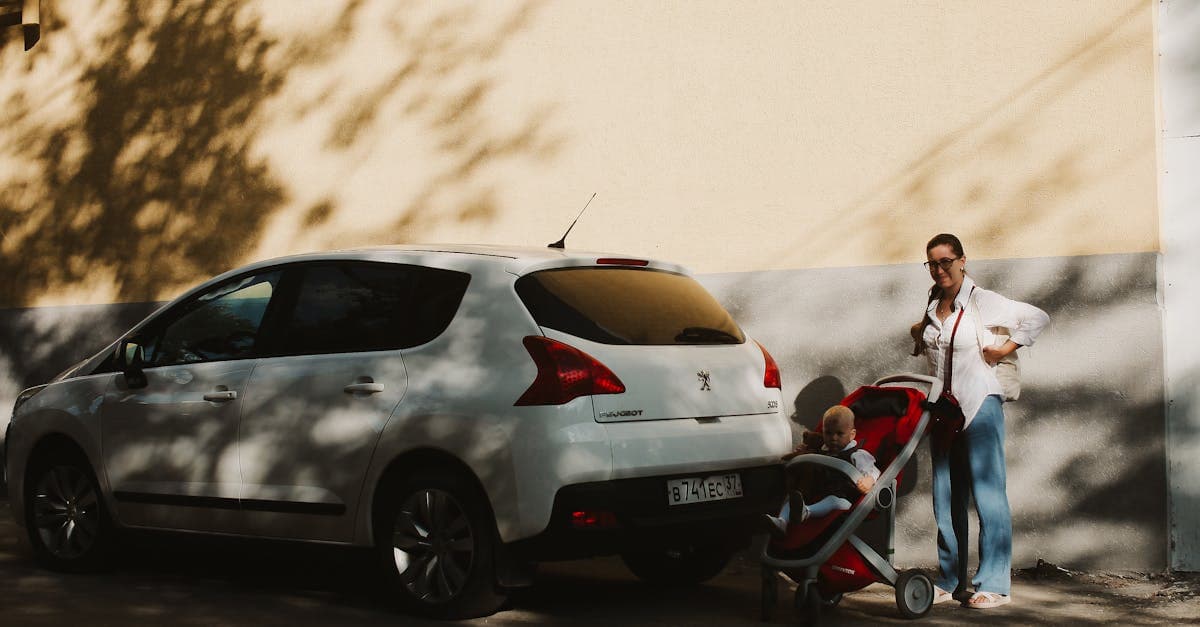
Full recline is non-negotiable for infants who can't yet hold their heads up babygearlab.com. A near-flat position keeps the airway straight during sleep; it's what separates a travel stroller built for babies from one that only really works for toddlers.
Canopy coverage is the consideration most parents underestimate. A UPF 50-plus rating blocks around 98% of UV radiation, but only if the canopy is deep enough to actually shade the child. Extendable panels with ventilation mesh handle Mediterranean heat considerably better than a fixed hood.
Wheel diameter rarely makes the headline spec. Wheels of 17 cm or above absorb cobblestone vibration without jolting a sleeping baby; cities like Lisbon, Rome, and Marrakech test this point early in the holiday babygearlab.com.
Which travel strollers are cabin-approved for UK airlines?

No universal standard governs which pushchairs fly in the cabin. IATA has not standardised stroller-as-cabin-baggage rules; each airline writes its own policy, which means a model that qualifies on British Airways may not qualify on a different carrier.
Good news: gate-checking is free on virtually all UK airlines regardless, meaning the stroller travels with you to the aircraft steps even when the cabin option isn't available on your route.
British Airways and easyJet both accept select compact pushchairs in the cabin. Ryanair permits cabin carry-on within its stated luggage dimensions.
Confirm terms directly with your airline before every trip. Policies update without public announcement.
Airline rules confirmed; the terminal is the next test.
BA, easyJet, and Ryanair stroller policies compared
British Airways, easyJet, and Ryanair carry the majority of UK outbound holiday traffic. Their cabin stroller policies differ more than most parents anticipate when booking.
British Airways sets no fixed centimetre limit. The condition is practical: the pushchair must fit the overhead locker. BA staff assess this at the gate on the day of travel and can decline if lockers are full. Most compact models clear this without issue.
easyJet permits compact pushchairs in the cabin on select routes, subject to available overhead space. The qualifier 'select routes' is the operative phrase. Check your specific flight when booking; the cabin option is not automatic.
Don't assume. Verify.
Ryanair applies the most precise rule: cabin items are capped at 56 x 45 x 25 cm. Any model whose folded longest edge approaches 60 cm won't qualify. Cross-reference the fold dimensions covered earlier in this guide against that limit before committing to a purchase.
All three airlines gate-check pushchairs free at the aircraft steps. The stroller is handed over just before boarding and returned on arrival, either at the jet bridge or the baggage carousel depending on the airport's handling setup.
Reconfirm policy with each airline directly before every trip. Rules adjust at short notice, particularly during peak summer periods.
Navigating the airport with a pushchair: a practical walkthrough
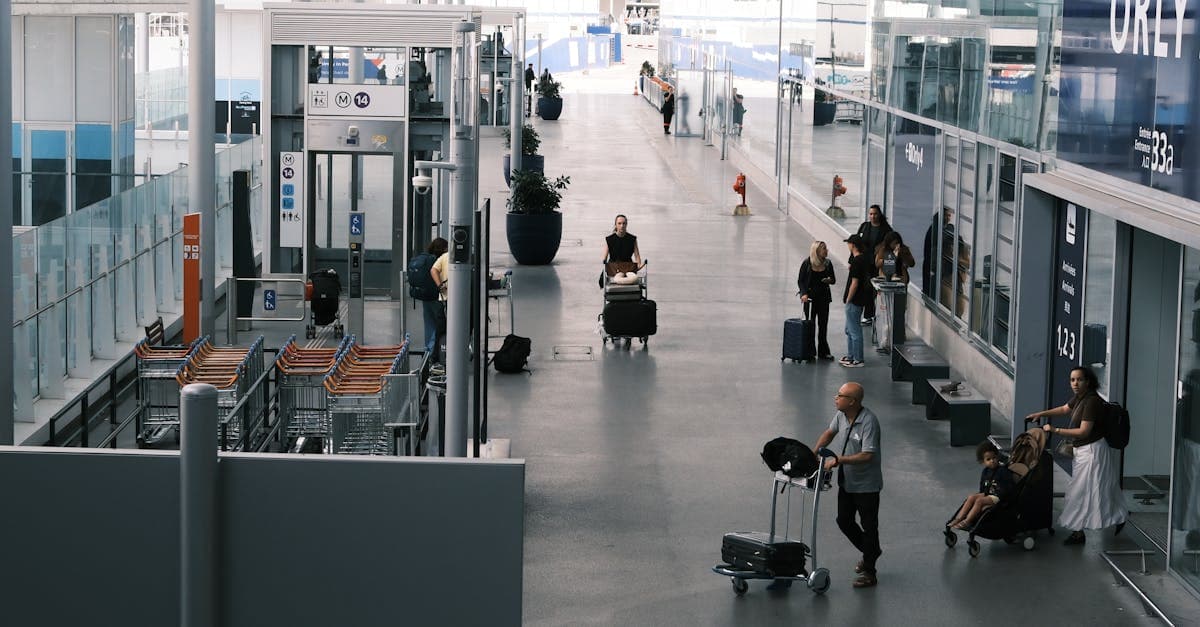
Fold the stroller before reaching the security belt, not at it. Request the family lane at check-in. Collect the gate-check tag at the departure gate, not the check-in desk. Those three steps address the pressure points where airport navigation with a pushchair most commonly breaks down for first-timers.
Security. Remove loose accessories before the frame reaches the conveyor: raincovers, clip-on bags, and hanging toys all go in a separate tray. Folding at the belt while a queue builds behind you is the mistake most parents make exactly once. Practise the fold before you travel. It takes longer under airport conditions.
Family lanes. Heathrow, Gatwick, Manchester, and Edinburgh all operate dedicated family security lanes during peak hours. The lane isn't always signposted; staff at the check-in desk can direct you.
Navigation and connectivity. Maps and translation apps are essential companions in an unfamiliar terminal or city. They're data-hungry, and public airport Wi-Fi is unreliable when you most need it. A travel eSIM keeps both running without carrier roaming charges; check whether your handset qualifies at the eSIM Compatible Devices page before you leave home.
Gate-checking. Walk the travel stroller to the departure gate, collect the gate-check tag from ground crew just before boarding, and hand the pushchair over at the aircraft steps. At most direct-flight destinations, it returns at the jet bridge on arrival.
Transit airports. Amsterdam Schiphol, Dubai International, and Doha Hamad regularly route gate-checked items to the baggage carousel rather than the jet bridge. Confirm the handling procedure with your airline for every transit point before you fly.
Airport handled; connectivity abroad is the next gap to close.
Staying connected abroad with a baby: mobile data and eSIM explained
An eSIM (embedded SIM) is a digital SIM profile stored directly in your phone. No physical card, no kiosk queue, no rummaging for a SIM-swap tool at the arrivals hall. Activation happens via QR code, typically in under five minutes, so the whole thing can be sorted before you leave home.
That matters more than it used to for UK families. Since January 2021, British travellers to EU destinations lost the automatic free roaming they'd previously relied on. Landing in Lisbon or Rome now triggers your UK carrier's add-on charges unless you've planned ahead. Some parents don't realise until the bill arrives.
The data need is practical, not optional. Google Maps running navigation through an unfamiliar city, translation apps decoding restaurant menus, WhatsApp calls home: these are the essentials when you're managing a baby abroad. A modest data plan covers roughly a week to ten days of typical family usage, depending on how much you lean on video calls and maps.
Three's Feel At Home and EE's Roam Abroad both include EU coverage, but Fair Use caps and speed throttling apply once you cross the limit. A dedicated travel eSIM, with no contract and no tie-in, often proves more predictable on a longer family trip. Coverage quality varies by destination and the networks a plan connects to, so check that detail before buying.
Connectivity sorted; one terrain question still trips parents up.
Do travel strollers cope with cobblestones and rough terrain?
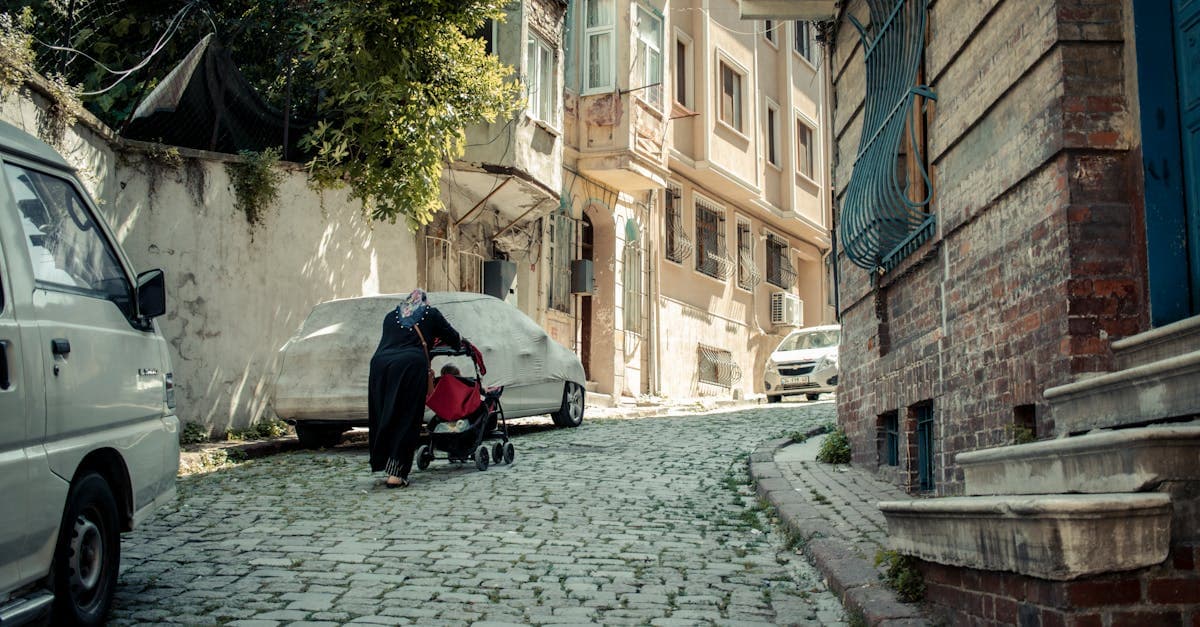
Most travel strollers glide across airport terminals and hotel lobbies without complaint. Cobblestones are a different problem entirely.
The trade-off is structural. Lightweight strollers achieve their portability targets partly through smaller, harder wheels with less tyre volume. Those wheels transmit every ridge and joint directly through the frame, making historic city centres surprisingly punishing. Foam-filled or air-filled tyres handle surface irregularities considerably better, but they add bulk that cabin-approved frames typically can't accommodate babygearlab.com.
The destinations that catch parents off guard most often: Rome's historic centre, Barcelona's Gothic Quarter, and Prague's old town. These aren't edge cases. They're among the most-visited family destinations in Europe, and all three feature long stretches of uneven cobblestone that small-wheeled strollers handle badly.
Wheel size matters here. The diameter threshold noted earlier in this guide makes a real-world difference on rough ground: strollers above it cope noticeably better than those below.
There's a practical workaround many regular travellers use. A compact baby carrier in the bag handles old-town walking sections where even the better-wheeled strollers slow right down, then the stroller takes over for longer distances and nap time.
The assumption that any cabin-approved stroller handles any destination equally doesn't survive contact with a Roman piazza. Destination terrain is worth researching before you finalise which model to buy.
Reviewed by HelloRoam's editorial team. Last updated: 18 May 2026.
Get Connected Before You Go


Frequently Asked Questions
A travel stroller is a compact, lightweight pushchair built for airports, public transport, and multi-destination trips, typically weighing under 7 kg with a tight fold for cabin or gate-check travel.
Under 6 kg is the practical ceiling for cabin carry-on strollers. Above that weight you are subject to the gate agent's discretion and may be required to gate-check instead.
The Joolz Aer2 is the lightest in this bracket at 5.4 kg, priced around £499. Its weight advantage is noticeable when juggling a toddler and a changing bag through a boarding queue.
Select compact pushchairs can travel in-cabin on British Airways, easyJet, and Ryanair, but each airline sets its own size rules. Always confirm with your carrier before travelling.
Yes. Gate-checking is free on virtually all UK airlines including British Airways, easyJet, and Ryanair. You hand it over at the aircraft steps and collect it on arrival.
Ryanair caps cabin items at 56 x 45 x 25 cm. Any stroller with a folded longest edge approaching 60 cm will not qualify for cabin carry-on on Ryanair flights.
British Airways sets no fixed centimetre limit. The pushchair must fit the overhead locker, and BA staff assess suitability at the gate on the day of travel.
No. easyJet permits compact pushchairs in-cabin on select routes only, subject to available overhead space. Check your specific flight at booking, as the cabin option is not automatic.
Prioritise weight under 6 kg, a one-hand fold, a recline of at least 150 degrees for infants, and a wheel size suited to your destination's terrain such as cobblestones.
Infants under six months need a near-flat recline of at least 150 degrees to keep their airway straight during sleep. Fully flat recline is rare in travel stroller models.
Gate-check means handing the stroller at the aircraft steps and collecting it on arrival. Cabin carry-on means the pushchair travels in the overhead locker during the flight.
Wheels of 17 cm or above absorb cobblestone vibration without jolting a sleeping baby. Cities like Lisbon, Rome, and Marrakech are known to test stroller wheels early in a trip.
A UPF 50-plus canopy blocks around 98% of UV radiation. An extendable panel with ventilation mesh handles Mediterranean heat considerably better than a fixed hood.
Fold the stroller before reaching the security belt, place loose accessories in a separate tray, and ask for the family lane at check-in. Practise the fold at home before travelling.
Yes. Heathrow, Gatwick, Manchester, and Edinburgh operate dedicated family security lanes during peak hours. Ask check-in staff to direct you, as the lane is not always clearly signposted.
At most direct-flight destinations it returns at the jet bridge. Transit airports such as Amsterdam Schiphol and Dubai International often route gate-checked items to the baggage carousel instead.
No. Since January 2021, UK travellers to EU destinations lost automatic free roaming. Landing in countries like Portugal or Italy now triggers your UK carrier's add-on charges unless you plan ahead.
An eSIM is a digital SIM activated via QR code in under five minutes before you leave home. It gives UK families mobile data abroad without carrier roaming charges or physical SIM swaps at the airport.
Sources
- independent.co.uk — independent.co.uk
- babygearlab.com — babygearlab.com
- 13 Best Lightweight Strollers 2026: Compact Travel Prams — mumsnet.com