

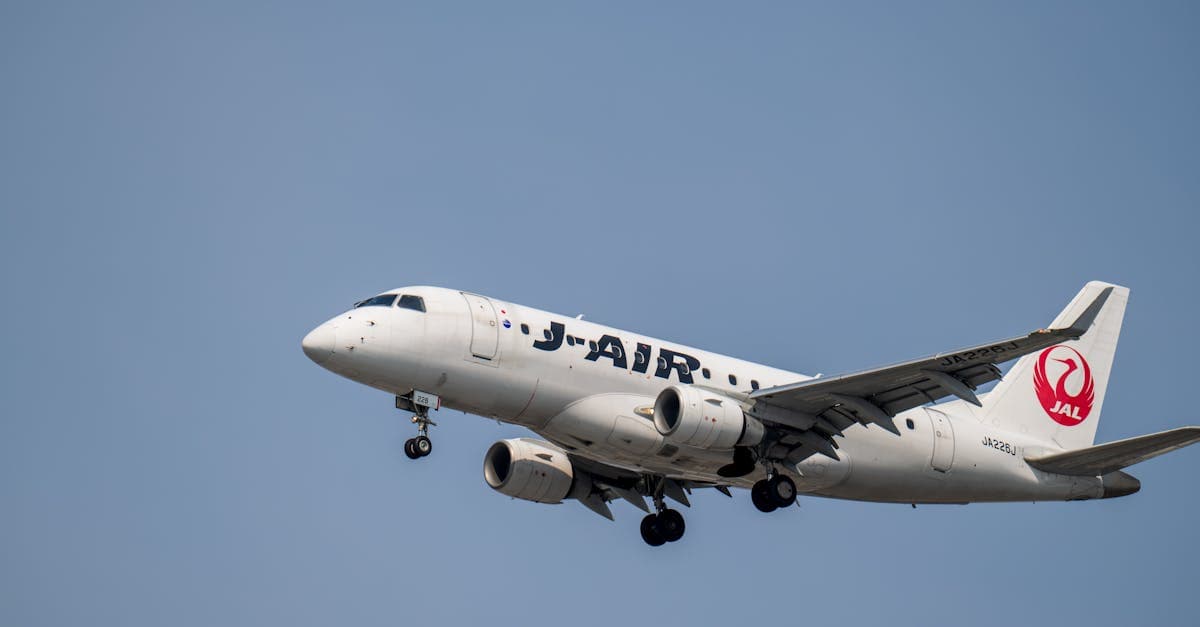
Flights to Japan from the UK at a glance
Flights to Japan from the UK depart non-stop from London Heathrow only, with economy returns available from around £480 when booked three to six months ahead skyscanner.net. Three carriers operate the route directly, January and February are reliably the cheapest months, and a return trip to Tokyo is achievable on a carefully planned budget.
Key fact: HelloRoam's Japan eSIM starts at ~£2.76 for 1GB over 7 days, running on KDDI/au's 5G network.
One thing most flight guides skip: what data costs once you've landed. Three's Feel At Home, EE Roam Abroad and Vodafone's standard roaming all cover Japan, but fair-use policies (data limits that apply even within covered plans) can become restrictive on a longer trip. An eSIM (built-in digital SIM activated by QR code) through HelloRoam's eSIM for Japan covers KDDI/au's 5G network from the price noted above, with no carrier roaming surcharges involved.
Get the booking timing right and flights to Japan from the UK become far more achievable than the first fares you see. The next thing worth understanding is what that journey takes in hours.
How long is the flight to Japan from the UK?
The direct flight from Heathrow to Tokyo Haneda runs between 11 hours 30 minutes and 12 hours 30 minutes britishairways.com. Connecting itineraries stretch from 13 to more than 20 hours, depending on the hub city and layover length.
Finnair via Helsinki frequently undercuts the Middle East carriers on price, with total times at the shorter end of the one-stop bracket. Most flight comparison tools don't surface this particularly well.
Airport choice matters as much as airline choice. Haneda (HND) sits 30 to 45 minutes from central Tokyo by rail. Narita (NRT) is 60 to 90 minutes out, and on a congested evening it edges longer. Direct services from the UK all arrive at Haneda. Any connecting itinerary routing you into Narita is worth checking in advance: the extra transfer time adds up fast on a trip that already crosses nine time zones.
Three carriers share the non-stop Heathrow slot, and they're not the same proposition.
Which airlines fly direct to Japan from the UK?
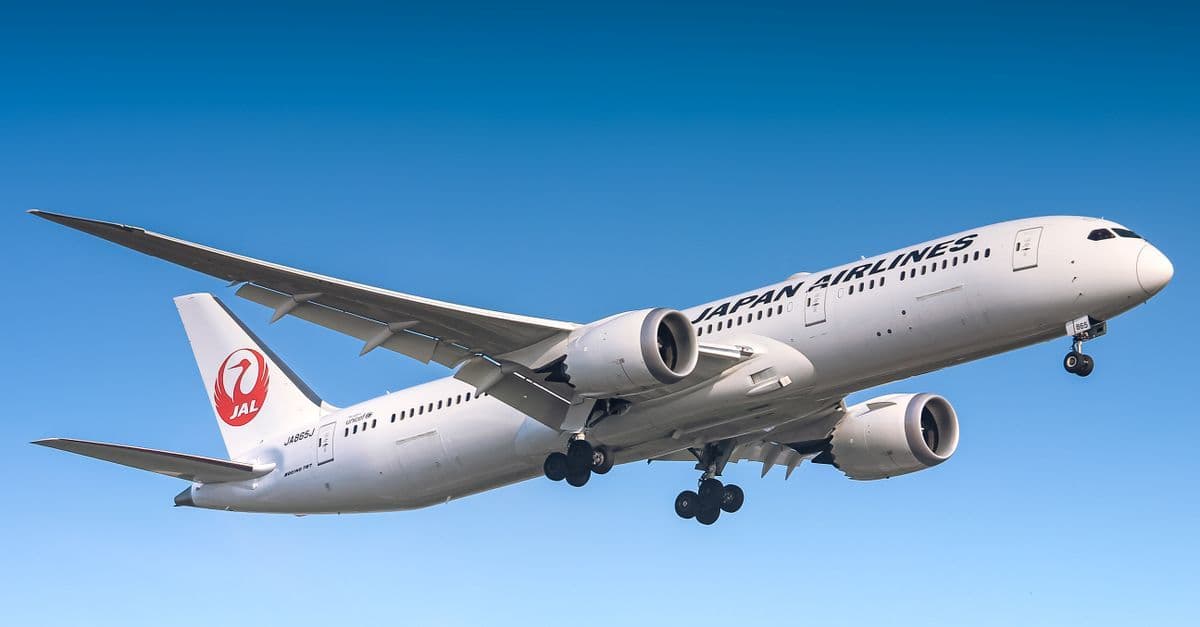
British Airways, Japan Airlines (JAL) and ANA each operate one non-stop flight per day between London Heathrow and Tokyo Haneda jal.co.jp. That's it. Three carriers, three daily departures, no alternatives on the direct route from the UK.
Alliance membership is what shapes the long-term value. BA and JAL both sit in oneworld, which means Avios earned through British Airways Executive Club apply directly to JAL Mileage Bank bookings. A practical fit for UK travellers already accumulating points through everyday spending. ANA operates on Star Alliance with its own ANA Mileage Club programme, a better match for travellers holding miles with Lufthansa, United or Singapore Airlines.
Service quality diverges more than the shared route might imply. JAL and ANA consistently rate above BA on in-flight meal quality and entertainment for routes of this length. BA's counter-argument is the Avios ecosystem and UK-based customer support.
Beyond the non-stop trio, connecting options extend the choice considerably:
- Finnair via Helsinki (HEL): 13 to 15 hours, frequently the most affordable connecting fare
- Emirates via Dubai (DXB): 14 to 16 hours, competitive pricing across cabin classes emirates.com
- Qatar Airways via Doha (DOH): 14 to 16 hours, strong business class product
- KLM via Amsterdam (AMS): 14 to 16 hours, reliable economy seat
- Cathay Pacific via Hong Kong (HKG): 16 to 18 hours, premium in-flight experience throughout
Carrier chosen. The bigger question now is which dates give you the best fare.
When is the cheapest time to fly to Japan?
January and February offer the lowest fares for flights to Japan from the UK skyscanner.net, as demand drops noticeably after the Christmas and New Year period. Economy returns available during this window sit well below the annual average. The Japan pricing calendar is more predictable than most long-haul routes, which makes planning genuinely useful work.
The demand peaks worth avoiding:
- Late March to early April: cherry blossom (sakura) season pulls in heavy UK demand. Fares climb steeply from the January lows, and popular departure dates fill weeks before travel.
- Late April to early May (Golden Week): Japan's national holiday cluster drives flight and accommodation prices to near-peak levels simultaneously.
- July to August: UK and Japanese summer holidays overlap, pushing fares considerably higher across all cabin classes.
September through mid-October is the sharpest shoulder season on the route. Temperatures ease after the summer heat, typhoon activity drops by the second half of September, and fares fall back without the cold weather trade-off that comes with January travel.
Booking early is the single most effective cost lever here. Fares purchased in the six weeks before departure typically sit well above what the same seat cost months earlier skyscanner.net. Aim for January or September, build in a few days of date flexibility around your target window, and the headline return price becomes far more manageable.
How much do return flights to Japan cost from the UK?
The gap between a well-timed booking and a last-minute scramble on flights to Japan from the UK can comfortably reach several hundred pounds. Economy returns from London typically land between £400 and £650 when you book three to six months ahead momondo.co.uk. Pull that window to six to twelve weeks before departure and the range shifts to £550 to £900. Leave it to the final fortnight and fares can climb far beyond that.
Business class is a separate calculation entirely.
Premium economy returns run from around £1,000 to £2,200, depending on the carrier and travel dates. Business class starts at roughly £2,500, with peak-season seats on the most popular carriers listed above £5,500 expedia.co.uk. For a long-haul return to Japan, the spread between a budget economy ticket and a premium cabin seat can be larger than the cost of the rest of the holiday.
Compare eSIM plans for Japan — See 2026 pricing →
One angle most comparison tools don't surface: fares into Narita (NRT) occasionally undercut equivalent Haneda (HND) tickets by £50 to £100 on the same travel dates. Narita sits 60 to 90 minutes from central Tokyo by train, compared to 30 to 45 minutes from Haneda. Whether that time trade-off is worth the saving depends entirely on where you're staying.
With the flight budget mapped out, mobile data in Japan is the cost most UK travellers forget to plan for. Carrier roaming can quietly inflate a trip budget before the holiday has properly started.
Staying connected in Japan: eSIM, SIM and WiFi options
Japan's public WiFi is patchier than most UK travellers expect, concentrating around major Shinkansen stations and some convenience stores. Outside tourist corridors, it thins out quickly. Three practical options fill the gap: pocket WiFi, UK carrier roaming, or an eSIM.
Pocket WiFi
Reliable and works across multiple devices simultaneously, which makes it popular with families and small groups. The catch: you collect the device from an airport kiosk after landing and return it before departure. That's a queue on both ends of the trip.
UK carrier roaming
EE, Vodafone UK and Three all cover Japan, connecting automatically on arrival with no setup required. Daily charges in Japan typically run between £5 and £10. Two weeks at that rate adds a meaningful sum to the travel budget.
eSIM
An eSIM (a digital SIM that installs on your phone via QR code) is the cleanest option for solo and couple travellers. Scan the code before boarding, the profile installs over home Wi-Fi, and you land in Japan with data already running. No airport kiosk, no SIM card swap.
HelloRoam covers Japan on KDDI/au (5G) and NTT docomo networks. The 5GB 30-day plan runs ~£7.50, enough for two weeks of Google Maps navigation, Google Translate camera mode and Suica or PASMO IC card top-ups combined.
Key fact: HelloRoam's Japan 5GB plan costs ~£7.50 for 30 days, on KDDI/au (5G) and NTT docomo (4G).
Build your plan around daily navigation and you won't run short. Connectivity sorted; what Japan actually feels like to visit is a different kind of planning question.
What is Japan like for a holiday?

Japan is exceptionally safe, well-organised and punctual by the standards of most travel destinations. The standard first-time circuit runs through Tokyo, Kyoto and Osaka over ten to fourteen days, covering ancient temple districts, contemporary urban neighbourhoods and mountain scenery without stretching into exhausting distances between stops.
The Shinkansen (Japan's high-speed rail network) connects all three cities in under three hours of combined travel. Tokyo to Kyoto takes around two hours fifteen minutes. That's fast enough to base yourself in one city and make day trips to another, which most first-time visitors end up doing.
Hiroshima and Nara are both natural additions for trips running past ten days.
Cash matters more in Japan than in most European destinations. Cards work reliably in major hotels, convenience stores and department stores. Many restaurants, local shops and shrine entrances remain cash-only outside major tourist areas. Carrying yen at all times is practical sense, not excessive caution.
One thing UK travellers consistently underestimate: the scale. Tokyo alone is larger than Greater London, split across dozens of distinct neighbourhoods with their own character. Shibuya to Asakusa takes around 30 minutes by train. Factor that into your daily planning or you'll lose a surprising amount of time just getting between places.
Japan is genuinely well-suited to first-time independent visitors. The infrastructure is reliable, signage at major Shinkansen stations is bilingual, and the country is safe to navigate at any hour. Two questions most UK travellers still circle back to are whether a direct flight exists from their home airport, and what the full trip actually costs.
Can I fly direct from the UK to Japan?
For travellers departing from Heathrow, yes. British Airways, Japan Airlines (JAL) and ANA each run a daily non-stop service to Tokyo Haneda, with a non-stop flight time of 11h 30m to 12h 30m. That's the complete picture for London-based travellers.
For everyone else in the UK, no direct service exists. Manchester, Edinburgh, Glasgow, Birmingham and Bristol all require at least one connection, either through a Gulf hub such as Dubai or Doha, or a European hub such as Amsterdam, Frankfurt or Helsinki.
Finnair via Helsinki deserves a close look for travellers in Scotland or the north of England. Helsinki sits geographically closer to Japan than the Gulf hubs, layovers tend to run shorter, and total journey times can be genuinely competitive with Gulf routings.
Here's what most flight comparison sites quietly skip: indirect doesn't automatically mean worse.
A well-selected one-stop itinerary can deliver a lower fare, a better aircraft and a lounge break mid-journey. Some regular Japan travellers specifically choose the Singapore Airlines routing via Changi, or the Cathay Pacific option via Hong Kong, for the long-haul product itself rather than despite the connection.
Heathrow remains the sole UK gateway for non-stop flights to Japan. If you're travelling from elsewhere in Britain, commit to a connecting route deliberately rather than treating it as a fallback. The right layover city and carrier make the total journey far more manageable than the connection count suggests, and the full cost of a two-week trip often surprises people more than the routing does.
How much does a two-week Japan trip cost from the UK?
A two-week Japan trip from the UK costs roughly £2,800 to £4,500 per person all in expedia.co.uk. Flights, accommodation, the Japan Rail Pass and daily food each contribute meaningfully to that total, and the gap between a budget and a comfortable mid-range trip is real.
Japan's expensive reputation is mostly about flights to Japan from the UK and peak-season Tokyo hotel rates. Once you're on the ground, food and transport costs regularly undercut what UK visitors expect.
The Japan Rail Pass at ~£440 is the item people agonise over. Don't. For a 14-day itinerary covering Tokyo, Kyoto, Osaka and Hiroshima, the pass covers every Shinkansen leg without queuing for individual tickets at each city, and removes one logistical headache entirely.
UK carrier roaming at the daily rates mentioned earlier compounds fast across 14 nights. eSIM plans for Japan's networks sit between ~£15 and ~£30 for a fortnight, no physical SIM swap needed. The total trip budget will stretch or contract based on flights and where you sleep. The data line won't be the problem.
Reviewed by HelloRoam's editorial team. Last updated: 22 June 2026.
Get Connected Before You Go


Frequently Asked Questions
Yes, but only from London Heathrow. British Airways, JAL and ANA each run one daily non-stop service to Tokyo Haneda in 11h 30m to 12h 30m. Travellers from all other UK airports must connect.
January and February are the cheapest months for flights from the UK to Japan, as demand drops after the Christmas and New Year period. Economy returns during this window sit well below the annual average.
Japan is exceptionally safe, well-organised and punctual. The classic first-time route covers Tokyo, Kyoto and Osaka over 10 to 14 days, linked by Shinkansen high-speed rail. Cash is essential outside major tourist areas.
A two-week Japan trip from the UK costs roughly £2,800 to £4,500 per person. Economy flights run £400 to £650 booked early, a 14-day Japan Rail Pass costs around £440, and accommodation and food account for the remainder.
The direct flight from London Heathrow to Tokyo Haneda takes 11 hours 30 minutes to 12 hours 30 minutes. Connecting itineraries via European or Gulf hubs stretch from 13 to over 20 hours depending on the layover.
British Airways, Japan Airlines (JAL) and ANA are the only three carriers on the direct UK to Japan route. Each operates one non-stop departure per day between London Heathrow and Tokyo Haneda.
All direct flights from the UK land at Tokyo Haneda (HND), which is 30 to 45 minutes from central Tokyo by rail. Connecting itineraries may route into Narita (NRT), which is 60 to 90 minutes from the city centre.
Booking three to six months ahead typically secures economy returns from around £400 to £650. Waiting until six to twelve weeks before departure shifts the range to £550 to £900, with last-minute fares climbing considerably higher.
Cherry blossom season (late March to early April), Golden Week (late April to early May) and summer holidays (July to August) all drive fares significantly higher. January and February consistently offer the lowest prices.
September to mid-October is the sharpest shoulder season, with cooler temperatures, reduced typhoon risk from late September, and fares that fall from summer highs without the cold weather trade-off of January travel.
Yes. A Japan eSIM installs via QR code before departure, so data is active as soon as you land with no airport kiosk queues or physical SIM swaps. Plans on 5G networks are available from around £7.50 for 5GB over 30 days.
UK carrier daily roaming in Japan typically costs £5 to £10 per day. A Japan eSIM plan offers better value, with a 5GB 30-day option available from around £7.50, covering two weeks of navigation and translation use.
Japan's public WiFi is patchier than most UK travellers expect, concentrating around major Shinkansen stations and some convenience stores. Coverage thins out quickly outside the main tourist corridors.
Yes. Many restaurants, local shops and shrine entrances remain cash-only outside major tourist areas. Cards work reliably in large hotels, convenience stores and department stores, but carrying yen at all times is practical.
For any multi-city itinerary covering Tokyo, Kyoto and Osaka, the 14-day Japan Rail Pass costs around £440 and is widely considered good value. It covers unlimited Shinkansen travel between major cities.
Sources
- Flights to Japan — skyscanner.net
- Flights from London Heathrow (LHR) to Japan (JP) — emirates.com
- booking.com — booking.com
- flights to Japan — britishairways.com
- JAPAN AIRLINES (JAL) - Flights to Japan from UK & Ireland — jal.co.jp
- Cheap flights from London to Japan ... — momondo.co.uk
- Cheap Flights to Japan - Expedia.co.uk — expedia.co.uk