
HelloRoam is a global eSIM provider offering instant mobile data in 185+ countries. Buy prepaid travel eSIM plans with no extra fees, no contracts, and instant activation on any eSIM-compatible device.

Spain Digital Nomad Visa 2025: Complete Guide for US Citizens

David Chen
Written by: David Chen
Published date
Updated:
Reading time

16 min read

Spain Digital Nomad Visa 2025: Complete Guide for US Citizens

![Open passport with international stamps summarizing digital travel eSIM visa spain requirements at a glance

Quick Answer: digital nomad visa spain

Woman working on a laptop poolside in Spain, representing the digital travel eSIM visa spain lifestyle.

Get your eSIM for Spain before you travel.

![Open passport with international stamps summarizing digital travel eSIM visa spain requirements at a glance

According to [balcellsgroup.com, Spain's digital nomad visa lets non-EU remote workers live legally in the country for up to one year, then extend that to a three-year residence permit. There's a monthly income minimum, your employer or main clients must be based outside Spain [exteriores.gob.es, and your criminal record needs to be clean for the past five years. Those three conditions determine most application outcomes.

Data connectivity is one practical detail most visa guides skip entirely. US carrier roaming in Spain typically runs around €5-15 a day, which adds up fast on a stay measured in months. HelloRoam offers Spain data plans you can activate before your flight, so you arrive connected instead of hunting for a SIM card at the airport. [What Is an eSIM? explains how the technology works.

This guide covers who qualifies, what documents the US consulate expects, how the Beckham Law flat-rate tax works for American applicants, and what happens after year one. Apply-from-abroad and apply-in-country are two different tracks with different timelines [migrun.tech.

What Is the Spain Digital Nomad Visa?

Young woman working remotely on a laptop in an open landscape, illustrating the Spain digital travel eSIM visa opportunity.

![Laptop and cozy blanket in car trunk representing remote work freedom on a digital travel eSIM visa spain

The Visado para Trabajo a Distancia (International Teleworking Visa), enacted January 1, 2023 under Spain's Ley de Startups [citizenremote.com, is the country's first formal residency pathway for non-EU remote workers. It lets non-EU citizens live legally in Spain for up to one year, then extend that to three.

Structurally, the visa splits into two phases. The initial visa, valid for up to one year, is applied for at a Spanish consulate abroad under Article 74 of the immigration framework [exteriores.gob.es. That's the one most applicants mean when they say "Spain digital nomad visa." After arriving in Spain and registering with Social Security, holders convert it to a residence permit valid for up to three years. That permit is renewable for two additional years, opening a five-year path to long-term residency [balcellsgroup.com.

Eligible applicants are non-EU/EEA nationals working remotely for companies based outside Spain, as employees or independent contractors. The hard ceiling on Spanish income: no more than 20% of your total annual earnings can come from Spanish-based clients [citizenremote.com. For Americans working a US remote job, that threshold is easy to satisfy.

No language test or degree requirement. The income floor is pegged to Spain's minimum wage rather than a fixed euro figure, which helps when the dollar is strong. That combination makes the Spain DNV one of the more practical long-stay European options available to Americans right now.

Who Qualifies for the Spain Digital Nomad Visa?

Smiling woman using a laptop outdoors, enjoying the freedom granted by a digital travel eSIM visa in Spain.

![Compass and notebook on a map for researching digital travel eSIM visa spain qualification criteria

US citizens qualify for the Spain digital nomad visa by default, provided you hold a non-EU/EEA passport and don't already have Spanish residency at the time of application. Any non-EU/EEA national can apply on the same basis.

Your employer or primary client must pass a basic operational test: the company needs to have been running for at least one year before you submit [citizenremote.com. If you're an employee, you must have been in your current remote-work arrangement for at least three months before applying [citizenremote.com. Self-employed applicants don't face that same window, but you'll need signed service contracts showing your primary clients are registered outside Spain. If you recently switched employers or took on new freelance work, that clock starts from the new arrangement, not your prior work history.

No minimum stay is required once you're approved. The visa grants the legal right to reside in Spain, not a mandate to be there for a set number of days. That's a meaningful distinction from some European nomad visas that require extended in-country presence to maintain status.

Spain requires a clean criminal record for the past five years. US applicants satisfy this with an FBI Identity History Summary, apostilled under the Hague Convention before submission. The FBI's standard processing can run several months, so request this document early in your preparation.

What is the income requirement for digital nomad visa Spain?

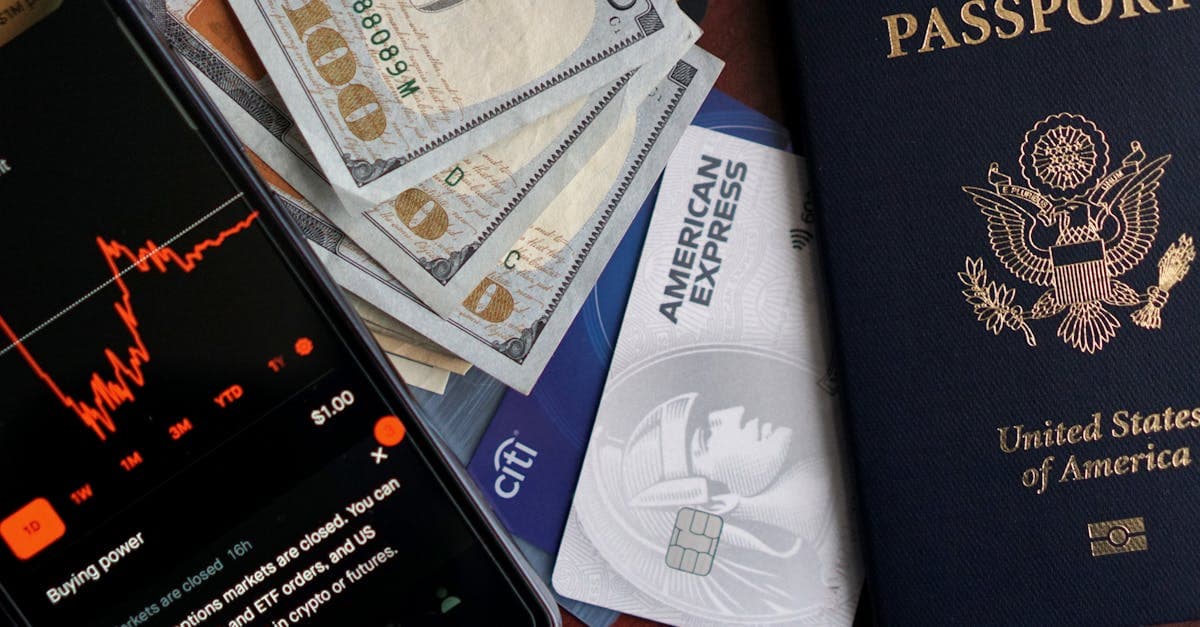
Passport, cash, and smartphone displaying financial data related to the income requirements for a digital travel eSIM visa Spain.

![European passports with Euro banknotes illustrating the income requirement for digital travel eSIM visa spain

Applicants need to clear a monthly income floor of 200% of Spain's Salario Mínimo Interprofesional (SMI), the statutory minimum wage [citizenremote.com. With the 2025 SMI at €1,184 per month, that puts the solo-applicant threshold at approximately €2,368 per month, roughly $2,600 USD [citizenremote.com.

Dependents raise the bar. Each family member added to the application requires an additional 75% of the SMI per month, around €888 [citizenremote.com. Add one dependent to a solo application and the combined monthly floor rises to approximately €3,256.

Employees document income with payslips from the preceding quarter and an employer letter confirming both the remote-work arrangement and the company's incorporation date. Self-employed applicants take a different route: signed service contracts with non-Spanish clients and six months of bank statements showing consistent deposits.

Passive income, including dividends and rental income, can count toward the threshold. Consulates evaluate these cases individually and require additional supporting documentation. If passive income is your primary qualifying source, confirm the specific consulate's approach before structuring your file around it.

At $2,600 per month, the income bar is well within reach on a US median full-time salary of $60,000 a year, roughly $5,000 gross per month. Portugal's D8 visa uses a comparable benchmark, so the practical decision between the two countries comes down to tax structure and cost of living.

How to Apply: Step-by-Step Guide for US Citizens

Flat lay of travel documents, compass, and notebook used when planning a digital travel eSIM visa Spain application.

![Young man working on laptop outdoors while preparing his digital travel eSIM visa spain application

The Spanish consulate won't accept digital submissions. Every document must be physically present at your appointment, so the paperwork process needs to start well before you intend to file.

Step 1: Compile your documents

The required package for a US citizen:

  • Completed national visa application form
  • Valid US passport (1 year of validity minimum beyond your intended stay)
  • Two recent passport photos
  • FBI Identity History Summary with a federal Hague Apostille
  • Certified Spanish translations of all non-Spanish documents
  • Employment letter or client contracts confirming the remote-work arrangement
  • Health insurance certificate showing Spain-equivalent coverage, no copays, no geographic exclusions within Spain
  • Three to six months of bank statements

Health insurance is where most applications stall. Spain requires public-equivalent coverage, and standard US domestic plans don't qualify. Compliant options include Cigna Global, Allianz Care, and Feather, with Spain-specific plans starting around $100 per month for a healthy applicant in their 30s.

Step 2: Book your appointment

Schedule through the Spanish Ministry of Foreign Affairs portal at the consulate serving your US state of legal residence, not where you're currently staying. The consulate fee runs approximately €73 to €80, paid in euros at the appointment.

Step 3: Attend in person

Bring physical originals plus certified copies. The official processing window is 20 business days, though real-world timelines run 6 to 14 weeks depending on consulate and application volume.

After you land

Three tasks start immediately. Register with the local municipality (empadronamiento) within 30 days of arrival. Obtain your NIE (Número de Identificación de Extranjero), which is Spain's tax ID for residents [exteriores.gob.es. Then register with Spanish Social Security before the end of year 1, when the 3-year residence permit application opens.

Which US consulate to use and expected processing times

Exterior of a US consulate building where Americans can apply for a Spain digital travel eSIM visa.

![Friends reviewing a laptop at an outdoor café discussing US consulate options for digital travel eSIM visa spain

Your legal domicile determines which Spanish consulate handles your application, not where you happen to be working or visiting. File at the wrong jurisdiction and the application gets rejected before review.

Miami and Houston are the two fastest consulates based on applicant reports from r/digitalnomad and r/expats, typically resolving applications in 6 to 9 weeks. New York and Los Angeles frequently run 10 to 14 weeks, driven by higher application volume in those jurisdictions. Spain doesn't publish official approval rates or consulate-by-consulate wait times, so community forums remain the most reliable source of current data going into 2026.

The FBI Identity History Summary is the single longest lead-time item in the document chain. Mail-in processing through FBI.gov takes 3 to 6 weeks for the federal background check, plus another 2 to 4 weeks for the state-level apostille. Factor up to 10 weeks of combined lead time before you even book your consular appointment.

If your departure date is firm, expedited processing through an approved channeler such as Accurate Biometrics can cut the federal turnaround to 5 to 10 business days for an additional $100 to $200.

One jurisdiction wrinkle to know: some border-state residents may have access to two consulates depending on county. Nevada residents, for example, can sometimes fall under either the Los Angeles or San Francisco consulate. Verify current jurisdiction rules directly with each consulate before booking. These boundaries shift occasionally, and forum posts from even 12 months ago can be stale.

Full Cost Breakdown: Fees, Documents, and Overlooked Expenses

Paper documents and cost breakdown sheet representing fees and expenses for a Spain digital travel eSIM visa application.

![Minimalist financial illustration showing fees and document expenses for the Spain digital travel eSIM visa

Budget $1,500 to $3,000 for a single-applicant application, all-in. The consulate fee covered in the step-by-step section above is actually the cheapest line item.

At year 1, the residence permit conversion costs approximately €190, a fee almost no guide mentions until you're already in Spain wondering why you need more euros. The FBI Identity History Summary runs $18 for the federal background check itself, plus $20 to $40 for the state apostille. Expedited channeler processing, at the rate noted in the consulate section, is worth adding if your timeline is tight.

Certified Spanish translations of your complete document package typically run $300 to $600 depending on page volume and the translator's per-page rate. Passport photos meeting Spain's specific dimensional requirements cost $15 to $25. Spain-compliant health insurance is the largest variable: plans from Cigna Global or Feather run $1,200 to $2,400 per year, with Feather's Spain-specific options at the lower end of that range for applicants under 40.

Three costs US applicants consistently undercount: notarized copies of bank statements and employment letters ($50 to $150 at a notary or bank), shipping fees for sending originals to translation or apostille vendors, and a pre-departure US-Spain tax consultation ($200 to $500 for a dual-credential CPA). That last one feels optional until you discover the 6-month Beckham Law filing window, at which point it becomes essential.

Each dependent added to the application brings roughly $1,000 to $1,500 in additional translation and health coverage costs. For families, the budget math changes fast.

Tax Benefits for US Citizens: Beckham Law and the Foreign Earned Income Exclusion

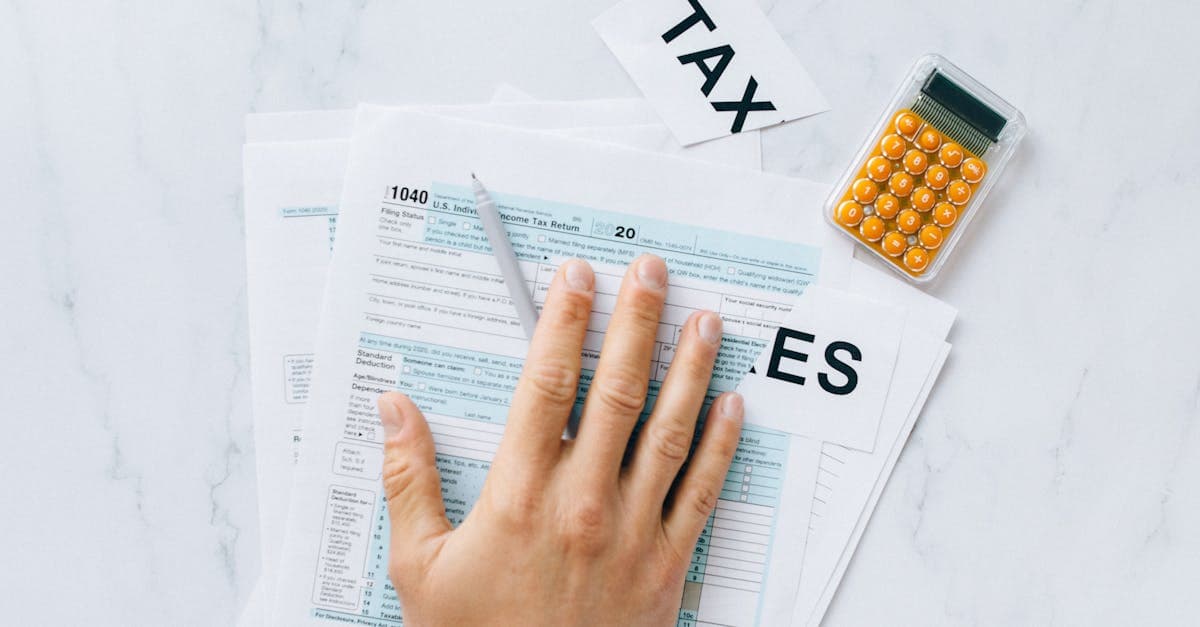
Hand completing a tax form with a calculator, illustrating Beckham Law tax benefits for digital travel eSIM visa Spain holders.

![US tax forms representing Beckham Law and foreign earned income exclusion benefits for digital travel eSIMs in Spain

Spain's standard income tax tops out at 47%. The Beckham Law cuts that to a flat 24% on Spanish income up to €600,000 per year, a regime available to workers who relocated to Spain for professional reasons, including digital nomad visa holders.

The formal name is Régimen Especial para Trabajadores Desplazados, and it isn't automatic. DNV holders must file Form 149 with Spain's Agencia Tributaria within 6 months of registering with Spanish Social Security. Miss that window and you default to progressive rates running from 19% up to that 47% ceiling. The clock starts at Social Security registration, not visa approval, which is what catches most nomads off guard.

The US complicates the picture in a way no other nationality faces quite the same way. The US taxes its citizens on worldwide income regardless of where they live. The primary offset tool is the Foreign Earned Income Exclusion (FEIE): US citizens who satisfy the Physical Presence Test (330 days outside the US within any 12-month period) can exclude roughly $126,500 of foreign earned income from federal tax, based on the 2024 figure, adjusted annually for inflation.

The combined approach works like this. Apply the flat 24% Beckham rate to Spanish income. Then use the FEIE to reduce or eliminate overlapping US federal liability. On $80,000 gross, a qualified nomad with the right setup can land near a 24% effective combined rate depending on deductions. Overstacking foreign tax credits can trigger IRS penalties, and the US-Spain tax treaty doesn't eliminate the US filing obligation. It reduces double-taxation risk, but only when you actively claim treaty positions on Form 8833.

Bright!Tax, Greenback Expat Tax Services, and US Tax Spain are frequently cited by the expat community for dual US-Spain expertise. The pre-departure consultation budget from the cost breakdown above pays for itself quickly once you run these numbers against a standard US tax bill.

Best Spanish Cities for Digital Nomads in 2025

Aerial view of a Spanish city with historic buildings and a national flag, a top destination for digital travel eSIMs in Spain.

![Woman working remotely from a vehicle exploring the best Spanish cities for digital travel eSIMs in 2025

Barcelona, Madrid, Malaga, and Valencia are the four primary cities for digital nomads in Spain, each offering reliable fiber broadband and an established coworking market. Barcelona's 22@ innovation district alone hosts approximately 150 coworking spaces, more than most European capitals deliver across an entire city. Spain leads the EU in fiber-to-home penetration at around 64% of households per Eurostat 2024, with average fixed broadband speeds of 250 Mbps nationally. A reasonably priced apartment in any of these four cities will support remote work without requiring a dedicated desk.

The choice between cities usually comes down to budget versus connectivity priorities. Barcelona and Madrid anchor the upper end with the deepest coworking markets and the strongest transatlantic flight connections. Malaga and Valencia have absorbed a wave of nomads priced out of the larger markets over the last two years, and the infrastructure has caught up.

CityBarcelona
Avg 1BR Rent~$1,100/mo
Coworking Scene~150 spaces in 22@ district alone
Avg Fixed Broadband~300 Mbps (city center)
English SpeakersVery high
CityMadrid
Avg 1BR Rent~$1,200-$1,400/mo
Coworking SceneSecond-largest market in Spain
Avg Fixed Broadband~250 Mbps
English SpeakersHigh
CityMalaga
Avg 1BR Rent~$700-$900/mo
Coworking SceneMalaga Tech Park + growing scene
Avg Fixed Broadband~250 Mbps
English SpeakersModerate-high
CityValencia
Avg 1BR Rent~$650-$800/mo
Coworking SceneSolid mid-size coworking scene
Avg Fixed Broadband~250 Mbps
English SpeakersModerate

Google opened a dedicated tech campus in Malaga in 2023, which pulled enterprise infrastructure investment and an English-speaking tech community into a city where rent runs 30% to 40% below Barcelona. Madrid is the default for frequent transatlantic commuters: direct routes from Barajas connect to most major US hub airports. Valencia offers the lowest entry cost and a 15-minute commute from central coworking to the Mediterranean coast.

5G reaches roughly three-quarters of Spain's population via Movistar and Orange, with consistent coverage across all four cities and the main intercity rail corridors between them.

How to Stay Connected in Spain: eSIM and Local SIM Options

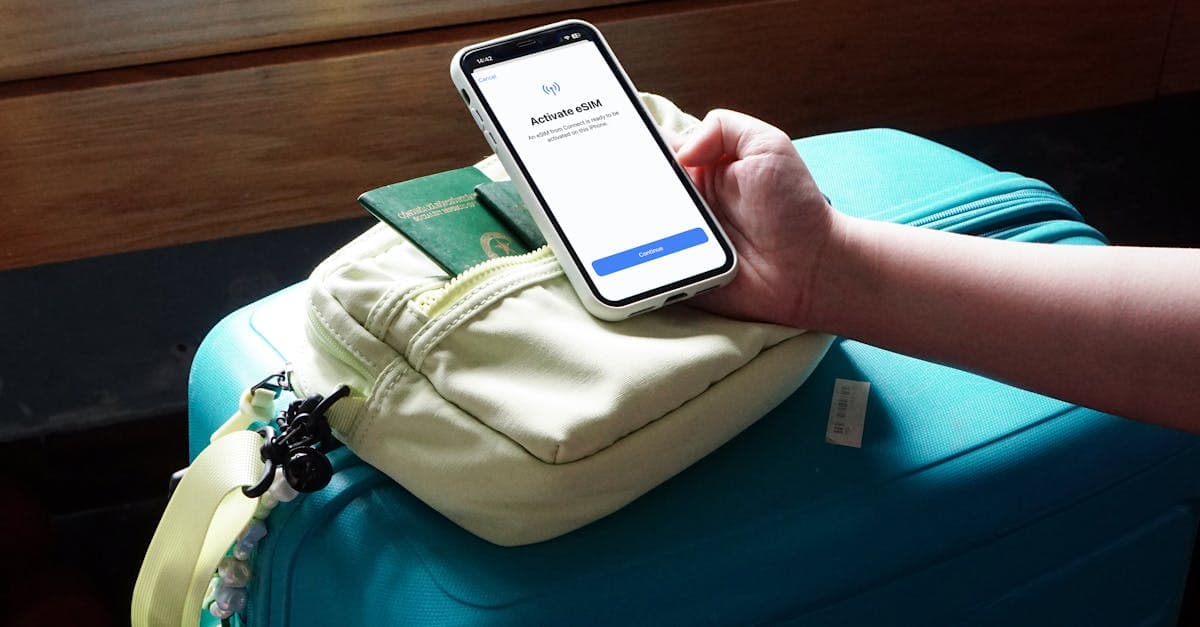
Traveler activating a travel eSIM on a smartphone over luggage to stay connected while living in Spain.

![Travel eSIM card tray on red background for staying connected in Spain as a digital travel eSIM

Digital nomads in Spain have three practical connectivity options: US carrier roaming (high cost, immediate), a local Spanish SIM (lower cost, delayed activation), or an eSIM activated before departure (moderate cost, immediate coverage). AT&T and Verizon both charge around $10 per day for TravelPass roaming in Spain. Over 30 days, that's $300 before rent or groceries. T-Mobile's free international data is throttled to 128 kbps, which won't carry a video call or move a large file upload.

Local Spanish SIMs solve the cost problem but not the timing one. Movistar, Orange, Vodafone, and Yoigo all offer prepaid plans from $20 to $30 for 15 to 20 GB of data, but every carrier requires an in-person store visit with a passport. Full activation typically takes one to three days, leaving you without working data on arrival.

An eSIM closes that gap. Around 71% of smartphones in Spain are eSIM-capable, one of the higher device rates in Europe, so most current US phones qualify. HelloRoam offers Spain plans ranging from short-term one-to-four-week options, useful for nomads scouting the country before committing to the visa process, up to longer-duration plans for established residents. Coverage runs on Movistar's network, which holds the broadest 5G footprint in the country and delivers consistently strong speeds in Barcelona, Madrid, Valencia, Malaga, and along the main intercity rail corridors. Activate through the HelloRoam app before boarding your departure flight and you'll have working data from the moment you clear customs.

The practical workflow: eSIM before departure for immediate arrival connectivity, local SIM once you're settled after a few days, dual-SIM if your device supports it for simultaneous coverage. Spain's fiber infrastructure means mobile data functions largely as a backup once you have a fixed address.

How hard is it to get a digital nomad visa in Spain?

Charming street scene in Cádiz, Spain, where digital travel eSIM visa Spain holders can live and work remotely.

Complete applications with clear income documentation carry a high approval rate. Spain's consulates aren't known for elevated rejection rates when the file is in order and income sits comfortably above the threshold. The process is paper-intensive, not especially selective.

Three rejection triggers show up consistently in community reports: a missing apostille on the FBI Identity History Summary, bank statement history that looks inconsistent around the income floor, and filing at a consulate outside your legal jurisdiction. That third error is a hard disqualifier regardless of how strong the rest of the application is.

Self-employed applicants receive closer scrutiny than salaried employees. Consulates look for an ongoing, stable client relationship with documented contracts over time, not a single large deposit that arrived recently. If your income comes from multiple short-term clients, list and document each engagement individually rather than presenting a summary figure.

Spain's Ministry of Foreign Affairs doesn't publish official approval statistics. Community forums on r/digitalnomad and r/spain, plus expat Facebook groups, provide the most current real-time benchmarks for approval timelines and common documentation pitfalls.

Three preparation moves strengthen most applications: document income at 120% to 150% above the minimum floor when your situation allows it, ensure the employment letter appears on company letterhead with explicit written confirmation of remote-work permission, and include a brief cover letter in both English and Spanish summarizing your eligibility. No interview is required. The consulate reviews the submitted file and issues a decision by post or email.

Can a US citizen just move to Spain?

Historic architecture of Toledo, Spain, a destination accessible to US citizens relocating with a digital travel eSIM visa.

On a US passport, you can enter Spain and the broader Schengen Area for up to 90 days in any 180-day rolling window, no visa required. That covers tourism, a reconnaissance trip to evaluate cities before committing to an application, or short-term remote work while you're still assembling your documents.

Overstaying is a real risk, not a minor technicality. Entry and exit dates are tracked through passport stamps across all Schengen member states. The widespread belief that Spain doesn't enforce overstays is incorrect. A violation can affect future EU entry eligibility and complicate a subsequent digital nomad visa application.

For passive income earners who want to stay beyond 90 days without actively working, the Non-Lucrative Visa is the relevant route. The income floor sits at roughly the same level as the digital nomad visa threshold covered in the income requirements section above, and you must document sufficient funds to support yourself without generating Spanish-source income. The Investor Visa takes a different approach: it requires a minimum €500,000 real estate purchase or an equivalent qualifying investment in Spanish financial instruments.

Some US citizens apply for a residence permit from inside Spain under Article 74 after entering on a tourist stamp. It's legally permissible, but rejection risk runs higher and the bureaucratic complexity exceeds what you'd face filing from a US consulate before departure.

The long-term math matters if citizenship is ever in view. Five years of continuous legal residence qualifies for permanent residency. Ten years qualifies for naturalization. Spain generally does not recognize dual nationality with the US under standard naturalization rules, so that trade-off deserves careful research well before you start the citizenship clock.

Get Connected Before You Go

David Chen, Travel Writer at HelloRoam
David Chen is a travel writer at HelloRoam who covers mobile connectivity and travel tech for international visitors. He compares data plan pricing for short trips and extended stays, and tests eSIM activation at major international airports. David also covers hotspot options for business travelers so readers can skip the SIM card counter and get online fast.

Frequently Asked Questions

The Spain digital nomad visa is moderately difficult for US citizens but achievable with preparation. The main hurdles are gathering apostilled documents (especially the FBI background check, which can take up to 10 weeks), proving remote income of at least €2,368 per month, and attending an in-person consulate appointment. Processing times range from 6 to 14 weeks depending on which consulate handles your application. There is no language test or degree requirement, which makes it more accessible than many European residency programs.

The income requirement is 200% of Spain's monthly minimum wage (SMI), which works out to approximately €2,368 per month (roughly $2,600 USD) based on the 2025 SMI of €1,184. Each dependent added to the application raises the threshold by an additional 75% of the SMI, around €888 per month. Employees can document income with payslips and an employer letter, while self-employed applicants need signed contracts with non-Spanish clients and six months of bank statements.

US citizens cannot simply relocate to Spain without a visa for stays beyond 90 days. Within the Schengen Area, Americans are limited to 90 days out of every 180 days without formal authorization. To live legally in Spain long-term, US citizens must apply for a specific visa such as the digital nomad visa, which requires meeting income thresholds, having an employer based outside Spain, and submitting an in-person application at a Spanish consulate.

Passive income must meet the same threshold as earned income: at least 200% of Spain's monthly minimum wage, approximately €2,368 per month for a solo applicant. Dividends and rental income can count toward this floor, but consulates evaluate passive income cases individually and require additional supporting documentation. It is advisable to confirm the specific consulate's requirements before structuring a passive income-based application.

The Spain digital nomad visa, officially called the Visado para Trabajo a Distancia, was enacted on January 1, 2023 under Spain's Ley de Startups. It allows non-EU/EEA remote workers to live legally in Spain for up to one year, with the option to convert to a three-year residence permit after registering with Social Security. The permit is renewable for an additional two years, creating a five-year path toward long-term residency.

The initial visa is valid for up to one year and is applied for at a Spanish consulate abroad. After arriving in Spain and registering with Social Security, holders can convert it to a residence permit valid for up to three years. That permit is renewable for an additional two years, opening a total five-year pathway to long-term residency.

Non-EU/EEA nationals who work remotely for employers or clients based outside Spain are eligible. Employees must have been in their current remote-work arrangement for at least three months before applying, and the employer must have been operating for at least one year. No more than 20% of total annual income can come from Spanish-based clients. There is no language test or educational degree requirement.

Required documents include a completed national visa application form, a valid US passport, two passport photos, an FBI Identity History Summary with a federal Hague Apostille, certified Spanish translations of all non-Spanish documents, an employment letter or client contracts, a Spain-compliant health insurance certificate, and three to six months of bank statements. All documents must be submitted in person at the consulate serving your US state of legal residence.

The official processing window is 20 business days, but real-world timelines range from 6 to 14 weeks depending on the consulate and application volume. Miami and Houston are generally the fastest, resolving applications in 6 to 9 weeks, while New York and Los Angeles typically take 10 to 14 weeks. The FBI Identity History Summary alone can take up to 10 weeks to obtain, so applicants should start that process early.

You must file at the Spanish consulate that serves your US state of legal residence, not where you are currently located. Filing at the wrong consulate results in rejection before review. Miami and Houston are reported to process applications fastest, while New York and Los Angeles have longer wait times due to higher volume. Consulate jurisdiction boundaries can shift, so verify current rules directly with each office before booking your appointment.

Budget between $1,500 and $3,000 for a single-applicant application. The consulate fee is approximately €73 to €80, while the year-one residence permit conversion costs around €190. Certified Spanish translations typically run $300 to $600, Spain-compliant health insurance costs $1,200 to $2,400 per year, and the FBI background check adds roughly $40 to $60. Each dependent added to the application brings approximately $1,000 to $1,500 in additional costs.

Spain requires public-equivalent health insurance coverage with no copays and no geographic exclusions within Spain. Standard US domestic health plans do not qualify. Compliant international providers include Cigna Global, Allianz Care, and Feather, with Spain-specific plans starting around $100 per month for a healthy applicant in their 30s.

No more than 20% of your total annual income can come from Spanish-based clients or employers. This rule is designed to ensure that digital nomad visa holders are genuinely working for foreign companies rather than competing in the local Spanish labor market. For US citizens working a US remote job with a US employer, this threshold is straightforward to satisfy.

The Beckham Law, formally called the Regimen Especial para Trabajadores Desplazados, allows qualifying residents to pay a flat 24% tax rate on Spanish income up to €600,000 per year instead of Spain's standard progressive rate that tops out at 47%. Digital nomad visa holders who relocated to Spain for professional reasons are eligible. Applicants must file Form 149 with Spain's Agencia Tributaria within 6 months of registration to activate the benefit.

Yes, self-employed freelancers can apply on the same basis as employees. Freelancers do not face the three-month employment window required for employees, but must provide signed service contracts demonstrating that primary clients are registered outside Spain. Six months of bank statements showing consistent income deposits are also required to document financial eligibility.

After the initial one-year visa period, holders who have registered with Social Security and completed the empadronamiento (municipal registration) can apply to convert to a three-year residence permit. That permit is renewable for an additional two years, creating a five-year path to long-term residency. The residence permit conversion costs approximately €190 and must be initiated before the one-year visa expires.

Both the Spain digital nomad visa and Portugal's D8 visa use comparable monthly income benchmarks, around €2,300 to €2,500 for a solo applicant. The practical decision between the two countries comes down to tax structure and cost of living rather than eligibility differences. Spain's Beckham Law flat tax is a notable advantage for higher earners, while Portugal has historically offered more favorable long-term tax treatment for some foreign residents.

No minimum in-country stay is required once the Spain digital nomad visa is approved. The visa grants the legal right to reside in Spain but does not mandate a set number of days of physical presence. This differs from some European nomad visas that require extended in-country presence to maintain residency status.

Related Articles

Stay Connected with Travel Data
View all destinations
United States travel destination
United States flag
United States
United Kingdom travel destination
United Kingdom flag
United Kingdom
United Arab Emirates travel destination
United Arab Emirates flag
United Arab Emirates