

Table of content
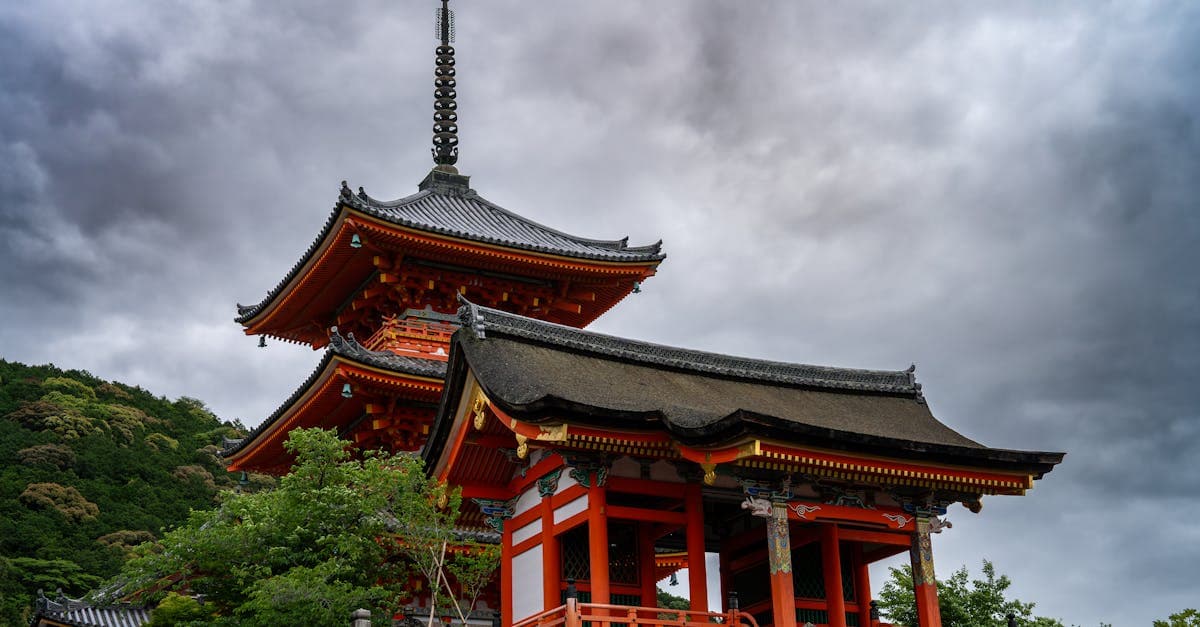
! [Kiyomizu-Dera Temple in Kyoto surrounded by clouds, a must-see during the best time to visit Japan
What Are the Best Months to Visit Japan?
! [Red torii gate in Hakone's forested shrine, helping travelers decide the best time to visit Japan
Japan drew 36.9 million international visitors in 2024, surpassing the previous all-time high by nearly 5 million people. For most US travelers, the best months to visit Japan are October and early November: pleasant weather, manageable crowds, and no need to book twelve months out. Late March to early April works if cherry blossoms are non-negotiable, but you'll pay significantly for it. January and February are the clear budget window.
According to intrepidtravel.com, spring and fall dominate the 'best season' conversation, and the reputation is earned. Cherry blossoms and fall foliage are genuinely spectacular. Both windows also carry the highest flight prices and accommodation that routinely sells out six months ahead of arrival.
Since 2024, overtourism controls at Arashiyama, Fuji-Q, and parts of central Kyoto have layered photography restrictions, crowd barriers, and paid-entry requirements onto spring and fall travel. These are meaningful changes to how those seasons actually work on the ground, not minor inconveniences.
Winter inverts the cost curve. Round-trip flights from major US hubs regularly dip below $700 in January and February, crowds thin substantially, and Japan's onsen (hot spring) culture is at its most compelling when temperatures drop. Hokkaido's ski season peaks in February, timed precisely with the Sapporo Snow Festival.
As boutiquejapan.com notes, regional timing doesn't follow a single calendar. Okinawa stays warm year-round, making it a practical winter escape from the mainland. Kyoto's sakura peaks in late March; Hokkaido's blooms arrive late April to early May, weeks after Tokyo's have already fallen.
Spring in Japan: Cherry Blossoms and the Booking Reality
! [Visitors paddling boats under cherry blossoms at Chidorigafuchi during Tokyo's vibrant spring season
Tokyo's sakura typically peaks late March to early April. In 2025, that window ran March 25 to April 5. Kyoto follows five to seven days later, then the bloom front continues north, reaching Hokkaido in late April to early May. At any single location, peak bloom lasts roughly seven to ten days, with shoulder viewing extending the experience to about two weeks.
That narrow window drives an outsized booking crunch. Hotels near prime hanami spots, including Maruyama Park in Kyoto and the Meguro River in Tokyo, sell out six to nine months in advance. Japan's hotel room supply runs roughly 14% below national demand, and during peak sakura weeks that gap pushes nightly rates in Tokyo and Kyoto past what you'd typically pay in Paris or London during the same period.
Spring flights cost considerably more than winter departures, a difference that compounds across a two-week trip budget. The exact ranges are in the seasonal table in the previous section.
There's also a case for reconsidering cherry blossom season entirely. Maruyama Park, the Meguro River, and Philosopher's Path now operate with entry controls and photography restrictions introduced between 2024 and 2025. Some sites have added paid-access barriers. You may spend more time managing queues than watching blossoms, which is a reasonable thing to weigh before booking.
For real-time planning, the Japan Meteorological Corporation publishes daily bloom tracker updates throughout sakura season. If your travel dates straddle the peak window, that tool lets you adjust your itinerary around actual conditions rather than historical averages.
Golden Week in Japan: Costs, Crowds, and Strategy
! [Senso-ji Temple in Tokyo crowded during Golden Week, the busiest period when choosing the best time to visit Japan
Golden Week runs April 29 to May 6 and is Japan's largest domestic travel period by volume. Shinkansen seats between Tokyo and Osaka or Kyoto sell out three to four weeks in advance. Hotel prices at popular destinations spike two to three times above already-elevated late-spring rates, making this the single most expensive week of the year for foreign visitors.
The fix, if your dates have any flexibility, is to go somewhere else in Japan entirely. Tohoku, northern Kyushu, and Shikoku see far fewer domestic tourists during Golden Week and offer comparable nature, temples, and regional food culture at normal pricing. Both Tohoku and Kyushu connect to the Shinkansen network, so the trade-off is travel time from Tokyo, not isolation from infrastructure.
Foreign visitors locked into Golden Week dates should pre-book all Shinkansen tickets and accommodation four to six weeks in advance. Basing yourself in a secondary city rather than Tokyo or Kyoto cuts both the crowd density and the nightly hotel rate without sacrificing access.
Three spring logistics worth locking in before departure: cherry blossom accommodation booked six to nine months out for prime spots, a 14-day JR Pass if your itinerary spans multiple regions across the Golden Week window (the pass costs $300 to $550 depending on duration and covers reserved Shinkansen seats at no extra cost), and the bloom tracker app downloaded before you board the plane.
How Hot and Humid Is Summer in Japan?
! [Steaming hot spring in Japan's lush hills, why summer heat matters when choosing the best time to visit Japan
July and August in Japan are a test. Tokyo temperatures average 77 to 95°F (25 to 35°C) with humidity regularly above 80%, and many visitors underestimate the cumulative effect until they're on day three of it. The practical upside: flights run at their seasonal low and hotel availability opens considerably, making summer a genuine budget window for travelers who plan around the conditions rather than against them.
Summer's festival calendar is a legitimate draw, not a consolation prize. Gion Matsuri in Kyoto runs the entire month of July. Obon celebrations fill mid-August. Regional fireworks festivals (hanabi taikai) run every weekend from late July through August, and attending one outside the major cities is one of the more memorable things you can do in Japan.
Rainy season, called tsuyu in Japanese, complicates June and early July. On the mainland, tsuyu runs from early June to mid-July, with rain falling on roughly half of all days and humidity reaching 85 to 90%. Okinawa enters tsuyu about two weeks before the mainland.
Typhoon season peaks August through September, averaging two to three significant storms affecting Honshu per season. Travel insurance is practical for this window, not optional, and reliable mobile data is equally important for real-time storm tracking and transport updates. HelloRoam provides access to Docomo and SoftBank networks in Japan with instant activation before departure, and What Is an eSIM? explains how the technology works if you haven't used one before.
As instagram.com notes, late June, after the heaviest rains clear, is the cleanest entry point into summer. The first two weeks of September, once peak typhoon risk subsides, offer cooler temperatures at prices that hold before fall foliage demand kicks in.
Fall and Winter: Foliage, Snow, and the October Sweet Spot
! [Hiker exploring misty mountain trails in fall, representing the best time to visit Japan for foliage
Nikko's maples turn crimson by mid-October, starting a 6-week koyo window that runs south and east through the calendar. Tohoku and Nikko peak first, in mid-to-late October. Kyoto follows in mid-to-late November. Tokyo closes the season from late November through early December. That spread is an advantage cherry blossom season doesn't offer.
According to enchantingtravels.com, October is the sweet spot most repeat visitors have figured out quietly. Post-typhoon season ends by late September, hotel rates sit below November's premium, and Tokyo temperatures settle into 55-68°F (13-20°C). Unlike sakura timing, which shifts by days based on temperature, koyo is more predictable. The crowds are present but haven't yet hit the intensity that triggers entry controls at major Kyoto gardens.
Winter: skiing, hot springs, and the year's cheapest fares
Flights bottom out in January and February, well below the spring and fall peaks noted earlier. Hokkaido draws skiers to Niseko and Furano, where snowfall rivals the Alps. Sapporo's Snow Festival in February pulls roughly 2 million visitors in a single week, so book Hokkaido accommodation early even in the cheapest season.
New Year, January 1 through 3, closes most restaurants and shops. The payoff is hatsumode: the first shrine or temple visit of the year is one of the more genuinely memorable experiences available to foreign tourists in any season.
Geography reshapes everything in winter. Hokkaido is buried in snow and built for skiing. Kyushu stays mild at around 59°F (15°C) in January. Okinawa, Japan's southernmost prefecture, sits warm year-round at 64-72°F (18-22°C), a different Japan trip from anything on the mainland.
What Is the Cheapest Time to Go to Japan?
! [Chureito Pagoda with cherry blossoms and Mount Fuji, a classic view during the best time to visit Japan
According to instagram.com, January and February are consistently the cheapest months for US travelers. Hotel availability peaks, crowds are manageable outside Sapporo during Snow Festival week, and rates run 30-40% below spring peaks. Flights sit at their annual low, well below the spring and fall figures in the seasonal table above.
As instagram.com notes, June is the second budget window. Rainy season keeps crowds low and hotel availability high. A thoughtful itinerary handles the weather well by leaning on covered markets, indoor attractions, and the genuine quiet that comes with being the only tourist at a famous garden on a gray Wednesday.
The yen factor is real. The JPY traded at 150-160 per USD through 2024-2025, reducing in-country costs 20-30% compared to pre-2022 rates. Every taxi ride, convenience store meal, and transit fare costs less than it would have four years ago. Winter 2026 combines the lowest seasonal fares with that exchange rate advantage, making it a particularly strong value window.
The 14-day Japan Rail Pass, currently priced at $479, earns its cost in fall or winter when itineraries naturally spread across multiple regions. Spring travelers who stay on the Tokyo-to-Kyoto corridor often don't break even. That math is worth running before purchase.
Staying Connected in Japan: eSIM, Pocket WiFi, and US Roaming

Frequently Asked Questions
January and February are consistently the cheapest months for US travelers. Flights sit at their annual low, hotel availability peaks, and crowds are manageable outside Sapporo during Snow Festival week. The JPY exchange rate of 150-160 per USD through 2024-2025 further reduces in-country costs by 20-30% compared to pre-2022 rates.
Japan's rail network is among the most punctual in the world, and a delay of even five minutes is considered significant enough to warrant a formal announcement and apology. This standard applies across the Shinkansen bullet train network and urban subway systems nationwide. Travelers can rely on scheduled departure times as a precise planning tool in a way that is uncommon in most countries.
A $5,000 budget can cover a two-week trip depending on season and travel style. Round-trip flights from major US hubs range from $600 to $1,400 depending on season, and a 14-day JR Pass costs $479. The yen exchange rate of 150-160 per USD through 2024-2025 reduces in-country spending by 20-30% compared to a few years ago, making the budget stretch further in winter than in peak spring or fall.
October and early November offer the best overall combination of pleasant weather, manageable crowds, and reasonable booking lead times. Late March to early April is ideal for cherry blossoms but comes with significantly higher flight and hotel costs. January and February are the best months for budget travelers, offering the lowest fares and thinner crowds outside Sapporo during Snow Festival week.
Tokyo's cherry blossoms typically peak in late March to early April, with the 2025 window running March 25 to April 5. Kyoto follows five to seven days later, and the bloom front continues north, reaching Hokkaido in late April to early May. At any single location, peak bloom lasts roughly seven to ten days, with shoulder viewing extending the experience to about two weeks.
Golden Week runs April 29 to May 6 and is Japan's largest domestic travel period by volume. Shinkansen seats between Tokyo and Osaka or Kyoto sell out three to four weeks in advance, and hotel prices at popular destinations spike two to three times above already-elevated late-spring rates. It is the single most expensive week of the year for foreign visitors.
July and August in Tokyo average 77 to 95 degrees Fahrenheit with humidity regularly above 80 percent, and many visitors underestimate the cumulative effect until they are several days into the trip. Rainy season, called tsuyu, runs from early June to mid-July on the mainland with rain on roughly half of all days and humidity reaching 85 to 90 percent. The upside is that summer is a genuine budget window with lower fares and better hotel availability than spring or fall.
Typhoon season peaks in August through September, averaging two to three significant storms affecting Honshu per season. Travel insurance is a practical necessity for this window, and reliable mobile data is equally important for real-time storm tracking and transport updates. Late June and the first two weeks of September offer cleaner entry and exit points around the heaviest weather risk.
Koyo refers to Japan's autumn foliage season when maple and ginkgo trees turn red and gold. Nikko and Tohoku peak first in mid-to-late October, Kyoto follows in mid-to-late November, and Tokyo closes the season from late November through early December. The six-week spread gives fall travelers considerably more flexibility than cherry blossom season.
October is widely considered the sweet spot by repeat visitors. Post-typhoon season ends by late September, hotel rates sit below November's premium, and Tokyo temperatures settle into a comfortable 55 to 68 degrees Fahrenheit. Fall foliage begins in northern regions in October, and crowds have not yet hit the intensity that triggers entry controls at major Kyoto gardens.
Hokkaido is best visited in February for skiing at Niseko and Furano and for the Sapporo Snow Festival, which attracts roughly 2 million visitors in a single week. Cherry blossoms arrive in late April to early May, several weeks after Tokyo's have fallen. Hokkaido also serves as a practical escape from mainland summer heat and humidity.
eSIM has overtaken pocket WiFi rental as the faster, more practical option for US travelers in 2025 and 2026. Pocket WiFi dominated for years because Japan's carrier ecosystem was slow to open to tourist SIMs, but that has since changed. eSIM allows instant activation before departure without the hassle of picking up and returning a rental device.
AT&T International Day Pass and Verizon TravelPass both charge $12 per day in Japan, adding $168 to $240 to a two-week trip before other spending. T-Mobile Magenta includes Japan in its international plan with 5 GB of high-speed data, but throttled speeds after that allowance make navigation sluggish in practice. Data is not optional in Japan given heavy reliance on Google Maps, Hyperdia, and real-time bloom trackers.
The 14-day Japan Rail Pass, currently priced at $479, earns its cost when an itinerary spreads across multiple regions. Fall and winter travelers who move beyond the Tokyo-Kyoto corridor typically break even or come out ahead. Spring travelers who stay mainly on the Tokyo-to-Kyoto route often do not recoup the cost, and the math is worth running before purchase.
Hotels near prime cherry blossom spots in Kyoto and Tokyo sell out six to nine months in advance during sakura season. For Golden Week, booking four to five months out and targeting secondary cities cuts both crowd density and nightly rates. Winter and summer travel typically offer good availability with much shorter lead times, with the exception of Sapporo during Snow Festival week.
Sources
- When Is the Best Time of Year to Visit Japan? — boutiquejapan.com
- Best time to visit Japan — intrepidtravel.com
- MOST EXPENSIVE months to travel Japan and when to come ... — instagram.com
- Best Time to Visit Japan | Monthly Climate Guide by Experts — enchantingtravels.com