

Table of content
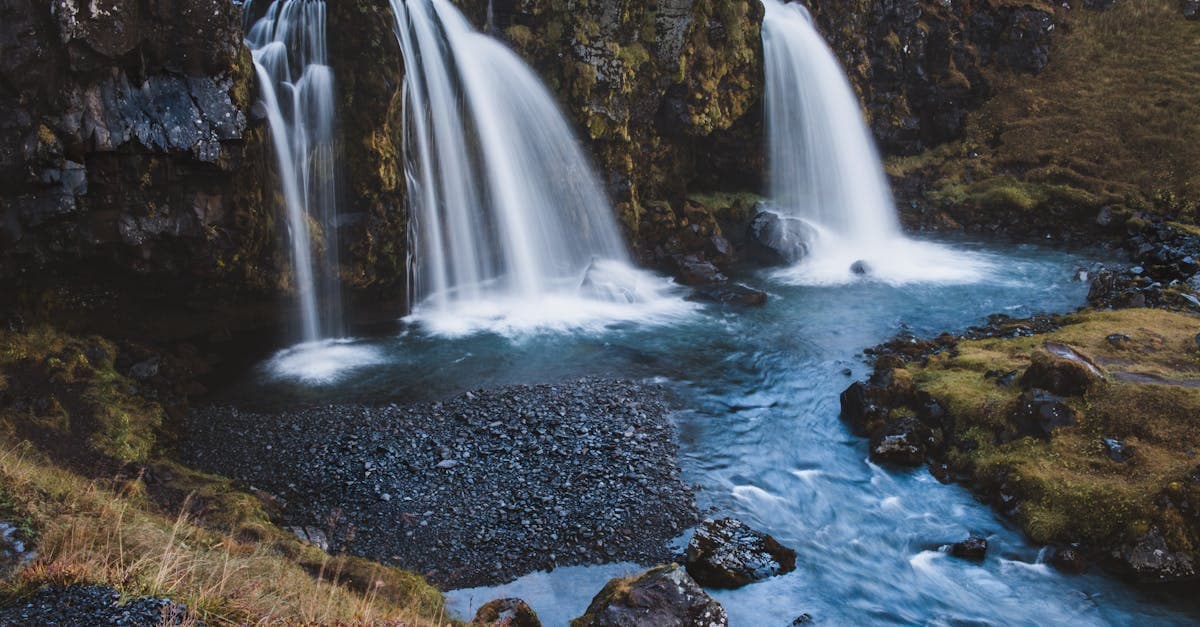
! [Breathtaking view of a double waterfall in Iceland's stunning natural landscape, showcasing the region's raw beauty.
Quick Answer: best time to visit iceland
! [Capture of Seljalandsfoss Waterfall in Iceland, accented by a beautiful rainbow and lush green landscape.

September is the best overall month to visit Iceland for most US travelers. Northern lights return mid-month, autumn colors peak, F-roads stay open through early October, and accommodation runs lower than the July peak. For the midnight sun, June through August. For prime aurora and Vatnajökull's natural ice caves, January through March wildernesstravel.com.
Two constants hold: Iceland is expensive by US standards, and data access matters more than most travelers expect. Aurora apps, live Vedur.is weather, and navigation through remote highland roads all need a working cellular connection.
Key fact: HelloRoam's Iceland eSIM starts at ~$3.49 for 1GB on a 7-day plan, running on Vodafone's 5G network.
AT&T and Verizon international day passes accumulate fast across a week-long trip. An eSIM for Iceland locks in a flat data rate before you leave the gate. That matters when you clear the Global Entry line at Keflavík and immediately need navigation and a weather check. Getting connectivity sorted at home is simpler than sorting it on arrival.
Quick Answer: Best Time to Visit Iceland at a Glance
! [A stunning view of Seljalandsfoss waterfall cascading over lush green cliffs in Iceland.

The overall sweet spot is September: fewer crowds, aurora season beginning, autumn colors peaking, and prices sitting below the July peak. The right month depends on what you're actually after.
According to Wilderness Travel, summer sees the most travelers, with mild temperatures perfect for long days and full access to the country's highlights. June through August brings 18 to 24 hours of daylight and every attraction running at full capacity. Puffins, whale watching out of Húsavík, and every F-road accessible. This is Iceland at its most complete and its most expensive.
January through March flips it. Low crowds, lower accommodation rates, and the best aurora conditions of the year. The downsides are blunt: short daylight, frequent storms, no highland access.
April through May and September through October offer the most balanced trips. Prices moderate, most roads stay open, and aurora chances improve from late September onward. An active data connection keeps aurora forecast apps and Vedur.is live as shoulder season conditions shift fast — most useful in October, when ice caves open but deteriorating road conditions start closing F-roads without warning. The season you choose shapes every other decision about the trip.
Best Time to Visit Iceland Month by Month
! [Experience the majestic Seljalandsfoss waterfall cascading over verdant moss in Iceland.

July is Iceland's busiest month, with over 200,000 international arrivals at peak. Book nothing less than six months ahead for any July travel.
September and October are growing at roughly 30% year over year as shoulder season awareness spreads, compressing availability faster than most travelers realize.
What actually drives your calendar?
Here's a practical framework by travel priority:
- Highland access: F-roads to Landmannalaugar, Þórsmörk, and the Kjölur Route open approximately June through September. The Icelandic Road and Coastal Administration closes them on conditions, not a fixed date, so routes can shut without notice.
- Natural ice caves: Vatnajökull's natural blue ice cave formations run October through March exclusively. Guided tours are mandatory, capacity is limited, and peak January and February slots book weeks out.
- Northern lights: The strongest aurora window runs mid-September through late March. January and February deliver the darkest skies and fewest competing cloud patterns.
- Tight budget: November and January are the cheapest months. Expect short daylight and limited highland access.
- Family logistics: July offers the warmest temperatures, longest days, and most services running simultaneously, at the highest cost.
Key fact: Iceland's F-roads are accessible only June through September; Vatnajökull's natural blue ice caves run the opposite window, October through March exclusively.
Average daily spending runs $200 to $350 USD per person, excluding flights. That figure holds fairly steady regardless of season. What shifts by month is accommodation pricing, which climbs sharply in July and drops steadily through November.
Zoom into each season and the trade-offs get even more specific.
Summer in Iceland: midnight sun, open highlands, and peak prices
! [A stunning aerial view of a winding road by the fjords in Iceland's Westfjords region, perfect for travel enthusiasts.

According to Responsible Travel, summer is the best time to visit Iceland, with June through August offering long daylight hours, warmth in the low 20s Celsius, and summer festivals throughout the country. June through August delivers 18 to 24 hours of daylight and every attraction fully open. July averages 50 to 59°F (10 to 15°C), the warmest stretch of the year. Puffin season peaks June through July, whale watching runs strong through August out of Húsavík, and every F-road is accessible.
Summer is expensive.
Flights and accommodation run 30 to 50% above shoulder season rates ricksteves.com. For July travel, booking 6 to 12 months ahead is mandatory, not cautious. Wait until spring and the options narrow to expensive leftovers.
Northern lights don't exist in summer. The sky doesn't get dark enough from late May through mid-August. Travelers arriving specifically for aurora and landing in June discover this fast, and not happily. The midnight sun compensates in its own way: standing at Þingvellir at midnight in full daylight is genuinely disorienting in the best sense, the kind of experience that photographs can't quite reproduce.
The upside is access. Every highland route, puffin colony, glacier hike, and whale watching season runs simultaneously in summer, all at peak prices.
Flip the calendar to winter and every trade-off reverses.
Winter in Iceland: aurora borealis, ice caves, and real savings
! [Stunning view of the Northern Lights over Kirkjufell mountain and frozen waterfall in Iceland. Perfect for nature lovers.

Flights and hotels drop sharply from late October through February. That's the honest winter trade: real savings and dark skies for aurora hunting, but daylight shrinks to just 4 to 8 hours depending on the month, and temperatures settle between -1 and 3C (30 to 37F) with regular storms rolling in from the North Atlantic.
Vatnajokull's natural ice caves are a winter-only experience, open from October through March with guided access required penguintrampoline.com. There's no self-guided option. Step inside and the walls shift from blue-black at the ceiling to translucent at eye level, light filtering through ice that took centuries to compress — the kind of scale that settles on you quietly rather than arriving all at once. The ice is structurally stable during the colder months; summer warmth makes entry unsafe. Book through certified guides operating from Jokulsarlon or Skaftafell well in advance, particularly for December and January, when tour slots fill weeks out.
The Ring Road stays open year-round. That doesn't mean it's forgiving. Winter driving in Iceland requires a 4WD vehicle and genuine experience handling black ice and white-out conditions. Rental companies enforce those requirements for good reason, and conditions can flip from clear pavement to white-out in under an hour on coastal stretches.
Aurora prime season runs mid-September through late March, so every winter month sits squarely inside the window.
Clear skies are the bottleneck, not the calendar.
Northern lights vary more than most travel guides admit, which is why that question deserves its own honest breakdown.
When to Visit Iceland for the Northern Lights
! [Captivating northern lights dancing over the serene lake in Keflavik, Iceland.

The aurora borealis is visible in Iceland from mid-September through late March wildernesstravel.com. Three conditions must align simultaneously: a KP index of 3 or higher, cloud-free skies, and sufficient distance from light pollution. Miss any one of those variables and you'll be staring at a dark sky with nothing to show for it.
Cloud cover is the primary obstacle, not season or solar activity. Iceland's weather moves fast, and the southern coast around Vik is particularly susceptible to overcast evenings. Vedur.is, Iceland's Met Office, publishes hourly cloud cover maps across the entire country, not just Reykjavik. The Aurora Forecast app layers geomagnetic activity data over those same cloud maps, which makes it more useful than checking each source separately.
Plan at least 5 nights if seeing the lights is a primary goal. That's not pessimism; it's how the probability works. On any given clear night, displays range from a faint green smear above the horizon to a full overhead curtain. You can't control intensity. What you can control is giving yourself enough nights to find a clear window.
Four locations consistently deliver the best combination of dark skies and accessibility:
- Þingvellir National Park: 45 minutes from Reykjavik, minimal light contamination, broad open horizon with reliable road access year-round
- Jokulsarlon Glacier Lagoon: the aurora reflected across the lagoon creates striking foreground imagery; located in southeast Iceland near the Highland edge
- Snaefellsnes Peninsula: dark skies, year-round road access, about two hours from the capital on the western coast
- Vik: basalt sea stacks as natural foreground; cloud-prone on the south coast, but clears decisively on its best nights
February and September balance the strongest aurora odds with the most usable daylight penguintrampoline.com. January offers excellent geomagnetic conditions but only around 5 hours of light for daytime sightseeing. There's one variable most guides skip entirely: the lunar cycle. A full moon washes out fainter displays as effectively as city lights. Checking the moon phase before you commit to specific travel dates can meaningfully improve your odds without changing anything else about your itinerary.
Budget is the other variable most first-timers consistently underestimate.
What Is the Cheapest Month to Visit Iceland?
! [Breathtaking view of Seljalandsfoss waterfall cascading from cliffs in Iceland.

January and February consistently offer the lowest flight and hotel prices of the year ricksteves.com. November technically undercuts both on raw accommodation rates, but with around 6 hours of usable daylight, what you can actually accomplish in a day shifts against you fast.
April and May sit in a more useful position. Prices stay noticeably below summer rates, daylight climbs from roughly 15 hours in April toward 20 by late May, and Highland F-roads begin reopening as the season turns. For travelers trying to balance value and daylight without summer crowds, this spring shoulder window is the most compelling case outside September.
US travel patterns create specific price spikes that don't always map to what you'd expect from a seasonal calendar. Presidents' Day weekend in February, spring break weeks in March and April, and Thanksgiving week all push Iceland bookings upward in ways that erode the shoulder savings the rest of those months offer. If your dates are flexible, avoiding those calendar windows matters more than simply picking the theoretically cheapest month.
Booking 3 to 6 months ahead for shoulder season travel cuts accommodation costs compared to booking a few weeks out. The bigger variable for American travelers is the transatlantic flight itself. Icelandair operates direct routes from JFK, BOS, ORD, and LAX to Keflavik (KEF), and the spread between peak and off-peak fares can exceed anything you save on hotels.
The daily spend range covered earlier in this guide holds year-round as a rough baseline. Winter trips can run leaner if you self-cater some meals and choose rural guesthouses over central Reykjavik hotels, where prices cluster toward the top of that range.
Staying connected once you're there is the other half of the planning equation, and it's the part most travelers leave until they land.
How to Stay Connected When You Visit Iceland
! [Spectacular view of Hraunfossar waterfall cascading into turquoise waters in Iceland.

Iceland has reliable 4G LTE coverage across Reykjavik, the Ring Road (Route 1), and most major tourist corridors. The picture changes in two specific areas: Highland F-roads and the Westfjords, where terrain interrupts signal and long stretches run with limited or no cellular coverage at all.
Download offline maps before you leave Reykjavik. Google Maps and Maps.me both support full country offline downloads; pull them on hotel Wi-Fi before any Highland or Westfjords route. A downloaded map is the practical difference between a minor question and a genuine navigation problem 30 miles from the nearest town.
US carrier international roaming add-ons charge by the day. AT&T's International Day Pass, T-Mobile's international roaming options, and Verizon TravelPass all bill daily, typically around $10 per day regardless of actual data use. On a 10-day trip, that's roughly $100 before you've opened a single aurora forecast. The charges accumulate whether you're in downtown Reykjavik or parked at a viewpoint with no signal.
An eSIM removes that daily billing structure entirely. HelloRoam's Iceland eSIM starts at ~$3.49 for 1GB over 7 days, running on Vodafone's 5G network where available. That's enough data for Vedur.is aurora alerts, live Ring Road navigation, and translation apps at restaurants. Set it up before departure: scan the QR code during the flight, and by the time you clear customs at Keflavik, the connection is already live. Travelers with Global Entry move through immigration quickly; having an active signal waiting on the other side of the customs hall is one less thing to sort on arrival.
For Westfjords or any Highland itinerary, pair a data plan with pre-downloaded offline maps. No eSIM substitutes for absent signal. The right setup is an eSIM for Iceland already active when you land, combined with maps you downloaded before you left.
What I Wish I Knew Before Going to Iceland?
! [Snow-covered road leading to mountains in Vík í Mýrdal, Iceland. Scenic winter view.

Iceland's weather changes faster than any forecast can track. Pack waterproofs and layers for every season, full stop. A clear Reykjavik morning can shift to horizontal sleet by the time you reach Seljalandsfoss, barely 90 minutes down the road.
A handful of realities catch US visitors off-guard, and most of them have nothing to do with temperature.
Fill up the tank every time you see a gas station. On the eastern Ring Road and throughout the Westfjords, stretches between pumps run long. Running low in these areas is not an opportunity to coast to the next exit.
Tipping is not expected. After years of automatic prompts on US payment terminals, leaving nothing at an Icelandic restaurant requires genuine adjustment. It is not considered rude. Icelandic service workers simply do not factor it in.
Wine and spirits come from one place. Vinbudin, the state-run liquor store, is the only legal retail source. Supermarkets do not carry wine or spirits. Vinbudin closes earlier than most shops and keeps shorter hours on Sundays, so plan accordingly.
Cash is largely unnecessary. Credit cards work at nearly every restaurant, guesthouse, and Ring Road attraction. Remote farm stays and Highland hut systems are the exceptions, worth confirming before departure.
Winter driving is a genuinely different skill set. Summer Ring Road driving is straightforward on paved roads with long daylight. The same route in January requires 4WD, studded tires, and a daily check of road.is before leaving any accommodation. Black ice at latitude 64°N does not announce itself.
Two questions come up almost every time someone plans their first Iceland trip.
What Is the Best Month to See Iceland?
! [Breathtaking view of the powerful Godafoss waterfall in Iceland surrounded by lush landscapes.

September works for most travelers: aurora season opens, autumn colors spread across lava fields and hillsides, prices drop from the July peak, and most F-roads stay passable through the month. The right answer shifts once you name the experience you won't compromise on.
If the natural ice caves are non-negotiable, February delivers peak aurora conditions and the caves simultaneously — and the lowest crowds of any month with both available. According to Rick Steves, June is the only month that combines full midnight sun with every F-road open at once; nothing else comes close for access. March threads an underrated middle ground: aurora odds remain solid, daylight recovers noticeably through the month, and prices haven't climbed yet.
No single month covers everything. The ice caves close when the highlands open; the midnight sun vanishes when aurora season begins. Pick the experience that defines the trip, then build the rest of the itinerary around that fixed point.
Trip length is the final planning variable most travelers get wrong.
How Many Days Are Enough for an Iceland Trip?
Plan on seven days minimum for the Ring Road. That floor assumes a reasonable pace with actual stops rather than a continuous sprint between check-ins. US travelers typically book 7 to 10 days, and 10 days is where itineraries open up to Highland detours and a proper loop through the Snæfellsnes Peninsula.
Northern lights seekers need at least five nights in-country to build realistic odds against overcast skies. Five nights sounds sufficient until the third cloudy evening arrives.
Short on vacation days? Three to four nights works well for Reykjavik, the Golden Circle, and the south coast as far as Jökulsárlón Glacier Lagoon. The Ring Road stays unfinished, but the most visited highlights are all reachable without feeling compressed.
Reviewed by HelloRoam's editorial team. Last updated: 14 April 2026.
Get Connected Before You Go

Frequently Asked Questions
September is the best overall month for most travelers visiting Iceland. Northern lights return mid-month, autumn colors peak, F-roads remain open through early October, and accommodation prices sit below the July peak. For the midnight sun experience, June through August is the right window, while January through March offers prime aurora conditions and natural ice cave access.
January and February consistently offer the lowest flight and hotel prices of the year. November has slightly lower raw accommodation rates but only around 6 hours of usable daylight, which limits what you can accomplish each day. April and May offer a more practical balance, with prices well below summer rates, increasing daylight, and F-roads beginning to reopen.
Iceland is significantly more expensive than most destinations, with average daily spending running $200 to $350 USD per person excluding flights. Northern lights are not visible from late May through mid-August because the sky never gets dark enough, which surprises many first-time visitors who arrive expecting aurora in summer. F-roads to the highlands can close without notice based on conditions, and winter driving requires a 4WD vehicle and genuine experience with black ice and white-out conditions. Data access matters more than most travelers expect, as aurora forecast apps, live weather from Iceland's Met Office, and remote highland navigation all require a working cellular connection.
If seeing the northern lights is a primary goal, plan at least 5 nights in Iceland. That timeframe is not pessimism but reflects how aurora probability actually works: cloud cover is the main obstacle, and you need enough nights to find a clear window. The number of days needed also depends on your priorities, since summer highland access, winter ice caves, and aurora hunting each require different seasons and itineraries.
The aurora borealis is visible in Iceland from mid-September through late March. Three conditions must align simultaneously: a KP index of 3 or higher, cloud-free skies, and sufficient distance from light pollution. Cloud cover is the primary obstacle, not season or solar activity, and Iceland's weather moves fast enough that checking hourly cloud maps from Iceland's Met Office is more reliable than any single nightly forecast.
Vatnajokull's natural blue ice caves are open from October through March exclusively. Guided tours are mandatory, with no self-guided access permitted, and capacity is limited. Peak January and February tour slots fill weeks in advance, so booking well ahead through certified operators based near Jokulsarlon or Skaftafell is essential.
Four locations consistently deliver the best combination of dark skies and accessibility: Thingvellir National Park about 45 minutes from Reykjavik, Jokulsarlon Glacier Lagoon in the southeast where the aurora reflects across the water, Snaefellsnes Peninsula on the western coast about two hours from the capital, and Vik with its basalt sea stacks as natural foreground. All four offer minimal light pollution and reliable road access.
Iceland's highland F-roads, including routes to Landmannalaugar, Thorsmork, and the Kjolur Route, are generally accessible from June through September. The Icelandic Road and Coastal Administration closes them based on conditions rather than fixed calendar dates, so routes can shut without warning. October conditions can deteriorate rapidly, making real-time road status checks essential if you are traveling late in the shoulder season.
Yes, a full moon can wash out fainter aurora displays as effectively as city lights. Checking the moon phase before committing to specific travel dates can meaningfully improve your odds of seeing the northern lights without changing anything else about your itinerary. This is a factor most Iceland travel guides skip entirely.
July is the warmest month, averaging 50 to 59 degrees Fahrenheit (10 to 15 degrees Celsius). June through August delivers 18 to 24 hours of daylight, with every attraction fully open including all F-roads, puffin colonies, and whale watching tours out of Husavik. Northern lights are not visible during summer because the sky does not get dark enough from late May through mid-August.
For July travel, booking 6 to 12 months ahead is mandatory, not just cautious. Iceland sees over 200,000 international arrivals at peak in July, and waiting until spring leaves mainly expensive last-minute options. For shoulder season months like September and October, which are growing in popularity at roughly 30% year over year, booking 3 to 6 months ahead is recommended to lock in better rates.
February and September offer the best balance of strong aurora odds with usable daylight hours. January delivers excellent geomagnetic conditions for aurora viewing but only around 5 hours of daylight for daytime sightseeing. September adds the benefit of autumn colors, open F-roads, and lower prices compared to the summer peak.
Average daily spending in Iceland runs $200 to $350 USD per person, excluding flights. That figure holds fairly steady regardless of season. The main variable that shifts by month is accommodation pricing, which climbs sharply in July and drops steadily through November. Winter trips can run leaner by self-catering some meals and choosing rural guesthouses over central Reykjavik hotels.
Puffin season peaks in June through July, and whale watching runs strong through August out of Husavik. Both activities are part of the summer window when all F-roads are also fully accessible and daylight runs 18 to 24 hours. This combination makes summer Iceland's most complete season for wildlife and outdoor experiences, at its highest prices.
Data access is critical in Iceland because aurora forecast apps, live weather from Iceland's Met Office, and navigation through remote highland roads all require a working cellular connection. Conditions in Iceland shift rapidly, especially in October when ice caves open but F-roads begin closing without warning. Securing a data plan before departure avoids the complications of arranging connectivity on arrival at Keflavik airport.
Sources
- ricksteves.com — ricksteves.com
- Best time to Visit Iceland & What to Do — penguintrampoline.com
- The Best Time to Visit Iceland — wildernesstravel.com