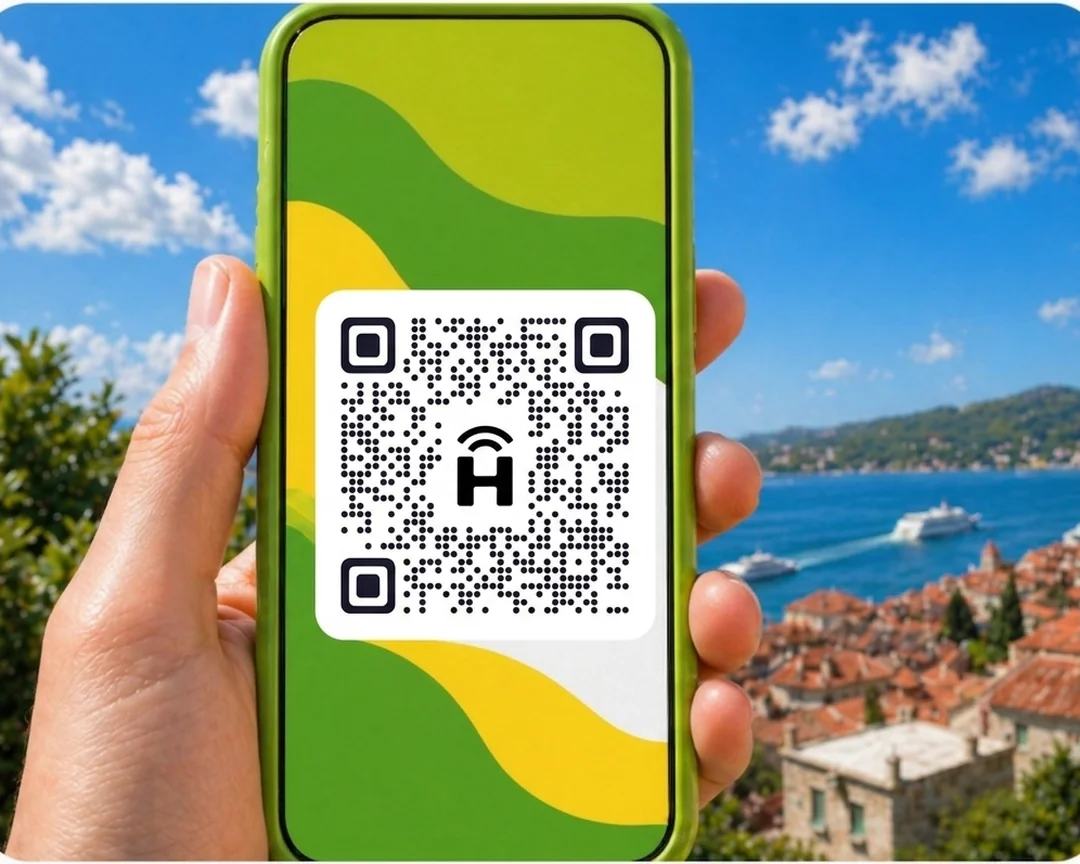




HelloRoam sells eSIM data plans for Rio de Janeiro, with e SIM pricing from NZ$3.97 across 212+ carrier networks. Scan a QR code and you're connected in under two minutes, no physical SIM swap needed. Your Spark, One NZ, or 2degrees number stays active while the e-sim handles data. You can get a refund on unactivated eSIMs within 180 days, plus 24/7 live support.
- network coverage
 212+
212+- 5G support
 5G
5G- to activate
 2 minutes
Last updated
eSIM Brazil data plans from HelloRoam
Sorted for less: eSIM plans for Rio de Janeiro start from NZ$3.97, with local 4G LTE and 5G mobile data on trusted carrier networks. Works on all eSIM compatible phones. Pay in NZD. Galeao airport SIM counters have queues and NZ roaming over a Brazil trip adds significant cost. A Rio de Janeiro e SIM from HelloRoam starts at NZ$3.97 on Claro 5G networks covering Copacabana, Ipanema, Santa Teresa, and GIG airport.
Rio de Janeiro eSIM with fast 5G coverage
HelloRoam eSIM for Rio de Janeiro: instant 4G data for Kiwi travellers in Brazil. Activate before your long-haul flight.
- Plans start at NZ$3.97 with 5G speeds
- Coverage from Claro and 2+ other operators
- Instant activation in under 2 minutes
- 180-day money-back guarantee
- Rio de Janeiro coverage across major cities
- Network
- 5G
- Plans From
- NZ$3.97
- Activation
- Under 2 min
- Guarantee
- 180 days

How to Set Up an eSIM in Rio de Janeiro
Follow these steps to get started with an eSIM on your iPhone or Android.
Set up an eSIM on your iPhone with the HelloRoam app
Set up an eSIM on your Android with the HelloRoam app
- 1
Choose your plan and checkout online
Pick a mobile data plan for your destination and pay securely in NZD.
 2
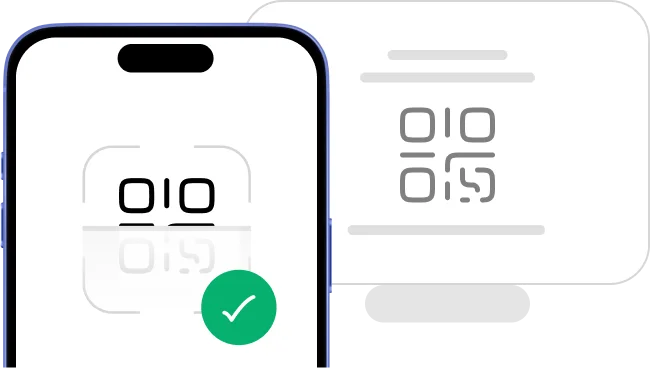
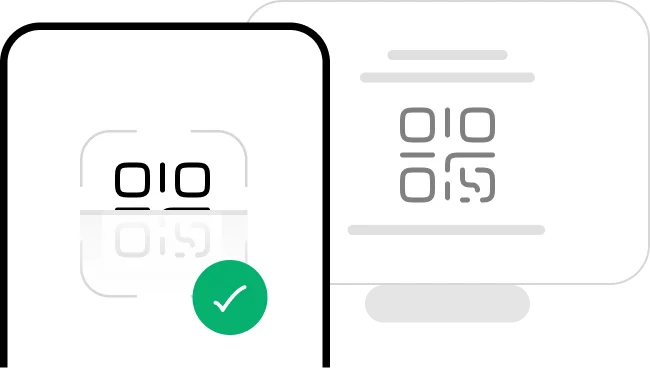
2Scan the QR code
Scan the QR code to install your eSIM straight away.
- 3
Activate in minutes: ready when you land
Your eSIM activates when you arrive at your destination. No SIM swap, no queues, no airport kiosk.
 4
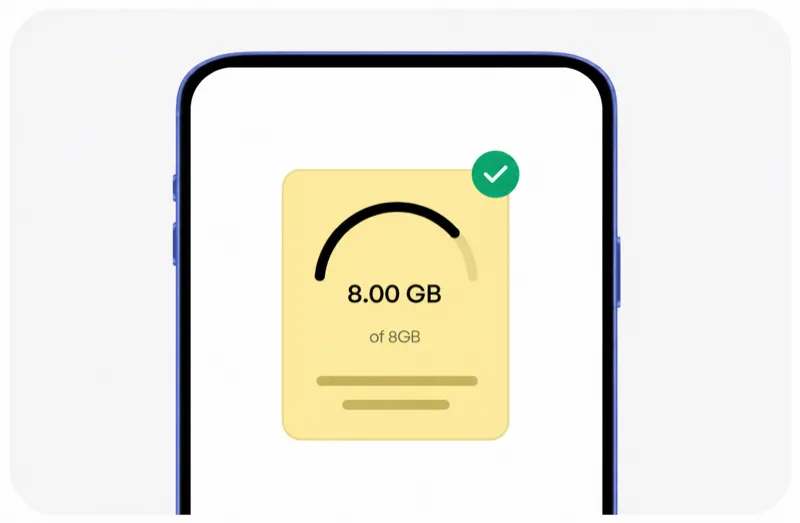
4Manage it all from our mobile app
Track usage, top up data, and manage your eSIMs in one spot.




Plans changed? No dramas. You're covered.
Travel plans change, and that's okay. With HelloRoam, unactivated and unscanned eSIMs qualify for a full refund within 180 days of purchase. No dramas.
Learn more about our refund policyHelloRoam Rio de Janeiro eSIM vs Spark, Vodafone NZ and 2degrees
Comparing an e SIM vs Spark, 2degrees, or One NZ roaming for Rio de Janeiro? Spark charges NZ$6/day, 2degrees NZ$5/day, and One NZ around NZ$5/day. HelloRoam eSIM starts from NZ$3.97 with local network speeds and a refund on unactivated eSIMs within 180 days. You pay less than a single day of carrier roaming and get no surprise bills.
| Feature comparison | HelloRoam | Local provider | Limited data eSIM |
|---|---|---|---|
| Refund on unactivated eSIMs |  Feature available Feature available |  Feature not available Feature not available | Feature not available |
| Live chat support | Feature available |  Feature available Feature available | Feature available |
| NZ$0 activation fees | Feature available | Feature not available | Feature available |
| Hotspot and data sharing included | Feature available | Feature not available | Feature not available |
| No data overage fees | Feature available | Feature not available | Feature not available |
| QR code delivered instantly | Feature available | Feature not available | Feature available |
| Premium Rio de Janeiro carrier networks | Feature available | Feature not available | Feature not available |
Why Kiwi Travellers Pick HelloRoam for Their Rio de Janeiro Trip

24/7 live support
Need help from Tokyo at midnight or London at 2am? Our support team is on 24/7. A real person responds in under 2 minutes. No bots, no hold music, no runaround. Live chat, WhatsApp, and email are all available so you get help however suits you best.

Best eSIM for Rio de Janeiro
Connect to local 4G LTE and 5G networks in Rio de Janeiro the moment you land. Buy your plan, scan the QR code, and get online when you land. No roaming charges, no SIM swap. Local carrier speeds mean maps, streaming, and messaging run without a hitch from the airport kerb.

Dual SIM: keep your NZ number
Keep your Spark, One NZ, or 2degrees number active for calls and texts. HelloRoam runs on a second eSIM line on any dual SIM phone and handles all your data in Rio de Janeiro. Family and friends ring your NZ number as normal while you browse on local data rates overseas.

212+ networks worldwide
HelloRoam eSIM connects to 212+ carrier networks across 185+ countries. Your phone picks the strongest 4G/5G or 5G signal when you land and switches as you move. That means consistent mobile internet whether you're in a major city, at a rural guesthouse, or on a highway between stops.

Data alerts before you run out
You get an alert at 80% data so you never run dry mid-trip. Top up your eSIM plan from the app with no profile reinstall and no store visit. Your data usage history stays in the dashboard so you can see exactly what you've spent and plan the rest of your trip.

Local 4G/5G speeds in Rio de Janeiro
Connect to local 4G LTE and 5G networks in Rio de Janeiro. HelloRoam picks the strongest signal for maps, streaming, and video calls wherever you travel. Local network speeds make a genuine difference when you're navigating a new city or jumping on a video call with people back home.

Regional plans for multi-country trips
Heading to Japan, Thailand, the UK, or Fiji after Rio de Janeiro? HelloRoam regional eSIM plans cover Asia-Pacific, Europe, and 185+ countries on one QR code. No SIM swapping between stops. One prepaid data plan covers your whole itinerary so you spend less time worrying about connectivity and more time exploring.

Hotspot tethering in Rio de Janeiro included
Share your eSIM data with a laptop or tablet via hotspot. No extra fees, no fiddly setup. Works on all eSIM compatible phones including iPhone and Samsung Galaxy. Useful for keeping a travel partner connected or getting a work laptop online when hotel Wi-Fi isn't up to scratch.
Best eSIM Prices for Rio de Janeiro
Compare eSIM plans for Rio de Janeiro and save versus Spark, One NZ, and 2degrees international roaming.
| Number of days | Price |
|---|---|
| 1 day | NZ$9.05 |
| 3 days | NZ$25.78 |
| 7 days | NZ$55.72 |
| 15 days | NZ$108.56 |
| 22 days | NZ$147.29 |
| 30 days | NZ$184.55 |
HelloRoam vs Other eSIM Providers for Rio de Janeiro
HelloRoam offers a refund on unactivated eSIMs within 180 days, zero activation fees, and 24/7 live support. See how HelloRoam stacks up against Airalo, Holafly, Saily, and other eSIM providers for your Rio de Janeiro trip.
| Feature comparison | HelloRoam | Airalo | Holafly | Nomad | Saily | Ubigi |
|---|---|---|---|---|---|---|
| Refund on unactivated eSIMs | Feature available | Feature not available | Feature not available | Feature not available | Feature not available | Feature not available |
| 24/7 live chat support | Feature available | Feature available | Feature available | Feature not available | Feature available | Feature available |
| NZ$0 activation fees | Feature available | Feature not available | Feature available | Feature not available | Feature not available | Feature not available |
| Hotspot and data sharing included | Feature available | Feature not available | Feature not available | Feature not available | Feature not available | Feature not available |
| No data overage charges | Feature available | Feature not available | Feature available | Feature not available | Feature not available | Feature not available |
| Instant QR code delivery | Feature available | Feature available | Feature available | Feature available | Feature available | Feature available |
| Premium Rio de Janeiro carrier networks | Feature available | Feature not available | Feature not available | Feature not available | Feature not available | Feature not available |
| Own branded carrier identity (SPN) | Feature available | Feature not available | Feature not available | Feature not available | Feature not available | Feature available |
What Is an eSIM and How Does It Work in Rio de Janeiro?
An eSIM is a digital SIM card built into your mobile. No plastic chip, no SIM tray to fiddle with. Scan a QR code to install it on any eSIM compatible phone and you're connected in under 2 minutes. It works as a prepaid mobile data plan for Rio de Janeiro travel with no airport SIM counter queue, no replacement SIM, and no carrier contract. Follow the step-by-step setup guide and you'll be sorted well before your flight from Auckland, Wellington, or Christchurch. guide


Mobile Coverage in Rio de Janeiro
Rio de Janeiro has solid 4G coverage across Ipanema, Copacabana, Leblon, Barra da Tijuca, the Centro, and the main tourist areas. Claro Brasil, TIM Brasil, and Vivo (Telefonica) all run competing networks. Rio Galeao International Airport (GIG) and Santos Dumont Airport (SDU) both have 4G.
The Metro has 4G at stations on both lines. Favela hillsides and remote areas of the Tijuca Forest have limited signal.
- HelloRoam connects to Claro 5G, TIM 5G, Vivo 5G in Rio de Janeiro
eSIM Travel Tips for Rio de Janeiro
Copacabana and Ipanema Are Your Best-Connected Bases
Copacabana and Ipanema beach strips, the main promenade (Orla), and surrounding streets all have strong outdoor 4G. These are the most reliably connected tourist areas in Rio.
Book Christ the Redeemer Tickets Online
Christ the Redeemer at Corcovado mountain requires timed entry tickets bought online. Book before leaving New Zealand and save your confirmation. The cogwheel train from Cosme Velho has 4G below the treeline. Signal weakens near the summit.
Download Offline Maps Before Sugarloaf
The cable car to Sugarloaf (Pao de Acucar) and the Praia Vermelha area have outdoor 4G. The summit has functional signal at the main terrace. Download offline maps for the cable car route.
Use 99 or Uber in Rio: Essential for Safety
Rideshare apps 99 and Uber are strongly recommended in Rio over street taxis. Both need a live data connection. Your HelloRoam eSIM keeps them running. Set up payment before leaving New Zealand.
Know the Emergency Number in Brazil
Brazil's police number is 190 and ambulance is 192. The general emergency number is 190. Save these before beach activities, excursions, or attending large events. Emergency calls work on any active eSIM in Brazil.
Network Coverage in Rio de Janeiro
Rio de Janeiro's beach zones have the most reliable 4G LTE coverage. Copacabana beach front (Avenida Atlântica), Ipanema, Leblon, and Barra da Tijuca all have solid outdoor 4G. Claro and Vivo both have strong coverage along the beach corridors and major tourist strips. The Lapa arches area, Santa Teresa tram neighbourhood, and Centro historic district have usable 4G, with stronger signal on main roads than in narrow historic lanes.
Galeão International Airport (GIG) has 4G in both terminals. Santos Dumont Airport (SDU), the domestic city airport, also has 4G. The Riocard VLT tram system in Centro and the MetrôRio subway both have 4G at stations. The MetrôRio Line 1 and Line 4 underground sections have indoor station coverage but lose signal in the tunnels between stations.
Christ the Redeemer at Corcovado has 4G at the main viewing platform and the Cosme Velho station area. Signal can be intermittent at the statue itself due to the mountain location. Sugarloaf Mountain (Pão de Açúcar) has 4G at both cable car stations and at the summit platform, making photo sharing possible at the top. Tijuca National Forest, which runs through the city, has 4G at the main park entrances and picnic areas but weaker signal deep inside the forest.
Favela communities on hillsides have variable coverage. Santa Teresa and parts of Lapa have 4G. More remote hillside communities can have weaker signal. Barra da Tijuca, the modern beachside suburb to the west, has strong 4G and limited 5G. Niterói, across Guanabara Bay via ferry, has solid 4G from the same operators. New Zealand travellers should confirm their handset is unlocked and supports local network bands.
- Claro

- 5G
- TIM

- 5G
- Vivo

- 5G
eSIM vs Local SIM in Rio de Janeiro
For Kiwi travellers, a HelloRoam eSIM is generally cheaper than buying a local SIM on arrival or using an international add-on from a New Zealand carrier.
| Category | HelloRoam Recommended | Brazilian local SIM (Claro/Vivo/TIM) | Carrier roaming |
|---|---|---|---|
| Typical cost | From NZ$3.97 total | NZ$8.58–NZ$42.92 total | NZ$8.58–NZ$25.75/day |
| Details | Buy before your flight. No airport SIM counter. Data active from the moment you land at Galeão. Fixed NZD pricing with no currency exchange. Covers all of Brazil, so trips to Iguazu Falls or São Paulo use the same plan. | Local SIMs from Claro, Vivo, and TIM are available at Galeão Airport and city phone shops. Prices start at BRL 30 to 80 ($6 to $16 NZD). Passport registration is required. Portuguese-language setup menus add friction for non-speakers. | US carrier international day passes for Brazil cost NZD 10 to 15 per day. A week in Rio at roaming rates costs NZD 70 to 105. Many plans throttle after 512 MB to 1 GB daily, breaking navigation and streaming. |
Prices approximate as of . Actual savings vary.
Best Time to Visit Rio de Janeiro
New Zealand travellers planning a trip to Rio de Janeiro should consider March–June and August–November as the most rewarding time to visit. Temperatures around 17°C to 36°C make exploring comfortable. January is the busiest month with highest fares from New Zealand. cooler June–August is quieter. Rio Carnival (February) is a local highlight. Avoid January–February (Carnival crowds) if possible. Your HelloRoam eSIM keeps you online all year.

Top Attractions in Rio de Janeiro

Christ The Redeemer Cristo Redentor Corcovado
Christ the Redeemer is a 30-meter Art Deco statue atop Corcovado mountain in Rio. Use HelloRoam eSIM to stay connected.

Take the cog train up on a clear morning for unobstructed views.

Sugarloaf Mountain P O De A Car
Sugarloaf Mountain rises 396 meters above Guanabara Bay in Rio de Janeiro. Use HelloRoam eSIM to stay connected.
Take the cable car at sunset for views of the city lights turning on.

Sugarloaf Mountain Botafogo Bay Rio De Janeiro
Sugarloaf Mountain overlooks Botafogo Bay with the cable car rising to its granite peak. Use HelloRoam eSIM to stay connected.
Visit in the late afternoon for sunset from the top of the mountain.
Showing slide 1 of 3
Reviews
What Kiwi Travellers Say
Real reviews from Trustpilot and the App Store, quoted as written.
40k+ travellers have used HelloRoam
Cat
On a trip to Europe, my hotel Wi-Fi was so slow and outside Wi-Fi was unreliable. I couldn’t take it anymore so I got helloroam for a few days. It was tricky to set up correctly because of the primary settings (with my original number). But I reached out to their customer service via WhatsApp. Super responsive and helpful, with specific and clear steps to troubleshoot. Appreciate having 4G roaming instead of being stuck with in and out Wi-Fi during my trip!!
Rated 5 out of 5 by this reviewer

Very good experience! The eSIM was easy to set up and worked great in London. It was much cheaper than it would have been to use my own operator there.
Ilona
Rated 5 out of 5 by this reviewer
metulker
Hard to set up but help was good
Rated 5 out of 5 by this reviewer
Reuben
Really happy with HelloRoam. Everything worked as expected, from messaging and Google Maps through to streaming without any issues. Easy to use, reliable and affordable. Would happily use them again when travelling.
Rated 5 out of 5 by this reviewer

Angeline
Reliable connection. Reasonable pricing.
Rated 4 out of 5 by this reviewer
Last updated
Rio de Janeiro eSIM Questions
Does a Rio de Janeiro eSIM cover Santa Teresa, Ipanema, and the full city?
Rio de Janeiro e SIM plans run on Claro 5G networks covering Copacabana, Ipanema, Santa Teresa, and Galeao Airport from NZ$3.97. HelloRoam delivers the e-sim QR to your inbox before your flight from Auckland. No contract, no NZ roaming fees on arrival.
What is the best e-sim for Rio for Kiwis doing a South America trip?
Kiwis doing South America get a Rio de Janeiro e-sim from HelloRoam from NZ$3.97 on Claro 5G networks. Activate by QR code before boarding in Auckland and skip every Galeao SIM counter. No physical SIM swap, no Kiwi carrier roaming fees.
What is the best eSIM for Rio de Janeiro from New Zealand?
For Kiwi travellers, HelloRoam is a simple eSIM option for Rio de Janeiro. Plans start from NZ$3.97 across 212+ carrier networks in 185+ countries. Buy online, scan the QR code at home on Wi-Fi, and connect the moment you land. It's cheaper than Spark roaming at NZ$6/day, 2degrees at NZ$5/day, and One NZ travel passes. You get local 4G/5G speeds, a refund on unactivated eSIMs within 180 days, and 24/7 live chat support.
How much does an eSIM cost for Rio de Janeiro?
eSIM plans for Rio de Janeiro start from NZ$3.97. That's well under what Spark charges for roaming ($6/day) or 2degrees ($5/day for selected countries). Fixed data plans run from 1GB to 20GB. Unlimited daily plans suit longer stays, OE trips, and remote work. All plans include local 4G LTE and 5G with no overage charges and no carrier contract.
Which networks does eSIM work on in Rio de Janeiro?
HelloRoam connects to local carrier networks in Rio de Janeiro and your phone picks the strongest 4G LTE or 5G signal on arrival. Coverage spans major cities, airports, highways, and popular tourist areas. For Kiwis heading out of Auckland (AKL), Wellington (WLG), Christchurch (CHC), or Queenstown (ZQN), data is ready the moment you land.
How do I get an eSIM for Rio de Janeiro before my trip?
Buy your Rio de Janeiro eSIM on helloroam.com or the HelloRoam app before you fly from AKL, WLG, CHC, or ZQN. Scan the QR code in your phone Settings to install at home on Wi-Fi. Your eSIM activates automatically when you land in Rio de Janeiro. The whole process takes under two minutes. No airport kiosk, no SIM swap.
Does iPhone work with a Rio de Janeiro eSIM?
iPhone XS and all newer models support eSIM for Rio de Janeiro. Open Settings, tap Mobile Data, then Add eSIM, and scan the HelloRoam QR code. Your Spark, One NZ, or 2degrees number stays active on the physical SIM line while HelloRoam handles data in Rio de Janeiro. That includes iPhone 15, 16, and SE models from 2020 onward.
Does eSIM work in Rio de Janeiro?
HelloRoam eSIM works in Rio on Brazilian 4G networks. Coverage is solid across Ipanema, Copacabana, Centro, and both airports. Remote hilltop and forest areas have limited signal. Activate before your flight. HelloRoam eSIM for HelloRoam Rio de Janeiro eSIM connects to local network with 5G coverage across major tourist and urban areas. Plans start from NZ$3.97. Activate by scanning a QR code before departure. No physical SIM card or airport queue needed.
Does eSIM work at Rio Galeao Airport?
Rio Galeao International Airport (GIG) has 4G in all terminals. Your HelloRoam eSIM connects on landing. You can book a rideshare before leaving arrivals. The airport has full 5G coverage across all terminals. Activate your data in Settings when you land and HelloRoam connects automatically to local network. No queue, no SIM counter: you are online within seconds of landing.
Is there coverage at Copacabana Beach?
Copacabana Beach and the Orla promenade have strong outdoor 4G. The beach strip and surrounding streets are well covered. HelloRoam eSIM for HelloRoam Rio de Janeiro eSIM connects to local network with 5G coverage across major tourist and urban areas. Plans start from NZ$3.97. Activate by scanning a QR code before departure. No physical SIM card or airport queue needed.
Does eSIM work at Christ the Redeemer?
The Christ the Redeemer summit has limited signal due to the altitude and distance from towers. Download the route map before taking the cogwheel train. HelloRoam eSIM for HelloRoam Rio de Janeiro eSIM connects to local network with 5G coverage across major tourist and urban areas. Plans start from NZ$3.97. Activate by scanning a QR code before departure. No physical SIM card or airport queue needed.
Is there coverage at Sugarloaf?
Sugarloaf's main terrace has functional outdoor 4G. The cable car stations below have solid coverage. HelloRoam eSIM for HelloRoam Rio de Janeiro eSIM connects to local network with 5G coverage across major tourist and urban areas. Plans start from NZ$3.97. Activate by scanning a QR code before departure. No physical SIM card or airport queue needed.
Does eSIM work in Ipanema?
Ipanema and Leblon's beach strips and restaurant areas have strong outdoor 4G. HelloRoam eSIM for HelloRoam Rio de Janeiro eSIM connects to local network with 5G coverage across major tourist and urban areas. Plans start from NZ$3.97. Activate by scanning a QR code before departure. No physical SIM card or airport queue needed.
Can I use Uber in Rio with a HelloRoam eSIM?
Uber and 99 both operate in Rio and need a live data connection. Your HelloRoam eSIM keeps both apps running from arrivals at GIG or SDU. HelloRoam eSIM for HelloRoam Rio de Janeiro eSIM connects to local network with 5G coverage across major tourist and urban areas. Plans start from NZ$3.97. Activate by scanning a QR code before departure. No physical SIM card or airport queue needed.
How much data do I need for two weeks in Rio?
Two weeks in Rio typically uses 4GB to 7GB for maps, rideshare apps, and social media. A 5GB plan covers most Rio trips from New Zealand. For a week of typical travel (Google Maps navigation, WhatsApp messages, and social media) you need 3 to 5 GB. If you stream video or make video calls daily, choose a 8 to 10 GB plan. The HelloRoam app shows your remaining data balance in real time.