

Table of content
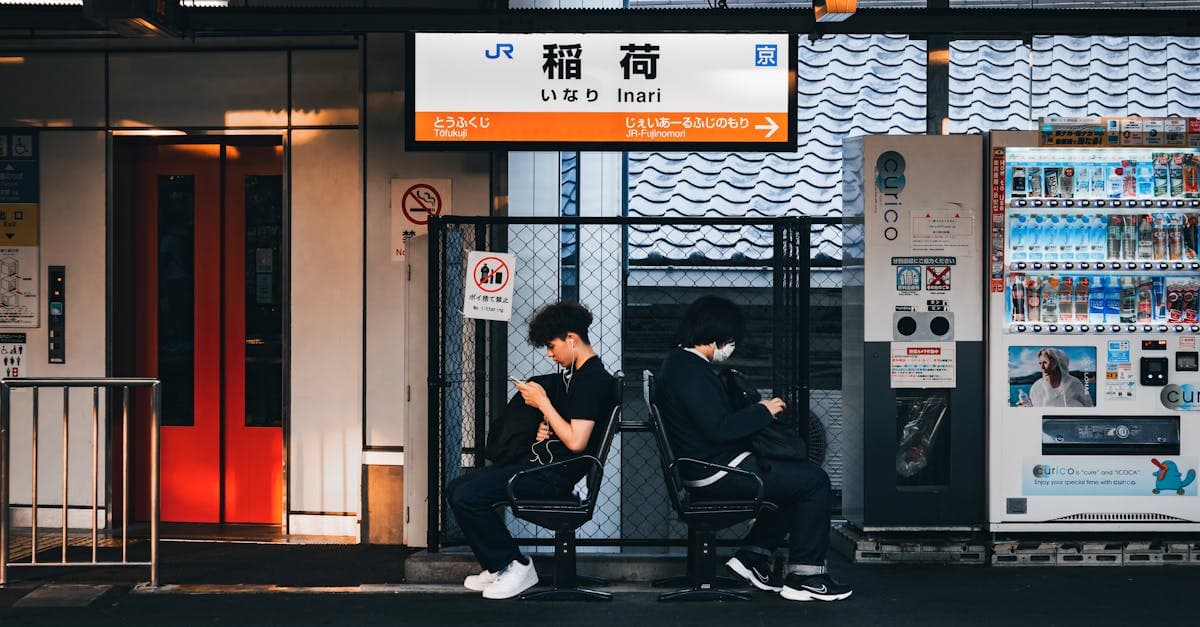
! [Travellers at Inari Station in Kyoto capturing everyday commuting life in Japan.! image
Quick Answer: esim-compatible-devices) japan
! [Illuminated Senso-ji Temple in Tokyo at night — perfect backdrop for planning your esim japan setup.! image
An eSIM for Japan gives you live mobile data the moment you land, no physical SIM card required. Japan eSIM plans from HelloRoam start from ~A$3.26 for 1GB over 7 days, running on KDDI/au 5G and NTT docomo 4G networks travelkon.com.au. Purchase online, get a QR code by email, scan it before boarding.
Telstra's international day pass and Optus' roaming add-on both charge a flat daily rate, whether you use 50MB or 1GB. A data-allowance eSIM sidesteps that entirely. No bill shock when you touch down back in Sydney, no fumbling with a SIM tray at Narita Airport. For most Australian Japan trips, the eSIM is simply the no-fuss pick.
eSIM Japan at a Glance
! [Young women enjoying a sunny day near a Kyoto torii gate, staying connected with an esim japan.! image
Japan eSIM plans activate before you fly, connect automatically on landing, and run without roaming fees. According to klook.com, an eSIM Japan is a digital SIM card that lets you add a mobile data plan to your phone without needing a physical SIM. Coverage spans KDDI/au (5G) and NTT docomo (4G) across Tokyo, Osaka, Kyoto, Hiroshima, and most regional areas travelkon.com.au.
KDDI/au's 5G footprint covers the dense urban corridors where most Aussie travellers spend their time. Bullet train routes between Tokyo and Osaka? Solid signal for most of the journey. NTT docomo's 4G handles the stretches where 5G thins out, which matters once you're off the main rail lines.
No physical card means no post office detour before you fly, no SIM tray gymnastics in the arrivals hall. The eSIM activates before departure and your phone connects to a Japanese network the instant it's in range. At Narita, the arrivals hall splits into buses, rail connections, and taxi queues, all signed in Japanese, all moving fast. Having Google Maps already loaded and live is a different arrival experience from hunting for a SIM counter while your luggage circles the belt.
Hotspot tethering is available on most Japan eSIM plans, useful if a travel companion's device needs data too. Throttling policies vary by plan, so check the fair-use cap before you purchase.
Now, how do you actually get one sorted before you fly?
Can I Buy an eSIM for Japan in Australia?
! [Tokyo Tower rising behind historic Zojoji Temple, a must-see for Australians buying an esim japan.! image
Yes. You can purchase, install, and activate a Japan eSIM entirely from Australia, before you've packed a bag. No store visit, no delivery window, no carrier appointment.
Check device compatibility first
Most iPhones from XS onwards support eSIM, along with the majority of Android handsets released from 2019. On iPhone, go to Settings, then Mobile Data, then Add eSIM. On Android, check Settings, then Network, then SIM management. One catch worth knowing: phones from older Telstra or Optus prepaid contracts can occasionally be carrier-locked. Confirm your handset is unlocked before you buy.
Purchase, install, and activate
The process takes roughly five minutes:
- Purchase your Japan eSIM plan online and complete payment.
- Receive a QR code by email within minutes of purchase klook.com.
- Open your phone's camera or QR reader, scan the code, and follow the on-screen prompts to install the eSIM profile.
- Set the eSIM to activate on arrival at Narita or Haneda, or enable it manually once you've landed.
No delivery wait. No SIM tray fiddling in an airport bathroom at 6 am.
Keep your Aussie number live
Dual SIM is the setup most regular Japan travellers settle on. Your physical Telstra or Optus SIM stays live for calls and bank OTPs from home; the Japan eSIM handles all local data. Both run simultaneously on any dual-SIM-capable device, which covers the majority of Australian phones sold since 2019.
The flight from Sydney to Tokyo runs around nine to ten hours. That's more than enough time to scan the QR code and arrive connected. Device sorted. Next: picking the right data plan for your itinerary.
Japan eSIM Plans: Choosing the Right Data Package
! [Vibrant Osaka street scene near Tsutenkaku Tower, ideal for choosing the right esim japan data plan.! image
Budget roughly 1GB per day as a working estimate for Japan. A five-day trip through Tokyo and Kyoto sits comfortably within a 3 to 5GB plan. Two weeks of navigating train connections, messaging home, and uploading photos from Fushimi Inari tips you toward 15 to 20GB. That gap between scenarios explains why plan tiers vary so sharply in both structure and price.
Here's what catches most travellers out: unlimited plans carry fair-use caps.
Once you hit the daily data threshold on an unlimited-style plan, speeds throttle to a slower tier. For messaging and maps, that's workable. For streaming or video calls, it isn't. The tier breakdown is buried in the plan terms, and five minutes reading before you buy beats discovering the limitation mid-trip.
Matching Plan to Trip Length
Three categories cover most itineraries:
- Short stays (3 to 5 days): A 3 to 5GB plan handles navigation, messaging, and casual browsing without paying for capacity you won't reach.
- Standard trip (7 to 14 days): 10 to 15GB covers the majority of travellers. Regular video callers or heavy social media users should take the upper end of that range.
- Two weeks or more: 15 to 20GB or an unlimited option with fair-use terms you've actually read. For a longer trip, this tier is the clear pick.
Validity periods on Japan eSIM plans typically run from 7 to 30 days, so you can match the plan to your actual travel dates rather than rounding up to a fixed block and paying for leftover days travelkon.com.au.
Price Per GB: The Counterintuitive Finding
Compare price per gigabyte across tiers before committing. Mid-tier plans often deliver better value per GB than the smallest options, where the base cost is divided across fewer gigabytes. Carrier international roaming add-ons charge by the day regardless of how much data you actually use. A dedicated Japan eSIM plan prices by volume, which makes it the more economical structure for any trip of real length.
Knowing the plan is one thing. Knowing how Japan's networks actually perform is another.
Staying Connected in Japan: Networks, Coverage and Wi-Fi
! [High-speed Shinkansen bullet train at Hamamatsu Station showcasing Japan's extensive modern rail network.! image
Japan's 4G and 5G coverage in major cities is reliable by any practical measure. Those same KDDI/au and NTT Docomo networks reach deep into tourist-heavy areas travelkon.com.au. The coverage gap only becomes noticeable once you leave the main rail corridors. An eSIM connecting to local Japanese carrier networks handles the switch automatically: no manual APN configuration, no digging through settings in the arrivals hall.
Rural prefectures and Shinkansen tunnels are the main exceptions. Signal drops when a bullet train punches into a long mountain tunnel: the screen goes quiet, maps freeze mid-scroll, notifications stall, then snaps back within seconds of emerging on the other side. For city-centred itineraries, the gaps are short and infrequent.
Free Wi-Fi in Japan: Useful in Patches
Japan's convenience store network is a genuine asset. 7-Eleven and FamilyMart locations offer free Wi-Fi across thousands of outlets, and major train stations including Shinjuku and Osaka Station run their own networks. That sounds comprehensive.
The catch: session caps and registration steps break the flow at the worst moments.
Stand in a FamilyMart at 9 pm, arms full of onigiri, trying to register a foreign number for a Wi-Fi session that expires in thirty minutes. That's precisely the gap a local data plan fills. Narita and Haneda airport Wi-Fi is session-limited. Enough to send a text before baggage claim. Not a dependable connection for anything requiring sustained data.
The practical pattern most travellers settle on: use convenience store Wi-Fi for stationary tasks, like downloading offline maps or confirming a hotel booking. Keep the eSIM running for everything in motion. That's where a local data plan does its actual job.
Tethering and Hotspot Support
Most Japan eSIM plans include mobile hotspot support, letting you share your connection with a laptop or another device. That's particularly handy if you're working remotely for part of the trip, or travelling with someone on a physical SIM card. Check the plan terms before assuming tethering is included: some budget options restrict it or count hotspot usage against a separate data allocation.
Japan's 5G network covers central urban zones; 4G runs across the rest. For standard tourist itineraries, the practical difference is minimal. Signal holds wherever your plans actually take you.
Coverage makes sense. Now, is an eSIM actually worth the cost?
Is It Worth Getting an eSIM in Japan?
! [Woman holding a smartphone displaying mobile data plans, comparing esim japan options while travelling.! image
Carrier roaming charges make the case for a Japan eSIM almost by themselves. Telstra, Optus, and Vodafone AU international add-ons typically run A$10 to A$15 per day in Japan. At that daily rate, carrier roaming for a two-week trip far outpaces what a dedicated Japan eSIM plan costs for the same period. That's the tangible arithmetic.
A physical tourist SIM from Narita or Haneda is a legitimate alternative. Airport vending machines and carrier counters stock them in the arrivals hall. They work. You're also collecting them after a nine-plus-hour flight from Sydney or Melbourne, in a queue, at airport retail pricing.
An eSIM skips all of that.
When It Might Not Be Worth It
There's a fair counter-case for very short stays. A 48-hour stopover in Tokyo with a solid hotel Wi-Fi connection and a schedule built largely around indoor activities can be managed on free connectivity. The economics shift the moment you're moving between cities, navigating transit, or working any part of the trip remotely.
Include a day trip to Nikko or a Shinkansen leg to Osaka, and a data plan becomes practical rather than optional.
The Real Cost Comparison
Carrier day passes charge by the calendar, not by consumption: A$10 to A$15 per day, whether the phone sits idle between temples or streams maps across eight hours of transit. A Japan eSIM prices by volume instead. That structural difference is the meaningful one. It's why the gap widens with every day added to the itinerary, and why data-light days don't carry the same cost as data-heavy ones.
Entry-level plans cost less than most carriers charge for a single day of roaming; the billing model is different and so is the exposure. No daily charge ticking over while the phone sits in a locker at a ryokan, no line-item surprise on the statement when you land home.
As discussed earlier, dual SIM support keeps your Australian number live throughout, so banking authentication messages and urgent calls still come through on the same device.
Which eSIM specifically? That's where the choice narrows to a few options worth comparing seriously.
Which eSIM Is Best for Japan?
! [Nighttime aerial view of Senso-ji Temple and the Tokyo skyline, worth every bit of esim japan data.! image
The best Japan eSIM depends on trip length, daily data use, and whether live support is available when something goes wrong mid-trip. Get all three right and the field narrows quickly.
Network is the first filter. Japan's three main carriers are NTT Docomo, KDDI/au, and SoftBank klook.com. Docomo reaches furthest into rural prefectures. KDDI/au covers the main islands reliably, including dependable performance across Okinawa. SoftBank holds up well in major cities but thins out past the obvious tourist routes. Check which network underpins the plan before buying; most list it clearly in the product specs.
Here's the scenario most plan comparisons ignore: your eSIM fails to activate at Narita at midnight. Plans backed only by a help article and an email form leave you troubleshooting offline. 24/7 live chat is the differentiator that matters at 1 am in a foreign airport. It's not a bonus feature; it's basic insurance.
What suits each traveller:
- Short city stays under five days: a compact data plan covers maps, messaging, and photo backups without burning the budget
- Two weeks or longer: 10GB is the sensible minimum; heavier users streaming or running a hotspot should look above that threshold
- Group trips: confirm tethering support before buying, as not every plan enables it
What to avoid:
- Plans that don't name the underlying network operator
- Email-only support with no live chat option
- Throttling policies buried in footnotes rather than displayed upfront
Transparent terms and clear fair-use limits separate the dependable options from the dodgy ones.
Still weighing eSIM against a physical SIM card? The comparison is closer than most guides admit.
Which SIM Card Is Best for Tourists in Japan?
! [Chureito Pagoda framed by Mount Fuji under a clear blue sky, a highlight of any Japan SIM card journey.! image
For tourists with eSIM-compatible devices, a Japan eSIM is the sharpest option. It activates before you fly, costs less than airport SIM counters, and keeps your Australian number live for bank OTPs and incoming calls without carrying two phones. According to mobal.com, eSIM Japan options are trusted by thousands of travellers as a reliable alternative to physical SIM cards.
Physical SIM cards are the practical fallback for older or carrier-locked handsets. Tourist SIMs are stocked at all major arrival airports, including Narita, Haneda, Kansai, and New Chitose, and at convenience chains like 7-Eleven and FamilyMart across the country. Coverage holds up well. The process is straightforward. The cost is typically higher than buying an eSIM online before departure.
Airport SIM counters carry a tourist markup. That's not a critique; it's how airport retail works everywhere. The convenience of buying on arrival costs something. For travellers who genuinely forgot to sort connectivity before the gate, it's a viable rescue option. For everyone else, it's an avoidable premium.
Pocket Wi-Fi suits groups travelling together. One device, one bill, split between three or four people. The arrangement works well until the person carrying the router heads to a different temple district. Solo travellers and anyone breaking away from the group during the day will find it a fiddly dependency.
As of early 2026, most smartphones sold in Australia since 2019 support eSIM natively. A quick check of your device model before departure tells you which category you're in. If it's compatible, the queue at the airport kiosk is genuinely optional.
Reviewed by HelloRoam's editorial team. Last updated: 07 April 2026.
Get Connected Before You Go

Frequently Asked Questions
The best Japan eSIM depends on trip length, daily data needs, and access to live customer support. Look for plans that name the underlying network operator, as NTT Docomo reaches furthest into rural areas while KDDI/au covers the main islands reliably. eSIM plans start from $2.04 for 1GB across 6 available tiers.
Yes, you can purchase, install, and activate a Japan eSIM entirely from Australia before you travel. After buying online, you receive a QR code by email within minutes, scan it with your phone's camera, and the eSIM installs in around five minutes. No store visit, delivery, or carrier appointment is needed.
For most Australian travellers, yes. Carrier international roaming typically costs A$10 to A$15 per day in Japan regardless of usage, while a dedicated Japan eSIM prices by data volume. Plans start from $2.04 for 1GB, which undercuts a single day of carrier roaming, with no daily charge accumulating on idle days.
An eSIM is the most convenient option for most tourists, activating before departure and connecting automatically on landing without a physical card. Physical tourist SIMs are available at Narita and Haneda airport counters but require collection after a long flight at airport retail pricing. eSIM plans start from $2.04 for 1GB over 7 days.
Japan eSIM plans start from $2.04 for 1GB with a 7-day validity, with 6 plan tiers available to suit different trip lengths and data needs. Mid-tier plans often offer better value per gigabyte than the smallest options. By comparison, Australian carrier roaming in Japan costs A$10 to A$15 per day regardless of data consumed.
Japan eSIM plans typically connect to KDDI/au 5G and NTT Docomo 4G networks, covering Tokyo, Osaka, Kyoto, Hiroshima, and most major tourist areas. KDDI/au provides reliable coverage across the main islands including Okinawa, while NTT Docomo reaches furthest into rural prefectures. Signal drops are mainly limited to long Shinkansen mountain tunnels.
After purchasing a Japan eSIM online, you receive a QR code by email. Open your phone's camera or QR reader, scan the code, and follow the on-screen prompts to install the eSIM profile. The entire process takes about five minutes and can be completed from Australia before your flight, with the eSIM activating automatically on arrival.
Budget roughly 1GB per day as a working estimate. A 5-day trip through Tokyo and Kyoto fits comfortably within a 3 to 5GB plan, while a two-week trip navigating trains and uploading photos tips toward 15 to 20GB. Heavy video callers or social media users should take the upper end of each range.
Most iPhones from XS onwards and the majority of Android handsets released from 2019 support eSIM. On iPhone, check Settings then Mobile Data then Add eSIM; on Android, check Settings then Network then SIM management. Phones from older prepaid contracts may be carrier-locked, so confirm your handset is unlocked before purchasing a plan.
Yes. Most Australian phones sold since 2019 support dual SIM, allowing your physical Telstra or Optus SIM to stay active for calls and bank OTPs while your Japan eSIM handles local data. Both run simultaneously on the same device, so you remain reachable on your Australian number throughout the entire trip.
Most Japan eSIM plans include mobile hotspot support, letting you share your connection with a laptop or a travel companion's device. Some budget plans restrict tethering or count hotspot usage against a separate data allocation. Check the plan terms before purchasing if sharing your connection is an important part of your travel setup.
Free Wi-Fi is available at convenience stores and major train stations across Japan, but session caps and registration steps make it unreliable when moving between locations. It works for stationary tasks like downloading offline maps, but a local data plan is far more practical for real-time navigation and anything requiring a sustained mobile connection.
Australian carrier international roaming charges a flat daily rate of A$10 to A$15 in Japan regardless of data consumed. A Japan eSIM prices by data volume, so low-usage days cost proportionally less and idle days carry no charge. For trips longer than two or three days, the volume-based pricing model is significantly more economical.
You can install the eSIM profile before you fly and set it to activate automatically once your phone detects a Japanese network on arrival. Completing the QR code scan during the flight is a common approach, ensuring your phone connects to a local network the moment you land at Narita or Haneda without any airport setup.
Sources
- Japan eSIM — travelkon.com.au
- The BesteSIM JapanThat's Trusted By Thousands — mobal.com
- eSIM Japan | Softbank 5G / DOCOMO 4G LTE — klook.com