


 App Store


HelloRoam sells prepaid eSIM data plans for Southeast Asia starting at $3.99 per day. Your e SIM connects to local 4G/5G networks the moment you land. Activate by QR code in under two minutes. Keep your AT&T, T-Mobile, or Verizon number on dual SIM while your e-sim handles data.
212+
networks
4G LTE with 5G in capitals
5G support
under 2 minutes
activation


Updated
Your travel eSIM Southeast Asia Plan Across All Countries
The cheapest eSIM for Southeast Asia starts from $3.99. Local 4G/5G data on top carrier networks in Southeast Asia. Works on all eSIM compatible phones. Airport SIM counters charge tourist rates and waste your first hour after landing. An unlimited data eSIM Southeast Asia plan from HelloRoam starts at $3.99 on Local network provider 4G/5G networks across Southeast Asia. Scan a QR code at home and land already online. Every plan is fully prepaid with no contract, no credit check, and no roaming fees. Coverage works from the moment you scan the code.
Southeast Asia eSIM with fast 4G LTE with 5G in capitals coverage
HelloRoam Southeast Asia eSIM covers 11 countries including Thailand, Vietnam, Singapore, Indonesia, and the Philippines on one plan. Island hoppers and backpackers stay connected as they cross borders without buying a SIM in every country. Plans start at $0.37 per day.
- Plans start at $3.99 with 4G LTE with 5G in capitals speeds
- Coverage from local networks
- Instant activation in under 2 minutes
- 180-day money-back guarantee
- Southeast Asia coverage across major cities
- Network
- 4G LTE with 5G in capitals
- Plans From
- $3.99
- Activation
- Under 2 min
- Guarantee
- 180 days

How to Set Up an eSIM in Southeast Asia


Select a data plan for your destination and complete checkout.
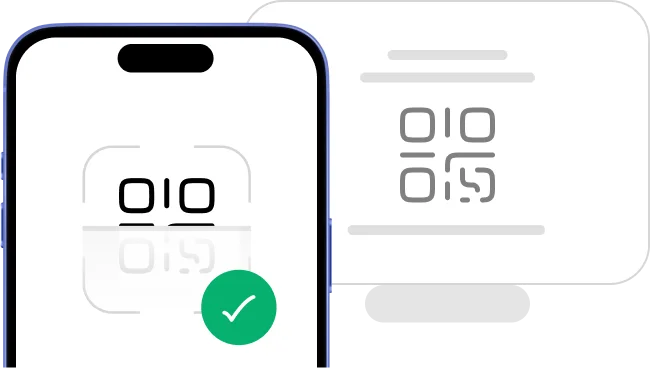
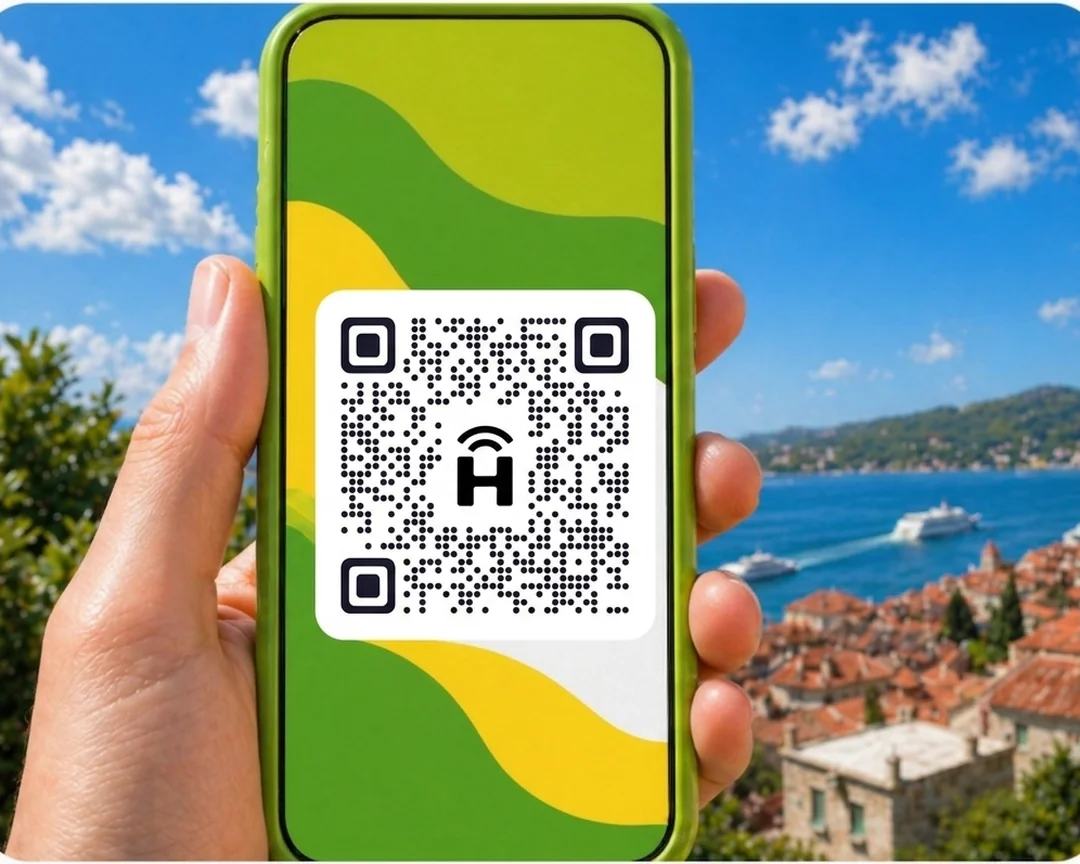
Scan the QR code to install your eSIM instantly.

Your eSIM installs instantly and activates when you land.
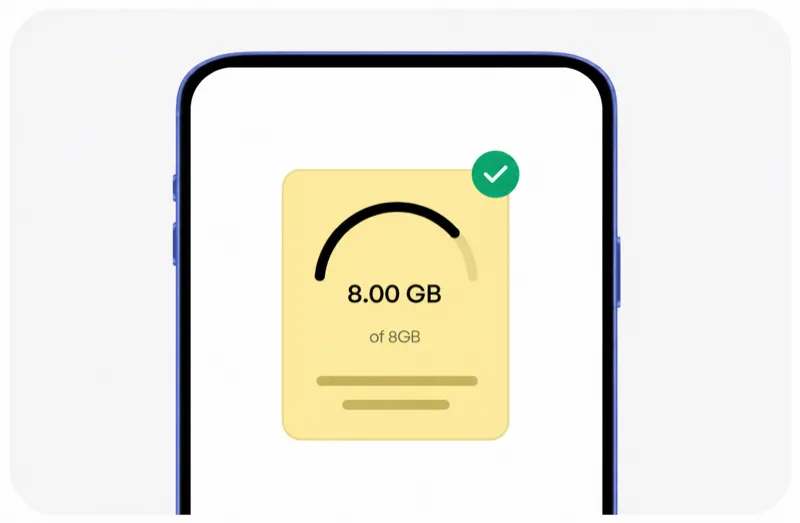
Track usage, top up data, and manage all your eSIMs in one place.
Select a data plan for your destination and complete checkout.
Scan the QR code to install your eSIM instantly.
Your eSIM installs instantly and activates when you land.
Track usage, top up data, and manage all your eSIMs in one place.


Trip changed? Don't worry, we've got you!
Plans can change anytime, and that's okay. With HelloRoam, unactivated and unscanned eSIMs qualify for a full refund within 180 days of purchase.
Learn more about our refund policyHelloRoam Southeast Asia eSIM vs AT&T, T-Mobile and Verizon roaming
When comparing an eSIM vs a travel SIM card for Southeast Asia, HelloRoam wins on price. It costs less than Verizon TravelPass ($10/day), T-Mobile international add-ons, and AT&T International Day Pass ($12/day). Skip the airport SIM shop and get a prepaid eSIM for Southeast Asia from $3.99 with a 180-day refund on unactivated eSIMs.
| Feature |  | Local provider | Limited data eSIM |
|---|---|---|---|
| 180-day refund policy |  |  | |
| 24/7 live chat support | |  | |
| $0 activation fees | | | |
| Free hotspot and data sharing | | | |
| No data overage charges | | | |
| Instant QR code delivery | | | |
| Premium Southeast Asia carrier networks | | | |
Why Travelers Choose an e SIM for Southeast Asia
Compare eSIM Providers for Southeast Asia
American travelers rate HelloRoam eSIM for its 180-day refund policy, zero activation fees, and 24/7 live support. See how HelloRoam compares to Airalo, Holafly, Saily, and other eSIM providers for Southeast Asia on the things that matter most.
| Feature comparison | | Airalo | Holafly | Nomad | Saily | Ubigi |
|---|---|---|---|---|---|---|
| 180-day refund policy | | | | | | |
| 24/7 live chat support | | | | | | |
| $0 activation fees | | | | | | |
| Free hotspot and data sharing | | | | | | |
| No data overage charges | | | | | | |
| Instant QR code delivery | | | | | | |
| Premium Southeast Asia carrier networks | | | | | | |
| Own branded carrier identity (SPN) | | | | | | |
What Is an e SIM? How eSIM Works in Southeast Asia
An eSIM card is a digital SIM built directly into your phone. There is no plastic chip and no SIM tray to deal with. Scan a QR code to activate your e SIM in under 2 minutes on any eSIM compatible iPhone or Android. An eSIM for Southeast Asia works as a prepaid data plan with no airport SIM shop, no replacement SIM card, and no carrier contract. Follow the step-by-step setup guide to get connected before your flight. guide


eSIM Coverage Guide for Southeast Asia Travel
Southeast Asia is the most popular multi-country travel corridor in the world, and staying connected across 11 countries used to require a new SIM at every border.
A HelloRoam Southeast Asia regional eSIM replaces that hassle with one plan that switches carriers automatically as you hop from Thailand to Cambodia to Vietnam to Laos.
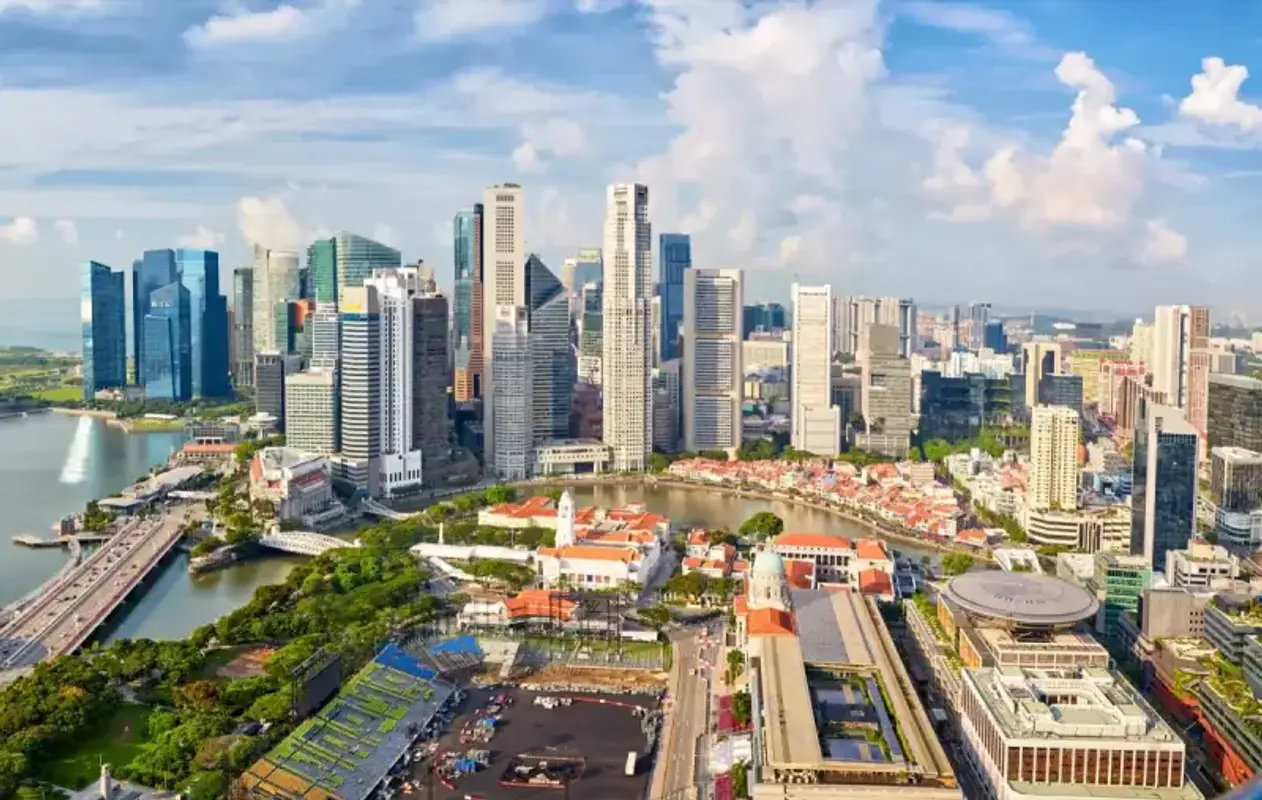
Singapore leads the region with near-perfect 4G and 5G coverage from Singtel, StarHub, and M1. It is the region's most reliable data hub and works as a perfect test point before continuing to countries with weaker infrastructure.
Thailand is the region's top-performing network outside Singapore, led by AIS, DTAC, and True Move. Bangkok, Chiang Mai, Phuket, and Pattaya all have strong coverage. Popular islands like Koh Samui, Koh Phangan, and Koh Lanta have 4G in resort areas.
Remote northern highlands near Myanmar and Laos borders have gaps.
Vietnam connects through Viettel, Mobifone, and Vietnamobile. Ho Chi Minh City and Hanoi have dense coverage. Hoi An, Da Nang, and Hue are well-served. The northern mountain provinces (Sapa, Ha Giang, Ba Be National Park) have more limited signal in rural areas.
Indonesia presents the biggest coverage challenge in the region. Bali, Java (Jakarta, Yogyakarta, Surabaya), and Sumatra connect to Telkomsel, Indosat, and XL Axiata 4G. But Indonesia's 17,000+ islands mean outer provinces like Papua, Maluku, and remote Sulawesi have very poor coverage.
Globe Telecom and Smart Communications are both expanding 4G in the Philippines. Manila, Cebu, and Davao are well-served. Tourist islands vary widely from good coverage at Boracay to very limited signal on remote Palawan beaches.
Cambodia, Laos, and Myanmar have the region's most limited networks. Main cities and tourist hubs (Phnom Penh, Siem Reap, Vientiane, Luang Prabang, Yangon) have functional 4G. Rural areas often have no signal.
- Covers all 11 Southeast Asian countries on one plan
- Singapore provides the region's most reliable 5G network
- Thailand, Vietnam, and Malaysia have the strongest overall coverage
- Island hopping means losing data between ferry stops
- Indonesia's outer islands have very limited coverage
- Download offline maps before entering Cambodia, Laos, and Myanmar's rural areas
SourcesGSMA Mobile Economy Southeast Asia 2025; Ookla Speedtest Southeast Asia 2025
eSIM Travel Tips for Southeast Asia
No Data on Island Ferry Crossings
Ferry routes between Southeast Asian islands (Thailand's Gulf islands, Philippines' inter-island ferries, Bali to Lombok, Indonesian Gili Islands) have no mobile coverage once you leave the harbor. Download guesthouse addresses, ferry timetables, and offline maps for your destination island before boarding. GPS continues to work from your phone's hardware without data.
Thailand's Northern Highlands Have Coverage Gaps
The Golden Triangle area near Thailand's borders with Myanmar and Laos has limited 4G coverage. Chiang Rai's city center is covered, but mountain villages and border crossing areas have gaps. The border crossing from Chiang Rai to Luang Namtha in Laos by boat has no data for most of the journey. Download offline maps before departing.
Vietnam's Ha Giang Has Partial Coverage
Ha Giang's main town has Viettel and Mobifone 4G. The famous Ha Giang Loop motorbike route through northern mountain valleys has variable 4G in larger villages and no signal in remote valley passes. Download your entire loop route offline before starting. The Meo Vac and Dong Van areas can be completely without signal.
Singapore Is Your Reliability Checkpoint
When transiting through Singapore Changi Airport, test your HelloRoam eSIM thoroughly. Singapore's network is near-flawless and any eSIM activation issues show up clearly here. Resolving any problems in Singapore (with excellent airport Wi-Fi as backup) is far easier than discovering issues after arriving in Cambodia or Laos.
Bali's Tourist Areas Are Well-Covered
Kuta, Seminyak, Ubud, Canggu, and Uluwatu connect to Telkomsel and Indosat 4G. The rice terrace areas around Tegallalang have coverage. Nusa Penida and Nusa Lembongan islands have more limited coverage, particularly on southern cliffs and hiking trails. Download offline maps for Nusa Penida's cliff viewpoints.
Cambodia's Angkor Wat Has Reasonable Coverage
Siem Reap and the Angkor temple complex have reliable Smart Axiata and Cellcard coverage. The main Angkor temples including Bayon and Ta Prohm are covered. Remote and lesser-visited jungle temple areas further from the main complex have weaker signal. Download offline temple maps before exploring off the main routes.
Emergency Numbers Vary Across Southeast Asia
Emergency numbers differ significantly across Southeast Asia. Thailand: 191 (police), 1669 (ambulance). Vietnam: 113 (police), 115 (ambulance). Indonesia: 110 (police), 118 (ambulance). Philippines: 911. Singapore: 999. Malaysia: 999. Cambodia: 117 (police). Laos: 191 (police). Save country-specific numbers before each border crossing.
Network Coverage Across Southeast Asia
Southeast Asia's mobile markets are among the world's fastest-growing, driven by young populations and high smartphone adoption.
Singapore is the benchmark network. Singtel, StarHub, and M1 compete in a tiny, dense market with near-universal 5G. Changi Airport has some of the world's best airport connectivity.
Thailand's AIS consistently ranks as Southeast Asia's top network outside Singapore in GSMA and Ookla indices. True Move operates 5G in Bangkok and is expanding nationally. DTAC and True Move are competitive alternatives. Coverage outside cities is generally better than regional peers.
Vietnam's mobile market is growing extremely fast. Viettel is state-owned and has invested heavily in 4G. Urban speeds in Ho Chi Minh City and Hanoi are competitive with developed-world cities. Rural Vietnam lags behind urban centers significantly.
Maxis, Celcom, and Digi lead in Peninsular Malaysia. Kuala Lumpur and Penang are excellent. East Malaysia (Borneo) has 4G in Kota Kinabalu and Kuching but very limited coverage in rainforest and rural Sarawak interior.
Indonesia's Telkomsel is a massive operator serving Java and Bali exceptionally well. Sumatra's main cities are covered. Papua and outer eastern islands are very poorly served. Indonesia's geography simply makes universal coverage nearly impossible.
The Philippines has improved rapidly since the entry of DITO as a third carrier. Globe Telecom and Smart Communications have expanded 4G aggressively. Metro Manila is well-covered. Island coverage varies dramatically based on tower investment in each island group.
Myanmar's network has been severely disrupted. Coverage exists in Yangon and Mandalay but infrastructure challenges affect reliability in 2025-2026.
- AIS (Thailand)

- Network carrier
- VViettel (Vietnam)
- Network carrier
- Singtel (Singapore)

- Network carrier
- Telkomsel (Indonesia)

- Network carrier
- Globe (Philippines)

- Network carrier
- CCelcom (Malaysia)
- Network carrier
Regional eSIM vs Country-by-Country Plans
For the classic Southeast Asia backpacker circuit (Thailand, Cambodia, Vietnam, Laos, Indonesia), a regional eSIM eliminates SIM buying at every border crossing.
Recommended—
One plan for all 11 countries. No SIM hunt at each border. Automatic carrier switching from Thailand to Cambodia to Vietnam. Consistent cost for the whole trip. Activates at the airport instantly.
—
New SIM needed at each border crossing. Registration varies by country and can take time. You lose your number at each country. Total cost for 5-6 countries adds up significantly.
—
US and European carriers charge $0.37 per day per country. A 30-day Southeast Asia trip costs significant data fees. Most plans throttle to 2G or 3G after a small daily cap.
| Category | Recommended | Individual country SIMs | Home carrier international billing |
|---|---|---|---|
| Typical cost | — | — | — |
| Details | One plan for all 11 countries. No SIM hunt at each border. Automatic carrier switching from Thailand to Cambodia to Vietnam. Consistent cost for the whole trip. Activates at the airport instantly. | New SIM needed at each border crossing. Registration varies by country and can take time. You lose your number at each country. Total cost for 5-6 countries adds up significantly. | US and European carriers charge $0.37 per day per country. A 30-day Southeast Asia trip costs significant data fees. Most plans throttle to 2G or 3G after a small daily cap. |
Best Times for Southeast Asia Travel Data
Southeast Asia's dry season generally runs from November to April, covering Thailand, Cambodia, Vietnam, and Laos. This is peak travel season and networks in popular tourist areas like Koh Samui, Hoi An, Luang Prabang, and Bali's main beaches face heavy demand. Crowded beach areas can see network congestion at peak times.
Bali's dry season (May to October) is peak tourist season. The wet season runs November to March with heavy rainfall that can occasionally affect outdoor tower infrastructure in rural areas.
The Philippines' typhoon season (June to November) can disrupt mobile infrastructure in affected islands. The Visayas and eastern seaboard are most affected by typhoon season. Download entertainment before typhoon forecasts materialize.

HelloRoam Southeast Asia eSIM Questions Answered
Backpackers pay $3.99 for a prepaid SIM card Southeast Asia plan on Local network provider 4G/5G networks. One plan covers hostels in Bangkok, beach huts on Bali, and night buses through Vietnam without buying a local SIM at each border. HelloRoam sends the QR code to your email and activation takes two minutes.
Open your phone's eSIM settings, scan the HelloRoam QR code, and the unlimited data eSIM Southeast Asia plan connects to Local network provider 4G/5G networks within two minutes. Finish setup at home before your Bangkok or Bali flight so you skip the Suvarnabhumi or Ngurah Rai airport SIM counter. Every plan is fully prepaid with no contract.
One QR code connects to Local network provider 4G/5G networks in Thailand, Vietnam, Indonesia, the Philippines, Malaysia, and more from $3.99. Cross the border from Chiang Mai into Laos or take a ferry from Malaysia to Indonesia and your data stays active. No plan swap, no local store visit, and no roaming fees at any crossing.
Digital nomads in Bali co-working spaces, Chiang Mai cafes, and Ho Chi Minh City shared offices get unlimited data on Local network provider 4G/5G networks from $3.99. Activate once by QR and your plan follows you across every Southeast Asia country on your route. No contract and no new SIM card at each stop.
A HelloRoam Southeast Asia regional eSIM covers 11 countries including Thailand, Vietnam, Singapore, Indonesia, Malaysia, Philippines, Cambodia, Laos, Myanmar, Brunei, and Timor-Leste on one plan. Your phone switches carriers automatically at each border. Coverage quality varies by country from Singapore's world-class 5G to Myanmar's limited urban coverage.
Thailand is covered by HelloRoam Southeast Asia plans. Bangkok, Chiang Mai, Phuket, and Pattaya connect to AIS, DTAC, and True Move networks. Popular islands have resort-area coverage. Remote northern highlands near Myanmar and Laos borders have limited signal. AIS is considered Southeast Asia's top network outside Singapore.
Vietnam is covered by HelloRoam Southeast Asia plans. Ho Chi Minh City, Hanoi, Da Nang, and Hoi An connect to Viettel, Mobifone, and Vietnamobile networks. The northern mountain region (Ha Giang, Sapa) has variable coverage in remote valleys. Download offline maps before the Ha Giang Loop or remote highland trekking.
Bali is covered as part of Indonesia on HelloRoam Southeast Asia plans. Kuta, Seminyak, Ubud, Canggu, and Uluwatu connect to Telkomsel and Indosat 4G networks. Nusa Penida and Nusa Lembongan have more limited coverage. Offline maps are useful for Nusa Penida's remote cliff areas.
Singapore has near-perfect 4G and 5G coverage from Singtel, StarHub, and M1. Changi Airport is one of the world's best-connected airports. A HelloRoam eSIM works everywhere in Singapore from the airport to Marina Bay to Sentosa. Singapore serves as a reliable connectivity checkpoint before continuing to other Southeast Asian countries.
Cambodia is covered by HelloRoam Southeast Asia plans. Phnom Penh and Siem Reap connect to Smart Axiata and Cellcard networks. Rural provinces and remote jungle areas have limited coverage. Download offline Angkor temple maps before exploring the outer temple areas.