

Table of content
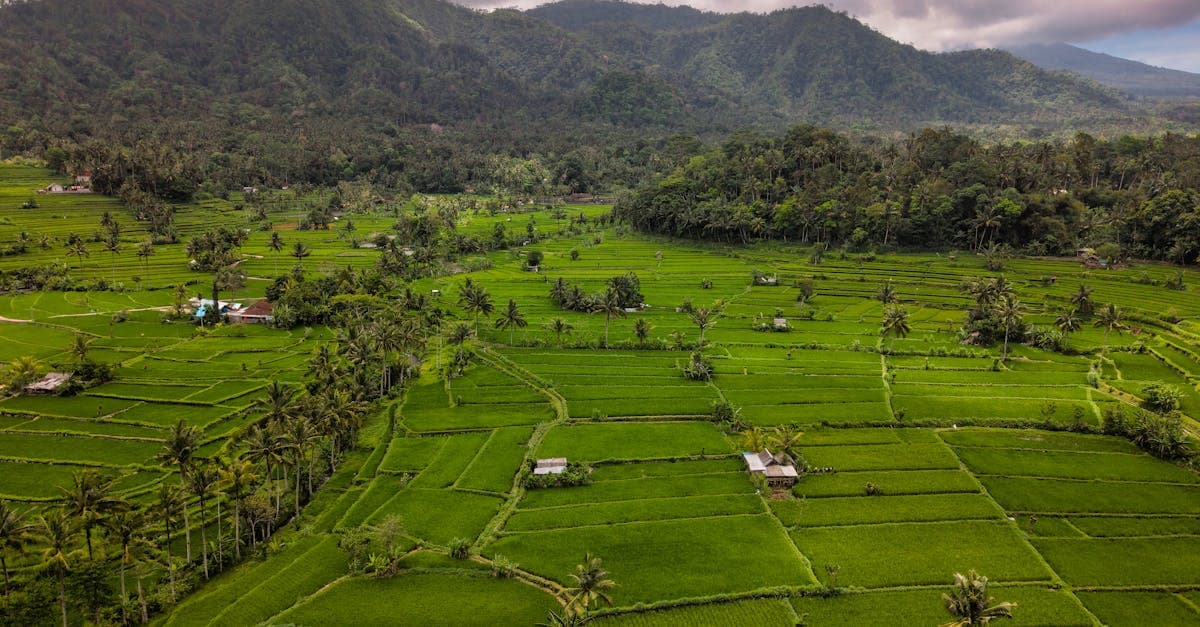
! [Aerial panorama of Bali's terraced rice fields under moody cloud-covered skies, showcasing typical bali weather
Quick Answer: Bali Weather at a Glance for Kiwis
! [Aerial view of a Bali beachfront resort glowing at sunset, perfect introduction to bali weather for Kiwis
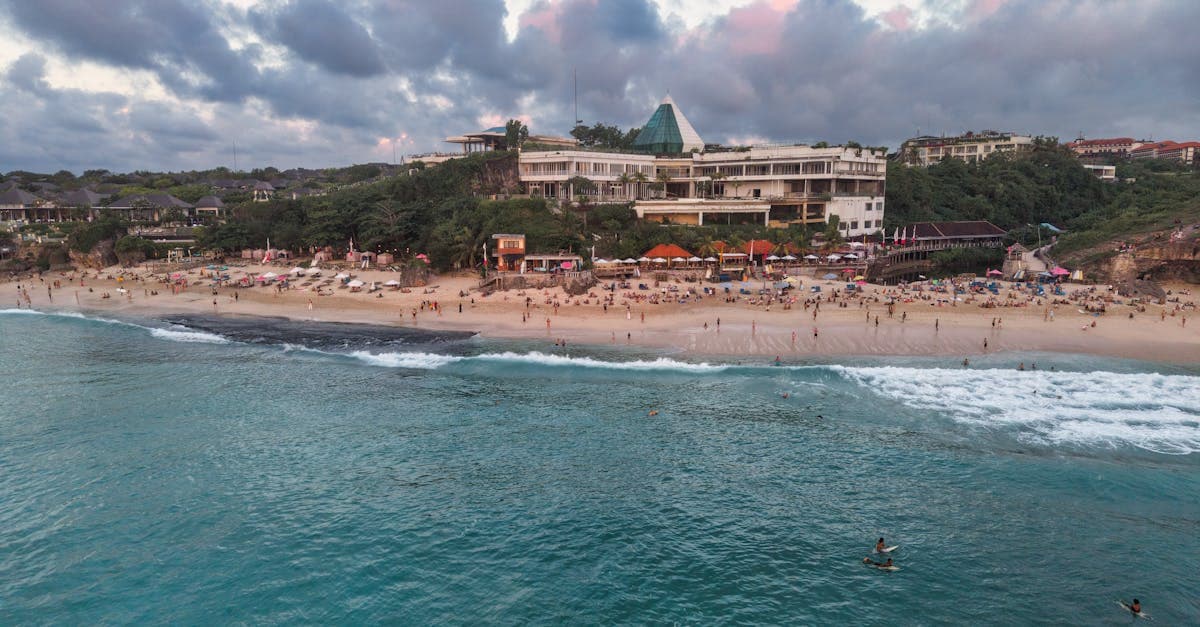
Bali has two seasons, not four. The dry season runs May to October; the wet season covers November to April. Coastal temperatures hold between 26 and 33°C year-round, so heat isn't the variable to watch. Humidity and rainfall are.
Around 200,000 Kiwis travel to Bali each year. A significant portion go in December and January, which lands squarely in the wet season's most intense stretch. That seasonal mismatch catches a lot of first-timers off guard.
July and August deliver the driest Bali weather of the year. Kuta sees just 2 to 3 rain days in August. For families chasing reliable sunshine, that window aligns neatly with NZ's mid-year school break.
Key fact: Bali's Kuta coast receives around 1,700mm of annual rainfall, concentrated heavily between November and March.
For connectivity on the ground, eSIM for Indonesia-indonesia) from HelloRoam starts at ~$3.49 for 2GB per day on Telkomsel's 5G network, worth setting up before you board.
Bali's seasons don't just shape your packing list. They determine which version of the island you actually experience.
What Is Bali Weather Like Throughout the Year?
! [Tropical Balinese rice paddies with swaying palms under bright blue skies showcasing year-round bali weather
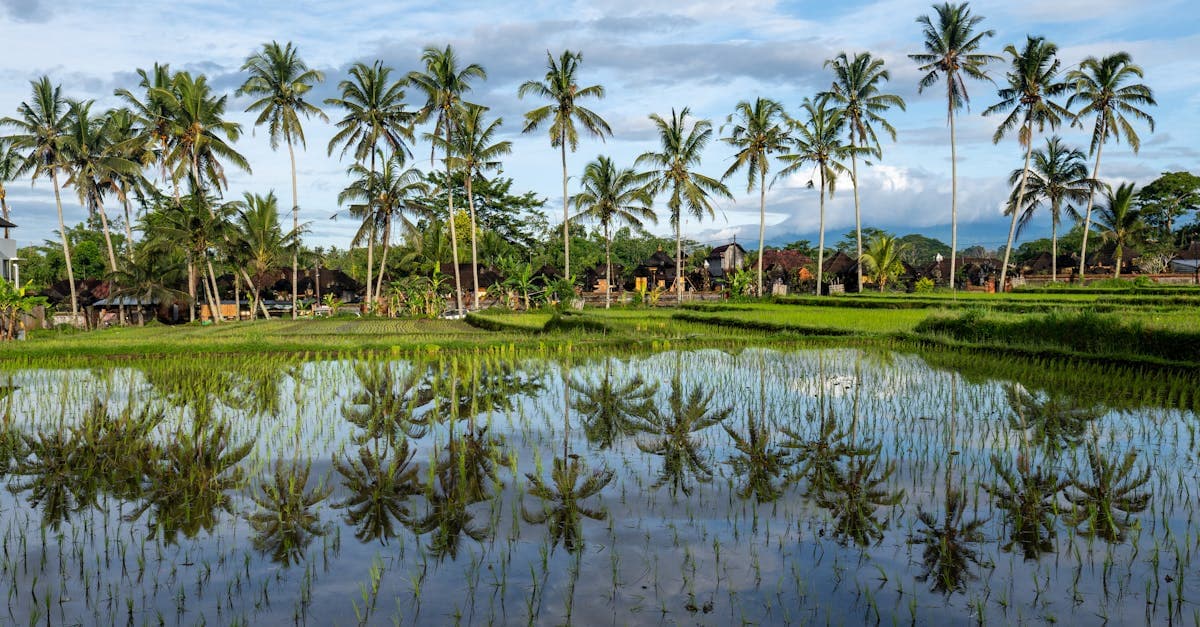
Humidity is the variable that defines a Bali trip far more than temperature does. The coast holds to daily highs in the low-to-mid 30s through the whole year. What changes dramatically is the moisture in the air, and with it, how every hour outside actually feels.
Bali sits 8 degrees south of the equator, locked in a tropical monsoon cycle with one wet season and one dry. No spring softening, no autumn cooldown.
The UV index stays at 10 to 12 or higher throughout the year, rated extreme. New Zealand summers can touch similar levels on a clear December day, but Bali delivers that intensity reliably, not occasionally. That UV exposure deserves more respect than most Kiwis give it on a first trip: sun protection habits that work in Auckland rarely suffice on Seminyak beach.
Ocean temperatures hold at 27 to 29°C regardless of month. Swimming and snorkelling are comfortable in any season. What shifts is visibility, swell height, and how many other people are in the water with you.
The highlands complicate the picture further. Ubud sits 6 to 8°C cooler than the coast, and evenings there can feel almost temperate after a hot beach stretch. Travellers who split a trip between Seminyak and Ubud often underestimate how much the air changes at elevation. Pack for two different climates and you'll still be caught short somewhere.
Rainfall also varies considerably by location. Nusa Dua, on the southern Bukit Peninsula, receives around 900mm annually. Ubud collects closer to 2,000mm. Same island, measurably different conditions depending on where you base yourself.
Key fact: Bali's UV index sits at 10 to 12+ year-round, rated extreme by international meteorological standards.
Dry and wet season each deliver a completely different island.
Bali's Dry Season: What to Expect from May to October
! [Rocky Bali coastline with lush greenery under vibrant blue skies during dry season bali weather
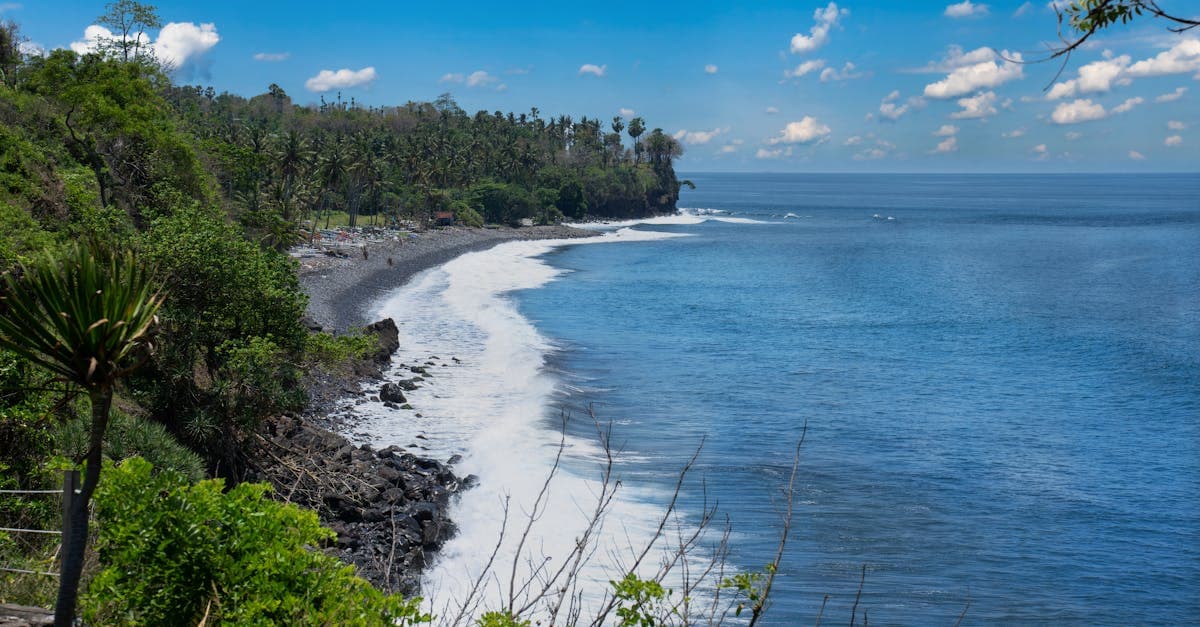
The dry season runs May to October, driven by south-east trade winds that pull humidity down to 70-75 percent. Monthly rain days in Kuta drop to between 2 and 8. Skies clear, surf builds, and the island shifts into the conditions most visitors come looking for.
July and August mark the peak. Both months average around 28°C on the coast, a few degrees cooler than wet-season highs. Surf swells build across this period, with Kuta Beach and the Uluwatu reefs producing their most dependable breaks. Surfers who plan their trips around Bali weather typically book these months well in advance.
Nusa Dua and Seminyak log the highest sun hours during this window. On Nusa Penida, reduced rainfall and lower coastal runoff deliver the clearest underwater visibility of the year. Manta ray sightings around the island's famous cleaning stations are more reliably concentrated between July and September.
Pull up at the Uluwatu clifftop in late July and the late-afternoon light does something no photograph quite captures: long-angled gold across limestone, the sound of surf rising from 70 metres below, a dryness in the air that makes you understand what everyone means when they say this is Bali at its best.
One practical reality: the dry season brings crowds. July and August coincide with European and Australian school holidays, pushing accommodation rates and road traffic up considerably. Booking 3 to 4 months ahead isn't overcautious, it's necessary.
The wet season runs on an entirely different set of conditions.
Bali's Wet Season: What November to April Actually Looks Like
! [Travellers with bright umbrellas walking through lush greenery, capturing what bali weather looks like in wet season

Humidity climbs to 85-95 percent between November and April as the north-west monsoon takes hold. Rain doesn't fall all day; it arrives in heavy bursts of 1 to 3 hours, typically in the afternoon, then clears, a pattern that rewards flexible itineraries over fixed schedules. Most mornings start bright, which surprises visitors who arrive expecting constant grey skies.
February averages 16 to 20 rain days in Kuta, the wettest month on the island's calendar. December is a close second. For Kiwi families travelling during summer holidays, that means arriving at Bali's most rainfall-intensive stretch of the year.
The wet season carries real appeal, though. Rice terraces around Tegallalang and Jatiluwih turn deeply green and become the layered, textured Bali of every travel photograph. Ubud's temples and surrounding forest take on a lush quality the dry season can't match. Hotel rates drop noticeably, and crowds thin.
Ubud and central Bali receive the heaviest falls. Travellers who prefer drier conditions but want to visit between November and April should consider basing themselves on the southern Bukit Peninsula, where Nusa Dua and Uluwatu see comparatively less rain.
Which months actually make the most sense for the flight from New Zealand?
When Is the Best Bali Weather for New Zealand Travellers?
! [Packed Bali beach with colourful umbrellas and rolling waves during the best bali weather months for Kiwis
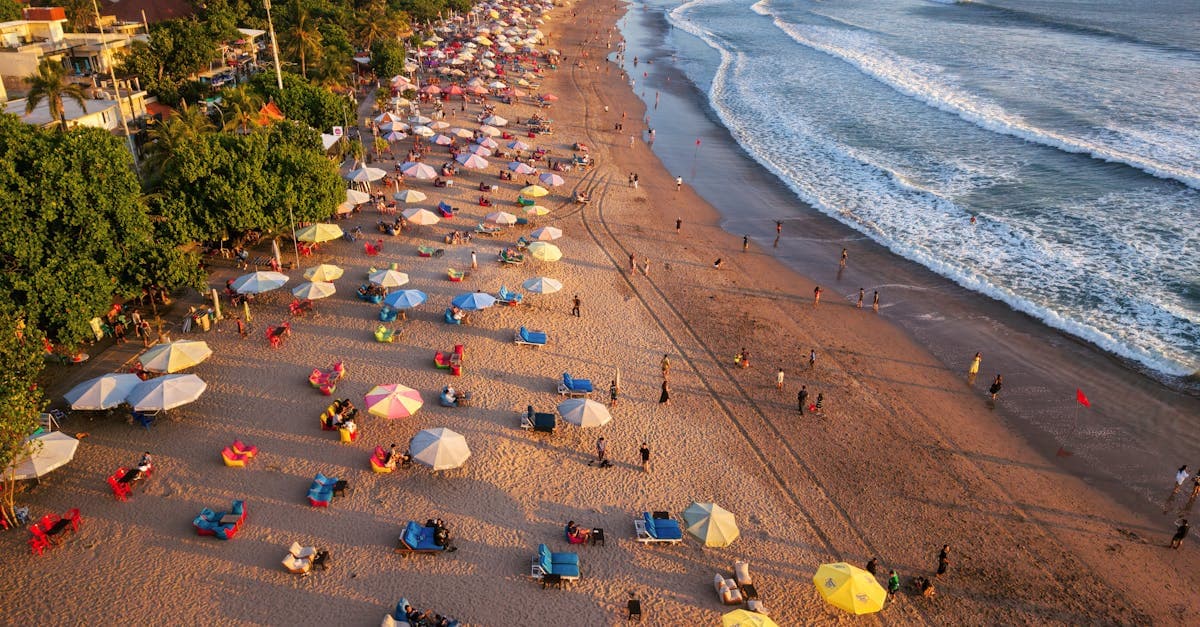
July and August are the best months for New Zealand travellers visiting Bali, aligning the peak dry season with the NZ mid-year school break. New Zealand's summer school holidays in December and January fall directly in Bali's wettest period, a timing mismatch that catches many first-time Kiwi visitors off guard. If you've timed a Bali trip around Christmas, you've experienced the island at its most sodden.
The decision framework is cleaner than it looks:
- July and August: Peak dry season aligns precisely with the NZ mid-year two-week school break. Average highs of 28°C with only 2 to 4 rain days across each month. The obvious pick for families with school-age children.
- April (Easter): A transition month with easing rainfall and manageable crowds. Viable for the Term 1 break if mid-year isn't possible.
- October: Late dry season, noticeably quieter than July, with accommodation prices that reflect the lower demand. A considered pick for flexible travellers.
- December to January: Bali's wettest period coincides exactly with NZ's peak summer break. Mornings are usable; afternoon rain is reliable. Budget travellers benefit from lower prices, but expect to reshape daily plans around the weather.
The NZ mid-year school break is the one window where Bali's best conditions and New Zealand's calendar align without compromise. July and August deserve a much closer look.
July and August: NZ School Holidays Meet Peak Dry Season
! [Sun-drenched Bali shoreline with clear skies and calm waves during the July and August peak season
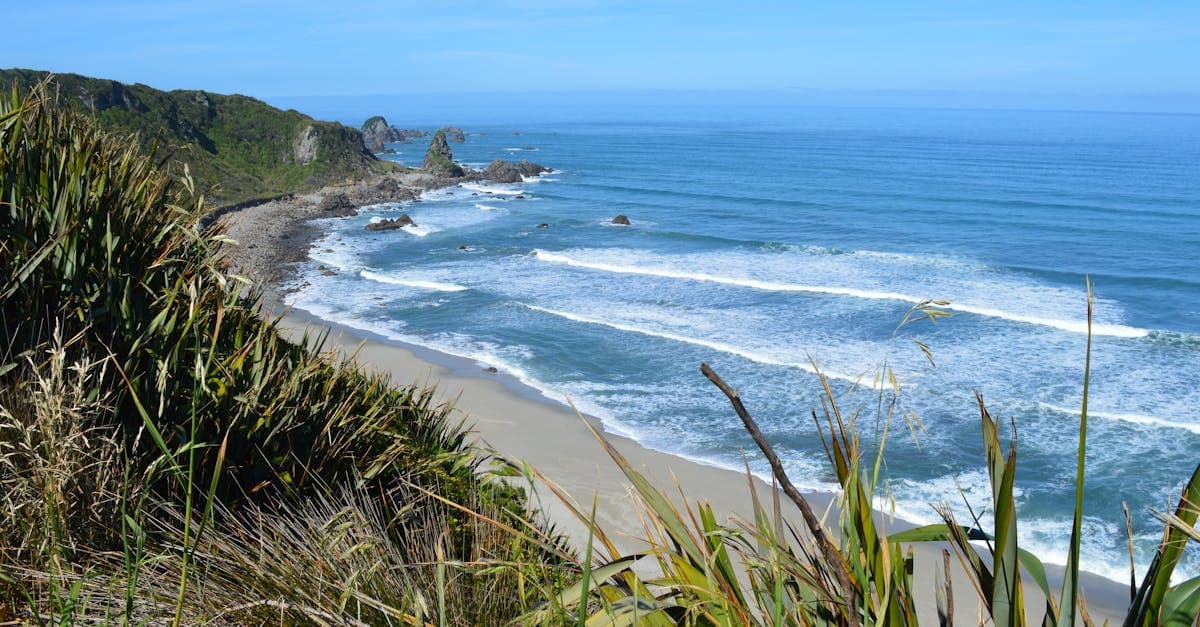
July and August deliver the most reliable Bali weather conditions of any period on the island. Average daily highs sit at 28°C. Rain days number just 2 to 4 across each month, with southeast trade winds keeping the air noticeably drier than the shoulder months either side.
The case for this window is straightforward.
What works in your favour - Consistent sunshine with low cloud cover, practical for beach time and open-air temple circuits - Surf conditions at Uluwatu and Kuta reefs peak across both months - The NZ mid-year school break, typically two weeks in July, slots directly into this window - Evening temperatures are comfortable without the heavy humidity of the wet months
What you're trading away - Accommodation in Seminyak, Canggu, and Ubud climbs sharply; nightly rates are noticeably higher than in April or October - Restaurants and tour operators in the main tourist areas fill well in advance; spontaneous travel is harder here than at any other time of year - Flights from Auckland need booking 3 to 4 months ahead; leave it later and you're paying a premium or flying indirect at antisocial hours
For families with school-age children, the timing makes the choice for you. But many Kiwis can only travel in December or January, and that requires a different approach entirely.
How Does Bali Weather Vary Across Different Regions?
! [Sweeping aerial view of Bali's green rice terraces and traditional huts illustrating regional bali weather differences
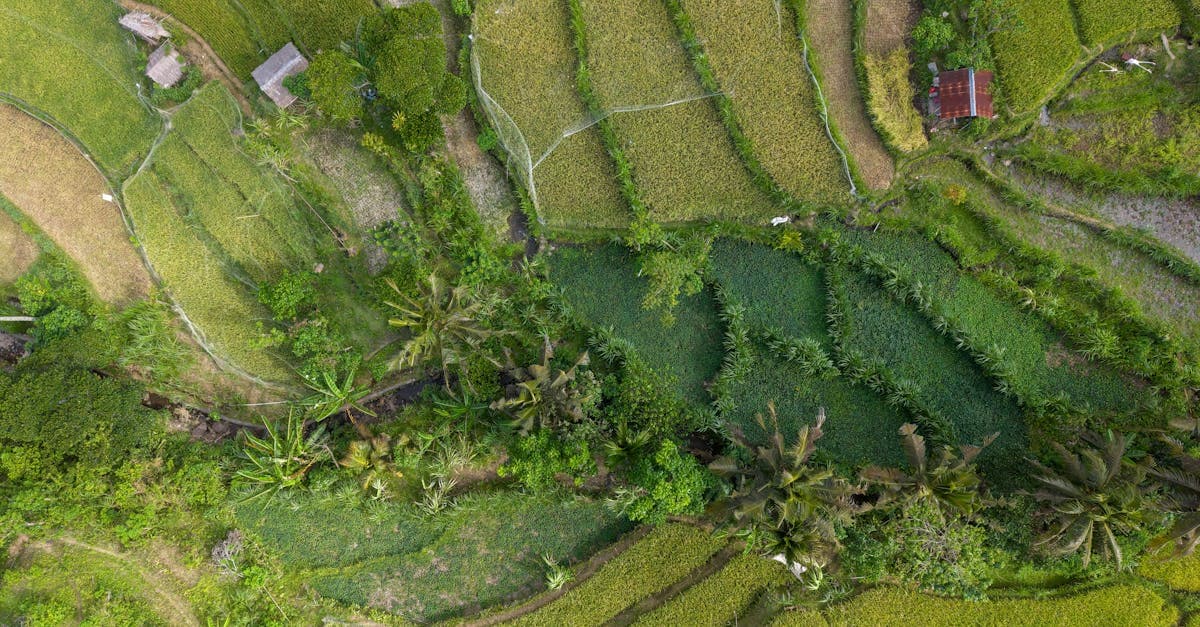
Bali's weather isn't uniform. The island spans enough varied terrain that conditions on the Bukit Peninsula can diverge sharply from what's happening in Ubud, even on the same afternoon in the same season.
The altitude effect is what most travellers underestimate. Moving inland from the coast to Ubud's rice terraces, temperatures drop by 6 to 8°C. Evenings there can feel genuinely cool, even in peak July. Pack at least one layer regardless of which season you're travelling in.
The rainfall gap between regions is even more striking.
The gap between Nusa Dua and Ubud's annual totals is the most practically useful regional fact for trip planning. A Bukit Peninsula base delivers more consistent sunshine than anywhere else on the island. Choosing Uluwatu over Ubud is a simple call that tilts the weather odds in your favour, whatever the season. The wet season is where that difference matters most.
Is Wet Season Bali Weather a Deal-Breaker?
! [Ulun Danu Beratan Temple surrounded by lush tropical blooms in the rain, showing wet season bali weather
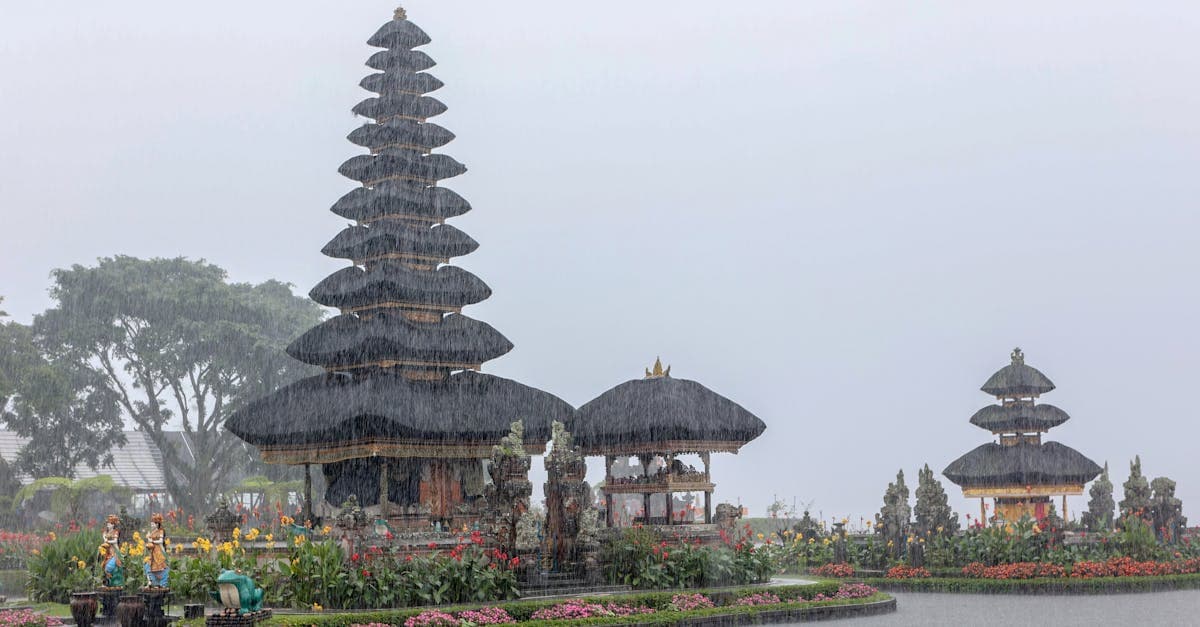
Wet season Bali weather is not a trip-breaker. It's a common concern, and a reasonable one. It's also mostly unfounded.
Rain arrives in concentrated bursts rather than all-day grey drizzle. In practice, mornings are typically clear. Most downpours hit in the early to mid-afternoon, last an hour or two, then clear. A flexible daily schedule, rather than a fixed-time itinerary, is what separates a comfortable wet season trip from a frustrating one.
The price drop is real.
Hotel accommodation falls by 30 to 50 percent compared to peak dry season rates. Temples and rice terrace walks that require advance bookings in July are often available at short notice in February. Spas in Ubud that turn away walk-ins during the peak months quietly reopen their availability.
February is the wettest month on the calendar. It's also when Bali's cultural life tends to be richest. Balinese Hindu festivals follow the 210-day Pawukon calendar cycle, meaning major celebrations can fall across the wet season months. An afternoon downpour followed by an evening temple ceremony (incense drifting through the still-humid air, offerings laid out on stone steps slicked with earlier rain) is a layered kind of travel experience that peak season beach routines rarely offer.
The wet season isn't Bali's best weather by any measure. But for Kiwis whose school or work calendar locks them into December and January, it delivers real value with a manageable trade-off. Rain or shine, having mobile data sorted before you land at Ngurah Rai Airport makes the arrival considerably less stressful than hunting for a SIM card on tired legs after eight or nine hours from Auckland.
Staying Connected in Bali: eSIM and Mobile Data Options
! [Smartphone displaying a travel eSIM connectivity app for staying online with mobile data while visiting Bali

NZ carriers charge substantial roaming fees in Indonesia. For a 10-day Bali trip, daily rates from Spark, Vodafone NZ, and 2degrees accumulate into a genuinely unpleasant post-trip bank statement surprise. Two practical alternatives exist: a local SIM card or a travel eSIM purchased before you leave.
Local SIM on arrival. Telkomsel and XL Axiata both sell prepaid SIMs at Ngurah Rai Airport and throughout Kuta, with solid 4G LTE coverage across south Bali and Ubud. Affordable and effective, with one catch: Indonesian regulations require in-person passport registration at the point of purchase. After nine hours in the air from Auckland, that queue and language barrier is a poor welcome.
Travel eSIM before departure. No queue, no fumble at the airport counter. Here's the sensible pre-departure sequence:
- Check eSIM compatibility. Most iPhones from the XR onward and recent Android flagships support dual eSIM. Confirm this before purchasing a plan.
- Install your eSIM at home. HelloRoam offers Indonesia plans with access to Telkomsel's 5G network and XL's 4G network, covering the Seminyak-Kuta-Nusa Dua corridor, Ubud, and Sanur reliably.
- Download offline maps before boarding. Google Maps and Maps.me both cache well; do this on home Wi-Fi, not the Ngurah Rai Airport network.
- Save key addresses and contacts offline. Signal in northern Bali and interior highland routes becomes inconsistent. Having accommodation details and emergency numbers accessible without data is straightforward insurance.
Key fact: HelloRoam provides access to Telkomsel's 5G network and XL's 4G network across Indonesia, covering south Bali, Ubud, and the main tourist corridors.
Remote northern routes near Singaraja and Lovina sit outside reliable coverage for any provider. Download offline resources before venturing there.
With data sorted, one practical question remains: what to actually pack for Bali's climate.
What Should Kiwis Pack for Bali Weather?
! [Tegallalang rice terraces with vivid green layers under open skies, inspiring what to pack for bali weather

Packing for Bali requires fewer items than most Kiwis expect. Coastal temperatures hold in the low-to-mid 30s year-round, with a UV index of 10 to 12 rated extreme throughout, so the core list centers on lightweight fabrics, SPF 50+ sun protection, and a compact rain layer for wet season trips.
The moment you step through Ngurah Rai's arrivals doors, the air hits: warm, thick, nothing like the dry Auckland air you left behind. Your instinct to reach for something heavier is immediately obsolete. The climate is consistent enough that your season of travel barely changes the core requirements.
Worth the space:
Linen and moisture-wicking synthetics handle humidity far better than cotton, which turns heavy and damp within an hour outdoors. SPF 50+ sunscreen is non-negotiable: Bali's UV index sits at 10 to 12 or higher, rated extreme year-round, considerably more intense than a New Zealand summer. Standard SPF 30 falls short. Pack a mineral-based formula if your itinerary includes snorkelling or dive sites; oxybenzone-based chemical sunscreens are restricted by many Bali dive operators to protect coral, so reef-safe SPF 50 covers both requirements in one bottle.
A compact packable poncho weighs almost nothing and handles wet season downpours without bulk. One light layer earns its place if Ubud is on the itinerary: highland evenings drop noticeably cooler than the coast, and cafes there run air conditioning at levels designed for a Scandinavian winter.
A waterproof document sleeve or dry bag protects passports, cards, and phones from sudden rain, Nusa Penida boat transfers, and the persistent dampness that Bali's humidity generates inside closed bags.
What doesn't earn the weight:
Heavy footwear is the most common packing mistake. Temple paths, rice terrace walks, and beach access all suit lightweight, quick-drying shoes. More than one pair of full-length trousers is rarely needed beyond a temple cover-up. Leave the bulky cotton towels at home; any accommodation worth booking supplies them.
Still have questions? The answers are below.
Reviewed by HelloRoam's editorial team. Last updated: 14 April 2026.
Get Connected Before You Go


Frequently Asked Questions
July and August are the best months for New Zealand travellers visiting Bali, aligning with the peak dry season and the NZ mid-year school break. These months average 28°C with only 2 to 4 rain days each, and southeast trade winds keep humidity noticeably lower. October is a quieter, cheaper alternative for flexible travellers who can avoid the peak rush.
No, Bali has two seasons, not four. The dry season runs from May to October, and the wet season covers November to April. Coastal temperatures remain relatively stable between 26 and 33°C year-round, so humidity and rainfall are the main variables to plan around, not temperature.
December and January fall directly in Bali's wettest period, with February averaging 16 to 20 rain days and December being a close second. Mornings are typically bright and usable, but heavy afternoon downpours of 1 to 3 hours are reliable. Budget travellers benefit from hotel rates that are 30 to 50 percent lower than peak dry season prices.
Bali's coastal temperatures hold between 26 and 33°C year-round, with average daily highs around 28°C in the dry season. Heat itself is relatively consistent, so humidity is the greater concern. Wet season humidity can reach 85 to 95 percent, making the air feel considerably heavier than the temperature alone suggests.
Bali's UV index sits at 10 to 12 or higher throughout the entire year, rated extreme by international meteorological standards. New Zealand can see similar levels on clear summer days, but Bali delivers that intensity reliably every day, not occasionally. Sun protection habits that work in Auckland are generally insufficient on Bali's beaches.
Wet season Bali is not a trip-breaker for most travellers. Rain typically arrives in heavy bursts of 1 to 3 hours in the afternoon, with mornings usually clear. The trade-off includes lush, green rice terraces, hotel rates 30 to 50 percent lower than peak season, and far fewer crowds at temples and attractions.
The Bukit Peninsula in the south, including Nusa Dua and Uluwatu, receives around 900mm of annual rainfall, making it the driest area on the island. By comparison, Ubud in the central highlands receives close to 2,000mm annually and Kuta averages around 1,700mm. Choosing a Bukit Peninsula base gives you the best weather odds in any season.
Ubud in the central highlands sits 6 to 8°C cooler than coastal areas like Seminyak or Kuta. Evenings in Ubud can feel genuinely cool even in peak July, so packing at least one layer is recommended regardless of season. Travellers splitting their trip between the coast and Ubud are often caught short by the temperature change.
Bali's ocean temperature holds at 27 to 29°C throughout the year, so swimming and snorkelling are comfortable in any season. What changes seasonally is underwater visibility, swell height, and crowd levels in the water. The clearest snorkelling visibility around places like Nusa Penida is typically found between July and September.
Surf conditions peak during the dry season, particularly in July and August, when southeast trade winds build reliable swells at Kuta Beach and the Uluwatu reefs. Surfers who plan trips around Bali's best surf typically book these months well in advance. These months also coincide with the NZ mid-year school break.
Booking 3 to 4 months ahead is necessary for July and August travel, not just cautious. These months coincide with Australian and European school holidays as well as the NZ mid-year break, pushing accommodation rates and demand across Seminyak, Canggu, and Ubud significantly higher. Leaving it later means paying a premium or flying indirect at inconvenient times.
April is a viable option for the NZ Term 1 Easter break, offering easing rainfall and manageable crowds as the wet season winds down. It is a transition month, so conditions are improving but not yet at peak dry season levels. Accommodation prices and availability are more favourable than in July or August.
Yes, rainfall varies considerably across Bali even within the same season. Nusa Dua on the Bukit Peninsula receives around 900mm annually, while Ubud in the central highlands receives close to 2,000mm. Even on the same afternoon, conditions on the southern coast can be completely different from those in the highlands.
Hotel accommodation drops by 30 to 50 percent compared to peak dry season rates in July and August. Temples, tours, and popular rice terrace walks that require advance bookings in peak months are often available at short notice. Spas and restaurants in Ubud that are fully booked in peak season tend to reopen walk-in availability during the wet months.
Around 200,000 New Zealanders travel to Bali each year. A significant portion travel in December and January, which falls in Bali's wettest period, catching many first-time Kiwi visitors off guard. The timing mismatch between NZ's summer school holidays and Bali's wet season is one of the most common planning oversights for first-time travellers.
October is the late dry season in Bali, offering noticeably quieter conditions than July with accommodation prices reflecting lower demand. It is a considered pick for flexible travellers who want reliable weather without the peak-season crowds and costs. Southeast trade winds are still active, keeping humidity lower than the approaching wet season months.
Yes, eSIMs for Indonesia can be set up before you board your flight from New Zealand, so you arrive connected without needing to find a SIM card at the airport. Budget eSIM plans for Indonesia typically start around $3-5 for daily data allowances on major Indonesian networks including 5G coverage. Setting this up in advance is recommended to simplify arrival at Ngurah Rai Airport after a long flight.