Table of content
Budget Flights to New Zealand at a Glance
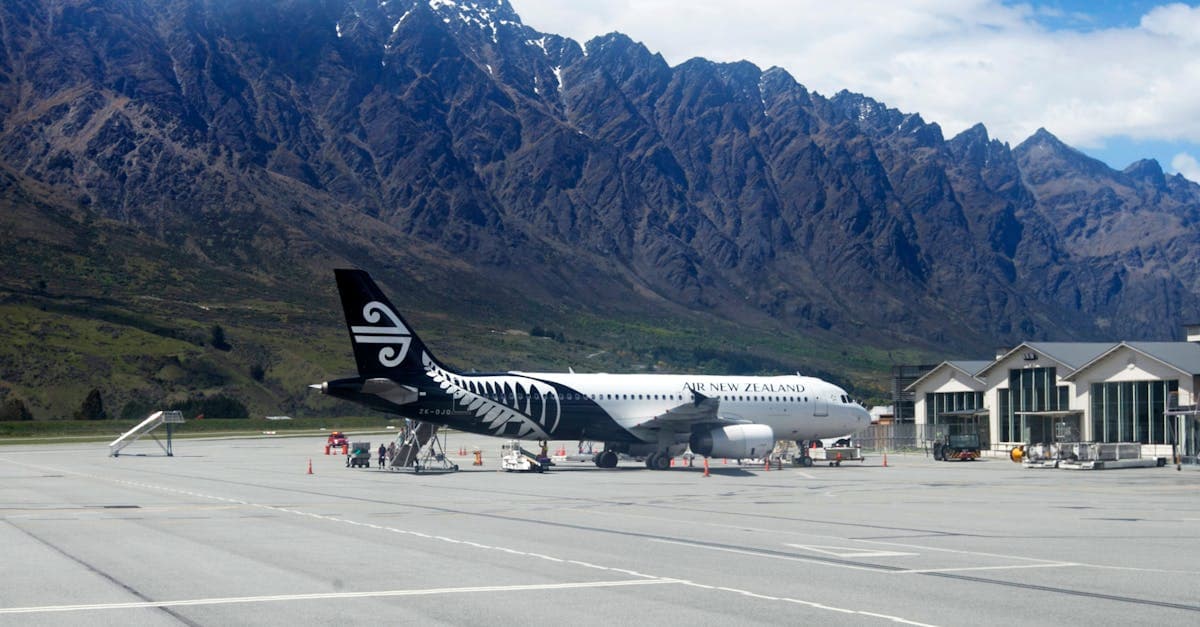
Budget flights to New Zealand follow a clear seasonal pattern. Fly between May and August and you'll pay meaningfully less than peak summer rates. Transtasman fares from Australia start around AUD $200 return on sale. From the USA West Coast, one-way tickets begin at roughly USD $700. UK and European travellers can find returns from about NZD NZ$700.
Domestic fares can be equally sharp. Auckland to Wellington drops to NZD $39 on sale, a price that doesn't last long.
Key fact: HelloRoam's New Zealand eSIM-south-america) starts at ~$3.49 for 1GB over 7 days, running on Vodafone's network.
These are sale figures, not standard rack rates. Getting them requires booking at the right time, on the right route, with a clear view of what the fare actually includes. Raw prices only tell half the story.
When Are Budget Flights to New Zealand Cheapest?
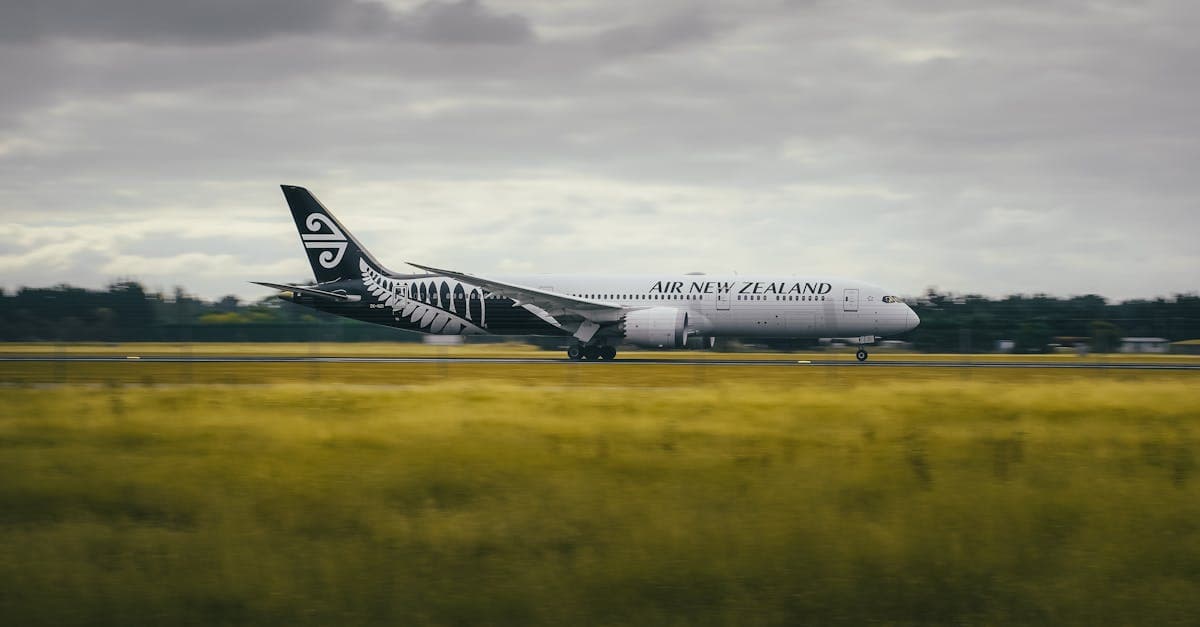
May through August is the clearest answer. During NZ's winter and shoulder season, international fares typically run 30 to 50 percent below the December-January peak. Crowds thin out, accommodation prices ease, and airlines fill seats more aggressively. The North Island stays mild enough for most activities, and the South Island arguably looks better without the summer tour buses crowding every viewpoint.
Four to eight weeks out is the reliable booking window from Australia. Transtasman routes are frequent and short, so last-minute discounts do surface, but planning a trip around that possibility is a gamble. From North America and the UK, the sensible window shifts to 3 to 6 months ahead. Book too early and discounted seats haven't been released; book at 6 weeks and you're picking through what's left.
NZ school holidays cut across any seasonal logic.
The April, July, and late-September holiday windows push fares sharply higher regardless of where they fall in the calendar. International travellers rarely account for these dates, which is precisely why prices spike so predictably. Families with school-aged children have no choice but to pay peak rates; solo travellers and couples can often sidestep these windows with some forward planning.
Midweek departures consistently run cheaper than weekend flights. Tuesday and Wednesday tend to be the most affordable days to book and to travel, across both domestic and transtasman routes. The saving might look modest on a single ticket, but across a multi-leg itinerary it compounds into something worth structuring your dates around.
December and January are simply the most expensive months. NZ summer, southern hemisphere school holidays, and Christmas demand converge to push fares to their annual ceiling. A return from London in mid-January will cost considerably more than the same routing in June. If summer travel is fixed on your calendar, booking 4 to 5 months ahead and watching for airline flash sale windows gives you the best realistic shot at a manageable fare.
Timing is only one lever; your route choice matters just as much.
The Open-Jaw Route Trick for New Zealand Travellers

An open-jaw booking means flying into one city and departing from another. For New Zealand, that typically means landing at Auckland (AKL) and flying home from Christchurch (CHC) or Queenstown (ZQN). Most booking platforms price these comparably to a standard return ticket, but the practical value is considerably higher.
Skipping the Auckland backtrack can save NZD $280 or more. Flying in and out of Auckland forces you to retrace the country's length to catch your return flight, which means paying for a domestic leg or burning a half-day driving north. An open-jaw into AKL and out through ZQN converts that dead leg into the natural end of a South Island journey.
The saving is direct. At walk-up prices, a Queenstown to Auckland leg starts from around NZD $280. Eliminate it entirely with an open-jaw international booking and you've saved a travel day alongside the fare.
Google Flights handles this through its multi-city mode. Enter your origin, set AKL as first destination, then ZQN or CHC as your departure city for the return leg. The tool prices the full routing in a single search. Most travellers have never clicked that multi-city button. It's worth the 90 seconds.
This pairing works naturally with a South Island road trip: hire a car in Christchurch, drive the Mackenzie Basin, loop through Wanaka, finish in Queenstown — the whole arc of the island covered without a single kilometre of backtracking. Fly home from there. The open-jaw removes the return to Auckland entirely, and you're not paying for ground already covered.
Both Christchurch and Queenstown handle international flights to Australia and several Asian hubs. Not every long-haul route serves CHC or ZQN, so confirm your connections before committing, but for Australia and Southeast Asia the options are reliable enough to build an itinerary around.
Low-cost carriers promise extra savings, but the hidden costs are easy to miss until you're past the confirmation screen.
Are Budget Airlines Actually Cheaper for New Zealand Flights?
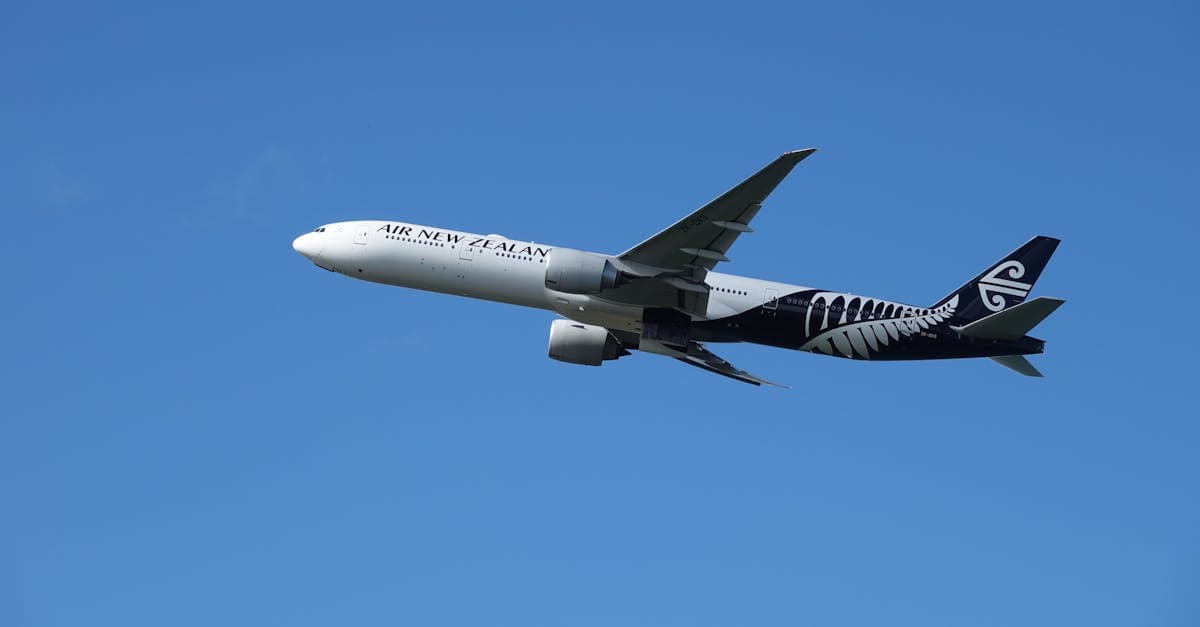
Sometimes. But not as often as the headline fare suggests. Budget airline base fares on New Zealand routes often run NZD $30 to $60 below full-service equivalents before extras. Add a checked bag and choose a seat, and that gap closes fast.
Jetstar operates key domestic routes, including Auckland-Wellington and Auckland-Christchurch, as well as transtasman services to Australia. Its base fares are genuinely low. The catch is that the cheapest Jetstar domestic fares are carry-on only, and a checked bag adds a flat fee each way. On a return trip, baggage costs alone can match or exceed the original headline saving.
Seat selection runs another NZD $15 to $50 per leg, depending on the route and how far ahead you book. On a two-passenger return, those fees compound quickly. A fare that looked NZD $60 cheaper on the search results page can end up costing the same as Air New Zealand, or more.
Air New Zealand's bundled 'Seat+Bag' fare includes a checked bag and seat selection in one price, making it directly comparable to a budget carrier's fully loaded ticket. On domestic routes, the two totals often sit much closer than the initial price gap implies. On transtasman routes, the gap can narrow to nothing at all.
That NZD $30 to $60 savings figure is real if you're travelling carry-on only. It evaporates the moment luggage enters the equation.
The practical approach: price the full basket before confirming. Add the bag you'll genuinely need, the seat you'll actually want, any meal on a longer leg. Compare that total against Air New Zealand's bundled fare. Sometimes Jetstar still comes out ahead. Sometimes the margin closes to single figures and the decision comes down to departure time or frequent flyer points rather than price.
Budget carriers do retain a real edge on short domestic hops where you're carrying only a daypack. On those routes, the cheapest sale fare stays exactly that.
Beyond the carriers themselves, airline sale systems can unlock fares well below anything in the standard pricing grid.
How to Find Cheap Domestic Flights Within New Zealand
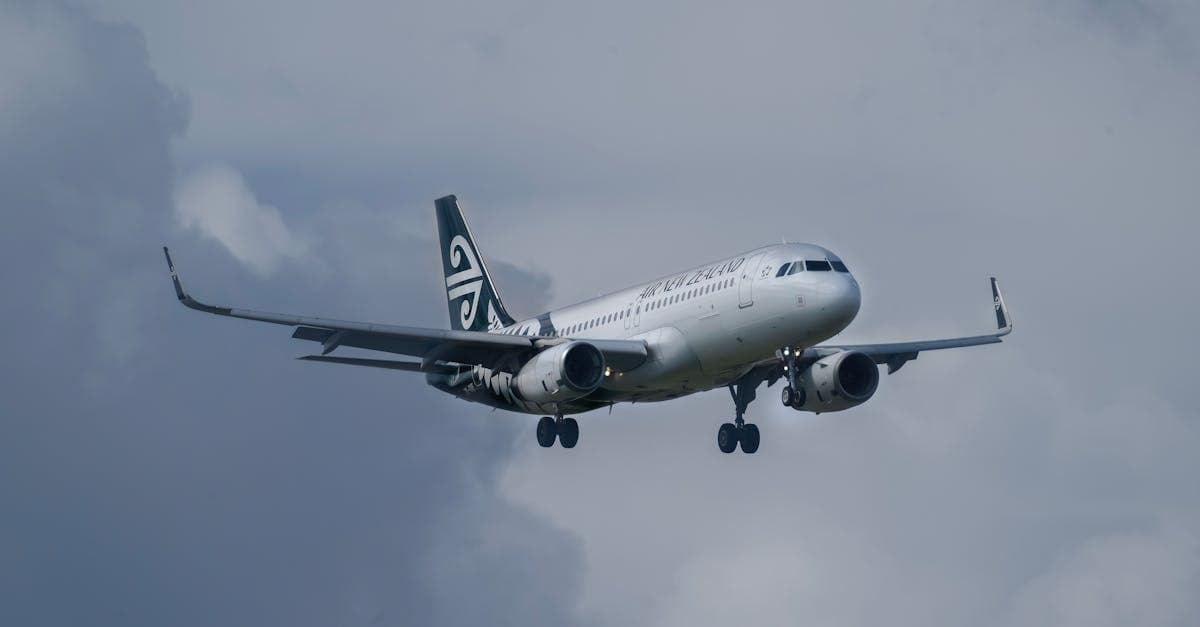
To find cheap domestic flights in New Zealand, book legs separately from your international ticket and catch Air New Zealand's Grab a Seat sales, announced on Tuesdays and Wednesdays. Air New Zealand holds between 60 and 65 percent of New Zealand's domestic seat capacity, and that near-monopoly keeps fares firm outside those sale windows.
Bundle or Book Separately?
Book domestic legs separately from your international ticket. Airlines price domestic connections as premium add-ons, and bundled fares almost never include sale pricing. Lock in your international travel dates first, then search Air New Zealand's Grab a Seat sales, announced on Tuesdays and Wednesdays. That's the window when the lowest domestic fares appear.
Miss the Tuesday morning drop and you may find the week's sale seats already gone — the NZ$59 Auckland-Queenstown price sold through, the calendar reset to standard rates until next week's cycle. It's the kind of thing that's easy to discover the hard way, mid-trip planning session, when the dates finally align but the fare doesn't.
Auckland to Queenstown starts from NZ$59 on sale. Auckland to Wellington comes in lower still, reaching the figure noted earlier in this guide on promotional days. Jetstar competes on both trunk routes, so running both airlines' searches side by side is worth a few minutes of your time.
The Ferry Alternative
The Interislander and Bluebridge ferries connect Wellington to Picton in around three and a half hours. Slower than flying, but the passage through the Marlborough Sounds is one of the better travel experiences the country offers, and the fare often beats last-minute domestic flight prices. If you can spare a day around the crossing, Blenheim or Picton make worthwhile stops.
Regional Routes Most International Travellers Skip
Rotorua, Nelson, and Dunedin all have direct Air New Zealand connections from Auckland and Wellington. Nelson is the closest air access point for Abel Tasman National Park; flying Wellington to Nelson saves a full day compared to overland travel. Dunedin makes practical sense for anyone heading to the Otago Peninsula before connecting to Queenstown.
Don't backtrack through Auckland. It costs time and money.
Landing cheap is one thing; staying connected without a bill shock is another.
Staying Connected in New Zealand Without Overpaying

An eSIM gives you local New Zealand data rates without swapping a SIM card or hunting for a phone shop on arrival. Carrier roaming charges can eliminate flight savings fast: some major carriers charge around $10 per day for international data access, and a two-week itinerary costs well over a hundred dollars at that rate before you've left the airport.
How the Setup Works
An eSIM is a digital SIM built into your phone. No physical swap, no airport kiosk queue, no SIM card sitting in a plastic sleeve somewhere in your luggage. Scan a QR code at home, select a plan, and the connection activates when you land.
HelloRoam's New Zealand plans start at ~$3.49 for 1GB over 7 days, running on Vodafone's 5G-capable network. For a longer stay, a 10GB plan covers 30 days for ~$20.99. Both sit well below what carrier roaming typically charges for equivalent data. Plans are compatible with iPhone XS and later, and with most current Android flagship models.
One honest limitation worth knowing: coverage holds well along the main travel corridors, but signal thins in genuinely remote terrain. Parts of Fiordland, the West Coast's less-visited sections, and isolated rural roads sit outside reliable mobile range. Download offline maps before you leave the last sizable town heading into those areas.
What About Public Wi-Fi?
Free Wi-Fi covers central Auckland and Wellington reasonably well. Outside those two cities, it drops off quickly. Cafes in Queenstown, Rotorua, and Nelson typically have access, but upload speeds in smaller towns can be frustratingly slow. Relying on cafe Wi-Fi for navigation on a South Island road trip is a plan with a short shelf life.
For any trip lasting a week or more, a local data plan is the practical choice. Set one up before departure, as covered earlier in this guide, and the connection is live the moment you clear customs at Auckland Airport.
Still have questions about flying budget to New Zealand? Here are the answers.
What Is the Cheapest Month to Fly to New Zealand?

May and June are consistently the cheapest months to fly to New Zealand across all origin markets. August runs close behind, with fares sitting at a similar level across most routes.
The logic: New Zealand's winter runs June through August, visitor numbers fall, and airlines reduce fares to fill seats. May is the shoulder entry into that window and tends to combine low prices with manageable travel conditions across both islands. South Island weather in August is more stable than its reputation suggests, particularly around Queenstown and Fiordland.
June in Queenstown means frost on the mountains before breakfast and the lakefront almost entirely to yourself by 8am — a quieter pace than summer, but a genuinely good one for travellers who'd rather move freely than queue.
Avoid December through January without exception. New Zealand's summer aligns with Northern Hemisphere school holidays and peak international demand, and fares climb accordingly. School break windows in July and September also push domestic legs higher, which matters if you're planning to move around after you arrive.
Target May, June, or August and book three to four months out from North American or European origins. The savings against peak season are real, and major attractions run noticeably quieter.
Not sure which airport to target? The next answer covers that.
Do Budget Flights Land at All New Zealand Airports?
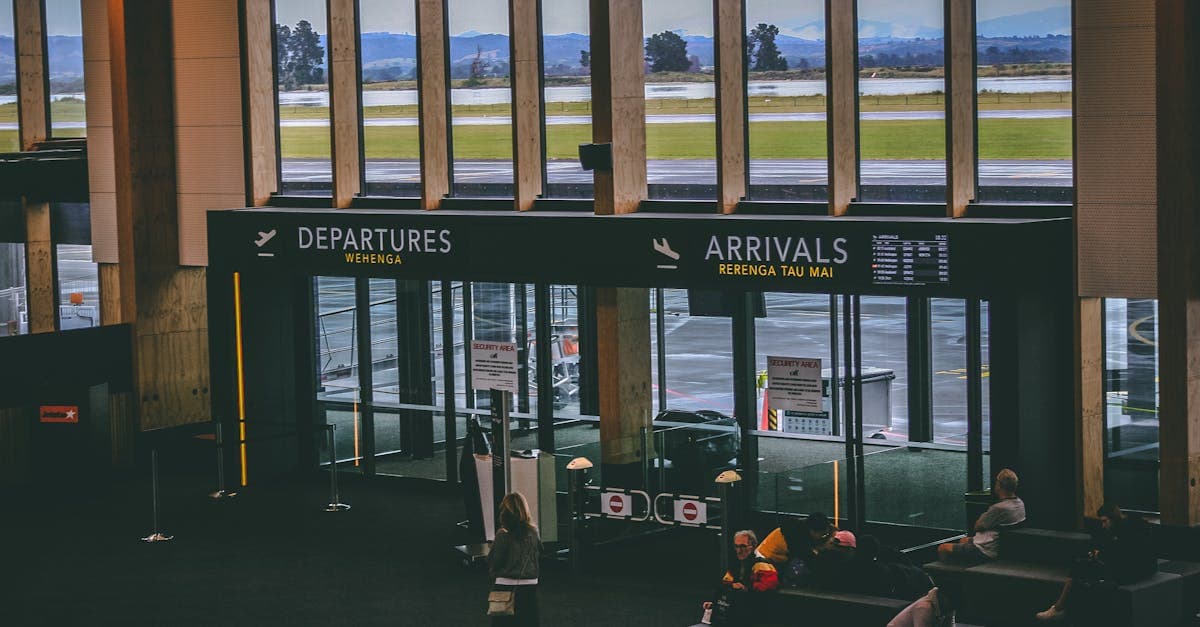
Auckland handles the clear majority of international budget routes into New Zealand. As of early 2026, it remains the main gateway for long-haul services from the US, UK, Asia, and the Pacific.
Christchurch has expanded its direct international capacity with growing services from Australia and selected Asia-Pacific routes. For a South Island focused itinerary, arriving directly into Christchurch skips the domestic connection and gets you closer to where you're actually going.
Queenstown receives seasonal direct services from Australia, primarily during the ski season from June through October. Outside that window, most international travellers connect through Auckland or Christchurch.
Wellington and Dunedin sit outside the main international budget network.
Both cities connect via domestic flights, which adds a leg and adds cost. If either is your primary destination, factor that domestic fare into your overall budget from the start.
The open-jaw approach covered earlier gets the most out of this airport spread: arriving into Auckland and departing from Christchurch or Queenstown lets you move through the country without retracing the same domestic routes.
One more common question: do prices really vary that much by day?
Is It Cheaper to Book New Zealand Flights on Certain Days?
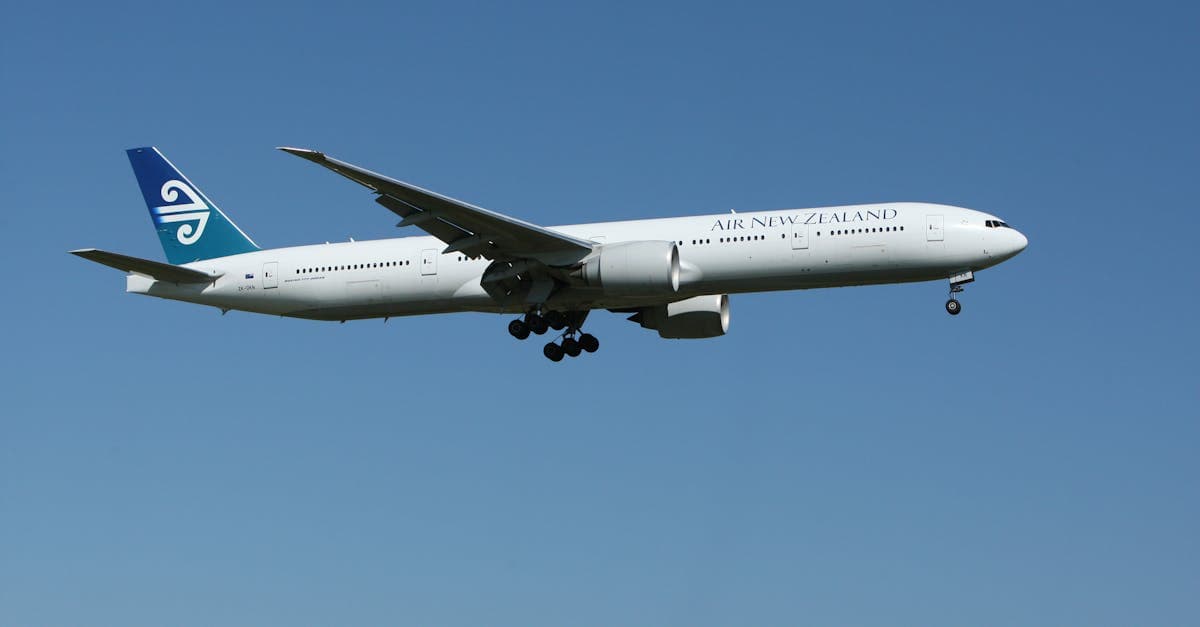
Midweek departures on Tuesday, Wednesday, and Thursday consistently carry lower fares than weekend flights on most New Zealand routes. Leisure travellers cluster around Friday afternoon and Sunday evening, and airlines price accordingly. The gap is most visible on domestic routes, where midweek fares can run 20 to 40 percent below the same journey on a Saturday.
The day you search also matters, not just the day you fly.
Air New Zealand's Grab a Seat promotions typically drop on Tuesday and Wednesday mornings. Jetstar's Friday Frenzy sales land, predictably, on Fridays. If you're checking fares on a Sunday afternoon, you're almost certainly looking at the week's highest prices with none of the sale inventory left.
Flexible date search tools cut through all of this. Google Flights' calendar view and Skyscanner's "whole month" grid display fare variation day by day, so you can see instantly whether flying out Thursday instead of Saturday saves NZ$80 or NZ$10. Sometimes the difference is negligible; on popular routes like Auckland to Queenstown during school holidays, it's rarely negligible.
One practical tip: set a price alert for your preferred route, then check back on Tuesday and Friday mornings specifically. You'll catch sale drops before seats at those fares disappear.
Now you've got every tool to book smart. The final section pulls it all together into a practical booking sequence you can follow start to finish.
Your New Zealand Flight Booking Sequence
Step 1: Fix your travel window. May through August gives the lowest fares across all origin markets. If NZ school holidays in April, July, or late September are unavoidable, book domestic legs early to protect against price spikes.
Step 2: Choose your routing before you search. An open-jaw into Auckland and out through Queenstown or Christchurch costs no more than a standard return on most platforms — and eliminates the domestic backtrack entirely. Decide this before opening any flight search tool.
Step 3: Set your booking timeline. Australia: four to eight weeks out. North America and UK: three to six months ahead. Within those windows, check on Tuesdays and Fridays when sale inventory is most likely to be fresh.
Step 4: Price the full basket. Add the bag you'll actually need, the seat you'll want, any meal on a longer leg. Compare that total against Air New Zealand's bundled fare before confirming anything. The headline gap between carriers closes faster than it looks.
Step 5: Book domestic legs separately. Airline-bundled connections carry premium pricing. Search Air New Zealand's Grab a Seat sales on Tuesdays and Wednesdays. Consider the Interislander or Bluebridge ferry for the Wellington-Picton crossing if your schedule allows — it's slower, but the Marlborough Sounds passage is worth the extra hours.
Step 6: Set up your eSIM before departure. Carrier roaming can hit $10 per day. Scan your QR code at home and the local New Zealand data connection activates the moment you land — no kiosk queue, no SIM swap, no fumbling with a plastic sleeve while everyone else streams past you at arrivals.
Work through each step once. The booking process stops feeling like guesswork, and the savings are real enough to notice.
Reviewed by HelloRoam's editorial team. Last updated: 10 April 2026.
Get Connected Before You Go


Frequently Asked Questions
May and June are consistently the cheapest months to fly to New Zealand across all origin markets, with August running close behind. New Zealand's winter (June–August) sees lower visitor numbers, prompting airlines to reduce fares to fill seats. Fares during this window typically run 30 to 50 percent below December–January peak prices.
Transtasman return fares from Australia start around AUD $200 on sale, with typical economy fares ranging from AUD $350 to $700. The best deals appear 4 to 8 weeks before departure, as transtasman routes are frequent and airlines discount seats closer to travel dates.
From the US West Coast, one-way tickets to New Zealand begin at roughly USD $700 on sale, with typical economy fares ranging from USD $1,000 to $1,500. Booking 3 to 6 months in advance gives you the best chance of securing lower fares before discounted seats are taken.
From the UK and Europe, the optimal booking window is 3 to 6 months before departure. Return fares start from around NZD $700 on sale, with typical economy prices ranging from NZD $900 to $1,400. Booking too early means discounted seats haven't been released; booking at 6 weeks out means picking through limited availability.
An open-jaw booking means flying into one city and departing from another — for New Zealand, typically arriving at Auckland (AKL) and flying home from Christchurch (CHC) or Queenstown (ZQN). This eliminates the need to backtrack north for your return flight, saving NZD $280 or more on a domestic leg while also saving a full travel day.
Budget airlines can be cheaper, but only if you're travelling carry-on only. Their base domestic fares often run NZD $30 to $60 below full-service equivalents, but adding a checked bag and seat selection can close or eliminate that gap entirely. Always compare the fully loaded fare — including baggage and seat fees — before booking.
The cheapest domestic fares appear during Air New Zealand's Grab a Seat sales, announced on Tuesdays and Wednesdays. Sale fares can drop to NZD $39 for Auckland–Wellington and NZD $59 for Auckland–Queenstown. These seats sell quickly, so checking early in the week is essential.
No — book domestic legs separately from your international ticket. Airlines price domestic connections as premium add-ons, and bundled fares almost never include sale pricing. Lock in your international dates first, then watch for domestic sale windows independently.
Flying into Auckland (AKL) and out of Christchurch (CHC) or Queenstown (ZQN) is an efficient open-jaw strategy for South Island itineraries. Both Christchurch and Queenstown operate international flights to Australia and several Asian hubs. Confirm your specific connections before booking, as not every long-haul route serves these airports.
Avoid New Zealand's school holiday windows in April, July, and late September, as well as December through January. These periods drive fares to their annual highs regardless of the day of the week or route. International travellers often overlook New Zealand's school holiday calendar, which is why prices spike so predictably during those windows.
Tuesday and Wednesday are consistently the most affordable days to book and travel, across both domestic and transtasman routes. The saving may look modest on a single ticket, but across a multi-leg itinerary the difference compounds meaningfully.
Yes — the Interislander and Bluebridge ferries connect Wellington to Picton in around three and a half hours. The fare often beats last-minute domestic flight prices, and the passage through the Marlborough Sounds is considered one of the country's better travel experiences. If your schedule allows a day around the crossing, it's a practical and scenic alternative.
A local eSIM or SIM card is strongly recommended to avoid carrier roaming charges, which can run around $10 per day — adding over $100 to a two-week trip. An eSIM can be set up before departure by scanning a QR code, with no physical SIM swap required. Budget eSIM plans for New Zealand start at around $3.49 for 1GB over 7 days.
An eSIM is a digital SIM built into compatible smartphones. You purchase a plan online, scan a QR code, and the connection activates when you land in New Zealand — no airport kiosk or phone shop visit needed. Most current iPhone and Android flagship models support eSIM functionality.
Budget eSIM plans for New Zealand start at around $3.49 for 1GB over 7 days. For longer stays, a 10GB plan covering 30 days costs approximately $20.99. These prices sit well below standard carrier roaming rates for equivalent data.
Coverage is reliable along the main travel corridors, but signal thins in genuinely remote areas. Parts of Fiordland, less-visited sections of the West Coast, and isolated rural roads fall outside consistent mobile range. Download offline maps before heading into remote terrain and do not rely solely on mobile data for navigation in those areas.
Free Wi-Fi is available in central Auckland and Wellington, and cafes in tourist towns like Queenstown, Rotorua, and Nelson typically offer access. However, coverage drops off quickly outside major cities, and upload speeds in smaller towns can be very slow. For any trip of a week or more, a local data plan is the more practical option.
Rotorua, Nelson, and Dunedin all have direct Air New Zealand connections from Auckland and Wellington. Nelson is the closest air access to Abel Tasman National Park, and flying Wellington to Nelson saves a full day compared to overland travel. Dunedin is a practical entry point for the Otago Peninsula before continuing to Queenstown.