


Table of content
Japan Currency Guide for Indian Travelers
! [Japanese yen and US dollar notes side by side, illustrating japan currency exchange concepts for travellers
Japan Currency at a Glance: Quick Answer for Indian Travelers
! [Indian rupee banknotes in various denominations, helping travellers understand japan currency conversion rates
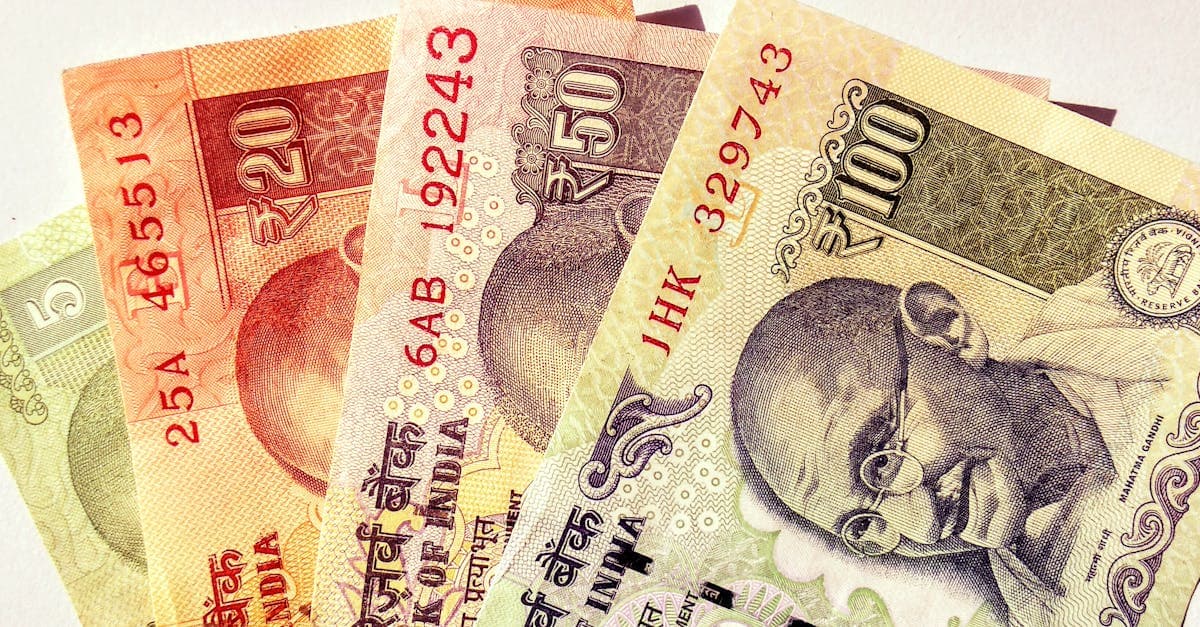
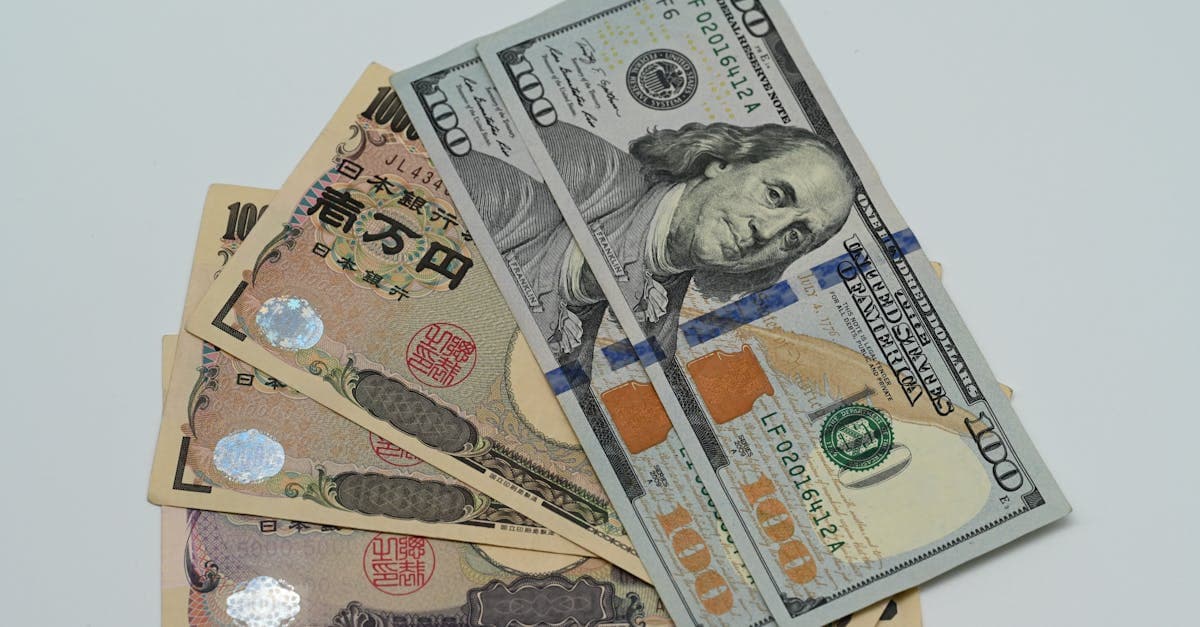
Japan's official currency is the Japanese yen (JPY) travelex.co.uk. At mid-market rates as of April 2026, 100 JPY equals roughly ₹55 to ₹57 xe.com. That makes ¥10,000, the highest denomination banknote, worth around ₹5,500 to ₹5,700. Airport counters and bank branches typically offer a narrower spread, closer to ₹52 to ₹54 per 100 yen.
Cash is not optional here. Japan's cashless payment ratio reached around 39% in 2023, which means the majority of daily retail transactions still happen in physical yen, particularly at temples, rural restaurants, and neighbourhood shops. Budget for at least ¥5,000 to ¥10,000 per day in your wallet.
Exchange rates move constantly. Checking the live rate throughout your trip takes seconds with reliable mobile data. eSIM for Japan-saint-vincent-and-the-grenadines)-japan) plans from HelloRoam start at ~$3.49 for 1GB on KDDI and NTT Docomo networks, which is enough data to keep a currency converter running and navigate between Tokyo's neighbourhoods without depending on hotel Wi-Fi.
The yen's prolonged weakness has made Japan considerably more affordable for Indian travellers than it was before 2022. How the currency arrived at this point traces back to the Meiji era.
What Is Japan's Currency? History, Notes, and the 2024 Redesign
! [International banknotes including Japanese yen, US dollars, and yuan laid out on a surface
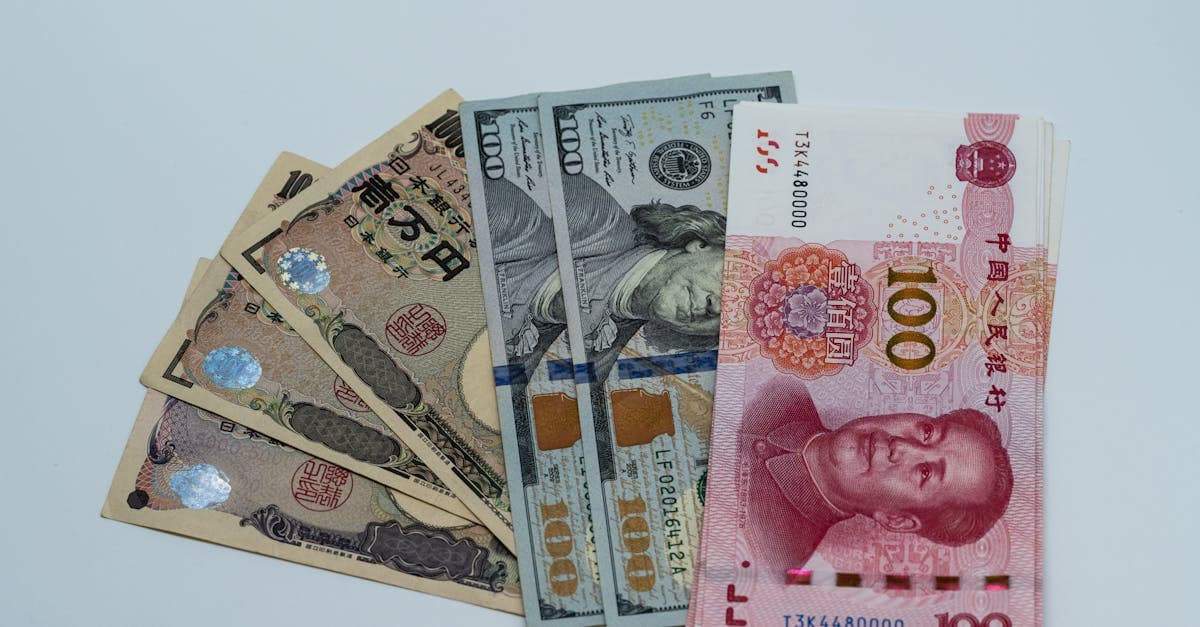
Japan's currency is the yen (JPY), introduced in 1871 under Meiji-era economic reforms that modernised the country's financial system oanda.com. The word 'en' means round object in Japanese, a reference to the circular silver coins that preceded the decimal system en.wikipedia.org. The reform replaced a fragmented patchwork of feudal denominations, creating a unified monetary standard for the first time.
That founding shift set the stage. The 20th century reshaped the yen repeatedly.
Japan fixed the yen to the US dollar under the Bretton Woods system following the Second World War, a peg that held until 1973, when the international framework collapsed and Japan moved to a free-floating exchange rate. The yen strengthened considerably through the late 1970s as export surpluses accumulated.
The Plaza Accord of 1985 accelerated that trend. Finance ministers from the US, Japan, West Germany, France, and the UK agreed to weaken the dollar through coordinated market intervention. The yen appreciated substantially in the following years, straining Japan's export sector and contributing to the asset bubble that built through the late 1980s.
The chapter that matters most to Indian travellers started in 2022. Global inflation, combined with the Bank of Japan's decision to hold interest rates near zero while other central banks raised theirs, drove the yen to its weakest position in decades. The currency reached around 160 JPY per USD in April 2024 tradingeconomics.com.
Key fact: The yen hit a 34-year low in April 2024, before Bank of Japan rate hikes helped it recover to approximately 142 to 148 JPY per USD by mid-2025 tradingeconomics.com.
Redenomination proposals have surfaced in policy circles occasionally but never advanced to legislation.
Now, what coins and notes will you actually carry?
Circulating Coins and Banknotes in Japan
! [Japanese yen banknotes and coins arranged flat, showing all denominations of japan currency in circulation
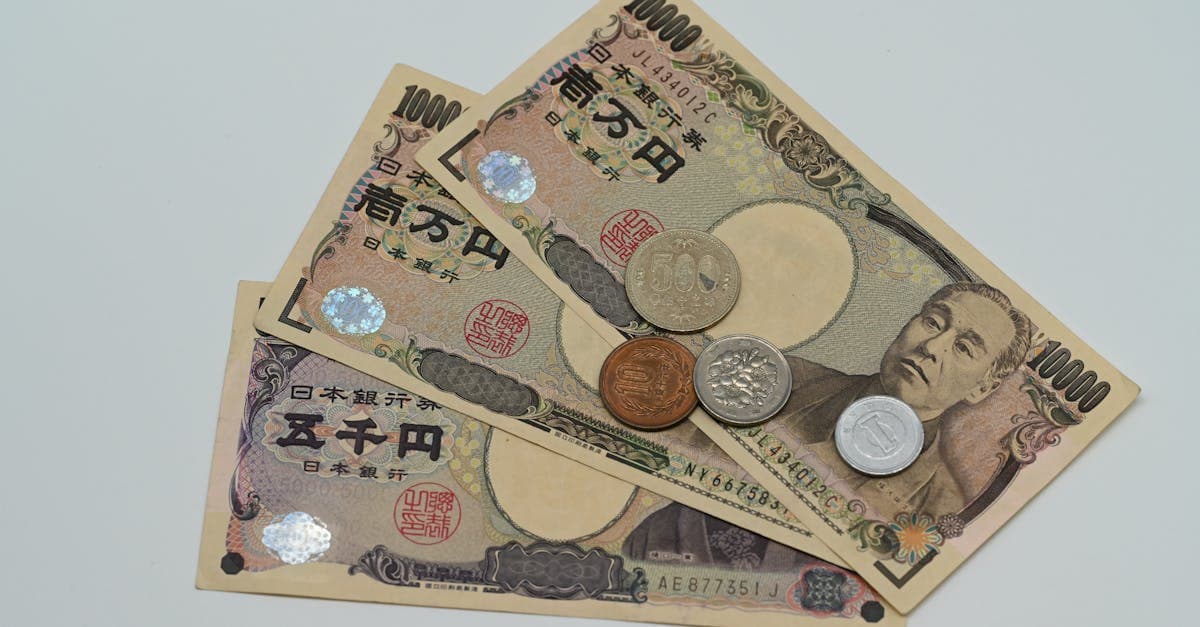
Japan issues six coin denominations: 1, 5, 10, 50, 100, and 500 yen. Four banknote denominations exist: ¥1,000, ¥2,000, ¥5,000, and ¥10,000 boj.or.jp. The ¥2,000 note barely appears in daily circulation, so most practical spending happens across three banknotes.
Coins do real work. Vending machines, temple offering boxes, coin-operated lockers at stations, and smaller restaurants often require exact change in Japan. Accumulate ¥100 and ¥500 coins rather than treating them as clutter in your pocket.
The cash-only reality
Outside the major cities, the 'cash only' sign appears with striking regularity, including at shops with a card reader sitting unused near the till. Many izakayas in Osaka's Namba district and smaller ryokans in Hakone list cash as their only accepted payment, regardless of how digital their booking process was. Keeping a reasonable float of small notes and coins covers most situations.
The 2024 redesign updated some familiar faces on those notes.
Japan's 2024 Banknote Redesign: What Indian Travelers Should Know
! [Traveller opening wallet to reveal banknotes, representing the newly redesigned japan currency notes from 2024
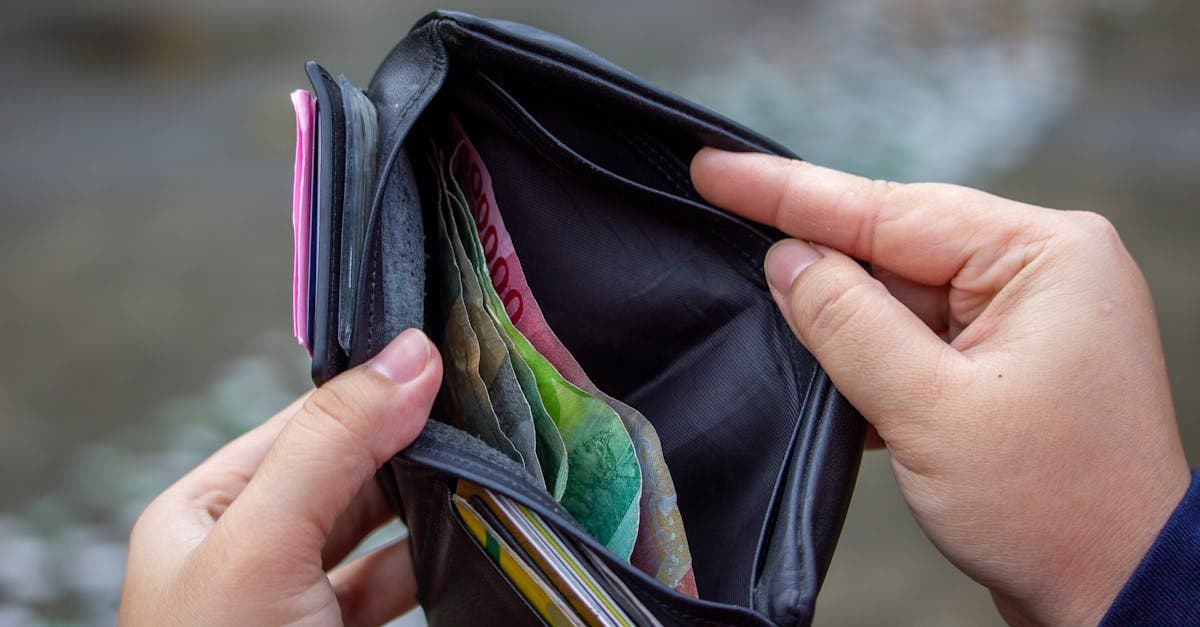
Japan's most significant currency update in two decades arrived in July 2024 boj.or.jp. The new ¥10,000 note features Shibusawa Eiichi, a Meiji-era industrialist who founded some of Japan's earliest banks and joint-stock companies, replacing Fukuzawa Yukichi on the face.
Do old notes still work?
Yes, indefinitely. Old and new notes remain legal tender with no expiry date or conversion deadline. ATMs, shops, and vending machines accept both without distinction.
Holographic security strips have been updated across all redesigned denominations. The new portraits look unfamiliar at first; after a day of transactions, the new notes feel entirely routine.
Both designs spend identically. The exchange rate they convert at shapes your Japan budget far more than the face they carry.
Japan Currency Exchange Rate for Indian Travelers in 2026
! [Indian rupee coins resting on banknotes, representing the INR to japan currency exchange rate in 2026
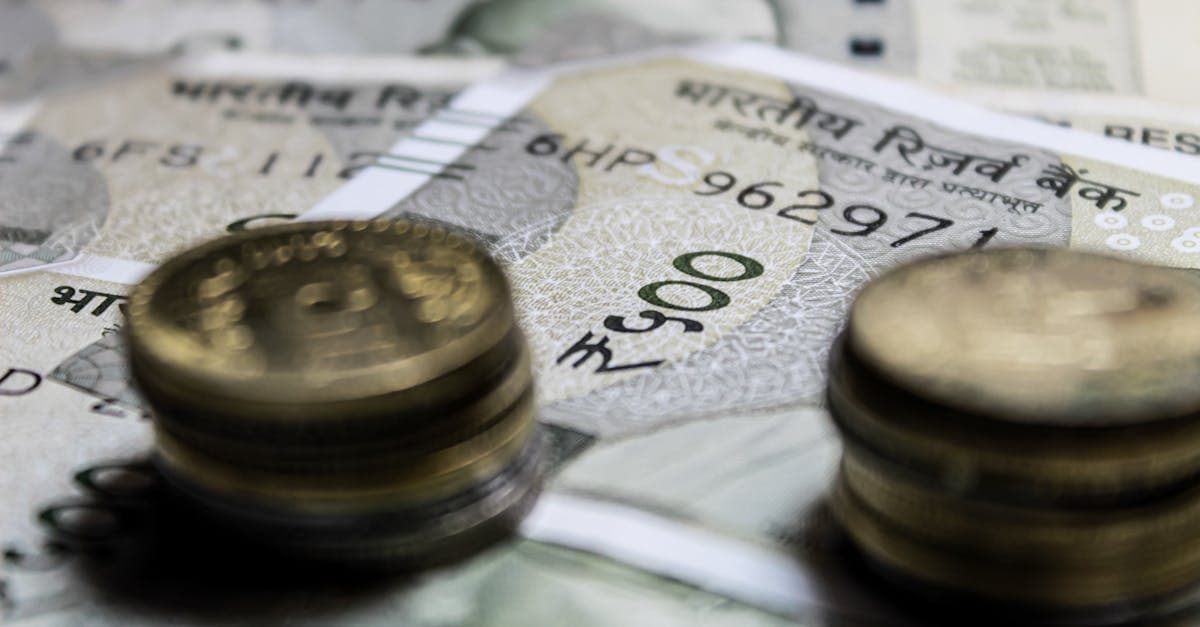
The JPY/INR exchange rate as of 2026 sits at approximately ₹55 to ₹57 per 100 yen at mid-market, dropping to ₹52 to ₹54 at bank counters and airport kiosks wise.com. That gap between the benchmark and the retail rate is how banks, kiosks, and airport desks make their margin, quietly and consistently.
Japan has been unusually affordable for Indian travelers since 2022. The Bank of Japan held rates near zero for decades, then began hiking in 2024; the yen partially recovered from a 34-year low against the dollar but remains weaker than its pre-2022 level. That's a genuine structural advantage for rupee holders right now. The weak yen isn't a travel blogger talking point. It's arithmetic.
Here's how the main exchange channels compare:
The spread between the top and bottom of that table runs to thousands of rupees on any meaningful withdrawal. Rates move daily; always verify the live benchmark at XE.com's currency converter before you exchange. Exact rupee amounts help you plan your daily budget.
How Much Is 1 Rs to 1 Yen?
! [Close-up of foreign currency banknotes illustrating how to compare Indian rupee value against japan currency
One Indian rupee buys roughly 1.75 to 1.92 yen at the mid-market rate as of early 2026 xe.com. After retail margins at a bank or authorised dealer, the realistic yield drops to closer to 1.65 to 1.75 yen per rupee.
Most travelers check how many rupees a yen costs. Fewer check the inverse: how many yen their rupees actually buy at the counter. That number is what your cash in Japan runs on.
Rates shift daily. The Reserve Bank of India and the Bank of Japan both influence this cross-rate, and any change in either central bank's policy stance reaches retail markets within hours. A rate available on Wednesday may not hold by the weekend.
Consider two practical steps before exchanging. First, check the live mid-market rate on live JPY/INR rate on XE.com or Google Finance immediately before any transaction. Second, loading a forex card before departure lets you fix a favourable rate in advance, removing the daily volatility from the equation entirely. For a 10-day trip with significant cash needs, a locked-in rate on a well-loaded forex card consistently beats the walk-in bank rate.
Larger amounts matter more for trip budgeting.
How Much Is 1000 Rs in Japan?
! [Woman at a currency exchange counter checking rates, calculating how much 1000 rupees converts to in Japan
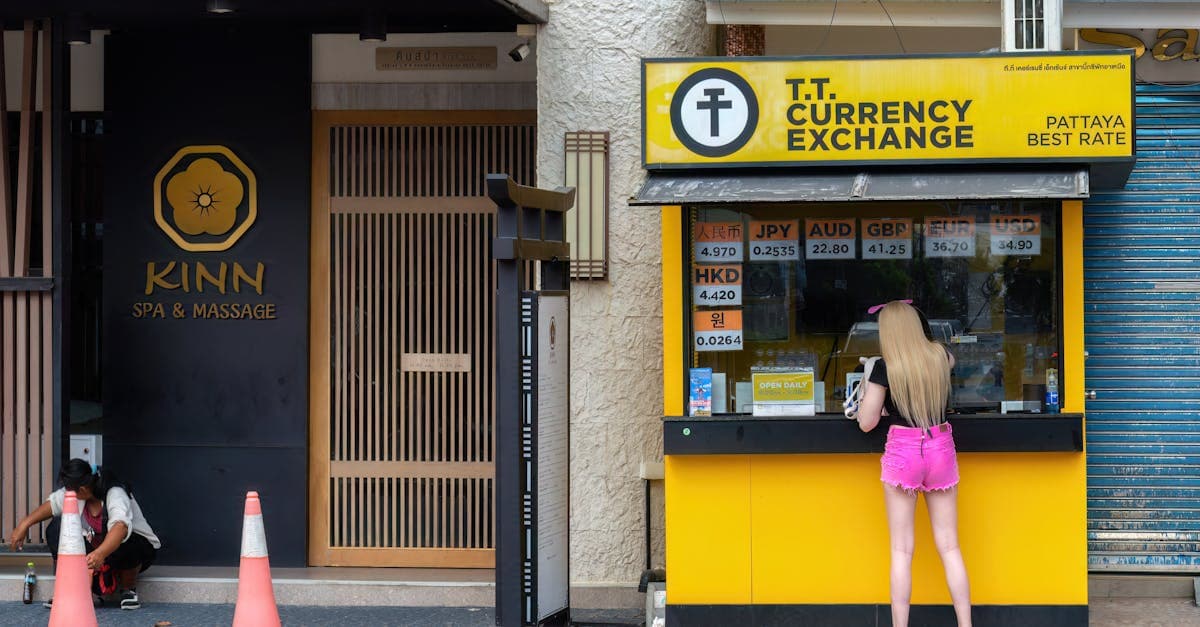
₹1,000 buys roughly 1,750 to 1,920 yen at mid-market rates wise.com. After exchange fees at a bank or authorised dealer, expect closer to 1,650 to 1,750 yen in hand.
That range covers a sit-down ramen meal plus a few items from a convenience store. It won't stretch to a hotel breakfast buffet, but it handles a working lunch without difficulty.
Japan is not expensive by European standards.
For quick mental arithmetic: ₹100 gets you approximately 175 to 192 yen at mid-market, somewhat less after fees. Japanese vending machines, coin lockers at train stations, and most temple entry fees operate on exactly these small denominations. Running low on small change in Kyoto feels different from running low in, say, Paris; Japan's cash-dependent economy means ¥10 and ¥100 coins do genuine daily work.
What your rupees convert to is only half the equation. Where you actually exchange them determines how many yen you walk away with.
Where to Exchange Japan Currency Before and After You Land
! [Busy currency exchange booth displaying conversion rates, showing where to exchange japan currency abroad
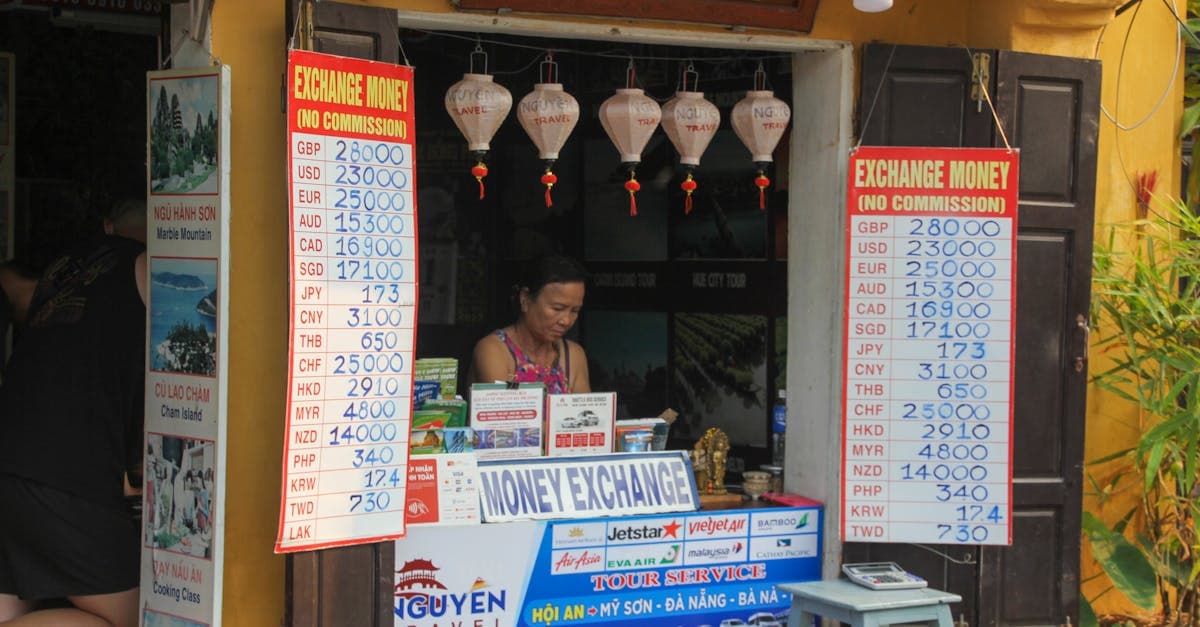
The single most expensive mistake Indian travelers make is exchanging rupees at the airport. Kiosks at Indira Gandhi International, Chhatrapati Shivaji Maharaj International, and Kempegowda International Airport charge the widest margins in the entire exchange chain. They rely on urgency, and urgency costs money.
Step 1: Sort your yen before you leave India
Authorised forex dealers legally exchange INR to JPY at competitive rates. Thomas Cook and BookMyForex are two reliable options; BookMyForex allows you to lock in a rate online, then collect cash at a branch or request home delivery. Allow at least three to four working days before your departure date. Ordering ahead also means you board with yen already in your wallet, which matters the moment you need a taxi or train ticket at Narita or Haneda.
Step 2: Know which ATMs work in Japan
Most standard Japanese bank ATMs decline foreign-issued cards without any explanation. Three networks reliably accept international cards:
- 7-Bank ATMs (inside every 7-Eleven): 24-hour access, English interface, Visa and Mastercard accepted.
- Japan Post Bank ATMs: Available in post offices and some 7-Eleven locations; 24-hour access in most cities.
- Aeon Bank ATMs: Inside Aeon malls across Japan; accept major international networks.
Stick to these three. Every other option is genuinely unreliable for foreign cardholders.
Step 3: Avoid tourist-zone exchange counters in Japan
Currency exchange booths in Shinjuku, Asakusa, and near Kyoto's Gion district carry some of the worst rates in the country. Foot traffic and location convenience justify their margins, not pricing integrity. If you've run low on cash in a tourist area, the Japan Post Bank ATM network is a far better alternative, even if it means a short walk.
On legal limits: RBI permits Indian residents to remit up to USD 250,000 equivalent per financial year for international travel under the Liberalised Remittance Scheme. A typical two-week Japan itinerary sits well within that ceiling for most travelers.
Once you've exchanged your yen, the next trap is spending it the wrong way. Dynamic currency conversion at restaurants and shops can quietly undo every rupee you saved at the ATM.
Cash, Cards, and IC Cards: Japan Currency on the Ground
! [Commuters passing through ticket gates at a crowded Tokyo subway station using IC cards and cash
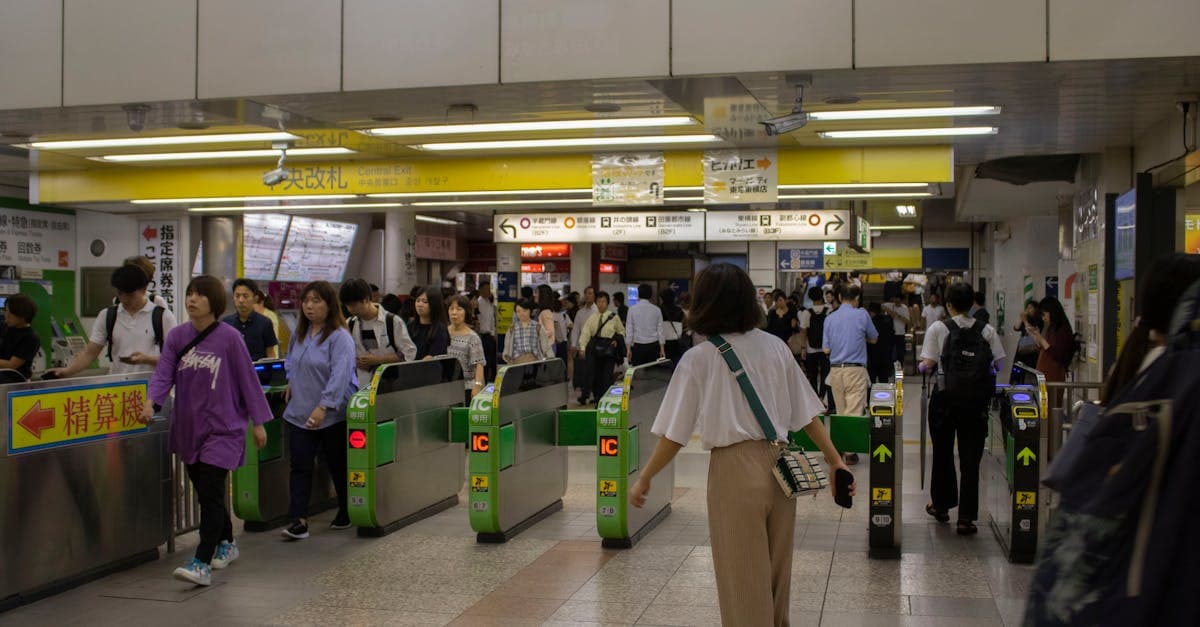
Cash still dominates the majority of Japan's retail transactions by volume. The cashless adoption rate cited earlier in this guide gives you the headline; the ground reality is harder. Temples, neighbourhood izakayas, rural ryokans, and small ramen counters operate without card readers as a matter of course, not exception.
The myth that stings travellers: Japan is modernising fast, so you can travel light on cash. You can't. Not if your itinerary includes anything beyond a major urban shopping district.
UPI doesn't work in Japan. No merchant, kiosk, or vending machine processes it. For Indian travellers who reach for a phone instead of a wallet at home, this requires a genuine mental reset before you land at Narita or Kansai International.
IC cards are the practical workaround for transit and daily spending. Suica (issued by JR East) and Pasmo (Tokyo's transit operator card) work across rail, bus, and most convenience stores nationwide. Load one at any station ticket machine; foreign Visa and Mastercard are accepted. A topped-up Suica also pays at FamilyMart, Lawson, and 7-Eleven counters without issue, removing the constant friction of handling coins for minor purchases.
QR payments like PayPay have expanded quickly in Tokyo's commercial strips and Osaka's shopping zones. Some tourists link international Visa cards to a PayPay account. Coverage is improving but uneven: reliable at a chain restaurant in Shinjuku, absent at a machiya guesthouse outside central Kyoto.
Carry a grounded cash buffer regardless of how digital your itinerary looks on paper. Add extra for any day that includes rural travel or back-to-back temple visits. One hidden fee quietly drains your budget at card terminals before you've tallied your spend.
Avoiding Dynamic Currency Conversion Fees in Japan
! [Colourful banknotes from multiple countries arranged in a row, highlighting foreign currency fees when spending in Japan
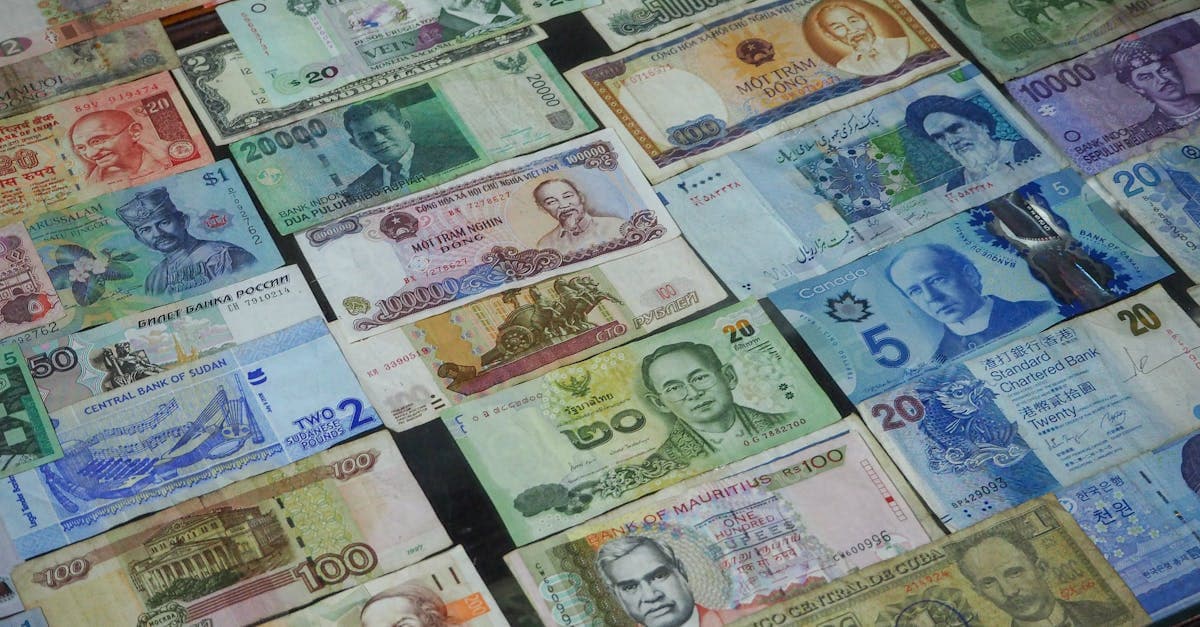
Always pay in yen at card terminals. Dynamic currency conversion (DCC) is an optional service that adds 3 to 5 percent to your transaction by converting your yen charge into Indian rupees on the spot, using the acquiring bank's own rate, not the mid-market one.
The machine will ask directly: pay in Japanese yen, or in your home currency? Choose yen. No exceptions.
Choosing rupees feels like a helpful shortcut. It isn't. The rate embedded in DCC sits several points above the mid-market rate, and that margin benefits the merchant's bank, not your wallet.
Before you fly, call your Indian bank and register your Japan travel dates. Unnotified international transactions trigger fraud flags routinely. A blocked card at a Tokyo konbini at midnight is a concrete problem, not a minor inconvenience.
Smart spending starts with a realistic daily budget.
How Much Japan Currency Should You Carry Per Day?
Daily cash requirements divide cleanly by trip style. Budget travellers covering hostel accommodation, convenience store meals, and local noodle shops need roughly five to eight thousand yen per day; the trade-off is skipping most paid attractions and sit-down restaurants. Mid-range travellers eating at proper restaurants and visiting castles should plan for ten to fifteen thousand yen. Beyond twenty thousand yen per day sits comfortable luxury territory: kaiseki dinners, taxis between sights, high-end ryokan stays.
Tokyo runs higher than regional cities across the board. Osaka, Kyoto, and Hiroshima offer lower transit and food costs, which shifts your daily floor down meaningfully on non-Tokyo legs of the trip.
IC card loading: Top up your Suica or Pasmo with two to three thousand yen before each day. That covers most transit without fumbling for coins at every ticket gate.
Temple and shrine entry fees typically cluster in the five hundred to one thousand yen range per site. Budget three or four paid entries on any Kyoto day-trip as a separate line item; they accumulate quietly.
The practical approach: withdraw enough for two full days when you find a working ATM. 7-Eleven ATMs across Japan accept foreign cards reliably, but queues run long on Saturday mornings in tourist-heavy areas. Planning two days ahead removes that pressure entirely.
Budgeting is easier when you have live data in your pocket.
Staying Connected in Japan for Real-Time Currency Management
A Japan travel eSIM is the most cost-effective connectivity option for Indian travelers, replacing expensive carrier roaming plans with local-rate data from the moment you land. Mobile data handles the practical demands of currency management throughout the trip: live rate checks on XE.com, banking OTPs for international card transactions, and navigation between cities without depending on hotel Wi-Fi.
The cost of staying connected matters here. Jio and Airtel Japan roaming packs can cost upwards of Rs 25,000 for a ten-day trip. That's a tangible budget line before a single yen changes hands. Carrier roaming pricing is structured for occasional use, not for the sustained daily data demands that navigating a foreign country actually requires.
A Japan travel eSIM runs on local network rates instead. HelloRoam's Japan eSIM starts at ~$3.49 for 1GB over 7 days, with coverage on KDDI/au's 5G network and NTT Docomo's 4G network. For a traveller checking exchange rates, running Maps, and keeping a banking app live for transaction alerts, that allocation handles several days of moderate use comfortably.
Picture this: you've just joined the queue at a 7-Bank ATM in Shinjuku, ready to withdraw yen for the next two days, when your Indian bank fires an OTP to confirm the transaction. No data means no OTP, no yen, and a queue forming behind you. A pre-loaded eSIM handles that moment before it becomes a problem.
The dual SIM approach suits Indian travellers particularly well: keep your Jio or Airtel physical SIM active for incoming calls and your Indian number, use the eSIM exclusively for data. Setup takes roughly two minutes by scanning a QR code, and it can be completed before boarding at IGI or Chhatrapati Shivaji Maharaj International.
For live yen rates throughout your Japan trip without carrier roaming bills, the eSIM for Japan is the straightforward call.
Reviewed by HelloRoam's editorial team. Last updated: 10 April 2026.
Get Connected Before You Go


Frequently Asked Questions
Japan's official currency is the Japanese yen, abbreviated as JPY and symbolised as ¥. It was introduced in 1871 under Meiji-era economic reforms that replaced a fragmented feudal monetary system. The word 'en' means round object in Japanese, referencing the circular coins that preceded the decimal system.
One Indian rupee buys roughly 1.75 to 1.92 yen at the mid-market rate as of early 2026. After retail margins at a bank or authorised dealer, the realistic yield drops to closer to 1.65 to 1.75 yen per rupee. Rates shift daily based on central bank policy from both the Reserve Bank of India and the Bank of Japan.
₹1,000 buys roughly 1,750 to 1,920 yen at mid-market rates as of 2026. After exchange fees at a bank or authorised dealer, expect closer to 1,650 to 1,750 yen in hand. That amount is enough to cover a sit-down ramen meal plus a few items from a convenience store.
₹100 converts to approximately 175 to 192 yen at mid-market rates, somewhat less after exchange fees. This is a useful denomination to keep in mind for Japanese vending machines, coin lockers at train stations, and most temple entry fees, which commonly operate on small yen denominations.
Japan issues six coin denominations: 1, 5, 10, 50, 100, and 500 yen. There are four banknote denominations: ¥1,000, ¥2,000, ¥5,000, and ¥10,000. The ¥2,000 note is rarely seen in daily circulation, so most practical spending happens across three banknotes and the coin set.
Yes, old and new yen notes are both legal tender with no expiry date or conversion deadline. Japan updated its banknote designs in July 2024, but ATMs, shops, and vending machines accept both old and new notes without distinction. Both designs convert at the same exchange rate.
Yes, Japan's cashless payment ratio reached only around 39% in 2023, meaning the majority of daily retail transactions still occur in physical yen. Temples, rural restaurants, neighbourhood shops, smaller ryokans, and many izakayas accept cash only. Indian travellers should budget at least ¥5,000 to ¥10,000 in cash per day.
Authorised forex dealers in India offer the most competitive rates for converting rupees to yen. You can lock in a rate online and collect cash at a branch or arrange home delivery, but allow at least three to four working days before departure. Airport kiosks in both India and Japan charge the widest margins and should be used only for emergency cash.
Three ATM networks reliably accept international cards in Japan: 7-Bank ATMs inside every 7-Eleven store, Japan Post Bank ATMs at post offices and some 7-Eleven locations, and Aeon Bank ATMs inside Aeon malls. Most standard Japanese bank ATMs decline foreign-issued cards without explanation, so sticking to these three networks is strongly recommended.
Yes, airport kiosks in both India and Japan charge the widest margins in the entire exchange chain and should be reserved for emergencies only. They rely on traveller urgency to justify poor rates. Exchanging through an authorised forex dealer in India before departure consistently yields significantly more yen per rupee.
Japan has been considerably more affordable for Indian travellers since 2022, when the Bank of Japan held interest rates near zero while other central banks raised theirs, driving the yen to a 34-year low. Although the yen partially recovered after Bank of Japan rate hikes in 2024, it remains weaker than its pre-2022 level, giving rupee holders a genuine structural pricing advantage.
At mid-market rates in 2026, approximately ₹55 to ₹57 equals 100 yen. At bank counters and airport kiosks, the rate drops to ₹52 to ₹54 per 100 yen. The spread between the best and worst exchange channels can amount to thousands of rupees on a typical travel cash withdrawal.
The Reserve Bank of India permits Indian residents to remit up to USD 250,000 equivalent per financial year for international travel under the Liberalised Remittance Scheme. A typical two-week Japan itinerary sits well within that ceiling for most travellers.
Loading a forex card before departure lets you lock in a favourable exchange rate in advance, removing daily currency volatility from your trip budget. For a 10-day trip with significant cash needs, a locked-in rate on a well-loaded forex card consistently beats the walk-in bank rate available on the day of exchange.
In July 2024, Japan released its most significant currency update in two decades. The new ¥10,000 note replaced the longtime portrait of Fukuzawa Yukichi with Shibusawa Eiichi, a Meiji-era industrialist and banking pioneer. All redesigned denominations also feature updated holographic security strips, though old notes remain fully valid.
Sources
- en.wikipedia.org — en.wikipedia.org
- 1 JPY to INR - Convert Japanese Yen to Indian Rupees — xe.com
- Japanese yen to Indian rupees today — wise.com
- Bank of Japan Notes and Coins Currently Issued — boj.or.jp
- Japanese Yen Currency — oanda.com
- What is the Currency in Japan? | Travel Guide — travelex.co.uk
- Japanese Yen - Quote - Chart - Historical Data - News — tradingeconomics.com
- 1 JPY to INR: Convert Japanese Yen to Indian Rupees — revolut.com