Table of content
Quick Answer: best time to visit bali

The best time to visit Bali falls between April and October. The dry season delivers consistent sunshine, manageable humidity, and far fewer afternoon downpours than the monsoon months bring. April, May, and September are the most careful choice within that window: weather holds firm, prices sit below the July-August ceiling, and the beaches aren't overwhelmed by peak-season crowds.
Bali's sea temperature stays at 27 to 29 degrees Celsius throughout the year, so the ocean is reliably swimmable in any month bali.com. Rain, crowds, and cost are the variables that actually matter.
For Indian travellers, May deserves particular attention. School holidays align directly with dry-season conditions, and flights from Delhi and Mumbai cost considerably less than during the July-August peak.
Sorting out connectivity before you fly is practical: an eSIM for Indonesia-indonesia) through HelloRoam runs on Telkomsel's 5G network and XL's 4G coverage across the island, so you arrive at Ngurah Rai Airport with data already active rather than hunting for a SIM card counter.
The dry season spans April through October, and every month within it presents a different trade-off between weather quality, crowd density, and price.
July and August attract the highest tourist volumes. August records only around 25mm of rain across the entire month, with 3 to 5 rainy days bali.com. That kind of reliability draws visitors from Australia and Europe in numbers that fill Seminyak guesthouses weeks ahead. Round-trip flights from Indian cities during this peak window can reach ₹35,000 or more, compared to around ₹18,000 to ₹30,000 in shoulder months skyscanner.co.in.
Peak August. Every beach club at capacity.
Key fact: HelloRoam offers an Indonesia eSIM from ~$3.49 for 2GB on Telkomsel (5G) and XL (4G) networks.
For Indian travellers managing a per-trip budget, sorting data costs before departure removes one variable from the arrival checklist. HelloRoam's Indonesia plans start from that rate, with coverage on networks that reach Kuta, Ubud, and Seminyak.
April, May, and September are the more considered option. Temperatures hold around 31 degrees Celsius, rainfall stays minimal, and hotel rates sit well below peak levels. May specifically aligns Indian summer school holidays with dry-season conditions, while September offers comparable weather once the European summer crowd has cleared.
The wet season makes a stronger case for itself than most travel guides acknowledge.
When to Visit Bali: Dry Season vs Wet Season Explained
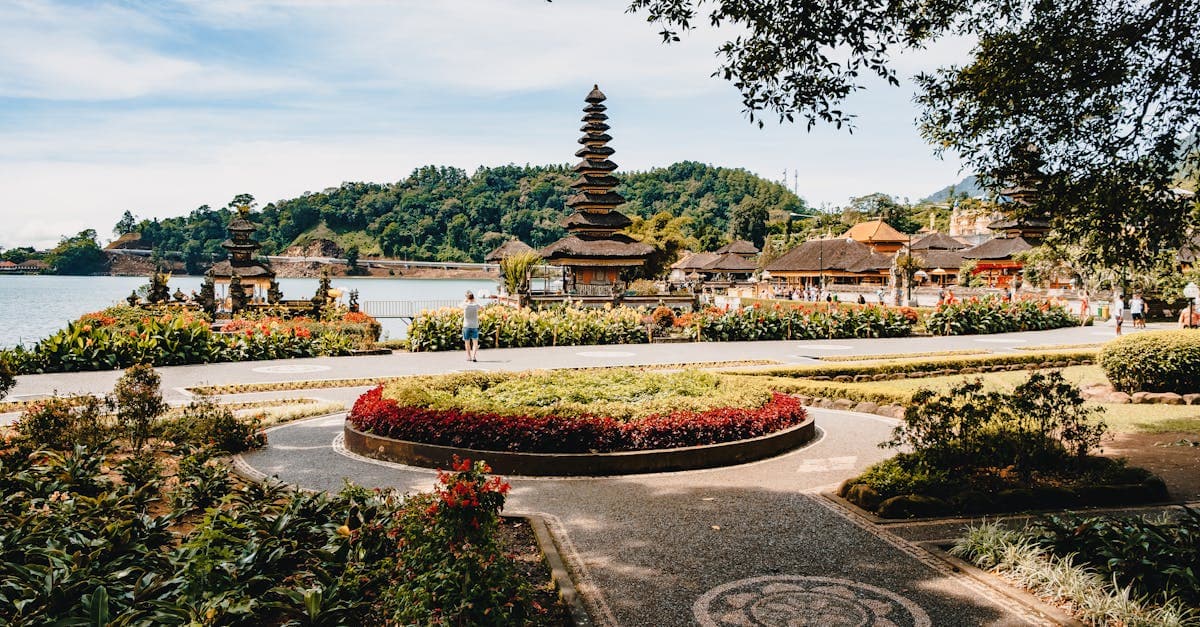
Bali has two distinct seasons: dry from April through October, wet from November through March. What each actually delivers on the ground is more nuanced than that clean division suggests.
The dry season gives visitors the Bali they picture: clear mornings at Tanah Lot, low-humidity evenings in Ubud, and the kind of reliable sunshine that makes consecutive days of beach visits and temple stops practical. Tourism peaks in step with the weather. Accommodation fills earlier, prices climb in line with demand, and popular sites carry the density of a destination running at full capacity. For most travellers deciding on the best time to visit Bali, this season answers the question most simply.
The wet season gets a worse reputation than it earns. Afternoon showers arrive on a predictable schedule, typically lasting one to two hours, leaving mornings clear and evenings dry.
The rice terraces in Tegallalang turn deeper green. The waterfalls near Munduk run at full volume.
Prices drop. Crowds thin. Morning visits to Pura Besakih are quieter than any day in July.
The ocean barely shifts across either season. Sea temperature stays consistently warm throughout the year, making Bali one of those rare destinations where the water is never the reason to rule out a particular month bali.com.
Each month within these seasons tells its own story.
April to October: Bali's Dry Season Month by Month
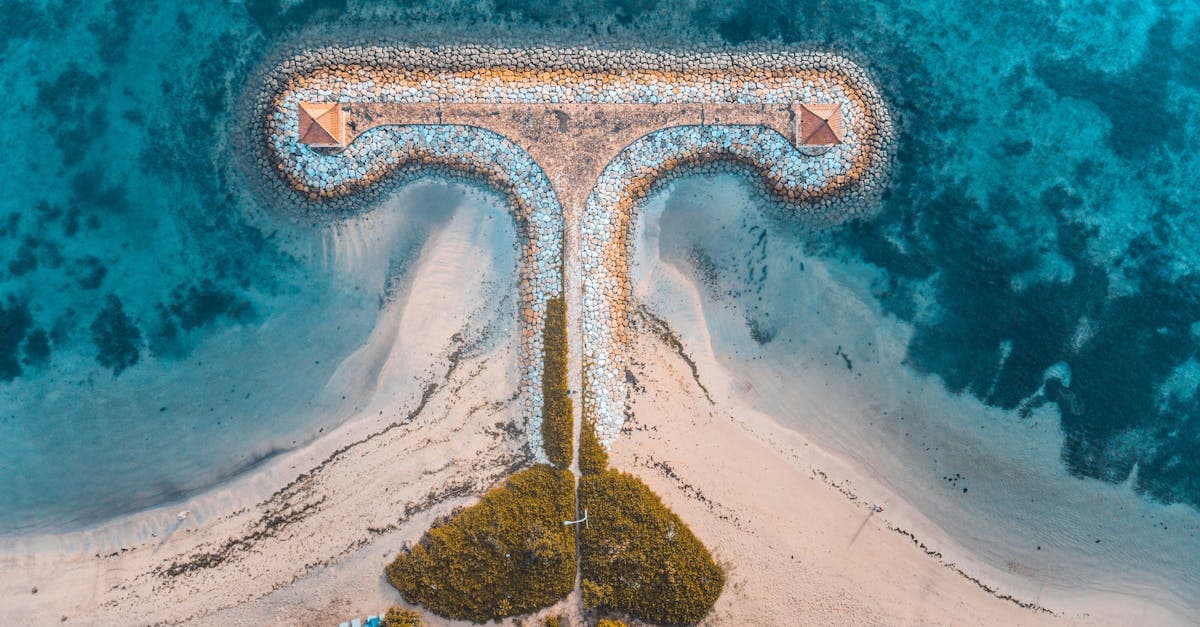
The dry season is what most travel searches mean when they point to the best time to visit Bali, and the month-by-month breakdown explains why that window spans seven months rather than two or three. According to makemytrip.com, April through September constitutes the peak travel season, with each month offering its own character. Choosing well within it makes a real difference.
Underwater conditions improve across the entire dry window. Visibility at sites like Tulamben and Nusa Penida runs between 15 and 30 metres from May through October, making the dry season as worthwhile for diving as for beach time.
June deserves more attention than it typically receives. The Bali Arts Festival runs from 13 June to 11 July 2026 at Taman Budaya in Denpasar, with daily performances of dance, music, and traditional craft. Arriving in early June gives you the festival atmosphere with considerably lower crowd density than mid-July.
August carries a specific appeal for Indian travellers in 2026. Galungan falls on 5 August, when bamboo penjor poles line every road and temple prayers run through the day. For Hindu travellers from India, witnessing Balinese ceremonies during the driest month of the year is a travel window that doesn't repeat on the same schedule every year.
September and October are underrated months.
The wet season is more nuanced than its reputation suggests.
November to March: What the Wet Season Actually Looks Like
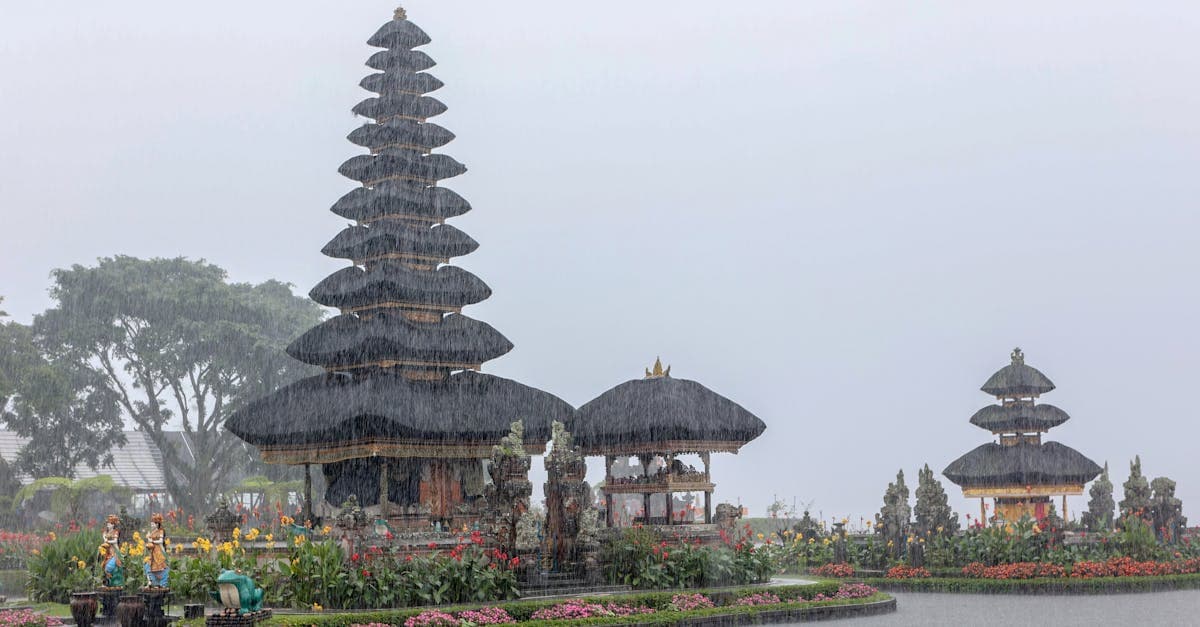
The wet season in Bali doesn't behave the way most travel guides imply. Rain arrives as short, concentrated downpours, most clearing well within the hour and rarely stretching past two, leaving mornings across November through March usually bright and dry. Temple visits, rice terrace walks, and open-air markets remain accessible for the better part of each day.
The all-day-rain assumption is the biggest misconception about low-season Bali.
January and February bring the quietest conditions on the island. Visitor numbers are at their annual floor. Hotels drop to 30 to 50 per cent below the July-August peak, and popular sites like Tegallalang and Tanah Lot are actually manageable without predawn arrival tactics skyscanner.co.in. The landscape, fed by weeks of afternoon rain, is a particular shade of green that the dry months can't replicate.
One practical concern deserves honest mention: dengue fever risk is meaningfully higher during wet season than dry. Standing water after afternoon downpours increases mosquito activity. Pack insect repellent and apply it each evening, especially in open-plan villa accommodation surrounded by garden.
March 19, 2026 is Nyepi, Bali's Day of Silence. For 24 hours, the airport closes, vehicles stop, and the island observes complete stillness. Travellers who stay through Nyepi consistently describe it as one of the more extraordinary experiences available in Southeast Asia. Arriving on March 18 to catch the Ogoh-Ogoh procession first makes the sequence even more worthwhile.
Not every traveller needs the same conditions for a great trip.
Best Time to Visit Bali for Your Travel Style
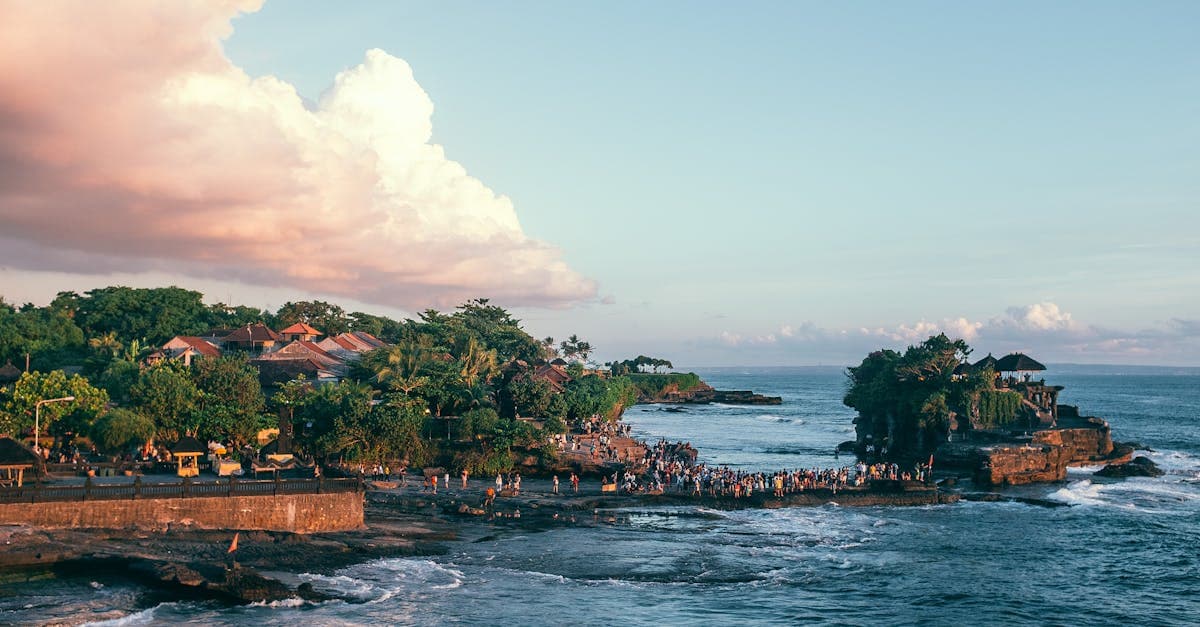
The best time to visit Bali shifts depending on your travel priorities. The optimal month for a honeymoon looks nothing like the optimal month for a surf trip, and budget priorities push the calendar in a different direction entirely. Honeymooners and couples do best from April through June, surfers need the June to August swell window, families fit neatly into May, and budget travellers should target February or March. Digital nomads and post-Diwali travellers have additional windows worth knowing about.
Honeymooners: April to June. April in Seminyak. The infinity pool to yourselves before ten in the morning, the kind of quiet that July simply doesn't offer. Beaches in Seminyak and Nusa Dua are uncrowded, private villa rates haven't reached their peak, and the landscape after the tail end of wet season stays genuinely lush. This window delivers dry weather, genuine calm, and prices well below high season, without the crowds that stack up once European and Australian summer holidays begin.
Budget travellers: February and March. February. A private villa in Seminyak at half the August rate, and the beach quieter than most photos would suggest. These are the cheapest months on the calendar: the trade-off is honest: afternoon rain most days, elevated dengue risk, and inconsistent west-coast surf. Travellers who build itineraries around morning activities find the savings significant skyscanner.co.in.
Surfers: June to August. Uluwatu, Padang Padang, and the Bukit Peninsula breaks respond to southwest swells that peak in this window. Outside these months, waves exist but consistency drops sharply. If surf is the primary reason for the trip, this is the only period worth building around.
Families: May and early June. The sweet spot between dry-season weather and the price surge that arrives once Australian and European school holidays stack up in July. Family-oriented resorts in Nusa Dua and Sanur are well-stocked and uncrowded at this point.
Digital nomads: May to September. Reliable dry weather throughout, and coworking spaces in Canggu and Ubud operate year-round. The wet season occasionally brings power interruptions during heavy storms; May to September avoids most of that disruption.
Diwali travellers: October. Underrated on the Indian travel circuit. The wet season has barely established itself, hotel occupancy sits well below the July peak, and fares from India are moderate rather than high. For travellers with a post-Diwali break to use, October is worth the consideration it rarely gets.
Indian summer holidays in May align with some of the best-value shoulder-season dates the island offers. Flights drop toward the lower end of the off-peak fare range noted in earlier sections, while weather holds reliably dry.
Bali's cultural calendar adds another layer to picking your dates.
Bali Festival Calendar 2026: Plan Your Trip Around These Dates
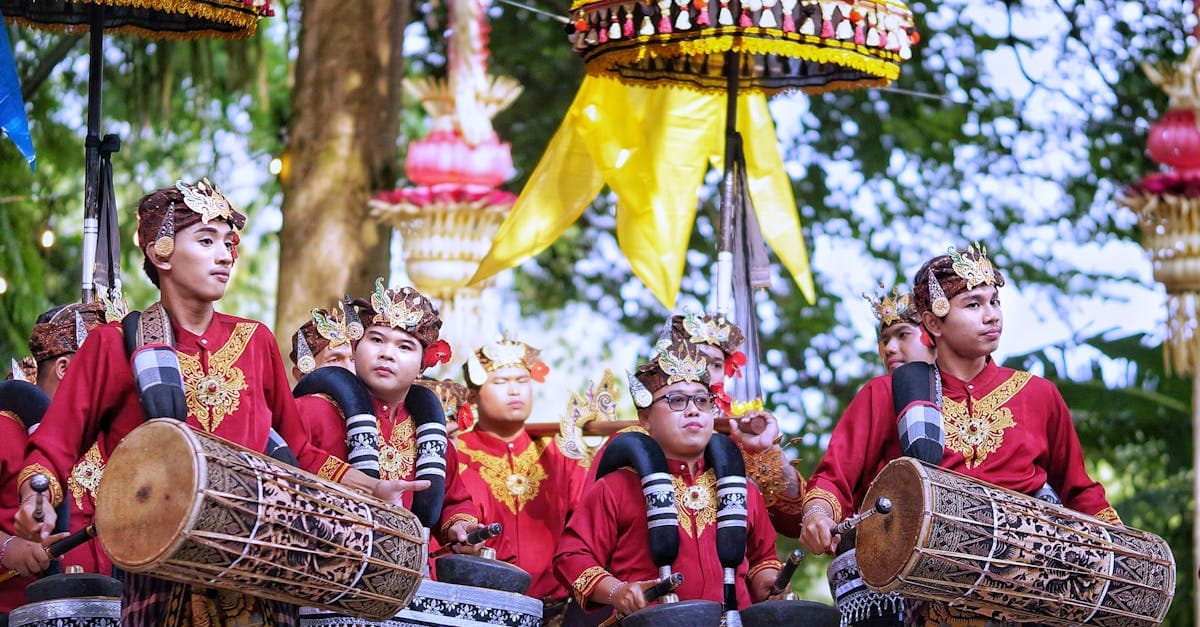
Bali's Hindu calendar is dense with ceremony, and 2026 is a particularly layered year. Several major events fall within the dry-season window, meaning cultural depth and good weather coincide more neatly than they do in most years. A few dates require careful planning rather than just awareness.
Galungan: January 7 and August 5. The most visually striking of Bali's recurring festivals. Bamboo penjor poles line every road, elaborately decorated with palm leaves and offerings. The August date sits in the driest, clearest month of the year. The combination of festival atmosphere and reliable sunshine makes this a genuinely compelling travel reason on its own.
Ogoh-Ogoh procession: March 18. The evening before Nyepi, giant papier-mache demon effigies are paraded through the streets and burned, intended to cleanse the island before the Balinese new year. Denpasar and Ubud run particularly elaborate versions. Loud, visually overwhelming, and unlike anything in the standard tourist itinerary.
Nyepi, Day of Silence: March 19. The entire island observes 24 hours of complete stillness. No traffic, no flights, no movement outside hotel grounds. For 2026, a scheduling detail worth noting: Eid al-Fitr falls on March 20-21, meaning the airport reopens to significant traffic the following morning. Book your arrival and departure flights around this transition point carefully.
Bali Spirit Festival: March to April. A yoga, dance, and world music gathering centred in Ubud that draws an international wellness crowd. Accommodation in Ubud books out weeks in advance; if this appeals, plan early.
Bali Arts Festival: June 13 to July 11. As noted in the dry-season breakdown earlier, this month-long programme of daily dance, music, and craft performances at Taman Budaya in Denpasar coincides with peak crowds and prices.
Kuningan: August 15. Morning temple ceremonies across the island, ten days after the August Galungan date. The smaller neighbourhood puras see the most considered observance, away from the larger tourist-facing temples.
Now the question most Indian travellers ask first: what does it cost?
What Is the Cheapest Time to Go to Bali?
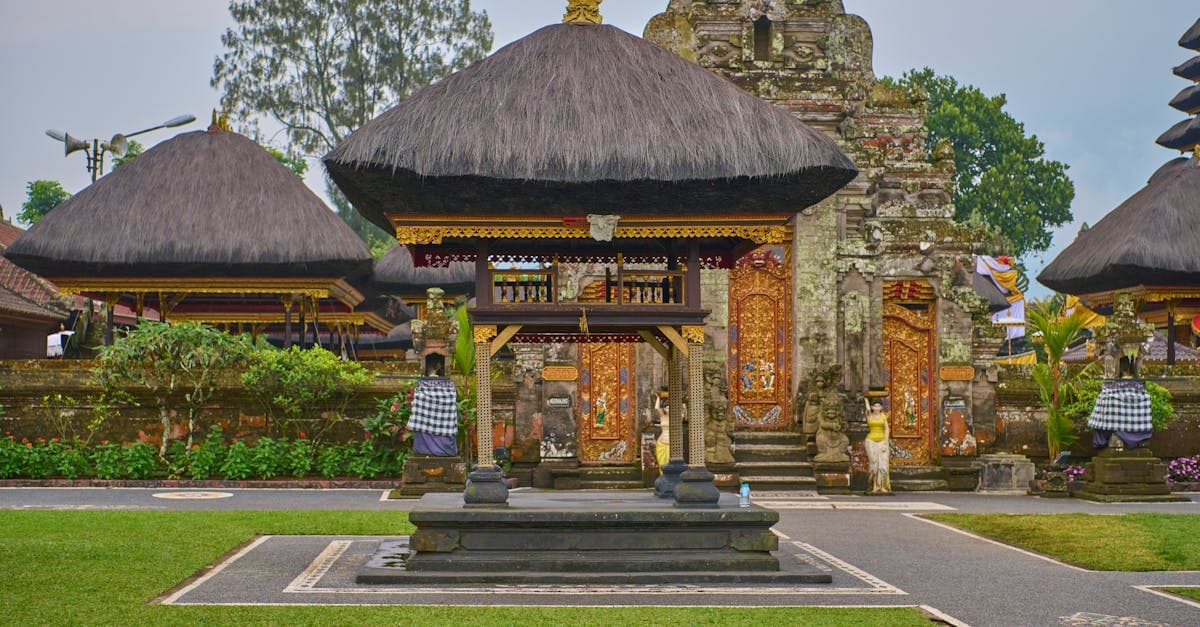
February and March are the cheapest months to visit Bali. Hotel prices fall to the discount level described in the wet-season section above, flights from Indian airports hit their lowest published fares, and popular sites lose much of their usual congestion thomascook.in. The trade-off is real and worth stating plainly.
Afternoon rain arrives reliably most days, dengue risk is elevated relative to June-August, and west-coast surf is inconsistent. Travellers comfortable adapting their day around weather windows find these months entirely workable. Travellers who need guaranteed outdoor time every afternoon do not.
May is the strongest budget option within the dry season. The first three weeks sit in a pricing gap between low season and the school-holiday surge: dry weather, quieter beaches, and hotel rates that haven't climbed to June levels yet. For Indian travellers who've missed the summer window, May offers the most careful dry-season value on the calendar.
October after Diwali is consistently underused by Indian travellers. The wet season has barely established itself, hotel occupancy sits well below the July peak, and fares from India are moderate rather than at their highest. A practical option for anyone with leave remaining after the festive period.
Avoid December. Full stop. Christmas and New Year push prices back toward peak levels despite December sitting squarely in wet season. International holiday traffic and school breaks inflate flights, villa rates, and beach clubs simultaneously. You pay peak prices for rainy afternoons.
The value calendar in brief: February for lowest overall cost, May for the best dry-season rate, October for a post-Diwali balance of weather and price. December is the one month the budget arithmetic consistently fails to work.
Rain is the main practical concern for any budget-season trip to Bali.
What Is the Rainy Season in Bali?

Bali's rainy season runs from November through March. January is the wettest month, bringing 300 to 350mm of rainfall across 20 to 22 rainy days bali.com. That sounds formidable on paper.
The reality is considerably more layered than a rainfall chart suggests. Showers arrive in the afternoon and typically clear before evening, leaving the rest of each day workable. Travelers who schedule temple visits, rice terrace walks, and market trips before midday find the wet season disrupts far less than expected.
Geography shapes the experience significantly. Ubud and Bali's central highlands receive substantially more rain than coastal Seminyak or Nusa Dua. A sodden afternoon in the hills looks quite different from the same afternoon on a beach in Kuta. This distinction matters when planning a mixed itinerary.
Two health considerations deserve honest attention. Dengue fever cases rise during and after the wet season, as standing water creates breeding conditions for the Aedes mosquito. Localised flooding also occurs in low-lying areas after sustained downpours. Checking advisories from Indonesia's meteorological agency (BMKG) before travel is a practical precaution, not overcaution.
The detail that surprises most first-time visitors: the ocean stays warm year-round. Snorkelling off Amed and swimming at Padang Padang beach remain entirely viable in January. The water temperature doesn't follow the calendar.
Before booking any particular month, one practical detail matters more than weather forecasts.
Staying Connected in Bali: Mobile Data and eSIM Options
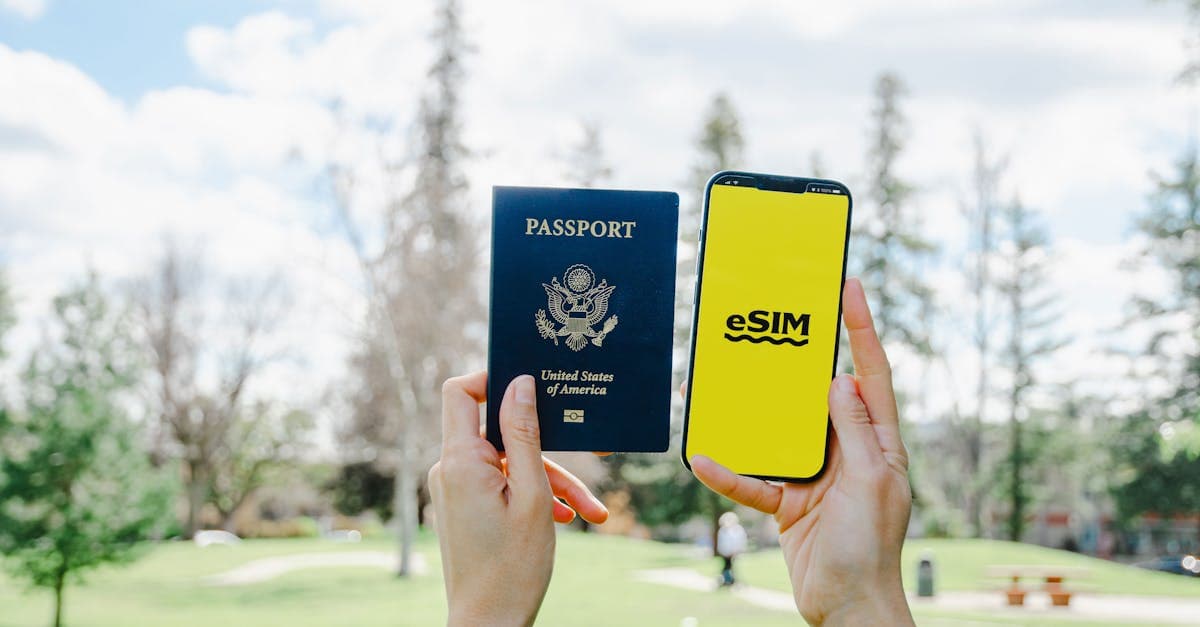
Bali travellers have three main connectivity options: international carrier roaming, a local Indonesian SIM card, or an eSIM activated before departure. International roaming from Indian carriers typically costs Rs 500 to Rs 1,500 per day depending on the plan and data allowance. Over a seven-night stay, that figure compounds quickly.
Coverage across the island
Bali has reliable 4G LTE across its main tourist zones. Seminyak, Kuta, Nusa Dua, and central Ubud all deliver solid speeds for maps, messaging, and accommodation bookings. Coverage thins in the island's rural interior and parts of Nusa Penida, where signal can drop noticeably on the eastern coast.
Local SIM cards
SIM cards from Telkomsel (which also offers 5G in parts of Denpasar and Kuta) and XL are available at Ngurah Rai International Airport. Prices are low. Indonesian law requires passport registration at the point of purchase, and queues at the airport counter lengthen considerably after peak-hour arrivals. Once registered, local SIMs offer strong value for a week or longer.
eSIM as an alternative
An eSIM activates before boarding. Navigation apps, hotel confirmations, and ride-hailing services work the moment you land, no counter required. Most iPhones from the 14 series onwards and recent Samsung Galaxy flagship models support eSIM natively. Mid-range Xiaomi and Realme devices often do not: check Settings before you pack.
No queue, no registration counter.
Digital nomads based in Canggu and Ubud generally find coworking WiFi sufficient for remote work. Mobile data serves as a reliable backup during commutes and day trips to the rice terraces.
With logistics sorted, only one question remains.
What Is the Best Month to Go to Bali?
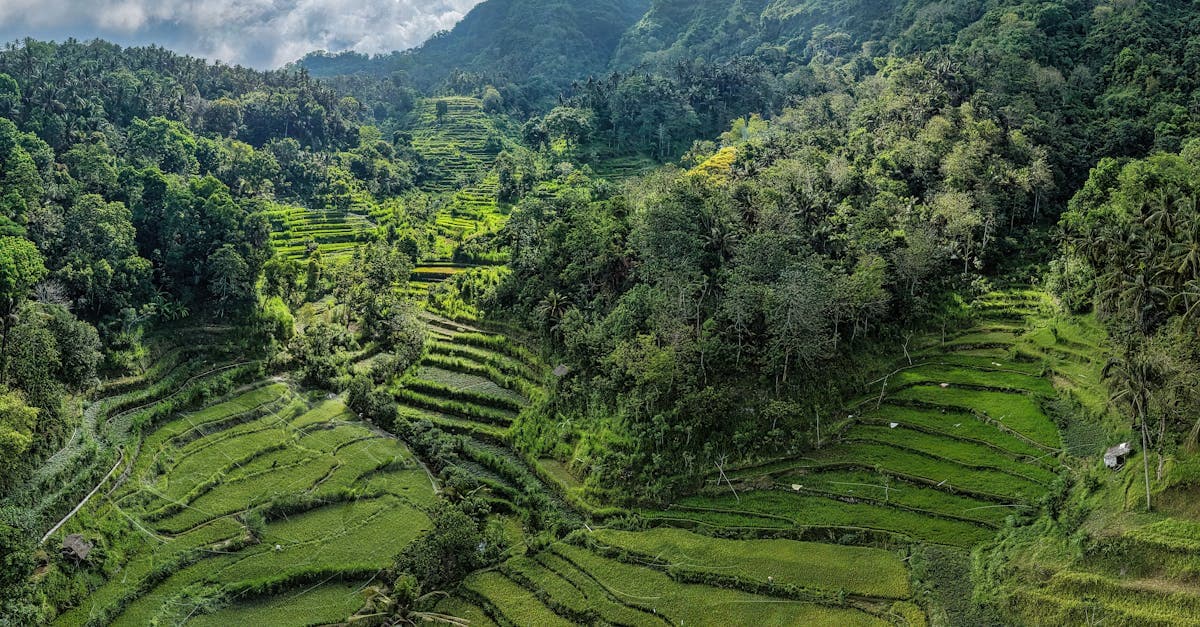
May and September deliver the strongest overall combination of dry weather, manageable crowds, and pricing that hasn't reached peak-season territory. July and August are technically the driest months, but they bring the highest accommodation rates and the heaviest tourist density, particularly around Seminyak and Kuta.
For Indian travellers researching the best time to visit Bali, the calendar creates some useful natural alignment. April marks the dry season's confident onset: skies are clear, the island hasn't yet filled with the European and Australian summer crowds, and flight prices from Delhi and Mumbai sit well below the July-August peaks cited earlier. The Diwali window in October works equally well. Weather remains dry as the monsoon recedes, and both hotels and flights price more accessibly than high season makemytrip.com.
A practical note on trip length, since it's a question that comes up constantly: four days covers Bali's essentials if the itinerary is focused. Ubud's Monkey Forest, Tirta Empul temple, the rice terraces near Tegalalang, and a sunset in Seminyak are all manageable without rushing. Seven days opens the full picture, adding south Bali's beaches and a day trip to Nusa Penida, where the cliffs of Kelingking and the water at Crystal Bay reward the ferry crossing.
No month is genuinely bad.
Even January and February, the wettest months of the year, offer clear mornings, uncrowded beaches, and hotel rates that make a longer stay financially sensible. The better question isn't which month is best in the abstract. It's which version of Bali suits your specific priorities, and which trade-offs between cost, crowds, and weather you're willing to make.
Reviewed by HelloRoam's editorial team. Last updated: 10 April 2026.
Get Connected Before You Go





Frequently Asked Questions
April, May, and September are the best months to visit Bali. These shoulder months offer reliable dry-season weather with temperatures around 31 degrees Celsius, significantly lower prices than the July-August peak, and far fewer crowds at popular sites like Tanah Lot and the Tegallalang rice terraces.
February and March are the cheapest months to visit Bali, with hotel rates dropping 30 to 50 per cent below July-August peak prices. For Indian travellers, round-trip flights during shoulder months (May and September) cost around Rs 18,000 to Rs 30,000, compared to Rs 35,000 or more during the July-August peak.
Four days in Bali allows you to cover key areas such as the temples of Tanah Lot and Pura Besakih, the rice terraces of Tegallalang, and beach time in Seminyak or Nusa Dua. To also include areas like Ubud, Nusa Penida, or the surf breaks of the Bukit Peninsula, a longer stay of seven days or more is more practical.
Bali's wet season runs from November through March. Rain typically arrives as short, concentrated afternoon downpours lasting one to two hours, leaving mornings mostly clear and dry. The rainy season is not an all-day affair, and temple visits, rice terrace walks, and markets remain accessible for most of each day.
April to June is the ideal window for honeymooners visiting Bali. Beaches in Seminyak and Nusa Dua are uncrowded, private villa rates have not yet reached their peak, and the landscape remains lush from the tail end of the wet season. This period offers dry weather, genuine calm, and prices well below the high season.
June to August is the best time for surfing in Bali. Breaks at Uluwatu, Padang Padang, and the Bukit Peninsula respond to southwest swells that peak during this window. Outside these months, waves exist but consistency drops sharply.
Yes, the wet season (November to March) has genuine advantages. Hotel rates drop significantly, popular sites like Tegallalang and Tanah Lot are far less crowded, and the rice terraces turn a deeper green than in the dry months. The main trade-offs are predictable afternoon rain, elevated dengue fever risk, and less consistent surf on the west coast.
July and August are Bali's driest and most crowded months. August records only around 25mm of rain across the entire month with 3 to 5 rainy days, attracting large numbers of visitors from Australia and Europe. Accommodation fills weeks in advance, prices are at their annual peak, and beach clubs and popular sites operate at full capacity.
February and March are the most budget-friendly months, with accommodation rates 30 to 50 per cent below peak prices and fewer tourists across the island. For Indian travellers seeking dry weather on a budget, May and September offer a good balance — shoulder-season fares, uncrowded beaches, and reliably dry conditions.
May and early June are the best months for families visiting Bali. Weather is reliably dry, family-oriented resorts in Nusa Dua and Sanur are well-stocked and uncrowded, and prices have not yet surged to the levels driven by Australian and European school holidays in July.
May to September is the most practical window for digital nomads working from Bali. Dry weather is consistent, and coworking spaces in Canggu and Ubud operate year-round. The wet season can bring occasional power interruptions during heavy storms, which May to September largely avoids.
Galungan is one of Bali's most visually striking Hindu festivals, during which bamboo penjor poles decorated with palm leaves and offerings line every road across the island. In 2026, Galungan falls on January 7 and August 5, with the August date coinciding with the driest and clearest month of the year.
Nyepi is Bali's Day of Silence, observed on the Balinese new year when the entire island shuts down for 24 hours — no traffic, no flights, and no movement outside hotel grounds. In 2026, Nyepi falls on March 19. Travellers should book flights carefully around this date as the airport closes completely for the full day.
Key 2026 Bali festivals include Galungan on January 7 and August 5, the Ogoh-Ogoh procession on March 18, Nyepi (Day of Silence) on March 19, the Bali Arts Festival from June 13 to July 11 in Denpasar, and Kuningan on August 15. The Bali Spirit Festival also takes place in Ubud between March and April.
Bali's sea temperature stays between 27 and 29 degrees Celsius throughout the year, making the ocean reliably swimmable in every month. Unlike weather and crowd levels, sea conditions are not a reason to avoid any particular month, making Bali one of the more consistent year-round swimming destinations in Southeast Asia.
May is particularly well-suited for Indian travellers, as Indian summer school holidays align directly with dry-season conditions. Flights from Delhi and Mumbai cost considerably less than during the July-August peak, and hotels have not yet reached their highest occupancy. October is also worth considering for post-Diwali travel, offering moderate fares and low crowd levels.
The Bali Arts Festival is a month-long programme of daily dance, music, and traditional craft performances held at Taman Budaya in Denpasar. In 2026, it runs from June 13 to July 11. Arriving in early June allows you to experience the festival atmosphere before peak July crowds and elevated prices fully set in.
Diving conditions in Bali are best during the dry season. Visibility at sites like Tulamben and Nusa Penida runs between 15 and 30 metres from May through October, making this the most rewarding period for divers and snorkellers exploring the island's reefs.
Sources
- thomascook.in — thomascook.in
- Best Time to Travel to Bali — bali.com
- skyscanner.co.in — skyscanner.co.in
- Best Time to Visit in Bali | Temperature, Weather & Seasons — makemytrip.com