

Table of content
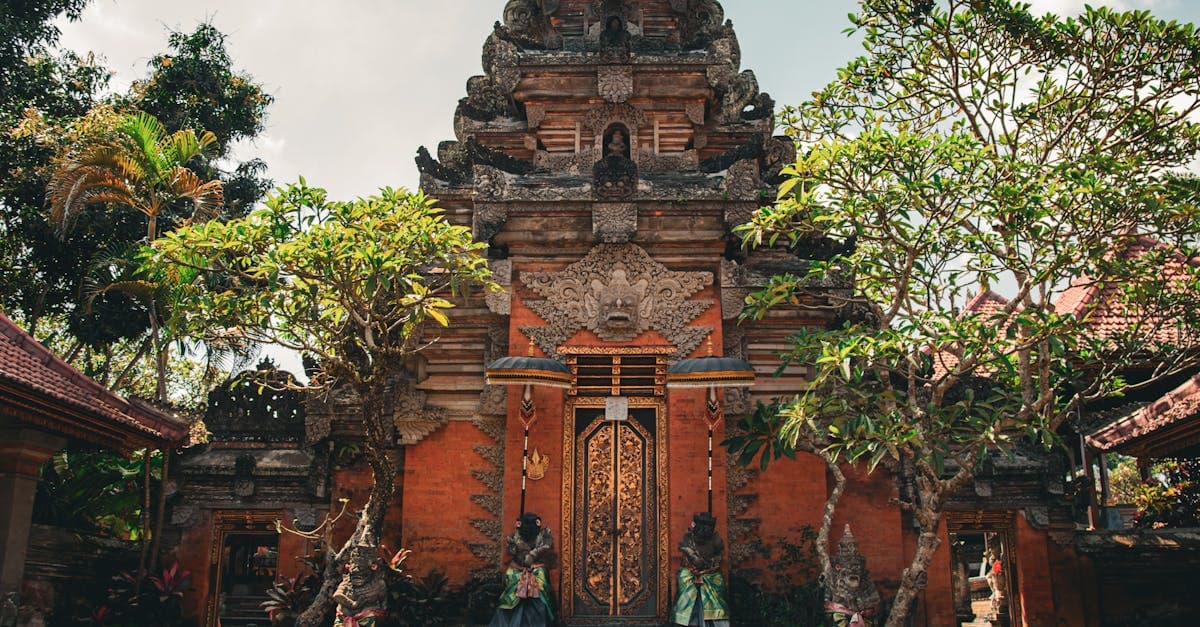
! [Intricate stone carvings and traditional architecture of Ubud Palace, a must-visit in your bali travel guide
Quick Answer: bali travel guide
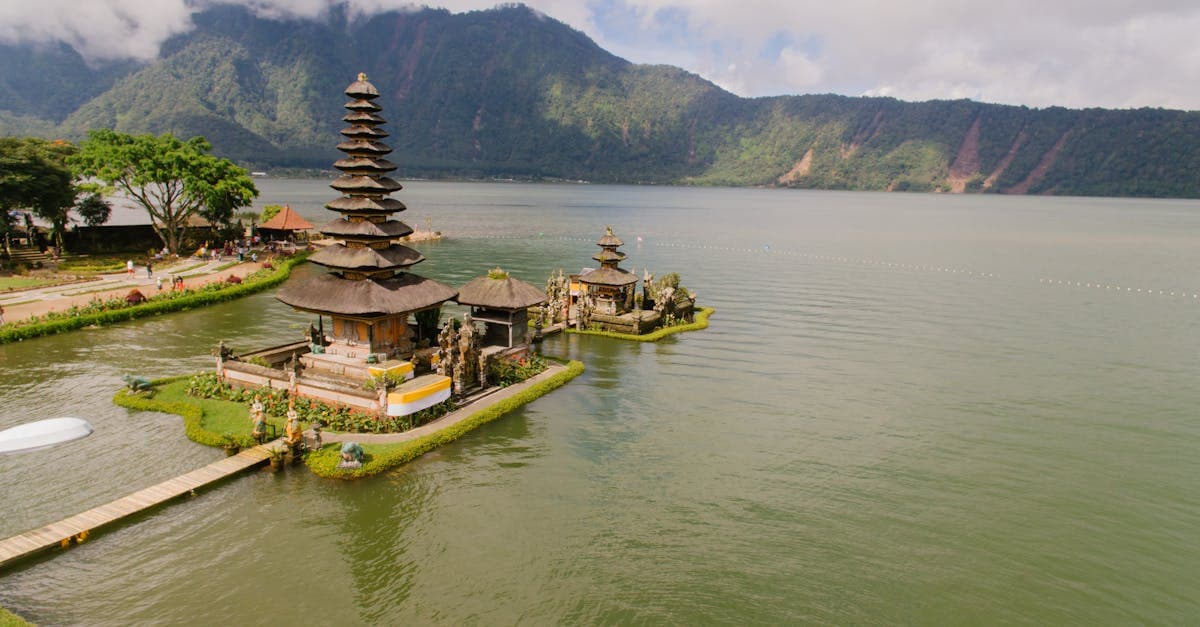
! [Aerial view of Pura Ulun Danu Bratan Temple on a misty highland lake, central to any bali travel guide
Bali ranks among the most accessible international destinations for Indian travellers bali.com. Direct flights from Mumbai (Chhatrapati Shivaji Maharaj International) or Delhi (Indira Gandhi International) reach Ngurah Rai International Airport in Denpasar in 7 to 8 hours. Indians need a Visa on Arrival, not automatic visa-free entry. A 7-day trip, flights included, fits Indian budgets at every level.
For connectivity, HelloRoam offers an eSIM for Indonesia-indonesia) starting at ~$3.49 on Telkomsel's 5G network and XL's 4G network.
Two details trip up first-timers: the VOA isn't free (a widespread misconception), and airport SIM counters at Ngurah Rai carry long queues after long-haul arrivals. Scan the QR code before boarding; the eSIM activates when you enter Indonesian airspace.
Bali Travel Guide at a Glance: Key Facts for Indian Tourists
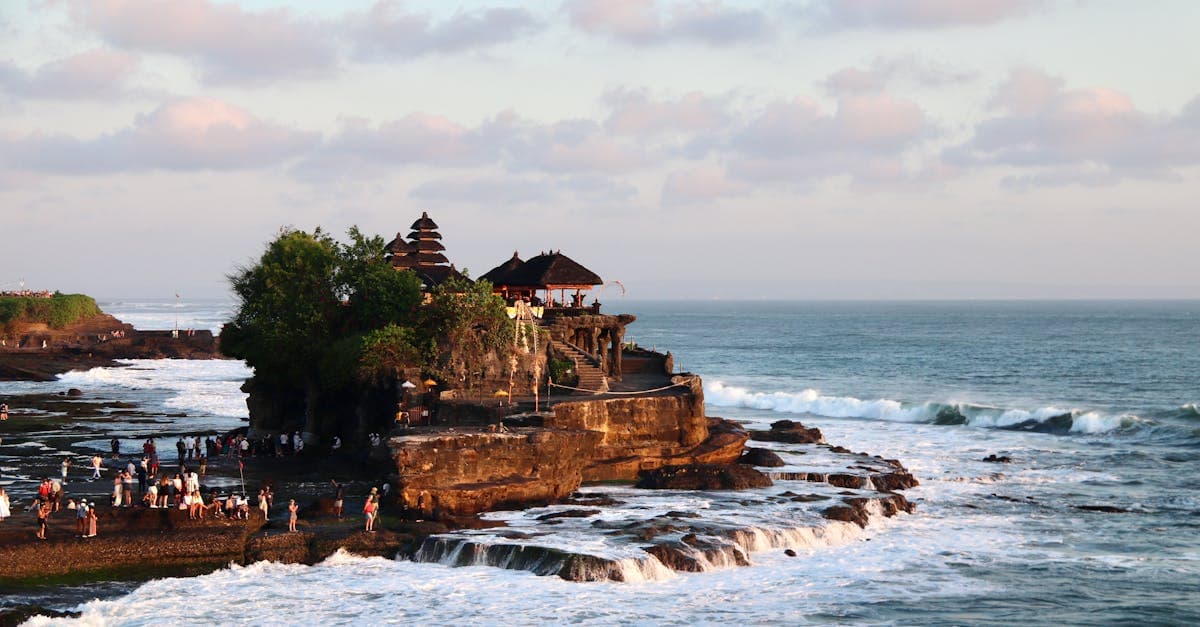
! [Tanah Lot Temple perched on a rocky outcrop at sunset, an essential stop in your bali travel guide for Indians
Indian travellers planning a first Bali trip can anchor decisions around these figures:
Indian arrivals in Bali grew around 40% year-on-year after pandemic restrictions lifted, with India now among the island's top 10 source markets. The draw isn't purely beaches. Bali's Hindu-majority culture means temple ceremonies and community festivals run as a daily constant, not a curated tourist show, and that resonates with Indian visitors in a way Thailand or Vietnam doesn't replicate bali.com.
Temples at Ubud, Tanah Lot, and Besakih require a sarong at the gate, typically loaned free or rented for under Rs 150.
First question every Indian traveller asks: do you need a visa?
Is Bali Visa Free for Indians?
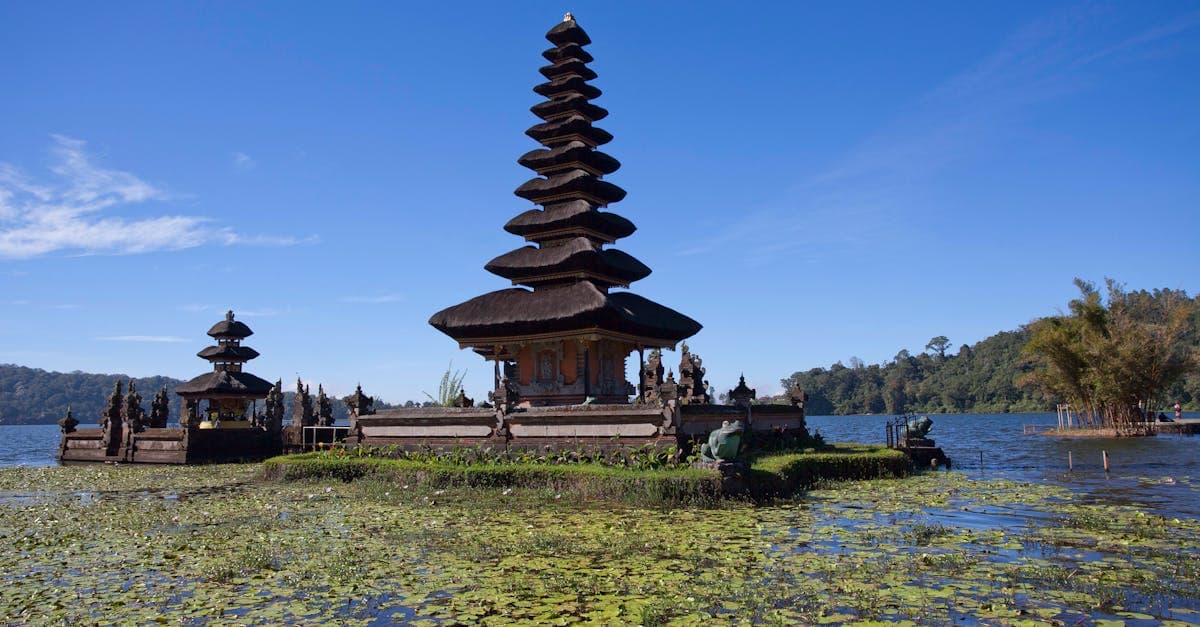
! [Ulun Danu Beratan Temple floating on a serene lake, a scenic Bali destination for Indian tourists on a visa-free visit
No, Bali is not visa-free for Indians. A Visa on Arrival (VOA) is required, processed at dedicated counters in Ngurah Rai Airport's arrival hall before the main immigration queue. The fee is IDR 500,000, roughly Rs 2,600 or about USD 30. Validity runs 30 days from your entry date.
The VOA is not difficult. Most Indian travellers clear the full process in under an hour.
Key fact: Bali's Visa on Arrival for Indian passport holders costs IDR 500,000 (approximately Rs 2,600 or USD 30), is valid for 30 days, and is extendable once for an additional 30 days.
The "visa-free" label sticks to Bali because Indonesia has run free-VOA pilot programmes periodically, with India included in some 2023 and 2024 periods. These schemes launch, pause, and expire without much advance notice. Check the Indonesian Directorate General of Immigration website before booking flights, not after.
At Ngurah Rai Airport
VOA counters accept Indonesian rupiah cash or major credit cards (Visa, Mastercard). Indian rupees are not reliably accepted at the counter. After paying, collect your stamp and join the standard immigration queue. Allow 20 to 40 minutes for the full process; evening arrivals, when multiple international flights land simultaneously, can stretch that window considerably.
Your passport must hold at least 6 months' validity from your entry date. Keep an onward or return ticket accessible, as immigration officers may request it.
Extending the VOA
The VOA is extendable once for an additional 30 days, giving a maximum 60-day stay without changing visa class. Applications go through an immigration office on the island, not at Ngurah Rai. For a standard 7 to 10-day Indian holiday, extension is rarely relevant, but the option is there if plans shift.
Visa process is simple, but timing your trip matters just as much.
Bali Travel Guide: Best Time to Visit from India
! [Kelingking Beach's dramatic cliffs and turquoise waters captured from above, showcasing the best of the bali travel guide
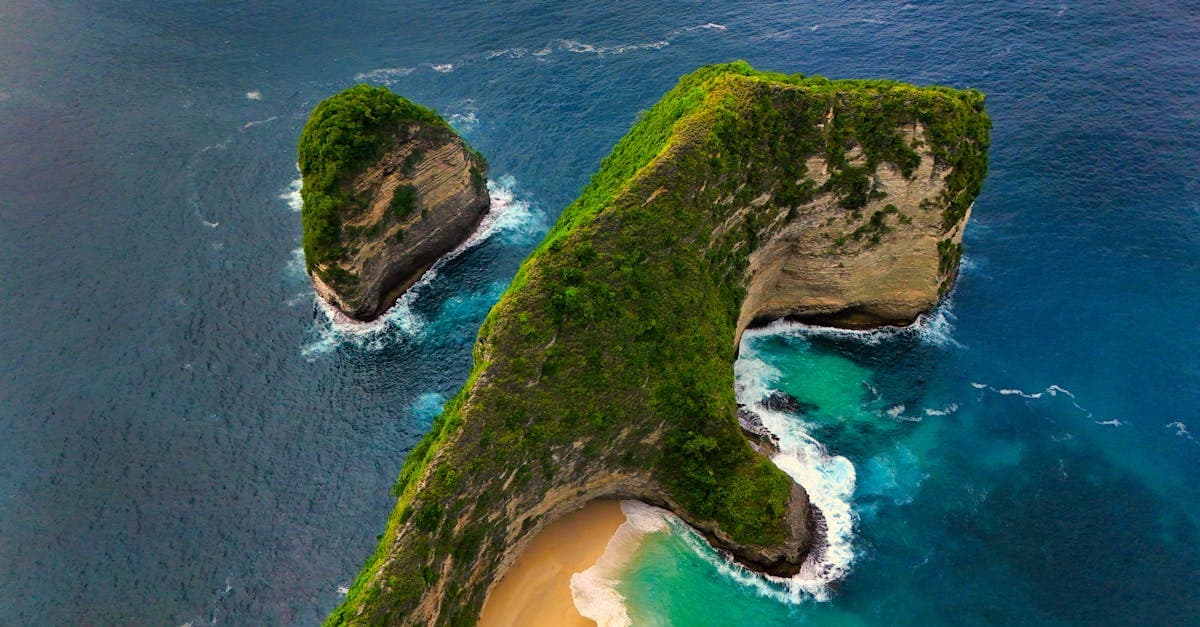
According to bali.com, Bali's dry season runs April to October, the optimal window for Indian travellers. Clear skies and manageable humidity across Kuta, Ubud, and the Bukit Peninsula define this stretch. The month you choose within that window shifts cost and crowd levels noticeably.
April to June offers the best balance. Weather holds well, fares from Mumbai and Delhi haven't hit peak pricing, and European summer tourist volumes haven't arrived yet. September and October work similarly, with dry conditions and off-peak rates on accommodation.
July and August are peak season in earnest. Airfares from India run 40 to 80 percent above shoulder-season levels. Mid-range accommodation at Ubud and Canggu books weeks in advance. If peak season is the only option, lock in flights 3 to 4 months ahead.
January and February bring Bali's heaviest monsoon. Some dive sites around Nusa Penida and Amed close temporarily, and afternoon downpours are intense enough to cut outdoor plans short for hours at a time.
Two calendar dates to check before booking
Nyepi, Bali's Day of Silence, falls in March. The exact date shifts annually with the Saka lunar calendar. Ngurah Rai International Airport closes for a full 24 hours on Nyepi. An itinerary that has you arriving or departing that day needs adjusting before tickets are purchased.
Galungan runs across October and November: a 10-day Hindu festival marked by temple processions, elaborate bamboo pole decorations lining every road, and community ceremonies island-wide. For Indian travellers drawn to Hindu cultural traditions, planning around Galungan delivers something no standard resort package replicates bali.com.
Shoulder months, November and March outside Nyepi week, run 30 to 40 percent cheaper than peak on both flights and accommodation. Rain is the trade-off, but rarely enough to derail a well-planned trip.
Timing locked in: now decide which part of Bali to base yourself.
Where to Go in Bali: A Region-by-Region Overview
! [Aerial sunset view of a beachfront resort in Bali, highlighting key regions covered in this bali travel guide
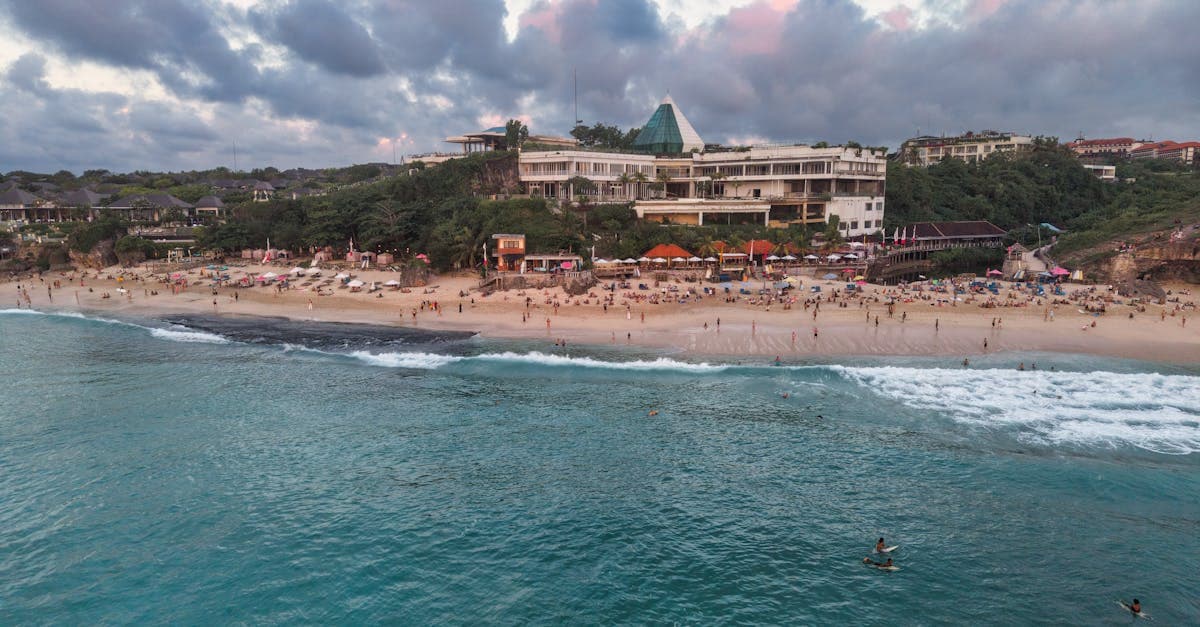
Bali divides into distinct zones, each with a different mood and purpose: South Bali (Kuta, Legian, Seminyak) for beaches and nightlife, Ubud for culture and temples, Canggu for surf and cafes, and eastern areas like Amed for diving. Picking the wrong base can make a good trip feel slightly off. Most first-time visitors realise this only after arriving.
South Bali concentrates the most accommodation options per square kilometre. The pace is brisk and logistics are simple, which is why most first-timers gravitate there without much deliberation.
Seminyak, Ubud and Canggu cover the full range of first-trip needs: beaches and nightlife to the south, culture and quiet in Ubud's interior, the cafe-and-cowork energy of Canggu. Ten days across these three zones barely scratches the surface.
Repeat visitors reach further. Amed, on the east coast, draws divers and snorkellers. Nusa Penida, accessible by ferry from Sanur, is rawer and more dramatic than anything in South Bali. Sidemen offers unhurried rice terrace walks with none of the Tegallalang crowd.
What sets Bali apart is its accommodation range. Budget guesthouses near Kuta start from Rs 1,200 a night; private pool villas in Seminyak and Canggu reach Rs 80,000 at the top end. Very few destinations in the region cover that span bali.com.
Here is what each key area actually offers.
Accommodation Options in Bali: Villas, Hotels and Budget Stays
! [Infinity pool at a luxury Bali villa glowing at sunset, surrounded by lush tropical greenery
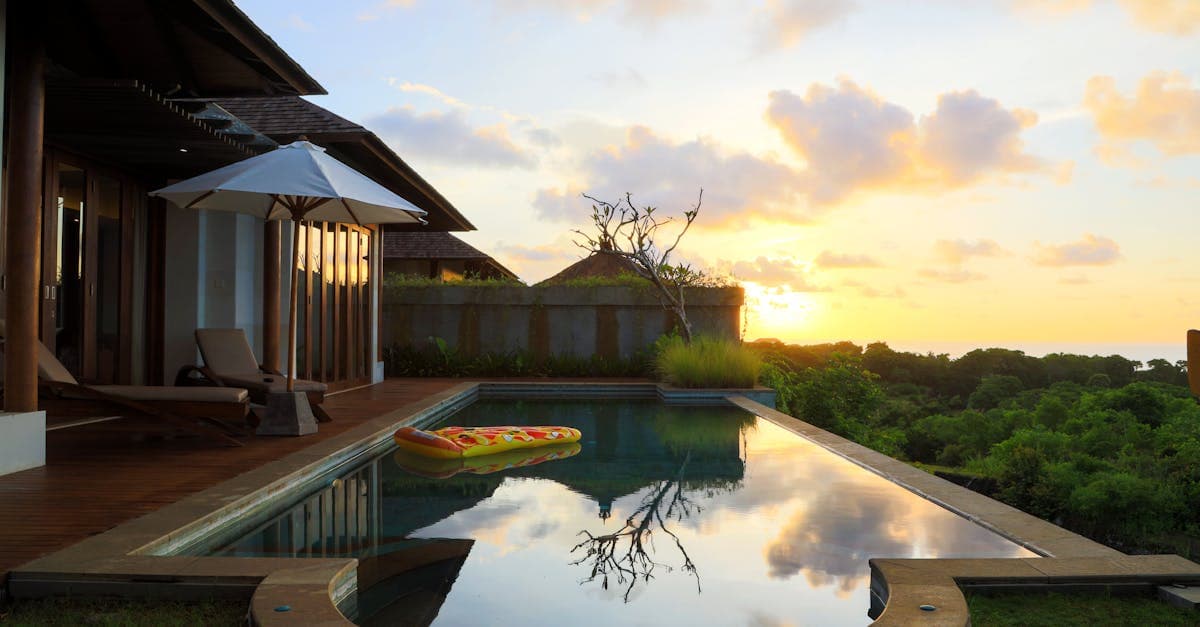
Four tiers define Bali's accommodation market, and the spread across them is wider than most Indian travellers expect.
Four Seasons Jimbaran and COMO Shambhala in Ubud anchor the luxury end. COMO Shambhala's Ayurvedic and spa programmes connect well with Indian wellness traditions; it's a more purposeful stay than a standard beach resort.
Private pool villas deserve a closer look for groups of three or four. The per-person rate often comes in below a standard mid-range hotel room, making them a sharper option than they first appear.
Seminyak draws the largest share of Indian visitors, and the reasons become clear quickly.
Seminyak: Beaches, Nightlife and Shopping (3 to 4 Days)
! [Aerial sunset view of Seminyak Beach in Bali, showcasing its vibrant atmosphere perfect for nightlife and shopping
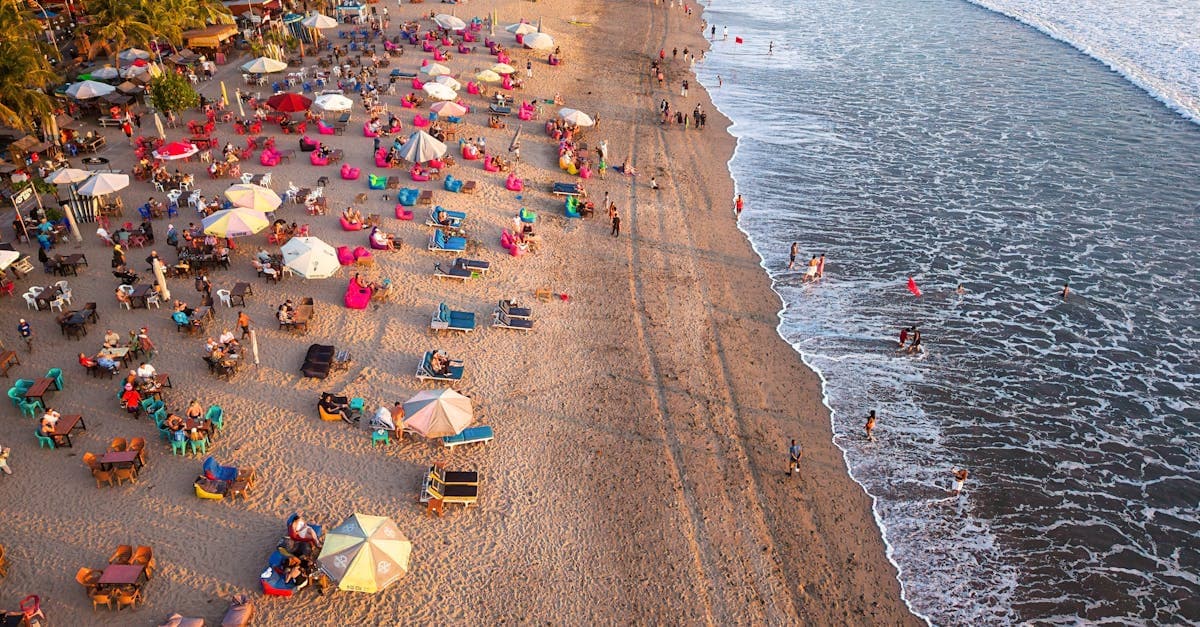
Seminyak is Bali's most popular base for Indian first-time visitors, offering calmer beaches than Kuta, concentrated dining options including reliable Indian food, and nightlife and shopping within walking distance girleatworld.net. Seminyak and Double Six Beach run calmer than Kuta's surf-heavy stretch, and sunloungers with umbrella service are easy to arrange. The pull becomes obvious within a day.
Mornings belong to the beach. By afternoon, the focus shifts to Seminyak Square and Eat Street (centred around Jalan Kayu Aya). Indian food options here are varied and reliable: paneer dishes, dosa and dal tadka appear on menus that clearly cater to the area's large Indian contingent.
Potato Head Beach Club is the landmark sunset spot on Petitenget beach. Arrive before 5pm. The crowd thickens fast, and the orange horizon over the ocean is worth the early effort.
For retail, Beachwalk Shopping Center in Kuta (roughly 15 minutes south by taxi) handles brands, souvenirs and everyday needs in a comfortable, air-conditioned layout. Prices run noticeably lower than comparable malls in Bangkok or Singapore.
For culture over cocktails, Ubud is where Bali's soul lives.
Ubud: Temples, Rice Terraces and Vegetarian-Friendly Food (4 to 5 Days)
! [Lush green rice terraces in Ubud, Bali, a breathtaking landscape feature of the bali travel guide
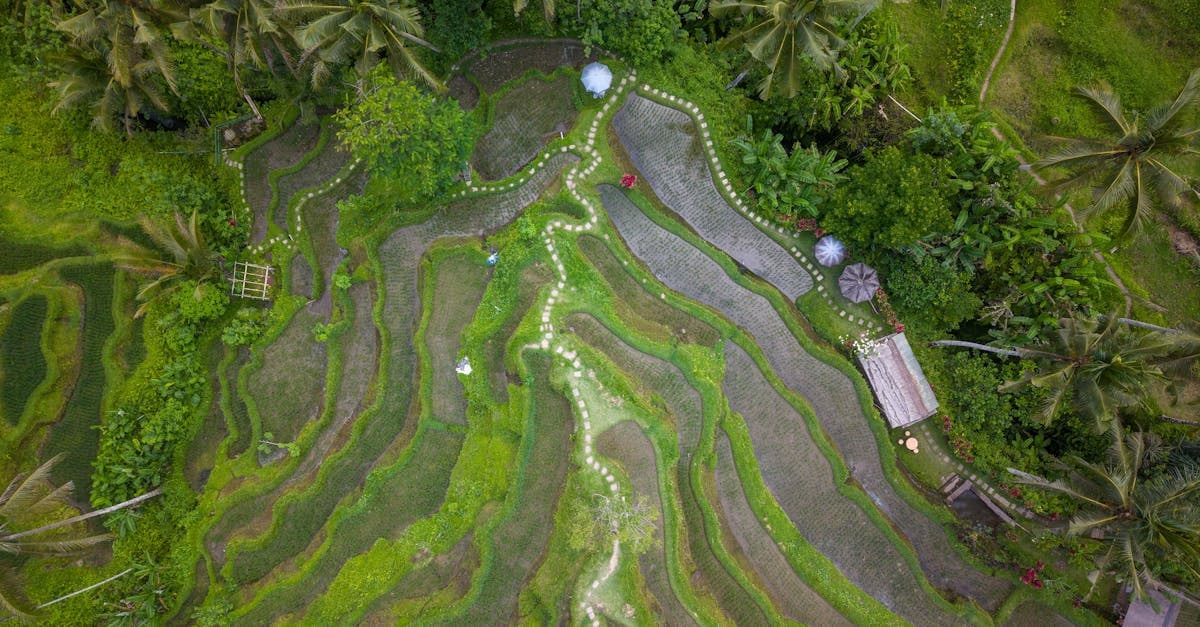
Ubud is Bali's spiritual and cultural centre bali.com. For Hindu Indian travellers, that's not a marketing line.
Reasons to spend four to five days in Ubud:
- Tirta Empul holy spring temple hosts ritual purification ceremonies (melukat) that carry deep resonance for visitors from India's Hindu traditions. The air inside the compound hangs thick with incense smoke and marigold offerings; it's the kind of place that quiets you before you've had a chance to decide to be quiet. Many describe it as the most unexpectedly affecting experience of the entire trip girleatworld.net.
- Tegallalang Rice Terraces rank among Bali's most photographed landscapes ourtravelpassport.com. Go before 9am; tour groups arrive by mid-morning and the narrow paths fill quickly.
- Vegetarian warungs (local eateries) are widespread throughout central Ubud, making meat-free eating a practical reality rather than a compromise.
Trade-offs worth considering:
- Ubud sits inland. A beach day requires a 45-minute drive each way, which adds up across a longer stay.
- Town centre traffic between 10am and 3pm moves slowly; mornings and late afternoons suit exploration considerably better.
- Mid-range accommodation here costs more than equivalent budget options in Kuta.
Canggu offers a younger, cooler energy just one hour away.
Canggu: Surf, Cafes and the Digital Nomad Scene (2 to 3 Days)
! [A beachside café setup in Canggu with a laptop and coffee, ideal for digital travel eSIMs in Bali
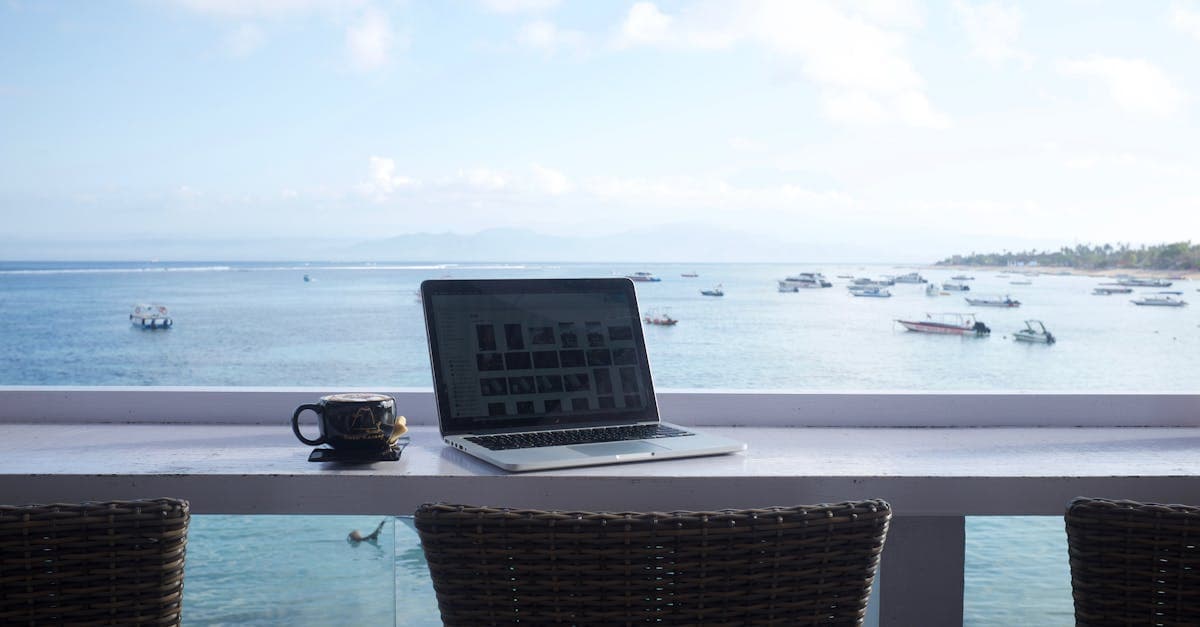
Canggu is Bali's digital nomad hub, roughly an hour north of Seminyak: a working beach village where fiber-connected co-working spaces sit minutes from the surf breaks at Echo Beach and Batu Bolong naturalbornfeeder.com. Both spots suit beginners; neither demands more than basic swimming confidence. The tonal shift from Seminyak is sharper than the distance suggests.
The food contrast here is the most striking on Bali's coast. A warung rice plate shares the same street as a cold-press juice cafe running boutique-hotel prices. Neither is performing for tourists. Co-working spaces throughout the area offer reliable fiber connections and day passes, making Canggu a practical base for remote workers who want a productive morning before an afternoon in the water.
Two to three days slots in cleanly. It runs younger and louder than Seminyak, cheaper than Ubud.
Areas mapped: now for the honest accounting of what Bali actually costs.
Bali Travel Guide: How Much Will a Trip Cost from India?
! [Winding coastal road along dramatic cliffs in Bali, a scenic route to consider when budgeting your bali travel guide
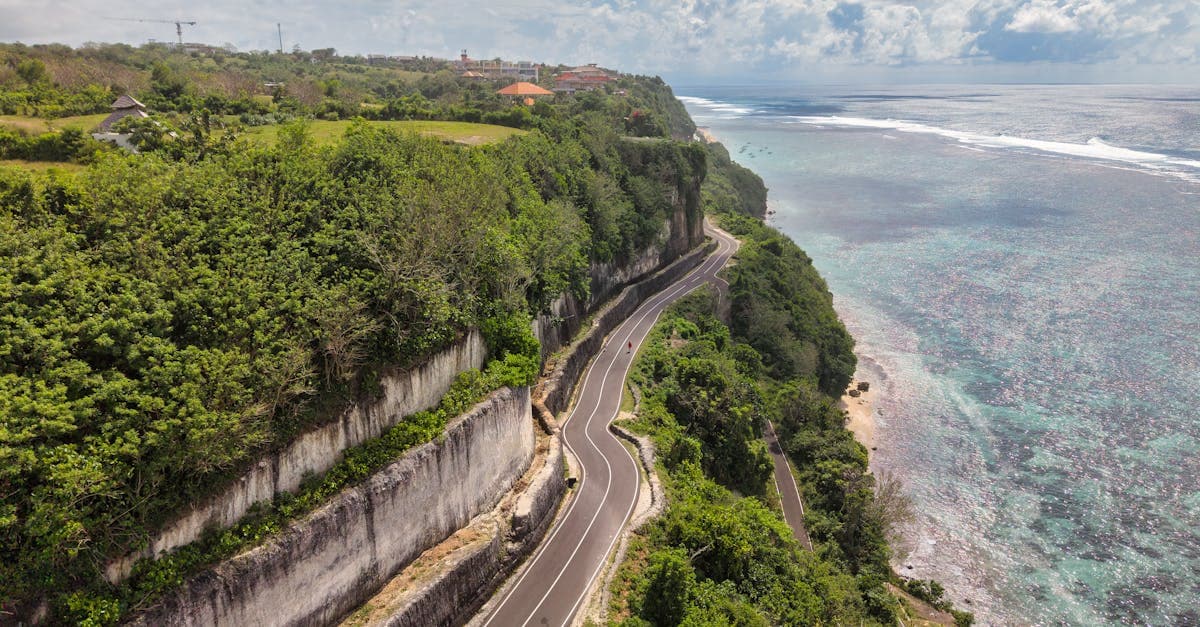
A 7-day Bali trip from India costs between Rs 60,000 and Rs 1,10,000 all-in, a range that reflects genuinely different travel styles rather than the same trip at different price points. A budget traveller and a mid-range traveller can both spend a week in Bali and not overlap once. What separates the two is rarely the destination: it's meal choices and how you move between them.
Package tours bundled in India include flights, hotels, and airport transfers. Convenient, certainly. Inflexible, too; DIY trips consistently cost less and adapt more easily to slow mornings and unplanned stops.
The sharpest surprise for first-timers: food in Bali is genuinely inexpensive. Street food and warung meals land between Rs 150 and Rs 400 per plate naturalbornfeeder.com. That's roughly what a single chai and vada pav costs at Indira Gandhi International's departures terminal.
Booking flights 6 to 10 weeks ahead secures the off-peak airfares cited earlier. Miss that window and prices on IndiGo, Air Asia, and Air India routes from Mumbai and Delhi climb quickly. July-August departures see the sharpest increases, particularly on connections through Singapore and Kuala Lumpur.
For travellers yet to book: mid-April through June remains the strongest available window in 2026, combining dry-season weather with pricing well below peak levels.
The Rs 2 lakh question deserves a direct answer.
Is 2 Lakh Enough for a Bali Trip?
Two lakh rupees is enough for a comfortable 7 to 10-day trip, with room to spare on a sensibly planned itinerary ourtravelpassport.com.
A practical 7-day solo breakdown: return flights at roughly Rs 35,000, accommodation around Rs 35,000 for the week at a mid-range hotel, and food at approximately Rs 15,000 mixing warung plates with sit-down meals. Activities for the week, covering temple entries, rice terrace visits, and one guided experience such as white-water rafting at Ayung River, add Rs 20,000 to Rs 30,000. Total outlay: Rs 1,05,000 to Rs 1,15,000, comfortably under the ceiling.
Two budget travellers splitting villa costs shift the calculation further. A pool villa in Canggu or Seminyak at the entry-level tier, divided between two people, undercuts a solo hotel room while offering considerably more space.
Where Rs 2 lakh runs short: luxury spa resorts, back-to-back Ayurvedic treatment sessions, and private surf lessons push weekly spend above the threshold without much effort. These aren't baseline Bali costs; they're deliberate upgrades.
For a solo traveller at mid-range or a couple splitting accommodation, Rs 2 lakh is workable. It's not tight: it's planned.
Budget confirmed: the next cost most travellers overlook is mobile data.
Staying Connected in Bali: eSIM, Local SIM and Data Roaming Options
Getting data sorted before landing matters more in Bali than most Indian travellers anticipate. Gojek and Grab power most transport on the island; without live data, you're negotiating cab fares by hand at the kerbside. After eight hours in the air, the last thing you want is to join a forty-person SIM queue in the thick heat of Ngurah Rai's arrivals hall.
Start by ruling out heavy reliance on Indian carrier roaming. Jio, Airtel, and Vi international packs for Indonesia carry per-megabyte costs that add up fast for data-heavy use: navigation, mapping, and video calls over a full week. Check your carrier's Indonesia rate before assuming it's workable for anything beyond occasional use.
If you prefer a physical card, Telkomsel and XL Axiata kiosks operate in the arrivals hall at Ngurah Rai International Airport (DPS). Telkomsel covers Bali's urban areas on 5G, including Denpasar, Kuta, and Seminyak; XL Axiata provides broad 4G across the island. Expect to queue, present your passport, and temporarily swap out your Indian physical SIM.
The simpler route: activate an eSIM before departure if your phone supports it. An eSIM keeps your Indian number active on a second line for calls while running Bali data separately. The QR code scan takes under two minutes; the plan activates when you enter Indonesian airspace, no queue required.
Key fact: HelloRoam Indonesia eSIM plans cover Telkomsel (5G) and XL Axiata (4G) networks across Bali, with a 2GB entry option.
Download offline Google Maps tiles before your flight as well. Airport wifi at Ngurah Rai is available but unreliable for large downloads at peak arrival times. Pull offline map tiles for Ubud, Seminyak, Canggu, and Uluwatu while still at home; they'll cover most navigation without touching your data allowance.
For any stay beyond three days, live data isn't optional. eSIM for Indonesia covers all main Bali regions from arrival.
Connected and budgeted: one question remains, how long should you actually stay?
How Many Days Is Enough in Bali?
Seven days is the proven sweet spot for first-time Indian visitors ourtravelpassport.com. That's enough time to base yourself in Seminyak for beaches and sunsets, spend two nights in Ubud for temples and rice terraces, and still have a recovery day before your flight home.
Five days is the bare minimum if you're serious about covering the essentials. Seminyak, Ubud, and the Tegallalang terraces fill four days comfortably. The fifth disappears faster than you'd expect between packing, transfers, and Ngurah Rai Airport's surprisingly long queues.
Don't underestimate the fatigue factor.
Bali sits at UTC+7:30, which puts it 2 hours ahead of IST. That half-hour offset sounds trivial until your body clock decides 3am is breakfast time. Add tropical heat averaging 30°C and humidity that makes Kolkata in June feel mild, and even fit travellers tend to lose a day to adjustment. Build that rest day in deliberately rather than discovering it mid-itinerary.
For travellers flying out of Bengaluru or Mumbai on direct routes, a 3 to 4 day trip is genuinely workable. Pick one zone, commit to it, and don't try to cross the island. Bali traffic between Canggu and Ubud alone can consume two hours each way.
Got 10 to 14 days? That changes the calculus entirely. Nusa Penida needs at least two nights to justify the ferry. Lombok's Gili Islands add another two. Komodo requires a domestic flight from Denpasar and a full day on the water.
The average Indian tourist stay sits at 7 to 10 days, which maps neatly to the itinerary options above. Anything under five days leaves you with a highlight reel instead of an actual trip.
Reviewed by HelloRoam's editorial team. Last updated: 13 April 2026.
Get Connected Before You Go





Frequently Asked Questions
A 7-day Bali trip including flights costs approximately Rs 60,000 to Rs 1,10,000 for Indian travellers. Daily spending at a mid-range level runs Rs 9,000 to Rs 18,000 per person. Budget guesthouses start from Rs 1,200 per night, while private pool villas begin around Rs 5,000 per night.
No, Bali is not visa-free for Indian passport holders. A Visa on Arrival (VOA) is required, processed at dedicated counters in Ngurah Rai Airport before the main immigration queue. The fee is IDR 500,000, approximately Rs 2,600 or USD 30, and is valid for 30 days from your entry date.
A minimum of 7 days is recommended to cover Bali's key regions comfortably. Spending 3 to 4 days in Seminyak, 4 to 5 days in Ubud, and 2 to 3 days in Canggu gives a well-rounded first experience. Ten days across these three zones barely scratches the surface of what Bali offers.
Yes, Rs 2,00,000 (2 lakh) is more than enough for a 7-day Bali trip from India. The all-in budget including flights typically ranges from Rs 60,000 to Rs 1,10,000. With 2 lakh, Indian travellers can comfortably afford mid-range or even boutique accommodation, good food, and activities with budget to spare.
The best time to visit Bali from India is during the dry season, which runs from April to October. April to June offers the best balance of good weather, lower airfares, and fewer crowds. July and August are peak season with airfares running 40 to 80 percent higher than shoulder-season levels.
Direct flights from Mumbai or Delhi to Ngurah Rai International Airport in Denpasar take approximately 7 to 8 hours. One-stop connections via Kuala Lumpur or Singapore add an additional 3 to 6 hours to the total journey time.
All international flights to Bali arrive at Ngurah Rai International Airport (airport code: DPS) in Denpasar. It is Bali's only international commercial gateway. The Visa on Arrival counters for Indian passport holders are located in the arrival hall before the main immigration queue.
Yes, purchasing an eSIM before departure is recommended to avoid long queues at airport SIM counters after arrival. Indonesia eSIM plans are available on Telkomsel's 5G network and XL's 4G network, with some providers offering plans starting around $3.49. Scan the QR code before boarding; the eSIM activates when you enter Indonesian airspace.
Yes, a sarong is required when entering temples in Bali, including those at Ubud, Tanah Lot, and Besakih. Sarongs are typically loaned free or rented at the temple gate for under Rs 150, so you do not need to bring your own.
Seminyak is the most popular base for Indian first-time visitors, offering calm beaches, reliable Indian food, and nearby nightlife and shopping. Ubud is ideal for cultural and spiritual experiences, while Canggu suits those seeking a surf and cafe atmosphere. Each area offers a distinct mood and purpose.
Yes, Indian food is widely available in Seminyak, where menus clearly cater to the large Indian visitor contingent. Dishes like paneer, dosa, and dal tadka are commonly found in restaurants around Eat Street (Jalan Kayu Aya). Ubud also has many vegetarian-friendly warungs making meat-free eating practical.
Yes, the Bali Visa on Arrival can be extended once for an additional 30 days, giving a maximum 60-day stay. Extension applications are processed through an immigration office on the island, not at the airport. For a standard 7 to 10-day Indian holiday, extension is rarely necessary.
VOA counters at Ngurah Rai Airport accept Indonesian rupiah cash or major credit cards including Visa and Mastercard. Indian rupees are not reliably accepted at the counter. It is advisable to have Indonesian rupiah or a credit card ready before joining the VOA queue.
Nyepi, Bali's Day of Silence in March, causes Ngurah Rai Airport to close for a full 24 hours, so itineraries must avoid arrival or departure on that date. Galungan, a 10-day Hindu festival in October and November, features temple processions and elaborate bamboo decorations island-wide and is especially meaningful for Indian visitors with Hindu traditions.
November and March (outside Nyepi week) are the cheapest months, with flights and accommodation running 30 to 40 percent below peak season prices. April to June and September to October also offer good rates as shoulder-season periods. July and August are the most expensive, with airfares from India running 40 to 80 percent above shoulder levels.
Bali is uniquely appealing for Hindu Indian travellers because it has a predominantly Hindu population, with temple ceremonies and community festivals running as a daily constant rather than a curated tourist show. The Tirta Empul holy spring temple hosts ritual purification ceremonies that carry deep cultural resonance for visitors from India's Hindu traditions.
The article notes that Ngurah Rai International Airport in Denpasar is Bali's sole international gateway, from which travellers proceed to their chosen region. South Bali areas like Seminyak and Kuta are the closest, while Ubud is further inland. It is advisable to arrange airport transfers in advance, especially given potential queues on arrival.
Sources
- girleatworld.net — girleatworld.net
- The Ultimate Travel Guide Bali — naturalbornfeeder.com
- Bali Travel Guide — bali.com
- The Ultimate 3-Week Bali Travel Guide. — ourtravelpassport.com