Table of content
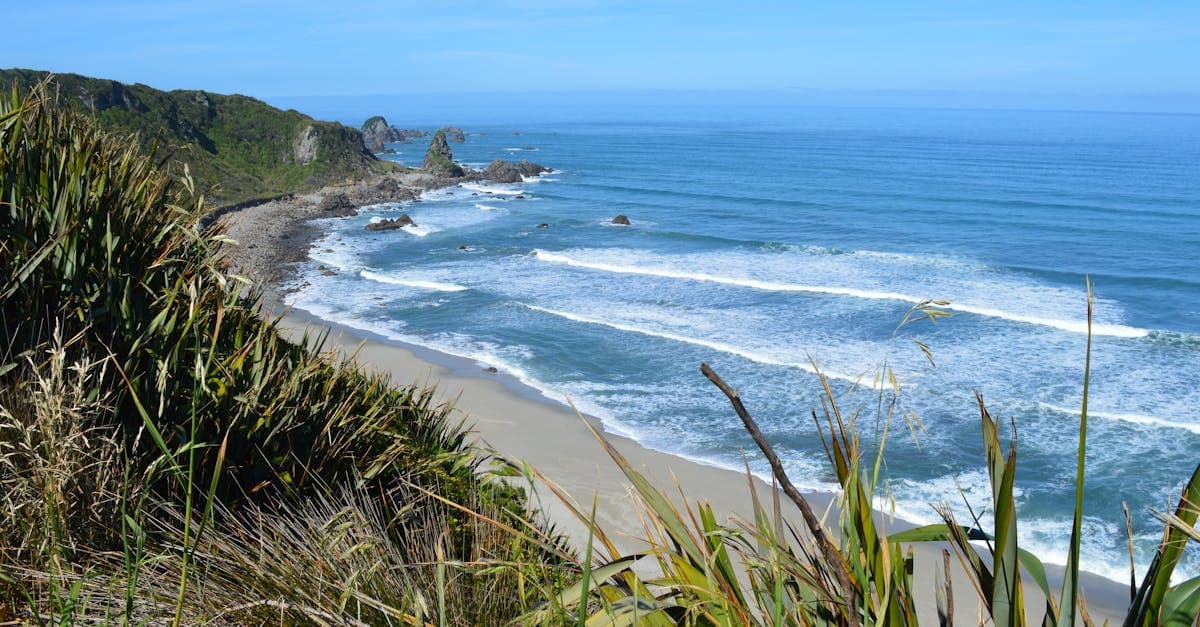
! [Westport's coastline with waves gently crashing on shore — discover what season it is in NZ! image
What Season Is It in New Zealand Right Now?
! [Mountains mirrored in a calm Otago lake, capturing what season it is in NZ right now! image
It's autumn in New Zealand right now. April falls in the second month of meteorological autumn, which runs from 1 March to 31 May. If you're tracking conditions from abroad or planning a trip for this period, that's your settled answer.
For Northern Hemisphere travellers, it often arrives with a small jolt of recalibration. April at home means spring jackets and longer evenings. April in Auckland means golden poplars along suburban streets, cooling temperatures and the Central Otago harvest in full swing. The seasons aren't slightly shifted. They're completely flipped.
New Zealand uses meteorological seasons rather than astronomical ones. No solstice or equinox to wait for. The calendar year divides cleanly: summer is December to February, autumn is March to May, winter is June to August and spring is September to November. Every forecast, booking platform and travel guide in the country runs on the same dates.
Autumn turns out to be one of the smarter times to visit. Accommodation across the main tourist routes runs 20-35% below summer peak pricing. The road to Milford Sound is manageable. Queenstown has tables available at short notice.
Key fact: HelloRoam offers Browse eSIM Plans plans from ~$1.70 for 1GB over 7 days on the Vodafone network, with no physical SIM swap required.
Understanding why the seasons flip is a two-minute explanation that changes how you read every travel calendar you'll encounter. The science is simpler than most people expect.
Why New Zealand Seasons Are the Opposite of Europe and North America
! [New Zealand's rolling hills and travellers under cloudy skies — a clue to what season it is in NZ! image
New Zealand's seasons run in reverse because the Southern Hemisphere tilts away from the sun between June and August. Earth's axis sits at roughly 23.5 degrees to its orbital plane; the hemisphere angled away from the sun receives shorter days, reduced solar intensity and cold temperatures. When Europe gets summer, New Zealand gets winter.
June in Auckland is cold. That's the entire core of it.
That single fact confounds more travel plans than almost anything else about booking a South Pacific trip. The physics are identical to what drives Northern Hemisphere seasons. The hemisphere is the only variable that changes which direction the tilt works in your favour.
New Zealand adds one more layer: it uses meteorological seasons rather than astronomical ones. In the UK or the US, summer officially begins on the solstice, around 21 June. New Zealand starts summer on 1 December. The meteorological system divides the year into four tidy three-month blocks that align more reliably with actual climate patterns than the solstice calendar does.
The full season reversal:
The practical stakes are direct. Book a trip to New Zealand in July expecting beach conditions and you'll land in the middle of ski season. Arrive in December assuming winter-break pricing and you'll find peak-season rates, long evenings and holiday crowds at every trailhead.
The framework is clear. What each season actually delivers across the main regions is worth knowing before you finalise any itinerary.
New Zealand Season Guide: Temperatures, Weather and What to Expect
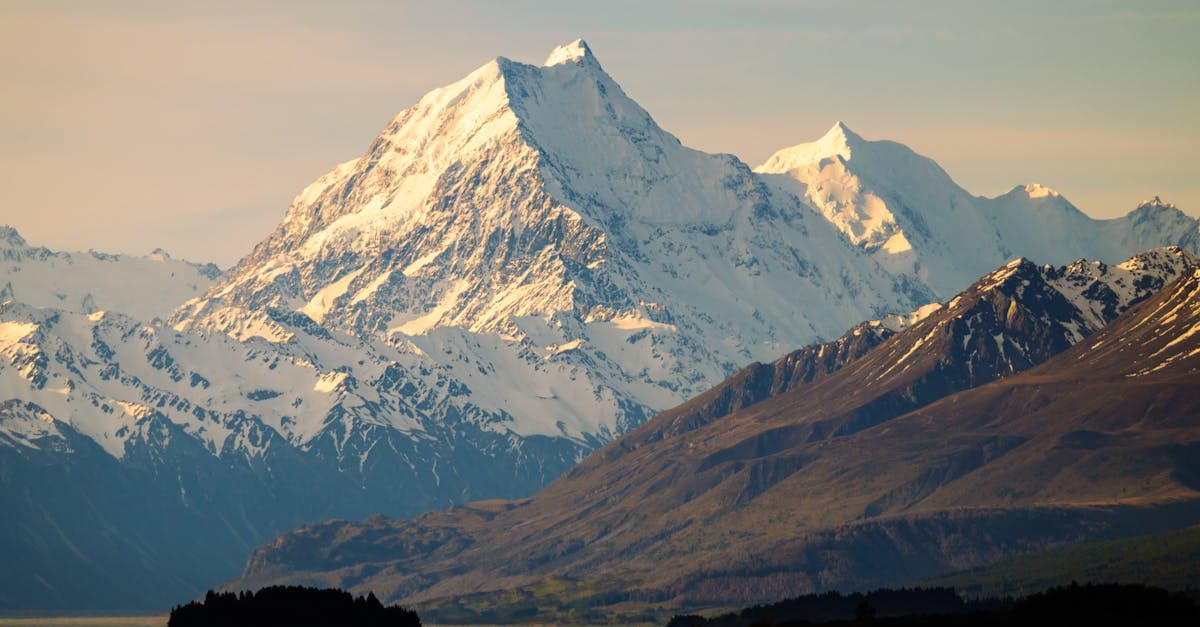
! [Aoraki Mount Cook and Lake Pukaki glowing at sunset across New Zealand's stunning seasonal landscape! image
Choosing the right season changes a New Zealand trip significantly. Summer and winter here are markedly different propositions, and even spring and autumn carry their own distinct character. Here's what each season delivers across the main travel regions.
What the numbers mean in practice
Summer runs noticeably hotter in the north than the south. Auckland and the Bay of Plenty get the warmest conditions; Dunedin stays mild rather than scorching even at peak. The UV radiation is a consistent hazard across the country: New Zealand's thinner ozone layer pushes solar intensity roughly 40% higher than at equivalent Northern Hemisphere latitudes, which matters even on overcast days.
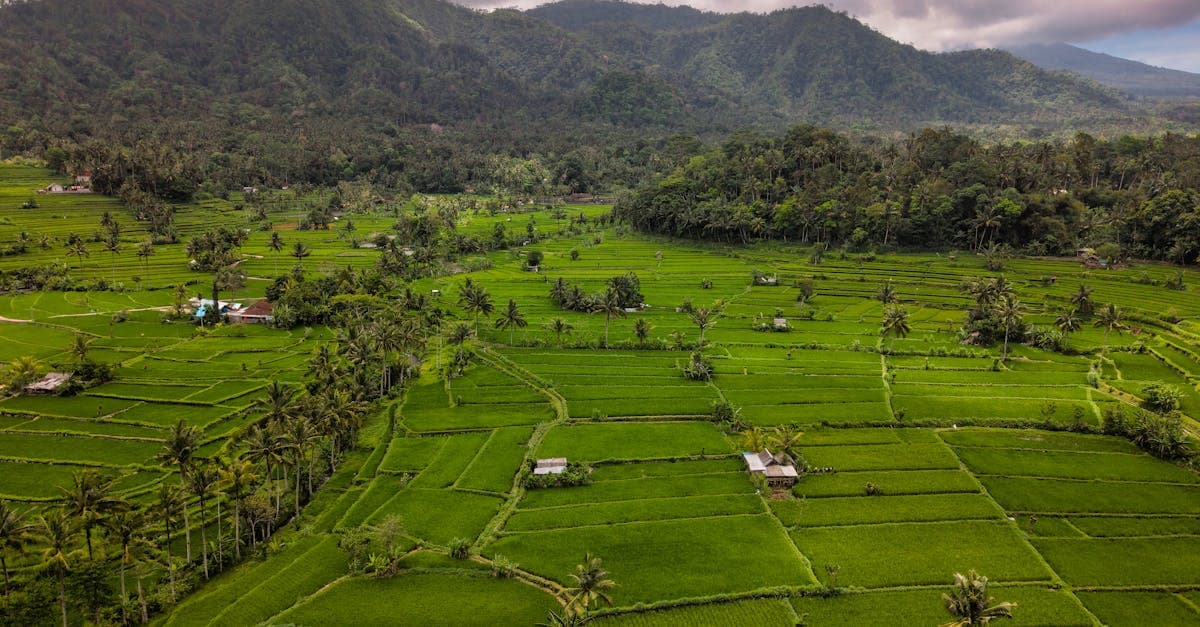
Autumn rewards travellers who look past the shoulder-season label. Crowds thin quickly after February. The Central Otago Pinot Noir harvest and Marlborough's Sauvignon Blanc season run through April and into May, covering some of New Zealand's most photogenic farming terrain.
One detail worth singling out for April visitors to Queenstown: the day-to-night temperature swing reaches around 10 degrees Celsius. Light jacket at lunch, heavy one by 6pm.
Winter is more compelling than its reputation suggests. Coronet Peak and The Remarkables typically open in late June and run through September, making the Queenstown basin a credible ski destination by Southern Hemisphere standards. Wellington and Christchurch stay functional rather than grim, cold by local standards but mild by Northern European ones.
Spring delivers open walking tracks, lupin fields across the Mackenzie Basin and roads you can drive without the convoy conditions of high summer.
Knowing the seasonal ranges is useful context. What those temperatures actually look like city by city in April 2026 is a sharper and more actionable picture.
What Season Is It in NZ in April 2026 Specifically?
! [Lush New Zealand valleys and snow-capped peaks in April — what season is it in NZ right now! image
April 2026 is mid-autumn across New Zealand, with the equinox behind us and temperatures across the main cities settled into the cool, clear range that defines this time of year. The general picture is one thing; the city-by-city detail is more useful for anyone planning travel right now.
Two details that catch April visitors unprepared
The UV. New Zealand's UV index sits between 5 and 7 through April, a range the World Health Organisation classifies as high. Travellers conditioned by Northern Hemisphere autumns often skip the sunscreen entirely. In New Zealand, the ozone layer is thinner than at equivalent latitudes in the north, and that effect carries well into the cooler months. SPF 50+ is not optional here.
The calendar. Two events reshape April 2026 in ways that aren't obvious at first glance. ANZAC Day falls on 25 April, a national public holiday that drives a significant domestic travel surge across the long weekend. Transport links and accommodation in popular regions book out well ahead of the date. The Arrowtown Autumn Festival runs in late April and draws large numbers to the Queenstown Lakes district specifically; that corridor runs notably busier than standard autumn conditions suggest.
If your itinerary puts you in the Queenstown region in the final week of April, book accommodation well ahead of what a quieter time of year would normally require. The festival crowd fills beds that are usually easy to secure at short notice in autumn.
April rewards travellers who do their homework. The case for it as one of the smartest months to visit New Zealand is more compelling than most seasonal guides let on.
Is Autumn a Good Time to Visit New Zealand?
! [Dramatic Otago mountain scenery at its finest during autumn, a great season to visit New Zealand! image
The numbers make the case plainly. Autumn visitors typically pay 20 to 35 percent less on accommodation than summer peak travellers, and crowds at Milford Sound, Fiordland, and Tongariro thin considerably. Autumn draws roughly 22 to 25 percent of NZ's annual international visitors, putting it firmly in the quieter half of the travel calendar.
What autumn gets right
The weather cooperates. March and April deliver stable, mild conditions across most of the country, with lower rainfall than summer in several regions. Road trips and day hikes run well without the heat or the school holiday crush that arrives with December and January.
Harvest season adds something summer can't replicate. Marlborough's Sauvignon Blanc harvest runs through March and April, while Central Otago's Pinot Noir peaks at the same time. Cellar door visits during picking season carry a specific energy: winemakers are on site, the vines are active, and both regions have a purposeful character that quieter months lack.
The Arrowtown Autumn Festival in late April draws visitors to the Queenstown corridor for the foliage alone. Introduced European poplars, oaks, and maples turn gold along the main street and across the surrounding hills. It's among the most photogenic seasonal spectacles in the Southern Hemisphere, and the town's visitor numbers in late April reflect that.
Where autumn comes up short
Daylight shrinks noticeably by May. For alpine activities on the South Island, the early part of autumn gives more usable afternoon light. Queenstown evenings in late April are cold in a way that daytime temperatures don't advertise.
Before you pack for any season, there's one hazard most travellers completely overlook.
What Season Is Best for Each Region in NZ?
! [Aoraki Mount Cook above a braided Canterbury river, illustrating what season is it in NZ by region! image
NZ spans roughly 1,600 kilometres from Northland to Southland, and that distance creates meaningfully different seasonal windows across its main travel corridors. The right time to visit depends heavily on where you're going.
Auckland and Northland
Both summer and autumn perform well. Summer brings long days, reliable warmth, and ideal conditions for the Bay of Islands. Autumn extends good weather at lower cost, with noticeably fewer visitors competing for the same boats, tracks, and tables.
Wellington
Spring is the pick. September and October offer the most forgiving weather, with milder temperatures and lower average wind speeds. Wellington's summer is notoriously blustery: the Cook Strait funnels air through the harbour in a way that makes outdoor plans genuinely unpredictable.
Queenstown
Two seasons, two entirely different reasons to go. Winter for Coronet Peak and The Remarkables ski fields. Autumn for gold foliage, harvest-season wine trails in the Gibbston Valley, and a version of the town that isn't operating at full capacity.
South Island glaciers
Fox and Franz Josef see their clearest conditions in spring and early autumn. Summer humidity draws persistent low cloud into the Westland valleys, blocking views of the ice for days at a time.
Fiordland
Accessible year-round, but winter is the most dramatic season. Rainfall feeds temporary waterfalls across the valley walls after storms. Milford Sound on a clear winter morning, after overnight rain, looks unlike anywhere else in the country.
Once you know your region and season, staying connected while you explore becomes the next practical question to answer.
Staying Connected in New Zealand: eSIM and Mobile Data Options
! [Hiker using a smartphone outdoors to stay connected with a travel eSIM in New Zealand! image
Coverage across New Zealand's cities and main tourist routes is strong. 4G is standard in Auckland, Wellington, Christchurch, and Queenstown, with 5G available in urban centres. The challenge isn't city connectivity; it's the gaps that appear the moment you leave.
Set it up before you board
eSIMs activate without a SIM card swap at the airport. Scan the QR code at home or in the departure lounge, and you'll have data the moment you clear customs. No hunting for a SIM at the terminal, no carrier roaming charges ticking up in the queue.
What to expect on the road
Rural and alpine areas have real signal gaps. Fiordland, the West Coast, and stretches of the central North Island can drop to patchy or no coverage depending on carrier and exact location. Download offline maps before leaving any city. Google Maps and Maps.me both support full offline navigation, and this is standard preparation for any South Island road trip, not a precaution for edge cases.
Key fact: HelloRoam supports coverage on Vodafone's network in New Zealand, including 5G in major centres, with a 3GB/30-day plan at ~$5.32 and a 10GB/30-day option at ~$15.24 for extended stays or heavier data users.
An offline map stored before departure is the most practical backup for alpine and coastal detours. For the tourist corridors and intercity routes,(https://www.helloroam.com/en-nz/esim-nz) provide access to Vodafone's network across the country.
Still have questions about NZ seasons? The most common ones are answered below.
What Is the Warmest Month in New Zealand?
! [The iconic lone tree at Lake Wānaka beneath snow-capped peaks during New Zealand's warmest summer months! image
January and February are New Zealand's warmest months, averaging 20 to 25°C across most of the country. Northland and the Nelson region consistently record the highest temperatures, where long sunshine hours and sheltered coastal geography push readings above the national average.
The UV index in January reaches 11 to 13, placing it in the extreme category on the international scale. As noted earlier in this guide, NZ's UV radiation runs significantly higher than equivalent Northern Hemisphere latitudes because of the thinner ozone layer over the Southern Ocean. SPF 50+ is the practical minimum, not a cautious extra.
Summer is vivid, popular, and expensive. It's also when UV exposure peaks at the most intense levels of the year. For anyone planning around the opposite end of the temperature chart, winter offers a different set of drawcards entirely.
Does New Zealand Get Snow in Winter?
! [Winter snow blankets Lake Wānaka's mountains, showing what season it is in NZ when snowfall arrives! image
Yes, but where you are in the country matters enormously. The South Island's mountain ranges receive heavy snowfall from June through August, with Queenstown and Wanaka serving as the twin hubs of NZ's ski season. Coronet Peak and The Remarkables open their lifts around late June, drawing skiers from across the Southern Hemisphere.
The North Island is a different story. Snow is genuinely rare at sea level. Ruapehu volcano, sitting in the centre of the island, is the exception: it hosts ski fields at altitude, but drive down to Taupo or Rotorua and you're unlikely to see a single flake all winter. Auckland barely dips below 8 degrees Celsius even on the coldest nights.
That gap surprises a lot of visitors. You can be riding a ski lift in Queenstown in July while someone in Auckland is wearing a light jacket and complaining the soup has gone cold.
And if you're wondering whether NZ has four distinct seasons at all, the answer might surprise you.
Do All Parts of New Zealand Experience the Same Seasons?
! [A winding road through Otago's rugged mountains highlights how NZ regions experience distinct seasons year-round! image
No, and the differences are sharper than most visitors expect. New Zealand spans around 1,600 kilometres from subtropical Northland to the subantarctic fringe of the South Island, and the climate shifts dramatically across that distance.
Northland sits in subtropical territory. Mild, humid, rarely cold. Fiordland, on the South Island's southwest corner, is a temperate rainforest receiving rainfall that would embarrass most of the tropics. The West Coast broadly gets roughly triple the annual rainfall of the eastern South Island, simply because moisture-laden westerlies dump their load on the Southern Alps before reaching Canterbury.
Above 2,000 metres in the South Island's alpine zones, snow persists year-round. That's permanent snowpack sitting alongside beach towns less than two hours' drive away.
The practical implication: packing for 'New Zealand weather' is almost meaningless as a concept. Pack for Northland in one bag and for Fiordland in another, even on the same trip.
Get Connected Before You Go


Frequently Asked Questions
It is currently autumn in New Zealand. April falls in the second month of meteorological autumn, which runs from 1 March to 31 May. New Zealand uses meteorological seasons that divide the year into four tidy three-month blocks rather than astronomical seasons based on solstices and equinoxes.
New Zealand's seasons are reversed because it sits in the Southern Hemisphere, which tilts away from the sun between June and August. Earth's axis sits at roughly 23.5 degrees to its orbital plane, so when the Northern Hemisphere is angled toward the sun in summer, the Southern Hemisphere is angled away and experiences winter.
New Zealand's seasons are: summer (December to February), autumn (March to May), winter (June to August), and spring (September to November). The country uses meteorological seasons rather than astronomical ones, meaning the calendar year divides into four clean three-month blocks.
April is mid-autumn in New Zealand, with mild and settled conditions across most of the country. Temperatures range from around 14-19°C in major cities, with Auckland averaging highs of 19°C and lows of 13°C, while Queenstown can drop to around 5°C at night. Day-to-night temperature swings in alpine areas like Queenstown can reach around 10 degrees Celsius.
Autumn is widely considered one of the smartest times to visit New Zealand. Accommodation across main tourist routes typically runs 20-35% below summer peak pricing, crowds thin at popular sites like Milford Sound and Fiordland, and the harvest season adds wine touring in Marlborough and Central Otago that summer cannot offer.
Two significant events affect April travel in New Zealand. ANZAC Day on 25 April is a national public holiday that drives a major domestic travel surge, filling transport and accommodation well in advance. The Arrowtown Autumn Festival in late April draws large visitor numbers to the Queenstown Lakes district for its European foliage, making accommodation in that corridor harder to secure at short notice.
Yes, sunscreen is essential in New Zealand even during autumn. New Zealand's ozone layer is thinner than at equivalent Northern Hemisphere latitudes, pushing UV radiation roughly 40% higher. In April, the UV index sits between 5 and 7, which the World Health Organisation classifies as high. SPF 50+ is recommended even on overcast days.
Queenstown has two peak seasons for different reasons. Winter (June to August) is ideal for skiing at Coronet Peak and The Remarkables. Autumn (March to May) offers gold foliage, harvest-season wine trails in the Gibbston Valley, and a less crowded version of the town operating below full capacity.
Fiordland is accessible year-round, but winter is the most dramatic season. Rainfall after storms feeds temporary waterfalls across the valley walls, and Milford Sound on a clear winter morning after overnight rain is particularly striking. Autumn also offers manageable road conditions with fewer crowds than summer.
Fox Glacier and Franz Josef Glacier see their clearest conditions in spring (September to November) and early autumn (March to April). Summer humidity draws persistent low cloud into the Westland valleys, which can block views of the ice for days at a time.
Spring, specifically September and October, is the best time to visit Wellington. These months offer the most forgiving weather with milder temperatures and lower average wind speeds. Wellington's summer can be noticeably blustery as the Cook Strait funnels air through the harbour, making outdoor plans unpredictable.
Autumn is harvest season for two of New Zealand's most celebrated wine regions. Marlborough's Sauvignon Blanc harvest runs through March and April, while Central Otago's Pinot Noir peaks at the same time. Cellar door visits during picking season are particularly rewarding as winemakers are on site and the vines are active.
4G coverage is standard in Auckland, Wellington, Christchurch, and Queenstown, with 5G available in major urban centres. However, rural and alpine areas including Fiordland, the West Coast, and parts of the central North Island can have patchy or no signal. Downloading offline maps before leaving any city is strongly recommended for South Island road trips.
Yes, eSIMs work well in New Zealand and can be activated before you travel by scanning a QR code at home or in the departure lounge. This means you have data as soon as you clear customs without needing to find a SIM card at the terminal or pay carrier roaming charges. Travel eSIM plans for New Zealand are available from around $1.70 for 1GB on a 7-day plan.
Travel eSIM plans for New Zealand typically start from around $1.70 for 1GB over 7 days, with longer-stay options such as 3GB for 30 days available from around $5.32 and 10GB for 30 days from around $15.24. Prices vary by provider and data allowance, so comparing plans before departure is worthwhile for extended trips.
Yes, downloading offline maps before departure is standard preparation for any New Zealand road trip, especially on the South Island. Signal gaps in Fiordland, the West Coast, and alpine areas can leave you without connectivity when you need navigation most. Apps like Google Maps and Maps.me both support full offline navigation.
Autumn is noticeably less crowded than summer in New Zealand. Autumn draws roughly 22 to 25 percent of New Zealand's annual international visitors, putting it firmly in the quieter half of the travel calendar. Popular sites like Milford Sound, Fiordland, and Tongariro see significantly fewer visitors than in the December to February peak.
April in New Zealand calls for layers, as daytime temperatures in alpine areas like Queenstown can feel mild but evenings drop sharply, with a day-to-night swing of around 10 degrees Celsius. A light jacket for midday and a heavier one for evenings is advisable. Sunscreen rated SPF 50+ is essential despite the cooler temperatures due to New Zealand's high UV levels.