

Quick Answer: Oaxaca at a Glance
Oaxaca is a UNESCO World Heritage city in southern Mexico, perched at 5,085 feet elevation with a walkable colonial center and a highland climate that runs cooler than the coastal resorts most American travelers know first. Budget the trip at $60 to $80 per day and you'll eat and sleep well.
The US State Department's Level 2 advisory for Oaxaca State matches the rating it assigns France and Germany. Context matters here: Oaxaca City and the Central Valleys rank among Mexico's most established tourist corridors. The advisory reflects conditions in remote coastal and mountain regions, not the centro histórico.
The headline numbers:
- Safety: Level 2, same as France, Germany, and the UK
- Daily budget: $60 to $80 covers a guesthouse, three meals, and entry fees
- Mezcal: Oaxaca state produces around 90% of Mexico's mezcal by volume
- Walkability: The historic center clusters most major sights within a 15-minute walk
- Data: HelloRoam's eSIM for Mexico starts at ~$3.37/day on AT&T and Telcel's 5G networks
Key fact: HelloRoam's Mexico 5GB/30-day plan costs ~$13.48, running on AT&T and Telcel with 5G support across both networks.
The context behind those numbers comes next.
What Makes Oaxaca Different from Mexico's Beach Destinations
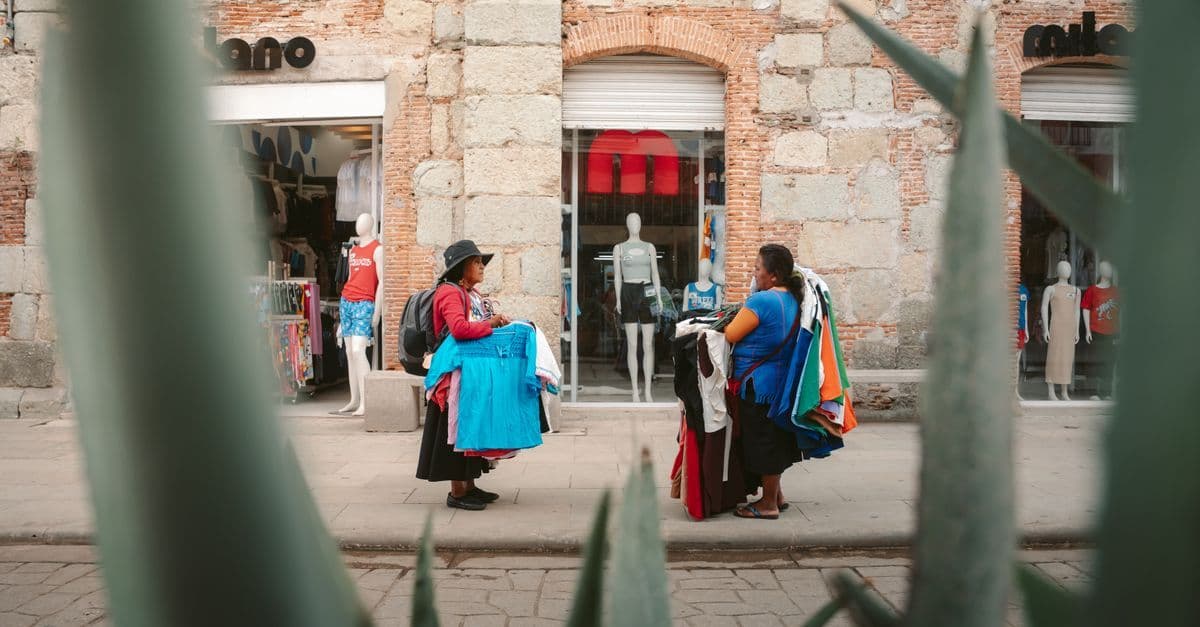
Sixteen distinct indigenous groups call Oaxaca state home, making it the most ethnically diverse state in Mexico. That's not a tourism talking point. It shapes the markets, the textiles, the ceremonial calendar, and what arrives on your plate.
Start with the climate. Oaxaca City sits above a mile in elevation, which keeps temperatures mild through much of the year and the humidity noticeably lower than Cancún or Puerto Vallarta. Travelers who've spent a week wilting through a beach trip in late July tend to find that a considerable relief.
Then there's the cultural depth. Monte Albán, the Zapotec capital rising from a ridge above the city, was a functioning urban center for over a millennium before European contact. UNESCO listed it alongside the historic city center in 1987. Oaxacan cuisine carries its own UNESCO designation as intangible cultural heritage: seven distinct mole varieties, tlayudas built on hand-pressed tortillas, and a mezcal culture that's drawn serious international attention for well over a decade.
Cheaper, too. Daily costs in Oaxaca typically run lower than Mexico City or Cancún, with quality-to-price ratios in restaurants and guesthouses that most visitors find genuinely generous.
Day of the Dead completes the picture. Oaxaca's Día de Muertos is widely regarded as the most layered and immersive in all of Mexico: cemetery vigils running through the night, candlelit altars stacked with marigolds and photographs, communities observing rituals with roots that predate the colonial period by centuries. The Guelaguetza festival in July draws indigenous dance troupes from across all 16 of the state's groups, filling the hillside amphitheater for weeks.
Getting to Oaxaca from the US is more straightforward than most travelers expect.
How to Get to Oaxaca from the United States
The fastest path from most US cities to Oaxaca runs through Mexico City's Benito Juárez International Airport (MEX). One nonstop option exists from the US side: United Airlines' route from Houston (IAH), which simplifies the routing considerably for anyone departing from Texas or connecting through the Gulf Coast hub.
Option 1: Nonstop from Houston IAH
United operates direct service from IAH to OAX. For Gulf Coast travelers or anyone already connecting through Houston, this keeps the total journey under four hours. Round-trip fares from major US hubs run $350 to $650 depending on routing, origin city, and time of year. Travelers enrolled in Global Entry tend to move through US preclearance at IAH faster on the return leg, which is worth factoring into tight same-day connection planning.
Option 2: Connect through Mexico City
Most US travelers fly into MEX, then catch a domestic hop to OAX. The Mexico City to Oaxaca segment takes around 50 minutes with Aeromexico, Volaris, or VivaAerobus, and domestic fares on that leg typically run $40 to $120 each way. Booking the international and domestic flights as separate tickets often undercuts the through-fare price, so comparing both options before committing is a reliable way to save money on the total cost.
Option 3: ADO bus from Mexico City
The ADO luxury bus from CDMX to Oaxaca costs $25 to $45 and takes 6 to 8 hours through the Sierra Juárez mountain range. Air-conditioned, assigned seating, reliable. For travelers already spending time in Mexico City, this is a pocket-friendly alternative to a second domestic flight, and the scenery through the sierra is legitimately worth the extra hours.
At the airport
OAX, Xoxocotlán International Airport, sits 8 km south of the city center. Taxis and ride-shares reach the historic center in 15 to 20 minutes depending on traffic. The airport itself is lean: one terminal, no sprawl, easy to navigate even arriving late. Agree on the taxi fare before you leave the terminal, since cabs here don't run on meters.
Oaxaca's safety reputation is more nuanced than the State Department headline suggests, and that's the next piece worth getting right before you book.
Is Oaxaca Safe for American Travelers?
The US State Department's Level 2 travel advisory on Oaxaca State carries identical language to its advisories on France, Germany, and the United Kingdom. That comparison is the most useful piece of context the State Department headline never quite surfaces.
Oaxaca City and the Central Valleys rank among Mexico's safest tourist zones. The primary concern for travelers is petty theft, the same measured risk you'd manage in any major European city. Violent crime targeting tourists is rare in this part of the country, and that distinction matters for how you plan.
The advisory's nuance comes down to geography.
Remote coastal areas and mountain zones well outside the tourist corridor carry genuinely elevated risk. Keep your itinerary within Oaxaca City, Monte Albán, Mitla, and the Tlacolula Valley, and you're in a different risk category than the headline implies.
A few careful habits still apply. Use Uber or InDriver at night rather than flagging unmarked taxis off the street. Keep your phone in a front pocket at the Zocalo and in busy markets. The historic center has tourist police presence on the main pedestrian streets, and those streets stay active and well-lit through the evening.
The colonial layout works in your favor. Oaxaca's center is compact and organized around pedestrian plazas, so there's rarely a reason to walk down an isolated side street late at night. Most travelers find the city considerably calmer after dark than the advisory language would suggest.
Safety cleared. Time for the actual itinerary.
Top Things to See and Eat in Oaxaca
Compare eSIM plans for Mexico — See 2026 pricing →
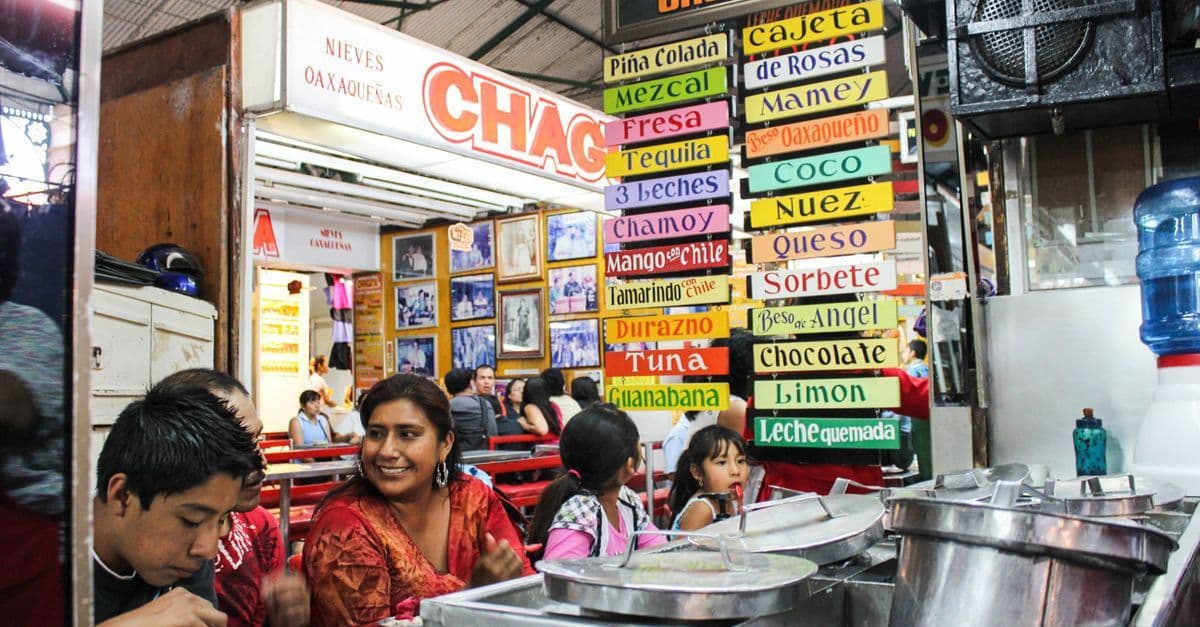
Oaxaca offers two UNESCO World Heritage sites accessible as day trips, seven distinct mole varieties, and mezcal distilleries within 30 minutes of the city center. The visitor landscape is more layered than most Mexican destinations twice its size.
Sites Worth Planning Around
Monte Albán is the anchor. The Zapotec capital sits on a flattened mountaintop about nine kilometers from the city center, with panoramic views across four surrounding valleys. Go early. The site opens daily, and the first couple of hours before organized tour groups arrive are considerably quieter.
Mitla, 25 miles east of Oaxaca City, gets less attention than it deserves. The stone mosaics covering the palace complex walls represent some of the most considered pre-Columbian geometric design in Mesoamerica. It's a straightforward half-day trip and rarely crowded in the morning.
The Zocalo needs no agenda. Oaxaca's main plaza costs nothing to enter and anchors the social rhythm of the historic center, from morning coffee through the evening paseo (stroll). Give it an hour and the whole city's social life passes through.
Eating and Drinking
Seven moles is not a figure of speech.
The varieties include the negro (dark and complex, built on dried chiles and chocolate), the amarillo (lighter, more herbaceous), and the coloradito, which tends to work well for travelers newer to mole. Each draws on regionally sourced ingredients. A careful meal at a local comedor covers two or three varieties in a single sitting.
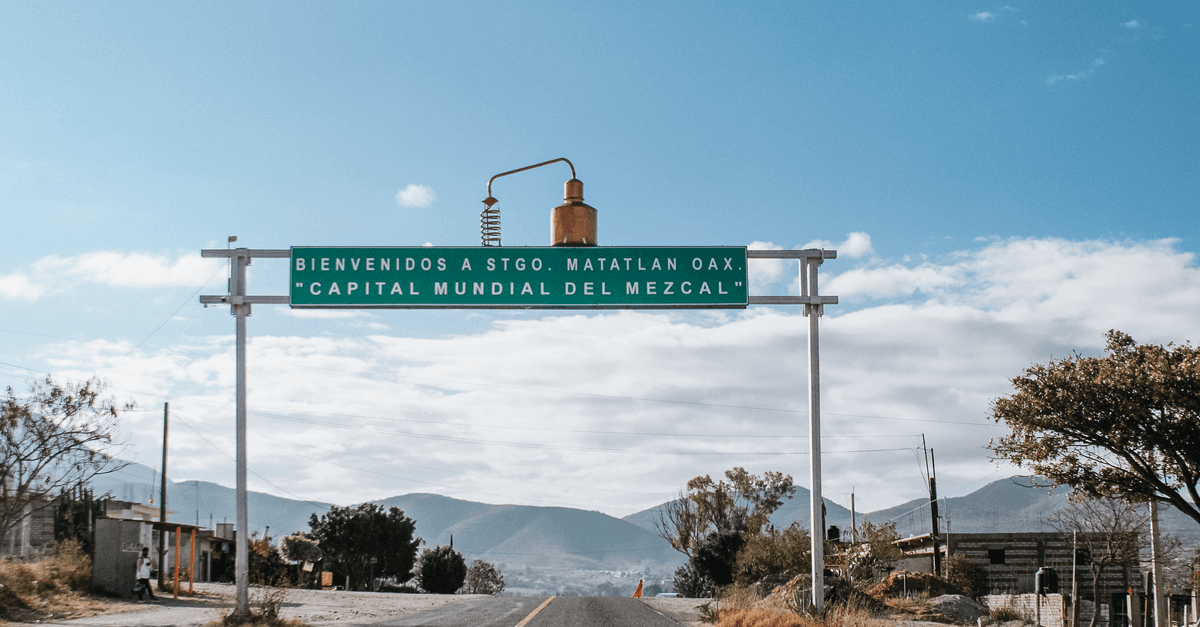
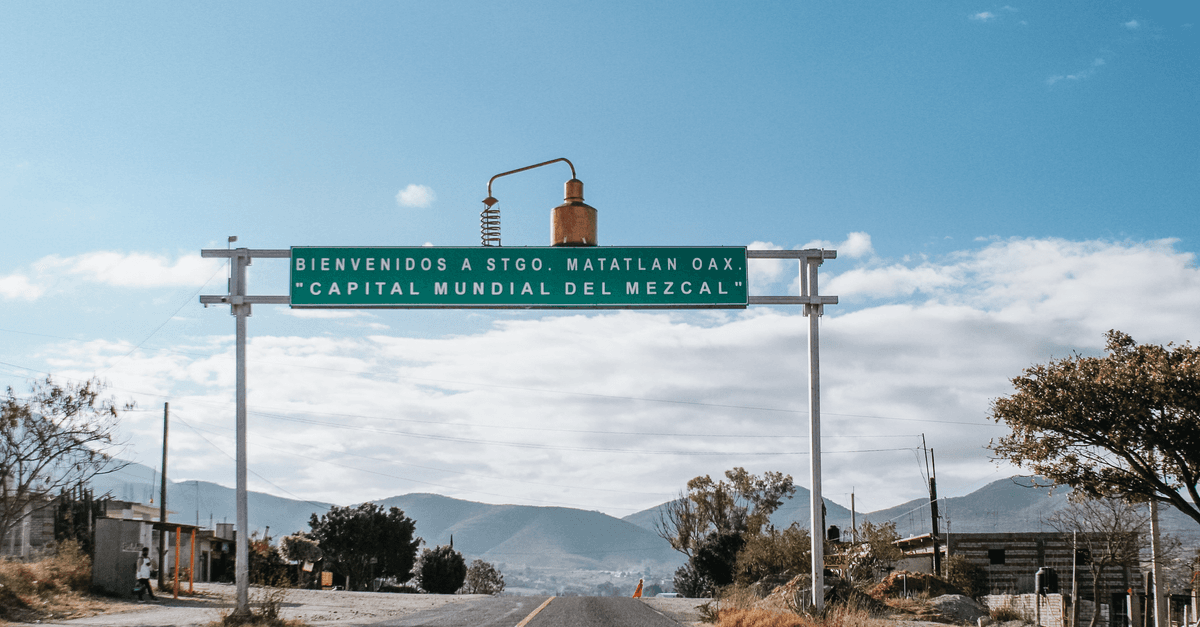
Mezcal palenques (small-batch distilleries) cluster within 30 minutes of the city center. Santiago Matatlán, recognized as the World Capital of Mezcal, is the most visited. Smaller operations throughout the Tlacolula Valley are more informal and rarely require a reservation.
Mercado Benito Juárez is the practical food anchor: dried chiles, cheese, grasshoppers (chapulines), prepared tlayudas, and fresh produce. Cash only. Arrive before noon when vendors are fully stocked and the market still has air moving through it.
Timing note: Guelaguetza falls on the third and fourth Mondays of late July, drawing indigenous dance troupes from all eight of Oaxaca's geographic regions. It's one of the largest indigenous cultural gatherings in Latin America and worth building a trip around.
A great itinerary needs a reliable data plan behind it.
Staying Connected in Oaxaca: eSIM, SIM Cards, and Wi-Fi
Coverage in Oaxaca
Mexico's cell network in Oaxaca City runs on two main operators: Telcel and AT&T Mexico (AT&T MX), both delivering 4G LTE coverage across the historic center, the Central Valleys, and main transit routes. Signal is reliable throughout the tourist corridor.
One honest limitation: signal on Monte Albán's mountaintop is patchy. Download your maps offline before making that drive.
Local SIM cards are available at OXXO convenience stores throughout Oaxaca City and at kiosk counters inside OAX airport on arrival. They're practical for longer stays or if you need a local number, but they require an unlocked phone, in-store setup, and typically some command of Spanish to navigate the process.
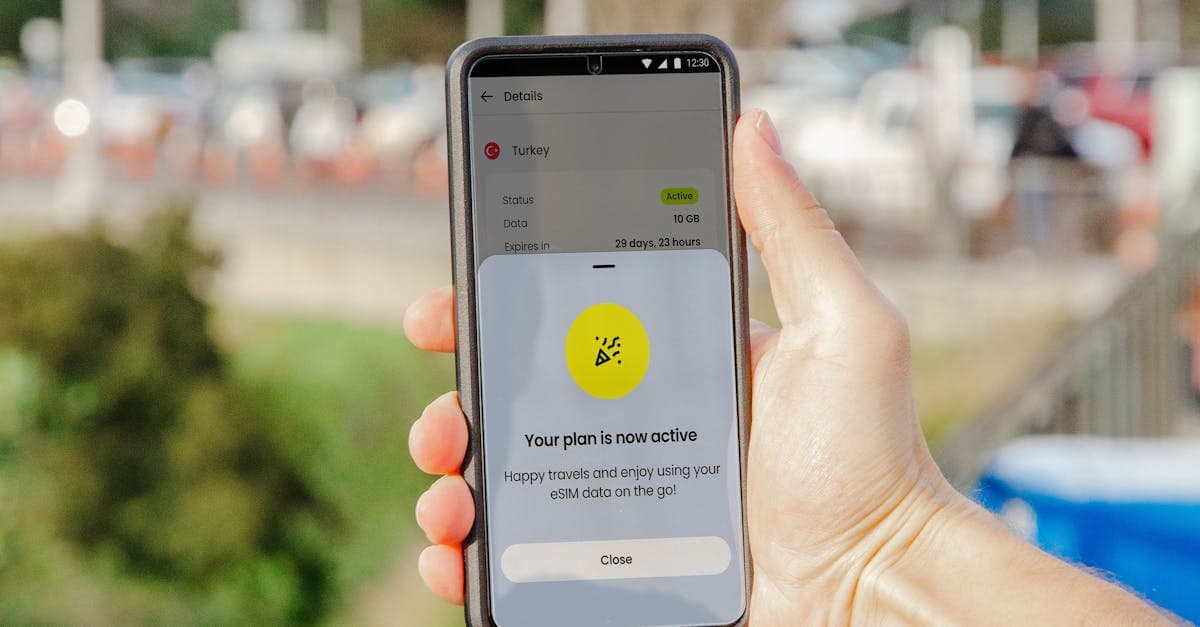
eSIM cuts through most of that friction. Purchase with Apple Pay or Google Pay in a few minutes, scan a QR code, and data is running when you land. No kiosk queue, no physical card to swap out.
US carrier international day passes from AT&T, T-Mobile, and Verizon are available but carry significant per-day fees that compound quickly over a 7 to 10-day stay. A single heavy-use day is their reasonable use case. The more thoughtful approach for a full week is a pre-activated eSIM, which costs a fraction of the running daily rate and doesn't require airport math.
Hotel Wi-Fi in Oaxaca's older colonial properties is often unreliable. Thick stone walls and courtyard floor plans weren't designed with wireless networking in mind. Cellular data is a practical backup, not a luxury.
HelloRoam Plans for Mexico
HelloRoam provides access to AT&T MX and Telcel networks, covering 4G LTE and 5G, with tethering included across all plans.
Key fact: HelloRoam's Mexico plans run on AT&T MX and Telcel networks, with 4G LTE and 5G coverage and hotspot tethering included on every plan tier.
For a 7 to 10-day Oaxaca visit with moderate use, the 3GB plan handles maps, messaging, and a few video calls without running dry. Heavier users or anyone sharing a hotspot with a travel companion should step up to the 10GB option.
Activate your eSIM for Mexico before departure and data is live the moment you land at OAX.
One question left: when exactly should you go?
What Is the Best Time to Visit Oaxaca?
The dry season, from October through April, gives you the most reliable weather in Oaxaca. Humidity stays low, mornings stay clear, and the highlands feel comfortable rather than oppressive. That's the baseline answer. What matters more is matching your dates to what you actually want from the trip.
Here's a practical decision framework:
October to April (dry season, peak travel): The default window for first-timers. Late October through early November overlaps with Día de Muertos, when Oaxacan cemeteries fill with candlelight, marigolds, and overnight family vigils that stretch past midnight. Demand spikes sharply during that week. Book early; availability across the historic center tightens well before November arrives.
Late July (Guelaguetza festival): The biggest indigenous folk dance festival in Latin America falls on the third and fourth Mondays of July. Book hotels three to four months ahead.
This isn't a suggestion.
Mid-range properties near the Zócalo fill completely once festival dates are confirmed.
May to June (shoulder season): Fewer crowds, lower room rates, and hillsides that turn noticeably greener as early rains arrive. A measured choice for travelers who want Oaxaca's cultural depth without peak-season pricing.
June to September (rainy season): Afternoon showers are reliable, but they're rarely all-day events. Ruins and markets stay accessible in the mornings. Carry a compact rain jacket and plan outdoor excursions early. The tradeoff is a quieter, less crowded city.
December 23 to January 2 (domestic peak): Christmas and New Year draw significant Mexican domestic travel to Oaxaca City. The festive energy is real, and so is the booking pressure. Treat it the way you'd treat a popular US destination at Thanksgiving.
Shoulder season in May and June is underrated. The hills are green, the city is workable, and no one's scrambling for the last hotel room.
Reviewed by HelloRoam's editorial team. Last updated: 12 July 2026.
Get Connected Before You Go


Frequently Asked Questions
Oaxaca City carries a US State Department Level 2 advisory, the same rating as France and Germany. Violent crime targeting tourists is rare; the main risk is petty theft, similar to any major European city.
A daily budget of $60 to $80 covers a guesthouse, three meals, and entry fees. Oaxaca typically runs cheaper than Mexico City or Cancún, with generous quality-to-price ratios in restaurants and guesthouses.
The dry season from October through April offers the most reliable weather, with low humidity and clear mornings. Late October overlaps with Día de Muertos and late July brings the Guelaguetza festival.
Most US travelers fly into Mexico City (MEX) then take a 50-minute domestic flight to OAX. One nonstop route operates from Houston (IAH). Round-trip fares from major US hubs typically run $350 to $650.
Monte Albán, a UNESCO-listed Zapotec capital, is the anchor sight. Other highlights include the Mitla stone mosaics, the Zocalo plaza, seven mole varieties, and mezcal distilleries within 30 minutes of the city.
Oaxaca City has reliable 4G LTE coverage across the historic center and Central Valleys. Signal can be patchy at Monte Albán's mountaintop, so download offline maps before making that trip.
An eSIM activates in minutes before departure with no kiosk queue or card swapping. Local SIM cards are available at convenience stores but require an unlocked phone and typically some Spanish to navigate setup.
Budget eSIM plans for Mexico start around $3.49 for 1GB over 7 days, or roughly $8.59 for 3GB over 30 days, running on Telcel and AT&T Mexico networks with 4G LTE and 5G support.
Guelaguetza falls on the third and fourth Mondays of late July and is one of the largest indigenous cultural gatherings in Latin America. Book hotels three to four months ahead as mid-range properties near the Zócalo fill completely.
Oaxaca's Día de Muertos in late October and early November features cemetery vigils, candlelit altars stacked with marigolds, and community rituals with pre-colonial roots. Book accommodation well in advance as demand spikes sharply that week.
Xoxocotlán International Airport (OAX) sits 8 km south of the historic center. Taxis and ride-shares reach the centro in 15 to 20 minutes; agree on the fare before leaving the terminal as cabs do not use meters.
Oaxaca City sits at 5,085 feet elevation, keeping temperatures mild with lower humidity than coastal resorts like Cancún. The dry season from October through April offers the most comfortable visiting conditions.
The ADO luxury bus from Mexico City to Oaxaca takes 6 to 8 hours and costs $25 to $45. It runs air-conditioned with assigned seating through the scenic Sierra Juárez mountain range.
Oaxaca is known for seven distinct mole varieties, tlayudas on hand-pressed tortillas, and mezcal. The cuisine holds UNESCO intangible cultural heritage status, and Mercado Benito Juárez is the main food market.
Yes. The rainy season from June to September brings smaller crowds and lower hotel rates. Afternoon showers are common but rarely last all day, and mornings typically stay clear for visiting ruins and markets.
International day passes from US carriers compound quickly over 7 to 10 days. A pre-activated eSIM typically costs a fraction of the running daily rate and is a more economical choice for stays longer than one or two days.
Oaxaca state produces around 90% of Mexico's mezcal by volume. Small-batch distilleries called palenques cluster within 30 minutes of the city center, and Santiago Matatlán is recognized as the World Capital of Mezcal.