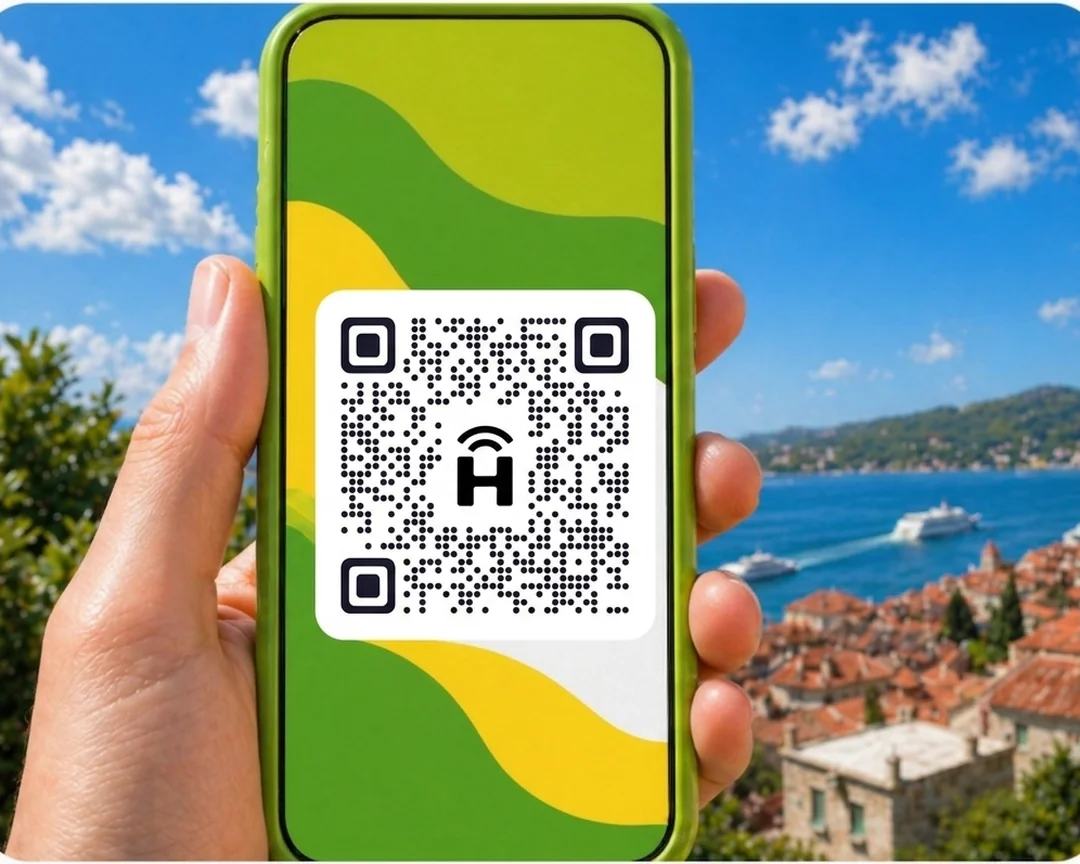




HelloRoam銷售阿拉斯加預付eSIM(e SIM・e-sim)流量方案,NT$91起。落地即連上當地4G/5G網路,涵蓋212+家在地電信業者。掃描QR碼,2分鐘內完成啟用,中華電信、台灣大哥大、遠傳電信門號可保留雙卡通話使用。未啟用方案180天內可申請退款,24小時即時客服全程支援。
- 電信網路
 212+
212+- 支援5G
 5G
5G- 啟動
 2 分鐘以內
更新於
選擇 Alaska sim 的數據方案
阿拉斯加(阿拉斯加)eSIM 方案低至 NT$91。接入 4G/5G 頂級電信網路,支援所有相容 eSIM 的手機。 抵達Alaska卻沒有網路,叫車、導航全靠猜。HelloRoam 的 e-sim Alaska 方案最低 NT$91 起,接入 Verizon 和 AT&T 5G 網路,涵蓋Alaska全區。支援 eSIM 的 iPhone 或 Android 掃 QR碼即可啟用,設定不超過兩分鐘。
阿拉斯加 eSIM:快速5G覆蓋
HelloRoam 為前往阿拉斯加的旅客提供預付 eSIM 資料方案,涵蓋 185+ 個目的地,抵達後立即上網,無需實體 SIM 卡。方案最低 NT$33 起,透過掃描 QR 碼即可啟用。
- 方案最低NT$91起,5G速度
- Verizon提供覆蓋 及1家以上電信商
- 2 分鐘內即時開通
- 180天退款保證
- 阿拉斯加主要城市全覆蓋
- 網路
- 5G
- 方案起價
- NT$91
- 啟用
- 2 分鐘內
- 保障
- 180 天

如何在 阿拉斯加 設定 eSIM?
依照以下步驟,在 iPhone 或 Android 上開始使用 eSIM 出國上網。
在 iPhone 上用 HelloRoam 應用程式設定 eSIM
在 Android 上用 HelloRoam 應用程式設定 eSIM
- 1
選擇方案並線上結帳
為你的目的地選擇流量方案,完成結帳。
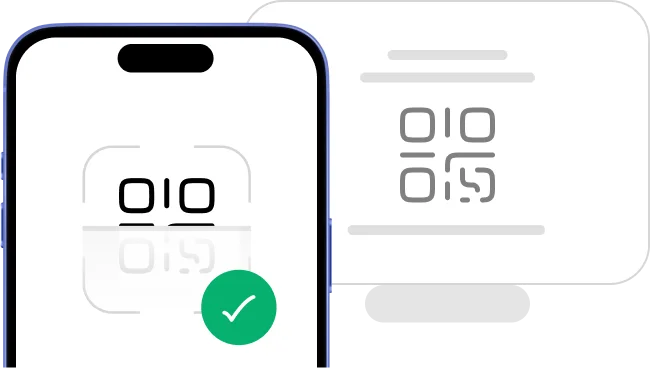
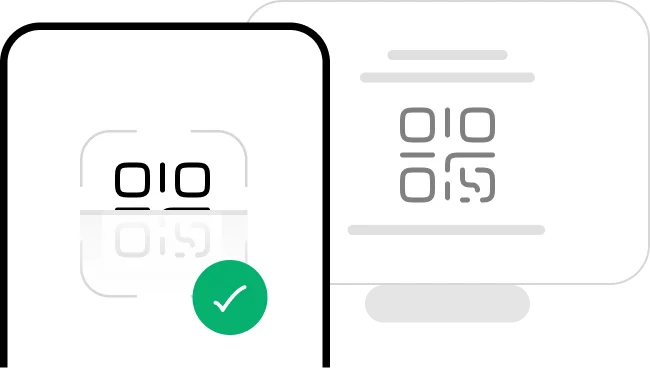 2
2掃描 QR碼
掃描 QR碼,立即安裝你的 eSIM。
- 3
幾分鐘內啟動,落地即連線
eSIM 立即安裝完成,抵達目的地後自動啟動。
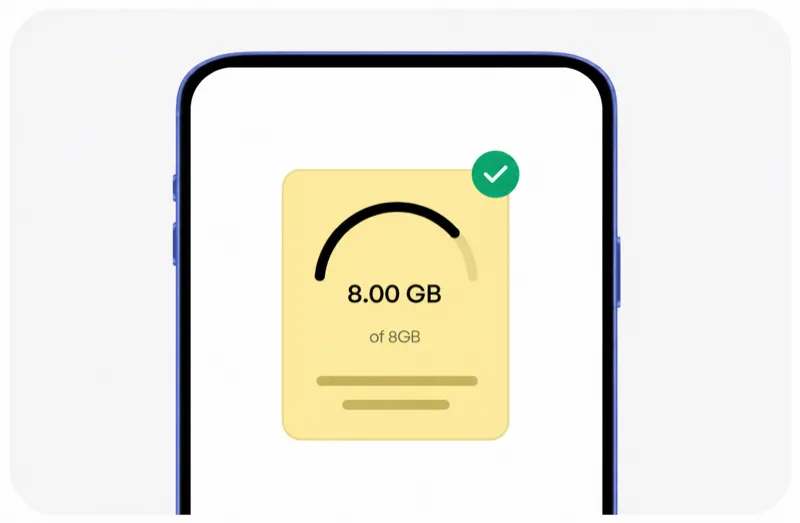 4
4透過行動應用程式輕鬆管理
在同一個地方追蹤用量、加購流量,管理所有 eSIM。




HelloRoam 阿拉斯加 eSIM vs 中華電信・台灣大哥大漫遊
HelloRoam 阿拉斯加 eSIM 比中華電信國際漫遊(NT$300-600/天)和台灣大哥大漫遊便宜最多 5 倍。不需到機場買上網卡、不需排隊換卡。從 NT$91 起享有當地網路速度,附 180天未啟用退款保障。
| 功能比較 | HelloRoam | 本地電信業者 | 有限流量 eSIM |
|---|---|---|---|
| 180天未啟用退款保障 |  支援此功能 支援此功能 |  不支援此功能 不支援此功能 | 不支援此功能 |
| 24/7 即時聊天客服 | 支援此功能 |  支援此功能 支援此功能 | 支援此功能 |
| 零啟動費 | 支援此功能 | 不支援此功能 | 支援此功能 |
| 免費個人熱點與流量分享 | 支援此功能 | 不支援此功能 | 不支援此功能 |
| 不收流量超額費用 | 支援此功能 | 不支援此功能 | 不支援此功能 |
| 即時 QR碼寄送 | 支援此功能 | 不支援此功能 | 支援此功能 |
| 阿拉斯加 頂級電信合作網路 | 支援此功能 | 不支援此功能 | 不支援此功能 |
eSIM 和Alaska SIM card哪個更方便?
選擇 eSIM 省去找SIM card for Alaska的時間。傳統實體卡要跑門市,機場櫃檯還常常排長隊。HelloRoam 線上購買,QR碼掃一下就啟用。
用Alaska SIM card打國際電話費用很高。HelloRoam eSIM 讓你用網路通話 APP 省下大筆電話費。純數據方案,搭配 LINE 或 WhatsApp 就能聯絡家人朋友。
Alaska SIM card如果訊號不好,你無法切換電信商。HelloRoam eSIM 接入 Verizon 和 AT&T 5G 網路,確保穩定連線。免合約,用多少買多少。
已於2026年1月驗證
旅客前往 阿拉斯加 為何選擇 HelloRoam eSIM

24/7 真人即時客服
半夜在首爾需要幫忙?HelloRoam 客服 24/7 全天候待命。傳訊息後,真人 5 分鐘內回覆,LINE 或 WhatsApp 都行。海外上網出問題時,有真人即時處理才安心。

前往阿拉斯加最推薦的 eSIM
購買阿拉斯加 eSIM 方案,享受4G/5G高速網路,不必再付中華電信、台灣大哥大、遠傳電信的漫遊費。HelloRoam 直接接入當地網路,全球合作網路達212+個,隨時隨地保持連線,即買即用。這張數據套餐讓你出發前就搞定行動數據,落地直接用。

雙 SIM 同時使用
HelloRoam eSIM 負責 阿拉斯加 的網路流量,你的台灣號碼照常接聽電話、收發簡訊。雙 SIM 同時運作,不需換卡,輕鬆搞定。無線連線和語音服務各走各的線路,互不干擾。

全球212+個合作電信網路
HelloRoam 接入 212+ 個電信業者網路,覆蓋 185+ 個國家。手機自動切換到附近最快的 4G/5G 訊號,不需手動操作。廣泛的網路覆蓋代表你在城市或鄉間都能保持穩定連線。

80% 用量時主動通知
流量用到 80% 時,HelloRoam 主動通知你,不怕旅途中突然斷線。直接在 App 內加購,不需重新安裝 eSIM,幾分鐘內恢復連線。預付數據包用完了再加購,完全掌控行動數據的花費。

享有當地網路速度
在 阿拉斯加 直接接入本地 4G/5G 網路。HelloRoam 自動選取最強訊號,導航、串流影片、視訊通話全程穩定。用當地網路速度上網,是海外上網體驗最直接的升級。

全球及區域方案
計劃跑多個國家?HelloRoam 區域方案一次涵蓋歐洲、亞洲、美洲及 185+ 個目的地,一張 e-sim 搞定所有行程,不用換卡。一個數據套餐走遍多國,是多站旅遊最聰明的海外上網方式。

在阿拉斯加支援個人熱點分享
把 阿拉斯加 eSIM 的流量透過個人熱點分享給筆電或平板。不收額外費用、不需額外設定,相容 eSIM 的手機即可使用。行動數據透過無線連線分享給同行旅伴,一張 eSIM 全家都能用。
阿拉斯加 eSIM 方案價格
HelloRoam,前往阿拉斯加最推薦的 eSIM
| 天數 | 價格 |
|---|---|
| 1 天 | NT$110 |
| 3 天 | NT$314 |
| 7 天 | NT$679 |
| 15 天 | NT$1,323 |
| 22 天 | NT$1,796 |
| 30 天 | NT$2,250 |
HelloRoam 與其他 eSIM 服務商比較:阿拉斯加
選擇前往阿拉斯加的 eSIM,重點看退款保障、零啟用費和全天候客服。HelloRoam 提供180天未啟用退款保障、NT$0 啟用費、24/7 即時客服,以及即時QR碼傳送。看 HelloRoam 與 Airalo、Holafly、Saily 等服務商的差異。
| 功能比較 | HelloRoam | Airalo | Holafly | Nomad | Saily | Ubigi |
|---|---|---|---|---|---|---|
| 180天未啟用退款保障 | 支援此功能 | 不支援此功能 | 不支援此功能 | 不支援此功能 | 不支援此功能 | 不支援此功能 |
| 24/7 即時線上客服 | 支援此功能 | 支援此功能 | 支援此功能 | 不支援此功能 | 支援此功能 | 支援此功能 |
| 零啟用費 | 支援此功能 | 不支援此功能 | 支援此功能 | 不支援此功能 | 不支援此功能 | 不支援此功能 |
| 免費個人熱點與流量分享 | 支援此功能 | 不支援此功能 | 不支援此功能 | 不支援此功能 | 不支援此功能 | 不支援此功能 |
| 不收超額流量費 | 支援此功能 | 不支援此功能 | 支援此功能 | 不支援此功能 | 不支援此功能 | 不支援此功能 |
| 即時QR碼傳送 | 支援此功能 | 支援此功能 | 支援此功能 | 支援此功能 | 支援此功能 | 支援此功能 |
| 阿拉斯加優質電信業者網路 | 支援此功能 | 不支援此功能 | 不支援此功能 | 不支援此功能 | 不支援此功能 | 不支援此功能 |
| 獨立電信業者識別碼(SPN) | 支援此功能 | 不支援此功能 | 不支援此功能 | 不支援此功能 | 不支援此功能 | 支援此功能 |


Staying Connected in 阿拉斯加
阿拉斯加的主要行動電信業者包括 Anchorage、Fairbanks、Juneau。這些業者提供 4G LTE 覆蓋,涵蓋主要城市、旅遊景點及幹道沿線。
HelloRoam eSIM 方案連線至阿拉斯加的當地行動網路,出發前購買並掃描 QR 碼即可啟用。抵達後手機自動連線,無需前往電信門市。前往偏遠地區或山區,建議提前下載離線地圖,以備訊號較弱時使用。
- HelloRoam 在 阿拉斯加 接入 Verizon 5G, AT&T 5G
- GSMA Intelligence ();
- ITU Digital Development Dashboard 2025 ();
- NCC ()
阿拉斯加 eSIM旅遊貼士
出發前啟用 eSIM
請在搭機前至少 24 小時購買並安裝 HelloRoam eSIM。在家連接 Wi-Fi 完成掃碼設定,抵達阿拉斯加後手機即可自動連線,無需在機場排隊或尋找 Wi-Fi。
提前下載離線地圖
前往阿拉斯加之前,請先下載 Google 地圖或 Maps.me 的離線地圖包。在訊號較弱的地區,GPS 仍可透過手機硬體正常定位,即使沒有行動資料也能準確顯示您的位置。
儲存緊急聯絡電話
出發前請將阿拉斯加的緊急服務號碼儲存至手機。緊急電話可從任何啟用中的 eSIM 撥打,即使在訊號微弱的地區也能使用。
Alaska Mobile Network Coverage by Region
Alaska has 4G LTE coverage concentrated in its populated cities and towns, with vast wilderness areas having limited or no mobile service. Anchorage, Alaska's largest city, has strong 4G and expanding 5G on T-Mobile and AT&T throughout downtown, Midtown, the Dimond Center corridor, and Ted Stevens International Airport (ANC). GCI (General Communication Inc.) is Alaska's dominant regional carrier with the widest rural network across the state. Fairbanks has solid 4G in its city center, university corridor near UAF, and along the main commercial strip on Airport Way and College Road. Juneau, the capital, has 4G in the city center, Douglas Island, and near Mendenhall Glacier visitor area. The Kenai Peninsula including Homer, Kenai, and Soldotna has 4G along the Sterling Highway and main town corridors. Seward has 4G in the main town but signal drops quickly on the Resurrection Bay ferry routes and in Kenai Fjords National Park. Kodiak Island has 4G in the town of Kodiak. The Matanuska-Susitna Valley including Wasilla and Palmer has 4G along the Parks Highway. Denali National Park has no reliable 4G inside its boundaries. The town of Healy at the park entrance has limited 4G. The Dalton Highway to Prudhoe Bay has no commercial cell coverage beyond Coldfoot, approximately 250 miles north of Fairbanks. Southeast Alaska communities including Sitka, Ketchikan, and Skagway have 4G in their town centers but no service on open water. All national parks, most national forests, and remote coastal communities have no service. Satellite communication devices are the only option in these zones.
- Verizon

- 5G
- AT&T

- 5G
阿拉斯加最佳旅遊時機
夏季(6月至8月)氣候最宜人,白晝極長,是健行、觀鯨及野生動物探索的黃金時段,也是旅遊旺季,城市地區網路較繁忙。冬季(10月至3月)可觀賞北極光,但偏遠地區訊號稀疏。建議攜帶離線地圖,荒野地帶幾乎無訊號覆蓋。短程3至5天行程建議5GB,探索旺季建議10GB。 無論何時出發,建議在台灣桃園機場(TPE)出發前完成HelloRoam eSIM設定,抵達後立即享有網路服務。
- 旺季
- 6月7月8月
- 平季
- 5月9月
- 淡季
- 10月11月12月1月2月3月4月

阿拉斯加機場與交通網路覆蓋
阿拉斯加的主要機場全區均有移動網路覆蓋,您的HelloRoam eSIM抵達後即可立即上網。AT&T、GCI電信業者提供覆蓋完善的網路,可在到達厅直接使用地圖、叫車應用和通訊軟件。城市公共交通系統在主要車站均有訊號覆蓋,但深埋地下的隧道路段可能訊號較弱。建議在進入地下路段前下載好所需的地圖和路線信息。
阿拉斯加 熱門景點

Anchorage
Anchorage是每位旅行者必去的景点。使用HelloRoam eSIM轻松上网。

从不同角度拍照,捕捉最佳画面。

Denali
参观Denali,感受独特的氛围。HelloRoam eSIM让您保持连接。
穿舒适的鞋子,方便步行游览周边。

Glacier Bay
Glacier Bay是每个人都应该去看的地方。使用HelloRoam eSIM分享精彩瞬间。
参观前请查看开放时间和费用。
顯示第 1 張,共 3 張
評價
旅行者這樣說
來自 Trustpilot 和 App Store 的真實評價,譯自英文原文。
4萬+ 位旅客使用過 HelloRoam
Cat
去歐洲旅行的時候,飯店的 Wi-Fi 慢到不行,外面的 Wi-Fi 又不穩定。我真的受不了了,就買了幾天的 helloroam。因為主要線路的設定(跟我原本的門號有關),要設定正確有點麻煩。 不過我透過 WhatsApp 聯絡了他們的客服。回覆超快,也超有幫助,給了具體又清楚的疑難排解步驟。很感謝旅途中能用 4G 漫遊,不用將就斷斷續續的 Wi-Fi!!
這位顧客給了 5 分中的 5 分

體驗非常好!eSIM 設定起來很簡單,在倫敦用起來很棒。比在那邊用我自己的電信商便宜多了。
Ilona
這位顧客給了 5 分中的 5 分
metulker
設定起來很難,但協助很到位
這位顧客給了 5 分中的 5 分
Reuben
對 HelloRoam 真的很滿意。從傳訊息、Google Maps 到串流,一切都跟預期一樣,沒有任何問題。好用、可靠,價格也親民。之後旅行時很樂意再用他們家。
這位顧客給了 5 分中的 5 分

Angeline
連線穩定。價格合理。
這位顧客給了 5 分中的 4 分
更新於
阿拉斯加 eSIM 常見問題
去 Alaska 旅遊前,如何準備行動數據?
購買 HelloRoam SIM card for Alaska 後,掃描 QR碼約兩分鐘即可啟用,落地Alaska就能立即上網。方案從 NT$91 起,接入 Verizon 和 AT&T 5G 網路,免合約。
如何在 Alaska 使用 eSIM 上網?
HelloRoam 的 Alaska sim 從 NT$91 起,透過 QR code 即時啟用,無需合約,支援 Verizon 和 AT&T 5G 網路,180 天未啟用退款保證。
前往 阿拉斯加 最好的 eSIM 是哪一個?
HelloRoam 是前往 阿拉斯加 最多台灣旅客推薦的 eSIM 選擇之一,接入 212+ 個電信網路,覆蓋 185+ 個國家,方案從 NT$91 起。透過 QR碼在 2 分鐘內啟動,支援任何已解鎖的相容 eSIM 手機。在 阿拉斯加 享有 4G/5G 速度,附 180天未啟用退款保障及 24/7 即時客服。
阿拉斯加 eSIM 費用是多少?
數據套餐起價從 NT$91 起,HelloRoam 阿拉斯加 eSIM 提供固定流量方案從 1GB 到 20GB,吃到飽日付方案適合長期停留的旅客。所有方案均含本地 4G/5G 上網,不收超額費用,無需簽約。
eSIM 在 阿拉斯加 接哪些電信網路?
網路覆蓋涵蓋 阿拉斯加 當地 4G/5G 電信網路,你的手機在落地後自動選取最強訊號。覆蓋範圍包含主要城市、機場、交通幹道,以及大多數郊區。HelloRoam 在全球合作 212+ 個電信網路,確保連線穩定一致。
如何取得 阿拉斯加 eSIM?
取得 HelloRoam 阿拉斯加 eSIM 只需三步驟:第一,在 helloroam.com 選擇方案並完成結帳;第二,在手機設定中點選「新增 eSIM」,掃描確認信中的 QR碼;第三,eSIM 2 分鐘以內完成安裝。不需跑門市、不換 SIM 卡、即買即用。
iPhone 可以使用 阿拉斯加 eSIM 嗎?
iPhone XS 及以上機型均支援 HelloRoam 阿拉斯加 eSIM。進入「設定」,點選「行動服務」,再點「新增 eSIM」,掃描電子郵件中的 QR碼即可。雙 SIM 卡模式讓你的台灣號碼照常使用,HelloRoam 處理出國流量。iPhone 14 以後在台灣購買的機型僅支援 eSIM,無需 SIM 卡托盤。
HelloRoam eSIM 在阿拉斯加可以使用嗎?
HelloRoam 美國方案的覆蓋範圍包含夏威夷和阿拉斯加,與美國本土使用同一方案,無需額外費用。夏威夷主要島嶼在人口聚集區有完善的行動網路覆蓋;阿拉斯加則在安克拉治和朱諾等城市有良好訊號,但偏遠荒野地區覆蓋有限。前往阿拉斯加偏遠地區前,請預先下載離線地圖。
在阿拉斯加使用 HelloRoam eSIM 需要注意什麼?
阿拉斯加主要城市已有 5G 網路覆蓋。HelloRoam eSIM 方案在裝置支援的情況下自動連接 5G。郊區及鄉村地區使用 4G LTE,速度同樣足以應付地圖導航、社群媒體及視訊通話等日常需求。
HelloRoam eSIM 在阿拉斯加機場可以使用嗎?
您可以透過 HelloRoam 資料連線,使用應用程式在阿拉斯加撥打網路電話。WhatsApp、Skype、FaceTime 和 Zoom 均可在 HelloRoam 方案上正常使用。HelloRoam eSIM 方案為純資料方案,不包含本地電話號碼,但網路電話應用程式完全支援。
HelloRoam eSIM 在國家公園的訊號覆蓋如何?
阿拉斯加的國家公園景區訊號覆蓋有限。主要遊客中心和景點通常有訊號,但偏僻步道和野外地區往往沒有覆蓋。進入公園前,請下載所有地圖和公園資訊,不要依賴行動資料在公園內導航。
阿拉斯加 eSIM:暢遊全城,隨時保持連線的緊急電話號碼是什麼?
阿拉斯加 eSIM:暢遊全城,隨時保持連線的緊急電話號碼是911。緊急情況請撥打911 (police, fire, ambulance)。 Poison control: 1-800-222-1222緊急電話在任何可用網路均可撥打,無需數據餘額。
前往 week in 阿拉斯加?
HelloRoam 美國方案的覆蓋範圍包含夏威夷和阿拉斯加,與美國本土使用同一方案,無需額外費用。夏威夷主要島嶼在人口聚集區有完善的行動網路覆蓋;阿拉斯加則在安克拉治和朱諾等城市有良好訊號,但偏遠荒野地區覆蓋有限。前往阿拉斯加偏遠地區前,請預先下載離線地圖。