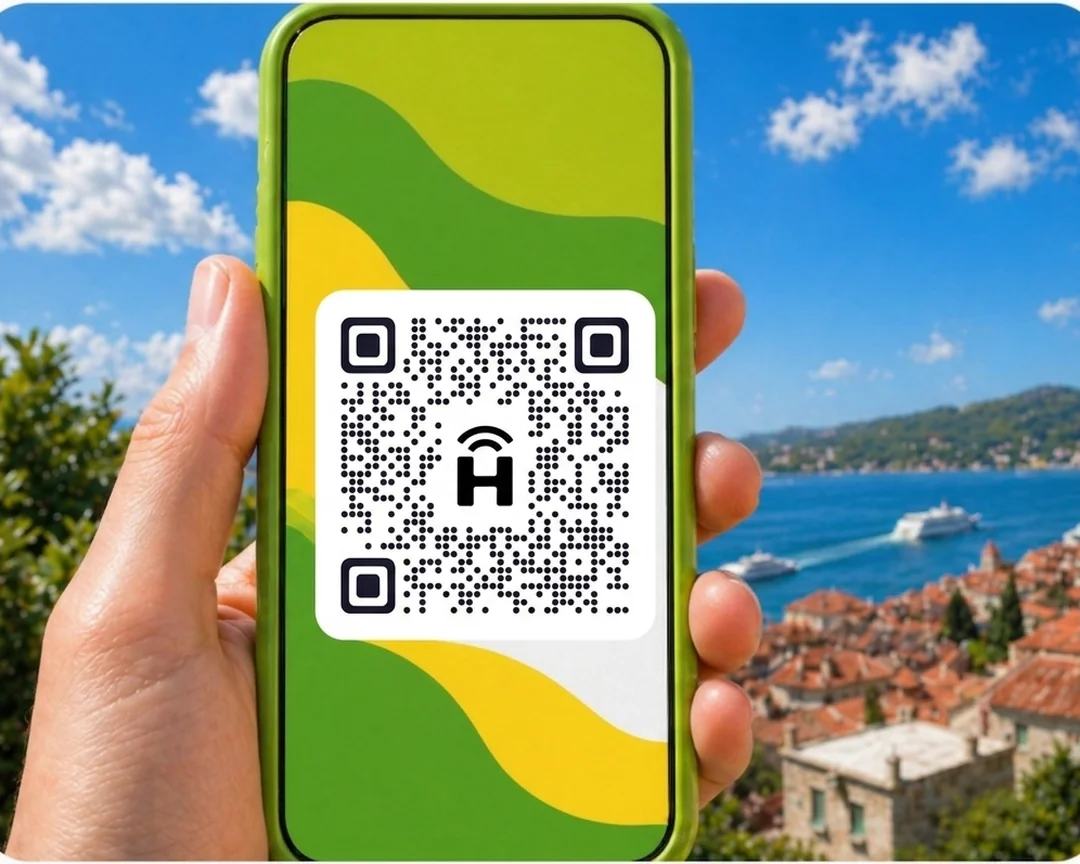




HelloRoam销售加利福尼亚预付费eSIM(e SIM・e-sim)数据套餐,¥19.45起。落地即连接当地4G/5G网络,覆盖212+家本地运营商。扫描二维码,2分钟内完成激活,国内中国移动、中国联通、中国电信号码保留双卡使用。未激活套餐180天内可申请全额退款,7×24小时中文客服全程支持。
- 个网络
 212+
212+- 支持5G
 5G
5G- 激活
 2分钟内
2分钟内
更新于
California sim扫码激活方案
加利福尼亚 eSIM套餐低至¥19.45,接入本地4G/5G高速网络,适用于所有eSIM兼容手机。 加州机场柜台SIM卡费用偏高,跨城市漫游费更是额外开销。HelloRoam提供California sim方案,低至¥19.45,通过Verizon 和 AT&T 5G网络覆盖洛杉矶、旧金山、圣地亚哥及硅谷全区。出发前扫描二维码完成激活,落地即刻联网。未激活套餐180天退款保障,无合约。
加利福尼亚 eSIM:高速5G覆盖
A HelloRoam US eSIM covers the entire state of California on major US networks. From Los Angeles and San Francisco to San Diego, Sacramento, and the Napa Valley, California has strong 4G LTE and 5G coverage in all major cities and along Interstate corridors. Plans start at ¥6.98 per day with instant QR code activation. One plan covers your whole California trip.
- 套餐起价¥19.45,提供5G网速
- 由Verizon提供网络覆盖 及1+家其他运营商
- 2分钟内即时激活
- 180天退款保障
- 加利福尼亚各大城市均有覆盖
- 网络
- 5G
- 起价
- ¥19.45
- 激活
- 2分钟内
- 保障
- 180天

在加利福尼亚如何安装eSIM?
按以下步骤在iPhone或Android上开始使用您的HelloRoam eSIM。
使用HelloRoam应用在iPhone上设置eSIM
使用HelloRoam应用在Android上设置eSIM
- 1
选择套餐并在线付款
为目的地选择流量套餐,安全在线付款。
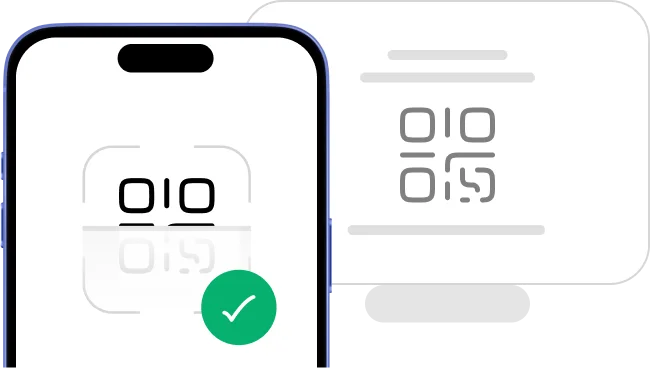
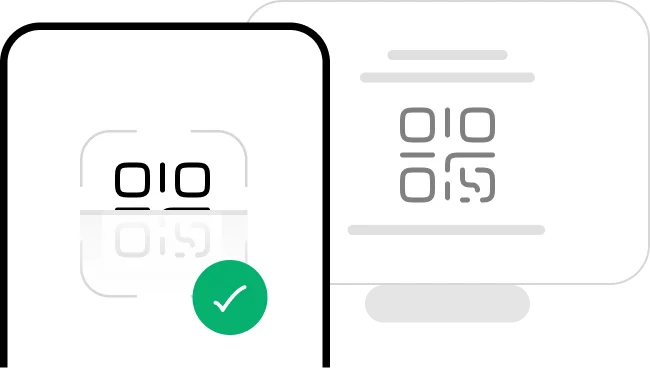 2
2扫描二维码
扫描发送至邮箱的二维码,安装您的eSIM。
- 3
落地即用
eSIM立即安装,落地即刻自动激活。
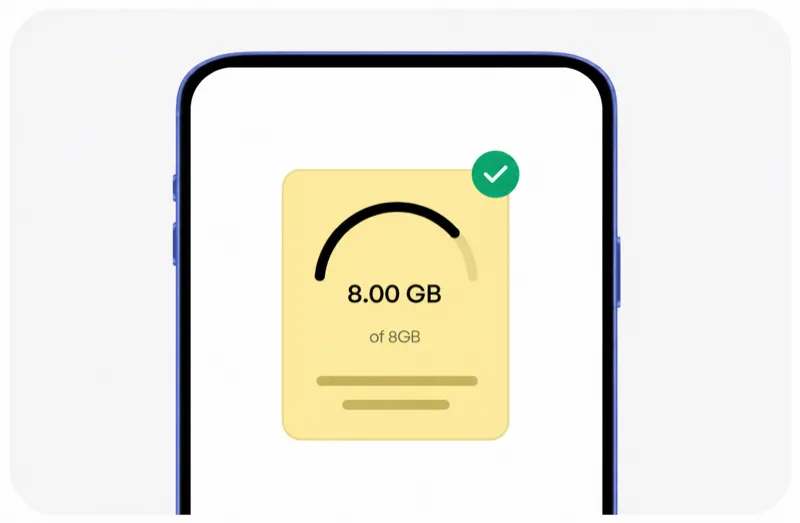 4
4应用轻松管理
在HelloRoam应用中查看用量、补充流量,管理所有eSIM。




HelloRoam 加利福尼亚 eSIM对比中国移动·中国联通漫游
出境选eSIM,还是购买实体SIM卡?HelloRoam 加利福尼亚 eSIM套餐低至¥19.45,接入当地运营商网络,本地网速,未激活套餐180天可退款。中国移动国际漫游日费通常高达30元以上,中国联通、中国电信境外套餐价格相近。HelloRoam价格更低,无需换卡,无需排队,购买后扫码即用。
| 功能对比 | HelloRoam | 本地运营商 | 限量流量eSIM |
|---|---|---|---|
| 未激活180天可退款 |  支持此功能 支持此功能 |  不支持此功能 不支持此功能 | 不支持此功能 |
| 全天候在线客服 | 支持此功能 |  支持此功能 支持此功能 | 支持此功能 |
| 零开通费 | 支持此功能 | 不支持此功能 | 支持此功能 |
| 免费热点分享 | 支持此功能 | 不支持此功能 | 不支持此功能 |
| 无超额流量费 | 支持此功能 | 不支持此功能 | 不支持此功能 |
| 即时发送二维码 | 支持此功能 | 不支持此功能 | 支持此功能 |
| 加利福尼亚优质运营商网络 | 支持此功能 | 不支持此功能 | 不支持此功能 |
eSIM对比California SIM card,哪个更方便?
预付费California prepaid SIM card需要到达后才能购买并激活。HelloRoam eSIM在出发前就能设置好,低至¥19.45,落地即用,不浪费旅行时间。
购买传统California SIM card通常需要出示护照和排队等候。HelloRoam eSIM全程线上操作,二维码扫描两分钟完成激活,连接Verizon 和 AT&T 5G网络。
HelloRoam接入Verizon 和 AT&T 5G网络,覆盖稳定。传统California SIM card绑定固定套餐,到期无法续费。eSIM支持在线调整套餐,灵活应对行程变化。
实体SIM卡价格基于California当地机场及市区门店报价。已于2026年1月验证。
Read the full eSIM vs SIM card comparison前往加利福尼亚,为什么选HelloRoam e-sim

24/7 全天候真人客服
凌晨两点在加利福尼亚遇到问题?HelloRoam客服24/7全天候在线,真人响应不超过2分钟。支持在线聊天和WhatsApp,出行全程随时联系。境外上网遇到任何阻碍,中文实时客服随时为您排忧解难,无需等待无需转接。

前往加利福尼亚的最佳 eSIM
在加利福尼亚享受无限流量,接入当地5G/4G网络,免去中国移动、中国联通、中国电信的高额国际漫游费。HelloRoam 在全球接入200多家本地运营商网络,让您随时随地保持联系。预付费数据包无合约绑定,按需购买,移动数据开支一目了然,出境预算完全可控。

双卡双待,保留国内号码
HelloRoam e-sim负责境外数据流量,您的国内实体SIM卡继续接听电话和收发短信。双卡同时运行,互不干扰,出行通讯全覆盖。无线连接全程稳定,微信、视频通话与导航同步畅用,再也不用在两张卡之间手动切换。

接入加利福尼亚本地优质运营商网络
HelloRoam覆盖185+个国家,接入212+个运营商网络。附近有更快的4G或4G/5G信号时,手机自动切换至最强网络,全程无需手动操作。广泛的网络覆盖意味着城市商圈、交通枢纽与热门景区均保持稳定在线,出行每一刻都有数据套餐保驾护航。

用量提醒,随时补充
流量使用达到80%时,HelloRoam提前提醒您。在账户中心一键补充流量,无需重新安装eSIM,告别断网措手不及。境外上网流量余量实时可见,补充预付费数据包只需几秒,关键时刻永远在线。

本地高速网络
在加利福尼亚接入可信赖的本地4G/5G网络。HelloRoam自动连接信号最强的本地运营商,城市或景区均保持稳定联网。本地高速无线连接让地图导航、支付与视频通话流畅无阻,真实本地网速远超国内运营商境外漫游体验。

区域与全球套餐
行程跨越多国?HelloRoam区域套餐覆盖亚洲、欧洲、美洲等地,185+个目的地一张eSIM全搞定。一份预付费数据包,多个国家共享移动数据,跨境切换时无线连接自动接续,无需重新购买或重新安装。

在加利福尼亚支持热点共享
开启手机热点,将加利福尼亚 eSIM流量共享给笔记本或平板。无额外费用,所有兼容设备均支持,省心省力。同行家人共享移动数据,境外上网人均成本更低,一张e SIM让全家保持无线连接,出行更经济实惠。
加利福尼亚 eSIM 价格
HelloRoam,为加利福尼亚旅行推荐的 eSIM
| 天数 | 价格 |
|---|---|
| 1 天 | ¥23.65 |
| 3 天 | ¥67.42 |
| 7 天 | ¥145.69 |
| 15 天 | ¥283.79 |
| 22 天 | ¥385.03 |
| 30 天 | ¥482.47 |
HelloRoam 与其他 eSIM 服务商对比:加利福尼亚
选择前往加利福尼亚的 eSIM,关键看退款保障、零激活费和全天候支持。HelloRoam 提供未激活套餐180天可退款、¥0 激活费、24/7 实时客服,以及即时二维码发送。看看 HelloRoam 与 Airalo、Holafly、Saily 等服务商的差距。
| 功能对比 | HelloRoam | Airalo | Holafly | Nomad | Saily | Ubigi |
|---|---|---|---|---|---|---|
| 未激活180天可退款 | 支持此功能 | 不支持此功能 | 不支持此功能 | 不支持此功能 | 不支持此功能 | 不支持此功能 |
| 24/7 实时在线客服 | 支持此功能 | 支持此功能 | 支持此功能 | 不支持此功能 | 支持此功能 | 支持此功能 |
| 零激活费 | 支持此功能 | 不支持此功能 | 支持此功能 | 不支持此功能 | 不支持此功能 | 不支持此功能 |
| 免费热点分享 | 支持此功能 | 不支持此功能 | 不支持此功能 | 不支持此功能 | 不支持此功能 | 不支持此功能 |
| 无超额流量费 | 支持此功能 | 不支持此功能 | 支持此功能 | 不支持此功能 | 不支持此功能 | 不支持此功能 |
| 即时二维码发送 | 支持此功能 | 支持此功能 | 支持此功能 | 支持此功能 | 支持此功能 | 支持此功能 |
| 加利福尼亚优质运营商网络 | 支持此功能 | 不支持此功能 | 不支持此功能 | 不支持此功能 | 不支持此功能 | 不支持此功能 |
| 自有品牌运营商标识(SPN) | 支持此功能 | 不支持此功能 | 不支持此功能 | 不支持此功能 | 不支持此功能 | 支持此功能 |
什么是eSIM(e SIM)上网卡?如何在加利福尼亚旅行中使用
eSIM是数字SIM卡。扫描二维码安装到手机,几分钟即可在加利福尼亚上网,无需实体卡。 安装指南


加利福尼亚移动网络连接指南
加利福尼亚具备完善的移动网络基础设施,旅行者可享受可靠的数据连接。城市地区信号覆盖全面,偏远地区建议提前下载离线地图。
HelloRoam eSIM 接入加利福尼亚本地网络,落地即用,无需排队购买实体 SIM 卡。
- HelloRoam在加利福尼亚接入Verizon 5G, AT&T 5G运营商网络
- GSMA Intelligence ();
- ITU Digital Development Dashboard 2025 ();
- FCC ()
加利福尼亚 eSIM旅行贴士
Big Sur Has No Cell Service
出发前在 Google Maps 或 Maps.me 中为加利福尼亚下载离线地图。在信号弱或无网络的区域,GPS 仍可根据手机硬件定位,离线地图可正常显示您的位置。
出发前下载离线地图
出发前在 Google Maps 或 Maps.me 中为加利福尼亚下载离线地图。在信号弱或无网络的区域,GPS 仍可根据手机硬件定位,离线地图可正常显示您的位置。
加利福尼亚信号覆盖须知
San Francisco, San Jose, Oakland, and the tech corridor have some of the fastest 5G speeds in the country. Verizon's Ultra Wideband and T-Mobile's nationwide 5G both perform exceptionally here. If you are visiting tech companies, conferences, or BART stations, you can expect fast and reliable data throughout the Bay Area.
California Mobile Network Coverage by Region
California has dense 5G and 4G LTE coverage across its major metro areas, with T-Mobile, AT&T, and Verizon all providing strong networks throughout the state. Los Angeles and the greater LA metro area including Hollywood, Santa Monica, Venice Beach, Pasadena, and Long Beach have full 5G from all three carriers. San Francisco's downtown, the Financial District, Union Square, Fisherman's Wharf, and the Mission District have dense 5G. The Bay Area tech corridor along Highway 101 and I-280 from San Francisco to San Jose and Silicon Valley has saturation-level 5G coverage. San Diego, including the Gaslamp Quarter, Balboa Park, and La Jolla, has strong 4G and 5G. Sacramento's downtown and capitol district have solid 4G and 5G. Palm Springs and the Coachella Valley have 4G and 5G in the main resort and downtown areas. Highway 1 through Big Sur is one of the longest stretches of road in the US with no reliable cell service. Signal is absent for approximately 90 miles between Carmel and San Luis Obispo. Yosemite Valley has limited 4G at the main visitor areas but no service on most trails, at Half Dome, or in the backcountry. Joshua Tree National Park has no reliable service inside the park boundaries. Lake Tahoe has 4G at the main resort areas on both the California and Nevada sides. The Napa Valley wine country has good 4G along Highway 29 through Napa, Yountville, Oakville, and St. Helena. Highway 395 on the eastern Sierra corridor has 4G in towns like Bishop and Lone Pine but gaps between.
- Verizon

- 5G
- AT&T

- 5G
Best Time to Visit California
California has diverse climates, but most visitors target the coast and the national parks. The Pacific coast of Southern California (Los Angeles, San Diego) enjoys mild, dry weather most of the year, with the best beach conditions from June through September, temperatures 22C to 28C. May and June can bring morning coastal fog (called June Gloom) that usually clears by afternoon. Northern California (San Francisco, Napa) is best in September and October, when Indian Summer brings warm, dry weather and fog is minimal. The Yosemite Valley peaks for visitors in June, July, and August. Book permits and lodges months ahead for Yosemite in summer. The national parks of Death Valley and Joshua Tree are best visited November through March, avoiding dangerous summer heat above 45C. Ski season in Lake Tahoe and the Sierra Nevada runs December through April. California's statewide wildfire season from August to October can affect air quality and park access in some years.

加利福尼亚州机场与交通网络覆盖
加利福尼亚州的主要机场全区均有移动网络覆盖,您的HelloRoam eSIM落地后即可立即联网。T-Mobile、Verizon、AT&T运营商提供覆盖完善的网络,可在到达厅直接使用地图、打车应用和通讯软件。城市公共交通系统在主要车站均有信号覆盖,但深埋地下的隧道路段可能信号较弱。建议在进入地下路段前下载好所需的地图和路线信息。
加利福尼亚热门景点

Big Sur
无需担心网络问题,畅游Big Sur。HelloRoam eSIM即开即用。

清晨参观可以避开人群高峰。

California Street
California Street是每位旅行者必去的景点。使用HelloRoam eSIM轻松上网。
穿舒适的鞋子,方便步行游览周边。

Malibu Beach
Malibu Beach是每位旅行者必去的景点。使用HelloRoam eSIM轻松上网。
从不同角度拍照,捕捉最佳画面。
正在显示第 1 张,共 3 张
评价
旅客真实评价
来自 Trustpilot 和 App Store 的真实评价,译自英文原文。
4万+ 位旅行者使用过 HelloRoam
Cat
去欧洲旅行的时候,酒店的 Wi-Fi 慢得不行,外面的 Wi-Fi 又不靠谱。我实在受不了了,就买了几天的 helloroam。因为主号的设置(跟我原来的号码有关),要设置正确有点麻烦。 不过我通过 WhatsApp 联系了他们的客服。回复超快,也超有帮助,给了具体又清楚的排查步骤。很感谢旅途中能用上 4G 漫游,不用将就时断时续的 Wi-Fi!!
这位顾客给了 5 分中的 5 分

体验非常好!eSIM 设置起来很简单,在伦敦用起来很棒。比在那边用我自己的运营商便宜多了。
Ilona
这位顾客给了 5 分中的 5 分
metulker
设置起来很难,但帮助很到位
这位顾客给了 5 分中的 5 分
Reuben
对 HelloRoam 真的很满意。从发消息、Google Maps 到流媒体,一切都跟预期一样,没有任何问题。好用、可靠,价格也实惠。以后出去旅行很乐意再用他们家。
这位顾客给了 5 分中的 5 分

Angeline
连接稳定。价格合理。
这位顾客给了 5 分中的 4 分
更新于
加利福尼亚 eSIM常见问题
加州eSIM套餐如何在出发前激活?
在HelloRoam购买California SIM card套餐,低至¥19.45,收到二维码邮件后用iPhone或Android扫描即可完成激活。连接Verizon 和 AT&T 5G网络,覆盖洛杉矶、旧金山及圣地亚哥。无合约,出发前设置好,落地立即可用。
加利福尼亚e SIM套餐是否覆盖内华达山脉等郊区?
HelloRoam连接Verizon 和 AT&T 5G网络,覆盖加州城市及主要度假区,套餐低至¥19.45。无实体SIM卡,无合约,二维码激活即可全程畅游加州,省心省力。e SIM和e-sim写法的用户均可使用本套餐。
加利福尼亚 eSIM哪家最好用?
前往加利福尼亚,选HelloRoam e SIM轻松搞定境外上网。接入212+个运营商网络,套餐低至¥19.45。扫描二维码,2分钟内激活,无需前往营业厅,无需更换实体SIM卡,未激活套餐180天可退款,24/7全天候客服支持。
在加利福尼亚购买eSIM多少钱?
出境加利福尼亚购买eSIM,数据套餐低至¥19.45。固定流量套餐可选3GB至20GB,不限量套餐按天计费,无流量上限。所有套餐均接入本地4G/5G网络,无超额费用,无合约绑定。
在加利福尼亚,eSIM能用哪些运营商网络?
在加利福尼亚,HelloRoam eSIM接入当地4G/5G运营商网络。落地后手机自动连接最强信号,无需手动设置。主要城市、机场和大部分农村地区均有网络覆盖,全球接入212+个运营商网络,保障稳定网速。
如何购买加利福尼亚 eSIM?
购买加利福尼亚 eSIM只需三步。第一步,在helloroam.com选购套餐并完成付款。第二步,在手机设置中扫描确认邮件里的二维码,点击添加eSIM。第三步,2分钟内完成安装激活。无需到店,无需实体卡,无需等待。
iPhone可以在加利福尼亚使用eSIM吗?
iPhone XS及所有更新型号均支持在加利福尼亚使用HelloRoam eSIM。前往设置,点击蜂窝网络,再点击添加eSIM,扫描邮件中的二维码即可。国内实体SIM卡保留原有号码正常接打电话,HelloRoam负责数据流量,双卡互不干扰。注意:部分中国大陆版iPhone型号不支持eSIM,购买前请查阅Apple官方设备列表确认。
HelloRoam eSIM 在加利福尼亚能用吗?
HelloRoam eSIM 在加利福尼亚支持 5G 和 4G LTE 网络,覆盖主要城市和旅游区。城市核心区信号强劲,偏远地区信号较弱。您的 eSIM 套餐在出发前激活,抵达加利福尼亚后手机立即连接当地网络。
关于 HelloRoam 加利福尼亚 eSIM 的常见问题
HelloRoam 加利福尼亚 eSIM 提供可靠的网络连接,适合各类旅行需求。具体覆盖范围和功能详情请访问 HelloRoam 官网查询,或通过 App 联系在线客服获取个性化建议。
HelloRoam eSIM 在旧金山能用吗?
HelloRoam eSIM 在旧金山支持 5G 和 4G LTE 网络,覆盖主要城市和旅游区。城市核心区信号强劲,偏远地区信号较弱。您的 eSIM 套餐在出发前激活,抵达旧金山后手机立即连接当地网络。
在加利福尼亚旅行需要多少流量?
大多数旅行者在加利福尼亚每天消耗 0.5 至 1.5GB 流量。日常使用包括地图导航、即时通讯、拍照上传和社交媒体。频繁视频通话或在线视频流媒体每小时约消耗 1 至 3GB。建议根据行程天数和使用习惯选择合适套餐,或选择无限流量以避免超量担忧。
加利福尼亚 eSIM:畅游加利福尼亚网络不断的紧急电话号码是什么?
加利福尼亚 eSIM:畅游加利福尼亚网络不断的紧急电话号码是911。紧急情况请拨打911 (police, fire, ambulance)。 Poison control: 1-800-222-1222紧急电话在任何可用网络上均可拨打,无需数据余额。
HelloRoam eSIM 在加利福尼亚有效吗?
HelloRoam eSIM 在加利福尼亚支持 5G 和 4G LTE 网络,覆盖主要城市和旅游区。城市核心区信号强劲,偏远地区信号较弱。您的 eSIM 套餐在出发前激活,抵达加利福尼亚后手机立即连接当地网络。