

Table of content
Best Time to Visit Thailand
Quick Answer: Best Time to Visit Thailand in 2026
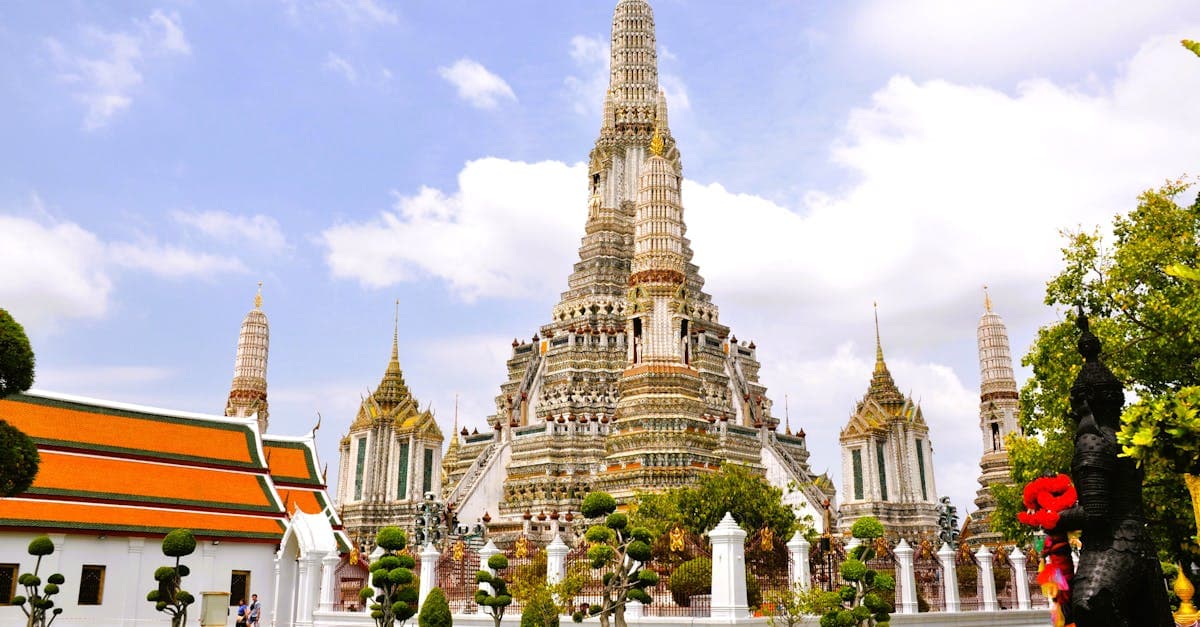
November to February is the best time to visit Thailand. The cool, dry season delivers clear skies, temperatures holding between 25 and 30°C, and low humidity from Bangkok's old city to the beaches of Krabi. For most Indian travellers, this four-month window is the safest and most comfortable stretch to plan around audleytravel.com.
Dry season starts in November, and so does the most practical value window for Indian travellers visiting Thailand in 2026. Prices run 15 to 25 percent below the December peak, crowds stay manageable, and the weather holds reliably across all major regions.
Two months to avoid: September, which sees the heaviest rainfall nationally makemytrip.com, and the December 20 to January 5 stretch, when prices spike sharply. Hotels in Phuket can cost two to three times the low-season rate during that period, and flights from Delhi follow the same trajectory.
Three data points to anchor your dates:
- November: dry season begins, hotel prices below peak, crowds lighter than December
- September: worst month nationally for rain; the Gulf coast offers little shelter either
- December 20 to January 5: most expensive booking window of the year, nationwide
Connectivity is worth sorting before departure. Key fact: HelloRoam provides Thailand eSIM plans starting from ~$2.64 for 2GB per day on AIS (5G) and True Move (4G) networks, a far more spirited deal than standard Jio or Airtel international roaming packs. Book it ahead at eSIM for Thailand.
Indian passport holders enter visa-free for 30 days through 2026, removing the most common planning obstacle. The complication lies elsewhere: Thailand's geography creates a dual-monsoon pattern, meaning 'best time' genuinely shifts by region.
Thailand's Three Seasons: What Every Indian Traveler Must Know
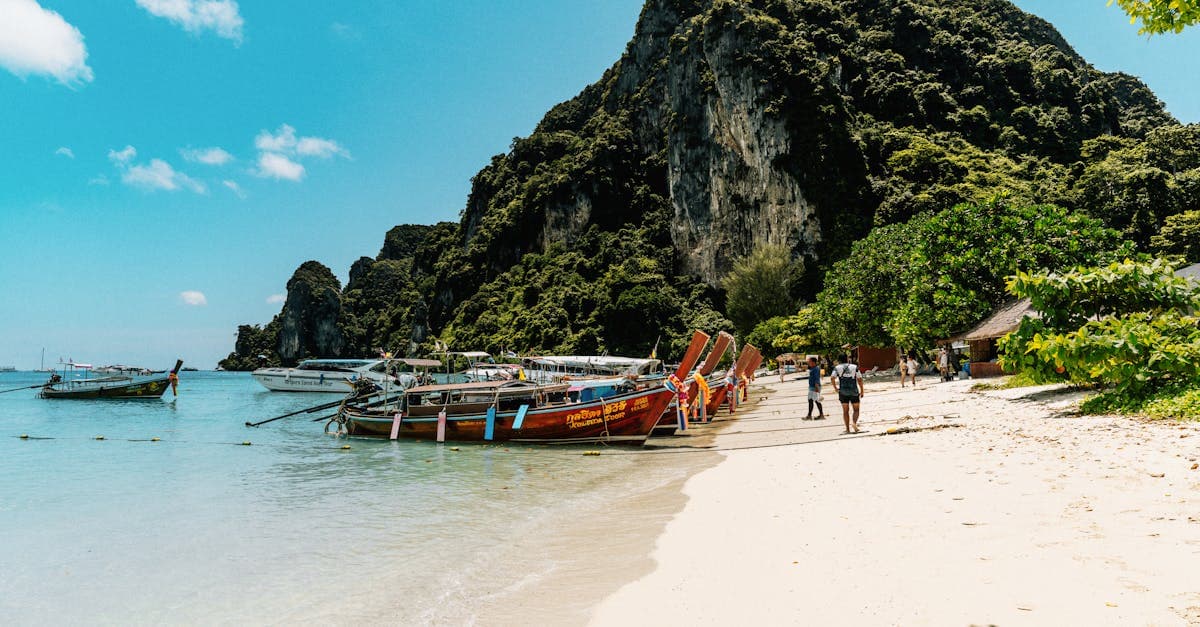
Thailand's three distinct seasons shape every meaningful travel decision. Cool and dry (November to February), hot and dry (March to May), and wet (June to October) divide the calendar cleanly in theory. In practice, two separate monsoon systems create an inverse regional pattern: when the Andaman coast around Phuket is wet, the Gulf of Thailand coast around Koh Samui is often dry, and the reverse holds true during the Gulf monsoon months.
Climate patterns have shifted traditional windows by two to three weeks from historical norms, making old guidebook calendars unreliable. Booking based on outdated assumptions risks arriving mid-monsoon.
Each season carries its own rewards and risks worth understanding in detail.
Thailand in Cool and Dry Season (November to February)
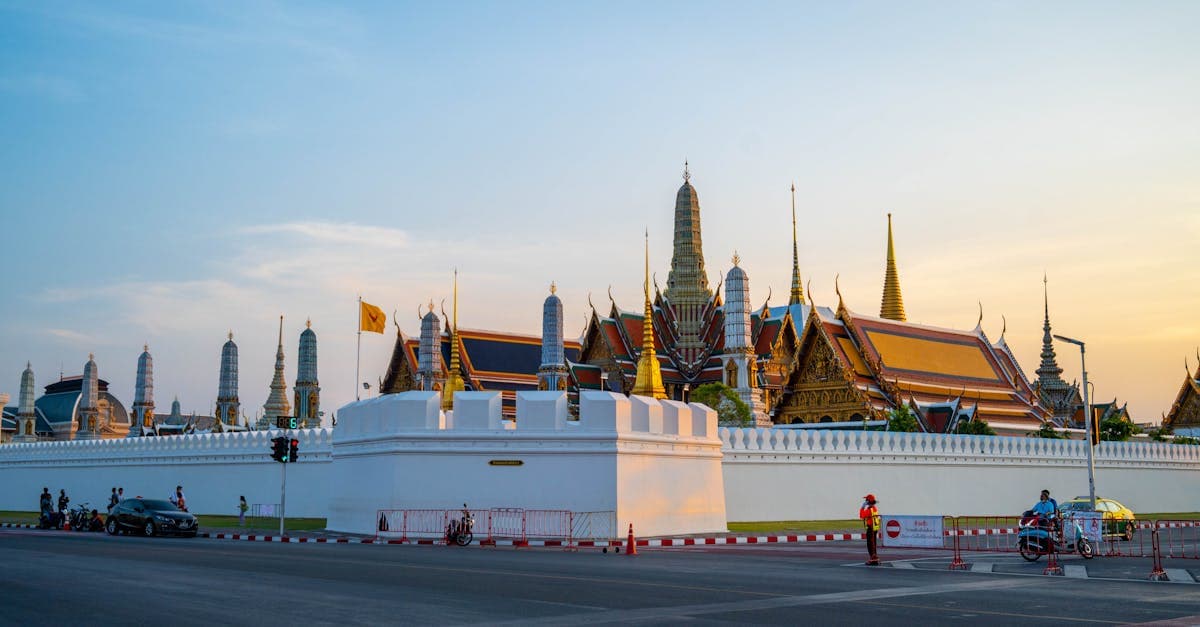
The cool, dry season delivers the best weather Thailand offers in any given year. Skies stay clear, humidity stays low, and temperatures sit between 25 and 30°C across the country. According to responsibletravel.com, this is the window when you can expect dry, sunny weather with March and April also offering good beach conditions as the season transitions. This is the only window where beaches, temple circuits, and Chiang Mai hill trekking are all simultaneously viable without heat or rain forcing compromises.
Book flights three to four months out. Economy round-trips from India run Rs 10,000 to 15,000 during this window. Kolkata travellers benefit from the shortest route to Bangkok at around 2.5 hours, typically carrying the lowest fares of any Indian city.
Plan around the expensive stretch.
December 20 to January 5 is the priciest booking window of the year. Hotel rates in Phuket and Koh Samui jump, flights from metro cities follow, and availability across popular guesthouses in Chiang Mai tightens weeks in advance. Shifting arrival to December 15, or pushing the trip to late January, sidesteps the worst of the premium without sacrificing the good weather.
The hot season that follows brings both festivals and serious health risks.
Thailand in Hot Season (March to May): Haze, Heat, and Songkran
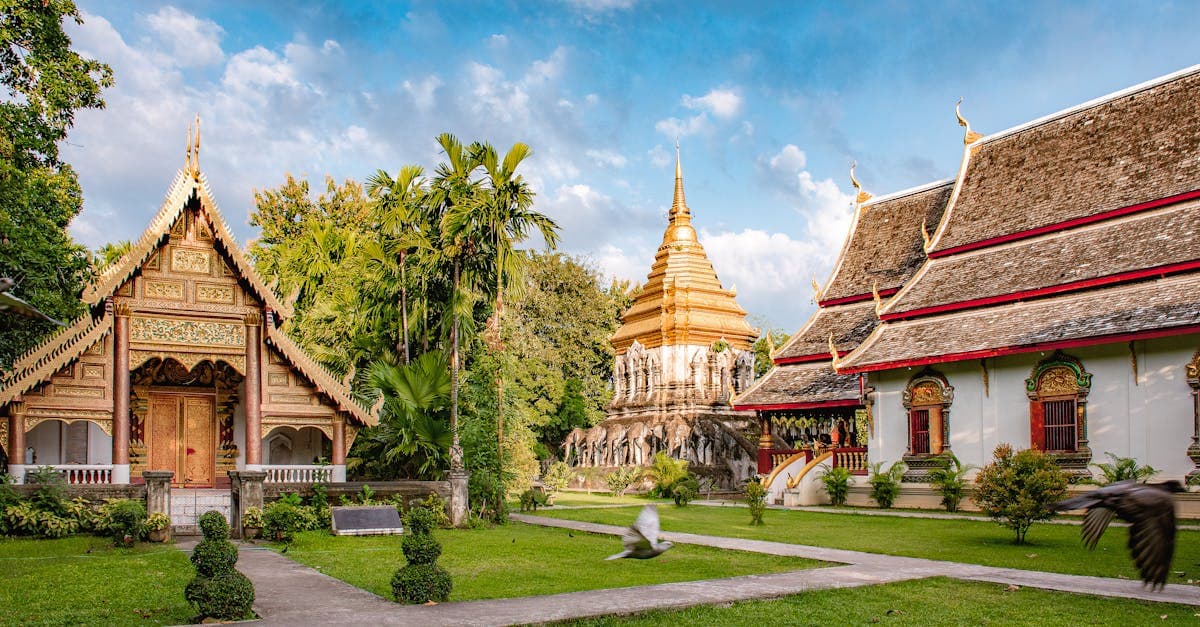
Thailand's hot season (March to May) brings temperatures of 35 to 40°C nationwide, with May adding intense humidity before the monsoon. In Chiang Mai, March and April bring agricultural burning that drives the AQI to hazardous levels between 200 and 400, conditions that pose real health risks beyond ordinary discomfort.
The season is more than just heat. That Chiang Mai AQI range is not 'a bit smoky.' That's masks-on territory for anyone with asthma or respiratory conditions.
Songkran cuts through all of this. Thailand's 2026 New Year water festival runs April 13 to 15 nationwide, with Chiang Mai extending celebrations through April 20. If you've drenched strangers on Holi, Songkran feels immediately recognisable. Scale it up: entire streets become water-fight arenas for a week. Hotels near the Chiang Mai moat fill months in advance.
Skip northern Thailand in March if you have any respiratory sensitivity. The coast handles it better: haze is less severe in Phuket and Koh Samui during this window. Songkran in Bangkok or on the islands keeps the festival energy without the air quality problem.
Monsoon season surprises most Indian travelers with its unexpected advantages.
Thailand in Wet Season (July to October): Trade-offs and Savings
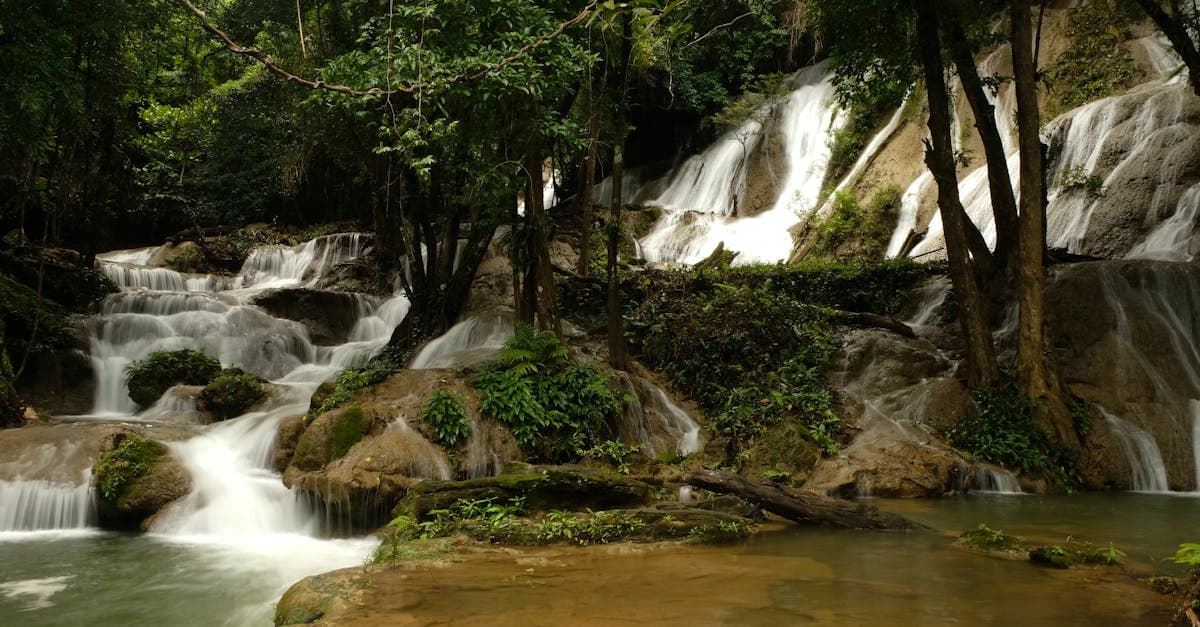
The wet season gets a bad reputation that's only partly deserved. Hotel prices across major resorts fall 40 to 60 percent below peak season rates. Crowds thin noticeably. Temple queues disappear.
September is the single worst month nationally. Rain is persistent, seas are rough on the Andaman coast, and some smaller islands suspend ferry services entirely. Flooding hits low-lying areas in the north and parts of Bangkok's outskirts. Check regional advisories before finalising any booking thomascook.in.
July through August offers a more workable balance. Bangkok handles rain better than the islands: showers arrive in short bursts, not all-day grey. The city's temples, street food lanes, and covered markets don't pause for weather. Greenery peaks across the countryside, and you'll share Wat Arun with a fraction of December's visitor numbers.
The core trade-off is straightforward: savings versus certainty. Where you travel in Thailand matters as much as when.
Best Time to Visit Thailand by Region: Islands, North, and Bangkok
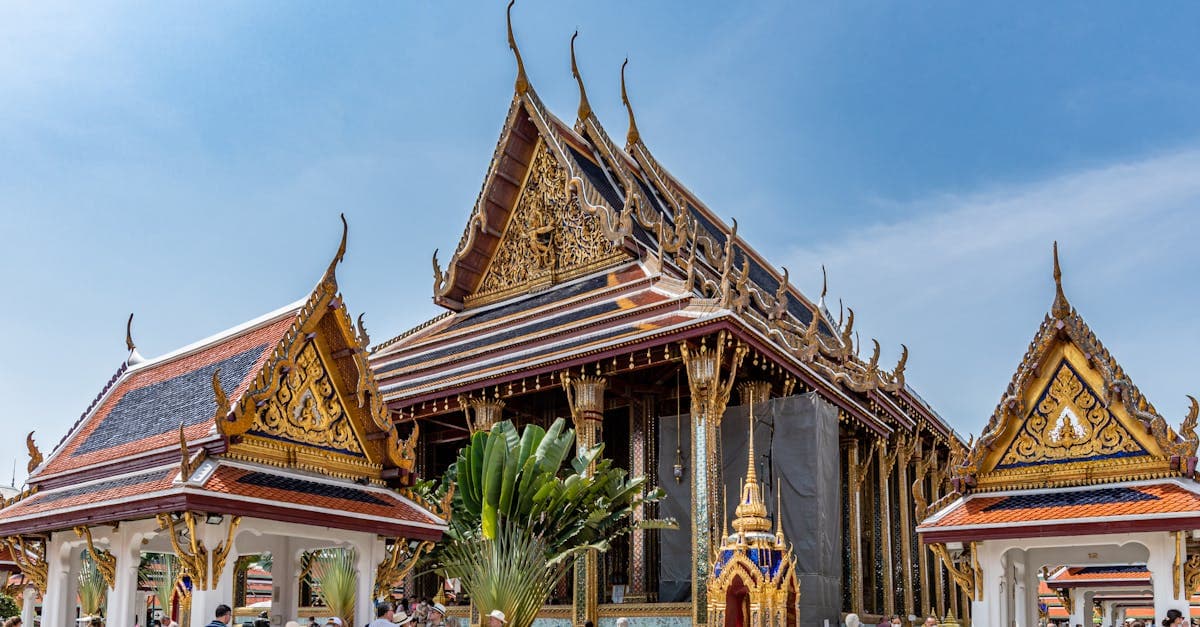
Phuket and Koh Samui share a country but not a monsoon. This single fact reshapes how you plan any multi-stop Thailand itinerary. The Andaman coast and Gulf coast run on opposite weather systems, and booking without understanding both is a reliable way to land in rain you didn't anticipate.
The counterintuitive fact: Koh Samui in July outperforms Phuket in July. Phuket sits in peak wet season while Koh Samui is at its driest and most consistent. Indian travelers who choose the Gulf coast for a summer holiday bypass the Andaman monsoon entirely. Most travel guides don't flag this audleytravel.com.
Chiang Mai is the other region-specific outlier. November through February delivers cool mornings, clear skies, and the city at its most walkable. By March, the burning season takes hold. The AQI figures are not a minor inconvenience; they are a genuine health consideration for anyone spending more than a day or two outdoors.
Bangkok holds up year-round better than the islands do. Indoor attractions, air-conditioned malls, and covered markets make it viable even in peak rain months. April is the exception: the heat during that window makes full-day outdoor sightseeing genuinely taxing for most visitors.
One thing most combined itineraries miss: Koh Samui's wet season runs November and December, precisely when Phuket is at its best. A December trip combining both coasts means dry conditions on the Andaman side and rain on the Gulf side. Plan each leg separately, not as a single weather block.
Festivals add another layer that can make or break your chosen travel window.
Best Time to Visit Thailand for Festivals: Songkran, Loy Krathong, and Yi Peng

Thailand's festival calendar gives Indian travelers two compelling reasons to plan around specific dates rather than just weather. Songkran in April and the Loy Krathong and Yi Peng combination in November are distinct enough events to justify trip timing decisions independent of climate.
Scenario 1: Songkran in Chiang Mai
The 2026 dates: April 13 to 15 nationwide, with Chiang Mai running through April 20. The Holi parallel holds in the best possible way: water, participation, streets transformed, and a festival that runs on collective energy rather than observation. Chiang Mai's moat road becomes the epicentre. Book accommodation in or near the old city 4 to 6 months in advance. One honest note: burning season air quality is poor across the north during this window. Travelers with respiratory sensitivities may prefer Songkran in Bangkok or Pattaya, where the festival atmosphere is spirited but the haze is far less severe.
Scenario 2: Loy Krathong and Yi Peng in November
Loy Krathong falls on the November full moon, when Thais float small decorated baskets on rivers, lakes, and canals as offerings. In Chiang Mai, Yi Peng runs alongside it: thousands of sky lanterns released simultaneously above the old city walls. The glow builds slowly — a handful rising first, then hundreds climbing in loose clusters, then the sky above the moat filling with warm amber light. There's a moment when the crowd goes quiet before the release, and another when the sheer scale of it registers. Photographs flatten the experience; the warmth of the light at ground level and the gradual drift of the lanterns upward are things you feel rather than capture. For Indian travelers, the timing intersects with the Diwali period in October and November, making back-to-back festival travel across two countries a realistic option for those with flexible schedules. November also marks the start of the dry season: clear skies, cooler conditions, and prices that haven't yet reached December levels responsibletravel.com.
Recommended windows from India: November for Loy Krathong paired with ideal weather, and the Songkran week in April for the water festival. Both are high-demand periods. Booking 4 to 6 months out isn't cautious: it's necessary.
Now the data answers the questions Indian travelers search most often.
What Are the Best Months to Visit Thailand?

November is the strongest single month for most Indian travelers. The dry season opens, crowds are still manageable, and prices come in below December peak before resorts begin their Christmas climb. Book the first three weeks for the best availability across Bangkok and the islands.
December through February brings Thailand's finest weather: clear skies, low humidity, beaches that match their photographs. You pay for it. The late-December to early-January window, covered earlier in this guide, represents the costliest travel period of the year by a significant margin makemytrip.com.
March suits south Thailand well. The Andaman coast and Koh Samui stay broadly clear. Chiang Mai is a different matter entirely; agricultural burning pushes air quality into conditions that are medically problematic, not merely unpleasant.
May and June offer a practical middle ground. Rain arrives but typically falls in afternoon bursts rather than full-day disruption, and accommodation rates drop by up to 40% across major destinations. The first two weeks of June tend to be the most reliable stretch within this window.
Trip duration shapes the choice as much as personal preference does. A 7-night trip belongs in November. Three weeks allows you to sequence Bangkok or the northern highlands before moving south, spanning seasons without being caught badly by any of them.
Two months sit at the extremes: September, the worst nationally for weather disruption, and late December, the worst for budget travelers. Between those poles, the decision usually comes down to what you're willing to spend.
Budget, more often than weather, drives the final call.
What Is the Cheapest Time of Year to Go to Thailand?
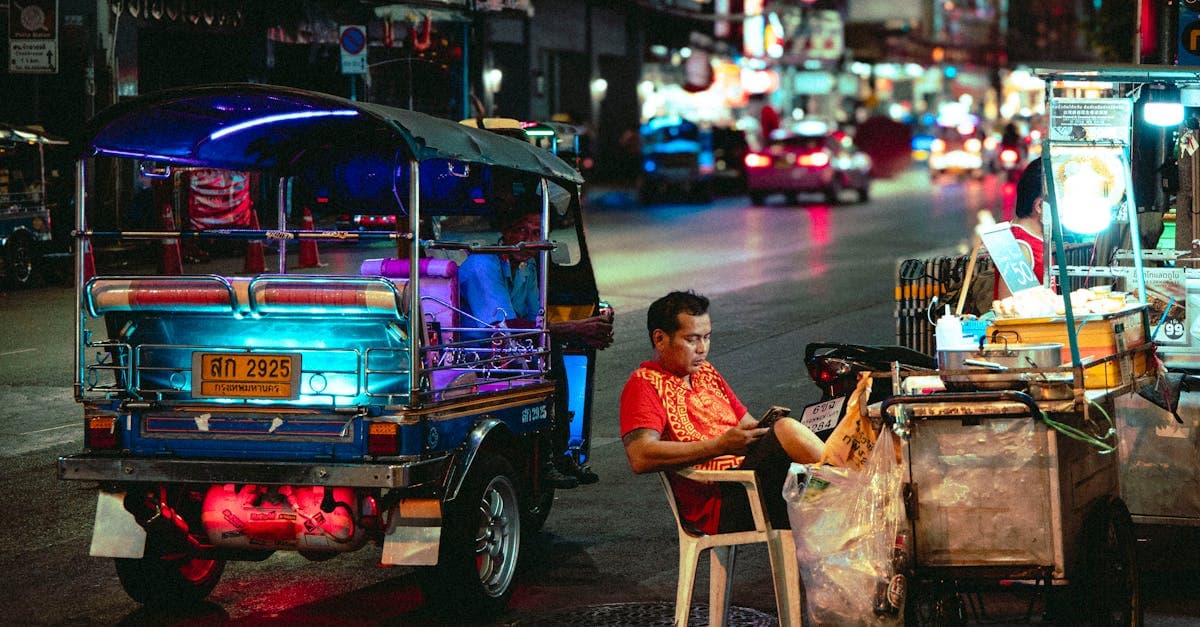
Low season runs June through October. Phuket beachfront hotels that charge Rs 18,000 to 45,000 per night at peak drop to Rs 7,000 to 15,000 for the same rooms in August. That's not a modest discount. It's a fundamentally different budget calculation.
Flight prices swing just as sharply. Around Songkran and New Year, economy round-trips from India to Bangkok reach Rs 50,000 to 80,000. For context, that approaches what some routes to Europe cost from Indian cities. Low-season fares bring that figure down to the base range noted earlier in this guide, making the overall trip cost dramatically more manageable.
Kolkata travelers hold a structural advantage regardless of season: the India-Bangkok route from Kolkata is the shortest from any major Indian city, at roughly 2.5 hours. That distance keeps base fares lower year-round compared to departures from Delhi or Mumbai.
Late May to early June is the best window within low season. Rains haven't reached full intensity, most beach destinations stay operational, and accommodation rates have already started falling. This is where the value proposition for Thailand becomes hardest to argue against.
Two dates deserve a hard no for budget-conscious travelers: mid-April (the Songkran festival window) and late December to early January. Both send prices into territory that undercuts the advantage of traveling to an otherwise affordable destination.
Cheaper flights and hotels address most of the budget equation. Connectivity is where Indian travelers often absorb a preventable extra expense.
Staying Connected in Thailand: eSIM, SIM Cards, and Mobile Data Tips

Average 4G speeds across Thailand run 60 to 90 Mbps, placing the country in the global top 30 for mobile internet performance. Networks like AIS (with 5G active in Bangkok) and True Move cover the main tourist corridors reliably. Chiang Mai, separately, ranks among the world's top 10 cities for digital nomad connectivity.
The problem for Indian travelers isn't coverage. It's cost structure.
Carrier international roaming packs from Jio, Airtel, and Vi run Rs 1,099 to 2,999 for 10 days and typically throttle speeds after a daily data threshold. Thai eSIM plans covering the same duration run Rs 500 to 1,200, with fewer restrictions on speed and hotspot use. The gap is real and consistent.
The dual-SIM strategy isn't optional.
Keep your Indian SIM active in your second slot with data roaming switched off. PhonePe, Paytm, and UPI all send one-time passwords (OTPs) to your Indian number. Without that SIM present and receiving signals, any transaction requiring OTP verification will fail. Your Thai data eSIM handles browsing, maps, and messaging. Your Indian SIM handles banking. Both need to be active simultaneously.
HelloRoam's Thailand plans run on AIS 5G and True Move networks, starting from the plan rate noted earlier in this article. The structure suits both week-long city trips and longer multi-region itineraries.
Remote southern islands warrant separate attention. Connectivity varies on smaller Gulf and Andaman islands, and an eSIM supporting multiple networks reduces dead-zone risk. For current Thailand plan options across both networks, eSIM for Thailand covers the available plans.
Chiang Mai is the exception to connectivity anxiety. Signal quality there rarely causes issues for travelers with any active eSIM or local data plan.
Is 1 Lakh Enough for a Thailand Trip?
Yes. For two people traveling in low season, Rs 1 lakh covers 7 to 10 nights of mid-range travel comfortably, including a mix of Bangkok and beach destinations.
The rough breakdown for a two-person trip: flights absorb Rs 20,000 to 30,000 combined (depending on departure city and how far ahead you book), accommodation takes Rs 40,000 to 60,000 for 7 to 10 nights at decent properties, and food plus activities account for around Rs 20,000. That leaves a small buffer, or room to upgrade one element without blowing the total.
Peak season compresses the math. December to January raises hotel rates sharply enough that the same Rs 1 lakh covers closer to 5 to 7 nights for two, with less room for activities or a nicer room category. The festival windows mentioned earlier in this guide push flights and hotels in the same direction at the same time.
Visa-free entry for Indian passport holders (confirmed through 2026) removes the consular fee that applies for many comparable Southeast Asian destinations, freeing Rs 3,000 to 5,000 per person back into the travel budget.
July through September stretches Rs 1 lakh furthest. The wet season trade-offs are real, but the savings across flights and hotels are substantial enough that many Indian travelers find it the most practical window for a first trip.
Late May to June is probably the most comfortable budget entry point. Savings are close to full low-season levels without the heavier September rainfall. For two people on a strict Rs 1 lakh budget, that window is the obvious place to start planning.
Reviewed by HelloRoam's editorial team. Last updated: 19 April 2026.
Get Connected Before You Go

Frequently Asked Questions
November to February is the best time to visit Thailand, offering clear skies, low humidity, and temperatures between 25 and 30°C across all major regions. November is the strongest single month for most travelers: the dry season opens, crowds are manageable, and prices sit below the December peak. December through February delivers Thailand's finest weather but comes at a premium, especially between December 20 and January 5.
The wet season from July to October is the cheapest time to visit Thailand, with hotel prices across major resorts falling 40 to 60 percent below peak season rates. May and June also offer significant savings, with accommodation dropping up to 40 percent as rain begins but typically falls in afternoon bursts rather than all-day disruption. November is also good value: the dry season has begun but prices have not yet reached the December peak.
A 1 lakh budget can cover a Thailand trip for most Indian travelers, particularly if you travel outside the December 20 to January 5 peak window. Economy round-trip flights from India cost around Rs 10,000 to 15,000 during the cool dry season, with Kolkata offering the shortest and often cheapest route to Bangkok. Accommodation costs vary significantly by season, with wet season rates 40 to 60 percent below peak, giving you more flexibility within that budget.
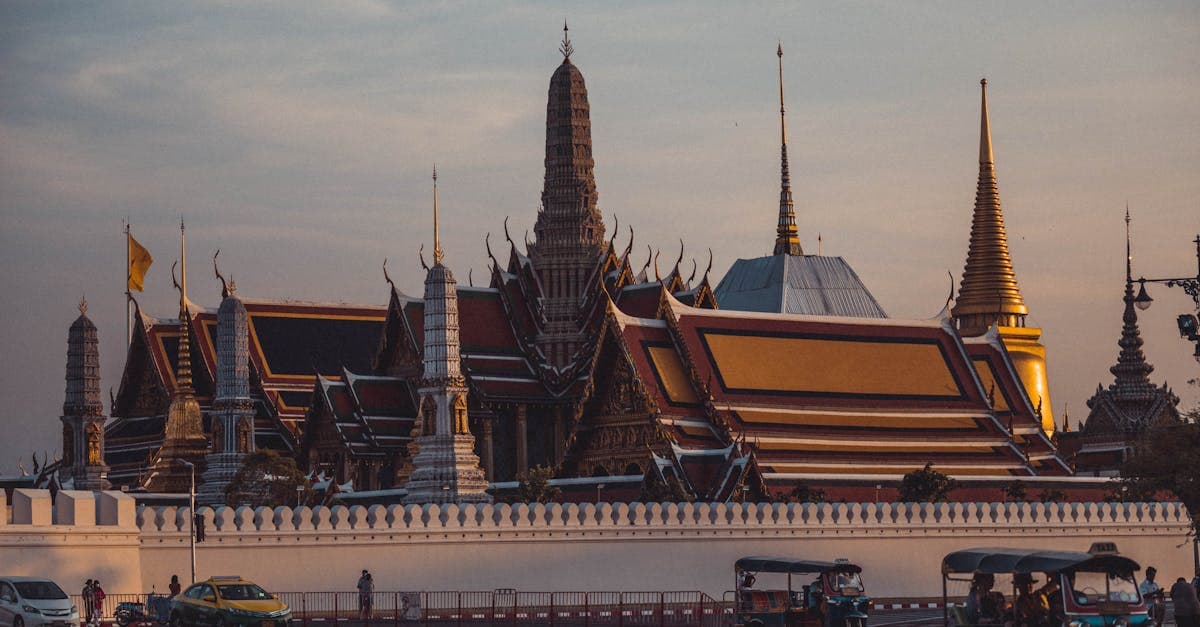
Early evening in Thailand is a popular time to visit riverside temples and landmarks such as Wat Arun in Bangkok, which is especially rewarding during the cool dry season from November to February when outdoor conditions are comfortable. The November full moon also brings Loy Krathong celebrations, when Thais float decorated baskets on rivers and canals as offerings, and in Chiang Mai the Yi Peng sky lantern release fills the skies above the old city walls with warm amber light after dark.
Early November offers the best combination of good weather and manageable crowds, as the dry season has started but peak tourist numbers have not yet arrived. The wet season from July to August also sees significantly thinner crowds, with temple queues disappearing and resorts at a fraction of their peak occupancy. Avoid December 20 to January 5 if crowd avoidance is a priority, as this is the busiest and most expensive booking window of the year.
November to April is the best time to visit Phuket and the Andaman coast, when skies are clear and seas are calm, particularly from December onwards. June to October is the Andaman monsoon season and should be avoided for beach-focused trips, as seas are rough and some ferry services are disrupted. The counterintuitive insight is that Phuket and Koh Samui run on opposite monsoon systems, so when Phuket is wet in July, Koh Samui on the Gulf coast is typically dry.
March to October is the best time to visit Koh Samui, when the Gulf of Thailand coast is at its driest and most reliable. July in particular is a strong month on the Gulf coast because the Andaman coast is in peak monsoon, meaning travelers who choose Koh Samui avoid the worst rain entirely. November and December are Koh Samui's wet months, precisely when the Andaman coast around Phuket is at its best.
November through February is the best time to visit Chiang Mai, offering cool mornings, clear skies, and the city at its most walkable. By March and April, agricultural burning drives air quality into hazardous levels with AQI readings between 200 and 400, posing real health risks for anyone spending time outdoors, especially those with asthma or respiratory conditions. Anyone with respiratory sensitivities should avoid northern Thailand from March through April.
September is the single worst month to visit Thailand nationally, with persistent rain, rough seas on the Andaman coast, and some smaller islands suspending ferry services entirely. Flooding can affect low-lying areas in the north and parts of Bangkok's outskirts during this month. The December 20 to January 5 window is the worst period for budget travelers, as hotel rates in Phuket can reach two to three times the low-season rate and flights from Indian cities spike sharply.
Songkran, Thailand's New Year water festival, runs April 13 to 15 nationwide in 2026, with Chiang Mai extending celebrations through April 20. Entire streets become water-fight arenas for the duration, and hotels near the Chiang Mai moat road fill months in advance. Travelers with respiratory sensitivities may prefer celebrating Songkran in Bangkok or on the islands, where the festival atmosphere is equally spirited but burning season haze is far less severe.
Loy Krathong falls on the November full moon, when Thais float small decorated baskets on rivers and canals as offerings. In Chiang Mai, the Yi Peng sky lantern festival runs alongside it, with thousands of lanterns released simultaneously above the old city walls. The timing also intersects with the Diwali period in October and November, making back-to-back festival travel from India a realistic option for travelers with flexible schedules.
Indian passport holders can enter Thailand visa-free for 30 days through 2026, removing the most common planning obstacle for this destination. This applies across all major entry points and covers the full range of tourist activities including beach stays, temple circuits, and trekking in the north. No advance visa application is required under the current arrangement.
The wet season gets a bad reputation that is only partly deserved. July and August in Bangkok offer a workable experience, as showers arrive in short, sharp bursts rather than all-day grey, and the city's temples, street food lanes, and covered markets are unaffected by rain. Hotel prices fall 40 to 60 percent below peak, and temple queues disappear, making the trade-off between savings and weather certainty a genuine one rather than an obvious avoid.
November marks the start of Thailand's cool dry season, with clear skies, low humidity, and temperatures between 25 and 30°C across the country. It is also when Loy Krathong and the Yi Peng sky lantern festival take place in Chiang Mai, adding a cultural highlight to already ideal travel conditions. Prices in November sit below the December peak, making it the strongest single month for most travelers balancing weather, value, and crowd levels.
Book flights three to four months out for travel during the cool dry season from November to February. For Songkran in Chiang Mai or the Loy Krathong and Yi Peng festival window, accommodation should be secured 4 to 6 months in advance, as hotels near the Chiang Mai moat fill months ahead of time. The December 20 to January 5 window requires the earliest action, as availability across popular guesthouses tightens well in advance and prices are at their annual peak.
A Thailand eSIM is a more cost-effective option than standard international roaming packs from Indian carriers. eSIM plans for Thailand on major local networks including AIS (5G) and True Move (4G) are available to book before departure, with no physical SIM swap required on arrival. Arranging connectivity in advance avoids relying on airport SIM counters or expensive roaming charges from your home carrier.
Sources
- thomascook.in — thomascook.in
- Best Time to Visit in Thailand | Temperature, Weather & ... — makemytrip.com
- Best time to visit Thailand — responsibletravel.com
- Best Time to Visit Thailand — audleytravel.com