

Table of content
- Quick Answer: Backpack Travel in India at a Glance
- What Is Backpack Travel and Why Choose India?
- How to Choose the Best Backpack for Travel in India
- Key Features to Look For in a Travel Backpack
- Backpack Size and Capacity: Finding Your Perfect Fit
- Torso length, not overall height, decides fit
- Load the bag before you commit
- Backpack Travel Packing List for India in 2026
- Staying Connected During Backpack Travel in India
- Is Backpack Travel in India Safe?
- What Should I Budget for Backpack Travel in India?
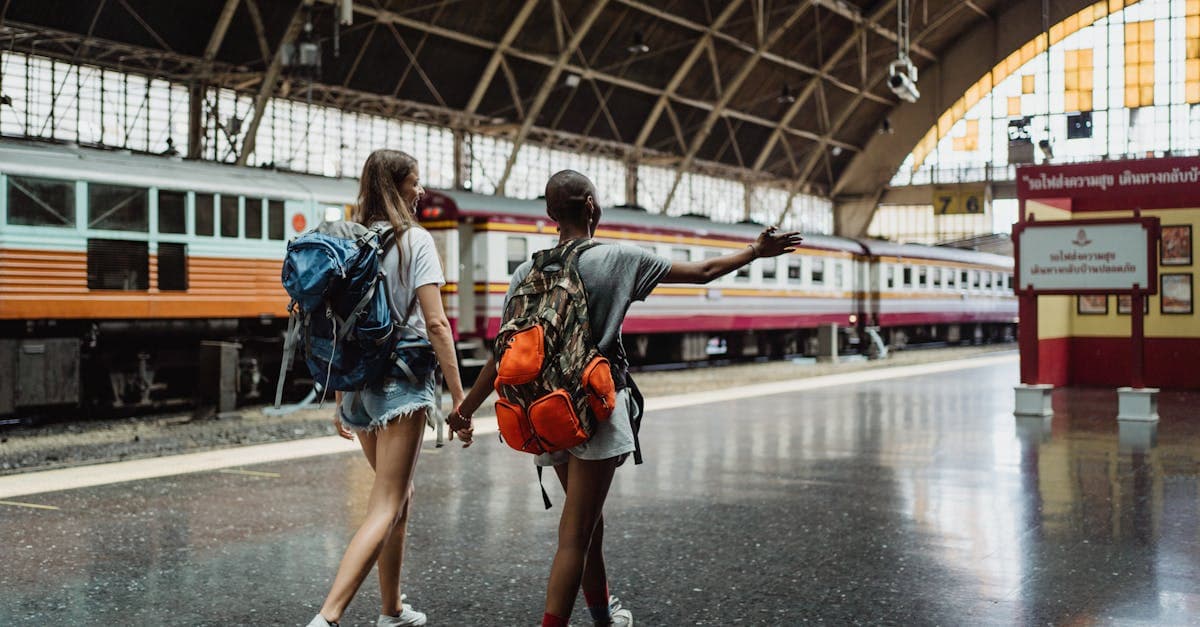
! [Two women enjoying backpack travel together at a bustling Indian train station, full of adventure.
Quick Answer: Backpack Travel in India at a Glance
! [Backpacker admiring snow-capped peaks in Shimla, a must-visit destination for backpack travel in India.
Budget backpack travel in India costs roughly $15-30 (around Rs 1,250-2,500) per day for most independent travellers. That covers a dormitory bed or basic guesthouse, three meals from local dhabas and thali restaurants, regional bus or train fares, and standard site entry fees.
India has four natural entry points for international arrivals: Delhi (Indira Gandhi International), Mumbai (Chhatrapati Shivaji Maharaj International), Chennai, and Kolkata. Each feeds a distinct set of onward routes.
Connectivity is cheaper than most travellers expect. eSIM plans start at ~$3.49 for 1GB over 7 days. HelloRoam activates before landing, so there's no scramble for a physical SIM queue at IGI. If you're new to the technology, What Is an eSIM? covers the basics clearly.
Pack size matters less than pack shape. A 40-60L backpack suits most two-to-four-week India itineraries without forcing checked luggage fees on IndiGo or Air India domestic legs.
But where does a trip like this actually start?
What Is Backpack Travel and Why Choose India?
! [Solo male traveller with a backpack standing on a cliffside, overlooking breathtaking mountain views in India.
Backpack travel means carry-on-only, flexible exploration: no fixed hotels booked months ahead, no group transfers, no itinerary set in stone before you've even landed. You book a night or two ahead at most, adjust plans when a fellow traveller mentions an unmissable detour in Hampi, and move at a pace that suits you rather than a tour company's revenue targets.
India offers a genuinely layered case for this style of travel. Twenty-eight states, six major climate zones, and a cultural spread running from Himalayan Buddhist monasteries in Ladakh to Keralan backwater villages near Alleppey means there's rarely a dead end. The distance from Leh to Kanyakumari is comparable to crossing Europe, yet an Indian Railways booking makes it navigable on a modest daily budget.
That said, this is not a uniform experience. India rewards considered planning, particularly around monsoon timing and regional festivals. Turn up in Rajasthan in May without accounting for 45-degree heat and you've made a preventable mistake.
Three circuits suit first-timers best:
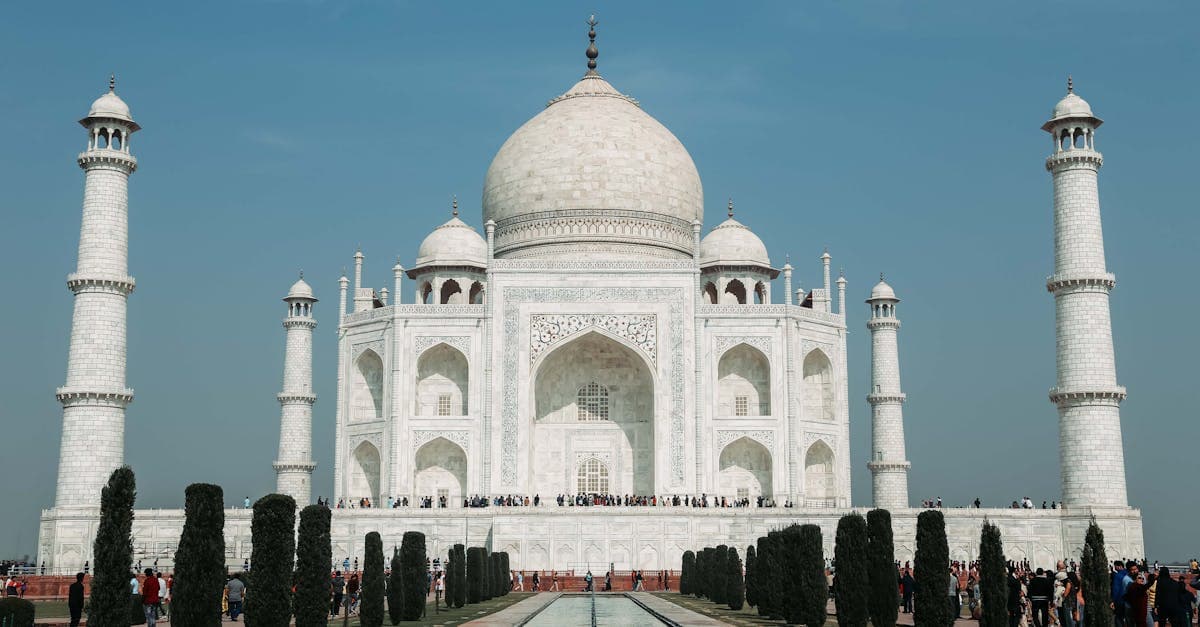
- Golden Triangle (Delhi, Agra, Jaipur): a solid two-week introduction covering Mughal history and Rajput palaces
- Rajasthan circuit (Jodhpur, Jaisalmer, Udaipur): the obvious next step for anyone drawn to desert landscapes and fort towns
- Kerala coast (Kochi to Kovalam): slower, greener, and genuinely different in character from the north
Low daily costs attract solo travellers and gap-year adventurers in particular, and the figures have held into 2026 with the rupee remaining favourable against the pound and dollar.
Choosing India is step one. Choosing the right bag is step two.
How to Choose the Best Backpack for Travel in India
! [Man with a sturdy travel backpack standing on a hill, surveying a stunning Indian mountain valley.
Capacity is the first decision: 40-60L covers most two-to-four-week trips without excess weight. According to indietraveller.co, this capacity range is the most practical for extended independent travel, balancing versatility with airline carry-on compatibility. Drop below 35L and you'll sacrifice rain layers and clothing variety for the climate range India demands. Push past 65L and you're carrying dead weight through Chennai's July humidity, which is a genuine problem after the first hour.
Front-loading panels matter more than they seem.
A traditional top-loader forces you to unpack the top half of the bag to reach items near the bottom, which turns every airport security check into a slow, public exercise in repacking. Front-loading designs open like a suitcase and make both customs searches and mid-trip reorganisation far less disruptive, a distinction packhacker.com identifies as one of the most significant practical differentiators in travel backpack design.
Weather-resistant materials are non-negotiable for the monsoon months. June through September brings heavy rain across most of the subcontinent, and a bag that soaks through in a Varanasi downpour is a real setback, not a minor inconvenience. Look for coated nylon or polyester with a DWR (durable water repellent) finish rather than bare canvas [blackwolf.com.au.
Lockable zippers add a measured layer of security in crowded transit hubs. India's busy bus stations and overnight train carriages create real opportunities for bag tampering, and a TSA-rated lock on the main zip removes most of that risk without adding meaningful weight.
The padded hip belt is the detail most travellers underestimate until they're an hour into a long haul. Transferring load off the shoulders across a full travel day matters more than any single feature on a specification sheet.
Features are one thing. Specific details make all the difference.
Key Features to Look For in a Travel Backpack
! [Two female backpackers checking key features of their travel packs outside a hotel entrance in India.
A breathable back panel sits near the top of any serious feature list for backpack travel in India. The country's humid coastal climate and the heat of the Gangetic plains mean even a 20-minute walk from a railway station to a guesthouse leaves a standard flat back panel soaked through. Mesh-frame systems with airflow channels reduce contact sweat considerably and are worth the slight weight premium [packhacker.com.
The removable daypack is more practical than it sounds. A detachable 10-15L front compartment lets you leave the main pack securely at accommodation and explore a city with a genuinely light load. No cloakroom queues at the City Palace in Jaipur or the Elephanta Caves ferry terminal.
Compression straps are functional, not decorative. Overnight Indian Railways journeys regularly stretch well beyond ten hours, and a load that shifts in transit creates real shoulder discomfort by the time you arrive.
A hydration sleeve opens options on Himalayan treks and desert legs alike. Spiti Valley and the Thar Desert both present access-to-clean-water challenges, and a sleeve sized for a standard 2L reservoir removes one logistical complication from legs that already have plenty.
Hard-wearing nylon outlasts canvas on rough terrain routes. Budget canvas bags look appealing at the outset but show wear quickly on rocky Himalayan trails or after repeated loading onto Indian Railways luggage racks, a durability gap noted across product ranges at [macpac.com.au and [caribee.com.
The right combination of these features makes a backpack genuinely useful across India's varied terrain rather than merely adequate on the easy stretches.
Size is as critical as any single feature, and that choice shapes every day of the trip.
Backpack Size and Capacity: Finding Your Perfect Fit
! [Two backpack travel explorers comparing bag capacity while touring a popular indoor heritage site in India.
Backpack capacity should match trip length before any other consideration. Under 40L suits weekend trips or travellers committed to ultra-light minimalism. The 40-55L range covers most backpack travel itineraries through India: two to four weeks, a modest clothing rotation, and day-use items without the pack becoming unwieldy. Above 55L makes sense only when trekking equipment, sleeping bags, or serious cold-weather gear enter the equation [indietraveller.co.
Torso length, not overall height, decides fit
Two travellers of similar height can require packs sized several centimetres apart depending on where the waist sits relative to the shoulders. Most specialist outdoor retailers measure torso length in-store before recommending a size range, a fitting process that macpac.com.au recommends as standard before purchase. Ask them to.
Load the bag before you commit
Fill a candidate bag with gear from the shop floor, clip the hip belt, and walk several laps. A pack that feels balanced at 8 kg in the fitting room behaves differently after eight hours on an overnight train from Delhi to Varanasi.
Getting fit right is the step most first-time buyers skip and most experienced travellers mention first.
The relief of landing on the correct size is immediate: the hip belt carries the weight, the shoulder straps guide rather than strain, and the bag moves with you rather than against you. Bag sorted. The next skill is in packing it smartly.
Backpack Travel Packing List for India in 2026
! [Woman in red jacket with a loaded travel pack on a phone call, prepared for her India journey.
Essential items for backpack travel in India in 2026 include a universal Type D power adapter, a 10,000 mAh power bank, a lightweight rain cover, rehydration salts, DEET-based insect repellent, and antidiarrheals. Packing light cuts fatigue across India's long-distance transit days more than any individual gear upgrade.
The discipline is front-loaded: every item added at the packing stage gets carried for the entire trip, including 12-hour overnight buses and three-hour platform waits at crowded rail junctions.
Rolling clothes rather than folding recovers real space. A week's worth of shirts and two pairs of trousers roll into roughly half the volume they occupy folded flat. Quick-dry fabrics extend this further: they dry overnight hanging from a hostel shower rail, which reduces the total clothing count.
The list is shorter than most travellers expect.
Essentials for an India backpack trip in 2026:
- Universal power adapter: Type D sockets are standard across India and incompatible with most European and Australian plugs
- Portable power bank, 10,000 mAh or above: overnight train journeys on routes such as Mumbai to Goa frequently lack working seat outlets
- Rehydration salts, DEET-based insect repellent, and antidiarrheals: the three items most urgently needed in remote areas and least reliably stocked outside major cities
- Lightweight rain cover sized to the pack: monsoon season runs June through September and arrives without forecasted warning in many hill regions
Resist the pull to overpack clothing. Laundry services across hostels in Rajasthan, Goa, and Kerala handle washing for a modest sum per kilogram, freeing space for items that cannot be replaced mid-trip.
Gear loaded and weight distributed. The next challenge is staying reliably online throughout the journey.
Staying Connected During Backpack Travel in India
! [Backpacker checking into a vibrant hostel, staying connected during backpack travel across India.
Reliable mobile data is not a luxury on a backpack travel itinerary through India. Navigation apps, accommodation bookings, IRCTC train reservation checks, and emergency contact all depend on a working connection. Two practical options exist: a physical local SIM or an eSIM activated before departure.
Local SIM registration has improved but remains inconsistent. Registering a prepaid Jio or Airtel SIM at an airport kiosk requires a passport, visa documentation, and a photograph. Processing takes anywhere from 30 minutes to several hours depending on counter staffing and verification queue load on the day.
eSIM sidesteps the paperwork entirely.
Activation happens remotely before your flight boards: no queue, no physical card swap, no standing at the IGI arrivals hall at midnight wondering which SIM counter is still open. For travellers who have installed an eSIM before, the process takes roughly five minutes.
Coverage follows predictable patterns as of early 2026. 4G LTE reaches major cities, national highways, and the main tourist corridors through Rajasthan, Kerala, Goa, and the Agra-Jaipur circuit. Remote hill areas and high-altitude trekking zones present genuine gaps regardless of plan type or carrier.
Hostel and café Wi-Fi ranges from competent in central Bengaluru to borderline unusable in smaller Himalayan towns. Treating it as a primary data source is a calculated risk on a route that moves frequently.
HelloRoam provides India eSIM plans at the entry-level rate noted in the quick answer, with 4G LTE access and no physical SIM required. Coverage and speeds vary by region and network load. Data sorted before departure removes one variable from what is otherwise a complex arrival day at IGI or CSIA. The question that follows is whether India is actually safe.
Is Backpack Travel in India Safe?
! [Two backpackers waiting at an Indian railway station, ready for their next backpack travel adventure.
India is safe for backpackers who apply standard travel precautions. The risk profile is comparable to other major backpacking destinations: petty theft, transport scams, and opportunistic overcharging are the most common concerns. Serious violent crime against tourists is rare, though regional variation exists and context matters.
Share your itinerary with at least one contact before each journey leg and log accommodation details on arrival. It takes under two minutes and provides a practical safety net if communication drops on remote routes or plans change unexpectedly.
Use licensed taxis and vetted booking apps. Ola and Rapido provide driver identification and trip tracking, removing the ambiguity around routes and fares that makes unmetered autos a source of friction for newly arrived travellers. For short urban hops, auto-rickshaws work reliably if you agree on a fare before boarding.
Carry digital and physical copies of your passport, visa, and travel insurance documents separately from the originals. A lost passport becomes considerably less disruptive when copies are stored in a cloud account accessible from any device. Copy stored, original safe.
Solo female travellers should research region-specific safety guidance before finalising routes. North India and late-night arrivals in major cities require additional preparation compared to Kerala's established backpacker circuit or coastal Goa. Community travel forums and recent reports from the relevant Indian state tourism boards carry the most current on-the-ground guidance.
Travel insurance covering medical costs and theft is strongly advised. An uninsured medical event in India can still reach figures that derail a tight travel budget. That question, how far the money actually stretches, is where most India backpacking plans arrive next.
What Should I Budget for Backpack Travel in India?
! [Budget-conscious backpacker approaching the historic Sasivekalu Ganesha Temple in Hampi, Karnataka, India.
Dormitory beds run $5-10 per night in most Indian cities. Street food sits at $0.50-2 per meal. Those two line items alone account for roughly half of a comfortable daily spend, leaving room for transport, entrance fees, and the occasional sit-down meal. Pull up a plastic stool at a dhaba counter and a full thali arrives for the kind of money that barely registers on the daily total, one of the small, recurring pleasures of backpack travel done at ground level.
Cash matters more than you'd expect.
ATMs thin out sharply once you leave state capitals; villages across Rajasthan and Himachal Pradesh often have no functioning machine within a reasonable distance. Draw enough rupees to cover two or three days before heading off the main routes.
Entrance fees deserve their own allocation. A single major heritage site can cost as much as a night's accommodation. Build that buffer in before you board the train.
Budget mapped. The next decision, when to go, reshapes everything else: which climate zones are passable, which festivals fall in your window, and whether the monsoon becomes a feature of the backpack travel experience or a complication to route around entirely.
Reviewed by HelloRoam's editorial team. Last updated: 18 April 2026.
Get Connected Before You Go


Frequently Asked Questions
Budget backpack travel in India costs roughly $15-30 (around Rs 1,250-2,500) per day for most independent travellers. This covers a dormitory bed or basic guesthouse, three meals from local dhabas and thali restaurants, regional bus or train fares, and standard site entry fees.
A 40-60L backpack suits most two-to-four-week India itineraries. This capacity balances versatility with airline carry-on compatibility on domestic flights. Going below 35L limits clothing variety for India's varied climate zones, while exceeding 65L adds unnecessary weight in hot, humid conditions.
India has four natural entry points for international arrivals: Delhi (Indira Gandhi International), Mumbai (Chhatrapati Shivaji Maharaj International), Chennai, and Kolkata. Each airport feeds a distinct set of onward travel routes across the country.
Three circuits suit first-timers best. The Golden Triangle (Delhi, Agra, Jaipur) offers a solid two-week introduction to Mughal history and Rajput palaces. The Rajasthan circuit (Jodhpur, Jaisalmer, Udaipur) suits those drawn to desert landscapes and fort towns. The Kerala coast (Kochi to Kovalam) is slower, greener, and distinctly different in character from the north.
Monsoon season runs from June through September and brings heavy rain across most of the subcontinent. Travelling in regions like Rajasthan in May also presents challenges due to extreme heat reaching 45 degrees Celsius. Planning around regional climate and festivals is essential for a comfortable backpacking trip.
An eSIM is a convenient alternative to a local SIM for backpackers in India. Registering a local prepaid SIM at an airport kiosk requires a passport, visa documentation, and a photograph, with processing taking 30 minutes to several hours. An eSIM activates remotely before your flight departs, requiring no queue or physical card swap on arrival.
India eSIM plans from travel eSIM providers start at around $3.49 for 1GB over 7 days, making connectivity cheaper than many travellers expect. Coverage provides 4G LTE access across major cities, national highways, and main tourist corridors, though remote hill areas and high-altitude trekking zones may have gaps.
Essential items include a universal Type D power adapter, a 10,000 mAh or larger power bank, a lightweight rain cover for your pack, rehydration salts, DEET-based insect repellent, and antidiarrheals. Quick-dry clothing reduces the total number of items needed, as laundry services are widely available and affordable across hostels in Rajasthan, Goa, and Kerala.
India is safe for backpackers who apply standard travel precautions. The most common concerns are petty theft, transport scams, and opportunistic overcharging, which are comparable to other major backpacking destinations. Serious violent crime against tourists is rare, though regional variation exists and context matters.
Key features for an India travel backpack include a breathable mesh back panel to manage sweat in humid climates, a front-loading panel for easy access at customs and security, lockable zippers for security in crowded transit hubs, and a padded hip belt to transfer load off your shoulders during long travel days. Weather-resistant coated nylon or polyester is also important for monsoon travel.
A front-loading backpack opens like a suitcase, making it far easier to access items during airport security checks and customs searches without unpacking the entire bag. Top-loaders require removing the top half of the bag to reach items stored near the bottom, which is disruptive at busy Indian transport hubs.
Yes, India uses Type D power sockets, which are incompatible with most European and Australian plugs. A universal Type D power adapter is an essential item on any India packing list. A portable power bank of 10,000 mAh or above is also strongly recommended, as overnight train journeys frequently lack working seat outlets.
Reliable mobile data is essential, not optional, for backpacking in India. Navigation apps, accommodation bookings, IRCTC train reservation checks, and emergency contact all depend on a working connection. Hostel and cafe Wi-Fi can be unreliable, especially in smaller Himalayan towns, making a dedicated mobile data plan a safer primary option.
4G LTE coverage as of early 2026 reaches major cities, national highways, and the main tourist corridors through Rajasthan, Kerala, Goa, and the Agra-Jaipur circuit. Remote hill areas and high-altitude trekking zones present genuine coverage gaps regardless of plan type or carrier. Treating hostel Wi-Fi as your primary data source in frequently moving itineraries is a calculated risk.
Torso length, not overall height, determines the correct backpack fit. Two travellers of similar height can require packs sized several centimetres apart depending on where the waist sits relative to the shoulders. Most specialist outdoor retailers measure torso length in-store, and it is recommended to load the bag with gear and walk several laps in the fitting room before committing to a purchase.
Rolling clothes rather than folding them recovers significant space, compressing a week's worth of shirts and trousers to roughly half the folded volume. Choosing quick-dry fabrics extends this further, as they dry overnight on a hostel shower rail and reduce the total clothing count needed. Laundry services at hostels across India handle washing affordably, so overpacking clothes is unnecessary.
Sources
- Travel Backpacks — blackwolf.com.au
- The 10 Best Travel Backpacks (2026 Buyer’s Guide) — indietraveller.co
- Travel Bags & Backpacks Australia — caribee.com
- Travel Backpacks — macpac.com.au
- Best Travel Backpack: How To Pick In 2026 — packhacker.com