

Table of content
- Quick answer: the best things to do in Tokyo
- Iconic things to do in Tokyo: landmarks and must-see neighbourhoods
- Asakusa and Senso-ji: what to expect
- Shibuya, Harajuku, and Meiji Shrine in one afternoon
- Hidden things to do in Tokyo: neighbourhoods most visitors skip
- Things to do in Tokyo on a UK budget
- Paid attractions
- The free list
- Food
- The realistic picture
- Staying connected in Tokyo: WiFi, SIM cards, and eSIM
- Pocket WiFi: workable but fiddly
- Physical SIM on arrival
- eSIM: activate before you board
- UK carrier context
- Are 3 days enough in Tokyo?
- Is £1,000 enough for a week in Japan?
- What not to do in Tokyo as a tourist?
Quick answer: the best things to do in Tokyo
Get your eSIM for Japan before you travel.
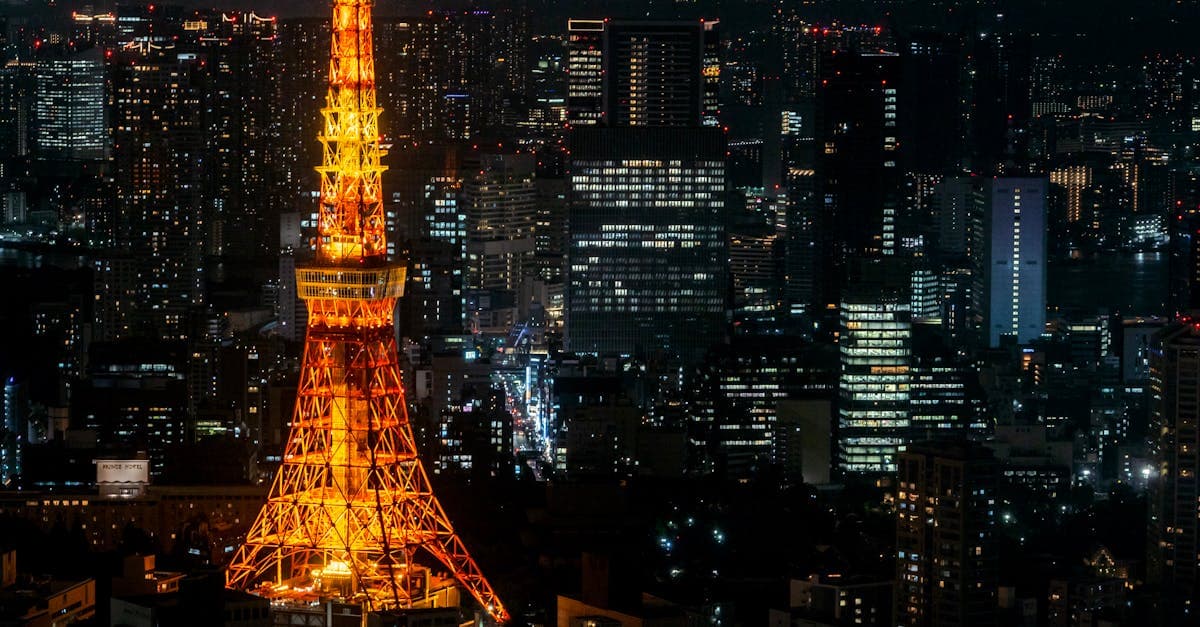
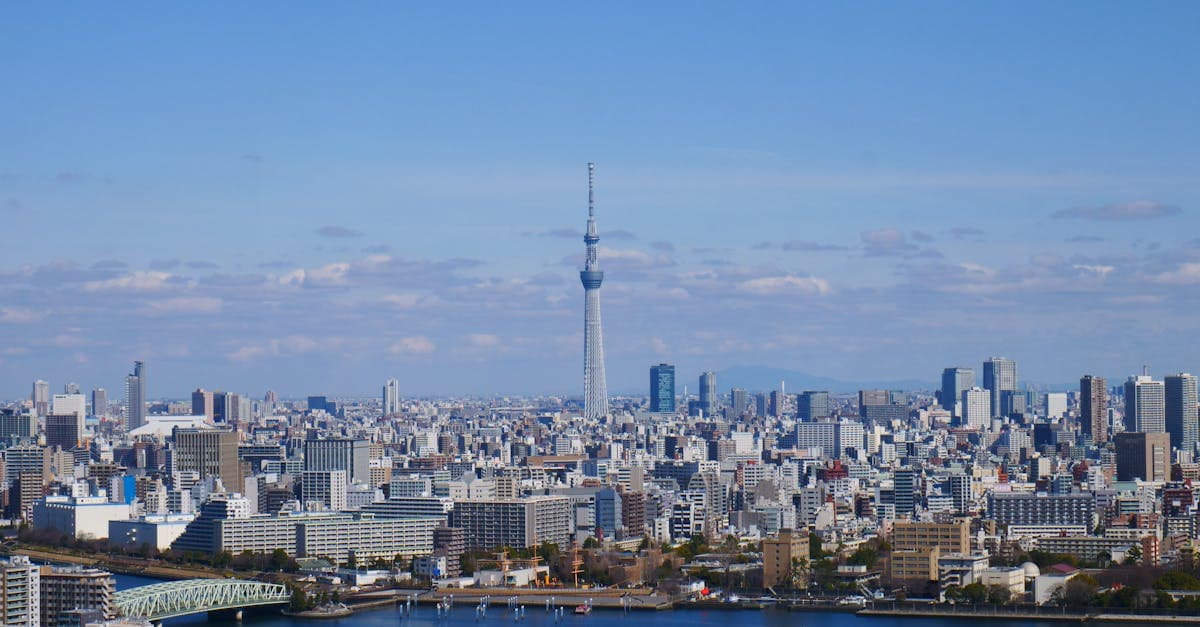
Tokyo is one of the most dynamic cities on earth: ancient temples, record-breaking pedestrian crossings, immersive digital art, and a food scene carrying more Michelin stars than any other city on the planet japan-guide.com. Five to seven days covers the main neighbourhoods without feeling rushed.
The city's standout experiences fall into a handful of essential areas: Asakusa for Senso-ji, Tokyo's oldest temple; Shibuya for the world's most-photographed pedestrian crossing; Shinjuku for an evening that shifts from free government-tower views to the energetic bars of Golden Gai; and TeamLab Borderless for digital art installations on a scale that genuinely surprises.
Direct flights from London Heathrow take 12 to 14 hours on British Airways, ANA, or Japan Airlines. Japan runs nine hours ahead of GMT (eight during British Summer Time). Peak seasons are cherry blossom in late March to early April and autumn foliage in November. Both fill up months ahead.
Tokyo rewards flexible planning. TeamLab tickets run around £16 to £19 and sell out weeks ahead, so booking before you fly saves a wasted evening. Tokyo Skytree entry is around £17. A tea ceremony can be arranged for £8 to £18 depending on format and venue.
Maps, real-time translation, and transport apps shape the whole trip. Reliable mobile data is less optional than it sounds. An eSIM for Japan from HelloRoam starts at ~£2.76 for 1GB over seven days on KDDI/au 5G, which covers navigation and messaging for a shorter stay.
The landmarks are just the start.
Iconic things to do in Tokyo: landmarks and must-see neighbourhoods
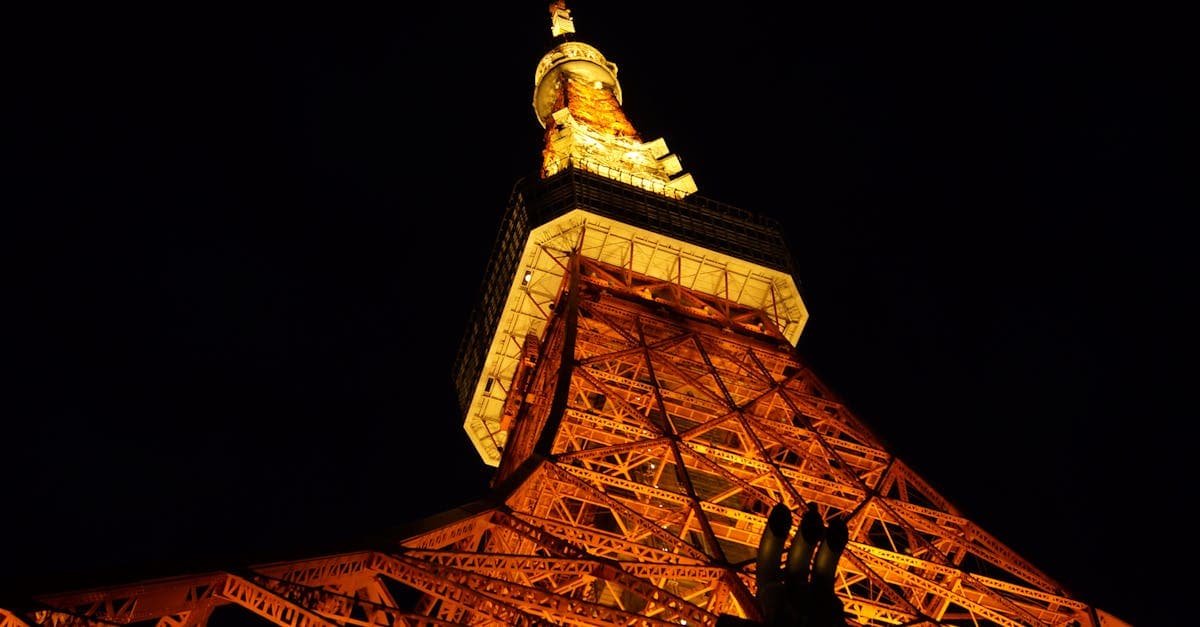
Tokyo's most iconic areas each carry a distinct character. Asakusa is the city's most historically layered district, built around Senso-ji Temple. Shibuya is pure spectacle. Shinjuku spans more ground than most guides suggest: a calm national garden at one end, neon-lit drinking lanes at the other, with free observation deck views somewhere in between.
Start in Shibuya. The crossing sees up to 3,000 pedestrians per signal cycle tripadvisor.co.uk. That scale is brisk and disorienting in person; the elevated walkways around the station give a cleaner view of the organised chaos below. Give it ten minutes and move on.
Shinjuku's contrasts are the whole point. The Tokyo Metropolitan Government Building observation deck is free of charge and offers broad views across the city skyline. A short walk south, Golden Gai clusters a dense network of tiny bars into a few narrow animated alleyways; Kabukicho sits just to the east, busy well into the early hours.
For an early start, Tsukiji outer market runs fresh seafood stalls from 5am japan-guide.com. The inner wholesale market relocated years ago, but the outer lanes carry on: fresh sushi, grilled scallops, and tamago-yaki sellers in full swing from dawn.
Quieter options provide useful balance. Nezu Museum in Minami-Aoyama holds a respected collection of Japanese and East Asian art set around a curated garden that most visitors miss entirely. Shinjuku Gyoen National Garden entry runs around £1.50; during cherry blossom season, it is one of the best-value tickets in Tokyo.
Famous districts covered. Now the spots most guides skip.
Asakusa and Senso-ji: what to expect
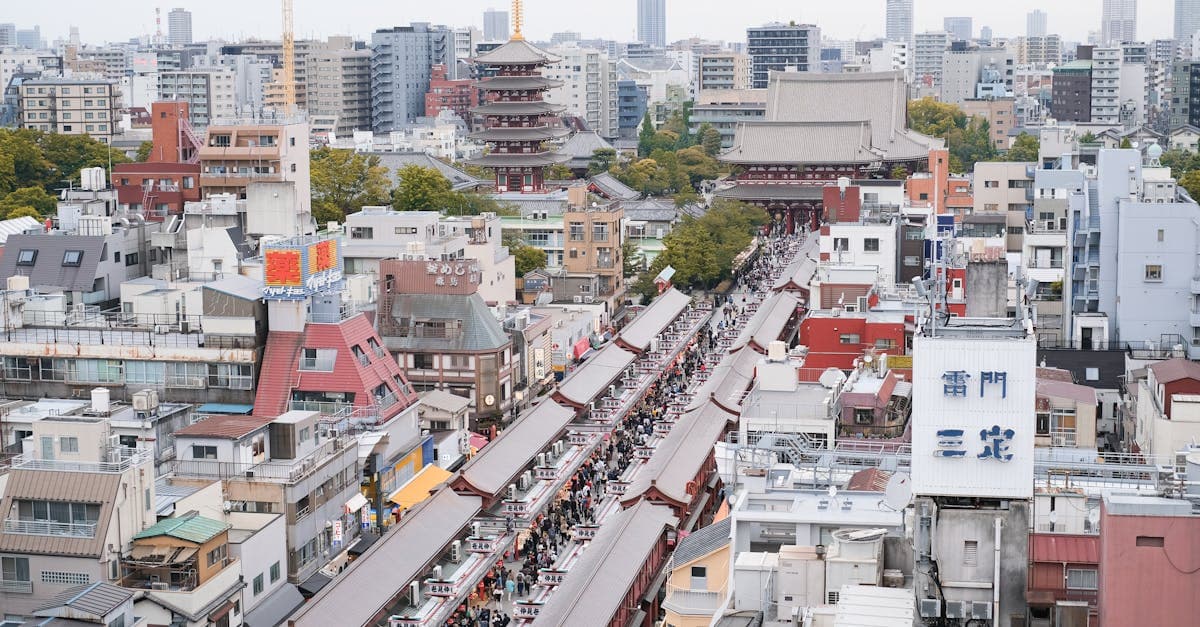
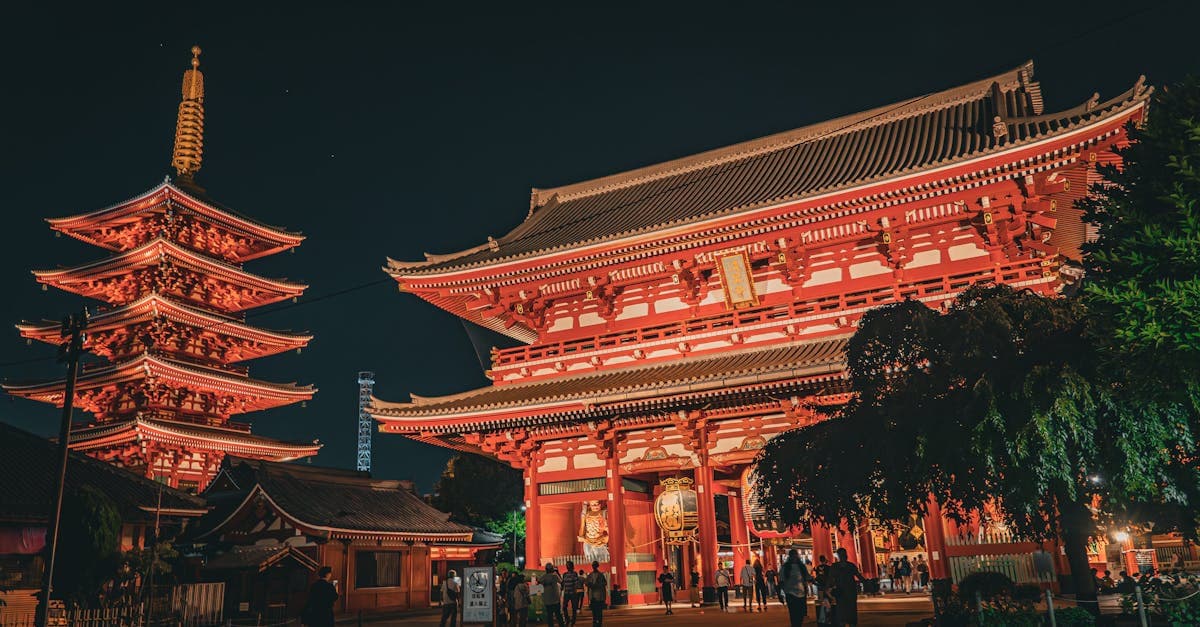
Asakusa is Tokyo's most historic neighbourhood and Senso-ji its focal point. The temple complex draws substantial crowds from mid-morning; arriving before 8am makes a real difference, a tip consistently noted by experienced Tokyo visitors heartmybackpack.com. The Kaminarimon gate, Nakamise-dori shopping approach, and the main hall are comfortably walkable in under an hour.
Before the tour groups arrive, the atmosphere is notably calm: worshippers drawing fortunes from wooden boxes, incense rising from the great bronze cauldron at the main hall entrance, the famous gate largely clear of cameras. By 10am, it changes entirely.
The Nakamise-dori shopping street lines the approach to the temple gate with around 90 stalls japan-guide.com. Most sell tourist keyrings and packaged snacks, though a handful stock handmade fans and lacquerware worth a closer look. Stalls are open by mid-morning; arriving early means a quieter walk through.
Rickshaw tours depart from the main precinct and offer a spirited circuit of the neighbourhood's older residential lanes, which most visitors never find on foot. Fares start at around £20 per person for a short route.
The surrounding area rewards a longer morning. The Sumida River runs just east of the temple, with a riverside walkway connecting Asakusa to the Asahi Brewery building, identifiable by the golden sculpture on its roof. Hamarikyu Garden, reachable by river ferry further south, pairs a tidal pond and traditional teahouse with views of the modern city skyline.
A short metro ride south lands you in Shibuya.
Shibuya, Harajuku, and Meiji Shrine in one afternoon
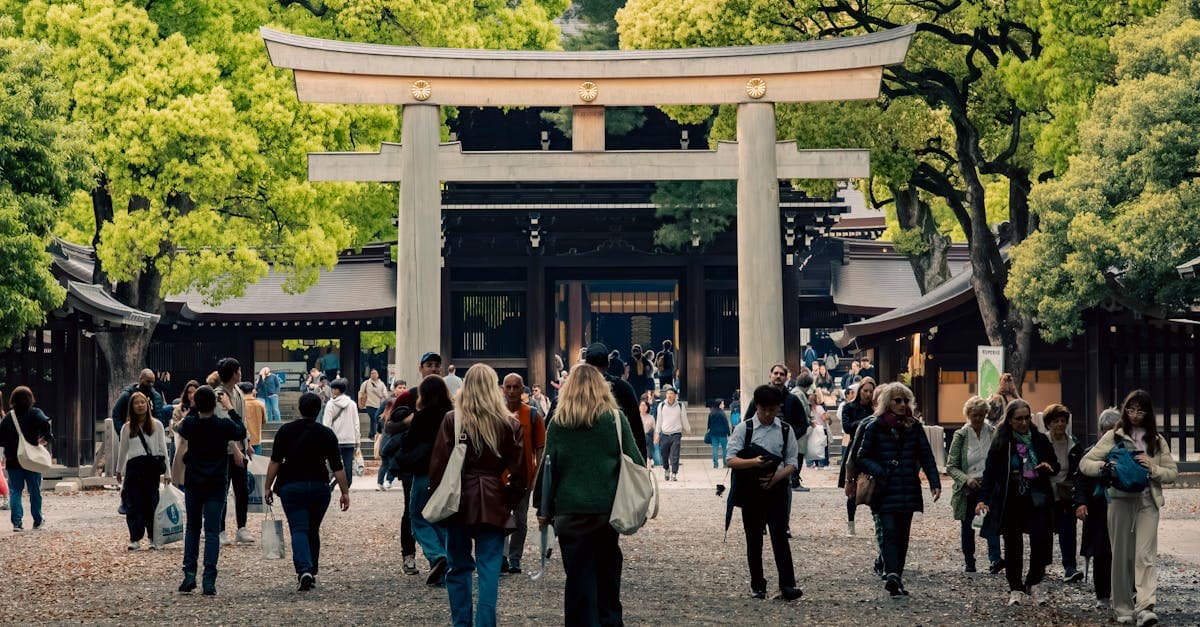
These three areas sit close enough to cover in a single afternoon, and the contrast between them is genuinely the point. Shibuya Sky gives you Tokyo from above; Meiji Shrine provides 70 hectares of forested calm at the city's centre; Takeshita Street in Harajuku follows ten minutes on foot. Do them in order.
Step one: Shibuya Sky
Book the observation deck in advance. Walk-up queues can stretch beyond an hour during busy periods, and pre-booked tickets cost around £14 tripadvisor.co.uk. Aim for late afternoon: you get the golden-hour cityscape first, then watch the illuminated crossing activate below as dusk falls. The open-air rooftop platform is the differentiating feature here; most Tokyo observation decks are enclosed.
Step two: Meiji Shrine
Take the Yamanote Line two stops north to Harajuku Station. The shrine entrance sits directly opposite. Entry is free heartmybackpack.com. What surprises most visitors is the atmosphere: within a minute of passing through the torii gate, the city noise drops away entirely into dense cedar forest. Budget 30 to 40 minutes.
Step three: Takeshita Street
Exit the shrine's southern gate and Takeshita Street is a ten-minute walk east. The shift is almost absurd. Crêpe stalls, vivid streetwear, and weekend crowds that fill the lane wall-to-wall.
Optional: Park Hyatt Tokyo
The New York Bar on the 52nd floor of the Park Hyatt in New Shinjuku is worth the detour for the view alone. Smart-casual dress applies. It is the kind of stop that reframes the whole city.
Beyond these landmarks, Tokyo has a quieter side worth finding.
Hidden things to do in Tokyo: neighbourhoods most visitors skip
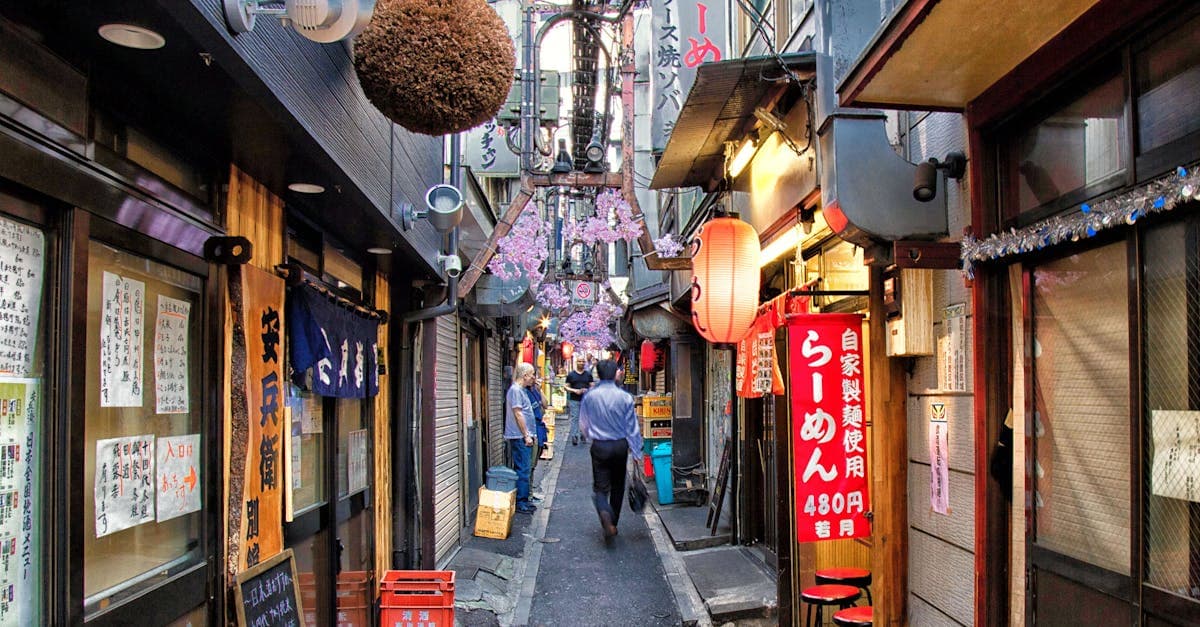
Five districts sit largely off the standard tourist circuit: Yanaka, Shimokitazawa, Nakameguro, Koenji, and Kagurazaka. Each offers something the headline neighbourhoods cannot match. For anyone with more than four or five days in the city, these are where Tokyo gets genuinely interesting.
Yanaka is the closest the city comes to Edo-period urban life. Low wooden buildings, narrow lanes, a sprawling cemetery that locals treat as an afternoon park. Ceramics studios and independent shops line Yanaka Ginza, a covered shopping street that has barely shifted since the post-war years. Cat cafes cluster around this area with a frequency that borders on implausible. Weekend mornings are quiet; arrive then neverendingvoyage.com.
Shimokitazawa runs on vinyl records and live music in rooms that seat 80 people. The neighbourhood's venues are unpretentious by design. Vintage clothing shops fill the back streets. Weekday evenings are the right time: fewer visitors, more locals, no tour groups angling for the same window seat packthesuitcases.com.
Nakameguro earns its reputation most obviously in late March and early April, when the cherry trees over the canal walk are worth planning a trip around neverendingvoyage.com. Outside that window, the Meguro River towpath is lined with independent coffee shops and small gallery spaces. Compact enough that two hours covers it comfortably.
Koenji is Tokyo's subculture district without the promotional gloss. Record shops with serious specialist curation, izakayas where a full dinner costs a fraction of the equivalent in Shibuya, and a live music scene that has been active and unglamorous since the 1980s. It is not on any official must-see list. That is the point.
Kagurazaka is the French-Japanese hybrid that should not work but does. Cobbled alleys called yokocho hide bistros and kappo restaurants behind near-unmarked doors. Arrive without a reservation and simply follow the lanes. Something will be open.
None of these neighbourhoods cost much to explore. All of them are more rewarding than a third afternoon at the Skytree.
Neighbourhoods mapped. Budget is the next question.
Things to do in Tokyo on a UK budget
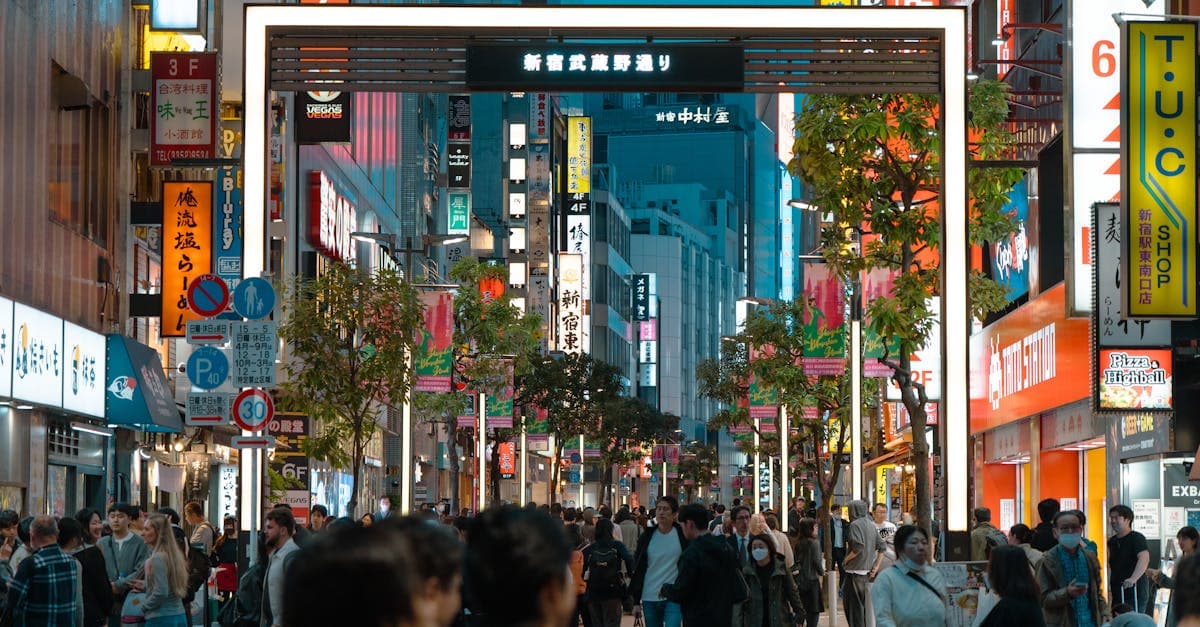
Tokyo looks expensive on paper and turns out to be workable in practice. A realistic daily spend runs to £60 to £80 per person at budget level, covering public transport, convenience store meals, and two or three paid attractions heartmybackpack.com. Mid-range travellers spending £108 to £180 per day get central accommodation and sit-down restaurant meals included.
The exchange rate helped considerably in early 2026. The pound was buying roughly ¥185 to ¥190 per pound, which makes Japan meaningfully more affordable than the sticker price of flights and hotels implies.
Paid attractions
TeamLab Borderless and Tokyo Skytree carry the admission prices covered in earlier sections of this guide. Both reward advance booking: timed entry slots get competitive at weekends, and door prices run higher than pre-booked rates. For almost every other paid attraction, Tokyo charges considerably less than a London equivalent.
The free list
Meiji Shrine has no entry fee; neither does the cedar forest path that leads to it, where the city noise drops away within a minute of passing through the torii gate. Yoyogi Park sits directly adjacent: one of the largest green spaces in the city, and on a Sunday morning it fills with dog walkers, picnickers, and the occasional impromptu drumming circle. Tsukiji Outer Market charges nothing to walk through; the only expense is what you eat there, which becomes harder to resist once the grilled scallop stalls come into view. The Tokyo Metropolitan Government Building in Shinjuku provides 45th-floor city views at no charge, and the queue moves quickly enough that you're inside before the Skytree escalator queue has cleared.
Food
A convenience store meal at 7-Eleven or Lawson is one of Tokyo's genuinely small pleasures: hot pork buns from the counter warmer, freshly assembled rice balls in several varieties, cold matcha milk pulled from the fridge, the kind of food that takes thirty seconds to choose and costs less than a tube journey. Noodle shops and ramen counters at station concourses follow a similar price band: a bowl of tonkotsu at a standing counter, eaten in ten minutes, costs what a coffee costs in central London. Sit-down restaurant dinners in most neighbourhoods rarely exceed what a comparable meal costs at a mid-range London restaurant, and often fall well short of it.
The realistic picture
Tokyo is not cheap by Southeast Asian standards. Against European city-break destinations, it competes well. A week with two or three premium experiences, several free highlights, and daily meals mixing convenience stores with local restaurants sits comfortably within the mid-range budget above. The city rewards planning but does not punish improvisation.
Budget sorted. Data plan is the next practical step.
Staying connected in Tokyo: WiFi, SIM cards, and eSIM
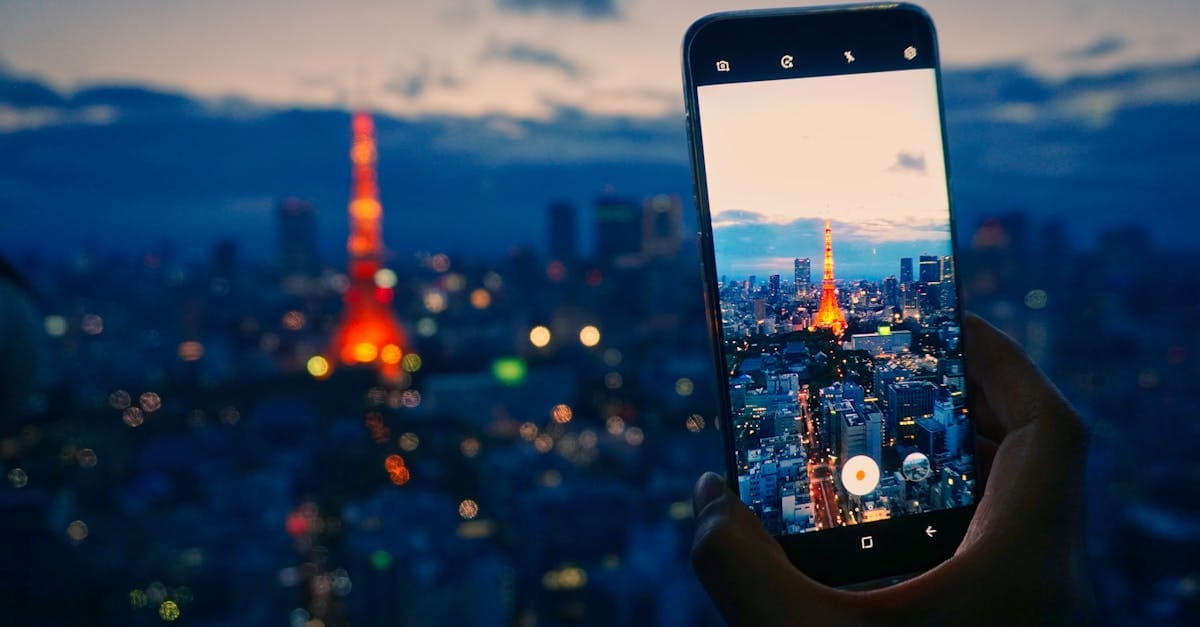
Free WiFi in Tokyo is fragmented and unreliable for anything beyond a quick web search. Major stations offer connections, as do most convenience stores and hotels, but sessions expire after 15 to 30 minutes, reconnection requires re-registering each time, and open hotspots carry standard security risks. For a city where navigation runs almost entirely through Google Maps and public transport apps, that is a shaky foundation to build a trip on.
Pocket WiFi: workable but fiddly
Portable WiFi devices are available to collect at Narita and Haneda airport kiosks. They work. Sharing one across two travellers cuts the per-person cost, and rental starts from around £6 a day. The practical problem: you carry an extra device, manage an extra battery, and queue at the returns desk on your last day. For a short city break, that overhead adds up.
Physical SIM on arrival
Local SIM cards are on sale at both Narita and Haneda, from Japanese carrier counters near the arrivals hall. Counter setup takes roughly five minutes. The limitation is timing: you are joining that queue while other passengers with pre-loaded eSIMs are already in a taxi heading for Shinjuku.
eSIM: activate before you board
An eSIM activates before you leave the UK. Scan the QR code at the departure gate, and your phone connects to a Japanese network automatically on landing. No queue, no plastic card, no paperclip at arrivals.
Your eSIM provider's Japan plan runs on KDDI/au and NTT Docomo networks, covering 4G and 5G. A 3GB plan for 30 days costs ~£5.52, which suits a fortnight of moderate use. A 10GB plan for the same period runs to ~£12.63 and covers a busy two weeks of navigation, TeamLab uploads, and daily messaging without data anxiety.
Offline maps (Google Maps has a downloadable offline mode) work as a sensible backup in signal-thin areas, but they do not replace a live data connection for transit routing and real-time search.
UK carrier context
EE Roam Abroad and Vodafone Travel Pass both charge per-day fees for Japan. Three's Feel At Home does not cover Japan at all. Checking your carrier's Japan roaming rate before assuming your existing plan covers it is a step most travellers skip and later regret. An eSIM priced by data rather than calendar days is the more predictable choice for trips of a week or more.
eSIM for Japan
Are 3 days enough in Tokyo?
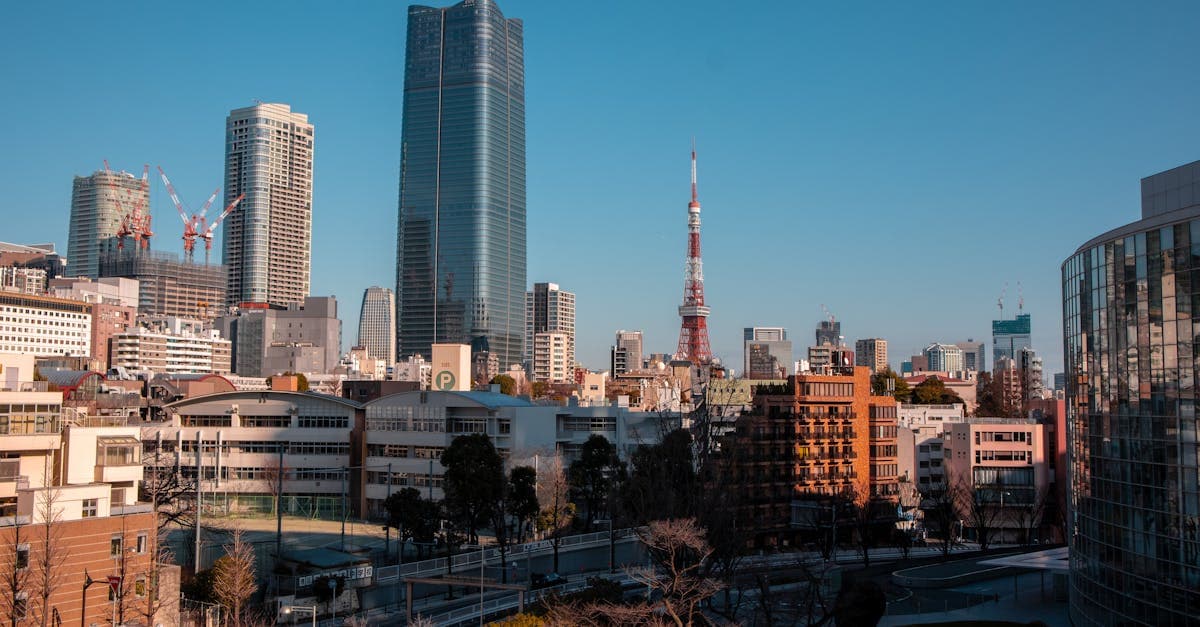
Three days covers the fundamentals. Asakusa, Shibuya, and Shinjuku all fit comfortably into a 72-hour window, leaving each neighbourhood enough time to feel explored rather than rushed. For first-time visitors, five days is the practical sweet spot, a conclusion shared consistently by experienced Tokyo travellers travelbabbo.com. Seven days or more is when Tokyo starts to reveal the quieter layers that most guides skip entirely.
The three-day framework
A focused three days works if you're efficient: Senso-ji in the early morning before the tour groups arrive, Shibuya Crossing at evening rush hour, Shinjuku's Golden Gai after dark. You'll leave with the shape of the city in your head, but also with a clear sense of what you didn't reach. That feeling is almost universal among first-time visitors.
Tokyo is built for return visits.
Five to seven days: the stronger case
Five days opens up Yanaka and Shimokitazawa, and leaves room for at least one day trip. Nikko sits roughly two hours north by train; Kamakura, around an hour south, pairs a giant bronze Buddha with coastal temple walks. Hakone adds mountain scenery and onsen. Kyoto, the natural companion to any Tokyo trip, sits around two hours and fifteen minutes away by Shinkansen from Tokyo Station.
Jet lag, timed correctly
Tokyo Standard Time runs 9 hours ahead of GMT and 8 hours ahead of BST during British Summer Time. Most travellers find the westbound return harder. A gentler first day built into a shorter itinerary is rarely wasted time.
Duration sorted. The money question tends to follow immediately.
Is £1,000 enough for a week in Japan?
Yes, with conditions attached. Economy return flights from London Heathrow currently run roughly £550 to £900, which is a significant portion of that total before you've touched Japanese soil. If flights land at the lower end of that range, a week in Tokyo on the budget daily spend figures covered earlier becomes achievable: tight, but achievable.
Where the savings happen
Food is the main lever. Convenience stores at 7-Eleven, Lawson, and FamilyMart stock warm, freshly prepared meals throughout the day for a few pounds each. Standing ramen bars and soba counters at station concourses are quick, cheap, and dependably good. A Suica or Pasmo IC card, loaded from around £10 at any station machine, covers both metro fares and konbini purchases in a single tap, removing the need to carry exact change across multiple transactions.
The mid-range reality check
Step up to more comfortable daily spending and the weekly total for Tokyo alone reaches £800 to £1,200, before flights are factored in. At that level, £1,000 all-in stops being realistic.
£1,000 is a genuine week in Tokyo. Just not a relaxed one.
Book flights early, eat intelligently, and the numbers can hold together. Push into mid-range territory on any single day and the buffer disappears fast. A few social customs are worth knowing before you land, because the wrong move in a Tokyo restaurant costs more than money.
What not to do in Tokyo as a tourist?
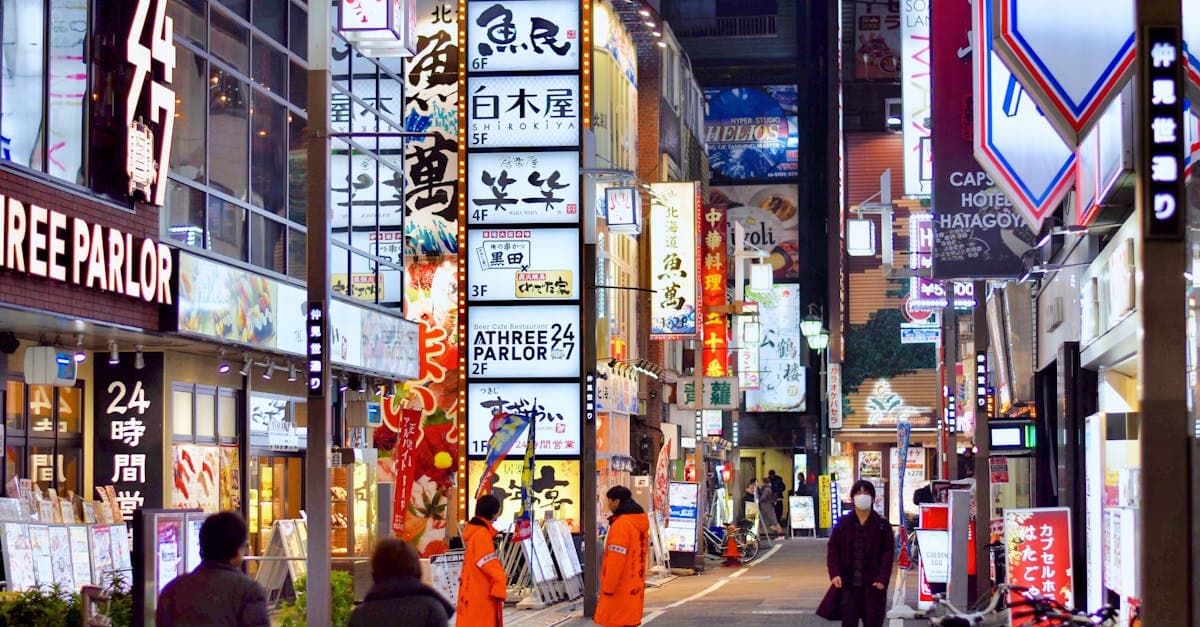
Most cultural missteps in Tokyo are met with polite silence rather than confrontation. A few cause genuine confusion, and one or two signal disrespect in ways that are straightforward to sidestep with minimal preparation.
The customs that catch visitors out
- Don't eat or drink while walking. Even a takeaway coffee from a konbini is typically consumed standing near the shop, not mid-stride along Nakamise-dori. Outside festival settings, eating on the move reads as inconsiderate rather than casual.
- Don't tip. Not in restaurants, not for taxis, not anywhere. Tipping creates real awkwardness and can come across as condescending. The quality of service in Tokyo is exceptional by design, not because staff expect a gratuity on top travelwithmansoureh.com.
- Silence your phone on public transport. Priority seats near carriage doors carry clear signage. Loud calls anywhere on the train are universally unwelcome. Most passengers travel in near-silence, which is less grim than it sounds after a few journeys.
- Don't assume card payment works everywhere. Many smaller restaurants, temple shops, and market stalls remain cash-only as of 2026. Carry yen, even if you've loaded an IC card for transit.
- Keep your IC card topped up. An empty Suica card at the ticket gate during morning rush hour earns a very quiet, very pointed queue behind you.
- Don't count on English signage in residential areas. Central tourist zones are well-signed in multiple languages. Step off the main routes and Japanese-only signs are standard. Download offline maps before leaving the hotel, not at the station.
The city is extraordinarily well-organised. Meeting it halfway takes about ten minutes of preparation.
Reviewed by HelloRoam's editorial team. Last updated: 24 April 2026.
Get Connected Before You Go


Frequently Asked Questions
A week in Tokyo is manageable at a budget level of roughly £60 to £80 per person per day, which covers public transport, convenience store meals, and two or three paid attractions. Mid-range travellers spending £108 to £180 per day can include central accommodation and sit-down restaurant meals. The pound was buying approximately ¥185 to ¥190 in early 2026, making Japan more affordable than its reputation suggests, though flight costs are separate from these daily estimates.
Three days allows you to cover the headline attractions such as Senso-ji in Asakusa, the Shibuya Scramble Crossing, and a TeamLab visit, but the city rewards more time. Five to seven days covers the main neighbourhoods without feeling rushed and leaves room for quieter districts like Yanaka, Shimokitazawa, and Nakameguro that most short-stay visitors miss entirely.
The standout experiences include visiting Senso-ji Temple in Asakusa at dawn before crowds arrive, witnessing the Shibuya Scramble Crossing from street level or the elevated walkways above, and booking TeamLab Borderless for large-scale digital art installations. Free highlights include the Tokyo Metropolitan Government Building observation deck for city views, Meiji Shrine for forested calm in the city centre, and Tsukiji Outer Market for fresh sushi and grilled seafood from 5am.
Avoid arriving at Senso-ji Temple mid-morning, as crowds build significantly after 8am and the calm atmosphere that makes the visit worthwhile disappears by 10am. Do not leave TeamLab Borderless or Shibuya Sky tickets to the door — both sell out in advance and walk-up queues can stretch over an hour. Relying on Tokyo's free public WiFi for navigation is also inadvisable, as sessions typically expire after 15 to 30 minutes and require re-registering at each location.
TeamLab Borderless tickets run around £16 to £19 and should be booked before you fly. Tokyo Skytree entry costs approximately £17, and Shibuya Sky observation deck is around £14 when pre-booked. A tea ceremony can be arranged for £8 to £18 depending on format and venue, and Shinjuku Gyoen National Garden entry is around £1.50.
Arriving before 8am makes a significant difference to the experience. Before the tour groups arrive, worshippers draw fortunes from wooden boxes, incense rises from the bronze cauldron, and the Kaminarimon gate is largely clear of cameras. By 10am the atmosphere changes entirely and the Nakamise-dori shopping approach becomes crowded.
Meiji Shrine and its surrounding cedar forest path have no entry fee, and the city noise drops away within a minute of passing through the torii gate. The Tokyo Metropolitan Government Building in Shinjuku offers 45th-floor views at no charge, Yoyogi Park is one of the largest free green spaces in the city, and walking through Tsukiji Outer Market costs nothing unless you buy food.
The Shibuya Scramble is the world's most-photographed pedestrian crossing, seeing up to 3,000 pedestrians per signal cycle. The scale is brisk and disorienting from street level; the elevated walkways around Shibuya Station give a cleaner view of the organised movement below. It takes roughly ten minutes to appreciate fully before moving on to adjacent areas.
Nakameguro is best known for its cherry blossom season in late March to early April, when the trees lining the Meguro River canal walk are considered among the best in the city. Outside that window, the riverside towpath is lined with independent coffee shops and small gallery spaces, and the neighbourhood is compact enough to cover comfortably in around two hours.
Yanaka, Shimokitazawa, Nakameguro, Koenji, and Kagurazaka all sit largely off the standard tourist circuit. Yanaka preserves low wooden buildings and narrow lanes dating from the Edo period, Shimokitazawa is centred on live music venues and vinyl record shops, and Koenji offers specialist record stores and inexpensive izakayas with an active subculture scene that has been running since the 1980s.
The Tokyo Metropolitan Government Building in Shinjuku provides 45th-floor views across the city at no cost, and the queue moves quickly. Shibuya Sky on the roof of Shibuya Scramble Square offers an open-air rooftop platform for around £14 pre-booked, which is the differentiating feature compared to most enclosed observation decks in the city.
Tsukiji Outer Market is a historic seafood and food market in central Tokyo where fresh stalls have been running since the pre-dawn hours. Stalls open from around 5am, offering fresh sushi, grilled scallops, and tamago-yaki. The inner wholesale market relocated years ago, but the outer lanes continue to operate independently.
Peak seasons are cherry blossom in late March to early April and autumn foliage in November, both of which fill up months ahead and require advance booking for accommodation and popular attractions. Both periods are widely considered the most visually striking times to be in the city.
Direct flights from London Heathrow to Tokyo take 12 to 14 hours on carriers including British Airways, ANA, and Japan Airlines. Japan runs nine hours ahead of GMT, or eight hours ahead during British Summer Time.
Convenience store meals at chains like 7-Eleven and Lawson offer hot pork buns, rice balls, and drinks at very low cost — comparable to or less than a tube journey in London. Ramen and noodle dishes at station concourse counters follow a similar price band, and sit-down restaurant dinners in most neighbourhoods rarely exceed the cost of a comparable mid-range London meal.
Free public WiFi in Tokyo is fragmented and unreliable for sustained use, with most sessions expiring after 15 to 30 minutes. An eSIM purchased before departure provides consistent mobile data across the city's 5G network, which is particularly important for navigation and transport apps that underpin most travel in Tokyo. Budget eSIM plans for Japan are available from around £2.76 for 1GB over seven days, suitable for lighter usage such as navigation and messaging.
TeamLab Borderless is a digital art installation on a scale that frequently surprises visitors, and is consistently listed among Tokyo's standout experiences. Tickets run around £16 to £19 and sell out weeks in advance, so booking before departure is strongly advised to avoid a wasted evening. The venue features immersive room-scale environments that are distinct from any comparable attraction in the city.
Shimokitazawa is known for its live music venues, vintage clothing shops, and vinyl record stores, all concentrated in an unpretentious neighbourhood popular with locals. Music venues seat around 80 people, and the area is best visited on weekday evenings when there are fewer tourists and more residents. It sits off the standard tourist circuit and has a distinctly un-promotional feel compared to central Tokyo neighbourhoods.
Sources
- travelbabbo.com — travelbabbo.com
- Complete Travel Guide: Best Things To Do in Tokyo, Japan — travelwithmansoureh.com
- neverendingvoyage.com — neverendingvoyage.com
- THE 10 BEST Things to Do in Tokyo (2026) — tripadvisor.co.uk
- 20 unique things to do in Tokyo, Japan — packthesuitcases.com
- Tokyo City Guide - What to do in Tokyo — japan-guide.com
- Tokyo for First-Timers — heartmybackpack.com