



Table of content
Quick Answer: Expedia Flights for Australians at a Glance
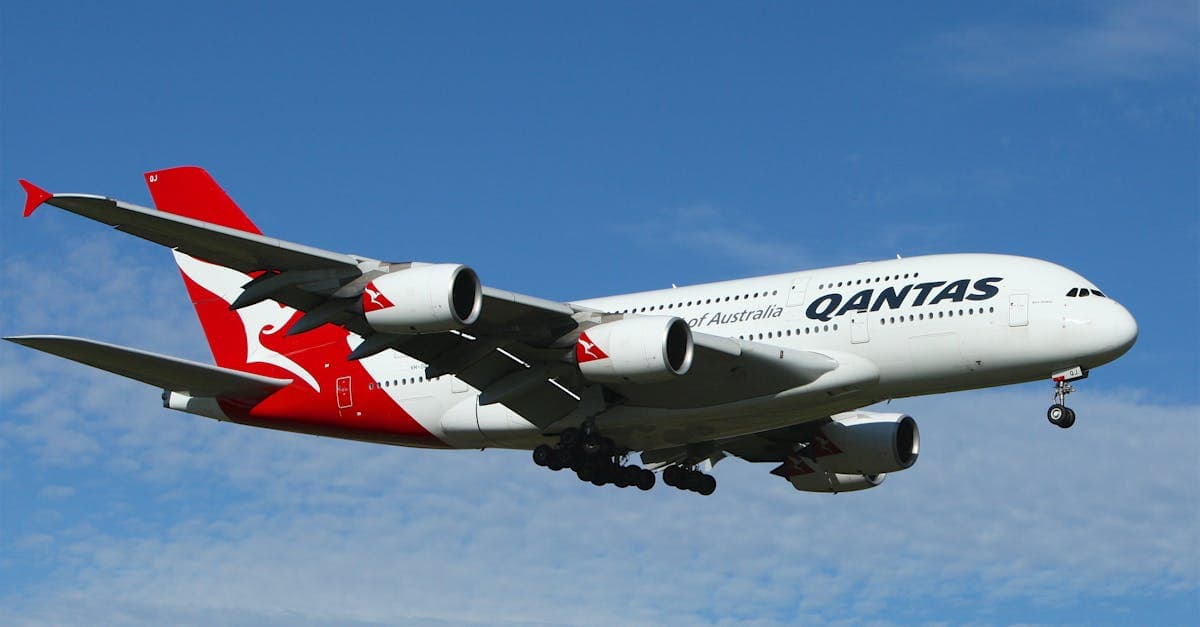
Expedia is an online travel agency, not a price comparison engine. It processes payment, issues the booking confirmation, and handles change requests directly. Service fees run A$0 to A$35 per flight. Top routes from Australia: Bali from around A$350 return, Tokyo from around A$900, London from around A$1,400.
The One Key rewards program earns roughly 2% back as One Key Cash on eligible bookings, redeemable across Expedia, Hotels.com, and Vrbo. Cross-platform utility is the actual selling point here.
Refunds are the friction point. Cancellations take 7 to 14 business days minimum to process. Australian Consumer Law gives travellers cash refund rights when the airline cancels, not travel credits.
Expedia AU sells no SIM or eSIM-australia) product. HelloRoam covers Bali from ~A$4.19 for 2 GB on Telkomsel's 5G network and Japan from ~A$4.28 for 2 GB on KDDI's network. Browse All eSIM Plans to compare destinations before you fly.
How Expedia operates as a platform is more nuanced than the booking screen suggests. That distinction matters before you commit to a booking.
What Is an Expedia Flight?

An Expedia flight is a booking completed on Expedia's platform, not a redirect to the airline's checkout. Expedia processes payment, holds the reservation, and sits between you and the carrier for any changes, cancellations, or disputes. That's the core distinction from tools like Google Flights or Skyscanner, which display prices then send you elsewhere to complete the purchase.
That intermediary role changes who you're negotiating with.
Expedia.com.au prices in AUD and operates under Australian Consumer Law expedia.com.au. ACL compliance means Australian customers have enforceable protections, including cash refund rights when an airline cancels, rather than the travel credit limbo that caught many travellers off guard during COVID-era disruptions.
The platform aggregates Qantas, Jetstar, Virgin Australia, Singapore Airlines, and dozens of international carriers into a single search. No bouncing between tabs to compare fares across airlines. The entire competitive landscape sits on one screen, with Expedia processing the transaction.
One Key links Expedia bookings to Hotels.com and Vrbo. One Key Cash earned on a Tokyo flight can offset a hotel night in Shinjuku or a holiday rental booking. The iOS and Android apps carry mobile-exclusive deals that aren't always visible on desktop, so checking both versions before finalising a booking can surface better fares on popular routes play.google.com.
Now for the numbers Aussies actually care about.
Expedia Flights from Australia: Routes, Fares and Real Costs
Expedia.com.au aggregates fares from Sydney, Melbourne, Brisbane, Perth, and Adelaide across a wide carrier mix expedia.com.au. Sydney and Melbourne dominate search volume, but the platform handles regional departures just as cleanly. Domestic routes on Jetstar and Virgin Australia sit alongside international results, so cheap flights between Melbourne and Sydney or Brisbane and Cairns are searchable from the same interface.
Bundle pricing shifts the numbers. Honestly, the bundle discount is where Expedia actually earns its keep.
Combining a return international flight with accommodation in a single Expedia booking typically produces a lower total than booking each piece separately. The bundle discount applies to the hotel leg and is visible at checkout before you commit, so comparing bundled versus unbundled pricing takes about 30 seconds, genuinely worth the check on longer trips.
Business class is filterable from the initial search stage.
That's the practical point: if you're shopping premium cabins on Qantas or Singapore Airlines, you won't wade through pages of economy results to get there. The filter also applies to flight-plus-car-rental bundles, which follow the same discount logic.
Inbound bookings work identically. Travellers from the UK, US, Japan, or Singapore can search for cheap flights to Australia on the same platform expedia.com.au, which matters for Australians co-ordinating family arrivals from overseas.
International fare ranges across the most popular routes tell the clearest story laid out side by side.
Cheap Expedia Flights from Sydney and Melbourne
Economy return fares from Sydney and Melbourne span a surprisingly wide range depending on destination, season, and booking lead time. Auckland is the shortest major international route from Australia, with returns running as low as A$200. London and Los Angeles sit at the opposite end of the cost spectrum, where peak-season pricing can push well past the initial estimates.
Fares shift with season and booking timing. Midweek departures tend to run cheaper than Friday or Sunday flights across most of these routes. Expedia's flexible date calendar, accessible at the search stage, makes it practical to compare a three to five-day window around your preferred travel dates without starting a new search each time.
Bali and Singapore offer the most consistent value across their respective ranges. London and Los Angeles show the largest fare swings, particularly during Australian school holidays and Northern Hemisphere summer.
Knowing the fare floor for your route before you browse means you'll recognise a genuine deal when you see one. Business class and bundle pricing follow a different logic, and the value equation shifts considerably at that level.
Business Class Expedia Flights and Holiday Bundles

Booking business class through Expedia has one practical advantage over a standalone flight search: the bundle discount applies when you combine the fare with hotel accommodation. That can shave a meaningful amount off the combined total for premium long-haul routes.
The bundle model covers:
- Business class fares across Qantas, Emirates, and Singapore Airlines are filterable from the main search, useful for comparing Sydney to Dubai or Melbourne to London options in a single view.
- Holiday homes through Vrbo book within the same checkout flow as flights and hotels.
- Car hire add-ons appear at checkout, covering full trip logistics in one transaction.
- One Key Cash redeems across all components: flight, hotel, and car hire.
The structure has a blind spot. Combined pricing can obscure which component is carrying the saving, and the discount is sometimes modest when you break it down individually. There's also no automatic price-drop protection once you've confirmed. Not ideal.
For a straightforward one-way fare, the bundle adds no value.
Whether Expedia is actually the sharpest tool for your booking depends on how you search.
Is Expedia Any Good for Booking Flights?

Bundles are where Expedia makes its case. For a standalone fare on a routine route, booking direct with the airline often costs the same or less once the service fee lands at checkout. That's not a knock on the platform; it's an honest read of where the value sits and where it doesn't.
Where Expedia earns its place:
- Bundle bookings: The discount applies when flight and hotel are booked together, and the rewards rate noted earlier stacks on top. Strong case for anyone booking both components.
- Flexible date searches: The flexi-date calendar surfaces the lowest available fares across a 30-day window expedia.com. Running the same search in an incognito tab may also curb session-based price increases that some travellers notice on repeat visits.
- Full-trip coordination: Car hire and Vrbo properties book within the same checkout, which handles everything in one place when flights, accommodation, and transport all need organising at once.
For a simple one-way domestic fare, book straight with the airline. The service fee adds cost without adding much. What about changes or cancellations? The same logic applies: when something goes wrong at the airport, the airline's own team typically resolves it faster than routing through an OTA intermediary.
One Key Cash accumulates across Expedia, Hotels.com, and Vrbo. For travellers who use all three regularly, that cross-platform earning is a decent perk. For occasional travel, the loyalty benefit is thin.
Timing your search can shift the price considerably.
Cheapest Days to Book Expedia Flights

Tuesday and Wednesday tend to surface lower fares than the weekend, but it's a tendency, not a rule you can bank on. Airlines typically release fare sales on Sunday night, and by Tuesday those cheaper seats have settled into the system without the weekend demand spike pushing prices back up.
Mid-week departures (Tuesday through Thursday) also tend to cost less than Friday evenings or Sunday returns. Business and leisure demand concentrates on peak days. If your itinerary allows a Wednesday departure over a Friday one, the saving on longer routes can be decent.
So does the day you book matter as much as the day you depart? Less than you'd think. The booking window matters more than the booking day. For most Australian international routes, fares start climbing inside the 6 to 8 week mark as seats fill. Booking substantially earlier often locks in a mid-range price rather than the best available; booking inside that window can mean fewer options at higher prices.
Last-minute fares on Expedia rarely undercut direct airline pricing. Budget carriers do release unsold inventory at steep discounts, but through their own apps and mailing lists, not always via OTAs at the same price or timing.
The Expedia flexi-date calendar handles the day-of-week question in practice: it shows the cheapest available departure dates across that 30-day window without requiring separate searches for each day expedia.com.au. Useful for any route where shifting departure by two days can mean a real price difference.
Knowing the downsides matters just as much as the savings.
Is There a Downside to Booking Expedia Flights?
Yes, and they're concrete enough to factor in before you commit. The scenario that catches most Aussie travellers off guard plays out at the cancellation stage.
The airline cancels your flight. Expedia may initially offer credit or voucher options. Under Australian Consumer Law (ACL), you're entitled to a cash refund when an airline cancels, and that right holds regardless of whether you booked through an OTA. Expedia acknowledges ACL obligations for Australian customers, but refund processing runs 7 to 14 business days, and community feedback across review platforms suggests timelines can stretch beyond that productreview.com.au.
Change fees stack. On top of whatever the airline charges for an amendment, Expedia adds its own fee, sitting between A$30 and A$50. Book with the airline directly and you pay one fee, not two. That distinction matters when travel dates are uncertain.
If a refund stalls, escalate via your bank. Gather the booking confirmation, the cancellation notice, and the correspondence thread. Australian banks process ACL-backed chargebacks reliably.
The COVID-era credits controversy is still relevant context. Australians who received vouchers instead of cash refunds during border closures haven't forgotten it. That wariness toward OTAs is grounded in experience.
The booking fee on certain routes, noted earlier in this guide, adds to the overall cost calculation. For a standalone fare with no bundle, that fee often makes a direct airline booking the more sensible option.
Expedia handles flights and bundles competently. What it doesn't cover is connectivity once you land, and sorting that before departure is worth doing. Browse All eSIM Plans for eSIM coverage on local networks including Telkomsel in Bali, KDDI in Japan, and T-Mobile UK in Britain.
Staying Connected After Booking Your Expedia Flight
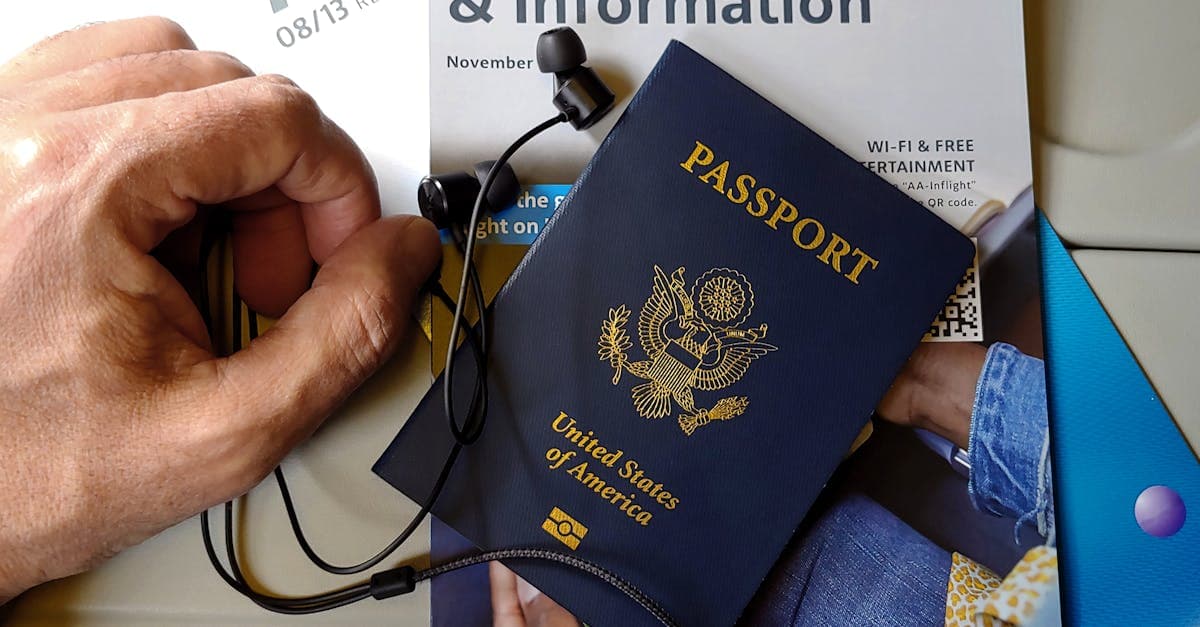
Expedia AU doesn't sell eSIMs or SIM cards alongside flight bookings. Once you confirm your itinerary, connectivity is entirely your problem to solve before departure.
That gap matters more than most people expect.
Carrier roaming through Telstra, Optus, or Vodafone AU runs A$10 to A$15 per day at popular destinations like Bali, Tokyo, and London. Some travellers don't realise their carrier has switched to roaming until a notification pops up somewhere over the South China Sea, by which point the meter is already running. For a two-week trip, that's a meaningful bill. A dedicated travel eSIM typically costs a fraction of that daily rate.
Sydney Airport's free Wi-Fi caps at 30 minutes per session. Enough to send one message. Not enough to navigate arrivals, sort ground transport, and call ahead to your accommodation.
The practical fix is sorting your eSIM before you board, not after you land. An eSIM installs as a digital profile on your phone via QR code, no physical swap required. Scan it at home, on the couch, the night before departure. Activation takes two minutes. When the cabin crew collects the meal trays on your long-haul flight, your data plan can already be running.
Dual SIM setup is worth knowing about. Most current iPhones and Android flagships support it: your existing Aussie number stays active on the physical SIM (critical for bank OTPs and two-factor authentication), while the eSIM handles all data traffic abroad. No juggling cards at the baggage carousel.
Key fact: eSIM plans for top Aussie routes start from ~A$4.19 for 2 GB in Bali, ~A$4.28 for 2 GB in Japan, with plans covering Optus 5G for use back home from ~A$4.51.
Browse All eSIM Plans before your next Expedia booking and you'll land with data running from the arrival gate.
Reviewed by HelloRoam's editorial team. Last updated: 19 April 2026.
Related reads
- Esim Cape Town
- Esim Atlanta
- Esim Hawaii
Get Connected Before You Go


Frequently Asked Questions
An Expedia flight is a booking completed on Expedia's platform where Expedia processes payment, holds the reservation, and acts as an intermediary between you and the airline for any changes, cancellations, or disputes. Unlike price comparison tools that redirect you to the airline's website, Expedia handles the full transaction. Expedia.com.au prices in AUD and operates under Australian Consumer Law, giving Australian travellers enforceable cash refund rights when an airline cancels.
Expedia is strongest for bundle bookings where a flight and hotel are combined in a single checkout, often producing a lower total than booking each separately. For standalone fares on routine routes, booking directly with the airline often costs the same or less once the service fee is added. The One Key rewards program and flexible date calendar are genuine advantages for travellers who use the platform regularly across flights, hotels, and holiday rentals.
The main downsides are refund delays and stacked change fees. Refund processing takes 7 to 14 business days minimum and can stretch beyond that in practice. When you amend a booking, Expedia adds its own fee of A$30 to A$50 on top of whatever the airline charges, whereas booking directly with the airline means paying only one fee. For standalone fares with no bundle discount, a direct airline booking is often the more sensible option.
Tuesday and Wednesday tend to surface lower fares, as airlines typically release sales on Sunday night and cheaper seats settle into the system by mid-week without the weekend demand spike. Mid-week departures from Tuesday through Thursday also tend to cost less than Friday evenings or Sunday returns. That said, the booking window matters more than the specific day — for most Australian international routes, fares start climbing inside the 6 to 8 week mark before departure.
Economy return fares from Sydney or Melbourne to Bali range from approximately A$350 to A$650. Bali offers some of the most consistent value of any international route from Australia. Using Expedia's flexible date calendar to compare mid-week departures can help find fares toward the lower end of that range.
Economy return fares from Sydney or Melbourne to Tokyo typically range from approximately A$900 to A$1,500. Fares shift with season and booking timing, with mid-week departures generally running cheaper than peak Friday or Sunday flights. Booking well outside the 6 to 8 week window before departure tends to secure a mid-range price.
Economy return fares from Sydney or Melbourne to London range from approximately A$1,400 to A$2,500. London and Los Angeles show the largest fare swings of any routes departing Australia, particularly during school holidays and Northern Hemisphere summer. Peak-season pricing can push well past the lower estimate.
Expedia service fees on flights run from A$0 to A$35 per booking depending on the route and fare type. For standalone fares without a bundle, this fee often makes direct airline booking the more economical choice. Bundle bookings that combine a flight with hotel accommodation typically offset the fee through the combined discount applied at checkout.
Under Australian Consumer Law, you are entitled to a cash refund when an airline cancels your flight, regardless of whether you booked through an online travel agency. Expedia acknowledges ACL obligations for Australian customers, but refund processing takes a minimum of 7 to 14 business days. If a refund stalls, you can escalate via your bank using a chargeback, supported by your booking confirmation and the cancellation notice.
Auckland is the shortest major international route from Australia, with economy return fares starting from as low as A$200. Bali is another consistently affordable option with returns from around A$350. Singapore offers mid-range pricing with economy returns typically between A$600 and A$1,100 from Sydney or Melbourne.
One Key is Expedia's loyalty program that earns roughly 2% back as One Key Cash on eligible bookings. One Key Cash can be redeemed across Expedia, Hotels.com, and Vrbo, so rewards earned on a flight booking can be applied toward a hotel stay or holiday rental. For travellers who use all three platforms regularly, the cross-platform earning is a meaningful perk.
Yes, business class fares are filterable from the initial search stage on Expedia, allowing you to compare premium cabin options across multiple carriers without wading through economy results. Combining a business class fare with hotel accommodation in a bundle booking can produce a discount on the combined total. The filter also applies to flight-plus-car-rental bundles.
Expedia's flexible date calendar displays the cheapest available fares across a 30-day window without requiring a separate search for each date. It is accessible from the initial search stage and makes it practical to compare fares across a three to five-day window around your preferred travel dates. This is particularly useful on routes where shifting your departure by two days can produce a meaningful price difference.
For standalone fares on routine routes, booking directly with the airline often costs the same or less once Expedia's service fee is factored in. Expedia makes the strongest case when bundling a flight with hotel accommodation, where a combined discount applies, or when using the flexible date calendar to identify the cheapest departure across multiple dates. If your travel dates are uncertain, booking direct also means paying only one change fee rather than two.
Expedia AU does not sell eSIMs or SIM cards alongside flight bookings. Australian travellers need to arrange mobile data connectivity separately before departing. Specialist eSIM providers offer data plans on local networks for destinations like Bali, Japan, and the UK, with options available from around A$4 for 2 GB depending on the destination.
Sources
- Cheap Flights: Book Plane Tickets & Airfares Deals — expedia.com.au
- Travel with Expedia: Holiday Homes, Hotels, Car Rentals ... — expedia.com.au
- Cheap Flights to Australia — expedia.com.au
- Great deals on flights — expedia.com.au
- Great deals on flights — expedia.com
- Expedia: Travel, Hotel, Flight – Apps on ... — play.google.com
- Expedia reviews | ProductReview.com.au — productreview.com.au