

Table of content
- Travelling Solo: Women's Complete Guide to Safety, Destinations, and Connectivity in 2025
- Why More American Women Are Travelling Solo in 2025
- Top Destinations for Solo Female Travel in 2025
- Crowd Favourites with Enduring Appeal
- Underrated Destinations Worth Serious Consideration
- How to Plan Your First Solo Trip as a Woman
- Building your pre-departure safety system
- Why Cellular Data Is Your Primary Safety Tool
- Staying Connected Abroad: Your Safety Lifeline
- Roaming, local SIM, or eSIM: what US travellers actually pay
- How Safe Is Travelling Solo for Women?
- What Should I Pack for Solo Female Travel?
- How Do I Meet People When Travelling Solo as a Woman?
Travelling Solo: Women's Complete Guide to Safety, Destinations, and Connectivity in 2025
Get your Browse All eSIM Plans before you travel.







Frequently Asked Questions
Solo female travel is safer than general anxiety suggests, with country-level data consistently pointing to the same top destinations: Iceland, New Zealand, Japan, Portugal, and Canada. These countries rank highest on independent solo female safety indexes measuring street harassment rates, legal protections for women, and traveller satisfaction. Night protocols, app-based transport after dark, and activated cellular data before landing materially reduce the most common risks.
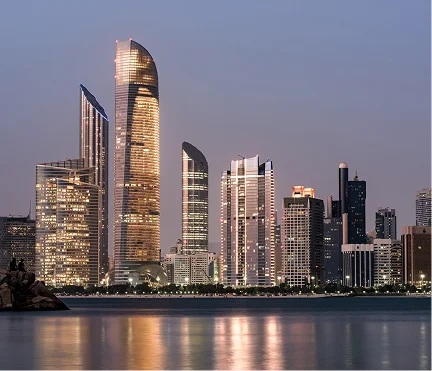
Top destinations include Iceland, Japan, New Zealand, Thailand, Portugal, and Ireland, all rated highly for safety, English accessibility, and reliable connectivity. Underrated picks include Riga in Latvia, Corfu in Greece, and Abu Dhabi, which ranks among the lowest-crime cities globally. Colombia's Medellín and Bogotá have also shown measurably improved safety records over the past decade.
72% of American women have travelled solo at least once, according to MMGY Global's Travel Intentions Survey. Women account for 65 to 70% of all solo travellers globally per the Adventure Travel Trade Association, making solo female travel the fastest-growing segment in adventure tourism. Solo female travel searches on Google grew 45% year-over-year from 2023 to 2024.
Personal freedom is the top motivator — no compromising on itineraries, no waiting for a travel partner, and no negotiating over budget. Research from solotravelerworld.com finds that women who travel solo consistently report the experience builds decision-making confidence that carries into daily life. 84% of solo female travellers plan to take more solo trips in the next 12 months, according to Booking.com's 2024 Solo Travel Report.
Iceland posts one of the lowest crime rates in the world and has equally low street harassment figures. Its compact geography makes orientation intuitive even without a local guide, and eSIM coverage is reliable throughout the country including across the Ring Road circuit. Portugal, specifically Lisbon and Porto, also ranks highly with EU safety standards, English widely spoken, and solid mobile coverage.
Japan tops multiple solo female travel satisfaction surveys for public transport that operates to the minute, English signage at every major station, and a cultural norm that affords solo travellers genuine privacy. At Narita or Haneda airports, an eSIM activates before you clear customs so navigation is running before you reach the train platform. Japan also presents a clear case for eSIM over airport kiosk SIMs, which often require navigating Japanese-language interfaces with variable quality.
For short trips or destinations where SIM kiosk exposure carries theft risk, an eSIM activated before landing is the safest and often most cost-effective option. Local SIMs beat all options for extended stays — Thailand's AIS and DTAC networks sell 30-day tourist data cards for around $8. US carrier roaming plans like AT&T's $12-per-day International Day Pass or Verizon TravelPass at $10 per day are the most expensive options and impose speed or data caps that limit safety-critical apps.
AT&T's International Day Pass charges $12 per day, with speeds dropping after 512 MB of daily data usage. On a full day of Maps navigation, WhatsApp calls, and location sharing running simultaneously, that cap can be reached before noon. A 14-day trip costs $168 in total.
T-Mobile Magenta includes international data at no extra charge, but the speed is capped at 256 kbps. That speed covers text messaging but cannot sustain Google Maps navigation, live location updates, or video calls home. For safety-critical connectivity while travelling solo, this plan is insufficient.
An eSIM activates before takeoff so Maps is already routing and your location is visible to contacts the moment you deplane, eliminating the vulnerable first hour in an unfamiliar city. In destinations like Colombia and Morocco, crowded airport SIM kiosks are documented theft hotspots where displaying your phone while jet-lagged creates real risk. eSIM removes that exposure entirely by bypassing the kiosk.
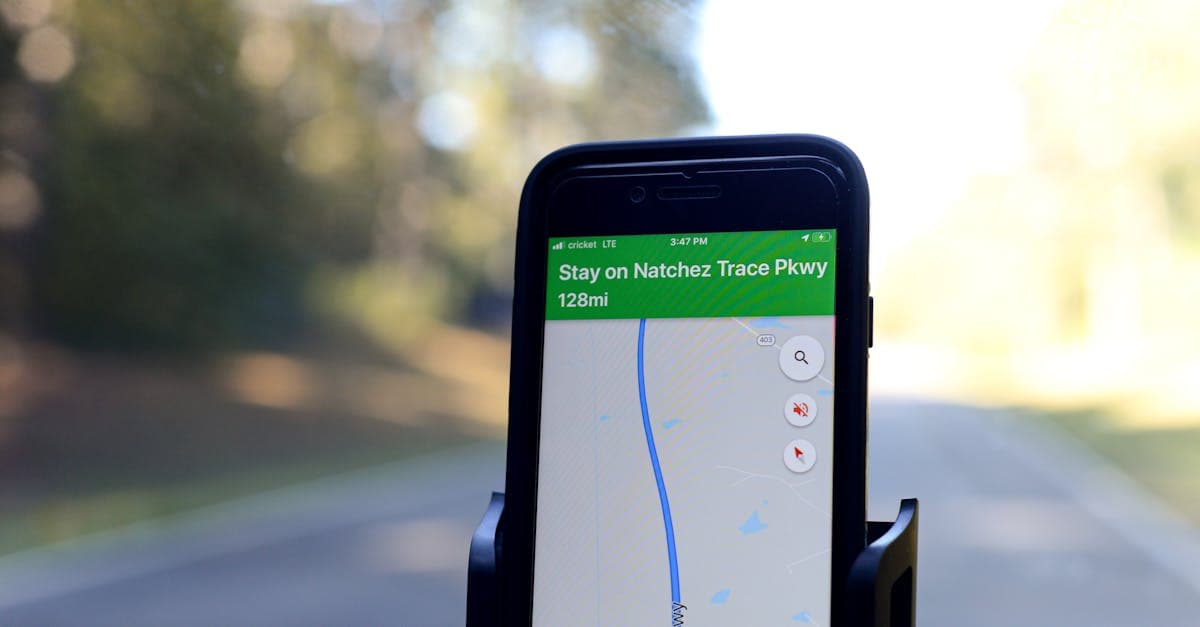
Live location-sharing apps such as Life360 and bSafe are standard tools for solo female travellers, allowing contacts at home to monitor your location in real time. Uber and Bolt are recommended over hailing street taxis after dark. All of these apps require active cellular data, making reliable connectivity a prerequisite rather than a convenience.
Download Google Maps offline tiles for your destination before departure so navigation works from the moment you land with no data required. Set a formal check-in schedule with someone at home and agree on a specific action if a check-in window is missed. Store screenshots of local emergency numbers, the nearest US embassy address, and your hotel's address in your photos app so they work offline without a signal.
89% of solo female travellers rate staying connected as their top safety priority abroad, a higher share than among solo male travellers. 63% have experienced a connectivity failure abroad that triggered a genuine safety concern, with the most common failure modes being no SIM at the arrival airport, throttled roaming speeds, and hotel WiFi unavailable after a late check-in. Every practical safety protocol — Maps, location sharing, ride booking, and check-in messaging — requires active cellular data.
Medellín and Bogotá have spent a decade building a measurably improved safety record and both cities have dense communities of women travelling solo, making it easy to find day-trip companions. The article recommends skipping the airport SIM kiosk in both cities, as phone theft in crowded arrivals halls is documented. Activating an eSIM before landing eliminates that specific risk.
Morocco's medinas reward modest dress with a noticeably lower harassment rate. In Marrakech's souks, pickpocketing is a documented risk, and activating an eSIM before landing means you are never exposing your phone at a market SIM kiosk. Morocco is described as an underrated destination worth serious consideration for experienced solo travellers.
A single supplement is an additional charge hotels levy on solo travellers occupying a room designed for two guests. Single-supplement costs affect the real price of solo travel more than most trip calculators account for. The article uses single-supplement hotel costs as one of four criteria when assessing and comparing destinations for solo female travellers.
74% of women cite personal safety as their top concern before a solo trip. Street harassment, pickpocketing in tourist-dense areas, phone theft at SIM kiosks, and connectivity failures are the most commonly cited incident types. Night-time transport choices and neighbourhood-level safety data — rather than city-wide crime indexes — are the most practically relevant factors for daily decisions on the ground.
Riga offers walkable medieval streets and a strong old-town safety record at roughly half the daily cost of Lisbon or Prague. The city receives a fraction of the US visitors that other European capitals attract, making it a genuinely underrated option. A budget traveller can eat and sleep well for significantly less than comparable Western European destinations.
Use app-based transport such as Uber or Bolt instead of hailing taxis from the curb after dark. Night protocols matter more than daytime precautions according to the article. Active cellular data is essential for booking rides, sharing your live location, and messaging check-ins during evening hours when hotel WiFi may be unavailable.
Solo women travellers spend more per trip than their male counterparts, consistently prioritising safety, comfortable accommodations, and reliable connectivity over rock-bottom pricing. That spending pattern reflects the practical reality that every decision about where to sleep and how to stay connected carries more weight without a travel companion. The travel industry has responded to this segment, which represents 65 to 70% of all solo travellers globally.
Sources
- solotravelerworld.com — solotravelerworld.com
- 11 Destinations Ideas for Solo Female Travelers — wheresjessieb.com
- Solo Female Travelers - Tours | Community | Advice — solofemaletravelers.club
- The Best Places for Solo Female Travel in 2026 — talesofabackpacker.com
- 14 Best Destinations for First-Time Solo Female Travelers — adventurouskate.com