Japan Itinerary 2026: the Complete 10-day Guide for Singapore Travellers

Written by: David Chen


13 min read
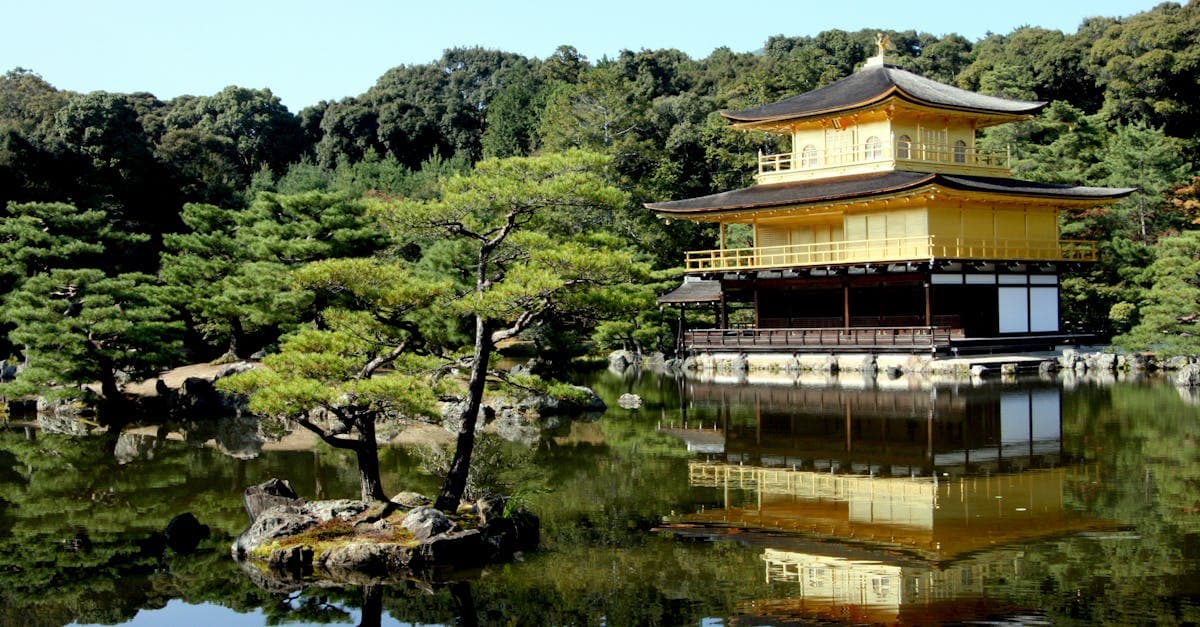
Table of content
When should Singaporeans visit Japan in 2026?
The best time for Singaporeans to visit Japan in 2026 is late March to early April for cherry blossoms, or November for autumn foliage with fewer crowds. The 2026 cherry blossom forecast places Tokyo at full bloom from approximately 26 March to 2 April, with Kyoto and Osaka reaching mankai (the full-bloom stage, when flowers are at their most vivid) between 28 March and 4 April. Hakone blooms latest, with peak colour arriving from around 10 to 18 April.
Full bloom lasts seven to ten days, with the broader viewing window extending to roughly two weeks as petals begin to scatter. Missing the peak by three or four days changes the experience considerably.
Planning a Japan itinerary around cherry blossom requires attention to Singapore's school calendar. March holidays here typically conclude before peak bloom arrives in most cities. Families should target the last week of March or the first week of April, where the two windows come closest to aligning.
Accommodation in central Tokyo and Kyoto rises between 30 and 100 per cent above standard rates during cherry blossom season. Book three to six months ahead at minimum. Popular ryokan and centrally located hotels fill first.
Off-peak has genuine appeal. Lower hotel prices, manageable queues at temples and shrines, and no seasonal surcharges make it a worthwhile choice for travellers without fixed school-holiday constraints. November stands out as the strongest alternative, with striking autumn foliage across Kyoto, Nikko, and Nara, notably fewer international visitors than in spring, and daytime temperatures well suited to extended walking.
How to fly from Singapore to Japan
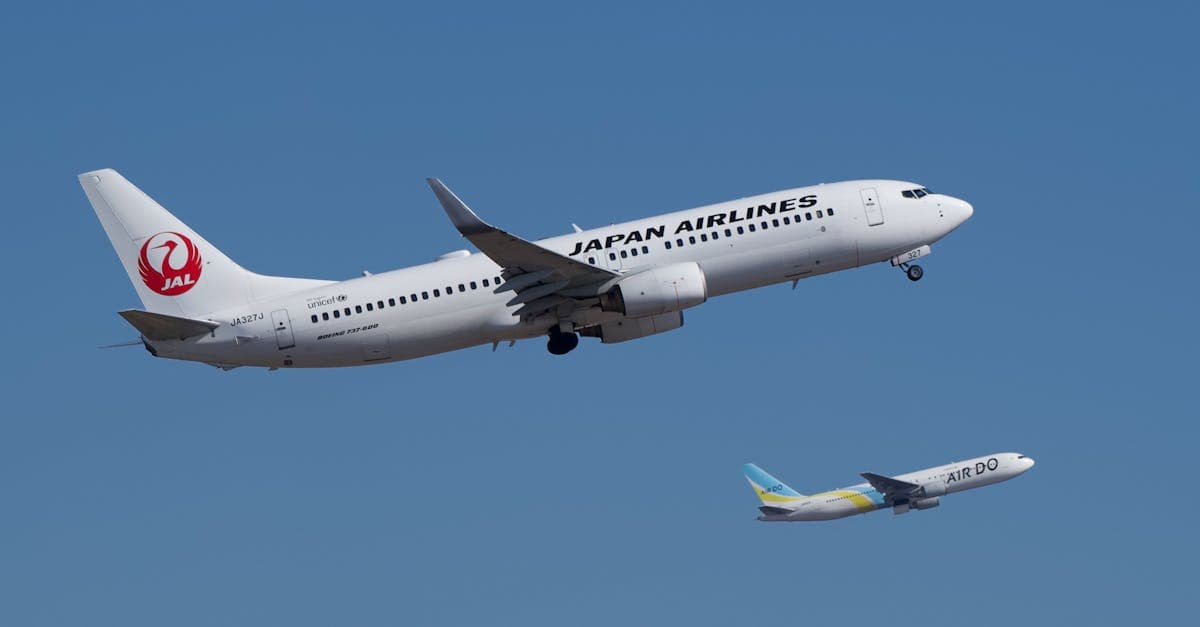
Direct flights to Tokyo from Changi take approximately seven hours, with Singapore Airlines, Scoot, JAL, and ANA serving both Narita (NRT) and Haneda (HND). The Osaka route to Kansai International (KIX) runs roughly 6.5 hours, with Scoot and Singapore Airlines as the main carriers.
Budget return fares on Scoot sit between S$300 and S$700 outside peak periods. During cherry blossom season and Golden Week in early May, the same routes climb to S$900 to S$1,500 return. Singapore Airlines fares run considerably higher, though the baggage allowance and service reflect the premium.
The more efficient routing for the classic circuit is an open-jaw arrangement: fly into Tokyo, depart from Osaka. This removes the need to backtrack by Shinkansen at the end of the trip, saving both time and the cost of the final bullet-train leg back to the capital.
Scoot operates both the SIN to NRT and KIX to SIN routes, so the open-jaw carries no extra airline cost compared with a standard return. At Changi, Scoot departs from Terminal 1. For itineraries involving city-hopping with light luggage, carry-on only is worth considering: Scoot's checked-baggage fees accumulate across separate booking legs, and Japan's convenience stores and hotels accommodate most short-stay needs without a full-size suitcase.
10-day Japan itinerary: the classic circuit from Tokyo to Osaka
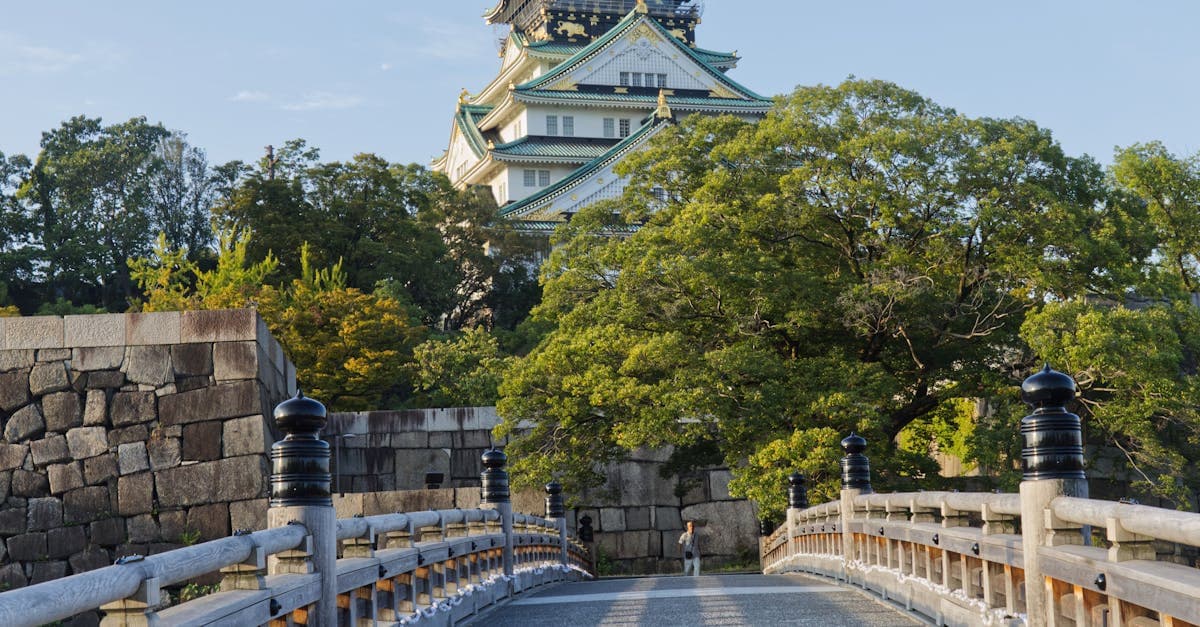
The classic route is also the most logical: Tokyo for three nights, a single night in Hakone, Kyoto for three nights, Nara as a day trip from Kyoto, and two nights in Osaka, moving consistently westward in line with the Shinkansen direction and without backtracking.
Tokyo is dense and highly walkable across its distinct neighbourhoods. Three nights allow enough time to cover the key areas without feeling rushed. Kyoto is more demanding in one respect: advance booking for popular sites is not optional during peak season, and several attractions now operate timed-entry systems.
Osaka works naturally as the final leg. Two nights are enough to cover the essential food districts and key areas at a manageable pace. The city's energy is distinct from Kyoto's, and the contrast makes for a satisfying close to the Japan itinerary.
Pre-booking is required for several key experiences. TeamLab's digital art installations sell out weeks ahead, Miyajima ferry tickets during peak season need early reservation, and popular ramen shops with queue-management systems reward preparation. Fushimi Inari in Kyoto is best visited at sunrise, well ahead of the mid-morning crowds.
Luggage forwarding between cities, known as takuhaibin, costs approximately JPY 1,500 to 2,000 per bag (about S$14 to S$18) and is available at hotels and convenience stores across Japan. Next-day delivery between major cities is standard, and the service removes one of the bigger logistical headaches on any multi-stop trip.
Days 1 to 5: Tokyo, Kamakura and Hakone
Three days in Tokyo pass faster than most first-timers expect. Days 1 to 3 cover the essential districts: Shibuya Crossing, Shinjuku, Asakusa with the Senso-ji Temple complex, Harajuku, and Tsukiji Outer Market for an early visit. Base yourself in Shinjuku or Shibuya for the most direct metro access across the city.
Mid-range business hotels in Shinjuku run approximately S$120 to S$180 per night. Capsule hotels start from around S$50, with newer formats offering considerably more privacy than the original concept.
Day 4 works well as a day trip from the capital. Kamakura, one hour away by JR Yokosuka Line, offers the Great Buddha at Kotoku-in, coastal walks, and the Hase-dera temple gardens. Nikko is the alternative, roughly two hours by Tobu Limited Express, with the World Heritage shrine complex at Tosho-gu set in cedar forest.
Setting up mobile data before departure makes sense, particularly for the Hakone and rural legs where public WiFi becomes unreliable. Hello Roam's regional eSIM options for Japan start from around S$15, covering both urban metro corridors and the outer stretches of the circuit.
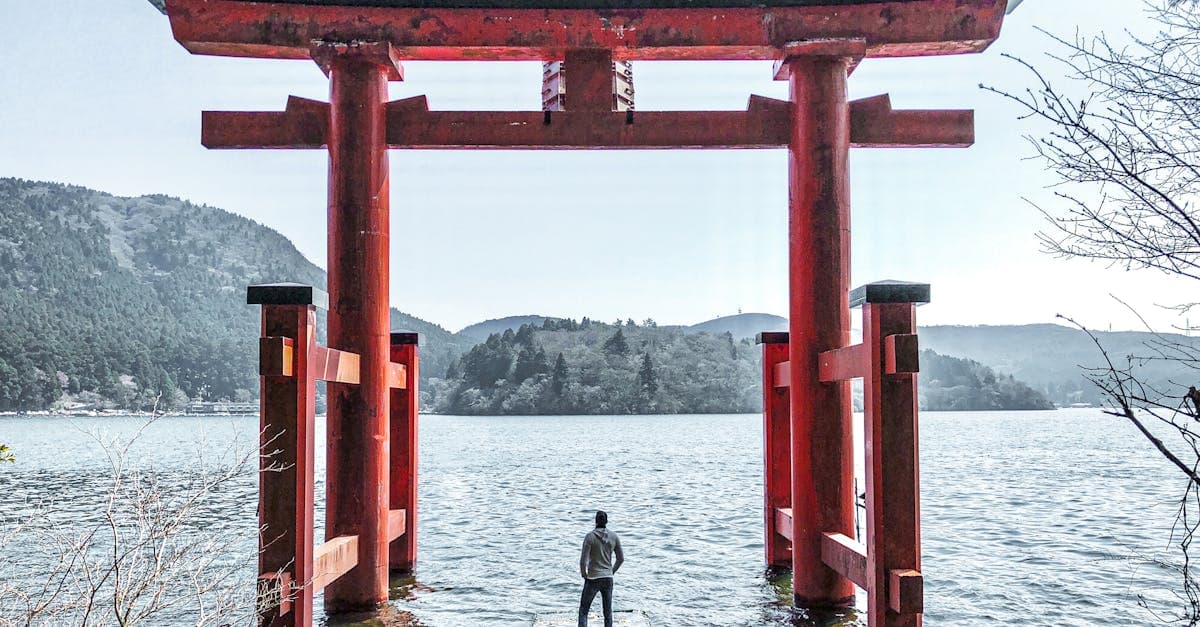
Day 5 heads to Hakone. The Hakone Open Air Museum warrants a morning, Lake Ashi offers direct Mt Fuji views on clear days, and the Owakudani geothermal valley is a short ropeway ride from the central area. Use the Hakone Free Pass (approximately S$52) rather than the JR Pass, which does not cover the full Hakone circuit; book an outdoor onsen, known as rotenburo, at a ryokan or day-use facility.
Buy a Suica IC card at airport kiosks on arrival. It handles all Tokyo metro lines, JR local services, and convenience store purchases without needing exact change at each barrier.
Days 6 to 10: Kyoto, Nara and Osaka
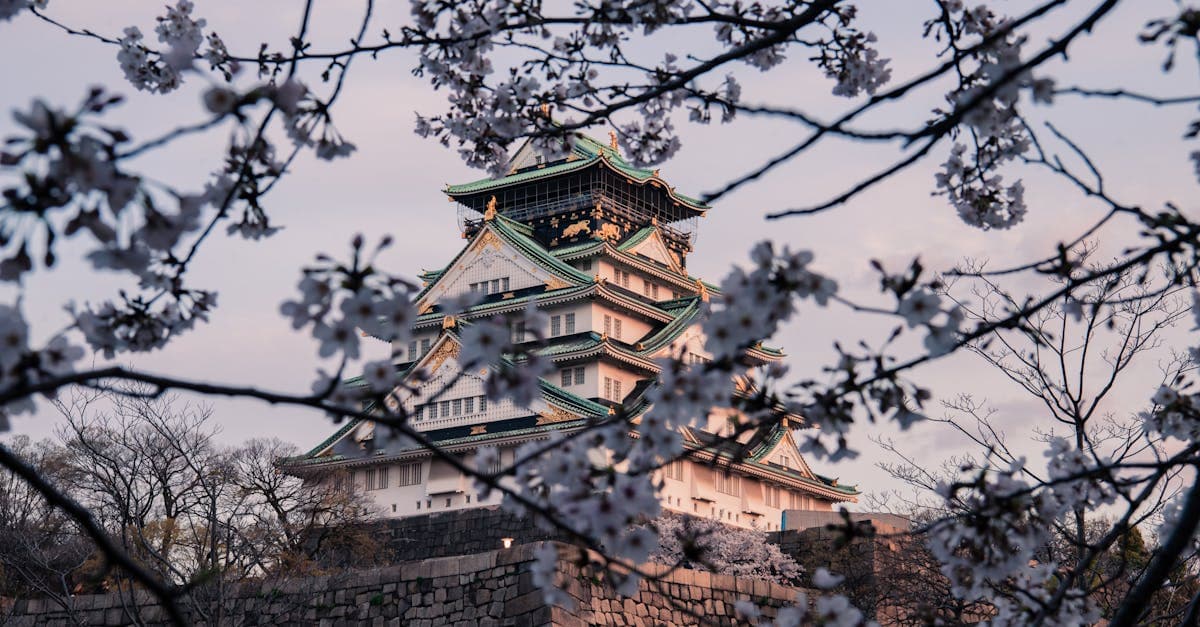
The Shinkansen from Odawara or Shin-Yokohama to Kyoto takes roughly two hours. Book reserved seats well in advance: unreserved carriages during cherry blossom peak become standing-room carriages, which defeats the purpose of the journey.
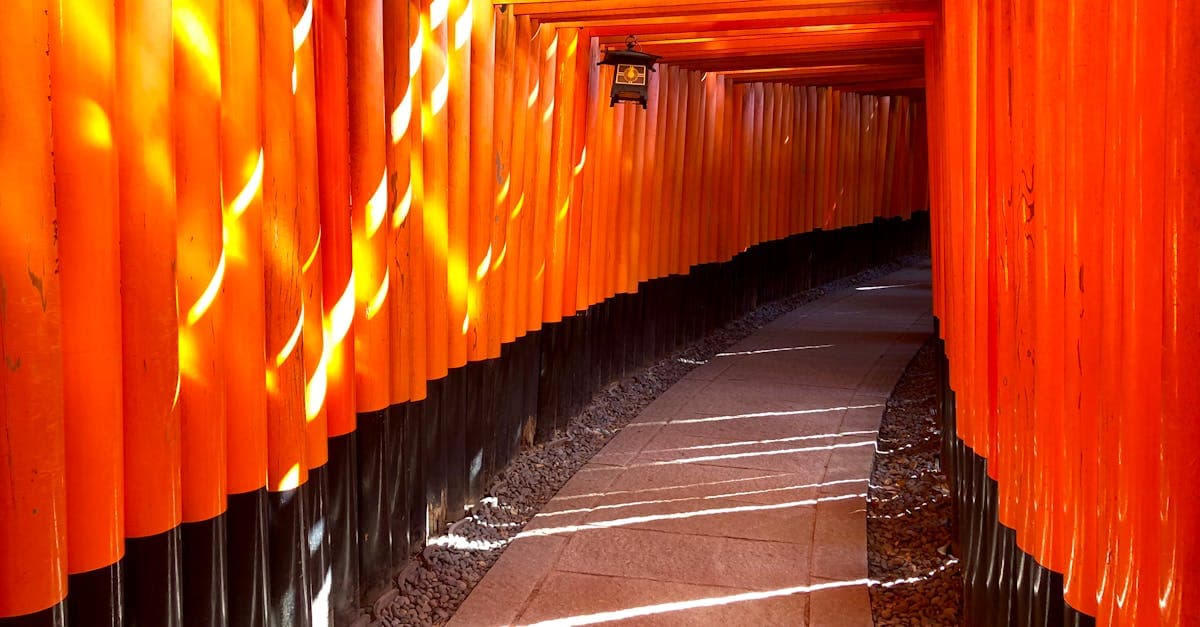
Base in central Kyoto, near Kyoto Station or Gion. Start Day 6 at Fushimi Inari Taisha before 7am, when the thousands of torii gates are near-empty. By 9am, the selfie queues stretch beyond the first landing. Move on to Arashiyama Bamboo Grove, which also rewards an early start.
Days 7 and 8: Kinkaku-ji, Nijo Castle (the nightingale floors reward a longer look than most visitors give them), and an evening walk through Gion and along Pontocho.
Day 9 is Nara, a short limited-express hop from Kyoto. Todai-ji's Great Buddha Hall, the sika deer of Nara Park, and the quieter Kasuga Taisha shrine paths in late afternoon. Travel to Osaka that evening by Kintetsu Limited Express from Nara, roughly 45 minutes, and base near Namba.
Day 10 covers Dotonbori, Kuromon Ichiba Market, Osaka Castle, and Shinsekai for kushikatsu. The Osaka Amazing Pass (1-day, JPY 2,500, approximately S$23) covers metro travel and admission to multiple attractions across Osaka. For the return flight from KIX, the Nankai Rapi:t Express connects Namba to Kansai International Airport in 38 minutes. Leave Dotonbori by mid-afternoon.
Is the JR Pass worth buying in 2026?
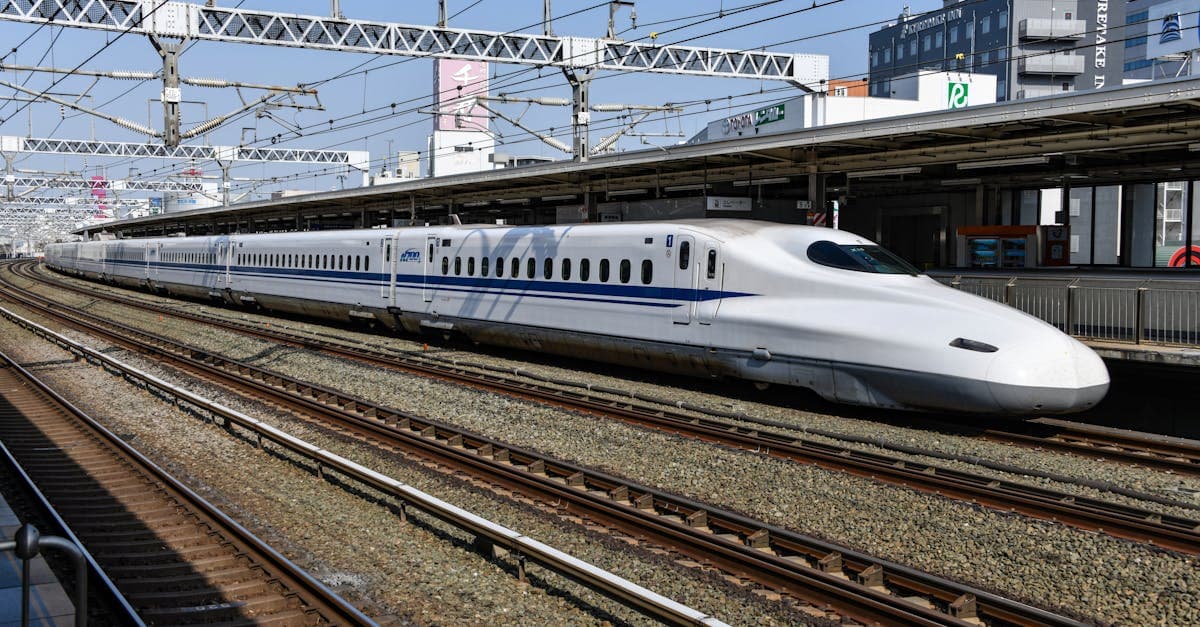
The JR Pass is not worth buying for most first-timers on the standard 10-day Tokyo to Osaka circuit. Individual Shinkansen tickets for that route total approximately S$181, whilst a 7-day JR Pass costs approximately S$460, leaving a gap of roughly S$280 to recover through additional journeys beyond what the standard circuit already covers.
That gap stays unrecovered for most first-timers. The pass only tips into borderline worthwhile territory if you add Hiroshima: a round trip from Osaka on individual tickets adds roughly JPY 18,000 to your transport spend. Even then, every remaining day of the pass would need to earn its keep.
For the Hakone leg specifically, use the dedicated Hakone pass at the rate already mentioned. It covers the Tozan Railway, ropeway, cable car, and sightseeing boat, and represents far better value than routing a JR Pass through the area. If your Osaka schedule runs full, the 2-day Osaka Amazing Pass (JPY 3,300, approximately S$30) extends metro coverage and attraction entry into an extra day.
IC cards fill the gaps the passes do not. ICOCA handles Kansai metro lines, JR local services, buses, and convenience store payments across Osaka, Kyoto, and Nara, and is the logical choice once you cross west from Tokyo. Android users can load ICOCA via Google Pay. The Suica from Tokyo now works across much of Kansai, so there is no strict need to hold two separate cards.
iPhone users: add Suica via Apple Wallet before leaving Singapore and top up in-app with a foreign Visa or Mastercard.
Staying connected in Japan: eSIM vs pocket WiFi
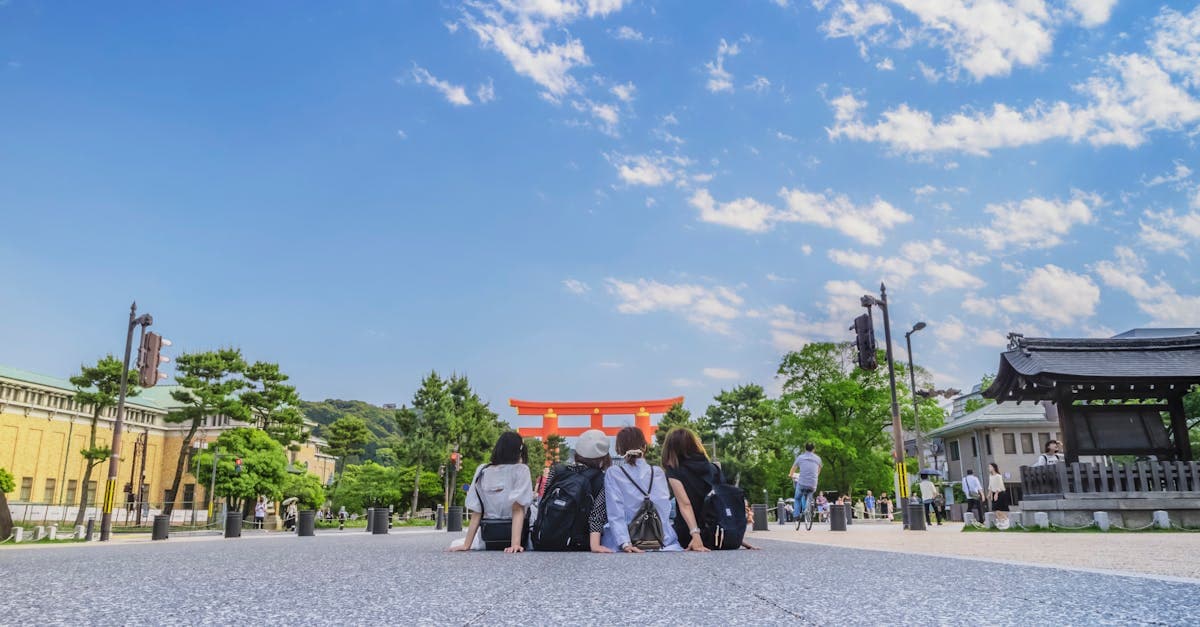
Japan's mobile coverage is exceptional. LTE reaches over 99 percent of the population, and 5G is active in Tokyo, Osaka, and Kyoto city centres. Dead zones on a standard Japan itinerary are essentially non-existent.
The choice is eSIM or pocket WiFi. Pocket WiFi rentals for a 10-day trip run S$60 to S$100; an eSIM for the same period costs S$35 at most. The cost case for eSIM is unambiguous.
Network backbone matters. A Docomo-backbone eSIM is the stronger choice for itineraries that include Hakone, Nikko, or mountain routing, offering more consistent coverage along transit corridors. SoftBank performs better in high-density urban areas but thins out past city limits.
Hello Roam's Japan plans provide coverage on SoftBank and Docomo networks, with options from 5 GB to unlimited data across 7 to 15-day windows, priced up to S$35. Standard carrier roaming on Singtel, StarHub, or M1 ranges between S$20 and S$25 per day, reaching S$200 to S$250 across the same 10-day trip.
FactorCost (10 days)
eSIMUp to S$35
Pocket WiFiS$60 to S$100
FactorSetup
eSIMPre-arrival QR scan
Pocket WiFiCollect at airport
FactorData sharing
eSIMPersonal hotspot
Pocket WiFiUp to 5 devices
FactorVerdict
eSIMRecommended
Pocket WiFiLegacy option
Konbini chains (7-Eleven, FamilyMart, Lawson) offer WiFi as a backup; adequate in a pinch, but not sufficient as a primary connection.
Why keeping your Singapore number active in Japan matters
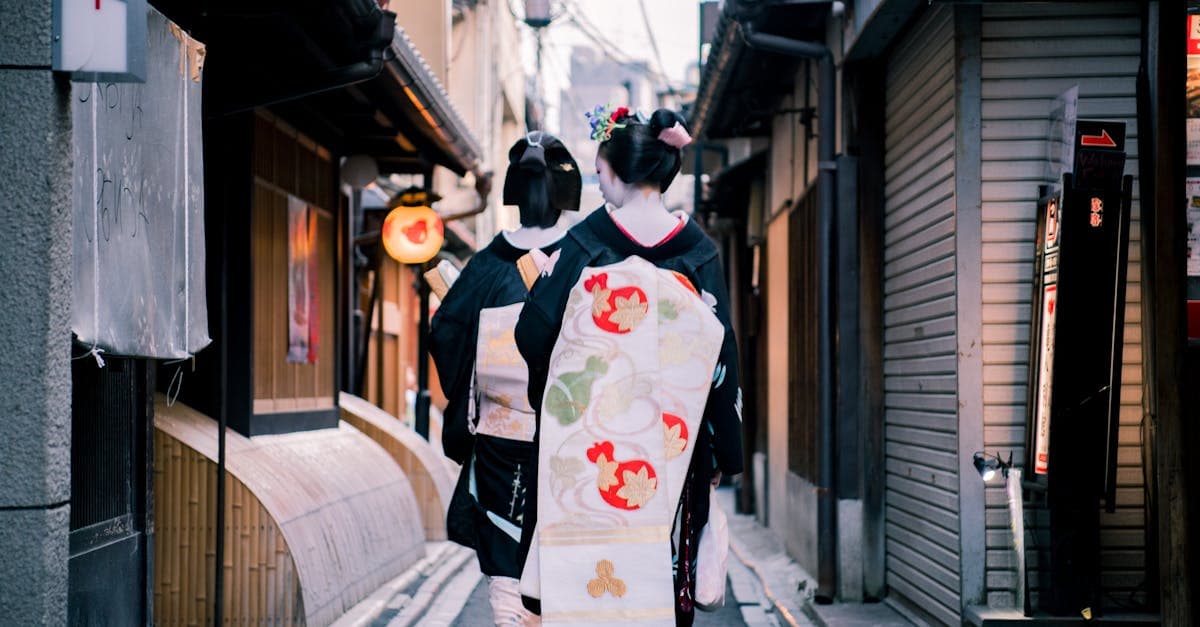
Banking OTPs are the dependency most travellers overlook. Swap your Singapore SIM for a local Japanese card and your Singapore number goes dark for the entire trip. DBS, OCBC, UOB, and Singpass all route SMS authentication codes to your registered Singapore number. Lose access mid-trip and mobile banking becomes inaccessible at the worst possible moment.
An eSIM sidesteps this entirely. A Japan data eSIM loads onto your phone's embedded SIM, running alongside your existing Singapore physical SIM. Your number stays active, OTPs arrive normally, and you retain full access to DBS PayNow, OCBC Mobile, and Singpass throughout.
This is the single most practically important reason a Singaporean traveller should choose eSIM over a local Japanese SIM for any trip longer than a few days.
Pocket WiFi also avoids the SIM-swap problem: your Singapore number remains intact. The trade-offs are the higher rental cost (at the rates noted in the previous section), a physical device to carry and charge each night, and reduced flexibility for solo travellers who cannot share the unit to offset the fee.
For any Singaporean traveller managing finances, flight bookings, or hotel reservations from abroad, the eSIM case goes beyond connectivity. It is about maintaining access to the accounts and services that matter when something unexpected happens.
What does a 10-day Japan trip cost from Singapore?
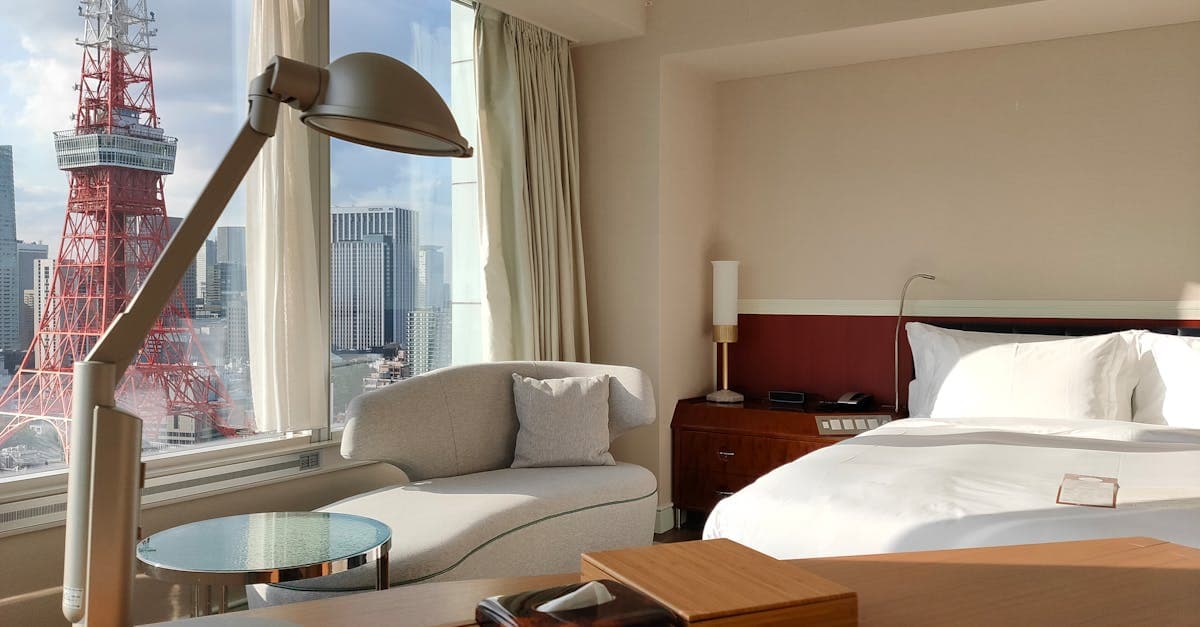
A 10-day Japan trip from Singapore costs approximately S$2,400 to S$4,245 per person, covering flights, accommodation, transport, food, and activities. SGD 1 buys approximately JPY 108 to JPY 115 right now, a rate that has held since 2022, making Japan one of the most cost-efficient long-haul destinations from Changi in at least a decade.
That total breaks down roughly as follows: flights S$500 to S$800 (cherry blossom season pushes toward the upper end), accommodation at approximately S$90 to S$150 per night, transport at the costs calculated above, food S$400 to S$600, attractions S$210 to S$350, and connectivity at the data plan rate quoted earlier.
Daily budget tiers help with planning. At the lower end, S$80 to S$115 per day covers capsule hotels, convenience store meals, and city transit. Mid-range, on business hotels and restaurant meals, runs S$155 to S$220. A comfort tier with boutique properties and a ryokan night or two sits at roughly S$260 to S$420.
Food is the consistent pleasant surprise. A bowl of ramen runs around JPY 900, which converts to roughly S$8 at the current exchange rate; a tonkatsu set lunch at about JPY 1,200 comes out to approximately S$11. Both frequently undercut comparable meals in Singapore at equivalent quality.
Ryokan pricing warrants a separate note. A two-person room with dinner and breakfast included typically costs JPY 20,000 to JPY 40,000 per night, approximately S$185 to S$370. One night as a special occasion fits neatly within a standard japan itinerary budget; building the entire trip around ryokan accommodation stretches most budgets significantly.
Practical advice for Singaporeans: halal options, cash and apps
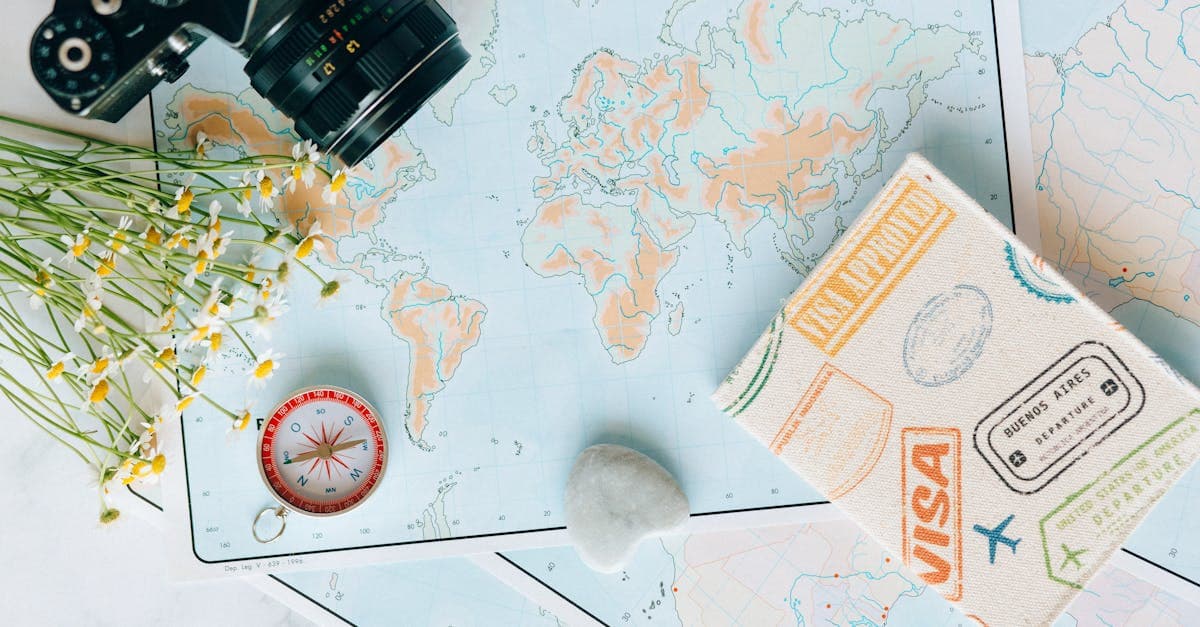
Singapore passport holders enter Japan visa-free for up to 90 days, with no application or fee required. Book and go.
Halal dining has improved across all three cities. Tokyo's highest concentration of halal-certified restaurants sits in the Asakusa district; the HalalNavi app provides searchable, regularly updated listings by location. Osaka's Nipponbashi and Namba areas have multiple certified options, making it the most accommodating of the three for Muslim travellers. Kyoto's selection is narrower, centred mainly around Kyoto Station and the Gion district, so plan specific meals before arriving rather than browsing on foot.
Japan remains a significantly cash-dependent country outside major tourist circuits. Many shrines, rural restaurants, and older vending machines do not accept cards. Withdraw yen from 7-Eleven, FamilyMart, or Japan Post ATMs, all of which accept Visa and Mastercard without a foreign transaction surcharge. Card acceptance is spreading fast in Tokyo and Osaka at major hotels, department stores, and chain restaurants, but do not rely on card alone at temples or in smaller towns.
Install these before boarding at Changi: Google Maps with Japan offline maps downloaded, Google Translate with the camera function active (invaluable for menus and signage), Japan Connected Free Wi-Fi for consolidated hotspot access, and either Hyperdia or Jorudan for real-time train routing.
A note on onsen etiquette: most public facilities prohibit visible tattoos. Private onsen rooms (kashikiri-buro) are widely available at traditional inns for an additional fee and carry no such restriction.

David Chen
Travel writer and former digital nomad. 10 years exploring destinations across 6 continents. Specializes in budget travel, expat life, and off-the-beaten-path experiences for American travelers.
Read full bio→Frequently Asked Questions
The best time for Singaporeans to visit Japan is late March to early April for cherry blossoms, or November for autumn foliage. The 2026 cherry blossom forecast places Tokyo at full bloom from approximately 26 March to 2 April, with Kyoto and Osaka reaching peak colour between 28 March and 4 April. November offers striking foliage across Kyoto, Nikko, and Nara with notably fewer international visitors than spring.
Full bloom typically lasts seven to ten days, with the broader viewing window extending to roughly two weeks as petals begin to scatter. Missing the peak by three or four days changes the experience considerably. Hakone blooms latest, with peak colour arriving from around 10 to 18 April.
Direct flights from Singapore Changi to Tokyo take approximately seven hours. Singapore Airlines, Scoot, JAL, and ANA serve both Narita (NRT) and Haneda (HND). The Osaka route to Kansai International (KIX) runs roughly 6.5 hours.
Budget return fares on Scoot sit between S$300 and S$700 outside peak periods. During cherry blossom season and Golden Week in early May, the same routes climb to S$900 to S$1,500 return. Singapore Airlines fares run considerably higher but include a larger baggage allowance and premium service.
The classic route runs Tokyo for three nights, a single night in Hakone, Kyoto for three nights with a Nara day trip, and two nights in Osaka, moving consistently westward along the Shinkansen corridor without backtracking. Flying into Tokyo and departing from Osaka as an open-jaw removes the need to return to the capital at the end of the trip. This saves both time and the cost of the final Shinkansen leg.
The JR Pass is not worth buying for most first-timers on the standard 10-day Tokyo to Osaka circuit. Individual Shinkansen tickets for that route total approximately S$181, while a 7-day JR Pass costs approximately S$460, leaving a gap of roughly S$280 to recover through additional travel. The pass only approaches worthwhile territory if you add a Hiroshima round trip from Osaka.
Use the dedicated Hakone Free Pass (approximately S$52) rather than the JR Pass, which does not cover the full Hakone circuit. The Hakone Free Pass covers the Tozan Railway, ropeway, cable car, and sightseeing boat. It represents far better value than routing a JR Pass through the area.
An eSIM is the recommended choice. A Japan eSIM for a 10-day trip costs up to S$35, while pocket WiFi rentals for the same period run S$60 to S$100. eSIMs also require no physical device to carry or charge, and setup is completed before departure via a QR code scan.
Swapping your Singapore SIM for a local Japanese card makes your Singapore number inaccessible for the entire trip. DBS, OCBC, UOB, and Singpass all route SMS authentication codes to your registered Singapore number, so losing access can make mobile banking unavailable at a critical moment. A Japan data eSIM loads onto your phone's embedded SIM alongside your existing Singapore physical SIM, keeping your number active and OTPs arriving normally throughout the trip.
A Japan eSIM from Hello Roam costs up to S$35 for 7 to 15-day plans covering 5 GB to unlimited data. Standard carrier roaming on Singtel, StarHub, or M1 ranges between S$20 and S$25 per day, totalling S$200 to S$250 across a 10-day trip. The cost difference is substantial, making an eSIM the clear value choice.
A Docomo-backbone eSIM is the stronger choice for itineraries that include Hakone, Nikko, or mountain routing, offering more consistent coverage along transit corridors. SoftBank performs better in high-density urban areas but thins out past city limits. Japan's LTE coverage reaches over 99 percent of the population, so dead zones on a standard circuit are essentially non-existent.
Buy a Suica IC card at airport kiosks on arrival; it handles all Tokyo metro lines, JR local services, and convenience store purchases. Once you cross west to Kansai, ICOCA handles Osaka, Kyoto, and Nara metro lines, JR local services, and buses. iPhone users can add Suica via Apple Wallet before leaving Singapore and top up in-app with a foreign Visa or Mastercard.
Takuhaibin is Japan's luggage forwarding service, available at hotels and convenience stores across the country. It costs approximately JPY 1,500 to 2,000 per bag (about S$14 to S$18) and provides next-day delivery between major cities as standard. The service removes one of the bigger logistical headaches on any multi-stop trip by letting you travel between cities without carrying large bags.
Book accommodation three to six months ahead at minimum for cherry blossom season. Hotel prices in central Tokyo and Kyoto rise between 30 and 100 percent above standard rates during peak bloom. Popular ryokan and centrally located hotels fill first, so early booking is essential.
Fushimi Inari Taisha is best visited before 7am, when the thousands of torii gates are near-empty. By 9am, selfie queues stretch beyond the first landing. An early start makes for a dramatically different and far more atmospheric experience.
The 1-day Osaka Amazing Pass costs JPY 2,500 (approximately S$23) and covers metro travel plus admission to multiple attractions across Osaka. A 2-day version costs JPY 3,300 (approximately S$30) and extends coverage to an extra day. It is the logical transport and sightseeing pass for the Osaka leg of a standard Japan circuit.
The Nankai Rapi:t Express connects Namba to Kansai International Airport in 38 minutes. For return flights from KIX, leave Dotonbori by mid-afternoon to allow adequate time. This is the most direct and reliable airport connection for travellers based near Namba.
Kamakura, one hour from Tokyo by JR Yokosuka Line, offers the Great Buddha at Kotoku-in, coastal walks, and the Hase-dera temple gardens. Nikko is the alternative, roughly two hours by Tobu Limited Express, with the World Heritage shrine complex at Tosho-gu set in cedar forest. Both work well as full-day excursions from a Tokyo base.
Mid-range business hotels in Shinjuku run approximately S$120 to S$180 per night. Capsule hotels start from around S$50, with newer formats offering considerably more privacy than the original concept. Basing yourself in Shinjuku or Shibuya provides the most direct metro access across the city.
Nara is a short limited-express hop from Kyoto and works well as a Day 9 excursion on a 10-day Japan itinerary. Key stops include Todai-ji's Great Buddha Hall, the sika deer of Nara Park, and the quieter Kasuga Taisha shrine paths. From Nara, the Kintetsu Limited Express connects to Osaka Namba in roughly 45 minutes.

Stay Connected with Travel Data
View all destinations

United States

United Kingdom