
Frequently Asked Questions
The 5-4-3-2-1 rule is a structured capsule packing method designed to minimise bag bulk while covering most trip scenarios. The article's UK packing approach mirrors this logic: five or six lightweight mix-and-match tops, two pairs of trousers or jeans, one smart-casual outfit, one packable waterproof outer layer, and no more than two pairs of footwear. Neutral tones that combine freely are recommended over statement pieces, maximising outfit combinations from a minimal item count.
The 3-5-7 rule is a capsule-packing framework that limits the number of bottoms, tops, and total items to keep luggage light and versatile. The article applies the same principle to UK travel: a base layer, mid-weight fleece or jumper, and a packable waterproof shell form the three-layer system for clothing, with five to six tops and two trouser options rounding out the wardrobe. Rolling garments instead of folding and using packing cubes are also recommended to maximise carry-on volume efficiency.
The article identifies five essential categories every packing list should cover: travel documents, clothing and footwear, toiletries and health, technology and adapters, and comfort items. Documents should include a valid passport, travel insurance policy details with a 24-hour emergency number, a GHIC card where applicable, payment cards, reserve GBP cash, and a written emergency contact list stored separately from your phone. Clothing should include at least five mix-and-match outfits with layering capability, one smart-casual option, a packable waterproof outer layer, and two pairs of footwear.
The article flags several items that travellers consistently overlook: sunscreen (needed even on overcast UK summer days due to moderate to high UV levels), a packable waterproof jacket (essential year-round given over 133 rainy days annually in London), and a UK Type G plug adapter (three rectangular pins at 230V). Prescription medications should travel in original packaging with a GP letter for controlled substances, and a GHIC card plus comprehensive travel insurance are both essential for EU visitors. Swimwear is also cited as the most frequently omitted item and most often regretted on arrival.
Yes. Since 2021, EEA citizens can no longer use national identity cards to enter the UK and must carry a full valid passport. This post-Brexit requirement is still a source of last-minute panics at departure gates. Check that your passport is valid for the full duration of your stay before travelling.
The UK uses Type G plugs: three rectangular pins arranged in a triangle, running at 230V and 50Hz. You will need a Type G adapter if your home country uses a different socket standard. Buy one before departure as airport versions at Heathrow and Gatwick cost two to three times the high-street price, and not every arrivals hall stocks them.
The article outlines three main options: carrier roaming, a tourist physical SIM, or an eSIM. Physical SIMs such as giffgaff (15GB for £10 on a 30-day plan) and SMARTY (pay-as-you-go on Three) are available at Heathrow, Gatwick, Tesco and Argos, but require an unlocked handset and a physical SIM slot. An eSIM such as Hello Roam's UK plan can be activated before departure, keeps your home number live in a second profile, and puts the phone online before landing without any hardware or airport queuing.
EU visitors lost free UK data when Brexit took effect. European carriers now typically charge a daily UK add-on of €5 to €15, or bill per megabyte at €0.20 to €0.50 without an active plan. A 10-day trip without a local SIM or eSIM solution can easily exceed £50 in data charges, making pre-trip connectivity planning a genuine cost consideration rather than an afterthought.
For most visitors, an eSIM offers meaningful advantages over a tourist physical SIM. It requires no unlocked handset slot, no physical card to collect on arrival, and no used SIM to dispose of on return. Pre-departure activation means the phone is online before the aircraft doors open, removing the need to queue at airport SIM kiosks after a long-haul flight. The article describes it as the lighter option in every sense.
UK weather is highly variable by region and season. London sees over 600mm of annual rainfall and more than 133 rainy days, while summer temperatures run between 15 and 25 degrees Celsius. Scotland and Northern England regularly fall below zero from November onwards, running 5 to 8 degrees colder than London even in summer. A layering strategy covering a thin base layer, a mid-weight fleece or jumper, and a packable waterproof shell is the article's recommended response to this unpredictability across all months.
The article recommends limiting footwear to two pairs for carry-on compliance: one comfortable, waterproof walking shoe suitable for pavements, cobblestones and uneven terrain, and one smart-casual option for evenings. London involves 15 to 20 kilometres of daily walking on hard surfaces, and smooth-soled footwear becomes a genuine hazard in the rain. For Scotland and the Cairngorms, proper walking boots or waterproof trail shoes are essential, as trainers are inadequate on wet hillside paths.
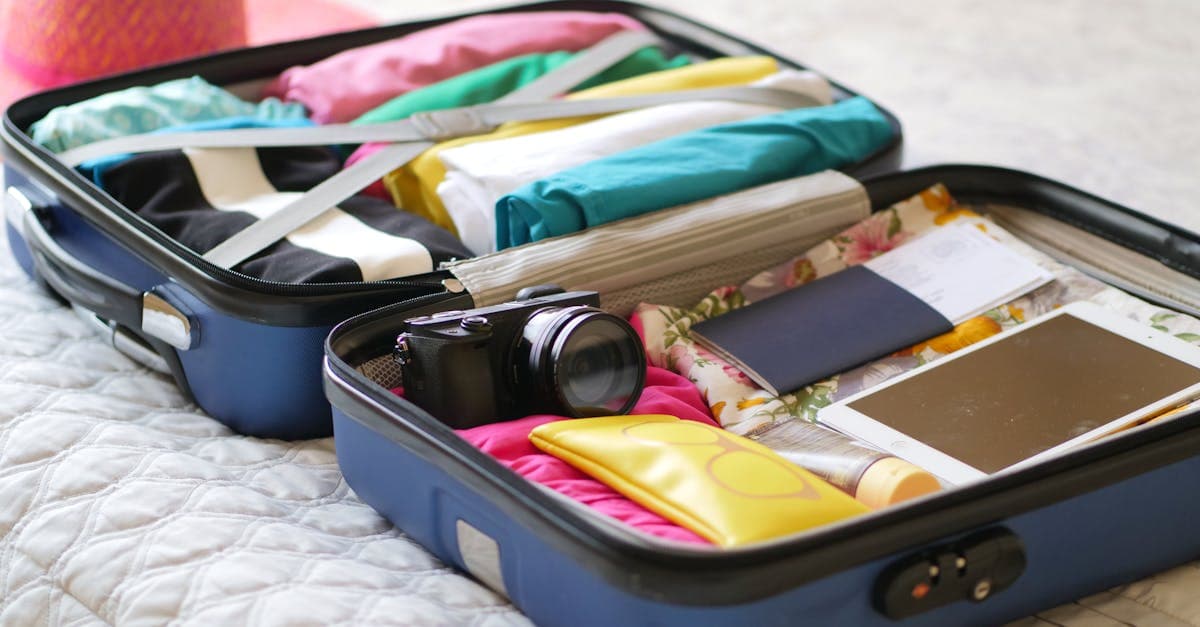
Yes, a 10-day UK trip is achievable in carry-on if clothing follows a capsule approach using neutral colours and mix-and-match items. Rolling garments rather than folding them reduces creasing and increases volume efficiency, and packing cubes help organise by category. Ryanair's free personal item caps at 40 x 20 x 25cm and easyJet's small bag (free) measures 45 x 36 x 20cm; dimensions change periodically, so verify with the specific airline before packing.
Contactless payment by card or phone is accepted almost universally across UK shops, restaurants, pubs and Transport for London. However, GBP cash retains a practical role at rural markets, smaller guesthouses and some independent pubs. The article recommends carrying a modest amount on arrival before reaching the first cash machine, as a sensible precaution.
No. The Global Health Insurance Card covers necessary state medical treatment at NHS facilities for EU visitors but does not cover repatriation, private hospital fees or trip cancellation. A comprehensive travel insurance policy remains essential alongside it, particularly for travellers with pre-existing conditions or anyone planning activities beyond city-centre sightseeing.
Yes, and a standard insect repellent is not sufficient. Between May and September, visitors to the Scottish Highlands face a significant midge problem: these small biting insects swarm in still, humid conditions and are largely resistant to standard repellent formulations. A dedicated midge product is described as essential for any itinerary extending beyond the main towns.
Individual liquid containers must not exceed 100ml and the total toiletries bag must be transparent and no larger than one litre, in line with UK airport liquids rules. The article recommends packing travel-sized containers or buying full-size products on arrival at Boots or Superdrug, both of which stock most mainstream personal care brands at reasonable prices. Full-size items purchased in the UK can then be transferred to a checked bag on the return leg.
A Type G plug adapter and a power bank of at least 10,000mAh are the two essential tech items. Contactless payments, navigation apps and continuous camera use drain phone batteries harder than most travellers expect, and few British cafes provide charging cables without a purchase. Hair dryers are standard in most UK hotels above budget class, so leaving one at home frees meaningful bag volume.
The article recommends using an Oyster card or tapping contactless directly on Transport for London services, as single paper tickets cost noticeably more than either option. Contactless by card or phone is accepted on virtually all TfL services. Visitors hiring a car should check in advance whether their nationality requires an International Driving Permit alongside their driving licence.
Sources
- The Ultimate Packing List — smartertravel.com
- Our ultimate packing list — intrepidtravel.com
- culture-explorer.co.uk — culture-explorer.co.uk
- The Ultimate Travel Packing List For Any Vacation — eaglecreek.com
- What to Take Travelling: Your Travel Essentials Packing List — gap360.com