

Quick answer: UK flights to Japan at a glance
British Airways, JAL and ANA all fly non-stop from London Heathrow to Tokyo Haneda. The eastbound leg takes around 11.5 hours. Economy returns start from around £480 with early booking skyscanner.net; last-minute seats routinely top £900.
Haneda (HND) sits roughly 30 to 45 minutes from central Tokyo. Narita (NRT) is considerably further out. For city-centre itineraries, which airport you land at matters almost as much as the airline you pick.
Timing is everything.
Cheapest months to fly: - January and February, when post-New Year demand drops sharply - Early September, before half-term and peak autumn pricing kick in - Avoid late March to early May: cherry blossom season and Golden Week push fares to a striking premium
Sort your data before you board. Three's Feel At Home covers Japan but applies daily caps; EE Roam Abroad bills per day on top of your existing tariff. An eSIM for Japan from HelloRoam starts from ~£2.76 for 1GB over 7 days on the KDDI/au 5G network. Scan the QR code at the departure gate and you'll have a working connection before the crew closes the aircraft door.
Key fact: HelloRoam's Japan 1GB 7-day plan costs ~£2.76 on the KDDI/au 5G network.
Which airline you choose shapes more than just the ticket price.
Which airlines fly direct to Japan from the UK?
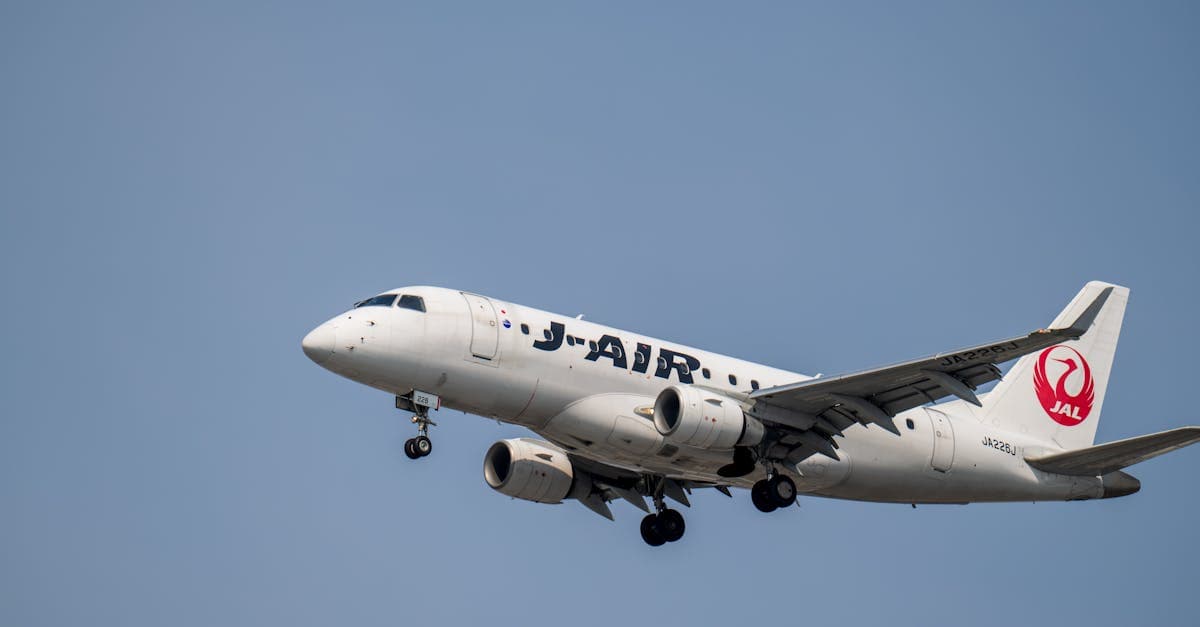
Three carriers run non-stop service from London Heathrow to Tokyo Haneda: British Airways, Japan Airlines (JAL) and ANA jal.co.jp. All three operate daily departures. No other British airport runs direct Japan services.
Non-stop services (LHR to HND)
JAL and ANA consistently draw stronger reviews for long-haul economy service on this route, particularly for meals and seat comfort. BA's clearest advantage is Avios redemptions for Executive Club members planning to earn or spend points. Both Japanese carriers offer dedicated Japanese cuisine options on board, which makes the 11-plus-hour crossing considerably more bearable.
Connecting options
Connecting itineraries via Dubai, Doha, Amsterdam or Helsinki add two to four hours total. Finnair via Helsinki (HEL) frequently prices as the cheapest one-stop option momondo.co.uk, adding roughly two to three hours compared to a non-stop. No single right answer here.
Gulf carriers carry a notably stronger premium cabin product, particularly for business class travellers flying beyond Tokyo. For economy, Helsinki tends to win on both price and total journey time.
But not every UK traveller can simply walk into Heathrow's departures hall.
Can I fly direct from the UK to Japan?
Non-stop flights to Japan depart exclusively from London Heathrow britishairways.com. No direct service runs from Manchester, Edinburgh or Birmingham. A connection is unavoidable if you're starting your journey outside the capital.
At Heathrow, BA departs from Terminal 5. JAL and ANA both operate from Terminal 3 jal.co.jp. Easy to overlook when booking through a price aggregator that leads with destination rather than departure point.
Regional UK travellers
The route via Helsinki is often the smartest move.
Finnair's service through Helsinki adds only two to three hours total and consistently prices as the cheapest one-stop option from UK regional airports. Routing into Heathrow for a non-stop works too, but it adds both cost and ground-handling time on each leg.
Some travellers find that a single-ticket connecting fare from Manchester or Edinburgh to Tokyo via Helsinki undercuts the combined cost of a domestic leg to London plus a Heathrow non-stop. Running both searches takes two minutes and can reveal a tangible saving, particularly in January or February.
When you book matters just as much as where you board.
When is the cheapest time to fly to Japan?
January and February consistently deliver the lowest economy fares on flights to Japan from the UK skyscanner.net. Post-New Year demand drops sharply, Japan is cold but uncrowded, and airlines discount seats to fill capacity. For anyone with genuine flexibility, this two-month window is the obvious entry point.
The numbers shift dramatically as spring arrives. Cherry blossom season, running from late March through April, is when UK interest in Japan peaks most sharply. Fares during sakura season can roughly double compared to the January lows. That's not a minor fluctuation: it represents a meaningful gap between a bargain trip and a considerably more expensive one skyscanner.net.
Golden Week follows immediately.
Late April into early May sees Japanese domestic travel surge alongside international bookings, squeezing direct seat availability on BA, JAL and ANA services out of Heathrow. These two peaks run back-to-back, making that six-week stretch reliably the costliest window of the year.
September to mid-October surprises most travellers who haven't looked at the data. Temperatures ease off from summer highs, typhoon risk fades after mid-September, and Japan's autumn colour begins to build across the mountain regions. Fares sit noticeably below their spring equivalents, yet the conditions are arguably better for general sightseeing.
Booking 3 to 6 months ahead delivers the best return prices across most travel windows skyscanner.net. Leave it under two weeks and you're paying a sharp premium regardless of when you fly.
The bigger question, once you've fixed your travel month: what does a return to Japan actually cost in total?
How much do return flights to Japan cost from the UK?
Economy return fares from the UK to Japan start from around £480 with early booking expedia.co.uk. That spread reflects seasonal variation: book in winter shoulder months versus cherry blossom season and you're looking at genuinely different price levels. Last-minute bookings push the ceiling to £1,800 or above.
The cabin class decision is where the real choices begin.
Premium economy return runs roughly £1,000 to £2,200, depending on carrier and booking window expedia.co.uk. On JAL and ANA, this buys a meaningfully upgraded seat with extra legroom, better meal service and a recline that actually functions on a 12-hour flight. British Airways' World Traveller Plus occupies the same tier at a competitive price point, though the two Japanese carriers tend to receive stronger marks for food and cabin finish on this specific sector, based on frequent traveller feedback.
Business class starts at around £2,500 return and peaks near £5,500 on high-demand dates expedia.co.uk. JAL's Sky Suite and ANA's The Room are among the best long-haul business products currently flying this route. For a special occasion trip, that gap in service quality over a 12-hour sector is tangible and hard to dismiss.
All-in costs for a two-week Japan trip from the UK sit roughly between £2,000 and £4,000 per person, covering flights, accommodation and daily spending. Multi-currency cards like Revolut, Wise or Monzo typically offer better exchange rates than standard UK bank cards when spending yen, which takes the sting out of the daily budget.
Where you land in Japan shapes what you spend getting into the city.
Which is the cheapest airport to fly into in Japan?
Haneda (HND) sits 30 to 45 minutes from central Tokyo by rail, making it the most convenient entry point for the majority of UK visitors. Narita (NRT) is farther out, typically 60 to 90 minutes from the city centre, but direct flights sometimes list lower base fares. Whether Narita's saving survives the higher transfer cost is worth checking before you book.
The grounding detail most first-timers miss: Kansai International (KIX), serving Osaka, is often the sharper choice for itineraries centred on Kyoto or Nara. Flying into KIX and heading directly to Kyoto by train saves a full day compared with arriving at Haneda, transferring into Tokyo, and then backtracking westward on the Shinkansen.
No direct services operate from London to Kansai or to regional airports like Sapporo's New Chitose (CTS) or Fukuoka (FUK). Reaching those cities means a domestic connection from Tokyo, typically on ANA or JAL, which adds time and cost but opens up broader itineraries without needing to retrace your route across the main island.
Most first-time visitors from the UK opt for Haneda. The transfer is fast, the airport is well-organised, and ground transport into central Tokyo runs reliably late into the evening.
Japan rewards a little preparation before you land.
What is Japan like for a holiday?
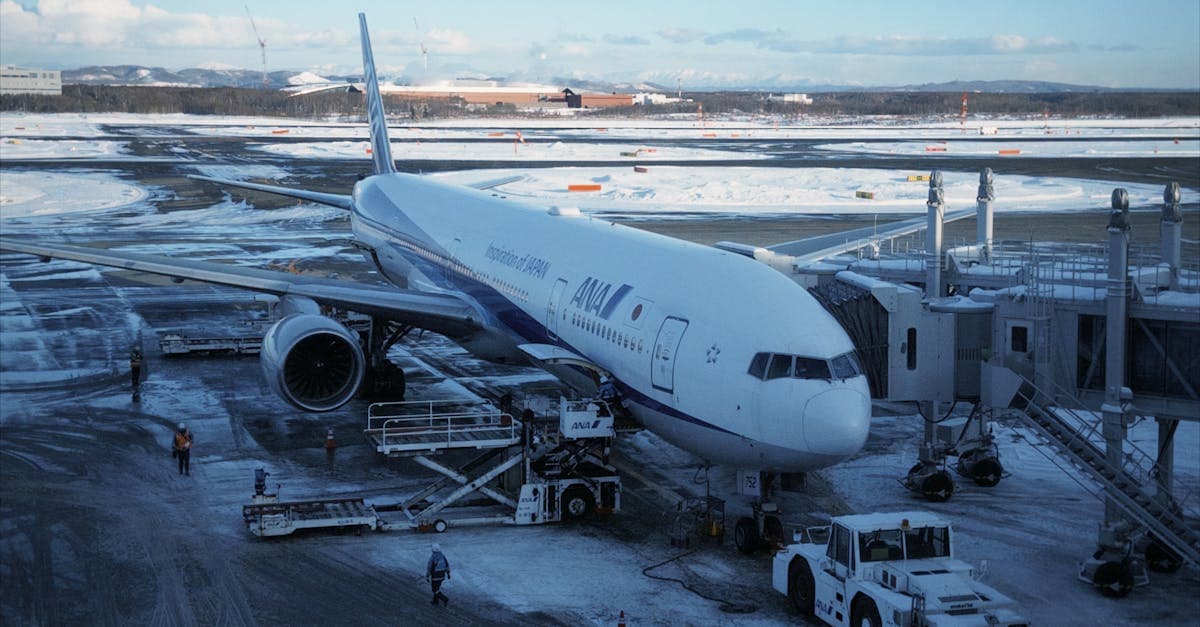
Japan is one of the most rewarding long-haul destinations UK travellers can choose. Four distinct seasons shape the experience differently each visit: winter brings powder snow in Hokkaido and outdoor onsen bathing; spring delivers the cherry blossom corridor stretching from Kyushu to Tohoku; summer runs humid and festival-packed; autumn turns the mountain forests vivid scarlet and gold.
Most first-timers follow the Tokyo-Kyoto-Osaka triangle. It's a well-worn circuit for a reason. Tokyo is vast, relentless, and absorbing in equal measure. Kyoto concentrates centuries of temples, shrines, and machiya (traditional timber townhouses) into a city compact enough to explore by bicycle. Osaka is where Japan relaxes slightly, with a street-food culture that locals will tell you beats the capital's without hesitation.
Cash still matters here, more than most UK travellers expect. Contactless payments have expanded at convenience stores and chain restaurants, but smaller temples, rural guesthouses, and family-run noodle bars frequently operate cash-only. Carrying yen throughout your trip isn't a backup plan; it's the plan.
Limited English outside the main tourist zones catches people off guard. Signage in rural areas is often Japanese-only, and train station announcements don't always come with translations. A translation app helps enormously, but only when your phone has a live data connection.
Japan is exceptionally safe. Unattended bags stay put. Lost wallets come back. That combination makes it an ideal first long-haul destination for solo travellers and families alike.
One thing first-timers consistently underestimate: staying connected.
Staying connected in Japan: what UK travellers need to know
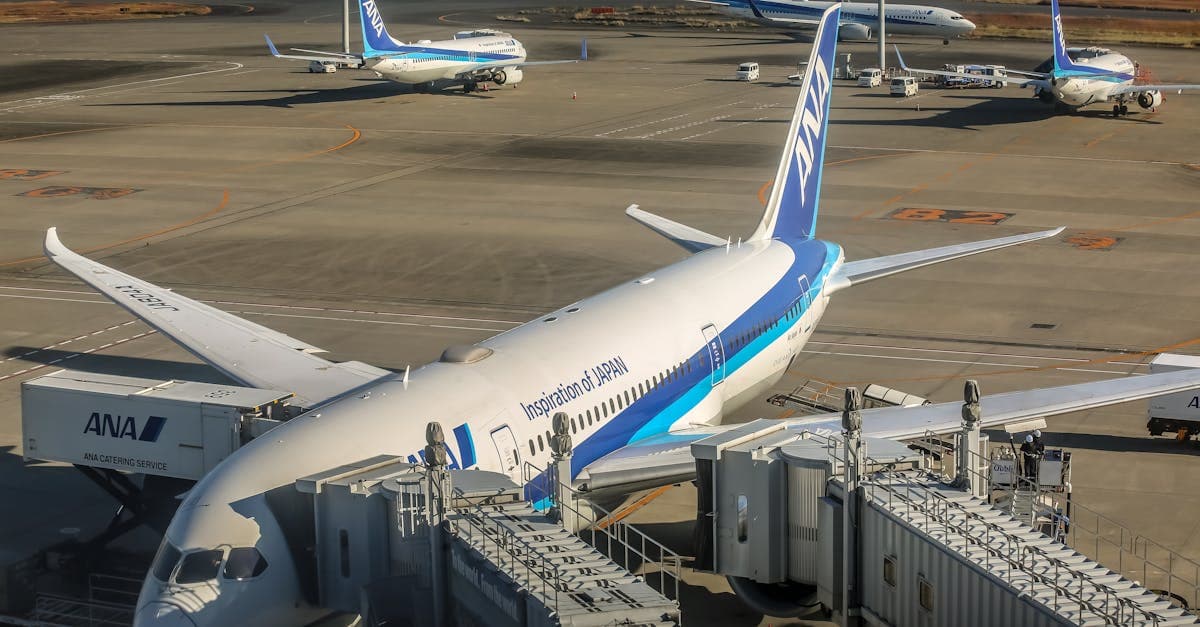
Japan's public WiFi is inconsistent and often requires registration, making a dedicated data option essential for most itineraries. Google Maps' transit mode is the backbone of navigating Japan's rail network, but it burns through data quickly. Suica (Japan's contactless IC transit card) top-ups, translation apps, and real-time navigation all demand a reliable connection.
UK travellers have three practical options:
- Carrier roaming: EE, Vodafone UK, and Three all charge daily access fees for Japan, running roughly £5 to £12 per day. Japan falls entirely outside Three's Feel At Home zones, so there's no free roaming allocation included.
- Airport pocket WiFi: Roughly £5 to £8 per day, but you carry an extra device, charge it nightly, and queue to return it at the airport on departure.
- eSIM: Scan the QR code before boarding and the phone connects to a local network the moment the wheels touch down.
Over a fortnight at the higher end of the roaming range, carrier data alone runs to £168. The pocket WiFi device works out cheaper on a three-day trip; beyond that, the cost compounds quickly.
Key fact: HelloRoam's 5GB Japan plan costs ~£7.50 for 30 days, running on KDDI/au 5G networks across Japan's major cities.
HelloRoam's Japan plans run on KDDI/au and NTT Docomo networks, covering Tokyo, Kyoto, Osaka, and the rail corridors between them. For a two-week trip with daily Maps, messaging, and transit navigation, the 5GB plan is a practical fit. Those spending a full month, or using data more heavily, will find the 10GB option at ~£12.63 covers most needs without rationing.
eSIM for Japan and your data is live before the seatbelt sign switches off.
Reviewed by HelloRoam's editorial team. Last updated: 02 June 2026.
Get Connected Before You Go


Frequently Asked Questions
Yes, British Airways, JAL and ANA all fly non-stop from London Heathrow to Tokyo Haneda in around 11.5 hours. No direct services operate from Manchester, Edinburgh or Birmingham.
January and February consistently offer the lowest economy fares from the UK to Japan. Post-New Year demand drops sharply, and early September is another good value window before autumn pricing rises.
Japan offers four distinct seasons, world-class food culture and exceptional safety. Most UK visitors follow the Tokyo-Kyoto-Osaka triangle. Cash is widely needed and English is limited outside major tourist zones.
All-in costs for a two-week Japan trip from the UK typically run between £2,000 and £4,000 per person, covering flights, accommodation and daily spending. Economy return flights start from around £480 with early booking.
British Airways, Japan Airlines and ANA all operate daily non-stop flights from London Heathrow to Tokyo Haneda. All three offer 23kg checked baggage in economy with a flight time of around 11.5 hours.
British Airways Japan flights depart from Terminal 5. Japan Airlines and ANA both operate from Terminal 3. Check your terminal carefully when booking through a price aggregator.
Haneda is better for most Tokyo visitors, sitting 30 to 45 minutes from central Tokyo by rail. Narita is 60 to 90 minutes out, and any fare saving is often cancelled out by higher transfer costs.
Kansai International Airport near Osaka is the best choice for Kyoto-centred trips. It saves a full day compared with landing at Tokyo Haneda and then backtracking westward by Shinkansen.
Booking 3 to 6 months ahead delivers the best economy return prices from the UK to Japan. Leaving it under two weeks means paying a sharp premium regardless of the season you travel.
Cherry blossom season runs from late March through April and is when UK interest in Japan peaks sharply. Fares can roughly double compared to January lows, making it the costliest spring window.
September to mid-October is a strong alternative to spring for UK travellers. Typhoon risk fades after mid-September, autumn colour begins building across mountain regions, and fares sit well below cherry blossom season peaks.
Connecting flights via Helsinki can price below non-stop fares and add only two to three hours total journey time. Routes via Dubai or Doha add two to four hours but offer competitive premium cabin products.
UK carrier roaming works in Japan but costs roughly £5 to £12 per day in access fees. Japan falls outside inclusive roaming zones for UK networks, so there is no free data allocation included.
An eSIM is the most practical option, activating by QR code before you board and connecting to a local network on arrival. Budget eSIM plans for Japan start from under £3 for a week of data.
Yes, cash is essential in Japan. Smaller temples, rural guesthouses and family-run restaurants frequently operate cash-only, so carrying yen throughout your trip is the plan, not a backup.
Japan is exceptionally safe. Unattended bags are rarely taken and lost wallets routinely find their way back to their owners, making it an ideal first long-haul destination for solo travellers and families.
Premium economy return fares from the UK to Japan typically run between £1,000 and £2,200 depending on carrier and booking window, buying extra legroom, better meal service and a functional recline on a 12-hour flight.
Sources
- Flights to Japan — skyscanner.net
- Flights from London Heathrow (LHR) to Japan (JP) — emirates.com
- booking.com — booking.com
- flights to Japan — britishairways.com
- JAPAN AIRLINES (JAL) - Flights to Japan from UK & Ireland — jal.co.jp
- Cheap flights from London to Japan ... — momondo.co.uk
- Cheap Flights to Japan - Expedia.co.uk — expedia.co.uk